



You spend half an hour on your makeup, it looks flawless in the bathroom mirror, and then you catch your reflection in a store window and wonder what happened. That gap between “looked great at home” and “looks off in daylight” usually comes down to a handful of small mistakes. Most take seconds to fix once you know what to look for.
Charlotte Tilbury puts it bluntly: “Often, it isn’t the product that’s the problem, it’s how, where, and how much product is applied” (InStyle). Below are the mistakes makeup artists flag most, along with the corrections that work.
Skipping Proper Skin Prep
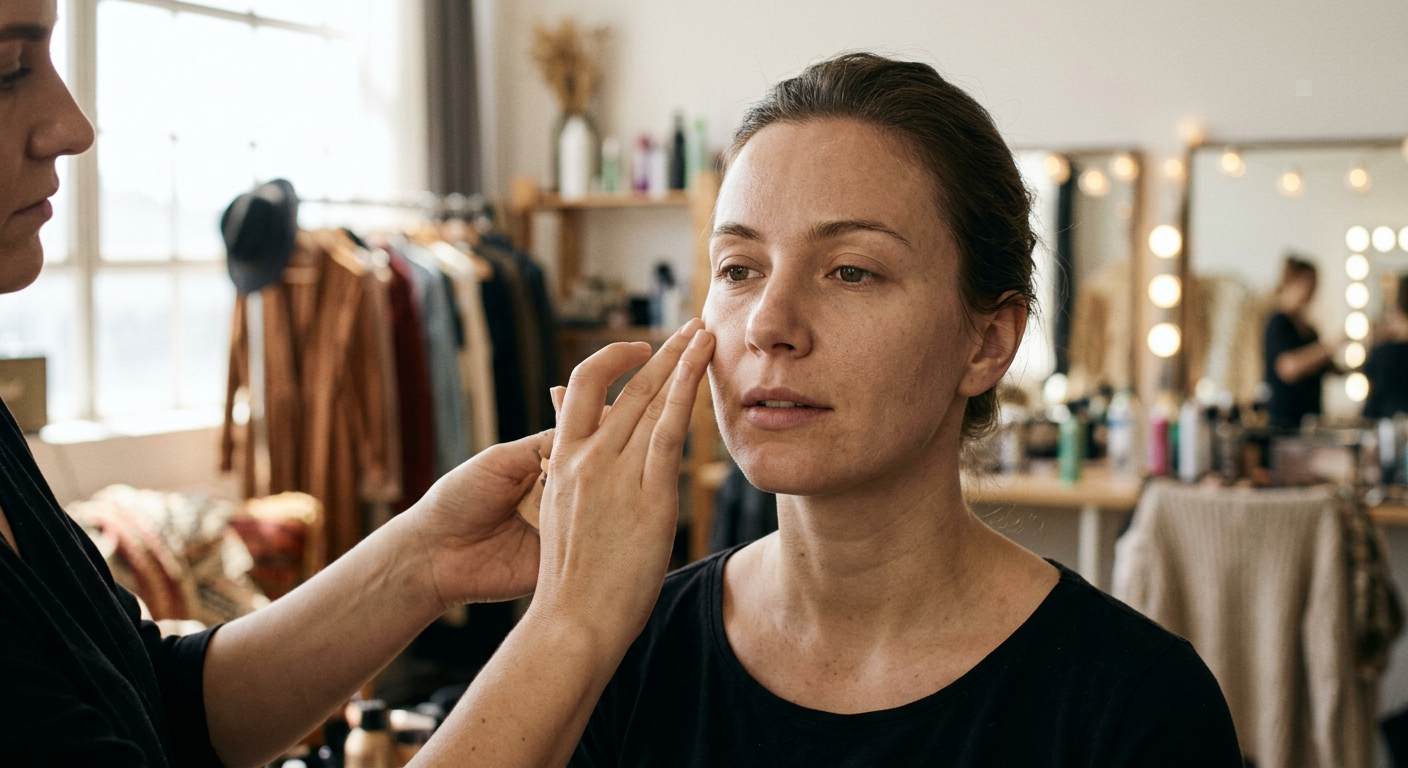
Every good look starts with skin prep, and it’s the step most people rush. Makeup artists rank it among the biggest mistakes they see, because no product performs well on dry or flaky skin.
Foundation over dehydrated skin clings to dry patches and settles into fine lines. The result is a patchy finish that emphasizes age rather than smoothing your complexion.
The Fix
Start with clean, moisturized skin and give your skincare a few minutes to absorb before you apply anything. Choose a primer that matches your skin type: hydrating for dry skin, mattifying for oily. That one change improves how everything else sits and how long it lasts.
Wearing the Wrong Foundation Shade

The wrong foundation shade is one of the most visible mistakes, and it’s a common one. Too light reads ashy or ghostly; too dark leaves an obvious line at the jaw.
The problem usually starts with testing foundation on the back of your hand, which almost never matches your face. Store lighting distorts the color further, so a shade that looks right under fluorescents can look completely different outside.
The Fix
Test along your jawline and check it in natural light before you buy. The right shade disappears into your skin with no visible transition. Stuck between two? Go with the one that matches your neck. Matching to the neck rather than the face keeps your makeup from looking like a floating mask.
Using Too Much Product
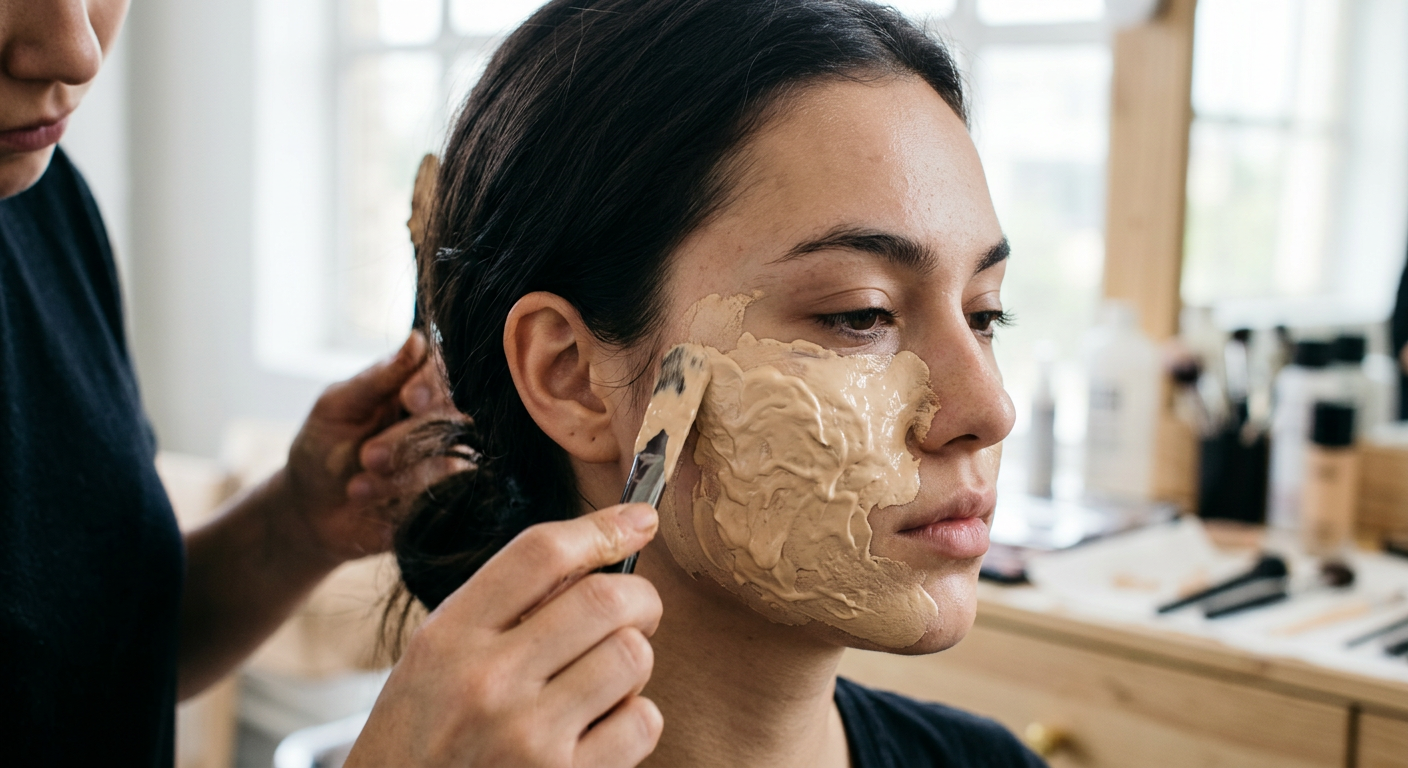
Piling on product tops most artists’ lists. Educator Terri Tomlinson calls it the error she sees most: “People pile on so many layers and so much product that they lose the look of skin, they lose dimension and shape, they lose LIFE” (Terri Tomlinson).
Too much foundation, powder, or concealer flattens your features into what she calls “a flat, grey mask.” Powder is the worst offender, since excess removes natural dimension and makes texture and fine lines more obvious.
The Fix
Apply foundation in thin layers and build coverage only where you need it. Go easy on powder, and keep it to the T-zone instead of the whole face. Skin should still look like skin. A little visible texture reads as healthy, not flawed.
Relying on Foundation as a Concealer
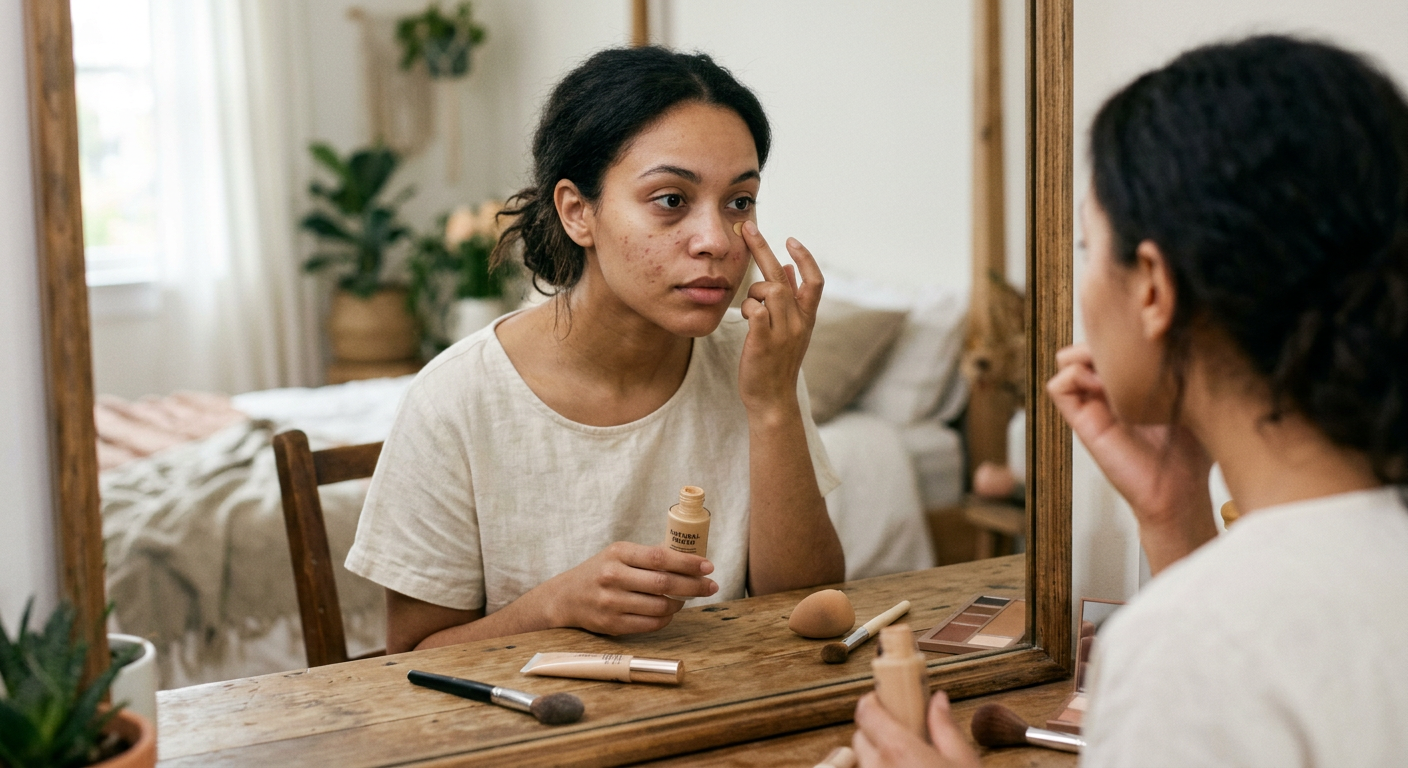
Foundation and concealer do different jobs, and using foundation for both costs you coverage and a natural finish. Layering extra foundation over blemishes or dark circles cakes product across areas that never needed it.
Concealer exists for targeted, higher-coverage work on specific spots. Match the tool to the task and the rest of your face stays light.
The Fix
Lay down a thin, even layer of foundation first, then spot-conceal only where you need it: blemishes, redness, under-eye shadows. You get better coverage with far less product.
Neglecting to Blend

Harsh lines are the surest sign of a rushed job. Unblended foundation, concealer, blush, and bronzer leave visible edges that catch the light and look unfinished. Blending is a make-or-break step (Instagram MUA tips).
The goal of blending is a seamless transition between product and skin. Any hard edge, especially along the jaw, hairline, or under the eyes, breaks that.
The Fix
Blend edges thoroughly with a damp sponge or a dense brush. Give extra attention to the jawline, hairline, and the borders of cream blush or bronzer. Use a stippling or bouncing motion rather than dragging, which softens lines while keeping your coverage intact.
Ignoring Your Tools and Hygiene
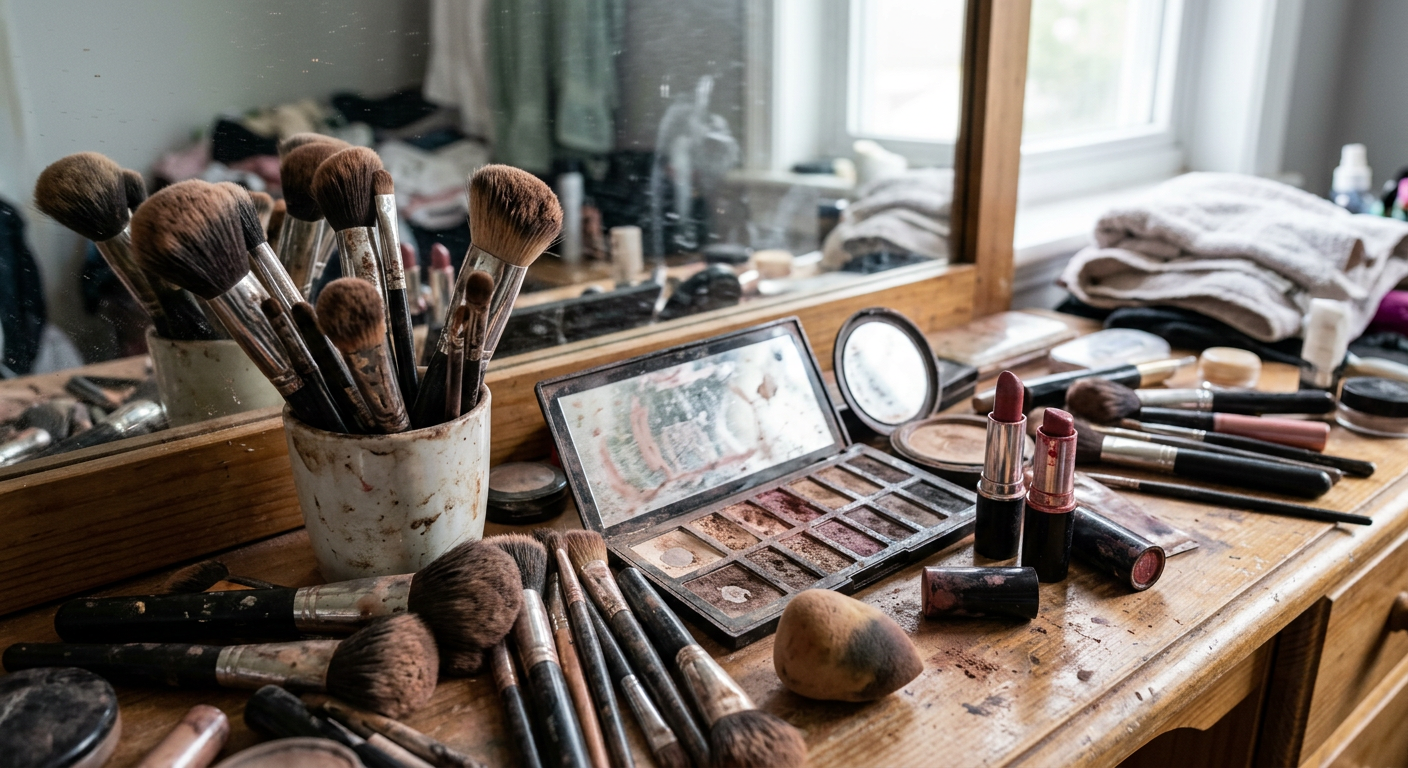
Dirty brushes and shared makeup are two mistakes people overlook, and both affect your look and your skin. Product buildup on brushes prevents smooth application and transfers bacteria that can trigger breakouts (Natalie Setareh).
Clumpy, cakey mascara is usually a sign the product is old or dried out, not a technique problem. Sharing makeup spreads bacteria and risks eye infections.
The Fix
Wash brushes at least once a week with a gentle cleanser, and replace mascara every three months. Keep your products to yourself, and wipe down lip and eye products regularly. Clean tools apply product more evenly and protect your skin.
Quick Reference: Common Mistakes and Fixes

| Mistake | Why It Happens | The Easy Fix |
|---|---|---|
| Skipping skin prep | Rushing the routine | Moisturize and prime before makeup |
| Wrong foundation shade | Testing on hands, poor lighting | Test on jawline in natural light |
| Too much product | Building for coverage | Apply thin layers, use powder sparingly |
| Foundation as concealer | Trying to hide everything | Spot-conceal only where needed |
| Not blending | Rushing application | Blend edges with a damp sponge |
| Dirty tools | Neglecting hygiene | Wash brushes weekly, replace mascara every 3 months |
Conclusion
The difference between makeup that looks good and makeup that looks great rarely comes down to expensive products. It comes down to technique: prep your skin, match your foundation shade, use product sparingly, spot-conceal, blend well, and keep your tools clean. None of these habits are hard, and each one pays off far beyond the effort it takes.
Pick the one mistake here that sounds most like you and fix it in your next routine. Once it’s automatic, move to the next. That store-window reflection will start cooperating.
Frequently Asked Questions
Q: What is the most common makeup mistake?
Using too much product is the one makeup artists cite most. Heavy layers of foundation and powder flatten your features into a mask, so thin, targeted application almost always looks better.
Q: How do I know if my foundation shade is wrong?
Look for a visible line at your jawline or an ashy, grey cast on your skin. The right shade blends into your neck and disappears in natural daylight.
Q: How often should I clean my makeup brushes?
At least once a week, with a gentle cleanser, to clear product buildup and bacteria. Clean brushes apply product more evenly and help prevent breakouts.
Q: Why does my makeup look cakey?
Cakey makeup usually comes from too much product, skipped skin prep, or applying over dry skin. Use thinner layers, prep your skin first, and go lighter on powder.
Q: What is the difference between foundation and concealer?
Foundation gives light, even coverage across the whole face; concealer gives targeted, higher coverage for specific spots. Use foundation as your base and concealer only where you need to hide blemishes or dark circles.
Q: How can I fix harsh lines in my makeup?
Blend the edges of foundation, concealer, blush, and bronzer with a damp sponge or dense brush. Focus on the jawline and hairline, and use a bouncing motion to soften lines without lifting coverage.