

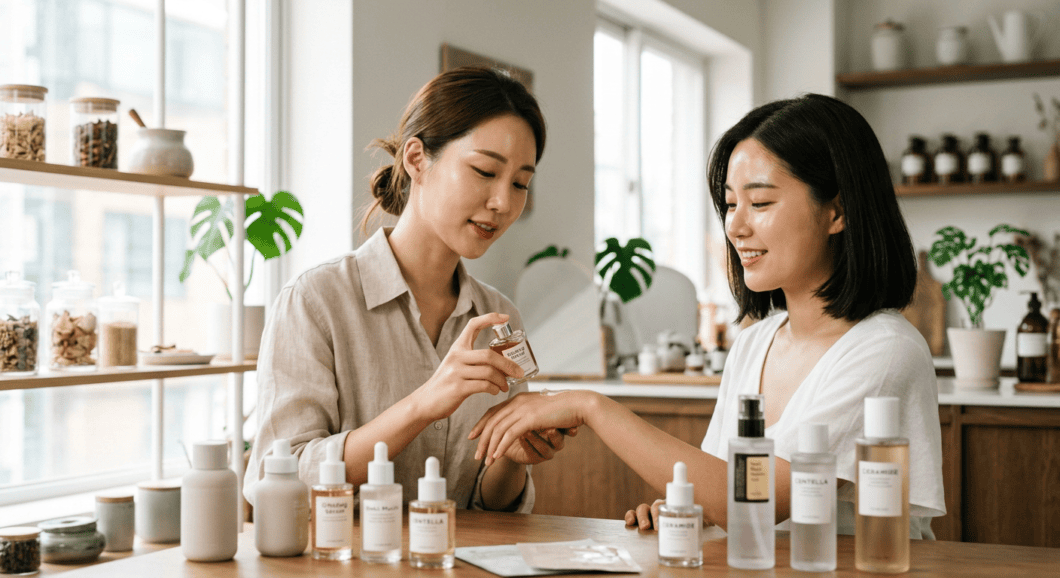
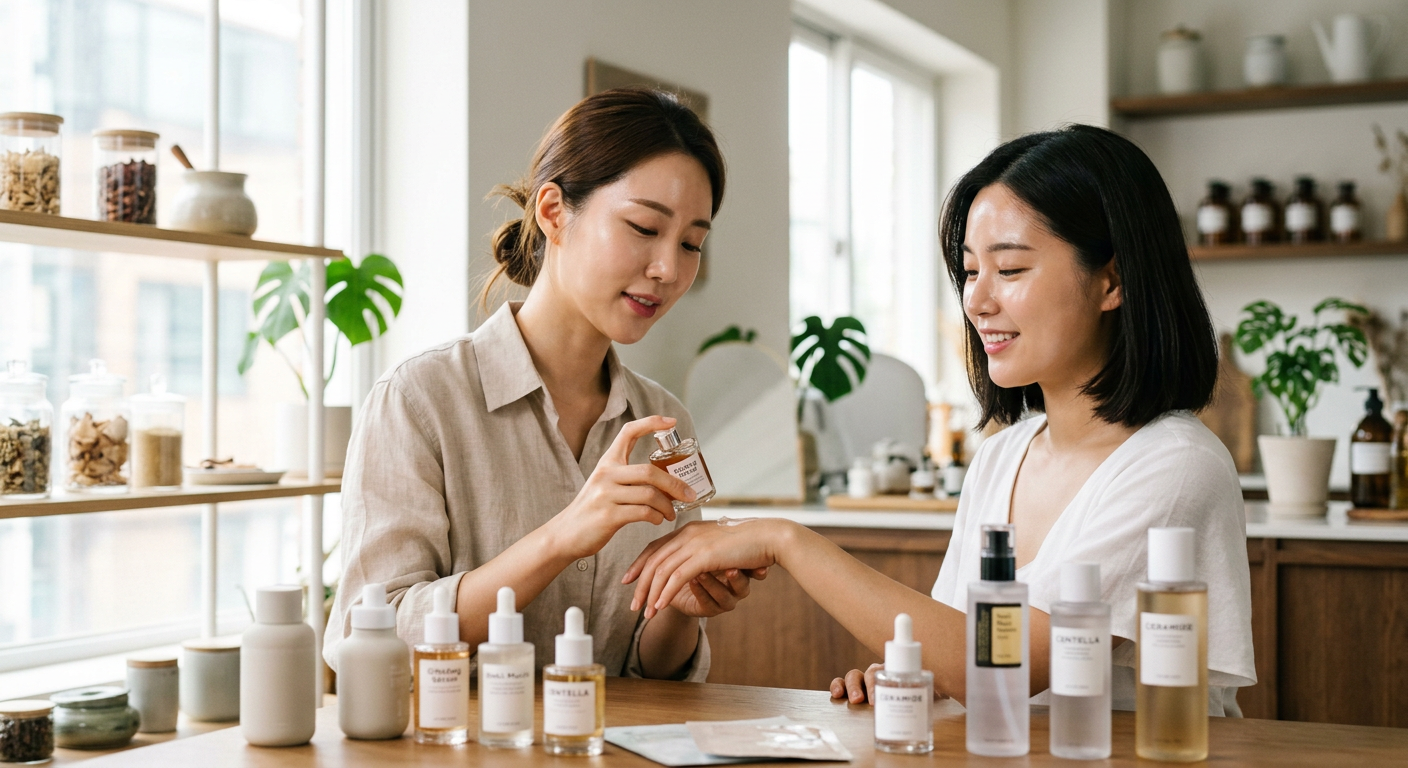
Active ingredients that used to require a dermatologist’s appointment now sit on drugstore shelves at a fraction of the clinical price. That shift explains most of how Korean beauty trends are influencing skincare worldwide. K-beauty, short for Korean beauty, has moved from a niche import to a market force that has reshaped how people cleanse, treat, and protect their skin. It started as a cultural export tied to K-pop and Korean dramas. It now drives ingredient innovation, product formats, and daily routines across the United States, Europe, and beyond.
Three things explain the appeal: it works, it innovates, and it costs less than the clinical alternatives. Understanding what K-beauty actually changed will help you build a smarter routine, no matter which products end up in your cabinet.
Why Korean Beauty Went Global
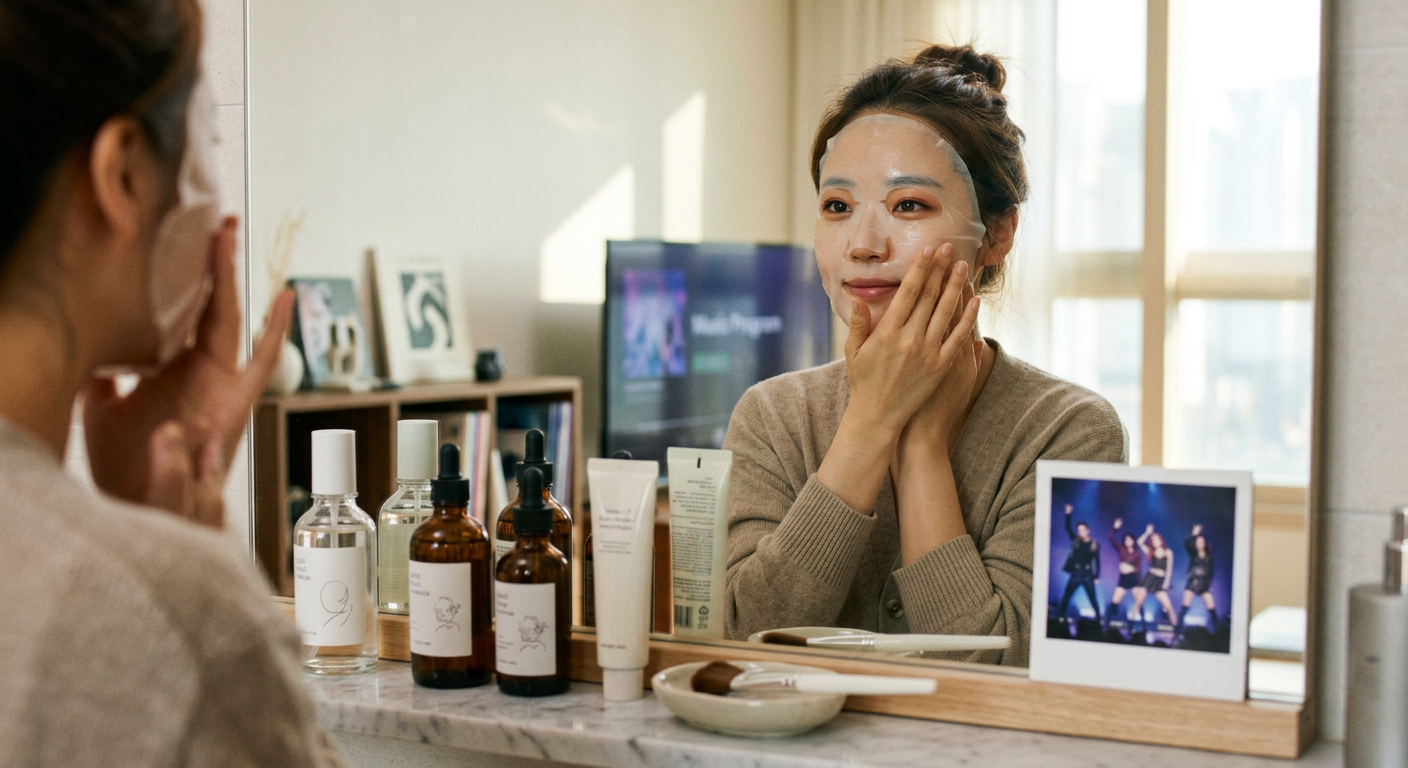
Korean skincare didn’t spread by accident. The global interest in South Korean pop culture (K-pop, film, television) fueled curiosity about the complexions people were seeing on screen. Mintel links that cultural pull, combined with product effectiveness and innovation, to K-beauty’s rise as a trendsetter across the beauty and personal care industry.
Social media did the rest. TikTok, Instagram, and YouTube turned sheet masks, cushion compacts, and glass-skin tutorials into viral content. Research from Fresno State identifies influencer marketing and digital platforms as the mechanism that carried Korean skincare philosophy—nature-based, hydration-focused, preventive—into mainstream Western routines.
What changed most was the mindset. Skincare stopped being a quick fix and became a daily ritual built around long-term skin health.
The Philosophy Shift: From Quick Fixes to Consistency
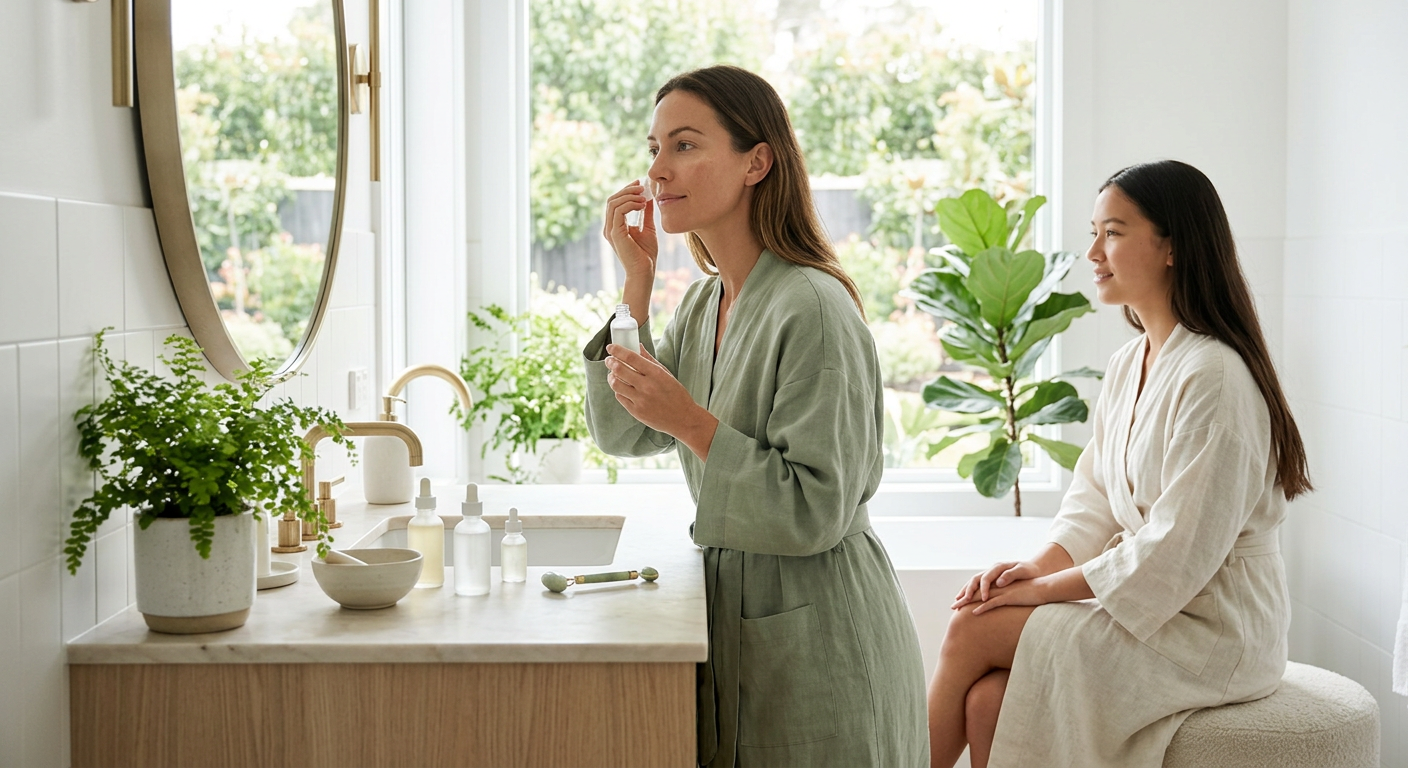
K-beauty’s biggest influence has been philosophical. Western skincare traditionally leaned on high-potency actives and fast results. K-beauty reversed the priority, putting prevention, hydration, and consistency ahead of speed.
Celebrity facialist Joanna Vargas describes the change plainly. “Unlike many Western products that tend to focus on quick fixes or high-potency ingredients, K-beauty emphasizes the long-term health of the skin,” she writes in her analysis of the U.S. market. The Korean approach, she notes, proved that healthy skin comes from building “consistency and care into every step” rather than chasing a single miracle product.
That reframes how you should think about results. Instead of expecting an overnight transformation, you invest in a routine that protects and strengthens your skin barrier day after day.
The 10-Step Routine and Its Evolution
The 10-step routine put K-beauty on the map. It layers products in a set order—oil cleanser, water cleanser, toner, essence, serum, sheet mask, eye cream, moisturizer, sunscreen—to maximize hydration and nourishment.
That maximalist ritual introduced Western consumers to steps they’d never considered, double cleansing and essences chief among them. The trend has since shifted toward “skinimalism,” which keeps the underlying philosophy but trims the product count into something more intentional and streamlined.
Ingredient Innovation: The Biotech Revolution

Korea has closed the distance between the clinic and the consumer. Ingredients that once required a dermatologist’s needle now come in over-the-counter formats, and that’s the most transformative trend shaping skincare in 2026.
Three ingredients lead the shift, according to GreyB and Vogue:
- PDRN (polydeoxyribonucleotide): Shows promise for anti-inflammatory and wound-healing effects, collagen synthesis, and reducing hyperpigmentation.
- Exosomes: Biotech-derived actives that support skin repair and cellular communication.
- Polynucleotides: Regenerative compounds moving from aesthetic clinics into cosmetic creams.
Companies like PharmaResearch Corp have pushed these regenerative medicine technologies into affordable retail products. Vogue reports that beauty experts expect PDRN and exosomes to “move from clinical to consumer formats” to support collagen production, hydration, and repair through 2026.
Beyond Actives: Botanicals and Microbiome Science
The innovation isn’t limited to lab-grown ingredients. K-beauty is still working with novel Korean botanicals and with postbiotic, microbiome-focused formulas that strengthen the skin’s natural defenses. That dual track of cutting-edge biotech on one side and nature-based tradition on the other leaves you with a wide range of options across different concerns and budgets.
Trends Shaping Skincare in 2026
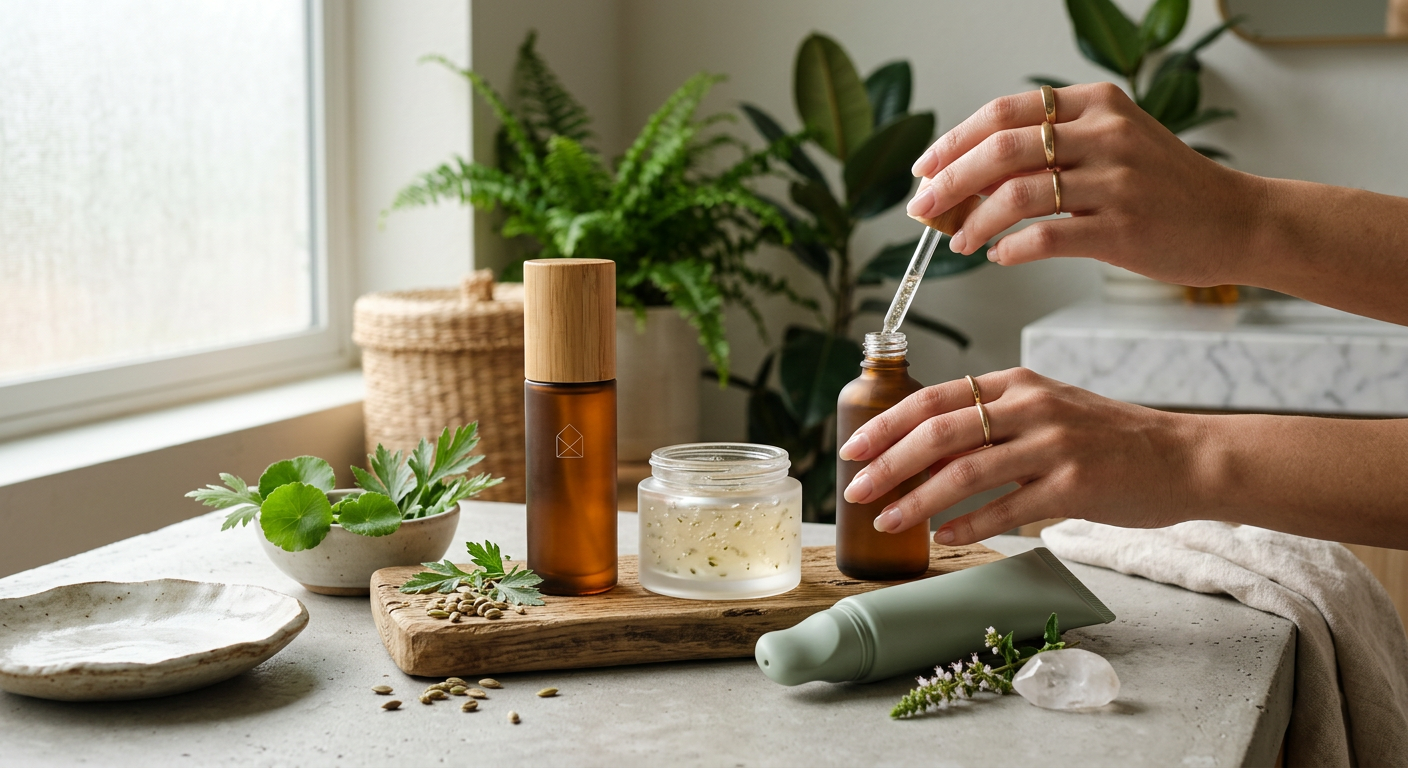
K-beauty rarely sits still, and the newest trends point to where the wider industry is headed. They also tell you what’s likely to reach your local shelves next.
| Trend | What It Means | Why It Matters |
|---|---|---|
| Cloudglow | A softer, diffused finish replacing high-shine “glass skin” | Focuses on healthy texture over mirror-like reflection |
| Biotech actives | Lab-grown ingredients like exosomes go mainstream | Clinical-grade results at consumer prices |
| Skinimalism 2.0 | Intentional, streamlined routines | Fewer, higher-quality steps |
| AI personalization | Tech-driven routine recommendations | Products matched to your specific skin data |
| Sustainability | Eco-conscious formulas and packaging | Consumer demand makes it mandatory |
The move from glass skin to “cloudglow,” documented by Shop Palace Beauty, reflects a broader theme: the goal is skin that looks healthy rather than filtered. AI-driven personalization adds another layer, building routines matched to your climate and skin type.
How to Apply K-Beauty Principles to Your Routine
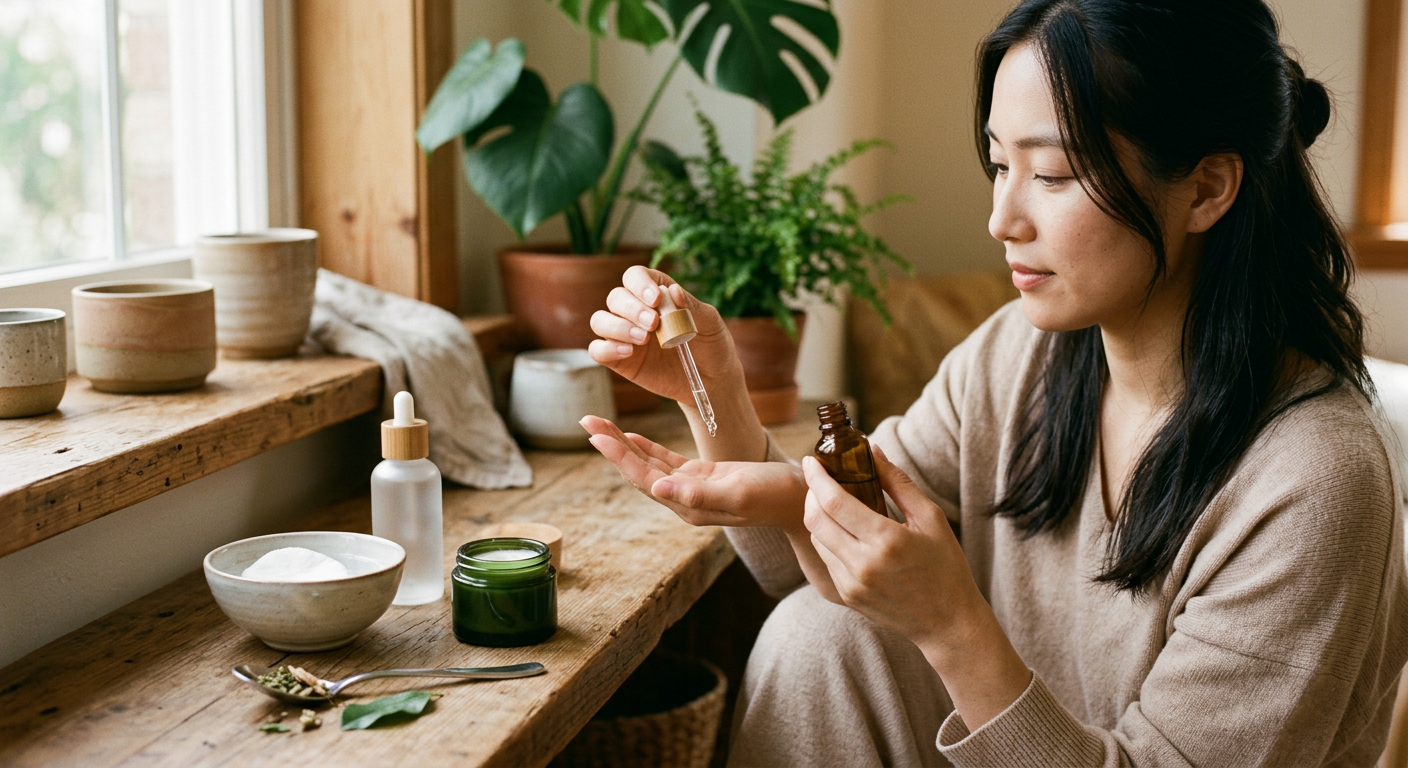
A shelf full of Korean products isn’t the point. The principles matter more than the brands. Build consistency first, and prioritize hydration over aggressive actives.
Consider adopting a K-beauty-inspired routine:
- Double cleanse at night. Use an oil-based cleanser first, then a water-based one to remove sunscreen and buildup.
- Layer hydration. Add a lightweight toner or essence before your serum to prep the skin.
- Introduce one active at a time. If you try PDRN or a biotech serum, add it slowly and watch how your skin responds.
- Never skip sunscreen. Daily SPF is the foundation of the preventive K-beauty philosophy.
- Stay consistent. Results come from weeks of steady care, not a single application.
If you’d rather ease in, a minimalist skincare routine works well. Expand it as your skin adjusts.
Conclusion: What K-Beauty Means for Your Skin
Korean beauty trends have permanently changed how the world approaches skincare. The influence shows up in three ways: a philosophy centered on consistency and prevention, ingredient innovation that brings clinical actives into everyday products, and a steady stream of trends that keep pushing the whole industry forward.
The practical part is simple enough. Focus on hydration, protect your skin barrier, introduce potent actives like PDRN carefully, and commit to a routine you’ll actually keep up. Whether you buy Korean brands or apply the same principles to the products you already own, the payoff is healthier skin over time.
Pick one principle—double cleansing, layering hydration, or daily SPF—and add it to your routine this week. The consistency is what pays off.
Frequently Asked Questions
Q: What is K-beauty?
K-beauty, short for Korean beauty, refers to skincare and cosmetic products and trends that originate in South Korea. It’s known for emphasizing hydration, prevention, and long-term skin health through consistent routines and innovative ingredients.
Q: Do I really need a 10-step Korean skincare routine?
No. The 10-step routine popularized layering and hydration, but the current trend leans toward “skinimalism”—a streamlined routine of fewer, higher-quality products. Consistency matters far more than the number of steps.
Q: What is PDRN and is it safe for everyday use?
PDRN (polydeoxyribonucleotide) is a regenerative ingredient with anti-inflammatory and collagen-boosting properties, now available in consumer serums and creams. Introduce it gradually and patch-test first, as you would with any new active.
Q: Why did Korean beauty become so popular globally?
Three factors drove it: product effectiveness, ingredient innovation, and affordability. Interest in K-pop and Korean media, amplified by platforms like TikTok and Instagram, spread these products worldwide.
Q: What is “glass skin” and is it still trending?
Glass skin describes a luminous, poreless, mirror-like complexion achieved through intense hydration. In 2026 the trend is shifting toward “cloudglow,” a softer finish that prioritizes healthy texture over high shine.
Q: Can I mix Korean skincare with Western products?
Yes. The K-beauty approach is about principles—hydration, layering, prevention, consistency—not brand loyalty. You can apply these habits to any products already in your routine.