

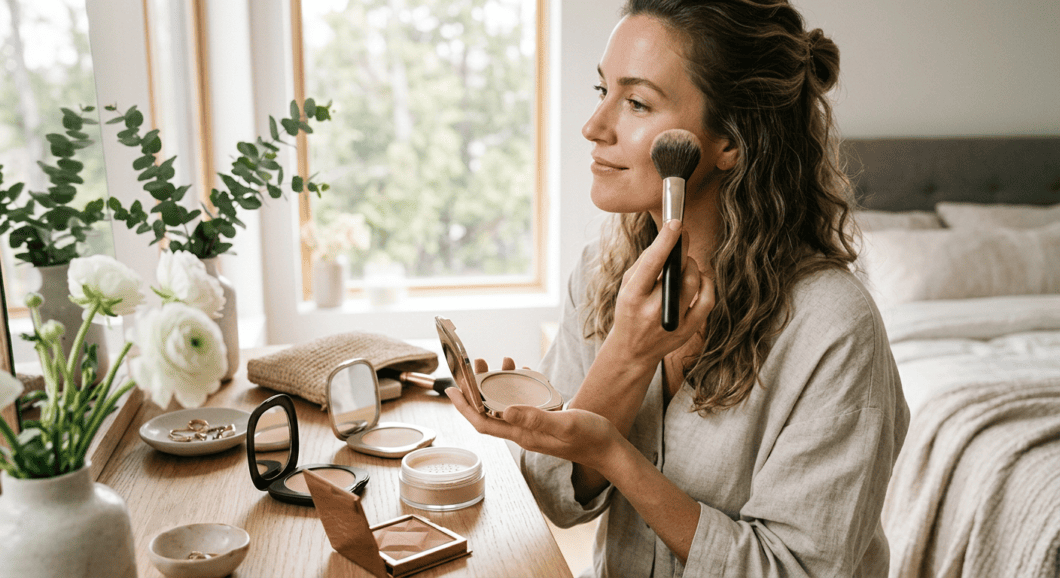
Google searches for “pressed powder” jumped 68 percent in a single year, and searches on TikTok climbed 196 percent, according to data-research firm Spate. The surge isn’t confined to makeup bags. Supplement scoops and powdered beverages are seeing the same lift. A format plenty of people had written off as dated is back, and the numbers are strong enough that brands across categories are rethinking how they design products.
So why the return to powder? Four forces are pushing it: economics, performance, convenience, and a change in how people define value. The data lays out each one.
The Beauty Category Leads the Powder Revival
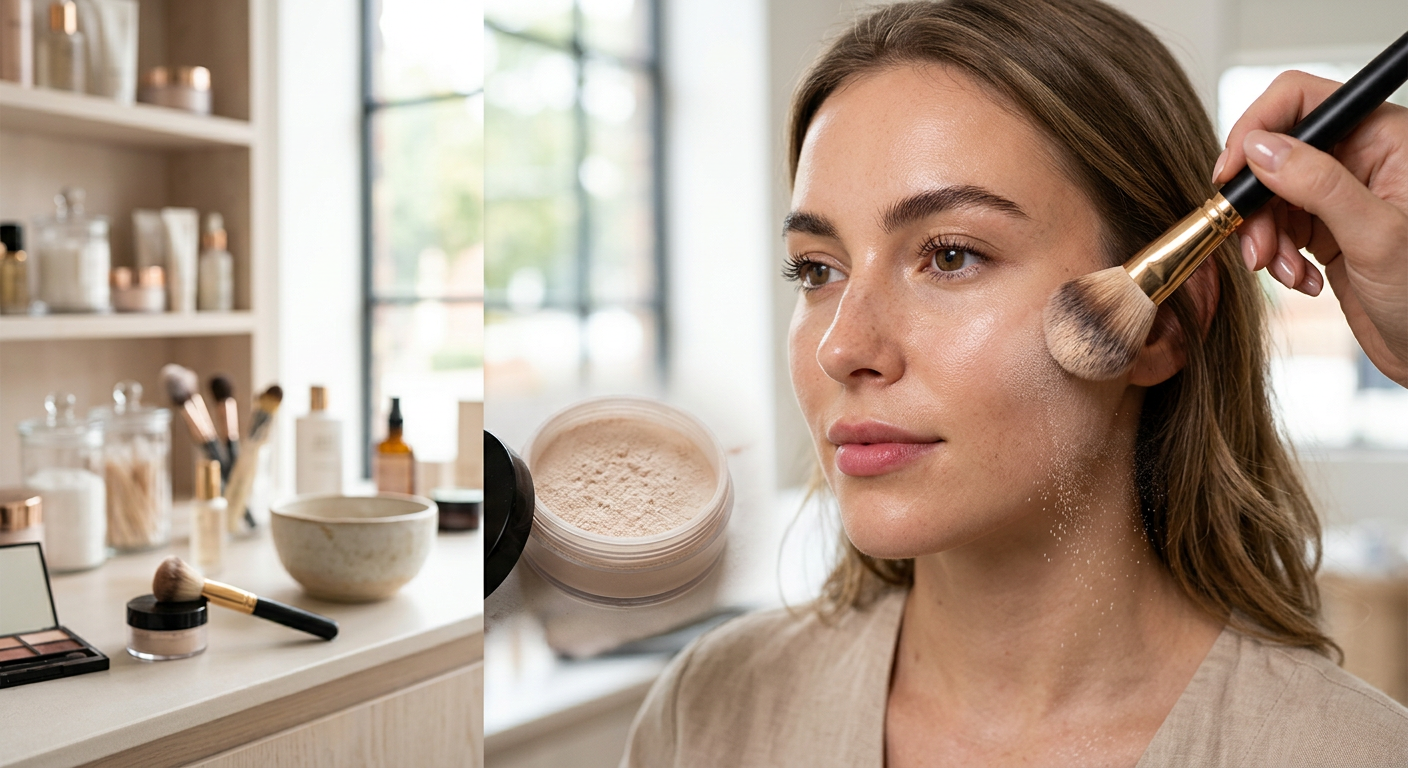
Dewy, glazed, creamy finishes ran the beauty world for years. Makeup artists chased the “your skin but better” glow with liquids, balms, and serums. The pendulum has started to swing the other way.
Pressed and loose powders are back in daily routines because they fix problems creams can’t. They control shine, keep makeup in place longer, and let people apply exactly as much as they want, exactly where they want it. A Cosmopolitan beauty editor described how a few pats of setting powder can “instantly control shine and even out your skin tone” while locking makeup down for optimal wear time.
Blush Data Confirms the Shift
Blush follows the same pattern. Community research from Beauty Buddy asked the same questions across 2025 and 2026 and found consumers “returning to reliable, familiar formats — particularly powder.” Blush is still a daily essential for 67 percent of users in 2026, and powder’s edge in longevity, control, and brush application is drawing shoppers back.
This isn’t a disruption. It’s a mature category quietly rewarding the formats that perform the same way day after day.
Powder Supplements Are Winning on Absorption and Flexibility
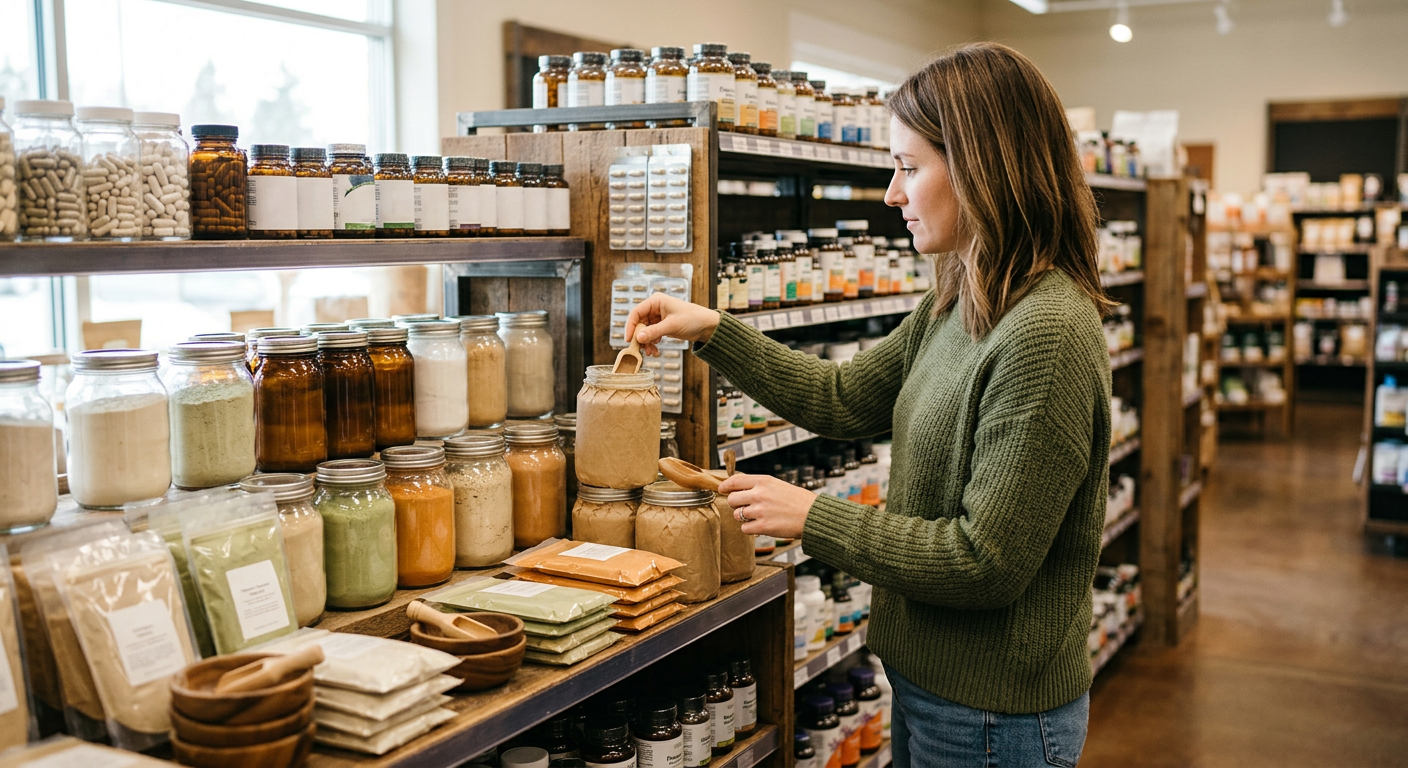
The supplement aisle tells a matching story. Capsules and tablets held the shelf for years, but powder is now the fastest-growing delivery format, and not just because of protein shakes.
Powders dissolve fast, so the body absorbs nutrients more efficiently than it does from tablets that first have to break down in the digestive tract, according to Innova Nutra. Faster absorption is a performance benefit people can actually feel, particularly active users who want results quickly.
Customization Sells
Powder also opens the door to personalization. Brands can blend custom formulas, adjust dosages up or down, and combine ingredients in ways a rigid capsule can’t. Nutra Connection weighed efficacy, convenience, and cost and called dry powder products “a better and more affordable choice overall.”
For anyone building a routine around specific goals, powder offers flexibility a pre-formed pill can’t match.
Powdered Beverages Are in a Full-Scale Renaissance
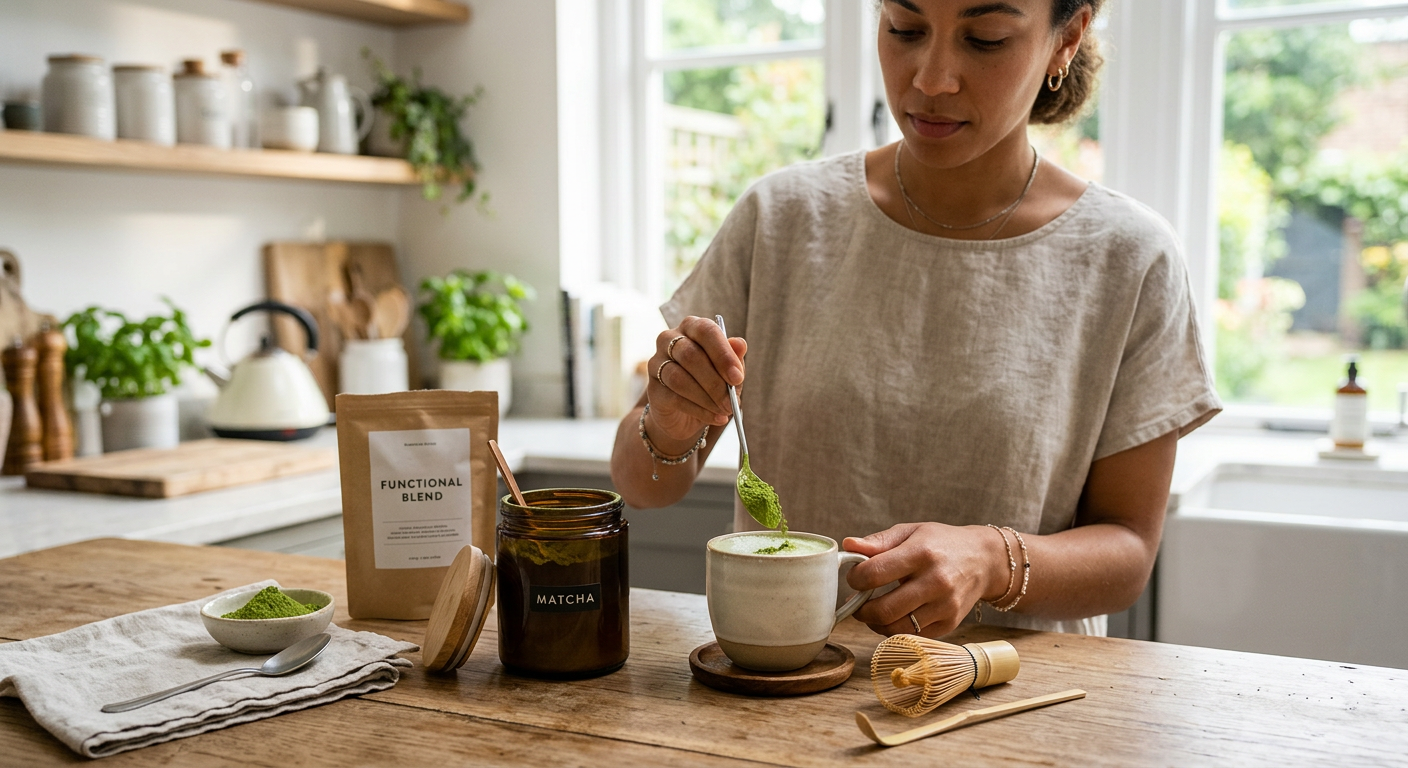
Powdered drinks used to mean cheap mixes and instant coffee. That association has faded. Industry research projects the global powdered drink market to grow at nearly 10 percent CAGR through 2029, according to Sensapure.
The growth reflects how people now tie wellness to everyday hydration and nutrition. Powdered electrolytes, greens blends, functional coffees, and protein drinks let buyers customize what goes in the glass while skipping the shipping weight and spoilage risk of pre-mixed liquids.
Powder hands brands and buyers the same set of wins: lighter shipping, longer shelf life, and mix-to-taste control. That combination drives repeat purchases in a way liquid formats can’t match.
The Economics of Powder Make Sense Right Now

Timing matters. US consumer sentiment dropped to a two-year low in 2026 as inflation and job worries pushed households to trim discretionary spending, per McKinsey.
Powder answers that pressure directly. It usually costs less per use, lasts longer, and wastes less. When money gets tight, a product that stretches further and works reliably becomes an easy purchase to defend.
Powder vs. Liquid: A Quick Comparison
| Factor | Powder | Liquid |
|---|---|---|
| Cost per use | Lower | Higher |
| Shelf life | Longer | Shorter |
| Shipping weight | Lighter | Heavier |
| Customization | High (mix-to-order) | Low (pre-formulated) |
| Absorption (supplements) | Faster | Comparable |
| Convenience on the go | High | Varies |
| Waste/spoilage risk | Lower | Higher |
The pattern repeats across categories. Powder keeps winning on cost efficiency, longevity, and flexibility, which explains why it lands so well during a cautious spending cycle.
What the Powder Comeback Signals for Brands

Buying behavior is tilting toward trust, value, and control. Salsify research found that 68 percent of shoppers will pay more for products from a brand they trust, and 37 percent say personalized recommendations get them to buy more often.
Powder maps onto both. It allows customization that feels personal, and it delivers measurable performance that earns trust over repeat use. Brands that treat powder as a premium, personalized experience instead of a budget afterthought are the ones positioned to capture that loyalty.
Packaging offers another signal. The 2026 blush consumer showed a 5 percent rise in saying packaging is “not important,” which suggests buyers care more about what a product does than how it looks on the shelf. For powder brands, that points toward spending on formulation and performance rather than flashy containers.
Practical Takeaways for Product Teams
- Lead with performance data: longevity, absorption, and control.
- Offer customization or mix-to-order options where possible.
- Emphasize cost-per-use value in a cautious spending market.
- Prioritize formula quality over premium packaging spend.
Conclusion: Powder Is Positioned to Keep Winning
The powder comeback isn’t nostalgia. It’s a data-backed response to real needs. Beauty buyers want control and staying power. Supplement users want faster absorption and customization. Beverage drinkers want lighter, longer-lasting, mix-to-taste options.
Add an economy where 2026 shoppers are cutting discretionary spend, and powder’s lower cost per use and reduced waste make it a defensible choice. The format wins on value, performance, and flexibility at the moment shoppers care most about all three.
If you build, market, or buy products, the takeaway is straightforward: take powder seriously. Audit your lineup, find where a powder format could outperform its liquid or capsule version, and build your messaging around the concrete benefits shoppers already respond to.
Frequently Asked Questions
Q: Why are powder products becoming popular again?
Shoppers value powder for its lower cost per use, longer shelf life, and customization. Economic pressure in 2026 and a shift toward performance-driven buying have sped up the trend across beauty, supplements, and beverages.
Q: Are powder supplements better than liquid supplements?
Powders often absorb faster because they dissolve quickly instead of needing to break down like tablets, and they allow more customization. Nutra Connection found powders to be a more affordable and effective choice overall for many use cases.
Q: Is pressed powder makeup back in style?
Yes. Google searches for “pressed powder” grew 68 percent in a year and 196 percent on TikTok, according to Spate, as shoppers return to formats that control shine and extend wear time.
Q: How fast is the powdered beverage market growing?
Industry research projects the global powdered drink market to grow at nearly 10 percent CAGR through 2029, driven by wellness trends and demand for customizable, shelf-stable options.
Q: Do powder products really save money?
Generally yes. Powders typically cost less per use, ship lighter, and waste less thanks to longer shelf life, which makes them appealing as households cut discretionary spending.
Q: What should brands prioritize when launching powder products?
Focus on performance benefits like absorption, longevity, and control, offer customization where possible, and emphasize cost-per-use value. Product quality now matters more to shoppers than premium packaging.