



Water makes up as much as 70% of the formula in a typical liquid cosmetic. That number explains why organic beauty brands have made water reduction a priority in 2026. Solid shampoo bars, refill stations, 3D-printed packaging: the move away from water-heavy products is changing how clean beauty gets made, shipped, and sold.
Two forces are pushing it. EU regulators now require verifiable sustainability data, and younger shoppers, particularly Gen Z, are walking away from products they see as wasteful. The change shows up in the numbers.
Why Water Waste Became Beauty’s Defining Problem
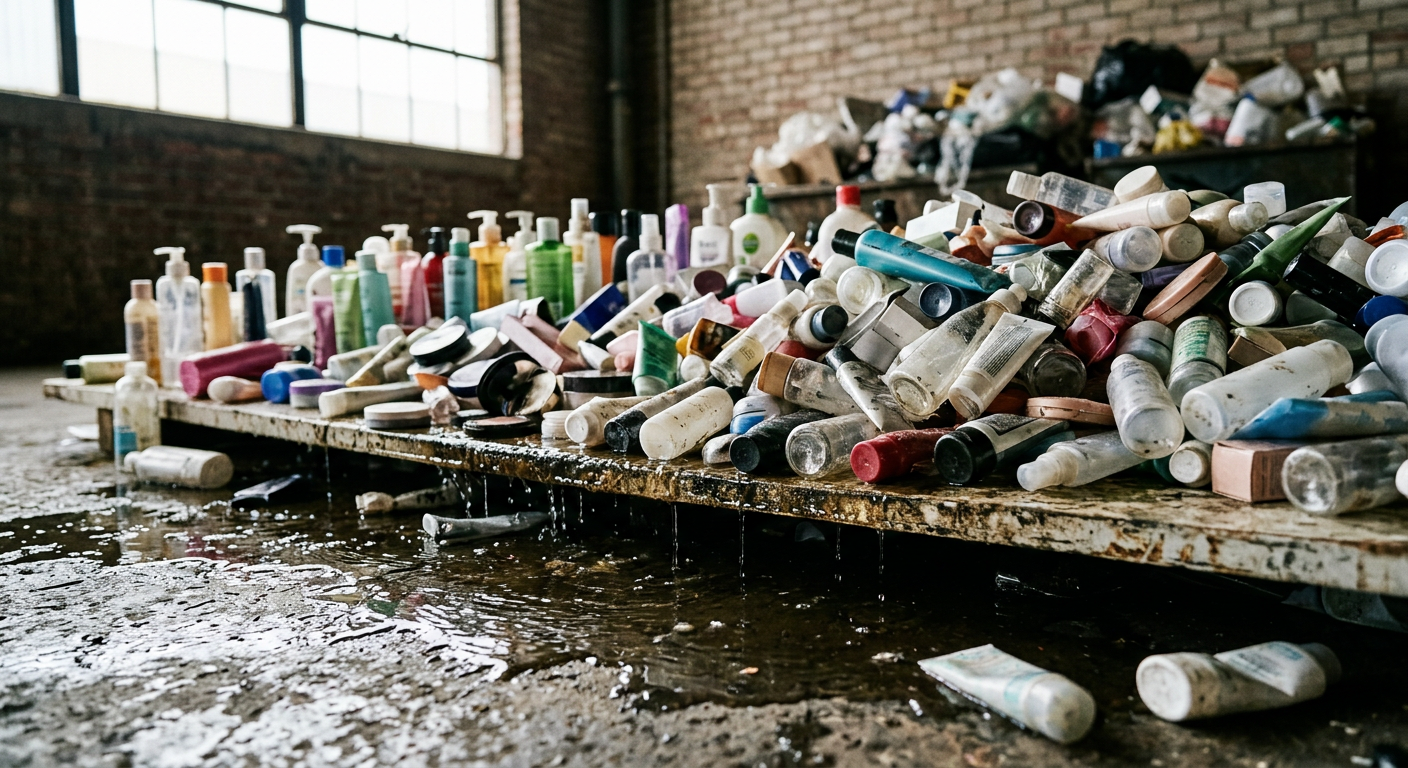
The beauty industry produces roughly 120 billion packaging units a year, and most of them carry water-diluted formulas across thousands of shipping miles. A bottle that’s mostly water means shipping weight, burning fuel, and using up a resource that’s getting scarcer in many of the regions where ingredients are sourced.
Consumer awareness has caught up fast. Devera reports that 67.7% of Generation Z shoppers now prioritize sustainability in their beauty purchases, and 56.2% are willing to pay more for eco-friendly products. That gives brands a financial reason to act, not only an ethical one.
Regulation closes the loop. EU frameworks like the CSRD and REACH require brands to prove their sourcing and water claims rather than market them loosely. According to WifiTalents, these rules are forcing real transparency on water and carbon pressures throughout the supply chain.
Waterless and Solid Formulas Lead the Charge
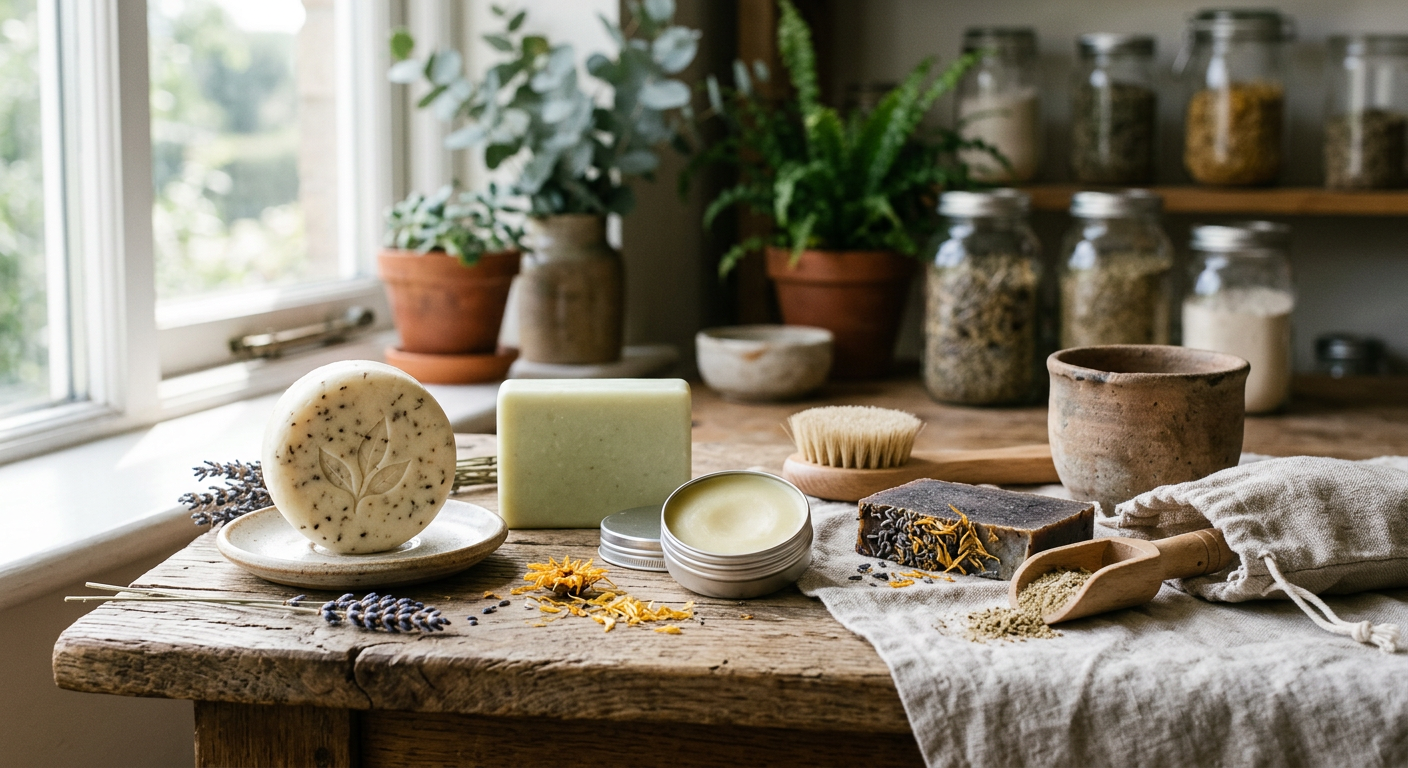
The most direct way to cut water waste is to take the water out of the product. Solid beauty products such as shampoo bars, conditioner bars, and cleansing balms drop the water that liquid formulas use as filler and carrier.
The savings are concrete. A single solid bar saves about 500ml of water compared to its liquid equivalent, per WifiTalents. Multiply that across millions of units and the impact stacks up.
How Waterless Products Compare
| Product Type | Water in Formula | Packaging Need | Shipping Weight |
|---|---|---|---|
| Liquid shampoo | Up to 80% | Plastic bottle | High |
| Shampoo bar | Near 0% | Paper or none | Low |
| Powder cleanser | Near 0% | Refillable tin | Low |
| Concentrated serum | Reduced | Small glass vial | Medium |
Powder-to-foam cleansers and concentrated serums work the same way. The water gets added at home, at the point of use, instead of being shipped at the manufacturer’s cost. There’s a secondary benefit: waterless formulas resist bacterial growth far better than diluted ones, so they need fewer synthetic preservatives.
Refill Systems Keep Water and Packaging in the Loop
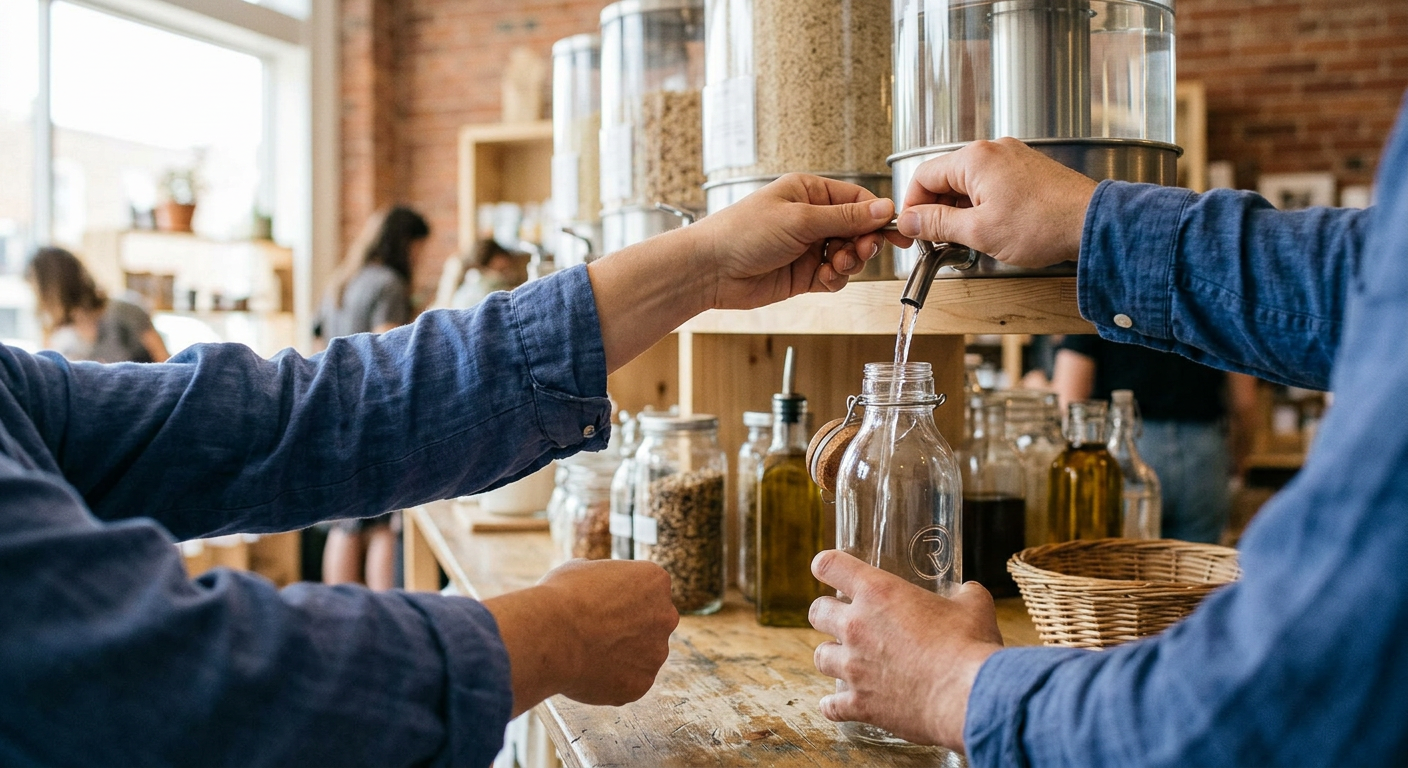
Refillable packaging tackles water waste from a different angle. When customers refill a container instead of buying a new one, brands manufacture fewer units and use less water in production cleaning and processing.
Retailers are building the infrastructure to make this practical. CleanHub notes that Boots in the UK and Ulta Beauty’s The Beauty Drop-off in the US now accept hard-to-recycle items like pumps, caps, and compacts. These take-back programs handle what curbside recycling can’t.
Brands featured by ZeroWasteStore are extending refills into mascara, deodorant, and skincare. The model works because it reduces packaging and the water-intensive manufacturing that new packaging requires.
Smarter Manufacturing Slashes Water at the Source
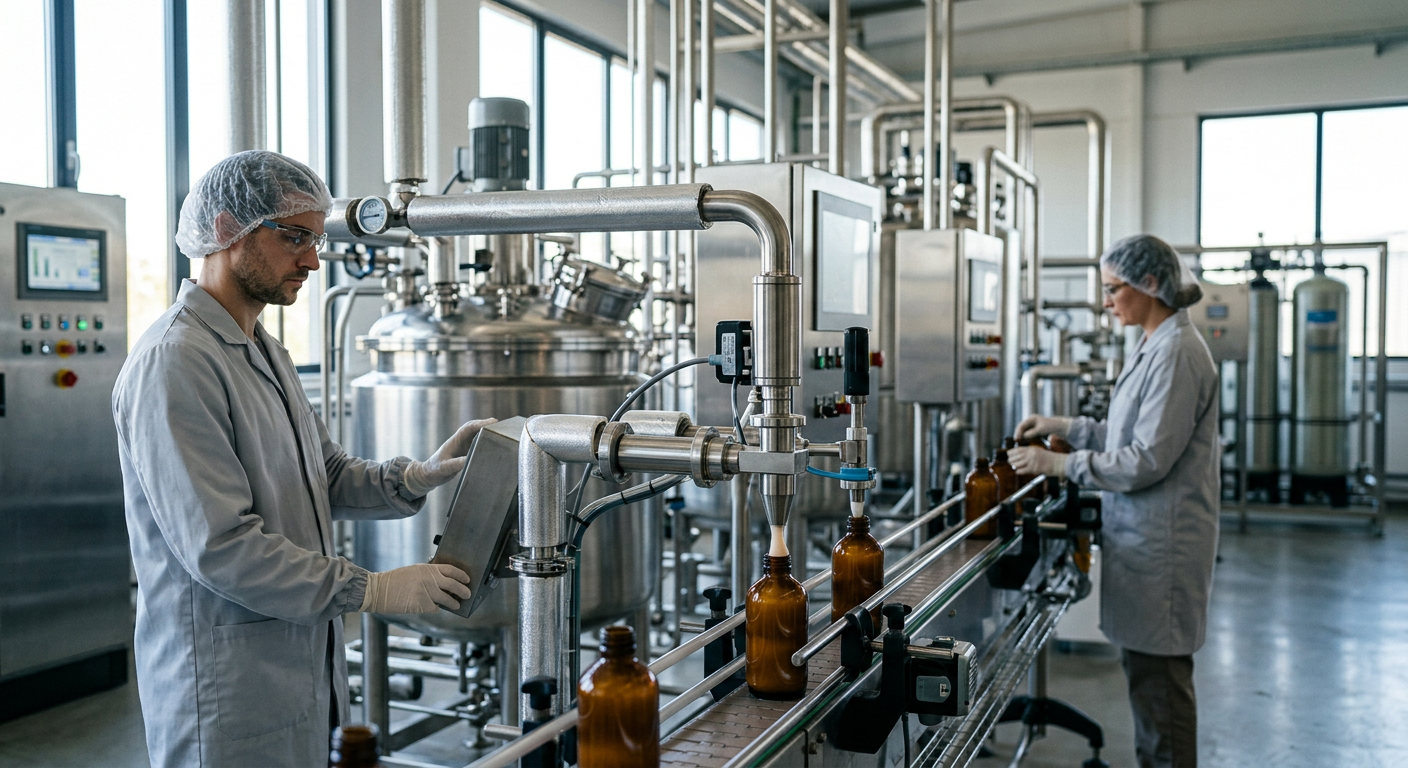
Water waste isn’t only about the bottle on the shelf. A large share of beauty’s water footprint comes from manufacturing, where production lines consume water for cleaning, cooling, and processing.
The data shows real progress. Worldmetrics reports that 80% of brands have reduced water use by 10% over the last three years, and 45% have cut packaging waste by 20% since 2020. Much of that comes from closed-loop water systems that capture, filter, and reuse process water.
The Role of 3D Printing
Newer production methods promise larger savings. WifiTalents reports that 3D printing of beauty products could reduce manufacturing waste by 90%. Because additive manufacturing builds only what’s needed, it cuts the water and raw material lost to traditional molding and trimming.
Brands that combine efficient manufacturing with concentrated formulas see the benefits compound. Less water in the product means less water in production, and less product mass means lighter shipping.
Proving It: From Green Claims to Verified Data

Cutting water waste means little if customers don’t believe the claim. Skepticism runs high: more than half of consumers question the authenticity of clean beauty marketing, according to Devera.
That skepticism is pushing brands toward measurable proof. Life Cycle Assessment, or LCA, tracks a product’s environmental impact across its full lifespan, from sourcing to disposal. Brands now use LCA data to back up specific water-reduction figures instead of vague “eco-friendly” labels.
The payoff is trust. Devera found that 70% of consumers research a company’s environmental credentials before buying. Brands that publish verified water-savings data, refill participation rates, and LCA results turn that research into loyalty.
What to Look For as a Buyer
- Concrete numbers: liters of water saved per unit, not vague claims
- Refill or take-back options at the point of purchase
- Waterless or concentrated formats for high-volume products like cleansers
- Third-party verification or published LCA data
- Transparent sourcing that addresses water-stressed regions
What This Means for the Future of Clean Beauty
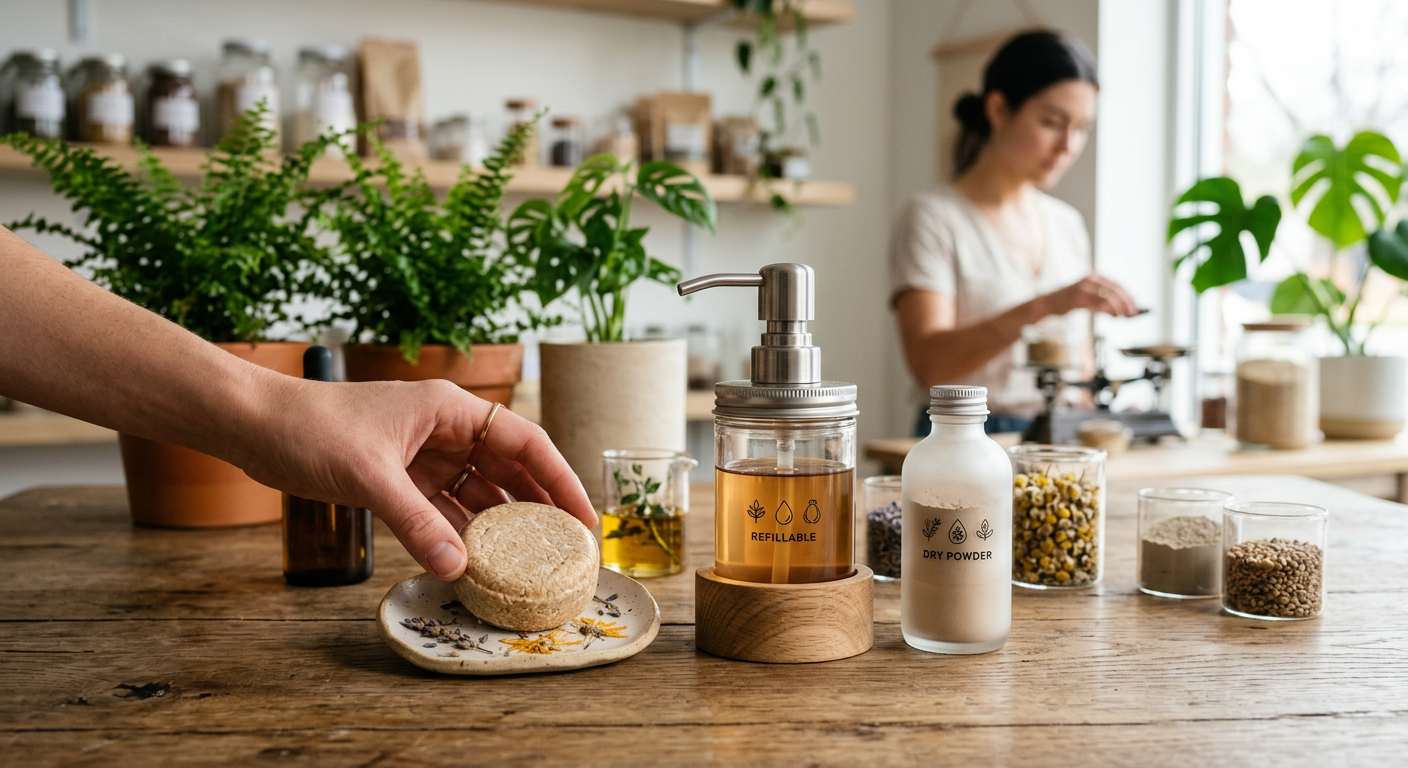
The direction is set. Waterless formats, refill loops, and efficient manufacturing have moved from niche experiments to baseline expectations for any brand claiming to be organic or sustainable.
The brands gaining ground in 2026 treat water as a resource to conserve, not a cheap ingredient to dilute with. They publish data, build refill infrastructure, and design products that work with less. Between regulatory pressure and Gen Z buying power, this shift looks permanent rather than seasonal.
Conclusion
Organic beauty brands are reducing water waste in 2026 on several fronts: solid and waterless formulas that save around 500ml per bar, refill systems backed by major retailers, manufacturing upgrades that have already cut water use by 10% across most brands, and verified data that turns green claims into proof. Each tactic addresses water at a different point, from the production line to the bathroom shelf.
Buyers hold real influence over which approaches succeed. Choose waterless or concentrated products where you can, join refill and take-back programs at retailers like Boots and Ulta, and favor brands that publish concrete water-savings figures. Every purchase pushes the industry one way or the other.
Frequently Asked Questions
Q: How much water do solid beauty bars actually save?
A single solid bar saves about 500ml of water compared to its liquid equivalent, since liquid formulas can be up to 80% water. Across millions of units sold, that adds up to substantial water conservation.
Q: Are waterless beauty products as effective as liquid versions?
Yes. Waterless products are often more concentrated and deliver active ingredients without dilution. They also need fewer preservatives, because the absence of water slows bacterial growth.
Q: What is the easiest way to support water reduction in beauty?
Switch high-volume products like shampoo and cleansers to solid or powder formats, and use refill programs at retailers that offer them. Those two steps cut both water and packaging waste with minimal effort.
Q: Can refillable packaging really reduce water waste?
Yes, because manufacturing new containers requires water for cleaning and processing. Refilling existing containers reduces production volume, which lowers the overall water footprint.
Q: How can I tell if a brand’s water claims are genuine?
Look for specific figures, such as liters saved per unit, and check whether the brand publishes Life Cycle Assessment data or third-party verification. Vague terms like “eco-friendly” without numbers signal weaker claims.
Q: Why is Gen Z driving the shift toward sustainable beauty?
Research shows 67.7% of Gen Z shoppers prioritize sustainability and 56.2% will pay more for eco-friendly products. Their buying power gives brands a direct financial incentive to reduce water and packaging waste.