

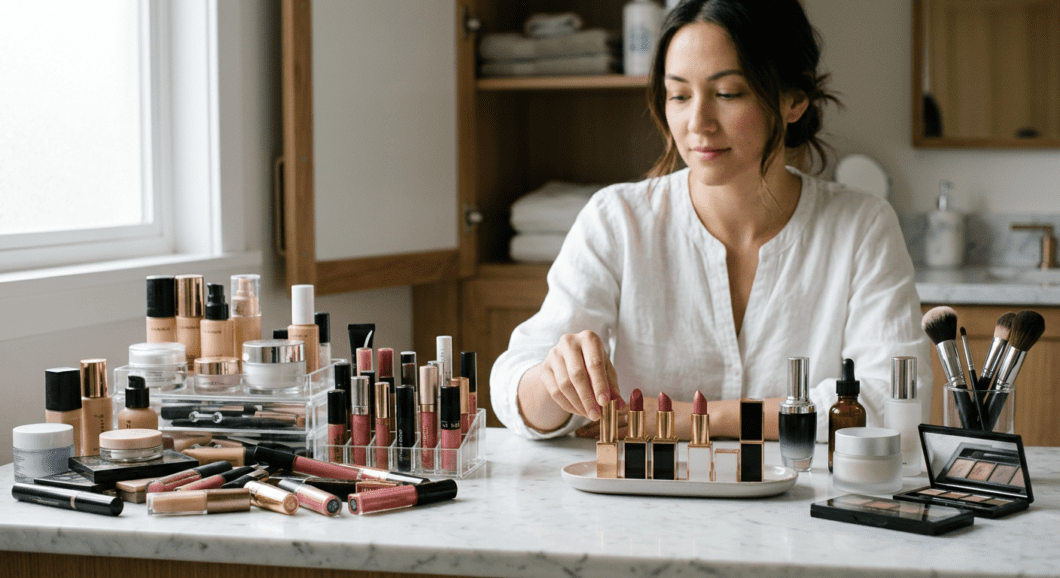
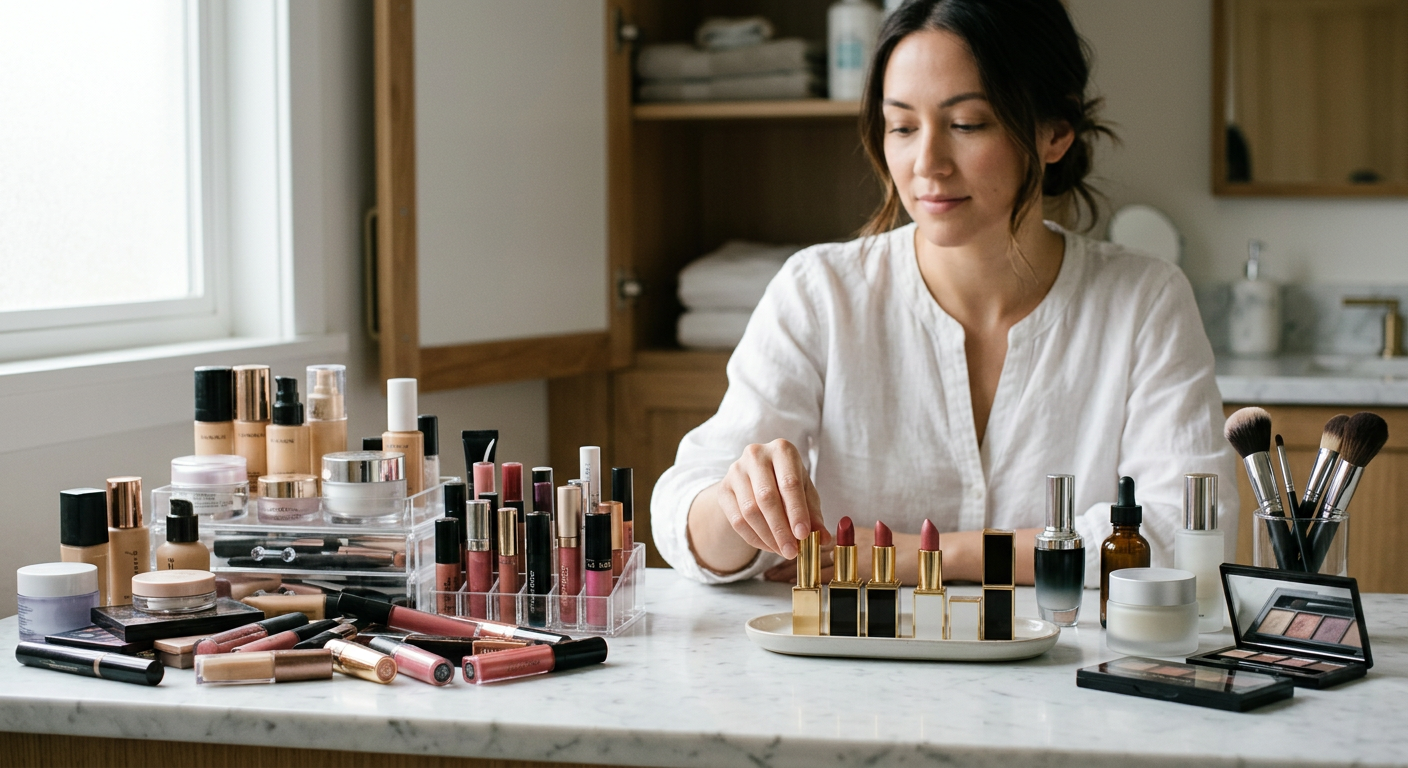
Count the lipsticks in your bathroom cabinet, then count how many you’ve touched since last month. For most people the gap is wide, and that gap is exactly what’s pushing shoppers to thin out their collections and keep only the things they reach for. The curated beauty wardrobe — fewer products, chosen on purpose — is changing how people buy makeup and skincare.
This is more than a tidy-shelf aesthetic. It tracks real changes in how people spend, who they trust, and how retailers display what they sell. Beauty sales grew 10% over the past year despite tighter budgets, NIQ reports. People are spending more, but they’re looking harder at what they get for the money.
What a Curated Beauty Wardrobe Actually Means
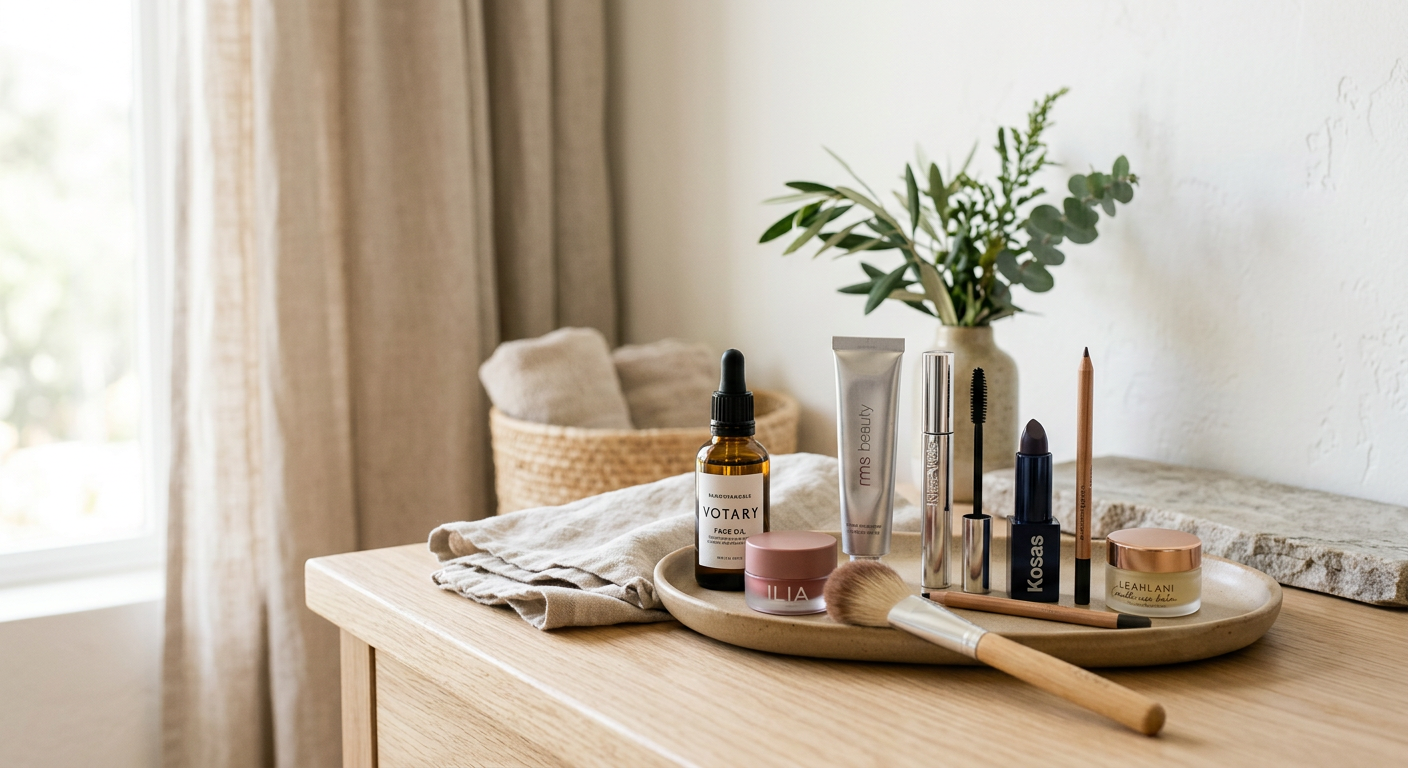
A curated beauty wardrobe is a small, intentional set of products picked to work together and suit your needs. It applies the capsule wardrobe idea to your makeup bag: a limited number of pieces that mix and match to cover most occasions.
The concept comes straight from fashion. Vogue reports that customers will increasingly pay for the curation and convenience of clothing sets that have already been styled. The same math works on a vanity. A tinted moisturizer, one reliable mascara, a blush that flatters, and a lip color that pulls double duty will outwork a drawer of 40 single-use products.
Curated Wardrobe vs. Traditional Collection
| Factor | Curated Wardrobe | Traditional Collection |
|---|---|---|
| Number of products | 8–15 core items | 40+ items, many unused |
| Buying approach | Intentional, need-based | Impulse, trend-driven |
| Product overlap | Minimal, complementary | High duplication |
| Average waste | Low | High (expired, unused) |
| Decision time per use | Seconds | Minutes |
The Decision Fatigue Driving the Shift

Choice overload wears people out. Faced with 30 versions of the same serum, plenty of shoppers freeze instead of buying with any confidence. A curated edit fixes that by doing the sorting in advance.
Curated edits “reduce friction, guide decision making and build trust — because shoppers know that someone with taste, expertise and intent has already done the hard work for them,” Top Drawer notes. The trust is the whole point. A smaller, well-chosen range cuts out the second-guessing that comes with endless options.
Retailers see the same thing at scale. The curated model behind Sephora, Cult Beauty, and Boots “reduces decision fatigue and introduces customers to brands they might not otherwise try,” according to CSCCA. Fewer choices end up producing more confident purchases.
A Younger, Value-Conscious Buyer Is Leading the Change

The people clearing out their cabinets aren’t Boomers. Millennials and Gen Z make up 67% of beauty buyers; Boomers account for just 10%, per Morning Consult. That younger majority is more diverse, more online, and more deliberate about where its money goes.
These shoppers will spend even in a shaky economy, but they hold brands to a standard and act on it. They’ll pay for quality and refuse to pay for redundancy. A curated wardrobe fits that thinking: invest in fewer, better products instead of chasing every release.
The Influence of the Anti-Haul
Sentiment has turned against the beauty haul. Fashion Journal argues that influencer-driven haul culture normalized “having more than we need” and pushed cosmetic spending to unsustainable levels.
The backlash opened space for a different kind of content: the curated routine, the “shelfie” edit, the project-pan challenge where creators commit to finishing products before they buy more. These formats reward restraint, and they’ve made a small collection look aspirational rather than limiting.
Why Curation Builds Trust and Loyalty
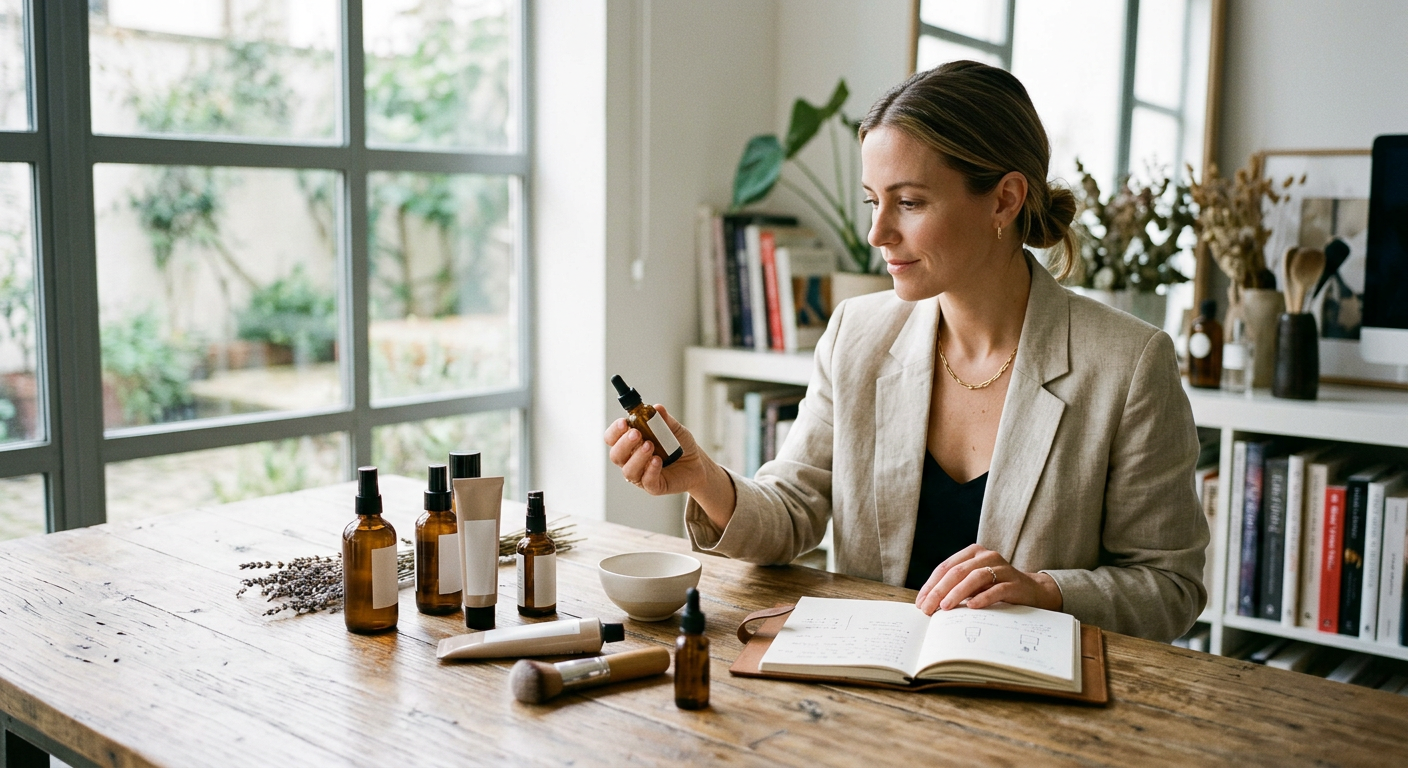
Trust is the central currency in beauty now. Product quality and consistency rank as the top influence on consumer trust, NIQ found, and 49% of consumers who use generative AI have already acted on an AI beauty recommendation.
A curated wardrobe deepens that trust because every product earns its place. When you stop buying scattershot, you start noticing what actually works on your skin, and you keep going back to the brands that deliver. That repeat behavior is exactly what retailers are after.
Curated lines also feel personal. Global Sources explains that a tailored range makes customers feel understood rather than “just another shopper in a massive” catalog. Feeling known is what turns a one-time buyer into a loyal one.
How to Build Your Own Curated Beauty Wardrobe
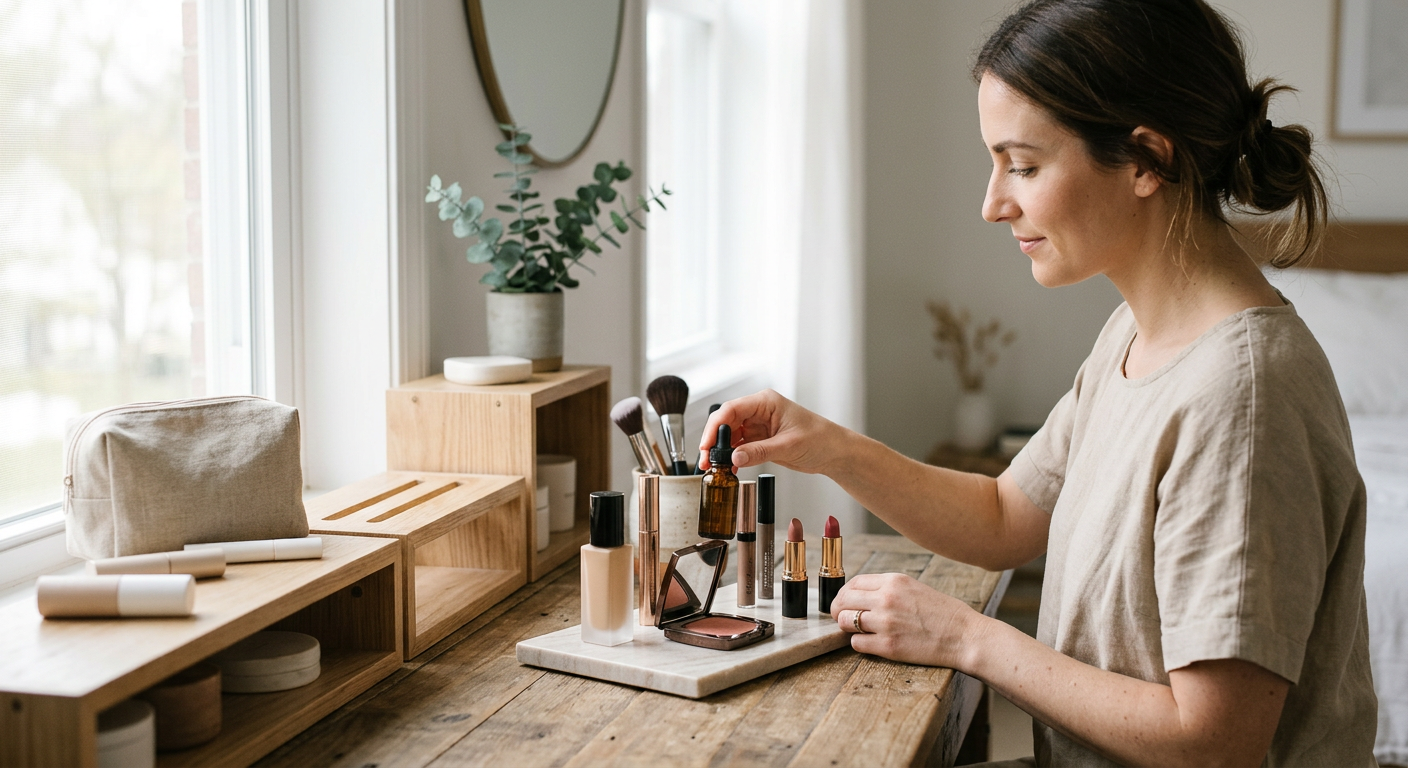
Building a curated wardrobe means subtracting first, then adding on purpose. Start with what you reach for and make everything else justify its space.
A practical sequence:
- Audit honestly. Empty your collection and group products by category. Flag duplicates and anything expired or untouched in six months.
- Identify your non-negotiables. Pick the items you use weekly. These form the backbone of your wardrobe.
- Choose multitaskers. Favor products that do more than one job — a lip-and-cheek tint, a tinted SPF, a brow gel that also tames flyaways.
- Fill genuine gaps only. Buy to complete a routine, not to chase a trend.
- Set a one-in, one-out rule. Add a new product only when you finish or retire an existing one.
Prioritize Versatility Over Volume
Modular thinking raises perceived value. Zigpoll notes that products designed to combine in multiple ways get used more often and leave customers more satisfied.
The same applies to beauty. A neutral eyeshadow quad that carries you from day to night beats three single-shade palettes you wear twice a year. Versatility, not volume, makes a wardrobe that works.
What This Means for Beauty Brands and Retailers
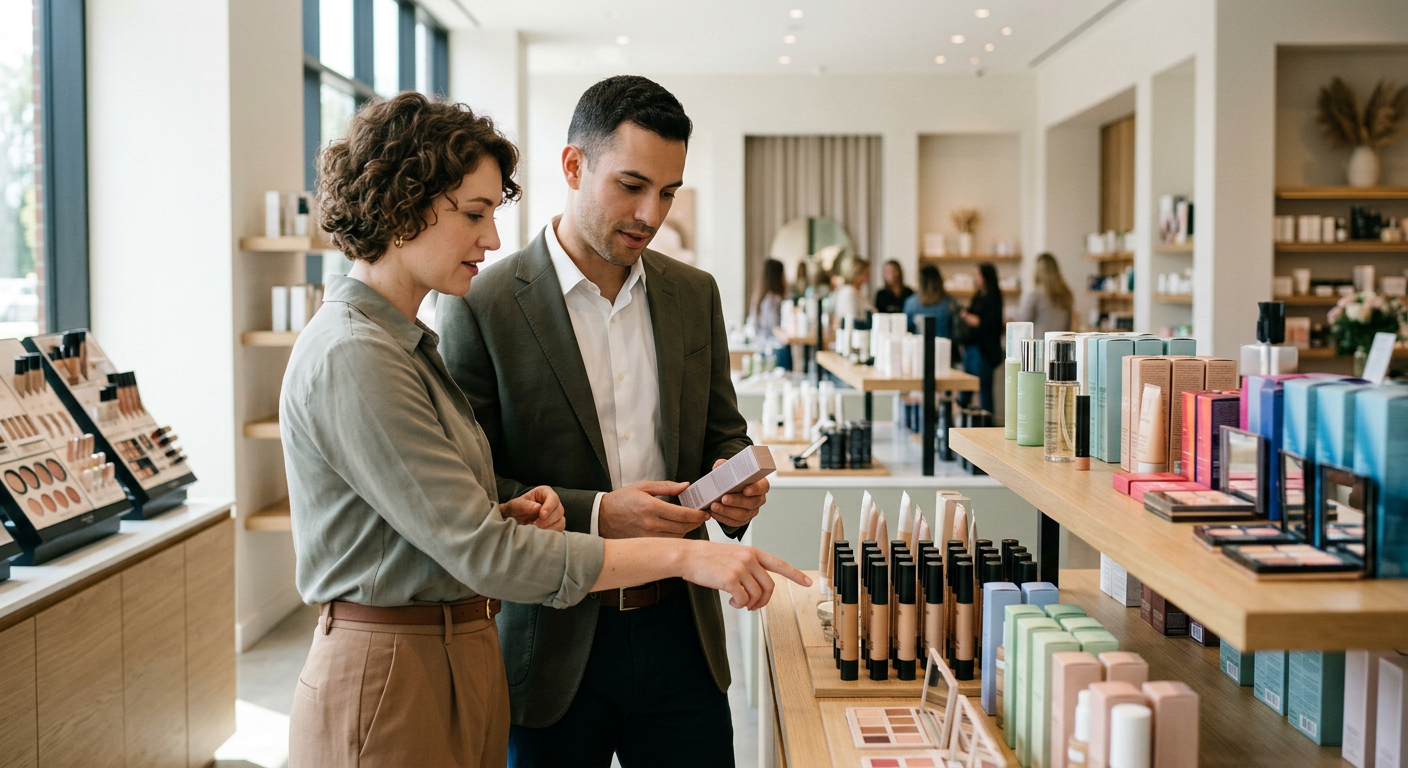
The curated shift isn’t a threat to the industry. It’s a roadmap. Health and beauty has logged five straight years of growth, with 10.7% year-on-year growth and average consumer spend of £328 each, according to Barclays. People are still spending. They’re just spending with intent.
The brands that win will lead with curation, credible claims, and visible results instead of overwhelming choice. Independent retailers are particularly well-placed. Top Drawer reports that independents are the most engaged buyers on the show floor precisely because they “come to discover, compare and curate.”
The lesson for any retailer: stop selling a warehouse and start selling a point of view. A considered edit signals expertise, and expertise converts.
Key Takeaways
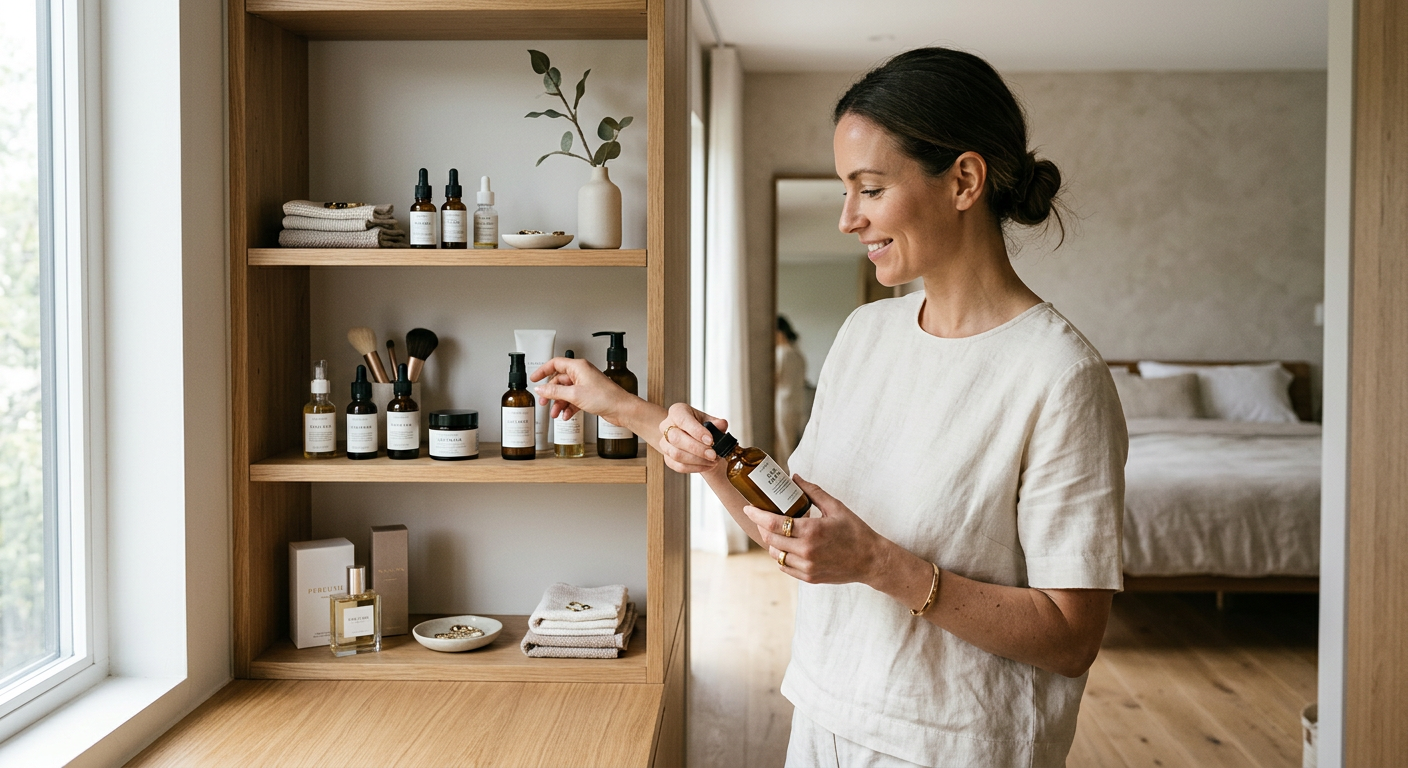
The move from huge collections to curated beauty wardrobes reflects a more intentional, value-driven consumer. Decision fatigue, a younger and more deliberate buyer base, and a cultural backlash against haul culture have all pushed shoppers toward fewer, better products.
For consumers, the payoff is less waste, lower stress, and a routine that works. For brands, the opportunity sits in curation, trust, and a clear identity rather than endless options.
Ready to make the switch? Audit your collection this week, identify your non-negotiables, and build a wardrobe where every product earns its place. Your drawer and your budget will both come out ahead.
Frequently Asked Questions
Q: What is a curated beauty wardrobe?
A curated beauty wardrobe is a small, intentional set of products — usually 8 to 15 items — chosen to work together and suit your needs. It mirrors the capsule wardrobe concept in fashion, prioritizing versatility over volume.
Q: Why are people getting rid of large beauty collections?
Shoppers are responding to decision fatigue, product waste, and a cultural shift away from excessive haul culture. They want fewer, higher-quality products that deliver consistent results instead of drawers full of unused items.
Q: Does a curated wardrobe save money?
Over time, yes. You may invest more per product, but you stop buying duplicates and impulse items, which cuts overall waste. A one-in, one-out rule keeps spending intentional.
Q: Is the curated beauty trend just for younger consumers?
It’s led by Millennials and Gen Z, who make up 67% of beauty buyers according to Morning Consult, but the principles apply at any age. Anyone overwhelmed by choice or wasted products can benefit from curating their routine.
Q: How do I start curating my own beauty wardrobe?
Start by auditing your current collection and grouping items by category. Identify the products you use weekly, favor multitaskers, and only buy to fill genuine gaps in your routine.
Q: What does curation mean for beauty brands?
Curation rewards brands that lead with quality, credible claims, and a clear point of view rather than endless options. As trust becomes the key purchase driver, a focused, well-edited range outperforms an overwhelming catalog.