

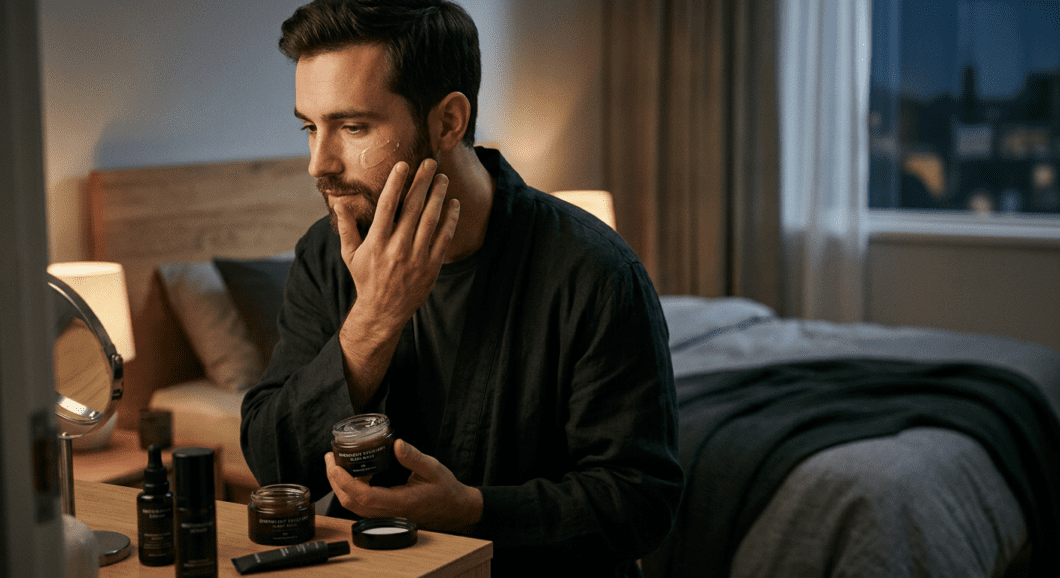
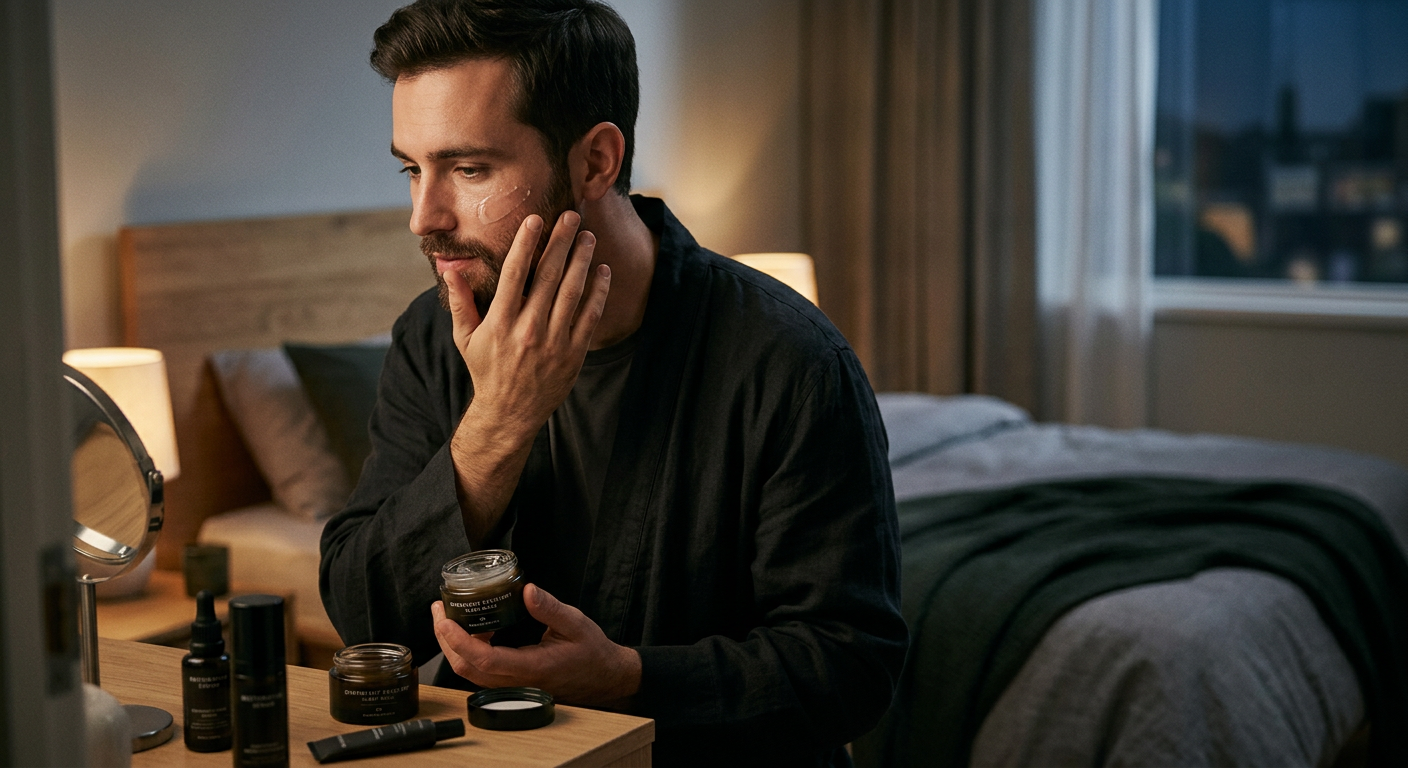
The best grooming time of your day might be the one you spend asleep. More men have started treating the eight hours they’re in bed as working time for their skin, hair, and beard. Overnight grooming treatments have moved out of niche territory and into normal routines, turning passive rest into something closer to a maintenance shift.
The numbers back up the shift. The U.S. men’s grooming market is projected to reach $32.74 billion in 2026, according to the US Men’s Grooming Market Report 2026. Overnight treatments fit the two things men keep asking for: convenience and results. Below is what they do, what to buy, and how to build a routine that earns its keep by morning.
Why Overnight Treatments Are Gaining Ground

Start with the biology. During sleep, your skin moves into its repair cycle. Cell turnover speeds up, blood flow increases, and the skin loses more water through transepidermal water loss. Overnight products are built around that window, putting active ingredients to work when skin absorbs them best.
Convenience probably matters even more. Men have historically avoided multi-step routines, and an overnight treatment asks for one action before bed and nothing while you sleep. That low-effort model lines up with what surveys keep showing about male consumers: they’ll take results, but not complexity.
The cultural framing helps too. Franchising Magazine USA describes men’s personal care as shifting “from grooming to wellness, from transactional services to immersive experiences.” An overnight ritual sits comfortably in that wellness bucket, since it pairs self-care with something men were going to do anyway.
The Market Forces Behind the Boom

Men’s grooming is one of the fastest-growing parts of personal care, and overnight products ride along with it. The category added roughly $1.3 billion in value between 2025 and 2026 in the U.S. alone, which points to a real change in behavior rather than a passing trend.
Generation explains most of it. Strive Skin’s 2026 statistics report that Gen Z men are 62% more likely to use skincare than Gen X, and 68% of Gen Z men already have a routine. For that group, overnight serums and masks aren’t a step up. They’re the baseline.
The room to grow is enormous. Only 29% of men keep a regular skincare routine compared to 62% of women, a gap Strive Skin puts at over $20 billion. As the old stigma fades, low-effort overnight treatments give first-timers an easy way in. There’s no learning curve when the product does the work while you’re unconscious.
Types of Overnight Grooming Treatments
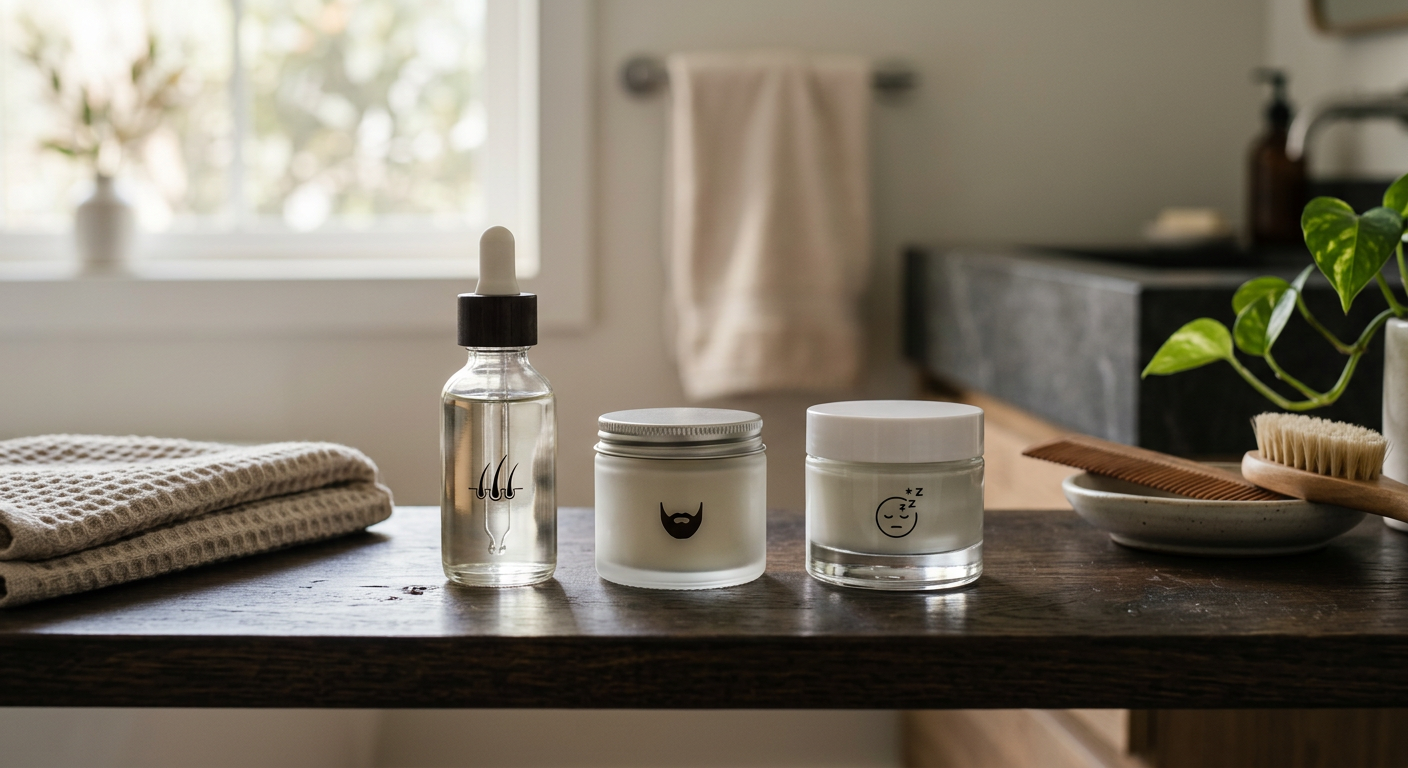
Overnight treatments cover skin, hair, and beard. Each one targets a specific concern, and each works best applied consistently before bed.
Overnight Skincare
Night creams, sleeping masks, and retinol serums anchor this category. Retinol, a vitamin A derivative that speeds cell turnover, belongs at night because it breaks down in sunlight. Hydrating sleeping masks lock in moisture and offset the water loss that happens overnight, so skin looks plumper by morning.
Overnight Hair and Scalp Care
This group includes leave-in scalp serums, minoxidil-based hair growth treatments, and overnight conditioning oils. Applying them before bed gives the active ingredients hours to absorb, with no styling products or washing to wipe them away.
Overnight Beard Care
Beard oils and balms soften coarse hair overnight and condition the skin underneath. A nightly application cuts down on itch, tames flyaways, and improves shape over time. That last point matters most for men growing out longer styles.
Overnight vs. Daytime Treatments: A Quick Comparison
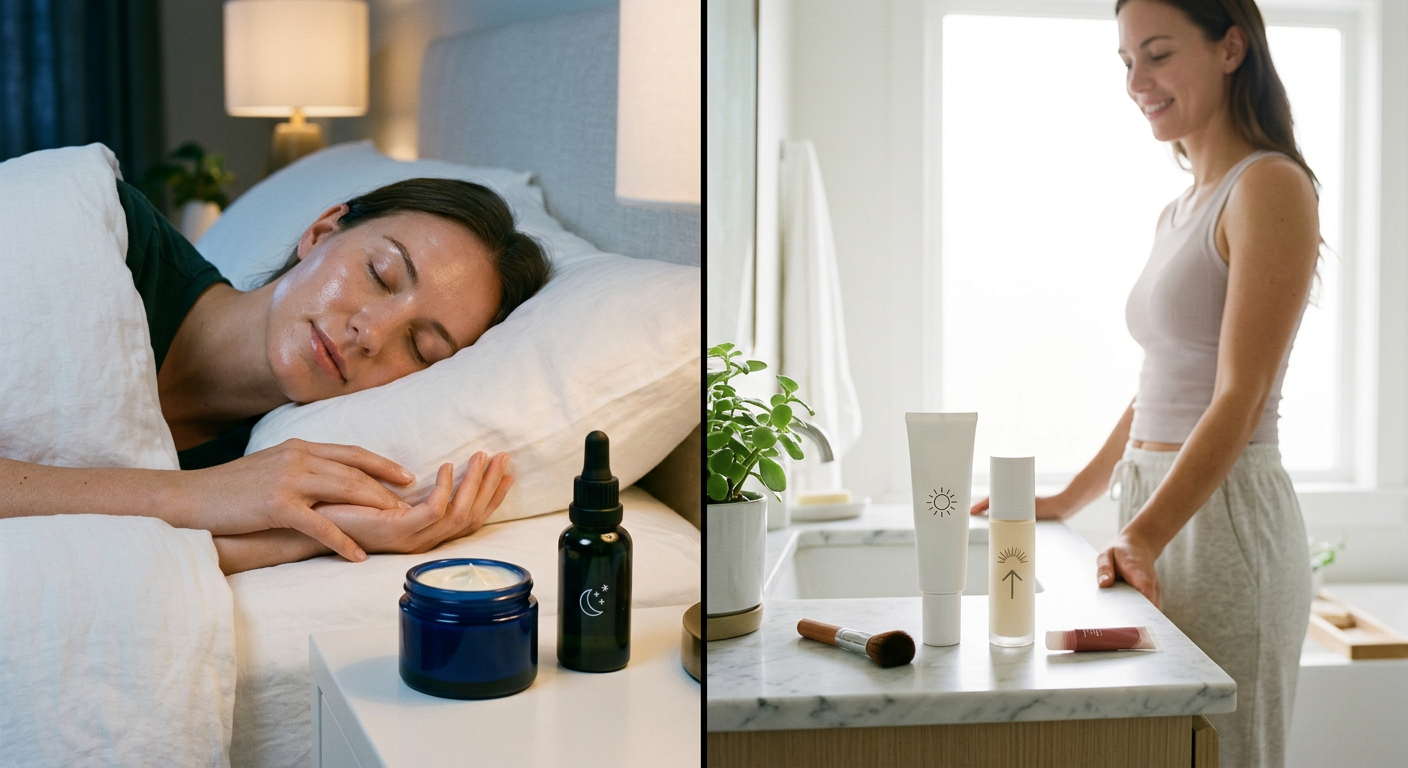
The two approaches solve different problems. The table below shows where each one earns its place.
| Factor | Overnight Treatments | Daytime Treatments |
|---|---|---|
| Primary goal | Repair and recovery | Protection and prep |
| Key ingredients | Retinol, peptides, heavy moisturizers | SPF, antioxidants, lightweight serums |
| Texture | Richer, occlusive | Lighter, fast-absorbing |
| Effort required | One step before bed | Layered morning routine |
| Best for | Hydration, anti-aging, conditioning | Sun defense, oil control |
| Sun sensitivity | Ingredients can degrade in UV | Formulated for UV exposure |
Use both if you want full coverage. Daytime products defend; overnight products rebuild. Run them together and you get the most out of each.
How to Build an Effective Overnight Routine
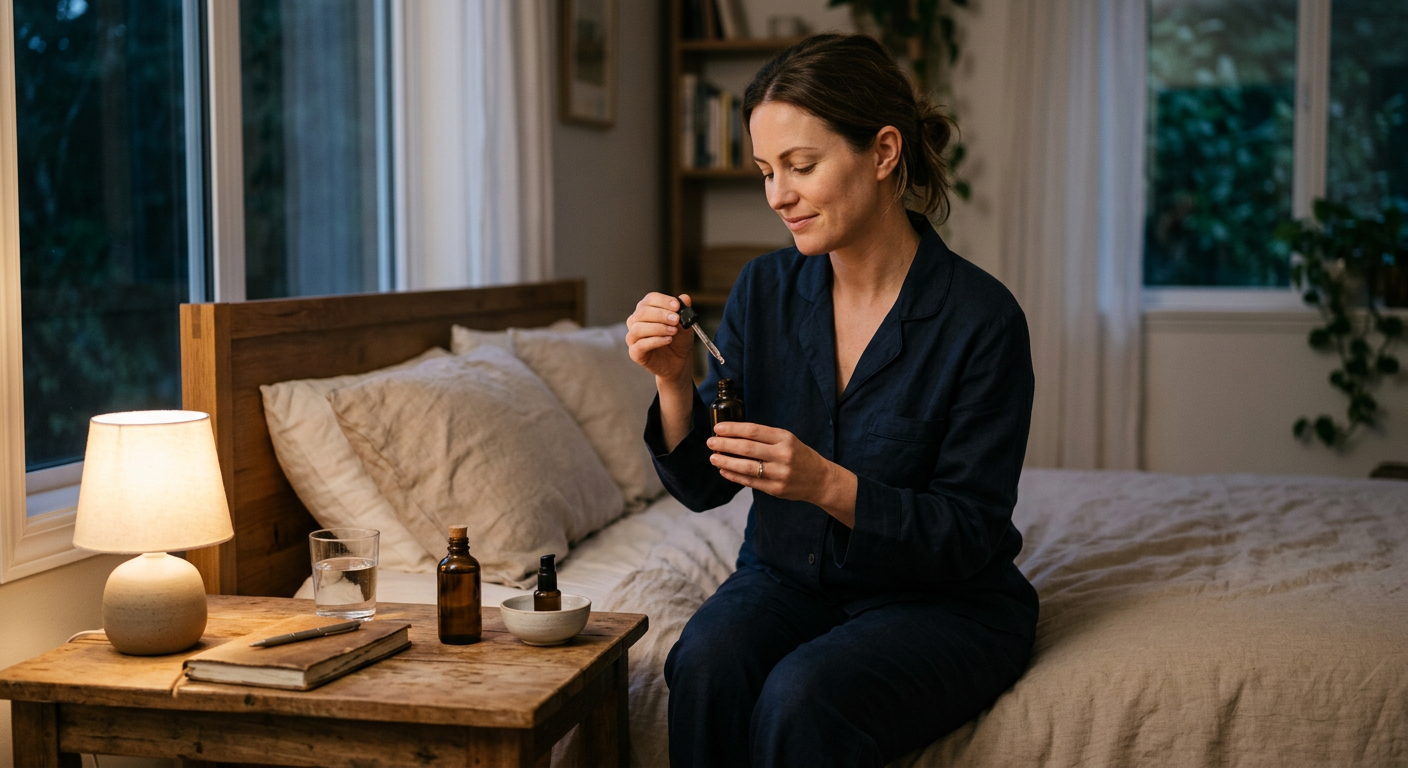
A solid overnight routine takes under five minutes and follows a simple order. Consistency counts for far more than the number of products on your shelf.
Before bed:
- Cleanse with a dedicated facial cleanser to clear out sweat, oil, and grime.
- Treat with your active product, whether that’s a retinol serum, a peptide treatment, or something aimed at a specific concern.
- Moisturize with a night cream or sleeping mask to seal in hydration.
- Condition your beard or scalp with oil, if that applies to you.
- Sleep on a clean pillowcase, ideally silk or satin, to cut friction and reduce product transfer.
Go slow with the strong stuff. If you’re new to retinol, apply it twice a week and build up from there, or you’ll trade glow for peeling. The men’s skincare guide from Aedit recommends ditching multi-use products in favor of a dedicated facial cleanser, which holds up well as the first step of any overnight regimen.
Match products to your skin type. Oily skin does better with gel-based night treatments, while dry skin wants richer creams. Watch how things go over the first four to six weeks before you add anything new.
What to Look for When Buying

Ingredient quality is what separates a treatment that works from one that just markets well. Favor formulas built around proven actives over long ingredient lists that promise everything.
Worth looking for:
- Retinol or retinoids for cell turnover and anti-aging
- Hyaluronic acid for deep hydration
- Peptides for firmness and repair support
- Niacinamide for tone and barrier strength
- Jojoba or argan oil for beard and scalp conditioning
The market is rewarding clean, results-driven products. The US Men’s Grooming Market Report 2026 names demand for “clean and sustainable products” and “premium, efficacy-driven formulations” as a defining force. Read the labels, check concentrations, and lean toward brands that publish their active percentages.
Set a realistic budget. Strive Skin’s data shows men’s monthly grooming spend climbing, but you don’t need a ten-product shelf. Two or three well-chosen overnight products will beat a cabinet full of half-used jars.
Conclusion
Overnight grooming treatments work because they match how skin and hair actually repair, which is during sleep. The category is climbing alongside a men’s grooming market headed past $32 billion in 2026, pushed by younger consumers who treat skincare as routine rather than vanity.
The method is straightforward: cleanse, treat with proven actives, seal with moisture, and give it four to six weeks. Pick quality ingredients over a crowded shelf, and pair overnight repair with daytime protection for the full result.
If you want to start, pick one overnight treatment aimed at your biggest concern and use it tonight. The sleep does the rest.
Frequently Asked Questions
Q: Do overnight grooming treatments actually work better than daytime products?
For repair and hydration, yes. Your skin moves into its natural repair cycle during sleep, so ingredients like retinol and peptides absorb more effectively without UV interference or sweat in the way. Daytime products are better at protection, so the two complement each other rather than compete.
Q: How long does it take to see results from overnight treatments?
Most men notice better hydration and softness within a week. Structural changes from retinol or peptides take four to six weeks of consistent nightly use. Sticking with it matters more than how much product you pile on.
Q: Can I use retinol every night?
Not at first. Start with two applications a week and increase as your skin builds tolerance, because retinol can cause irritation and peeling early on. If dryness sticks around, scale back and pair it with a richer moisturizer.
Q: Are overnight beard treatments worth it?
Yes, especially for longer or coarser beards. Overnight beard oils soften the hair and condition the skin underneath, which cuts down on itch and flaking and improves shape over time.
Q: Will overnight products stain my pillowcase?
Some oils and rich creams can transfer to fabric. Give products a few minutes to absorb before you lie down, and use a dedicated or darker pillowcase. Silk and satin reduce both staining and friction.
Q: Do younger and older men need different overnight treatments?
Somewhat. Younger men tend to focus on hydration and oil control, while older men get more from anti-aging actives like retinol and peptides. Your skin type and specific concerns should guide the choice more than your age does.