

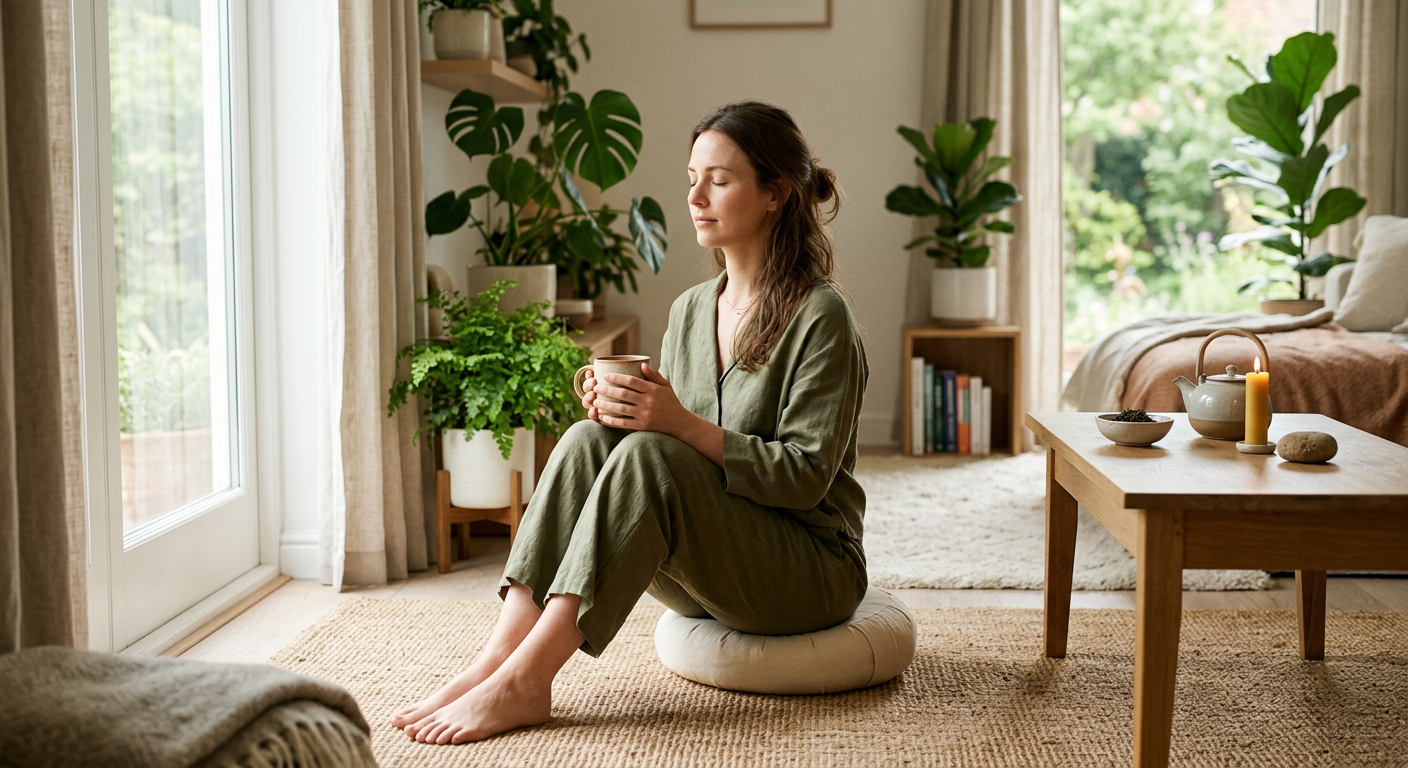
The most effective self-care practice might require no app, no subscription, and no 12-step morning routine. Silent self-care—the quiet, unglamorous habits that actually restore you—is replacing the performative wellness culture that defined the last decade. After years of treating well-being as a productivity contest, people are stripping their routines down to what works. The shift is measurable, and it’s reshaping how millions approach their mental and physical health in 2026.
This article covers what silent self-care is, why it’s trending now, and how to build a practice that fits a real life rather than an influencer’s feed.
What Silent Self-Care Actually Means

Silent self-care is simple, low-visibility wellness done for personal restoration rather than social display. Going to bed earlier. Drinking enough water. Taking a walk without tracking it. Sitting quietly with your coffee. These habits don’t photograph well, and that’s the point.
The term contrasts with the “loud” self-care of the 2010s: the curated bath setups, expensive supplements, and rigid optimization routines. As Psych Hub puts it, real self-care is about restoring your own well-being so you can function and care for others, not about pampering or performance.
What makes it silent is the absence of an audience and the absence of pressure. There’s no streak to report, no routine to compare, nothing to buy to prove you’re doing it right.
Why Simple Wellness Practices Are Trending Now
The wellness industry sold complexity, and people burned out on it. The Tops in Lexington 2026 health trends report describes more people “bucking the system” in 2026 and aiming for simpler routines after years of lengthy checklists, statistics, and products made daily life more hectic, not less.
The backlash has roots. Critics of modern self-care culture argue it has morphed from simple healthy habits into a “nearly impossible-to-fulfill checklist,” a complaint that turns up in communities like Reddit. When self-improvement becomes another job, it stops being restorative.
The hustle-culture hangover
For years, self-care was tied to hustle culture: perfect routines, strict habits, and a quiet implication that if you were still struggling, you weren’t trying hard enough. Renewed Wellness Counseling frames the 2026 shift as a move away from perfection and productivity toward gentle rituals that support mental health in real life.
The return to fundamentals
The trend isn’t new. It’s a correction. NBC News reported that sleeping more, talking about how we feel, eating real food, and ignoring FOMO to spend quiet time at home were science-backed practices worth keeping. Silent self-care is that wisdom finally winning the cultural argument.
Loud Self-Care vs. Silent Self-Care: A Comparison

The difference between performative wellness and silent self-care comes down to intent, cost, and sustainability. This table shows which camp your current routine falls into.
| Feature | Loud Self-Care | Silent Self-Care |
|---|---|---|
| Primary goal | Visible optimization | Personal restoration |
| Cost | Often high (products, subscriptions) | Low to none |
| Audience | Designed to be shared | Done privately |
| Pressure level | High; streaks and metrics | Low; flexible and forgiving |
| Time required | Lengthy multi-step routines | Minutes, fits real schedules |
| Sustainability | Prone to burnout | Built to last |
Silent self-care trades performance for durability. A practice you can keep up on a bad week beats a perfect routine you abandon by February.
Simple Practices That Define the Movement

Silent self-care is practical by design. These therapist-informed rituals, drawn in part from Renewed Wellness Counseling’s 2026 guide, require little time and no special equipment.
- Low-pressure mornings: Skip the rigid 5 a.m. routine. Wake gently and take the first few minutes without screens or demands.
- Sensory-based grounding: Use warmth, texture, or sound—a hot shower, a soft blanket, ambient noise—to settle your nervous system.
- Soft goals: Replace strict targets with flexible intentions. “Move a little today” instead of “run five miles.”
- Real rest: Sit quietly without earning it first. Rest is not a reward for productivity.
- Hydration and sleep: The least glamorous habits remain the most effective. Prioritize both before any supplement.
- Honest conversation: Talking about how you feel, as NBC News notes, is a durable, science-backed practice.
Start with one, not ten
The fastest way to fail at silent self-care is to turn it into another checklist. Pick one practice and let it become automatic before adding another. The goal is subtraction, not accumulation.
How to Build a Silent Self-Care Routine
A sustainable practice is designed for your worst weeks, not your best ones. A routine that only works when you have energy and free time isn’t a routine. It’s a wish.
Start by auditing what you already do that restores you. Most people have one or two habits that work, and the task is to protect them, not replace them with trendier alternatives. Strip out anything you do mainly to feel productive or to post about.
Anchor habits to existing routines
Attach a new practice to something you already do without thinking. Drink water when you brush your teeth. Take three slow breaths before opening your laptop. Habit-stacking removes the willpower tax that sinks most wellness goals.
Know when self-care is not enough
Silent self-care supports mental health, but it doesn’t replace professional care. As Renewed Wellness Counseling emphasizes, needing more help than a ritual can provide is not a personal failure. Anyone managing persistent anxiety, trauma, or depression should pair these practices with support from a qualified clinician.
The Bigger Picture: A Sustainable Wellness Economy

The shift toward silent self-care reflects a broader maturation of the wellness space. The Global Wellness Institute tracks a multi-trillion-dollar wellness economy, and its 2026 forecasting points toward more personalized, proactive, and sustainable approaches rather than one-size-fits-all consumption.
This matters beyond individual routines. Giving people simple, effective self-care can improve health outcomes and reduce medical costs, as wellness analysts have argued. When the baseline habit is sleep and hydration rather than a $90 serum, well-being becomes accessible to far more people.
The most influential wellness trend of 2026 costs nothing and asks less of you, not more.
Conclusion
Silent self-care is winning because it works where loud self-care failed. It trades performance for restoration, complexity for fundamentals, and pressure for flexibility. Across 2026 wellness reporting, the evidence points the same direction: people are choosing simpler routines they can actually sustain.
Key takeaways:
- Silent self-care means private, low-pressure practices done for restoration, not display.
- The trend is a correction to hustle-culture wellness that left people burned out.
- The most effective habits—sleep, hydration, rest, honest conversation—are the simplest.
- Build for your worst weeks, stack habits onto existing routines, and add support when you need it.
Pick one practice from this article and try it this week, without tracking it, sharing it, or grading yourself. Notice how it feels to do something for yourself quietly. That’s where lasting wellness begins.
Frequently Asked Questions
Q: What is silent self-care?
Silent self-care is the practice of simple, low-visibility wellness habits done for personal restoration rather than social display. Examples include sleeping more, drinking water, resting, and taking unhurried walks without tracking or sharing them.
Q: Why are simple wellness practices trending in 2026?
People burned out on the lengthy checklists, expensive products, and rigid routines of performative wellness culture. Trend reports for 2026 show a clear shift toward simpler, more sustainable routines that reduce pressure rather than add to it.
Q: How is silent self-care different from regular self-care?
Regular self-care became associated with visible optimization, high costs, and metrics-driven routines. Silent self-care strips those away and focuses on private, low-cost, flexible habits designed to last through hard weeks rather than impress an audience.
Q: What are some examples of silent self-care practices?
Low-pressure mornings, sensory grounding, soft goals, real rest, consistent hydration and sleep, and honest conversations about how you feel. Each requires little time and no special equipment.
Q: Can silent self-care replace therapy or professional help?
No. Silent self-care supports mental health but does not replace clinical care. Anyone managing persistent anxiety, trauma, or depression should combine these practices with support from a qualified mental health professional.
Q: How do I start a silent self-care routine without it becoming overwhelming?
Choose one practice and anchor it to a habit you already have, like drinking water when you brush your teeth. Let it become automatic before adding anything else. The goal is subtraction, not accumulation.