


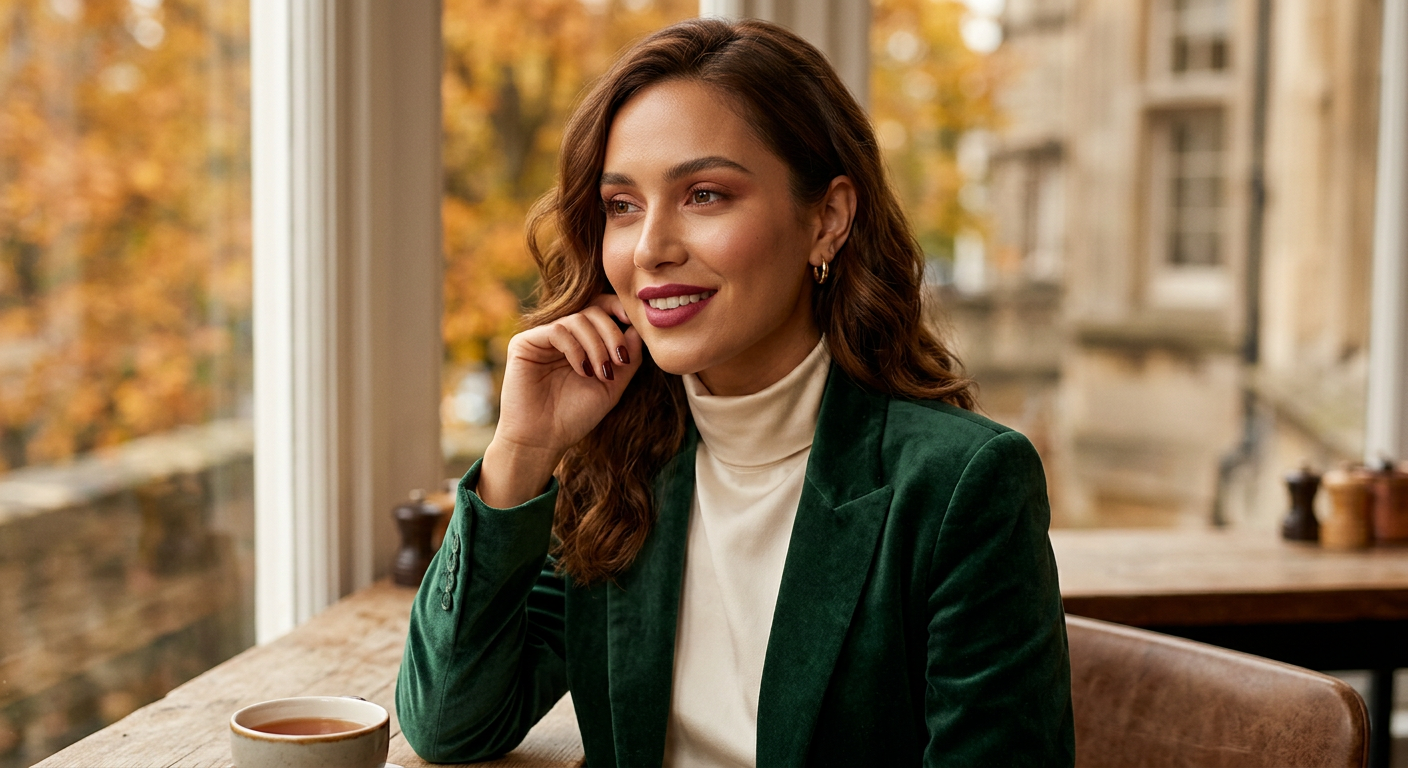
The glossy, glass-skin obsession that dominated the past few years is losing ground. Fall 2026 beauty is moving somewhere quieter — plush textures, velvety finishes, and formulas that feel as good as they look. If your routine still defaults to dewy serums and sheer tints, this shift is worth paying attention to.
The broader 2026 beauty landscape is built on what Jess Bonilla Beauty calls “precision, intention, and emotional intelligence.” In practice, that means consumers choosing formulas that perform under pressure, feel luxurious on skin, and look refined in real life — not just under a ring light.
The Industry Reset Driving This Texture Shift
The numbers are instructive. According to BeautyMatter, the makeup sector in prestige retail posted $5.2 billion in sales in the first half of 2025 — up just 1% year-over-year, with face makeup units essentially flat. Industry analysts have started calling this moment “The Great Beauty Depression.”
Stagnation tends to precede reinvention. The same analysts predict a significant resurgence in 2026, driven by consumers who want products with a genuine point of view — not another lightweight, buildable tint that requires five supporting products to look like anything.
Rich creams and velvet finishes answer that demand. They signal investment, craftsmanship, and a return to formulas that feel like something. The sensory shift is deliberate.
What “Velvet Finish” Actually Means in 2026
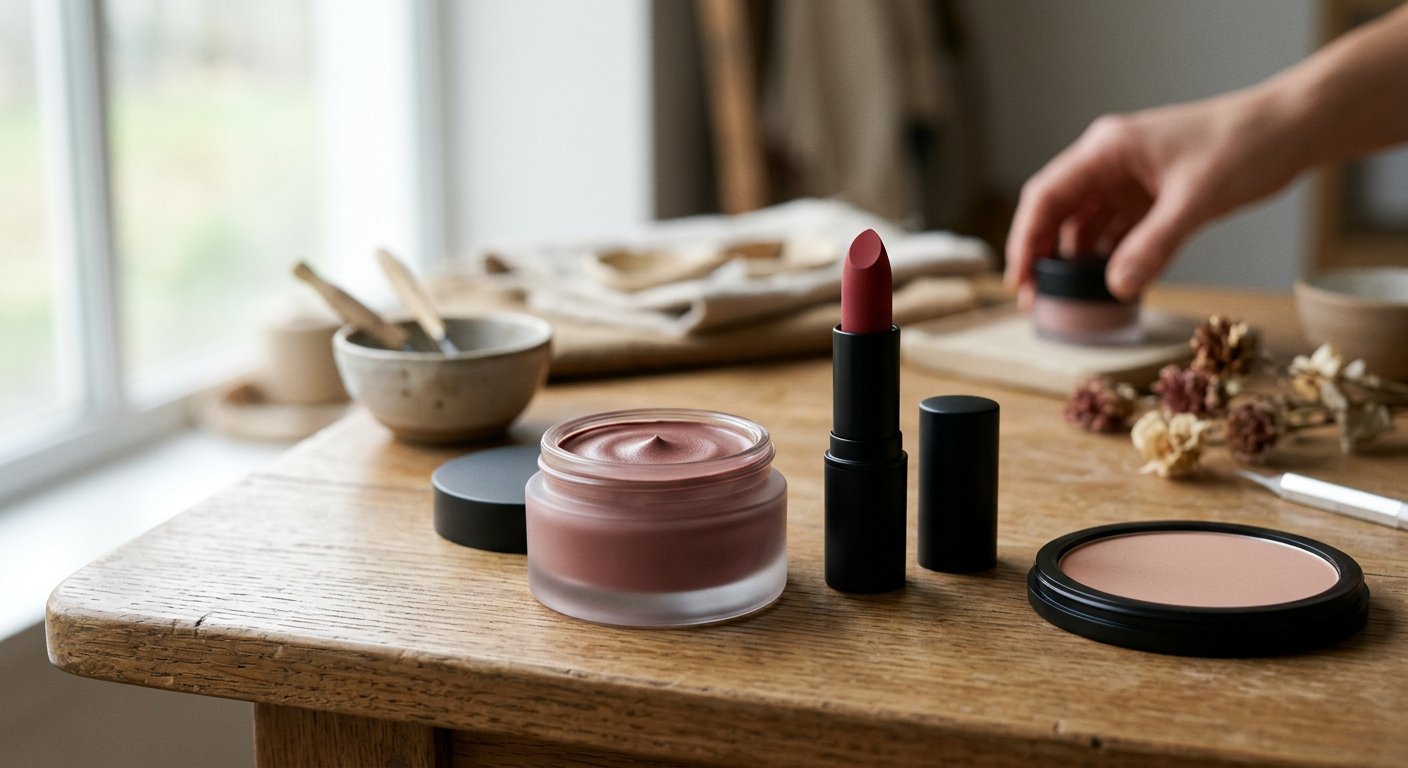
Velvet finish is not matte. That distinction matters more than it might seem. Where traditional matte formulas flatten skin and emphasize texture, a velvet finish diffuses light softly — what Laura Mercier’s 2026 trend forecast describes as a “blurred makeup finish that smooths and refines without flattening the skin.”
Think of it as soft-focus photography applied to your face. The result looks polished on camera and in person simultaneously — which matters more than it once did as daily life and digital presence continue to blur together.
The Technical Difference: Matte vs. Velvet vs. Dewy
| Finish | Light Behavior | Skin Appearance | Best For |
|---|---|---|---|
| Matte | Absorbs light | Flat, no dimension | Oil control, editorial looks |
| Velvet | Diffuses light softly | Smooth, slightly blurred | Everyday wear, camera-ready |
| Dewy | Reflects light | Luminous, glassy | Hydration-focused, glass skin |
| Satin | Reflects moderately | Natural, balanced | Versatile, most skin types |
Velvet sits between matte and satin — the refinement of the former without the dullness, the polish of the latter without the shine. That balance is why it works particularly well for fall, when natural luminosity decreases and skin starts to shift.
Rich Creams as Skincare-Makeup Hybrids
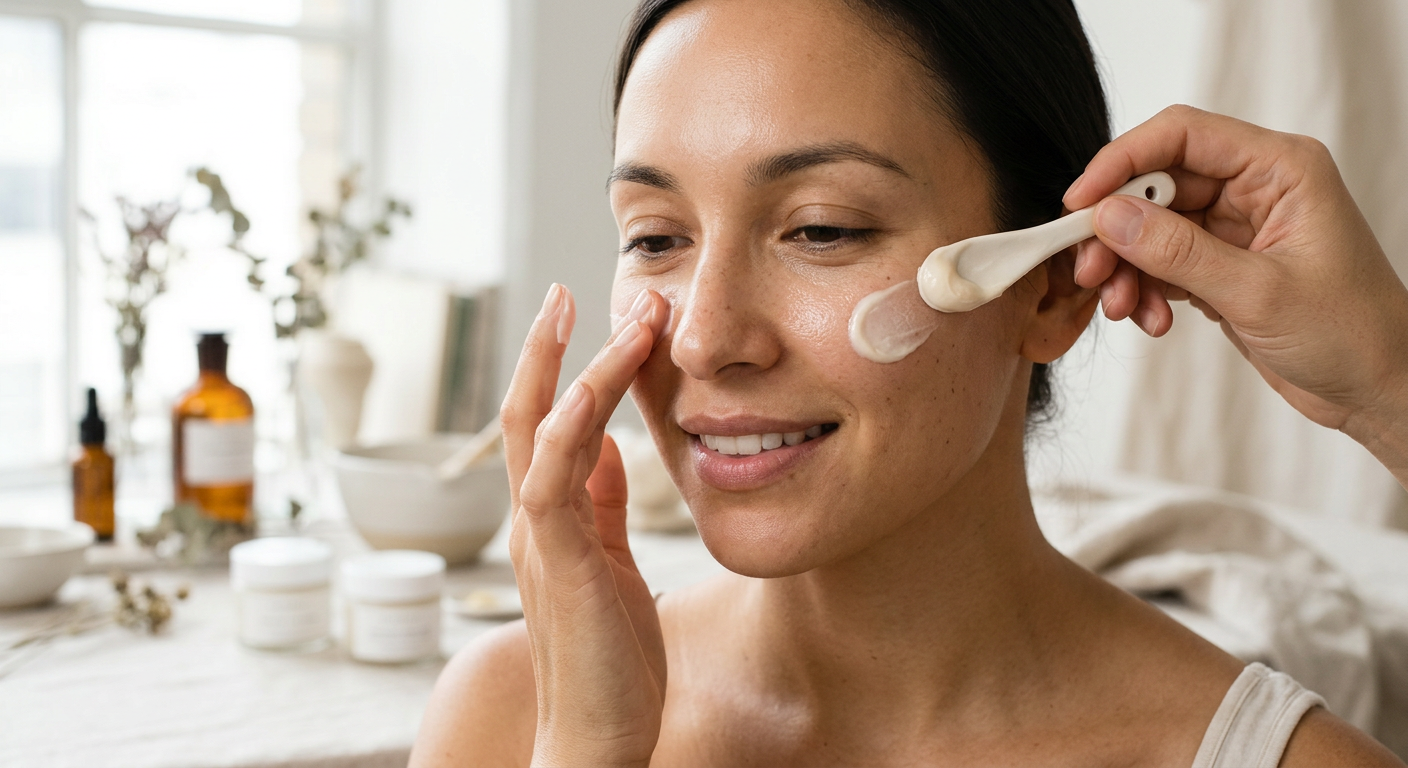
The rise of rich cream formulas is inseparable from the skin-first makeup movement. According to Fashion Times, skin-first makeup “treats makeup as an extension of skincare rather than a mask layered on top,” prioritizing texture, hydration, and natural variation over heavy coverage.
Rich creams deliver on both counts. A well-formulated cream foundation or cushion blush hydrates as it colors — meaning skin can look better at the end of the day than when you started. That’s a formulation reality when active ingredients like ceramides, peptides, or hyaluronic acid are built into the base, not a marketing claim.
Sensient Beauty’s 2026 trend report puts it plainly: “In 2026, texture will define differentiation, and sensoriality will become the new measure of efficacy.” Brands that deliver sensory pleasure alongside performance are the ones gaining traction.
Key Ingredients to Look for in Fall 2026 Cream Formulas
- Ceramides — reinforce the skin barrier, especially important in cooler, drier months
- Squalane — lightweight yet rich, prevents moisture loss without clogging pores
- Peptides — support firmness and improve skin texture over time
- Hyaluronic acid — binds moisture, keeps cream formulas from feeling heavy
- Niacinamide — balances skin tone and reduces the appearance of pores under makeup
How Fall 2026 Velvet Looks Translate Across the Face
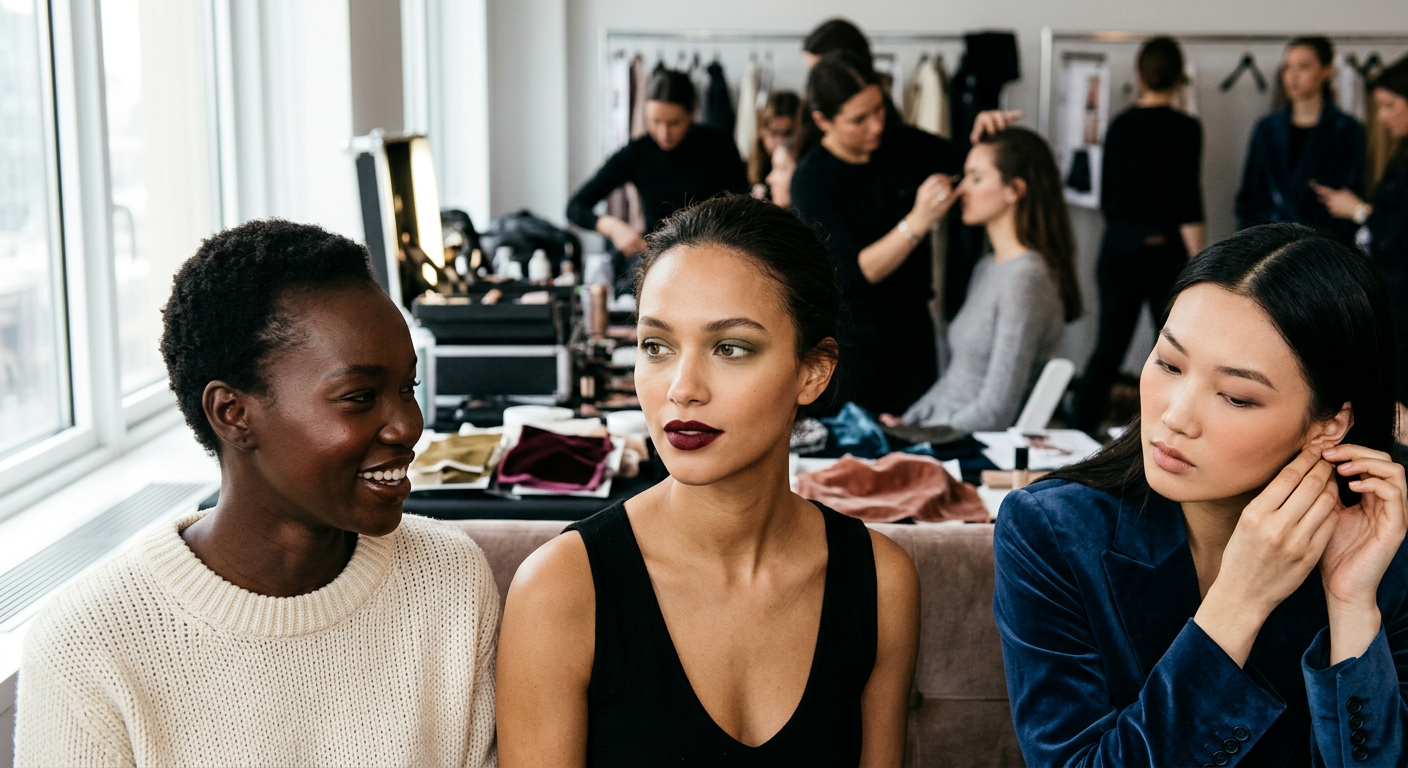
The velvet and rich cream trend runs through every category, not just foundation. Knowing where it shows up helps you build a cohesive look rather than a mismatched one.
Complexion: Cream-to-powder foundations and cushion compacts are leading the category. They apply with the slip of a cream and set to a soft, velvety finish without requiring a separate powder step — which streamlines the routine while delivering the blurred-skin aesthetic that defines 2026.
Lips: Velvet lip creams — not liquid lipsticks, not glosses — offer the pigment payoff of a traditional lipstick with a softer, more wearable finish. Deep berry, warm plum, and brick red translate well in this texture for fall.
Cheeks: Cream blushes applied with fingertips and blended into skin read as color from within rather than product on top. Laura Mercier’s forecast highlights “natural blush makeup that brings life and dimension to the complexion” as a defining look for the year.
The Consumer Behavior Behind the Trend
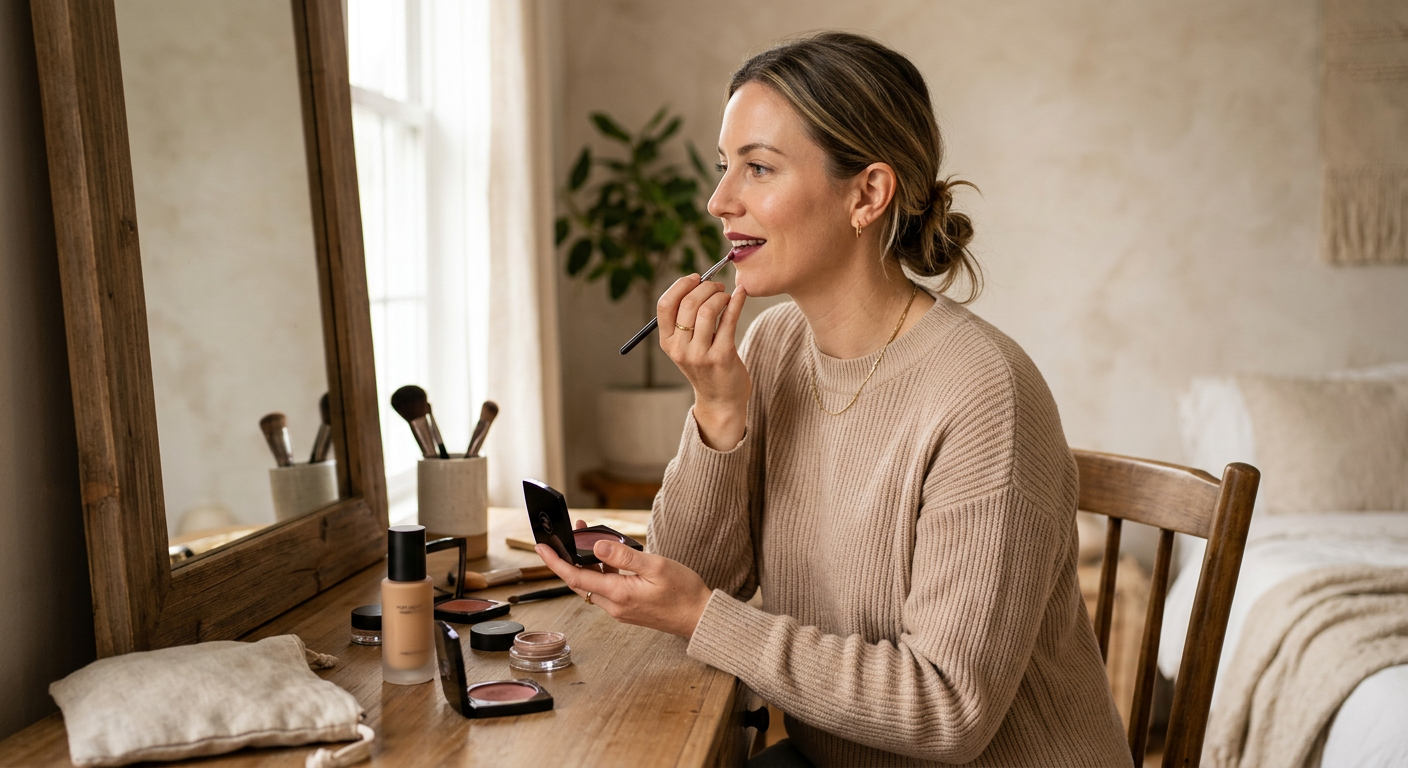
Two behavioral shifts explain why rich, velvety formulas are resonating right now.
Daily makeup use has declined sharply. CivicScience data shows a 20-point drop in daily makeup use among Americans since 2019, with consumers shifting toward weekly or more selective application. When you wear makeup less often, you want it to feel worth the effort — which pushes demand toward richer, more sensorial formulas.
Consumers are also choosing fewer products. The layering approach has given way to intentional curation. A rich cream that functions as primer, foundation, and moisturizer earns a place in the routine. A sheer tint that requires five additional products to look finished does not.
Building a Fall 2026 Velvet Beauty Routine
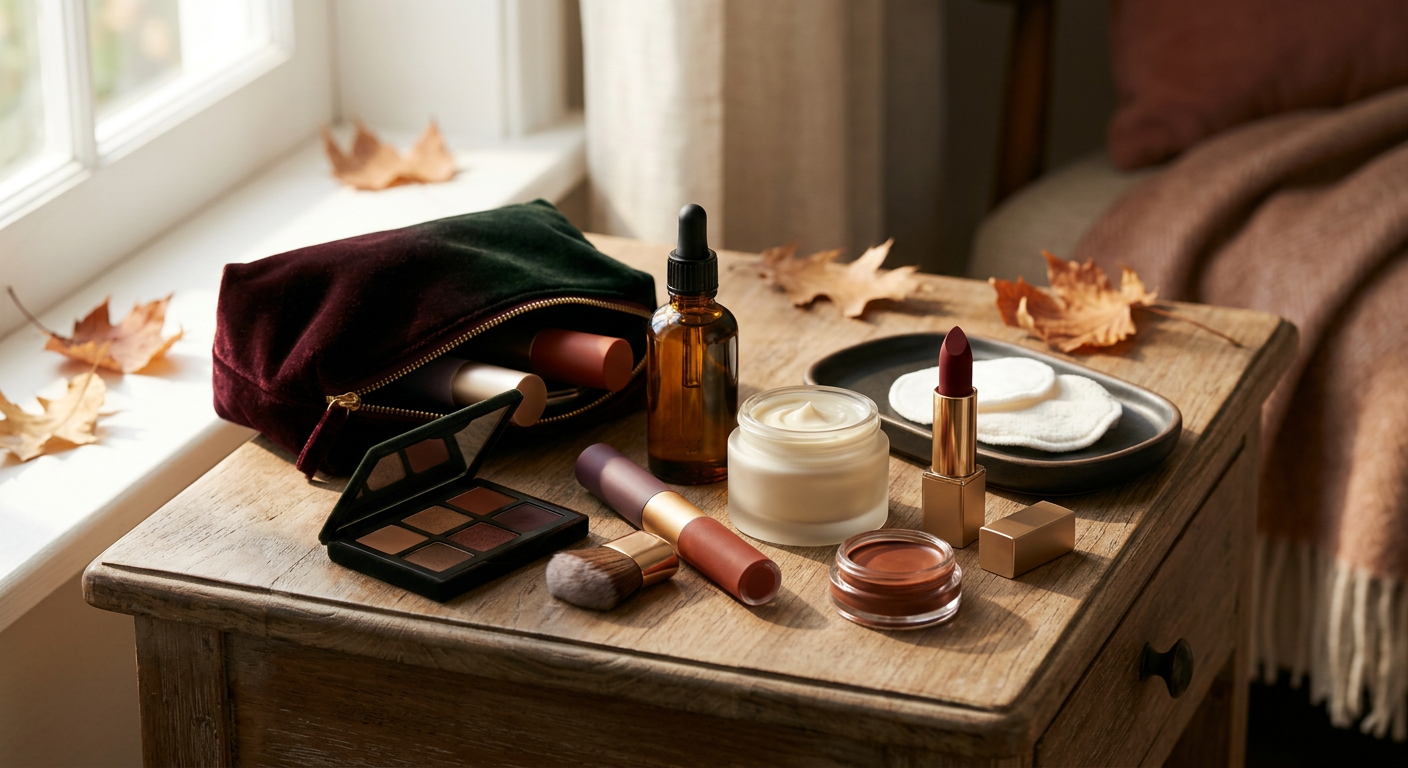
Translating trend awareness into an actual routine requires some practical decisions. This framework is based on the skin-first, texture-forward principles defining Fall 2026.
Step 1: Prep with a rich moisturizer. Cream makeup performs better on skin that isn’t fighting dryness. Apply a ceramide-rich moisturizer and let it absorb for two to three minutes before any makeup.
Step 2: Choose a cream-to-powder or cushion foundation. Look for formulas described as “soft focus,” “velvet,” or “blurred skin.” Avoid anything marketed as “full coverage” or “transfer-proof” — these tend to sit on top of skin rather than meld with it.
Step 3: Layer cream products before setting. Apply cream blush and any cream contour before reaching for powder. This keeps the finish cohesive and prevents the patchy, layered look that comes from mixing formulas at different stages.
Step 4: Set selectively, not all over. A light dusting of translucent powder only where you need it — the T-zone, under eyes — preserves the velvet quality everywhere else. Setting the entire face flattens the finish you just built.
Step 5: Finish lips with a velvet cream formula. Skip the gloss for fall. A velvet lip cream in a deep, warm shade completes the look without competing with the soft-focus skin underneath.
Conclusion
Fall 2026 beauty is making a clear argument: texture matters more than finish, and richness is intention rather than indulgence. Rich creams and velvet finishes reflect a deeper shift in how consumers relate to makeup — fewer products, more sensory payoff, formulas that work with skin rather than over it.
The data supports this direction. The industry’s flat growth period is creating pressure for meaningful innovation, and texture is where that innovation is landing. Brands delivering on sensoriality alongside performance are shaping what comes next.
Audit your current routine for one or two places where a cream formula could replace a powder or liquid. A cream blush instead of a pressed powder one, or a cushion foundation instead of a serum tint — that single swap will show you immediately why this trend has traction.
Frequently Asked Questions
Q: What is the difference between a velvet finish and a matte finish in makeup?
A velvet finish diffuses light softly to create a blurred, smooth appearance without looking flat or dull. Matte finishes absorb light entirely, which can emphasize texture and make skin look one-dimensional, especially in dry or cool weather.
Q: Are rich cream formulas suitable for oily skin types?
Yes, provided you choose the right formulation. Look for cream products that contain niacinamide or kaolin clay to balance oil production, and set with a light translucent powder in the T-zone. Many 2026 cream formulas are designed to be skin-type inclusive rather than targeted only at dry skin.
Q: How do I keep cream makeup from creasing or sliding throughout the day?
Skin prep is the most important factor. Apply a lightweight, non-silicone primer or let your moisturizer fully absorb before applying cream products. Setting with a small amount of translucent powder in high-movement areas — around the nose and under eyes — extends wear significantly.
Q: What lip colors work best with a velvet finish for fall?
Deep berry, warm plum, brick red, and terracotta are the most wearable fall shades in a velvet lip formula. These colors have enough pigment to stand on their own without gloss, and the velvet texture keeps them from looking severe or drying on the lips.
Q: Is the skin-first makeup approach only for people with good skin?
No. Skin-first makeup is about working with your skin’s natural texture and variation rather than concealing it entirely. Rich cream formulas with light-diffusing technology make imperfections less visible by blurring rather than covering — which works for a wider range of skin types and concerns than heavy, full-coverage alternatives.
Q: How does the Fall 2026 velvet trend differ from the glass skin trend?
Glass skin prioritizes high-shine luminosity and a reflective, wet-looking finish. The Fall 2026 velvet trend moves in the opposite direction — toward a soft, diffused finish that looks polished rather than glossy. Both are skin-first approaches, but they use different textures and formulas to achieve distinctly different results.