

Spray perfume on your wrists, your neck, behind your ears — and within a few hours, it’s gone. What most people don’t realize is that hair holds fragrance longer than skin does. The porous structure of each strand traps scent molecules and releases them gradually as you move. The beauty industry has been paying attention to this for a while, and the products that have emerged are worth knowing about.
The global hair perfume market was valued at $9.28 billion in 2025 and is projected to reach $15.28 billion by 2034, according to Fortune Business Insights. That kind of growth reflects a real shift in how consumers think about fragrance — not just where to apply it, but what the formula should do beyond smell good.
What Hair Perfume Actually Is — And Why It Differs From Regular Fragrance
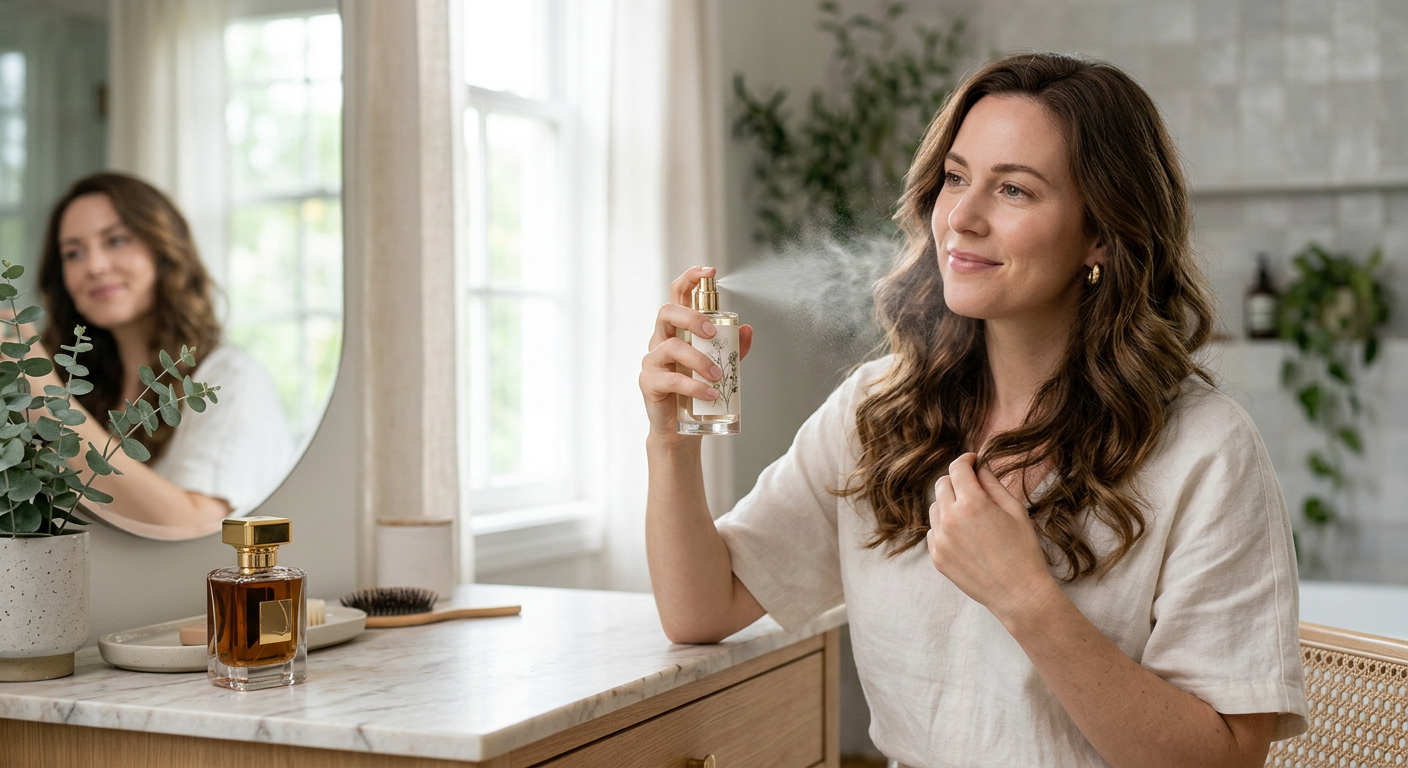
Hair perfume is a fragrance product formulated specifically for use on hair and scalp. The difference between it and a standard eau de parfum isn’t marketing language — it’s chemistry.
Standard perfumes use high concentrations of alcohol as a carrier. Alcohol evaporates fast, which is why fragrance projects off skin, but it also strips moisture from hair fibers. Apply a regular perfume to your hair often enough and you’ll see the results: dryness, frizz, and over time, breakage. Hair perfumes — particularly the current generation — use alcohol-free or low-alcohol formulas that deliver scent without that tradeoff.
According to Gisou, hair perfume is formulated specifically to avoid the ingredients that cause dryness and frizz. For anyone with color-treated, chemically processed, or naturally dry hair, that distinction isn’t minor.
The Market Numbers Behind the Momentum
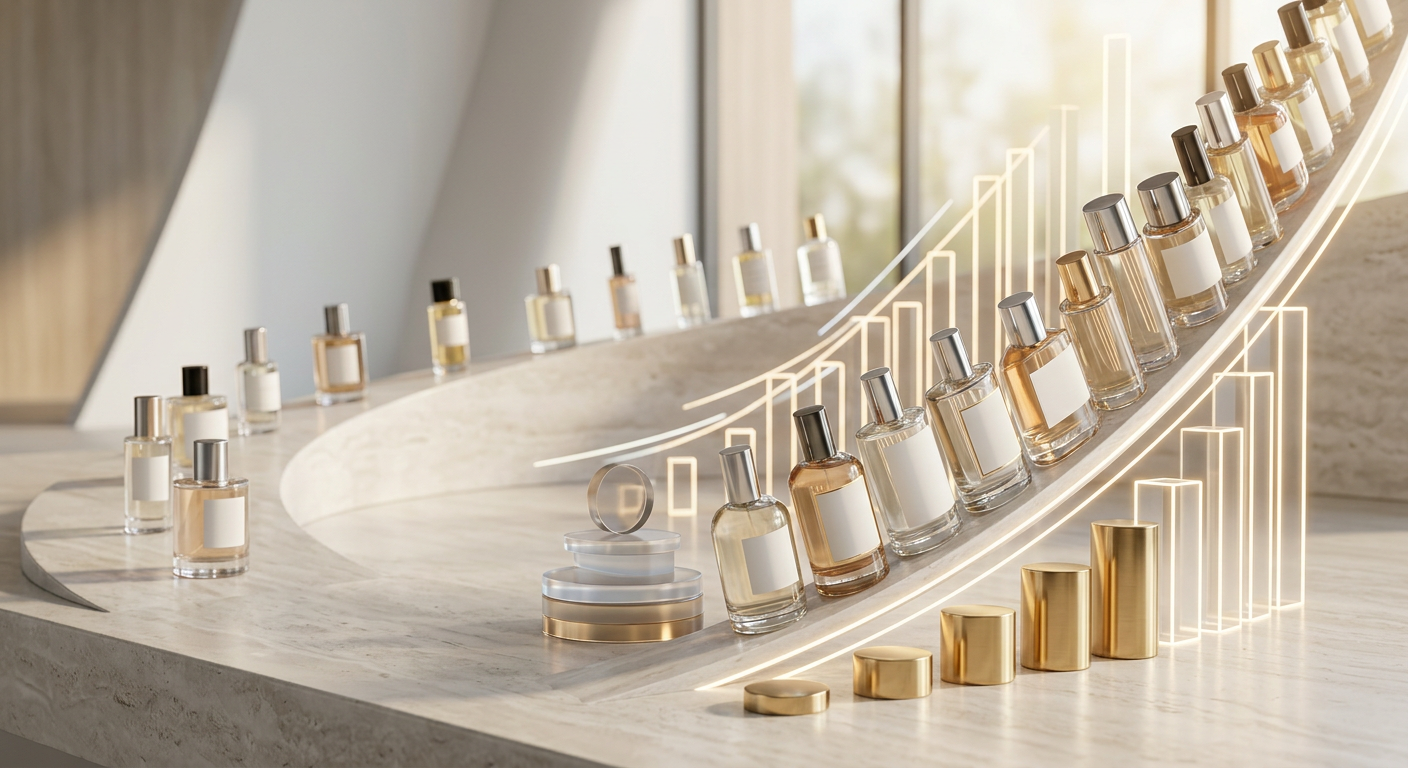
The hair perfume category isn’t just growing — the growth rate itself is accelerating. Sevich’s market analysis projects expansion from $8.3 billion in 2023 to $14.3 billion by 2033, with a compound annual growth rate as high as 12.1% between 2026 and 2033.
The United States accounts for approximately 34% of global market share, driven by premium grooming adoption and a strong presence of niche and luxury fragrance brands, according to Fortune Business Insights.
Three factors are driving this: influencer marketing that brought hair fragrance into mainstream beauty conversations, a consumer preference for products that do more than one thing, and formulation improvements that make these products worth buying rather than just interesting to try.
How Formulation Has Changed the Game
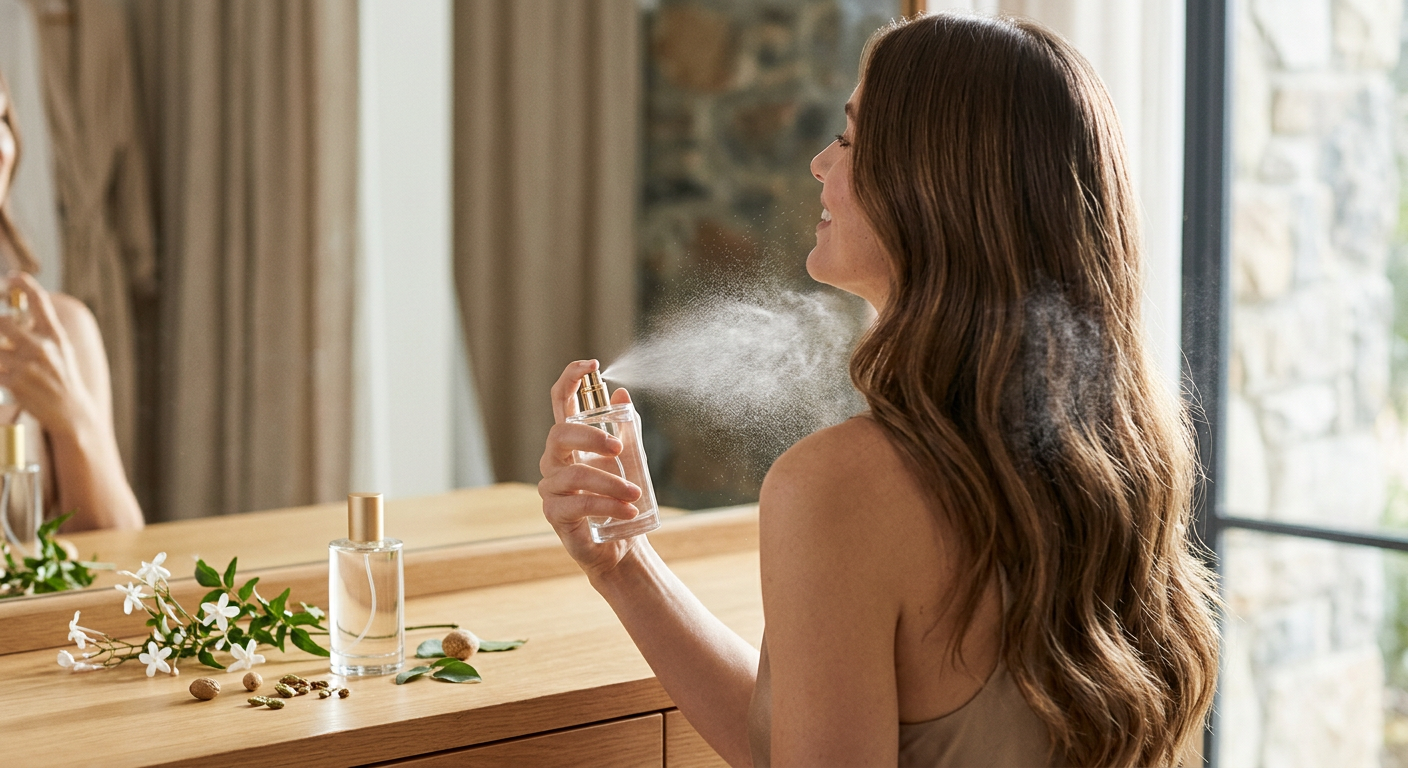
The most significant development in hair perfume isn’t any particular scent — it’s what’s happening at the formula level. Early hair mists were often diluted body sprays with a fancier label. The current generation is built differently.
Alcohol-Free and Low-Alcohol Formulas
Alcohol-free formulas are among the strongest trends in the US market for 2026, according to Sevich’s B2B market analysis. Brands are replacing alcohol with water-based carriers, plant-derived solvents, and conditioning agents that protect hair while dispersing fragrance evenly.
For consumers with textured, curly, or chemically treated hair — where moisture retention is a constant concern — this matters more than the scent itself. Alcohol on already-dry hair accelerates breakage. A well-formulated hair perfume can improve the hair’s appearance while scenting it.
Multifunctional Formulas
The category has moved firmly into hybrid territory. L’Oréal Pro recently launched hair perfumes that function simultaneously as haircare products, and L’Oréal Paris followed with fragrances that double as conditioning treatments. The expectation from consumers is no longer “just smell good” — it’s “smell good and do something useful.”
Brands like ByErim have built this into their positioning with products like Hair Dew, designed for both hair health and fragrance. Multifunctional is becoming the standard, not the exception.
Fine Mist Application Technology
Delivery mechanism matters as much as formula. Fine mist atomizers distribute fragrance more evenly across hair strands, prevent product buildup, and reduce the risk of oversaturating any single area. Brands that have invested in quality spray technology are seeing better consumer reviews and repeat purchase rates as a result.
Top Hair Perfume Picks Worth Knowing
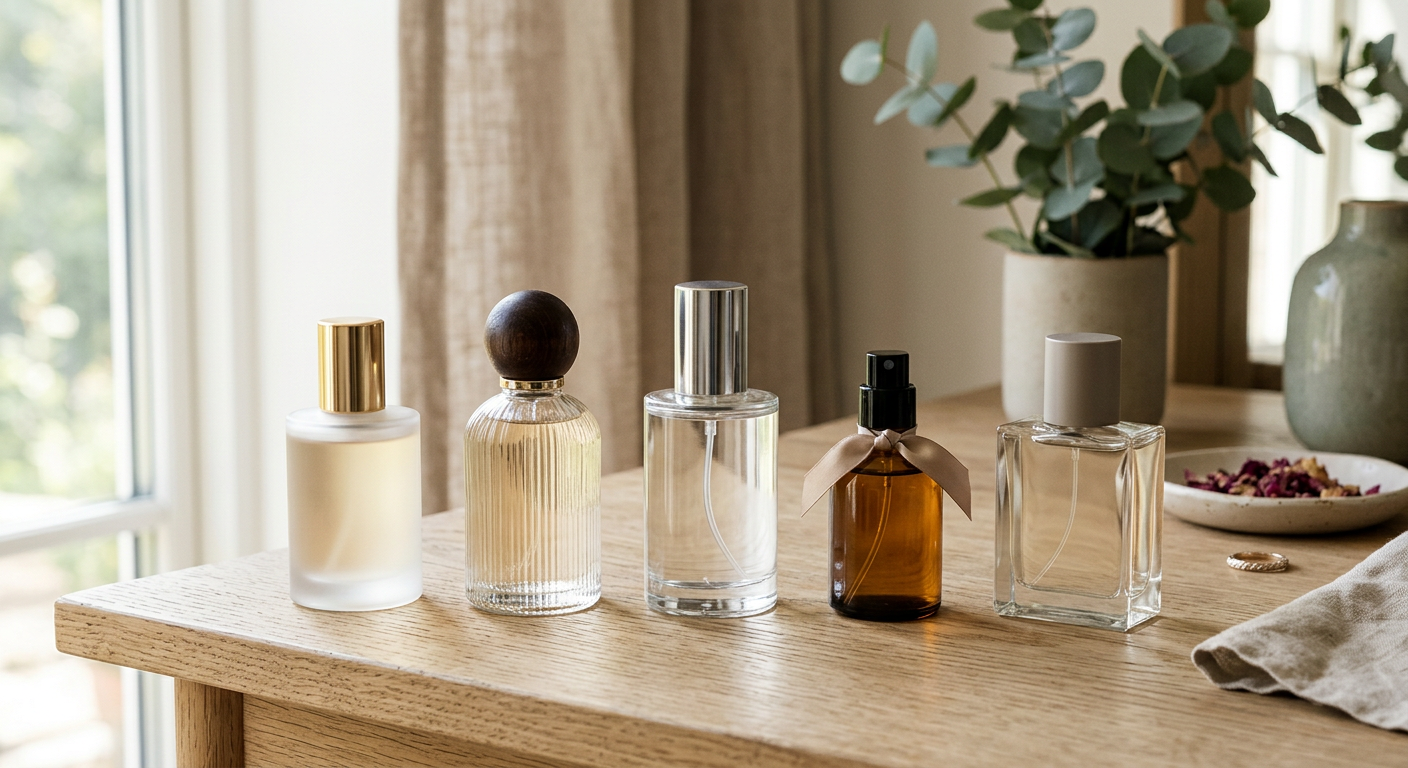
The market has expanded enough that navigating it requires some orientation. Here is a clear breakdown of notable products across different positioning tiers:
According to PureWow’s tested review of the best hair perfumes, the Crown Affair option stands out for its complexity — it’s built with top, middle, and dry-down notes the way a fine fragrance would be, which is a meaningful departure from simpler mist formulas.
Fragrance Trends Shaping Consumer Preferences
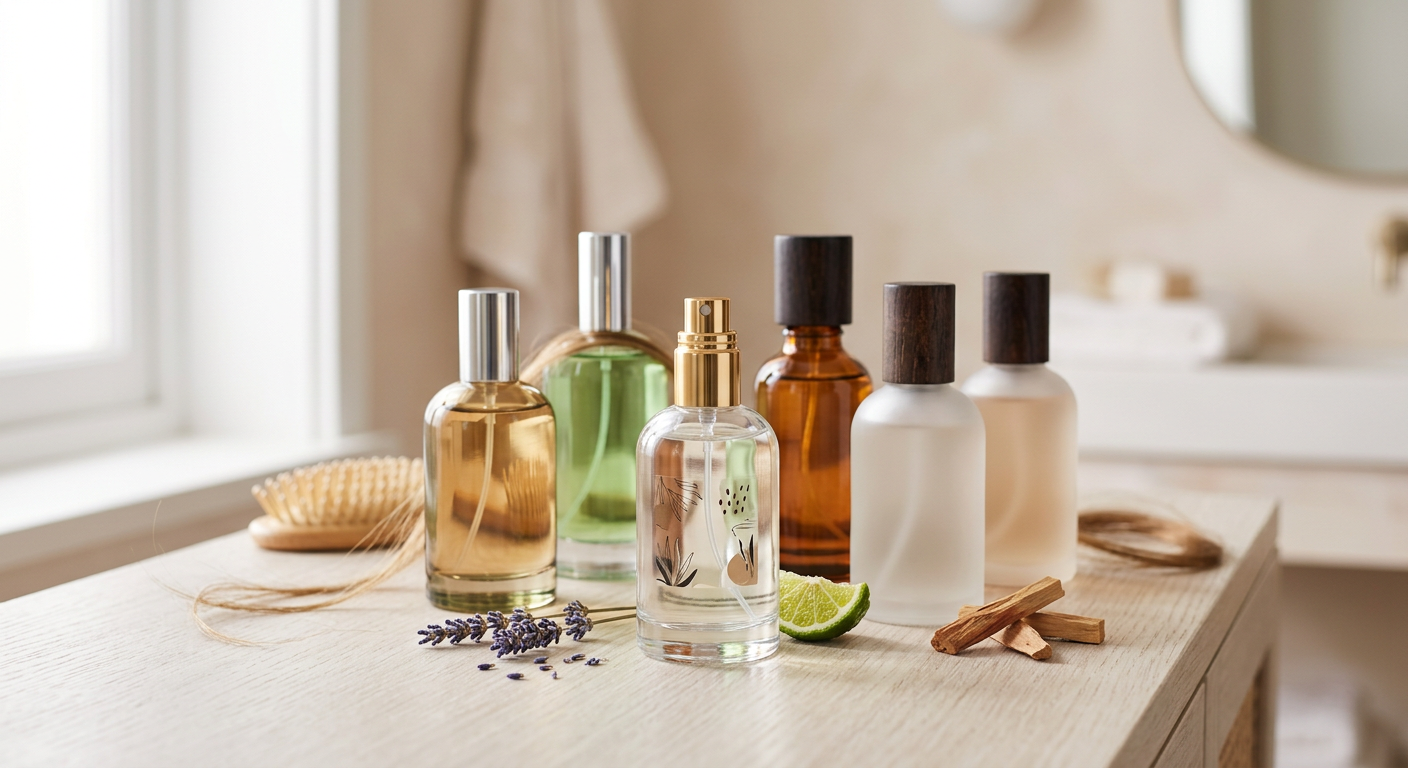
Not all scents perform equally in the hair perfume category. Consumer preference data and market analysis point to clear patterns in what’s selling.
Fresh and clean scents dominate the everyday-use segment — aquatic, citrus, and light floral profiles that work across different settings and seasons. They’re the most accessible entry point for new hair perfume users.
Floral and fruity notes perform strongly in the mid-market, with brands like Gisou (honey-floral) and Ouai (fruity-tropical) building loyal followings around specific signature scents. These tend to appeal to consumers who want their hair fragrance to feel distinct, not just pleasant.
Woody and oriental profiles are gaining traction in the premium segment, where consumers expect complexity and longevity. Brands like Byredo and Diptyque have extended their fine fragrance DNA into hair mist formats, bringing sophisticated scent architecture to the category.
The Sevich market analysis also flags custom and signature fragrances as a growing B2B trend, with salons and private label brands developing proprietary scents to differentiate their offerings.
How to Use Hair Perfume Correctly
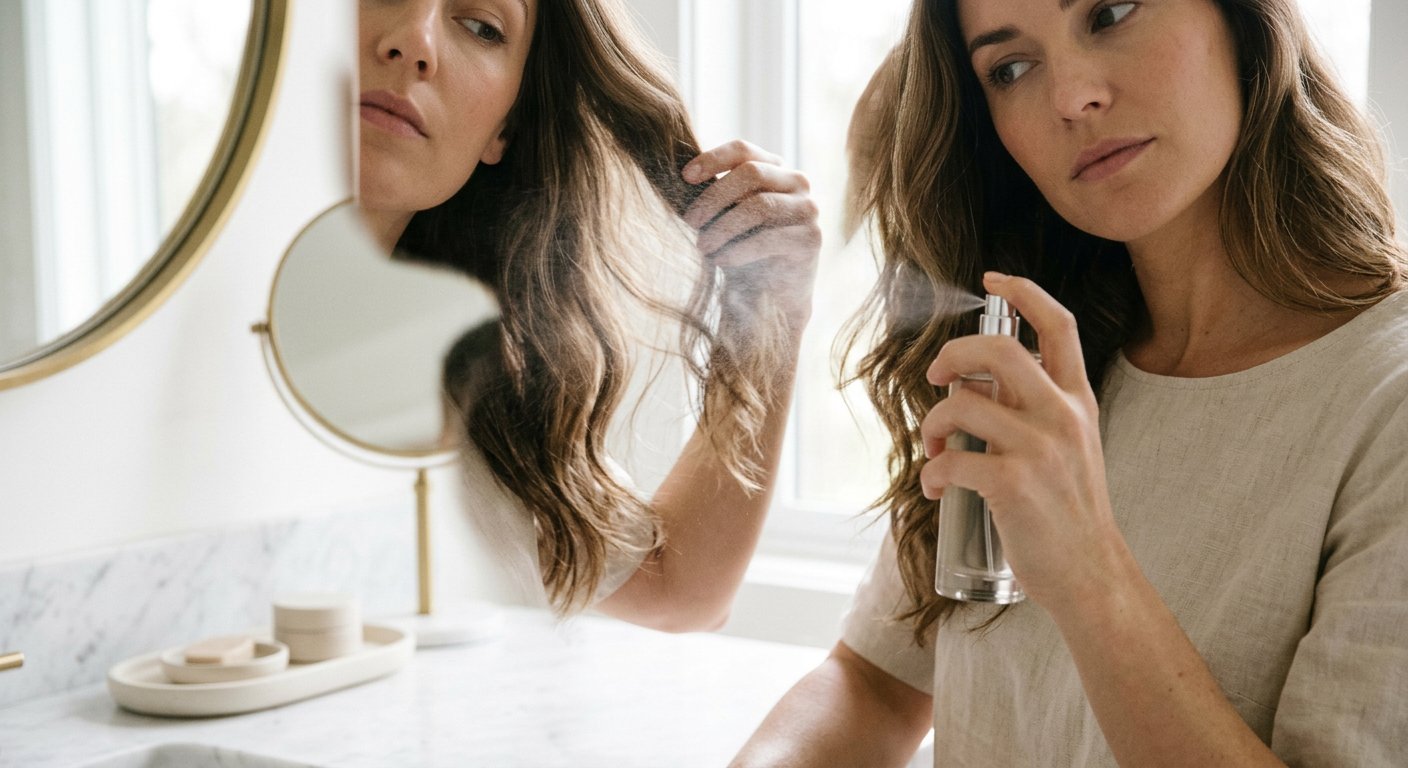
Applying hair perfume incorrectly undermines the product — and can cause the dryness that good formulas are specifically designed to prevent.
Application Best Practices
- Apply to clean, dry hair or as a finishing step after styling. Wet hair dilutes the fragrance and affects how it sets.
- Focus on mid-lengths and ends, not the scalp. Natural oils at the root alter the scent and accelerate greasiness.
- Hold the bottle 6-8 inches away when spraying to get even, light distribution rather than a concentrated hit.
- Don’t use regular perfume on your hair as a substitute. The alcohol content in standard fragrances will dry out strands over time.
- Layer with complementary haircare products for a more cohesive scent. ByErim recommends pairing hair perfume with products that share similar fragrance notes.
According to Revyv Hair’s application guide, hair perfume works best as a finishing touch — the last step in your styling routine, not the first.
What This Means If You Are in the Beauty Business
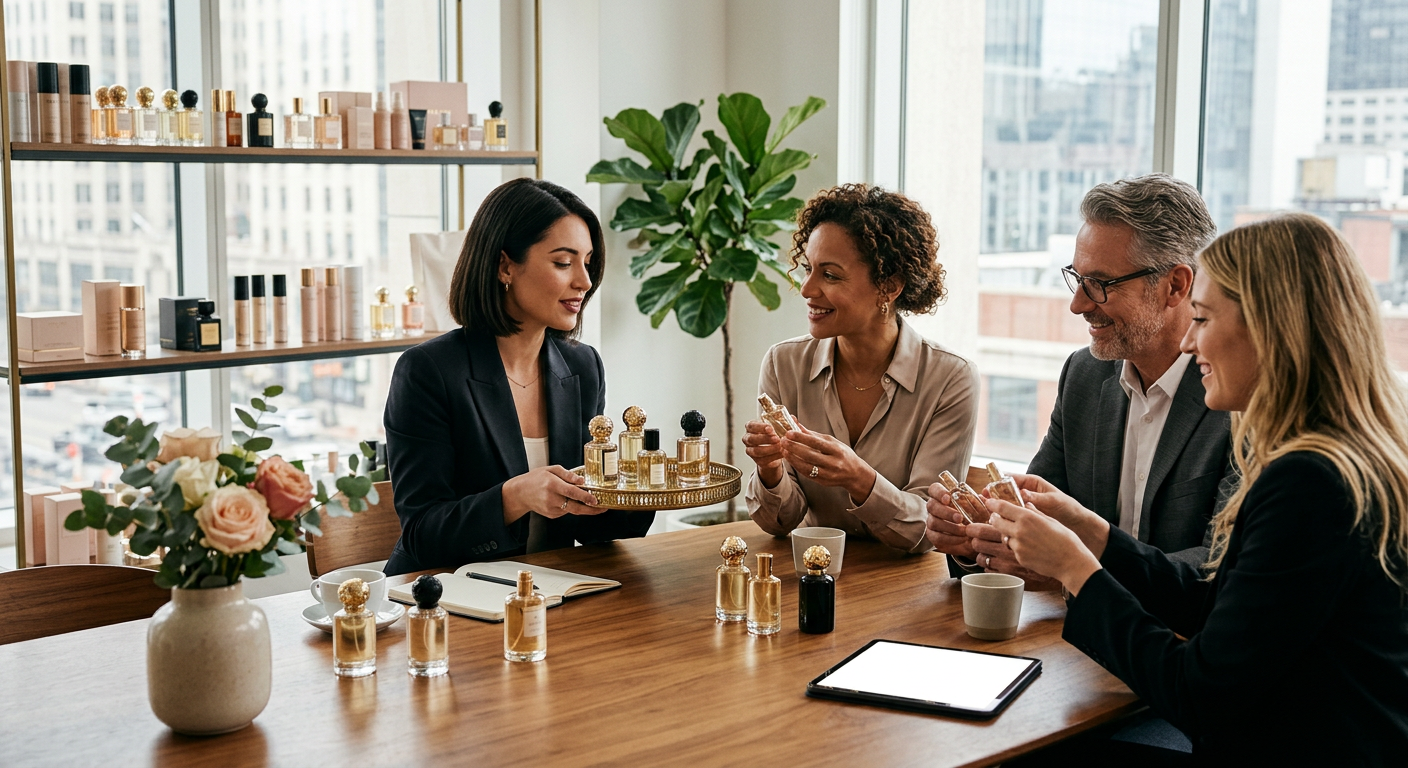
For salon owners, distributors, and brand developers, hair perfume is a reliable growth category with strong retail margins and high repurchase rates. The Sevich B2B analysis identifies hair fragrance as a standard salon retail product — not a novelty add-on — and points to private label development as one of the most significant B2B opportunities in 2026.
Compliance matters. Formulas must meet IFRA (International Fragrance Association) standards, and ingredient transparency is increasingly expected by consumers who read labels carefully.
Packaging influences purchase decisions too. Fine mist atomizers, travel-friendly sizes, and premium bottle design all affect perceived value, particularly in specialty retail and e-commerce — the channels where hair perfume sells most strongly.
Conclusion
Hair perfume has earned its place as a serious beauty category. Alcohol-free formulas, multifunctional positioning, and genuine fragrance sophistication have moved it well off the novelty shelf. With the US market at 34% of global share and the category projected to reach $15.28 billion by 2034, the trajectory is clear.
For consumers, the practical starting point is straightforward: identify your scent preference — fresh, floral, woody, or oriental — then find a formula that explicitly avoids high alcohol content. Apply it as the final step in your hair routine, focus on mid-lengths and ends, and let the hair do what it does naturally: hold fragrance longer than almost anywhere else on your body.
For beauty professionals, the question isn’t whether to carry hair perfume — it’s which formulas and positioning tiers make sense for your clientele.
Frequently Asked Questions
Q: Is hair perfume different from a regular body perfume?
Yes. Hair perfume is formulated without the high alcohol concentrations found in standard fragrances. Regular perfumes can dry out hair strands over time, while hair perfumes use gentler carriers designed to protect hair health while delivering lasting scent.
Q: How long does hair perfume last compared to regular perfume?
Hair perfume typically lasts 4-8 hours, depending on the formula and your hair’s porosity. Because hair fibers hold fragrance molecules differently than skin does, some users find hair perfume outlasts body fragrance applied at the same time.
Q: Can I use hair perfume on color-treated or chemically processed hair?
Yes, provided you choose an alcohol-free or low-alcohol formula. Color-treated hair is more porous and more susceptible to dryness, so avoiding alcohol-heavy formulas is especially important. Check the ingredient list before purchasing.
Q: Where should I apply hair perfume for the best results?
Apply to mid-lengths and ends, holding the bottle 6-8 inches away for even distribution. Avoid applying directly to the scalp, as natural oils at the root can alter the scent and accelerate greasiness.
Q: Are hair perfumes suitable for men?
Yes. The hair perfume market serves both men and women, and many brands offer woody, fresh, or oriental profiles that align with traditionally masculine fragrance preferences. L’Oréal Pro’s recent launches include unisex options designed for broad appeal.
Q: What is the difference between a hair mist and a hair perfume?
Hair mist is typically lighter in fragrance concentration and often doubles as a hydrating or detangling spray. Hair perfume carries a higher fragrance load and is designed primarily to scent the hair, though many modern formulas now combine both functions in a single product.