

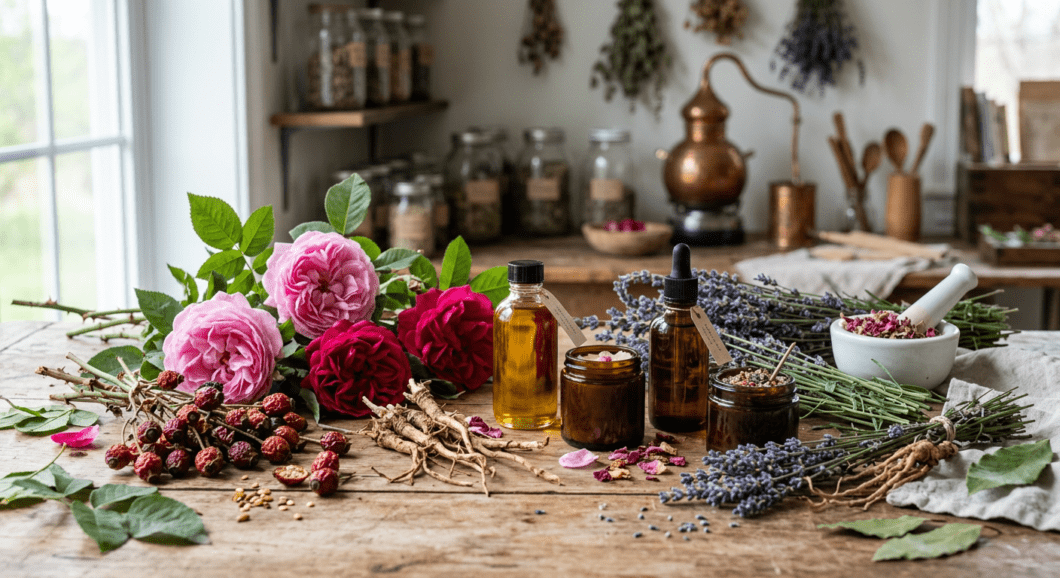
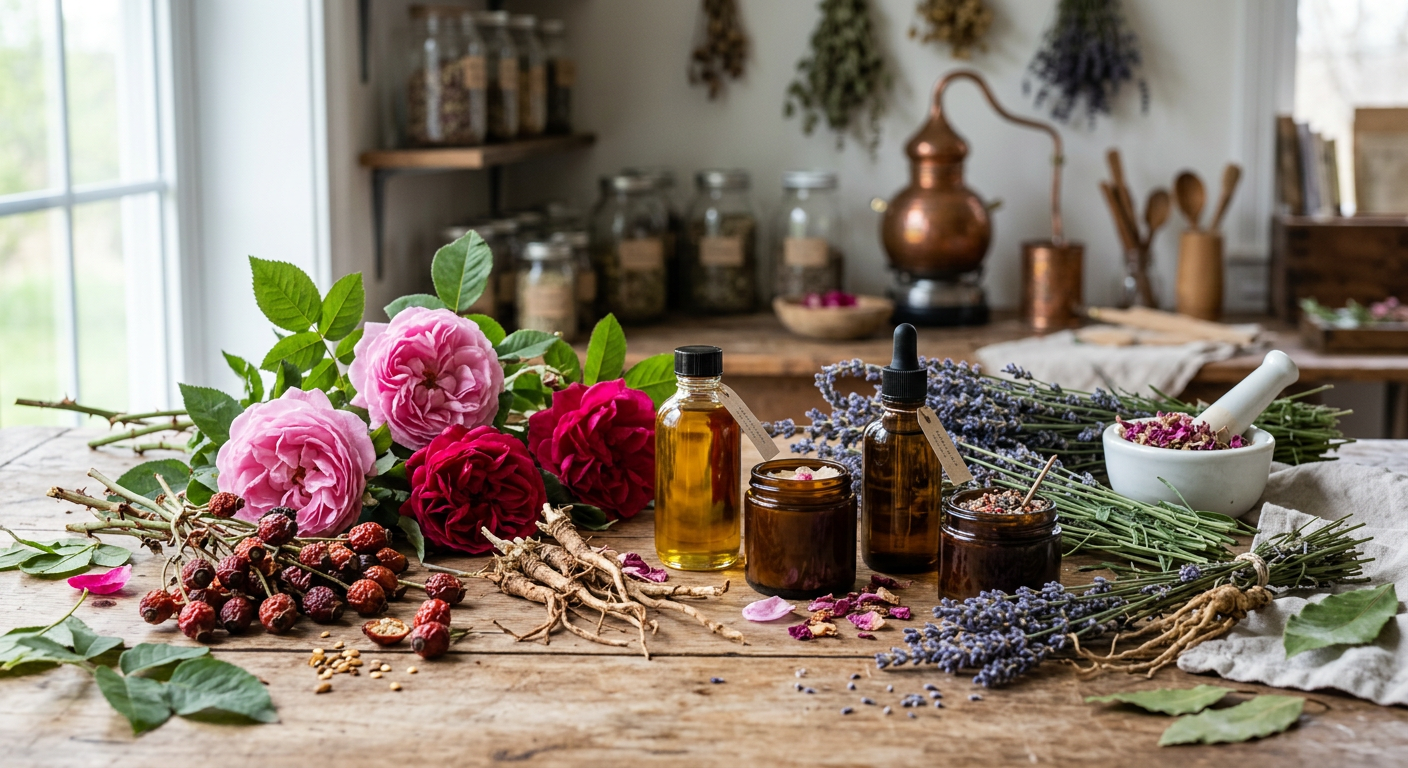
The part of a plant your skincare brand throws away might be the most potent ingredient for your skin. The beauty industry generates millions of tons of botanical waste each year — seed husks, fruit peels, leaf pulp — discarded after extracting a single compound. Whole-plant beauty challenges that model. It asks brands and consumers to rethink what “using an ingredient” actually means, and the results tend to be better for your skin, your wallet, and the planet.
What Whole-Plant Beauty Actually Means
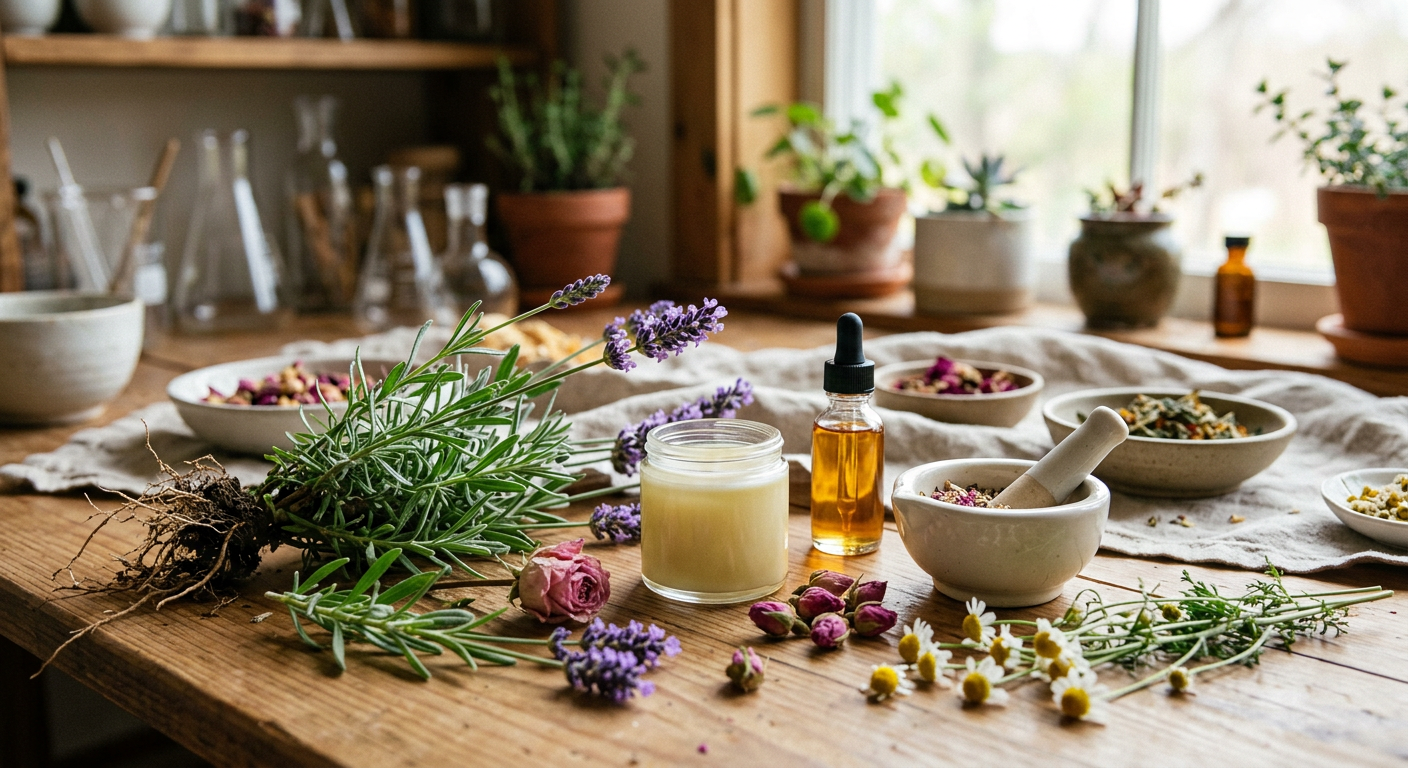
Whole-plant beauty means formulating skincare and cosmetics using multiple or all parts of a botanical source — roots, stems, leaves, flowers, seeds, and fruit — rather than isolating a single extract. The philosophy is similar to nose-to-tail cooking: nothing useful gets discarded.
This approach is gaining serious traction. Topical Skin reports that shoppers increasingly demand products delivering visible results while respecting both personal health and planetary boundaries. Whole-plant formulation addresses both.
The science supports it. Different parts of the same plant often contain complementary active compounds. Rose petals yield hydrating, antioxidant-rich extracts; rosehip seeds provide vitamin C and essential fatty acids; rose stems offer structural polysaccharides. Using all three in one formula creates a synergistic effect that no single extract can replicate.
The Environmental Case for Zero-Waste Formulation
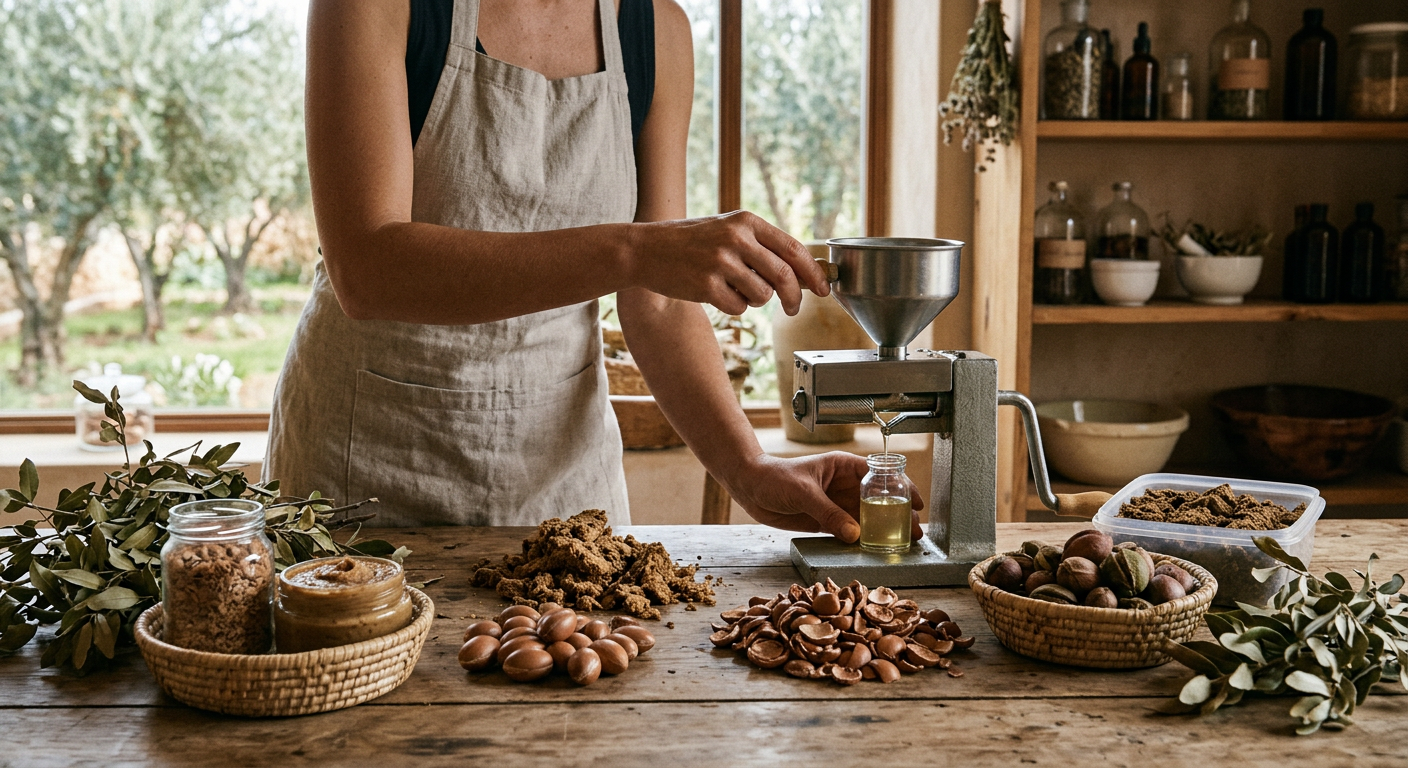
Conventional beauty supply chains extract one targeted compound — argan oil from the nut, for instance — and discard the pulp, shell, and fruit. At industrial scale, that waste accumulates quickly. Whole-plant formulation reduces the raw material volume needed to produce effective products, which lowers the environmental footprint of each bottle you buy.
Formula Botanica notes that careful sourcing of sustainable botanical ingredients is one of the most important steps a brand can take to avoid harming the earth. Whole-plant sourcing extends that principle by maximizing the value extracted from every plant harvested.
Beyond waste reduction, whole-plant practices support biodiversity. When brands use more of each plant, they need to cultivate or wild-harvest fewer individual plants overall. That reduced pressure on ecosystems matters, particularly for botanicals sourced from fragile or biodiverse regions.
How Whole-Plant Sourcing Compares to Conventional Extraction
Common Ingredients and Their Whole-Plant Potential
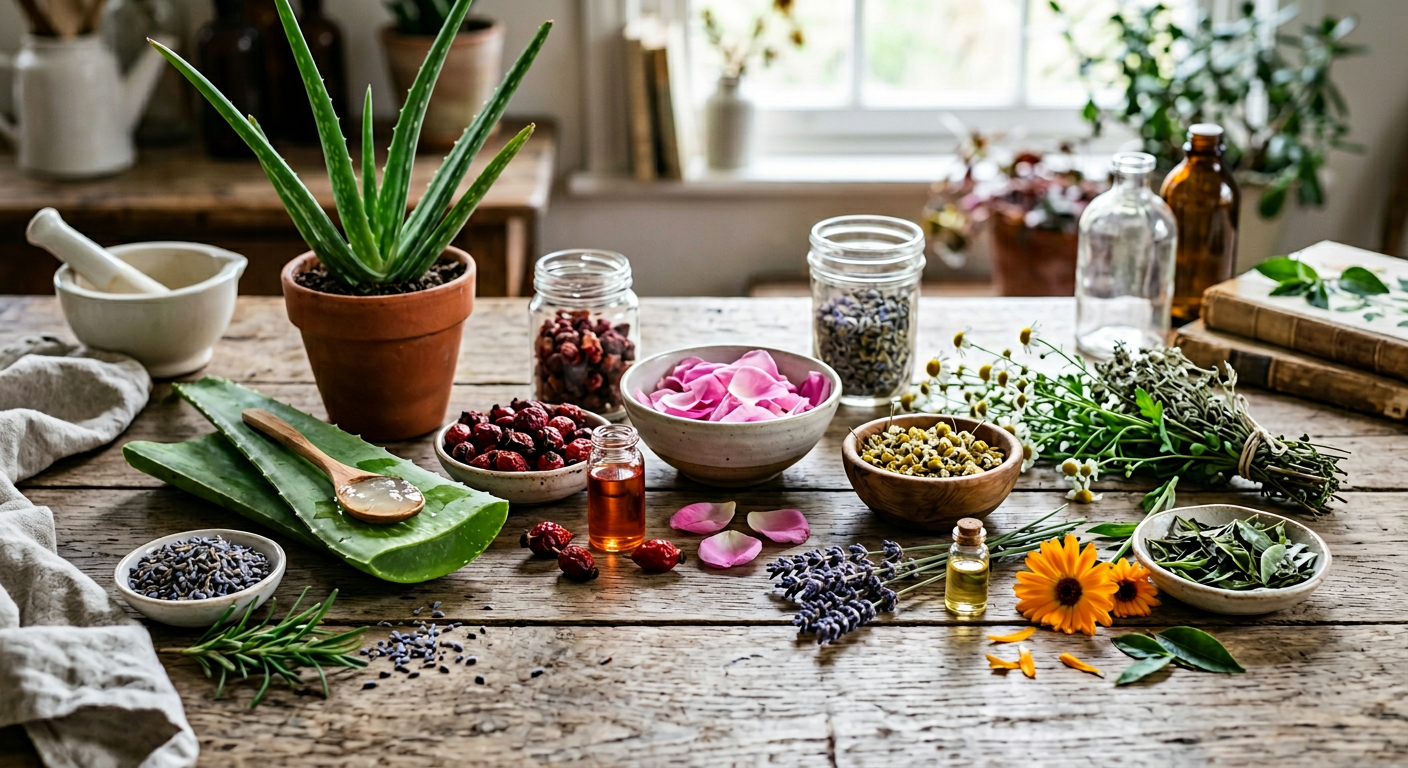
Some of the most familiar skincare botanicals have far more to offer than brands typically use. Knowing which parts of an ingredient do what helps you evaluate whether a product is genuinely committed to whole-plant principles.
Rosehip
Most consumers know rosehip oil, pressed from the seeds. The flesh contains high concentrations of vitamin C, and the peel offers pectin — a natural humectant that draws moisture to the skin. A whole-plant rosehip formula uses oil, extract, and peel-derived compounds together.
Green Tea
Green tea extract, derived from the leaf, is a well-documented antioxidant. Topical Skin identifies it as one of the most effective plant-based actives for antioxidant defense against environmental stress. The stems and roots of the Camellia sinensis plant also contain catechins and polyphenols — parts most formulations discard.
Coffee
The beauty industry has embraced coffee grounds as an exfoliant. Fewer brands use coffee cherry pulp — the fruit surrounding the bean — which is rich in antioxidants and has been shown to support skin cell renewal. This upcycled ingredient turns a byproduct of the coffee industry into a high-value skincare active.
Jojoba
Jojoba oil, extracted from the seed, is widely used for lightweight nourishment. The seed meal left after pressing is rich in protein and has demonstrated mild exfoliating properties. Brands committed to whole-plant principles incorporate both.
Reading Labels: How to Spot Genuine Whole-Plant Products
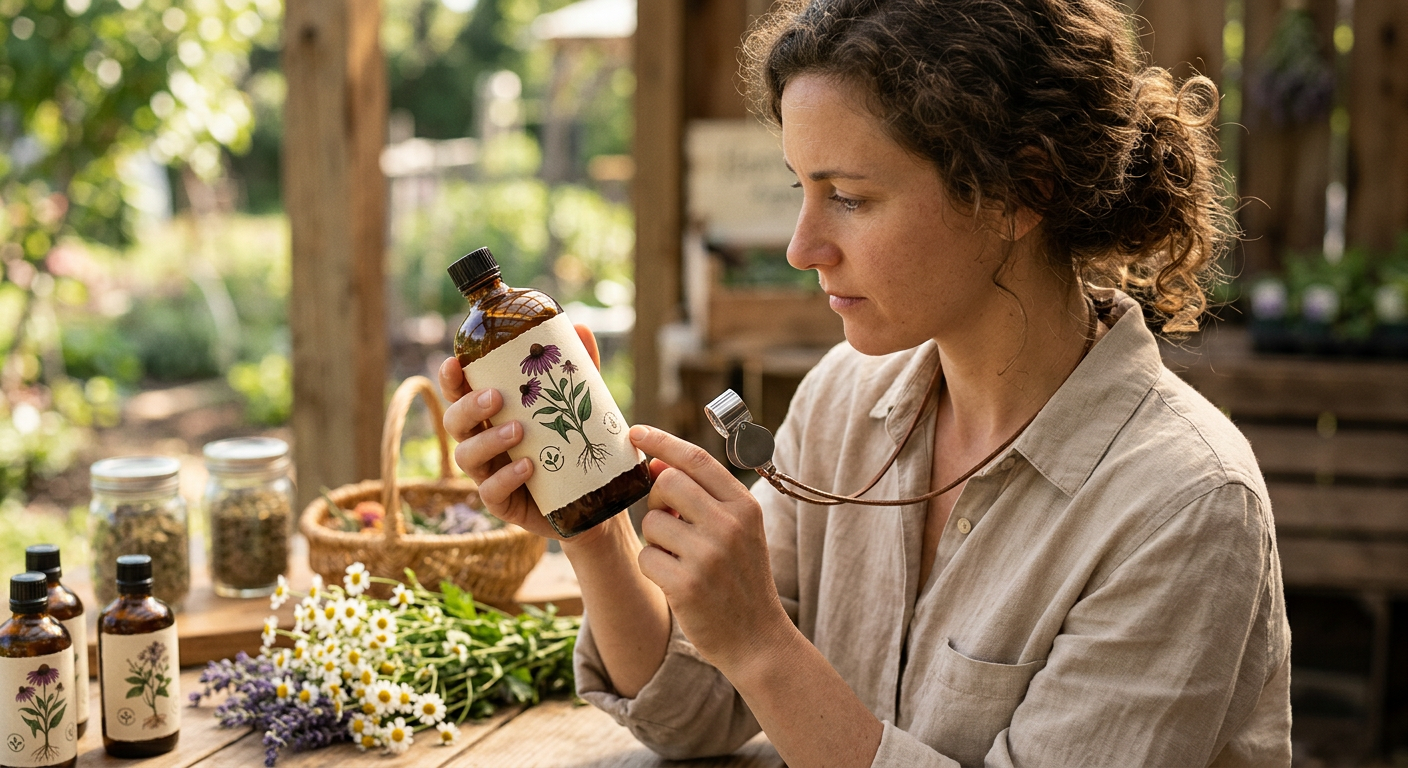
Not every brand that claims botanical credentials uses ingredients sustainably. Knowing how to read a label gives you the ability to make informed choices.
Look for INCI (International Nomenclature of Cosmetic Ingredients) names that reference specific plant parts — “Camellia sinensis leaf extract” versus just “green tea extract” tells you something about specificity. Multiple listings from the same plant species are a strong indicator of whole-plant formulation.
Global Makeup Awards observes that the strongest-performing sustainable products in 2026 tend to feature shorter, purposeful ingredient lists rather than long inventories of isolated compounds. A focused formula using five parts of one plant often outperforms a formula using one part each of twenty different plants.
Certifications also matter. Organic certification, Soil Association approval, or Ecocert status on botanical ingredients verifies that sourcing meets documented environmental standards rather than marketing claims.
The Skin Benefits of Multi-Part Plant Formulas
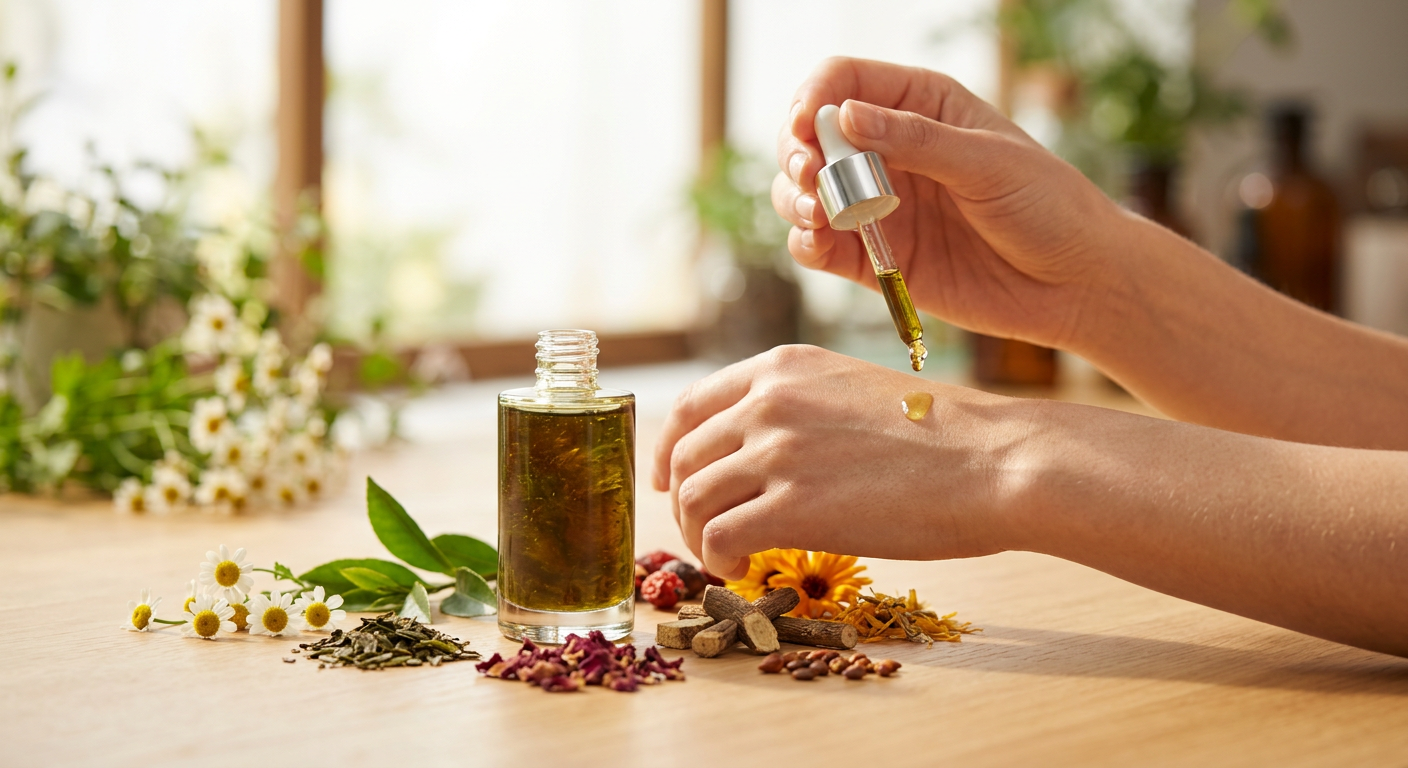
Whole-plant formulation is not just an ethical choice — it frequently produces better skincare results. Multiple parts of a plant working together deliver a broader spectrum of actives than any single extract can.
Twelve Beauty describes the 2026 ingredient shift as a move toward bio-compatible, multi-functional actives that work with skin rather than against it. Whole-plant formulas align with that direction because they reflect the complexity of botanical chemistry as it exists in nature.
Aloe vera is a useful example. The gel from the leaf interior is the commonly used ingredient, valued for soothing hydration and barrier recovery. The outer leaf contains different polysaccharides and antioxidants. Using both provides a more complete skin-supportive profile than gel alone.
The result is often a product that addresses multiple skin concerns simultaneously — hydration, antioxidant protection, barrier support — without requiring a ten-step routine.
How Brands Are Putting Whole-Plant Beauty Into Practice
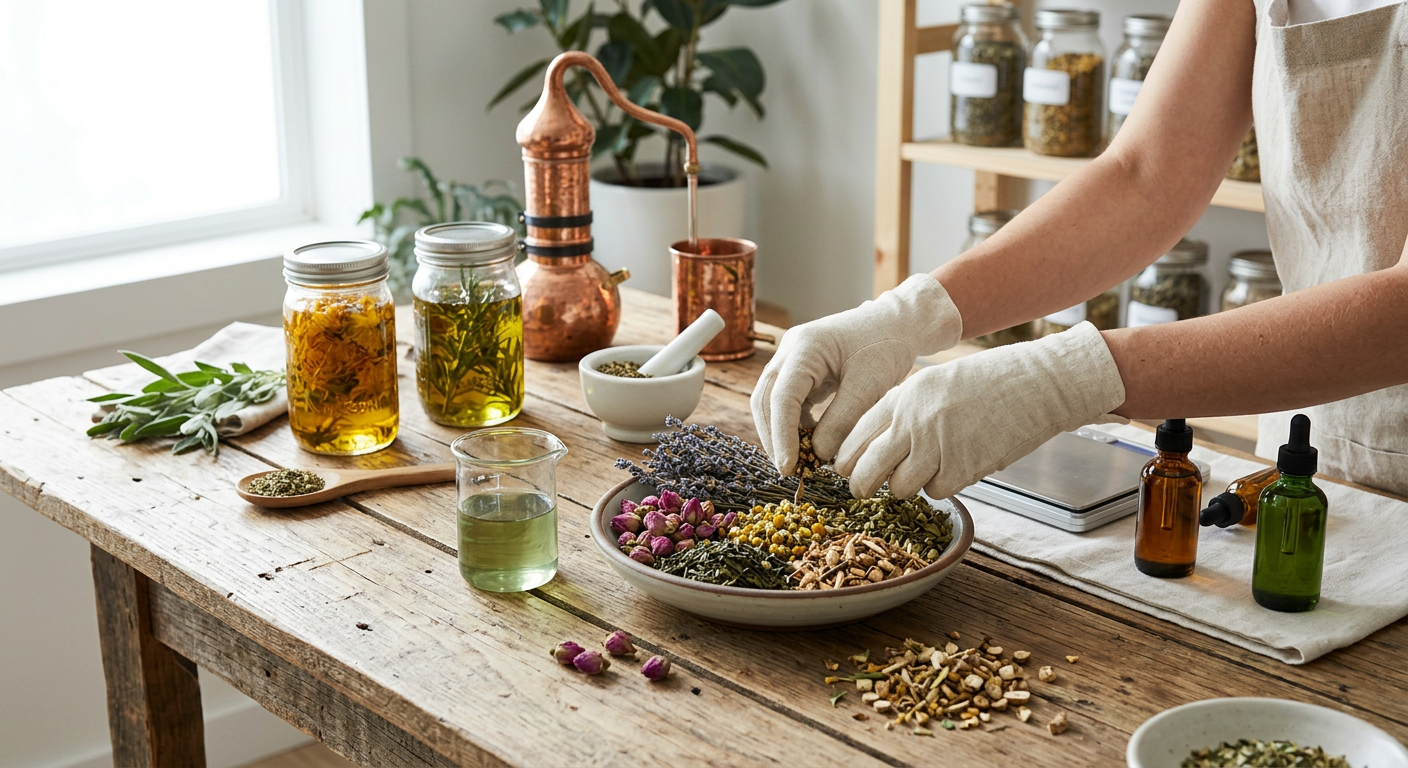
The shift is already visible across the industry. Personal Care Insights reports that plant-based cosmetic ingredients are driving innovation in sustainable beauty formulations, with companies like Cargill Beauty developing ingredient ranges that maximize botanical utility.
Brands built around whole-plant principles — like those featured in Plant-Powered Beauty by Amy Galper — often operate with transparent supply chains, naming specific farms or cooperatives and documenting which plant parts go into each product. That traceability is a meaningful differentiator in a market where greenwashing remains a real concern.
Upcycling is another practical expression of whole-plant thinking. Some brands now partner directly with food and beverage producers to capture botanical byproducts — fruit pomace from juice pressing, spent vanilla pods, grape seed waste from winemaking — and transform them into high-performance skincare actives. This circular model reduces waste at the supply chain level before a product is ever formulated.
Building a Whole-Plant Routine at Home
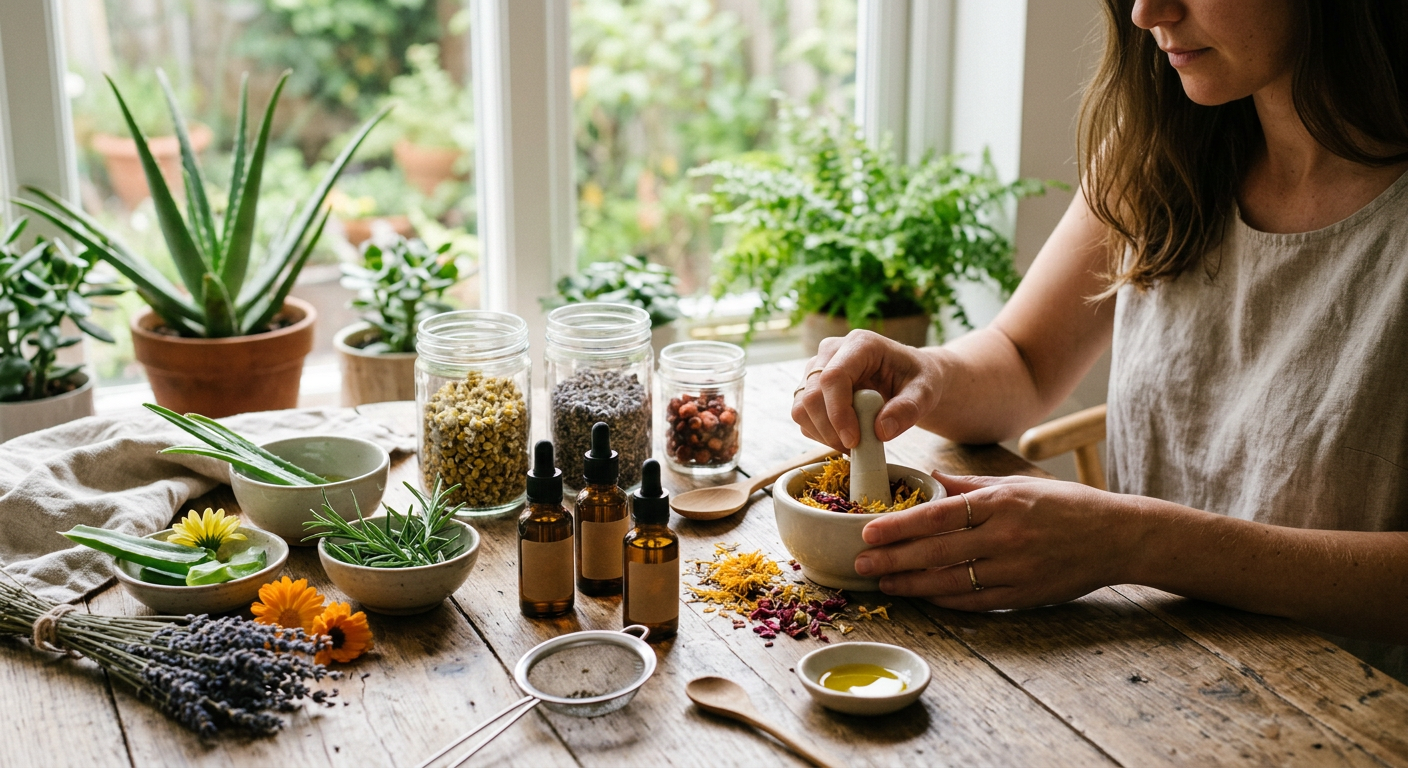
You do not need to overhaul your entire skincare collection to embrace whole-plant principles. A few deliberate choices make a meaningful difference.
Start by auditing what you already use. If rosehip oil is in your routine, consider adding a rosehip seed powder exfoliant or a product containing rosehip fruit extract. You are already invested in the plant — using more of it is a natural next step.
When shopping for new products, prioritize brands that name specific plant parts on their labels and provide sourcing transparency. Vague claims like “botanical blend” tell you very little. Specific claims like “whole-leaf aloe extract” or “cold-pressed seed and peel oil” indicate a brand has thought carefully about what it is using and why.
Formula Botanica points out that the growth of the natural beauty market is an opportunity to encourage more ethical, nature-friendly industry practices — and that influence starts with individual purchasing decisions.
Conclusion
Whole-plant beauty is one of the most practical expressions of sustainable skincare available right now. It reduces botanical waste, supports biodiversity, and frequently delivers stronger skin results than single-extract formulas. The core principle is straightforward: if you are going to use a plant, use it fully.
Check the labels on your current products, identify one ingredient you use regularly, and research whether a whole-plant version of that product exists. Small, informed swaps compound into a meaningfully more sustainable routine over time.
Explore more sustainable skincare guides on Breanna Beauty to keep building a routine that works for your skin and the planet.
Frequently Asked Questions
Q: What is the difference between whole-plant beauty and plant-based beauty?
Plant-based beauty broadly refers to formulas built around botanical ingredients rather than synthetic or animal-derived ones. Whole-plant beauty is a more specific practice within that category, focusing on using multiple or all parts of a single plant rather than isolating one extract.
Q: Are whole-plant skincare products more expensive?
Not necessarily. Because whole-plant formulation maximizes the value extracted from each plant, it can reduce raw material costs for brands. Some whole-plant products carry a premium due to ethical sourcing and certification, but many are competitively priced with conventional alternatives.
Q: How do I know if a brand is genuinely using whole-plant ingredients?
Look for INCI names that specify plant parts (leaf, root, seed, peel) and multiple listings from the same botanical species. Certifications from Ecocert, Soil Association, or similar bodies provide additional verification. Brands with transparent supply chain documentation are generally more trustworthy.
Q: Can whole-plant formulas work for sensitive skin?
Yes, and they are often better suited to sensitive skin than single-extract formulas. Using multiple parts of one plant provides a broader, more balanced active profile that tends to be gentler than high-concentration single actives. Patch-test new products regardless of their formulation approach.
Q: What are the best whole-plant ingredients to look for in 2026?
Rosehip (oil, fruit, and peel), green tea (leaf and stem), aloe vera (gel and outer leaf), and coffee (bean and cherry pulp) are among the most well-researched whole-plant options. Each offers complementary actives across different plant parts that work synergistically in formulation.
Q: Is upcycled beauty the same as whole-plant beauty?
They overlap but are not identical. Upcycled beauty uses byproducts from other industries — food processing, agriculture — that would otherwise be discarded. Whole-plant beauty focuses on using all parts of a plant within the beauty supply chain itself. Both reduce waste and support circular economy principles.