

Ever feel like skincare ads are shouting too much these days, making it hard to trust what they promise? Brands are shifting to quiet beauty marketing, focusing on real transparency that consumers actually want. You’ll see how this subtle approach builds stronger connections without all the hype.
Key Takeaways: According to McKinsey, the global beauty market is projected to reach US$206.6 billion by 2026, driven by trends like quiet beauty in North America and Asia Pacific.
What is `Quiet Beauty’ Marketing?
Quiet beauty marketing represents a shift in the beauty industry toward understated, genuine communication that prioritizes substance over sensationalism. This approach focuses on real value through transparency in ingredients, evidence-based claims, and consistent performance. Brands move away from flashy ads to build long-term trust with consumers seeking authenticity in skincare and beauty products.
Consumers today demand more than promises. They want clear details on formulation processes and proof of results from everyday routine s. Quiet beauty meets these expectations by sharing clinical data and real routines that deliver reproducible outcomes.
In contrast to hype-driven campaigns, this style emphasizes longevity in customer relationships. Brands highlight sustainability in supply chains and ethical sourcing to foster credibility. This builds loyalty among those tired of overblown influencer endorsements on social media.
The rise of consumer literacy fuels this trend. Shoppers scrutinize packaging for verification of actives and performance claims. Quiet beauty thrives by aligning with these habits, offering transparency that stands up to retail and online review scrutiny.
Core Principles: Subtlety and Authenticity
At its heart, quiet beauty marketing relies on subtlety to convey genuine value without aggressive sales tactics. Core principles guide this method, starting with plain language for ingredient explanations. Brands avoid jargon, making complex science accessible to everyday users.
Another key principle is sharing formulation processes openly. Companies detail how products come together, from sourcing to testing, to demonstrate ethics and quality control. This transparency reassures consumers about consistency in every batch.
- Use plain language to explain ingredients, like describing how niacinamide supports skin barrier function.
- Share formulation processes openly, including steps from raw materials to final product.
- Focus on reproducibility of results through consistent routines, such as daily application of serums for steady improvements.
Examples include listing exact concentrations of actives such as retinol at 0.3% on packaging. Dermatologists often endorse this approach for its alignment with clinical standards. It promotes trust by letting consumers verify claims against their own experiences and expert advice.
Historical Shift from Hype-Driven Campaigns
The beauty industry has evolved from bold, exaggerated promises to more restrained approaches amid growing consumer skepticism.
In the early 2010s, platforms like Instagram fueled influencers-driven hype. Brands pushed “miracle cures” for flawless skin, often without solid backing. This created high expectations that many products could not meet.
Recent years brought intense scrutiny over unsubstantiated claims. Consumers demanded proof for ingredients like retinoids. Brands shifted to evidence-based communication, sharing clinical data and formulation details.
This transition laid the groundwork for quiet beauty marketing. It emphasizes transparency and realistic results over viral sensations. Skincare routines now prioritize consistency and longevity in performance.
The Backlash Against Over-Promising
Consumers grew frustrated with beauty products that failed to deliver on lofty promises amplified by influencers.
Viral TikTok videos exposed flops like “overnight glow serums” that caused irritation instead of radiance. Users shared before-and-after photos showing no change, sparking widespread distrust. This virality on social media highlighted gaps between marketing hype and real results.
Demands grew for clinical evidence behind actives like vitamin C and retinoids. Shoppers questioned concentrations and formulation stability, pushing brands toward openness. Dermatologists recommended verifying claims through independent testing.
- Conduct pre-market testing and share results publicly to build credibility through validation.
- List exact ingredient concentrations on packaging for reproducibility.
- Partner with experts for third-party validation of product performance.
These steps help rebuild trust. Brands focusing on science-backed routines see stronger customer loyalty. Transparent supply chains and ethical standards further align with savvy consumer habits.
Key Drivers of the Quiet Beauty Trend
Several interconnected forces have propelled quiet beauty marketing to prominence in the skincare and beauty market. Rising consumer literacy means shoppers now question bold claims and seek evidence of real results. This shift pressures brands to prioritize transparency over flashy advertising.
Platform algorithms favor genuine content, boosting posts that show authentic routines and ingredient performance. Consumers demand supply chain visibility, pushing companies toward sustainable and ethical practices. These drivers build trust and encourage longevity in brand loyalty.
Together, they create scrutiny on formulations and claims. Brands adopting quiet beauty gain credibility by focusing on consistency and reproducibility. This trend reflects evolving consumer expectations for value rooted in science and ethics.
Legacy marketing fades as social media amplifies honest voices. Skincare routines with proven actives now drive virality. Brands must adapt to thrive in this transparent landscape.
Consumer Demand for Transparency
Modern skincare shoppers expect clear visibility into what goes into their products and how they’re made. They want full ingredient concentrations, such as 10% niacinamide, listed upfront. This contrasts with opaque legacy brands that hide details behind vague labels.
Brands can meet demands by mapping supply chains online, showing sourcing from ethical suppliers. Offer batch-specific testing data for performance verification. These steps build trust and set standards for sustainability.
- List full ingredient concentrations on packaging and websites.
- Map supply chains with interactive tools for traceability.
- Provide batch-specific testing data linked to purchase codes.
Consumers reward this openness with loyalty. It shifts focus from hype to clinical evidence and reproducibility. Legacy brands risk losing ground without such transparency.
Influence of Social Media Authenticity
Platforms like TikTok and Instagram now reward raw, honest beauty content over polished ads. TikTok favors get ready with me routines showing real results from daily use. This drives virality for authentic skincare habits.
Instagram prioritizes dermatologist-backed recommendations, with posts featuring evidence-based advice. Algorithms boost content with consistency and genuine demonstrations. Brands gain by aligning with these shifts toward credibility.
Actionable tip: Partner with micro-influencers for 30-day routines using actives like retinol. They showcase formulation effects without exaggeration. This approach enhances market growth through relatable verification.
Social media scrutiny elevates transparency standards. Consumers spot inauthentic posts quickly, favoring those with real routines. Brands embracing this trend see stronger consumer trust and retail success.
Core Strategies in Quiet Beauty Marketing
Brands succeeding in quiet beauty deploy targeted tactics centered on openness and science integrity. These approaches prioritize product efficacy through accessible information over celebrity endorsements. Consumers respond well to this shift in skincare marketing.
Key tactics include detailed breakdowns of formulations and real-world performance data. Brands share sourcing details and clinical protocols to foster trust. This builds longevity in customer relationships beyond short-term hype.
Another strategy involves interactive elements like QR codes on packaging. These link to videos and data verifying claims. Such methods align with rising consumer expectations for transparency and evidence-based results.
Quiet beauty also emphasizes consistency in communication across platforms. Social media posts focus on routine integration and sustainability. This creates organic virality through authentic engagement rather than paid influencers.
Ingredient Transparency and Storytelling
Telling the story behind each ingredient, from vitamin C to niacinamide, builds deeper consumer connections than generic beauty claims. Brands highlight origins, sourcing, and scientific roles to enhance credibility. This approach educates on skincare literacy and sets realistic expectations.
Start with creating ingredient origin videos lasting 2-3 minutes. Show the supply chain from farm to formulation, including sustainability practices. For example, detail how niacinamide refines pores by regulating sebum production, using simple visuals like before-and-after skin diagrams.
- Produce short videos tracing ingredient journeys, from ethical sourcing to lab processing.
- Share clinical testing protocols for key actives, explaining concentrations and reproducibility.
- Add QR codes on packaging that link to full formulation data and dermatologist validations.
These steps turn products into trusted routine staples. Consumers value this transparency, leading to higher retention and word-of-mouth growth. Brands gain an edge in a market under scrutiny for ethics and performance.
Benefits for Brands and Consumers
Quiet beauty marketing delivers mutual gains through sustained relationships and proven results, as reported by McKinsey and NielsenIQ. Brands build long-term loyalty by focusing on transparency rather than hype. Consumers enjoy products that align with their expectations.
For brands like Este Lauder, Coty, and Shiseido, this approach fosters trust in skincare routines that deliver consistency. Repeat purchases grow as customers value honest ingredient lists and clinical evidence. Marketing emphasizes reproducibility over fleeting trends.
Consumers gain access to reliable formulations with clear actives concentrations. They match products to personal needs using verifiable data. This leads to better results and sustained habits.
Both sides benefit from reduced scrutiny on exaggerated claims. Brands see market growth through ethical practices. Consumers develop higher beauty literacy on platforms like social media.
Brands Gain Loyalty via Trust
Brands using quiet beauty build trust that drives loyalty. Transparent packaging and supply chain details encourage repeat purchases. Customers stick to consistent routines knowing what to expect.
Evidence-based claims around formulation performance create credibility. Dermatologists often endorse such products for their science-backed standards. This shifts focus from influencers to genuine validation.
Longevity comes from sustainability in marketing. Brands avoid virality pitfalls by prioritizing ethics and verification. Retail partnerships thrive on this honest approach.
Consumers Access Reliable Products Matching Expectations
Consumers find reliable products that match their expectations in quiet beauty. Clear labeling on ingredient concentrations aids informed choices. Routines become effective with transparent performance data.
Honest communication reduces returns from mismatched hype. Shoppers verify claims through clinical evidence and expert insights. This builds confidence in daily skincare habits.
Access to science-driven options enables better decisions. Trends lean toward brands with reproducibility and consistency. Consumers value growth in personal beauty literacy.
| Quiet Beauty | Traditional Marketing | |
|---|---|---|
| Customer Retention | High due to trust and consistent results | Lower from hype-driven drop-offs |
| Return Rates | Minimal as products match expectations | Higher from unmet exaggerated claims |
| Longevity | Sustained via transparency and evidence | Short-term from viral trends |
| Loyalty | Strong repeat routines and habits | Weak due to scrutiny and inconsistency |
Successful Case Studies
Real-world examples demonstrate quiet beauty’s effectiveness across different markets and brand scales. Brands embracing transparency and minimalism have built lasting trust with consumers. These cases highlight shifts from hype-driven tactics to ingredient-focused communication.
The Ordinary pioneered ingredient-focused minimalism, listing exact concentrations on simple packaging. This approach turned complex skincare into accessible science, fostering a cult following. Consumers appreciated the reproducibility of formulations without flashy claims.
Beauty of Joseon leveraged K-beauty authenticity on TikTok through genuine user routines and heritage stories. Videos showcasing real results drove virality without paid influencers. The brand’s consistency in sharing supply chain details boosted credibility.
Legacy players like Shiseido adapted by emphasizing clinical evidence and longevity in their marketing. They moved from abstract promises to data-backed performance on social platforms. Key takeaways include prioritizing science over trends for sustained growth.
The Ordinary: Ingredient-Focused Minimalism
The Ordinary shifted from typical beauty marketing to radical transparency by highlighting active ingredients like niacinamide and retinol with precise concentrations. Before, skincare ads relied on vague promises of youthfulness. After, plain packaging and educational content educated consumers on formulations.
| Before Strategy | After Strategy |
|---|---|
| Hype-driven ads with celebrity endorsements and luxury imagery | Minimalist labels with ingredient lists, concentrations, and usage guides |
| Focus on emotional benefits like “glow” | Emphasis on science, evidence, and reproducibility for routines |
| High retail markups hiding formulations | Affordable pricing reflecting true value and ethical standards |
This change built consumer literacy and loyalty, as users mixed products confidently. Dermatologists often recommend their actives for verified results. The cult status stems from trust in honest skincare science.
Beauty of Joseon: K-Beauty Authenticity on TikTok
Beauty of Joseon gained traction by sharing authentic routines rooted in Korean traditions on TikTok. Before, K-beauty exploded with filtered trends and over-the-top claims. After, user-generated content revealed real textures, scents, and sustainability practices.
| Before Strategy | After Strategy |
|---|---|
| Trendy challenges with heavy editing and influencer sponsorships | Raw demos of products in daily routines with heritage context |
| Generic “glass skin” hype without verification | Transparency on ingredient sourcing and ethical supply chains |
| Paid promotions dominating feeds | Organic virality from consistent, relatable skincare stories |
The brand’s focus on platform-native authenticity aligned with consumer expectations for genuineness. Videos explaining ginseng extracts drove engagement and sales. This approach shows how social media rewards evidence over exaggeration.
Shiseido: Legacy Brand Adaptation
Shiseido, a century-old giant, pivoted to quiet beauty by foregrounding clinical validation and long-term results. Before, campaigns emphasized glamour and abstract luxury. After, they integrated data from performance studies into accessible narratives.
| Before Strategy | After Strategy |
|---|---|
| Elegant ads focusing on packaging and prestige | Content breaking down formulations and clinical testing |
| Broad claims about beauty ideals | Specifics on actives, concentrations, and dermatologist insights |
| Traditional retail dominance | Digital verification via social media and consumer feedback loops |
This adaptation maintained brand longevity while attracting scrutiny-savvy younger consumers. Sharing behind-the-scenes on R&D built deeper trust. Legacy brands prove quiet strategies enhance credibility amid rising expectations.
- Prioritize ingredient transparency to foster reproducibility and routines.
- Leverage platforms for authentic, user-led content over polished hype.
- Back claims with clinical evidence and supply chain details for trust.
- Adapt consistently across markets for sustained growth and consumer loyalty.
Challenges and Implementation Hurdles
Transitioning to quiet beauty requires overcoming operational and perceptual obstacles. Brands face hurdles in aligning supply chains, validating clinical claims, and shifting retail dynamics. Addressing these builds trust with consumers seeking transparency in skincare.
Common issues include opaque sourcing and skepticism toward marketing promises on platforms like Instagram.
Retail partners often resist change due to established hype-driven models. Measuring success in this subtle approach demands new metrics focused on long-term routine adherence.
Practical solutions exist to navigate these challenges. Brands can implement targeted strategies to enhance credibility and promote lasting success. The key lies in consistent action that matches consumer expectations for evidence-based results.
1. Supply Chain Opacity
Supply chain opacity hides ingredient origins and ethical practices from consumers. This erodes trust in formulations, especially for actives like vitamin C or peptides. Brands must reveal sourcing details to meet demands for sustainability and reproducibility.
Third-party audits provide independent verification of supply chain standards. Firms like McKinsey or those specializing in ethical sourcing review suppliers for labor practices and environmental impact. This step ensures transparency in every batch of products.
For example, a brand like The Ordinary might publish audit summaries on packaging or websites. This fosters consumer literacy about ingredient concentrations and origins. Over time, it strengthens market position through genuine ethics.
2. Proving Clinical Claims
Proving clinical claims without hype challenges brands in a scrutiny-heavy market. Consumers question performance promises amid influencer-driven virality on platforms like TikTok and Instagram. Reliable evidence is essential for skincare routines that deliver real results.
Publishing raw data from trials offers full transparency. Share unedited study results, including participant demographics and methodologies. This allows dermatologists and experts to validate findings independently.
Consider releasing datasets on product efficacy for hydration or anti-aging. Such openness builds credibility over flashy ads. It aligns with trends toward science-backed beauty, including K-beauty, and consumer-driven accountability.
3. Retail Resistance
Retail resistance stems from reliance on high-energy displays and promotions from giants like Este Lauder and Shiseido. Shelf space favors loud packaging over minimalist designs favored in quiet beauty. This clash slows adoption in physical stores.
In-store education kiosks counter this by engaging shoppers directly. Interactive screens explain formulations, clinical evidence, and routine integration. Staff training enhances these tools for personalized advice.
For instance, kiosks could demo ingredient benefits using simple visuals. This shifts perceptions, encouraging trial of transparent products. It bridges the gap between retail norms and evolving consumer habits.
4. Measuring ROI
Measuring ROI in quiet beauty diverges from viral metrics like shares or likes. Traditional tools overlook subtle shifts in longevity and consistency of use. Brands need metrics tied to actual consumer behavior.
Track routine adherence metrics such as repeat purchase rates and usage frequency, according to NielsenIQ. Apps or loyalty programs monitor how often customers incorporate products into daily habits. This data reveals true performance value.
Analyze patterns in refill orders or subscription retention. Pair with feedback on results to gauge loyalty. This approach proves the worth of transparency-driven marketing in a competitive market.
Future Outlook for Quiet Marketing
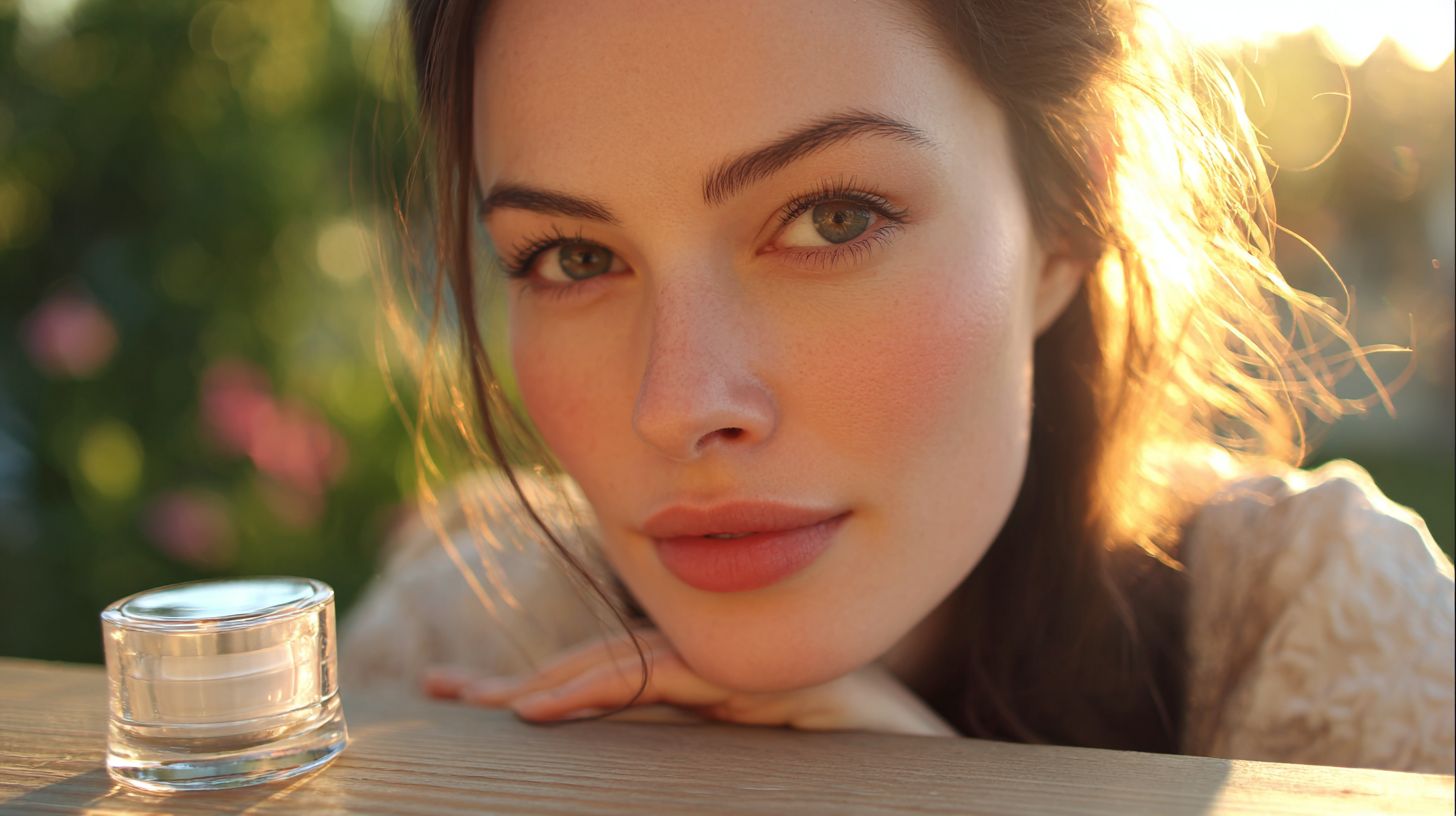
Quiet beauty marketing will shape the industry’s evolution as consumer expectations continue rising. Brands that prioritize transparency and evidence-based claims will lead this shift. Consumers now demand clear ingredient lists and reproducible results over flashy promises.
In North America and Asia Pacific markets, including the United States, quiet marketing shows strong potential for growth. These regions value authenticity in skincare and beauty products. Expect dominance as trust becomes a key driver in retail and social media platforms.
AI integration will enhance personalized transparency by analyzing user data for tailored routines. Brands can use AI to verify formulation details and supply chain ethics. This approach builds credibility without hype.
Regulatory pushes for standards will enforce validation of clinical claims and active concentrations. Experts recommend investing in blockchain verification now to ensure longevity. For example, tracking sustainable sourcing from farm to packaging prepares brands for scrutiny.
Predicted Market Trends
Quiet marketing trends point to expansion in high-demand regions like North America and Asia Pacific, projected to reach US$206.6 billion. Consumers seek value through honest communication about product performance. This fosters loyalty amid rising media literacy.
Integration of AI will personalize transparency, offering users evidence on how actives work in their skin type. Dermatologists endorse this for building trust. Brands using AI for routine recommendations will gain an edge.
- Focus on sustainability in supply chains to meet ethical standards.
- Emphasize reproducibility of results in marketing materials.
- Leverage platforms for sharing real user habits and longevity data.
Regulatory changes will standardize ingredient disclosures and clinical validation. This creates opportunities for brands prioritizing consistency over virality.
Actionable Steps for Brands
Brands should invest in blockchain verification today to future-proof operations. This technology tracks ingredients from source to shelf, enhancing credibility. For instance, a skincare line could verify organic actives transparently.
Partner with influencers who demonstrate real results in daily routines. Avoid exaggerated claims; focus on science-backed evidence. This aligns with consumer demands for authenticity.
- Audit current packaging for clear concentrations and ethics info.
- Develop AI tools for customized transparency reports.
- Train teams on regulatory standards for claims and performance data.
Consistency in these steps ensures long-term growth. Consumers reward brands that match marketing with genuine product value.
Frequently Asked Questions
What is `Quiet Beauty’ Marketing?
In the context of The Rise of `Quiet Beauty’ Marketing: Less Hype, More Transparency, `Quiet Beauty’ Marketing refers to a trend in the beauty industry where brands shift away from loud, exaggerated advertising toward subtle, honest communication that emphasizes product authenticity, ingredient transparency, and realistic results, building trust with consumers tired of overpromising hype.
Why is `Quiet Beauty’ Marketing on the rise?
The Rise of `Quiet Beauty’ Marketing: Less Hype, More Transparency is driven by consumer demand for genuineness in an era of social media skepticism. Shoppers, especially Gen Z and millennials, prefer brands that disclose full ingredient lists, sustainable sourcing, and clinical data over flashy influencers and unrealistic beauty standards.
How does `Quiet Beauty’ Marketing differ from traditional beauty marketing?
Traditional beauty marketing relies on high-drama ads, celebrity endorsements, and hyperbolic claims like “miracle transformations,” whereas The Rise of `Quiet Beauty’ Marketing: Less Hype, More Transparency focuses on minimalistic campaigns, user-generated content, and evidence-based messaging to foster long-term loyalty through credibility.
What are examples of brands embracing `Quiet Beauty’ Marketing?
Brands like Glossier, The Ordinary, Beauty of Joseon, and CeraVe exemplify The Rise of `Quiet Beauty’ Marketing: Less Hype, More Transparency by using clean packaging, straightforward product descriptions, and community-driven testimonials rather than aggressive sales tactics like those from Coty, highlighting efficacy over glamour.
What benefits does `Quiet Beauty’ Marketing offer to consumers and brands?
For consumers, The Rise of `Quiet Beauty’ Marketing: Less Hype, More Transparency means informed choices and reduced buyer’s remorse; for brands, it leads to higher retention rates, positive word-of-mouth, and resilience against scandals, as transparency builds a loyal customer base in a competitive market.
Will `Quiet Beauty’ Marketing replace hype-driven strategies entirely?
While The Rise of `Quiet Beauty’ Marketing: Less Hype, More Transparency is gaining momentum, it may coexist with traditional hype for mass-market products. However, as authenticity becomes a key differentiator, more brands are expected to adopt quieter approaches to stand out and sustain growth.