



The textured crop takes two minutes to style, survives a beanie, and often looks better on day three than day one. That combination explains why it’s become the most requested men’s cut in barbershops heading into winter 2027. Short on the sides, choppy and layered on top, worn forward into a soft fringe, it handles hat season and a Monday meeting without asking much of you either way.
What Is a Textured Crop Haircut?
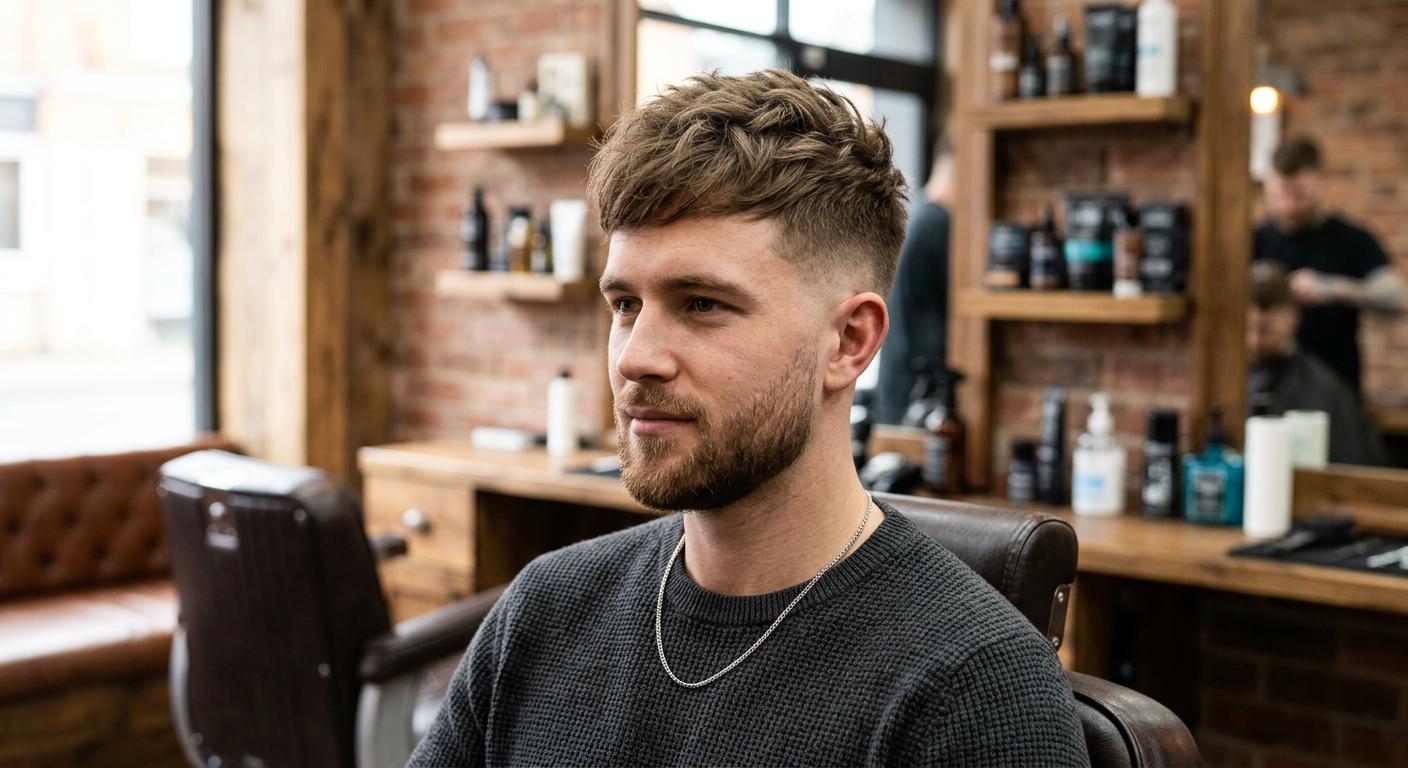
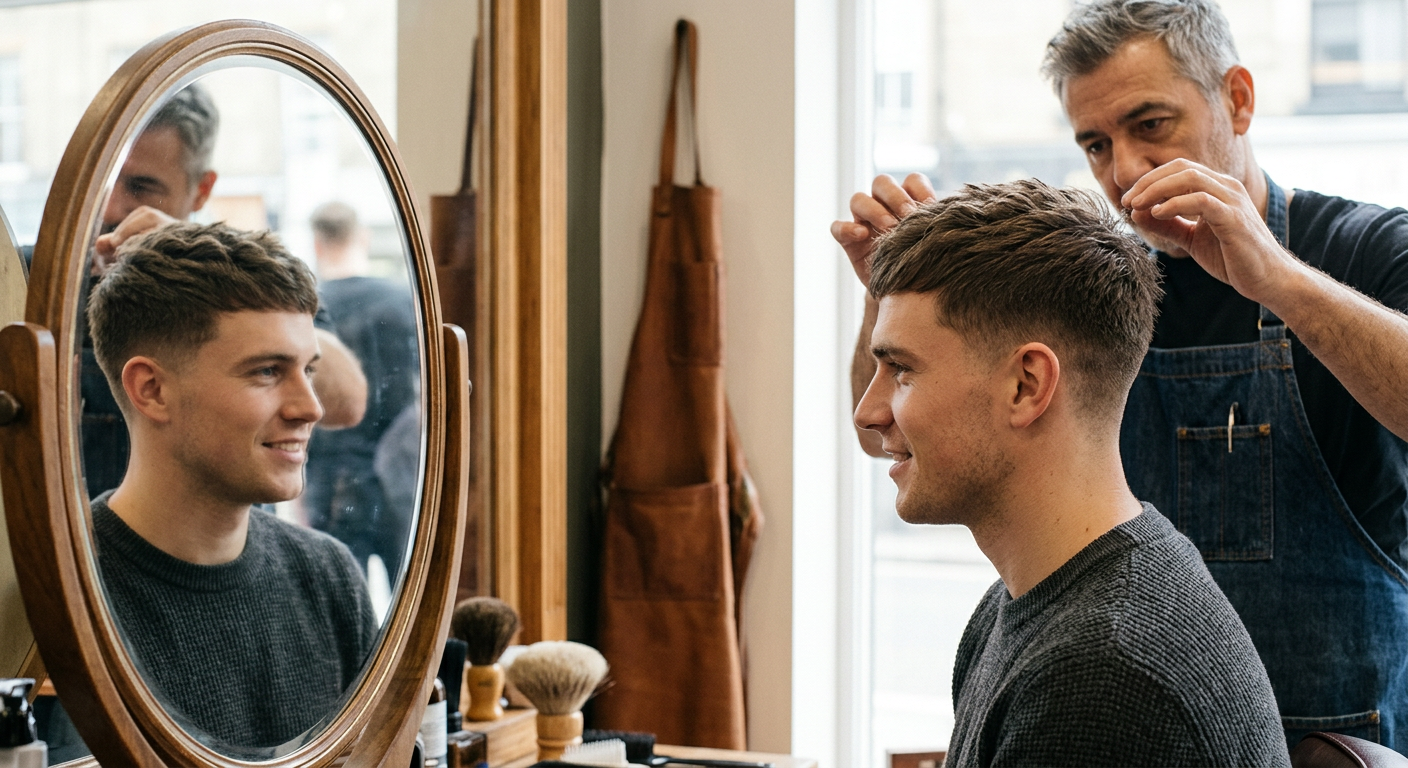
A textured crop is a men’s haircut with shorter faded or tapered sides and a slightly longer top, cut using point-cutting or razor techniques to create natural separation and movement, according to BluMaan. Two features define it: a forward-facing fringe that falls anywhere from mid-forehead to just above the brow, and a choppy, layered top that looks lived-in rather than polished.
“Textured” describes the cutting technique, not a single fixed style. Your barber removes bulk from inside the hair to create visible layers and separation, which is what makes the cut read as intentional rather than grown out.
The Detail Most Guides Miss
Most articles skip one point: the fringe isn’t where the texture lives. The fringe sits slightly heavier and flatter, while the choppy, separated texture concentrates in the mid-section and crown behind it. That contrast between the weighted front edge and the loose interior makes the style look deliberate. Add texture into the fringe itself and it just looks messy. Let the fringe sit, and let the top do the work.
Why the Textured Crop Dominates Winter 2027
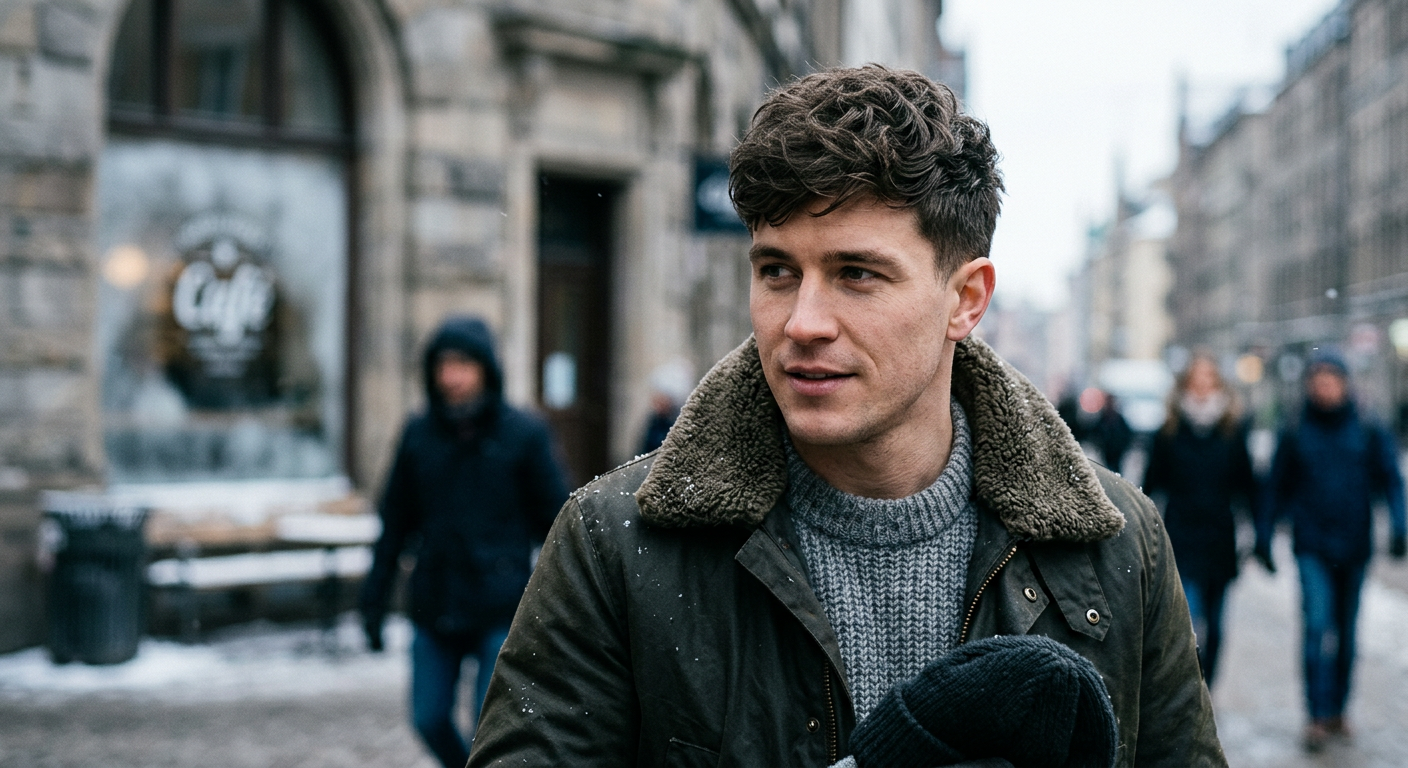
Winter grooming rewards cuts that forgive a hat, and the textured crop forgives everything. According to Men x Style, barbers this season are booking it more than any other cut, calling it “the complete winter package”: two minutes of matte clay in the morning and a silhouette that survives a beanie.
The trend data backs this up. TryHair.ai reports that while the taper fade leads overall search interest in 2026, the textured crop recorded the fastest recent climb among tracked hairstyles. Momentum is on its side as winter 2027 opens.
The season’s styling rules favor it too. Men x Style sums up winter grooming in three points: texture beats shine, softness beats severity, and whatever you choose has to forgive a beanie. The textured crop hits all three. Matte product only, soft fades instead of harsh skin fades, and point-cut layers that look better slightly disheveled.
Textured Crop Variations to Consider
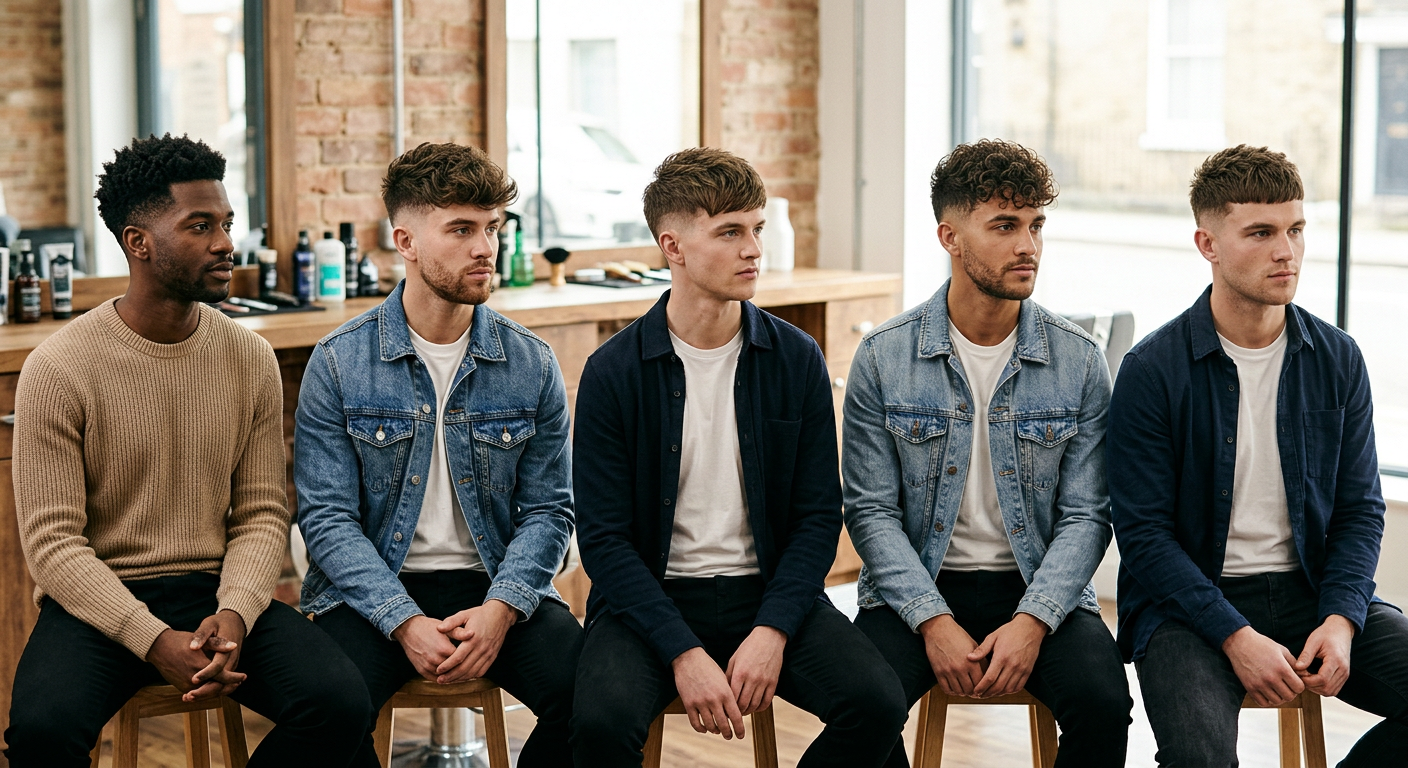
The textured crop is a family of styles, not one haircut. BluMaan’s guide covers roughly a dozen variations, from the French crop to the skin fade to the drop fade. Picking the right one comes down to how much contrast you want on the sides and how much length you keep on top.
Here’s how the most popular variations compare:
| Variation | Side Fade | Top Length | Maintenance | Best For |
|---|---|---|---|---|
| Classic Textured Crop | Mid fade | 1.5–2 in | Trim every 3–4 weeks | Office + weekend versatility |
| French Crop + Skin Fade | Skin fade | 1.5–2 in | Refresh every 2 weeks | Sharp, high-contrast look |
| Textured Crop + Taper Fade | Taper | 1.5–2 in | Trim every 3–5 weeks | Most professional-friendly |
| Medium-Length Textured Crop | Low/mid fade | 2.5–3.5 in | Trim every 4–5 weeks | More movement, thicker hair |
The taper fade version is the most professional-friendly and lowest-maintenance of the group, per BluMaan. A skin fade looks sharpest but shows growth fast; Men x Style recommends a refresh every two weeks to keep the contrast crisp.
Length Matters More Than You Think
A short crop runs about 1.5 to 2 inches through the crown, while a medium-length version pushes to 2.5 to 3.5 inches, according to BluMaan. More length gives you more movement but asks slightly more of your morning. For the lowest effort, stay short.
How to Style a Textured Crop at Home
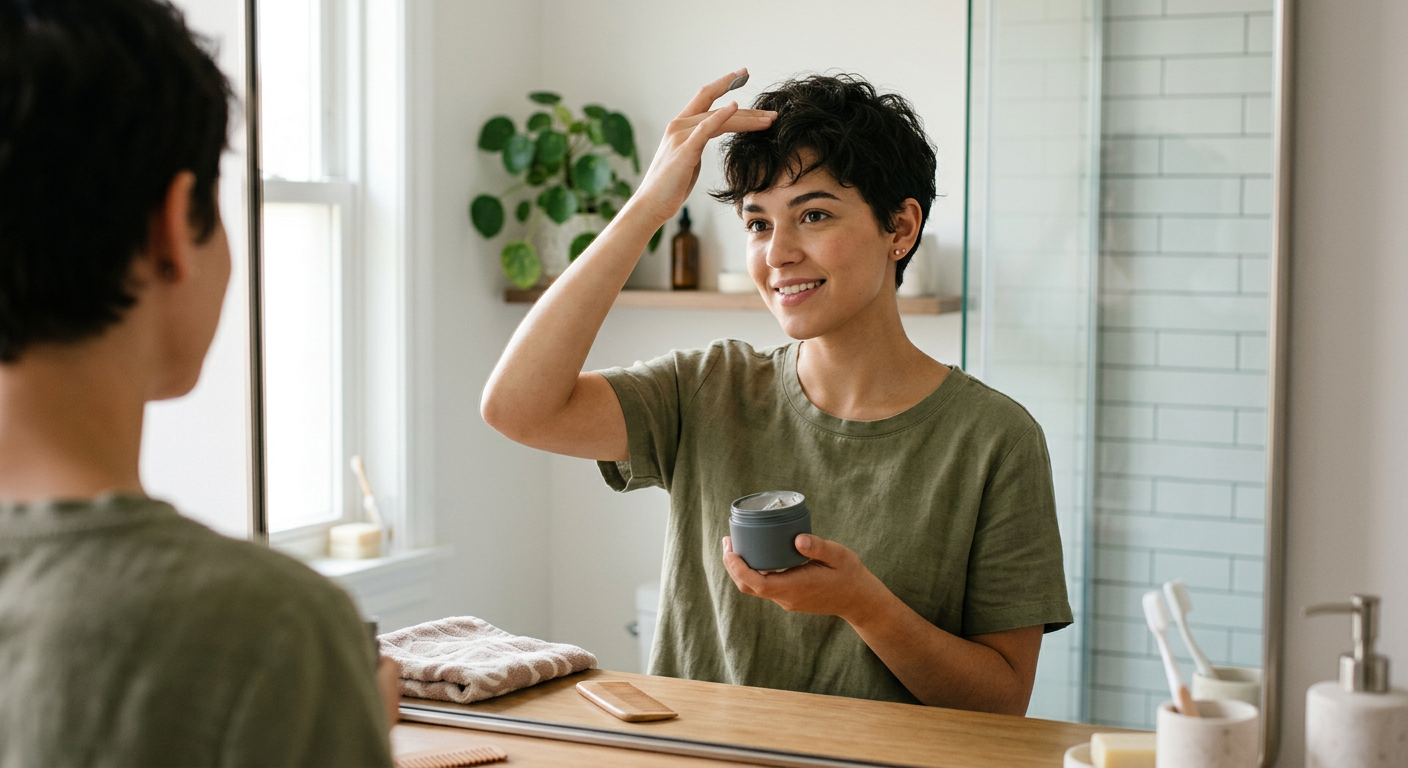
The styling routine is almost disappointingly simple, which is the whole point. One matte product and your fingers do the entire job. CADmen Academy puts a well-cut textured crop at one to three minutes of styling once you understand the product and method.
The steps:
- Towel-dry your hair until it’s damp, not dripping.
- Warm a fingertip of matte clay between your palms until evenly distributed.
- Work it through the top from back to front, pushing hair forward with your fingers.
- Separate and define the texture on top with your fingertips.
- Press the fringe down with your palm to set the direction.
The one non-negotiable product is a medium-hold, matte-finish clay or paste. It adds hold and separation without making hair look wet or heavy. For a more tousled finish, let hair air-dry before applying product; for a cleaner result, blow-dry with a brush first.
Does It Suit Your Face Shape?
Part of why the textured crop spreads so fast is that it flatters nearly everyone. Men x Style calls it “nearly universal”: the forward fringe shortens long faces, the texture adds width to narrow ones, and the layered top works across hair types.
The adjustments are small. Round faces should ask for a slightly higher fade to add height and length. Long faces should keep the fringe fuller and avoid going too short on top. Oval and square faces wear the standard version best, because the forward texture softens a heavy brow without hiding the jaw, per Men x Style’s short-cut guide.
Hair type matters less than you might expect, but it does shape the result. Straight and wavy hair gives the cleanest, most defined separation. Curly and coily textures still work; the point-cutting emphasizes your natural movement rather than fighting it.
The Low-Maintenance Payoff

The real argument for the textured crop is what it saves you. Therapeutic Cuts, a barbershop in Queens, NYC, reports that 52% of its clients aged 22–35 now request crop variations, with an average daily styling time of 3–5 minutes versus 10–15 for pompadours. Client satisfaction after the first month sat at 96%.
Barber visits stay reasonable too. CADmen Academy recommends a cut every three to five weeks to keep the shape and disconnection clean. The fade blurs after three to four weeks, but because the top is point-cut rather than blunt, it forgives growth better than almost any other short style.
That forgiveness is the quiet advantage. A blunt cut looks wrong the moment it grows out. A textured crop just looks slightly more lived-in, which is already the intended effect.
Conclusion
The textured crop earns its spot as winter 2027’s defining men’s cut because it solves the season’s actual problems. It survives a beanie, styles in under three minutes with one matte product, flatters nearly every face shape, and forgives growth better than any blunt alternative. The trend data shows it climbing fast, and barbers are booking it more than anything else.
If you want a cut that works harder than you do, take the comparison table above to your next appointment. Ask for your preferred fade, name your top length in inches, and request point-cut texture through the top. Then pick up a medium-hold matte clay and keep your routine to a single fingertip each morning.
FAQ
How long is the top of a textured crop?
A short textured crop runs about 1.5 to 2 inches through the crown, while a medium-length version goes 2.5 to 3.5 inches, according to BluMaan. Ask your barber in inches to get the length you actually want.
How often should I get a textured crop trimmed?
Every three to five weeks keeps the shape and fade clean, per CADmen Academy. A skin fade version shows growth faster and benefits from a refresh every two weeks.
What product works best for a textured crop?
A medium-hold, matte-finish clay or paste is the standard choice. It adds hold and separation without the wet, heavy look that shine-based products create.
Does a textured crop work on curly hair?
Yes. Straight and wavy hair gives the cleanest separation, but point-cutting also emphasizes natural curl and movement rather than fighting it.
Is the textured crop good for winter specifically?
It’s one of the best winter cuts available. The silhouette survives a beanie, the matte styling fits the season’s “texture over shine” rule, and it styles in roughly two minutes.
Which textured crop variation is lowest maintenance?
The taper fade version is the most professional-friendly and lowest-maintenance of the family, according to BluMaan, because the softer blend grows out more gracefully than a skin fade.