


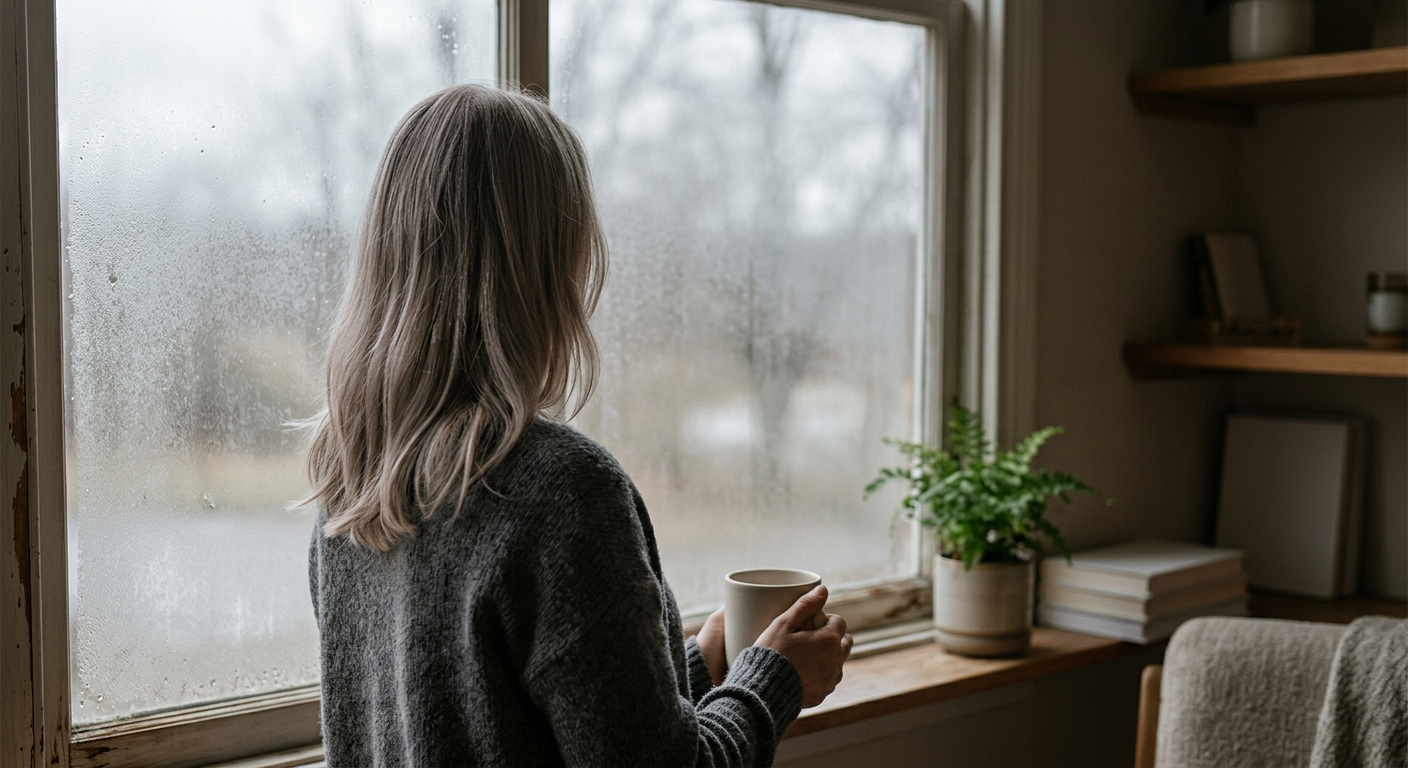
The best winter hair color is the one that still looks good under grey skies. Summer sun forgives a lot; a cloudy February morning does not. That gap explains why mushroom brown and icy beige are filling up salon books this season. Both are cool, muted, and low-maintenance, which suits dark knits, long coats, and the flat light of winter. They read as expensive without working hard for it. If you want a seasonal change that grows out without a sharp line, these two are a good place to start.
Why Cool Tones Rule Winter 2026

When the light softens and mornings cool down, what we want from color shifts too. QUE Colour Sydney notes that the high-gold blonde of summer is giving way to softer, smokier, ashier tones: mushroom blonde, cool beige, lived-in bronde.
The reason is practical as much as aesthetic. These shades grow out well, which matters in the colder months when most of us stretch the gap between appointments. Low-maintenance regrowth counts for a lot when salon visits have to compete with holiday schedules.
The design logic holds up too. Winter shades tend to run deeper, glossier, and cooler because they look richer in low light, as InsiderLyfe points out. Set them against heavy textures and dark layers, and the whole look sharpens.
What Is Mushroom Brown Hair?

Mushroom brown is a soft, ashy greige-brown that lands between cool brown and muted blonde. The name comes from the portobello: look closely at one and you see creamy tones, grays, and beiges rather than flat brown, as Aveda explains.
Its following comes down to how forgiving it is. The shade is muted enough to flatter more skin tones than people expect, and if brassiness is your problem, this is the brunette shade that fights it hardest, according to Haircutster. It works as an all-over tone or as ashy highlights threaded through a darker base.
The Mushroom Blonde Variation
Mushroom blonde is the lighter cousin of the brown, and it is having its own moment. British Vogue reports that the shade takes its cue from Taylor Swift and suits blondes who want more depth, or brunettes looking to lighten without going fully blonde.
Technique carries a lot of weight here. Colorist Muldoon recommends threading ribbons of beige and taupe through the hair as baby-lights: very fine strands of lightened hair, so delicate they almost cast a shadow effect. To keep the shade, she suggests a shampoo like Redken Blondage.
What Is Icy Beige Blonde?

Icy beige blonde, sometimes called frosted pearl, is a cool, glowing blonde with no yellow in it at all. It is softer than platinum and easier on your hair, and in winter it matches snowy light and cool-toned clothing in a way that reads as expensive, per InsiderLyfe.
The shade works best blended into the root, so growth stays gentle. That root-melt approach is what keeps icy beige from developing a hard line of regrowth within a few weeks.
This is also the shade that most often goes wrong without good aftercare. When you ask for it at the salon, request a blended root in beige, not ash, tones, and steer clear of heavy blue toners, which can tip the color too cold.
Mushroom Brown vs. Icy Beige: Quick Comparison

This breakdown should help you work out which shade fits your hair, your skin, and your tolerance for upkeep.
| Feature | Mushroom Brown | Icy Beige Blonde |
|---|---|---|
| Best for | More skin tones than expected; brassiness-prone brunettes | Natural dark blondes and light brunettes with cool or neutral undertones |
| Maintenance | Low to medium | High |
| Gloss frequency | Every 6 to 8 weeks | Every 6 to 8 weeks |
| Toning | Blue or purple wash to keep greige true | Purple shampoo once a week |
| Change level | Small to medium | Medium |
| Key risk | Warms up and loses the greige effect | Goes wrong without strong aftercare |
The short version: mushroom brown asks for less and suits more people, while icy beige delivers more drama but demands commitment.
How to Maintain Cool-Toned Color
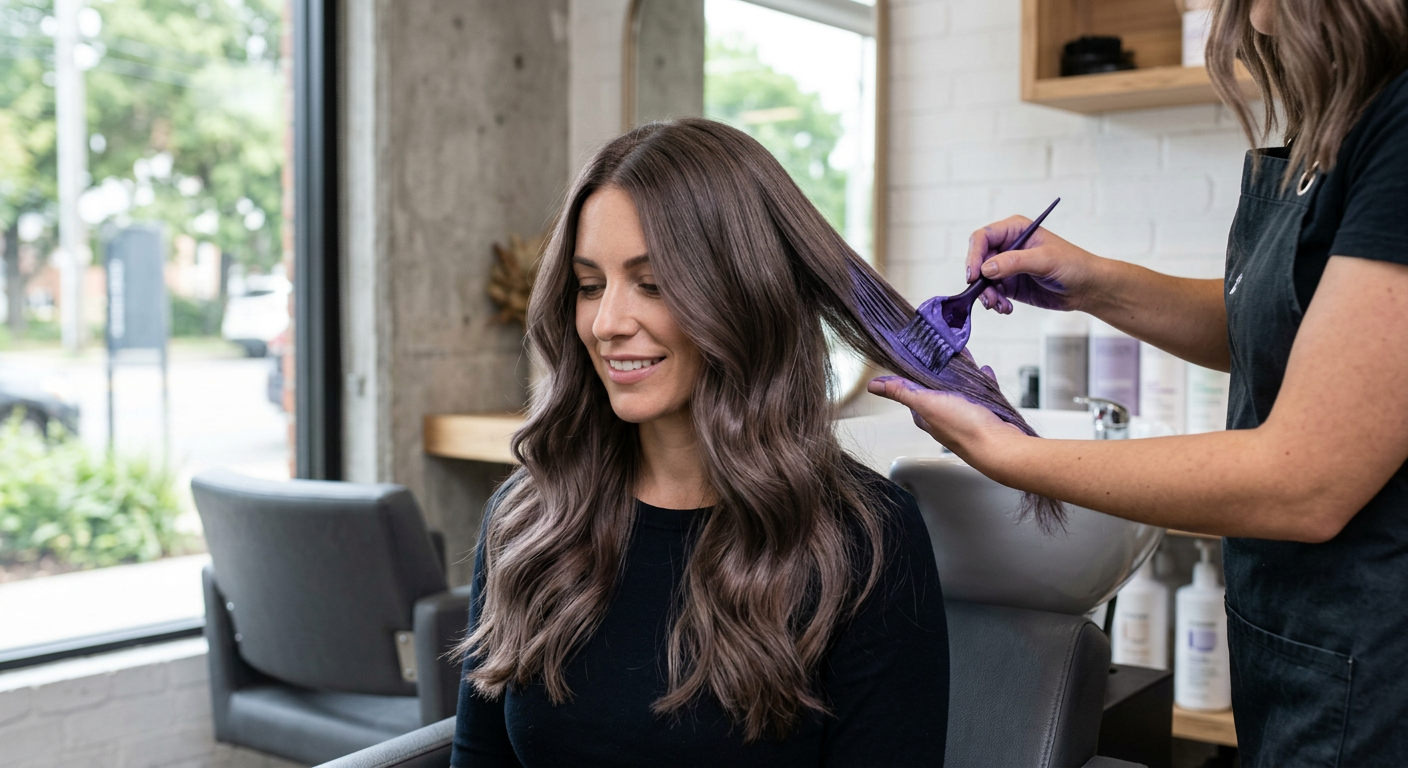
Both shades live and die by their coolness. The moment mushroom warms up, it loses the whole effect, so a blue or purple toning wash plus a gloss every six to eight weeks keeps the greige true, as Haircutster advises.
Icy beige asks for more. Plan on a gloss every six to eight weeks, purple shampoo once a week, and regular deep conditioning to keep the shade from fading yellow, according to InsiderLyfe.
Protecting Lightened Hair
Any time you lift hair toward beige or blonde, structural care matters. For repair, Shampoo Lounge cites master colorist Demi Passaris recommending K18’s Leave-In Mask, which works to repair hair from the inside out.
Balayage is the technique that makes both shades sustainable. It is a freehand painting method that creates natural, gradual lightness with soft, low-maintenance regrowth, and for a cool-toned winter blonde it is the ideal foundation, QUE Colour notes.
Where These Shades Fit in the Wider Winter Palette
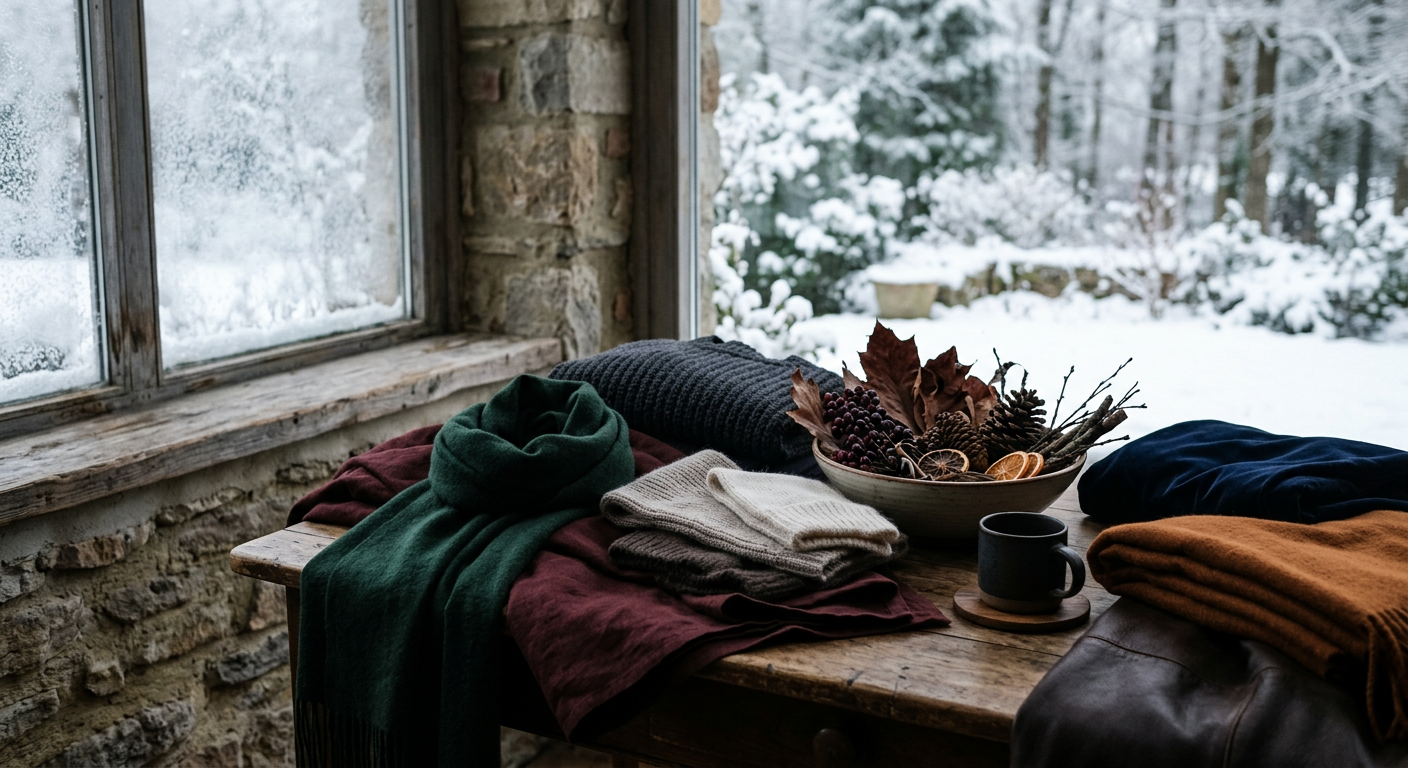
Mushroom and icy beige are not the only story this season. Winter continues autumn’s move toward depth but shifts from warmth to saturation and contrast. The Fabulive Seasonal Shade Demand Report points to cherry cola as a benchmark, with 56.5% quarter-over-quarter search growth, alongside espresso brunette, glossy black, and burgundy.
That makes the cool, muted camp a deliberate counterpoint. Where cherry cola and deep espresso chase drama and shine, mushroom brown and icy beige offer restraint and a lived-in ease.
Both approaches have their place. If you want a bold statement, the saturated darks deliver. If you want something modern and understated that holds up through a season of stretched appointments, mushroom brown and icy beige are the smarter buy.
The Takeaway

Mushroom brown and icy beige have earned their winter spotlight by being cool, flattering, and forgiving when it counts. Mushroom brown suits a wide range of skin tones, fights brassiness, and asks for relatively little upkeep. Icy beige delivers a luminous, expensive-looking finish but requires weekly purple shampoo and diligent conditioning.
Choose based on your maintenance appetite and undertone, then protect the result with the right toning and repair routine. Screenshot your inspiration, book a consultation, and ask your colorist for the specific tones and root treatment noted above. Walk in with the vocabulary, and you walk out with the color that actually suits you.
Frequently Asked Questions
Does mushroom brown suit warm skin tones?
Mushroom brown is muted enough to flatter more skin tones than people expect, including some warmer complexions. If brassiness is a concern, it is one of the best brunette shades for keeping warmth in check.
How often do I need to tone icy beige blonde?
Icy beige is high maintenance. Plan on a gloss every six to eight weeks, purple shampoo roughly once a week, and regular deep conditioning to keep it from fading yellow.
What should I ask my colorist for to get icy beige?
Request a blended root in beige, not ash, tones, and ask to avoid heavy blue toners. The blended root keeps regrowth soft, while the beige direction stops the color going too cold.
Is mushroom brown low maintenance?
Relatively, yes. It grows out softly, especially as ashy highlights, but you will need a blue or purple toning wash and a gloss every six to eight weeks to keep the greige from warming up.
What is the difference between mushroom brown and mushroom blonde?
Mushroom brown is a cool greige-brown that sits between brown and muted blonde. Mushroom blonde is the lighter version, created with fine beige and taupe baby-lights for depth, ideal for blondes wanting dimension or brunettes lightening gradually.
Which technique works best for these cool winter shades?
Balayage, a freehand painting method, is the preferred foundation. It creates gradual lightness with soft regrowth, which keeps both mushroom and icy beige low-maintenance between appointments.