



Cold weather is rough on long hair. Dry air, heavy knits, and static pull the bounce right out of it, and by January most long layers are hanging limp. The butterfly cut fixes that without costing you any length, which is a big part of why it hasn’t gone away. BeautyMatter reported 318,900 searches for “butterfly haircut” in Q3 2023 alone, a 370.7% spike from the prior period, and interest has climbed since. For anyone chasing volume, movement, and face-framing shape through the cold months, this is the cut worth understanding.
What the Winter Butterfly Cut Actually Is

The butterfly cut pairs shorter, face-framing layers up top with longer layers underneath that hold onto your length. Los Angeles hairstylist Beau Dieda describes it as shorter pieces hitting around the cheekbone to collarbone, with longer layers that keep the length. From the front it reads as a shorter, voluminous cut. From the back, you’ve still got long hair.
It’s a two-tier effect: wispy layers around the face, longer blended layers through everything else. That structure is what gives the cut its full, wing-like shape without you having to work for it.
The winter version leans harder into that volume. Cold-weather hair flattens easily, so the lift built into the butterfly cut ends up working overtime against static and the daily crush of scarves and collars.
Why It Works So Well in Winter
The shorter internal layers are cut to lift, while the longer layers underneath keep the length. That combination earns its keep in winter, when hair gets weighed down by product buildup, hat hair, and dry static cling. The layered structure holds its shape even when the air is working against you.
Stylists recommend keeping enough weight so the ends don’t look thin, which is the whole trick to a winter-friendly version. You want fullness at the ends, not wispy, see-through tips that look fragile once the air dries out.
The Modern Version vs. Early-2000s Layers
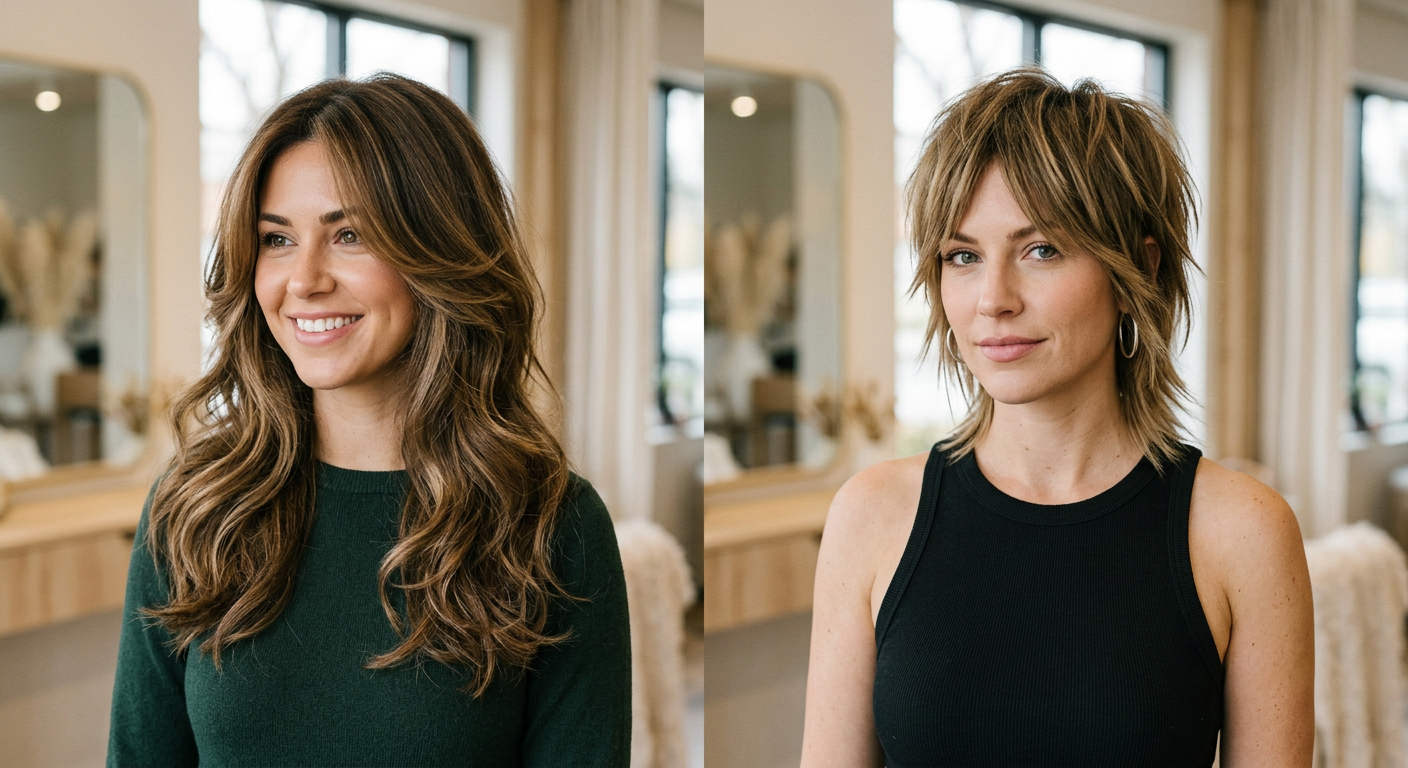
If you’re picturing the choppy, hyper-layered cuts of the early 2000s, the current butterfly cut is a reset. Dieda points out that the biggest update is softness—no more chunky, super-separated layers, just seamlessly blended ones. The face-framing pieces feel lighter, without that “shelf” look.
Here’s how the butterfly cut compares to related layered styles:
| Cut | Length Impact | Layer Style | Best For |
|---|---|---|---|
| Butterfly cut | Keeps full length | Soft, blended, face-framing | Volume without a chop |
| Wolf cut | Shortens noticeably | Choppy, shaggy, separated | Edgy, undone texture |
| Long layers | Keeps length | Subtle, even descent | Minimal shape change |
| The “Rachel” | Mid-length | Flipped, defined | Retro volume |
The butterfly cut lands in a sweet spot. It adds shape and movement while keeping your long hair intact, unlike heavily layered cuts that sacrifice length.
How to Style for Maximum Bounce

The cut does half the work; styling delivers the full, bouncy finish. The goal is simple: build volume at the crown and flick the shorter face-framing layers away from the face.
The Blow-Dry Method
Blow-dry the front pieces forward first, then flip them away from the face with a round brush for lift. Apply a heat protectant and a volume-boosting mousse before using a blow-dry brush or round brush. For extra height in winter, blow-dry the crown upside down.
Hairstylist Gina Rivera recommends incorporating a root-lift spray or mousse and blow-drying the crown upside down for extra volume. That step earns its place on days when hat hair has crushed your roots.
Once everything’s dry, add a slight bend to a few pieces with a flat iron, especially around the front. Keep it undone—soft bends, not perfect curls.
The Air-Dry Method
For natural movement without a full blowout, air-drying is about as easy as it gets. Start with a lightweight leave-in conditioner so you don’t weigh the layers down. Dieda suggests letting hair air-dry about 70 to 80 percent, then twisting a few front pieces away from your face or clipping them up for lift.
For texture, work a dry texturizer or texturizing serum into damp hair, scrunch, and let it dry. That gives you the loose boho waves that show off the layered shape.
Curling for Winter Polish
A larger barrel curling iron gives the bouncy, blowout-style wave this cut suits best. Working in sections gives you control, and a larger barrel keeps waves loose enough to look full rather than curly. The usual mistake is reaching for a small barrel, which creates tight ringlets that fight the soft layered movement.
Use a large round brush to tuck the ends under or flip them out, which highlights the different lengths and adds dimension.
Keeping Products Light in Dry Winter Air

Winter makes you want to pile on heavy products to fight frizz, but that weighs down the exact lift the cut depends on. Go light instead. A root-lift spray, a lightweight mousse, and a texturizing spray will do more for you than a heavy cream ever will.
Apply styling products in sections for even distribution through the layers. That stops one section from looking greasy while another looks dry—a common winter problem.
Refresh the face-framing pieces between washes with dry shampoo or texturizing spray. It keeps the front clean and lifted even when you’re stretching a few extra days between washes in colder weather.
Maintenance: How Often to Trim
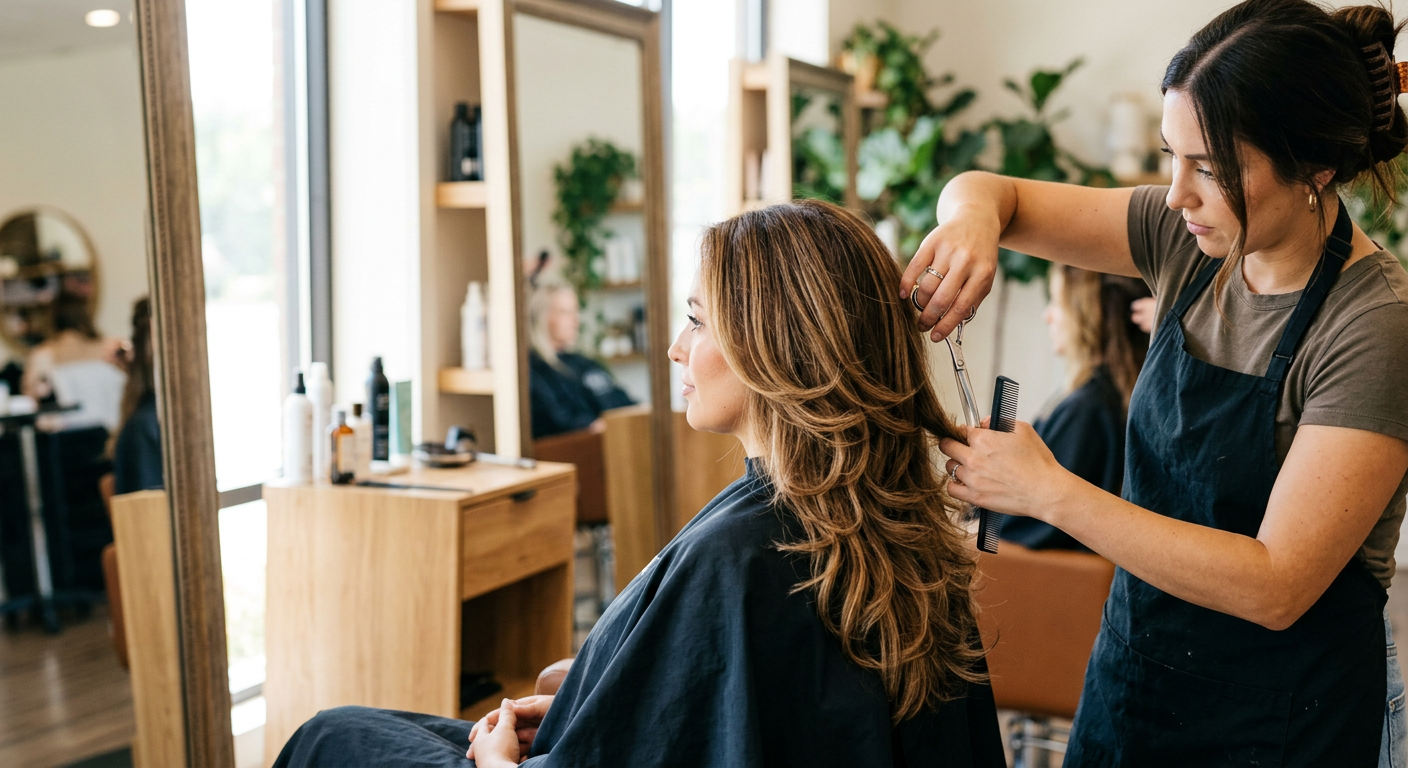
Like any layered cut, the butterfly cut looks best when the shape stays intentional rather than grown out and heavy. How often you trim depends on whether you’re maintaining or growing out.
- Maintaining the shape: Trim every 6 to 8 weeks to keep layers defined and prevent uneven growth, per John Frieda’s guidance.
- Growing out your hair: You can stretch to 10 to 12 weeks between trims.
- General upkeep: Dieda recommends a cut every 8 to 12 weeks to keep the shape from going heavy.
- Curly or coily hair: You can often stretch trims longer since shrinkage can disguise growth.
To hold the layer definition, detangle with a wide-toothed comb or wet brush, starting at the ends and working up. That protects the layers from breakage, which matters more in winter when hair is drier and snaps more easily.
Talking to Your Stylist
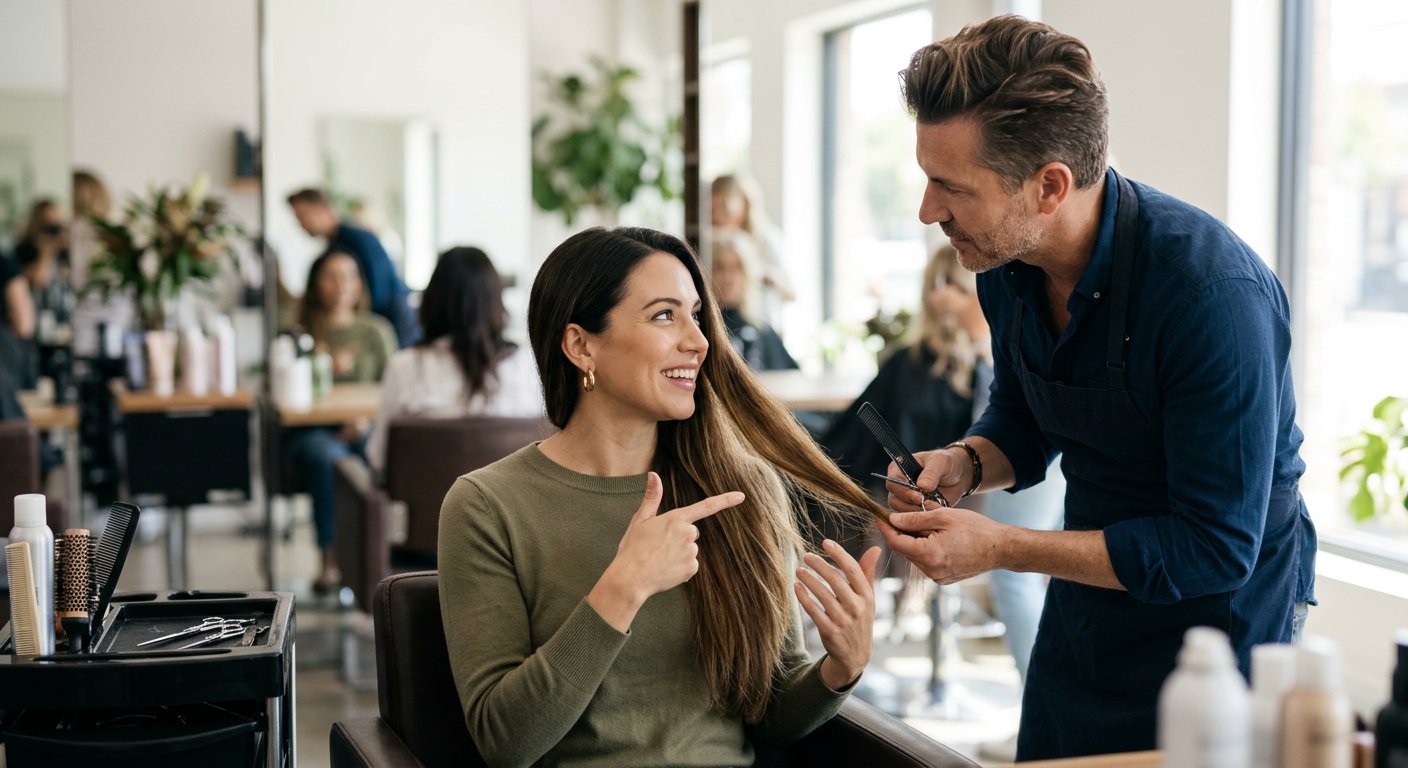
The right cut starts with clear instructions. Tell your stylist you want to keep your length while maintaining fullness at the ends. Rivera suggests asking for face-framing layers that hit at the cheekbone or below, plus height in the crown.
For a winter-specific version, ask your stylist to customize the layers and fringe to your texture and keep enough weight so the ends don’t look thin. Thin ends look fragile and flat in dry air, which defeats the whole point.
If you have waves, mention that you plan to diffuse them. The right layering supports your natural texture instead of fighting it, which means less styling time on cold mornings.
Key Takeaways

The winter butterfly cut gives you volume, movement, and face-framing shape without sacrificing length. Style for bounce by lifting the crown, flipping the face-framing pieces away, and keeping products light so you don’t flatten the layers. Trim every 6 to 12 weeks depending on whether you’re maintaining or growing out, and ask your stylist for enough weight at the ends to keep the cut full through dry winter air.
Thinking about updating your look this season? Book a consultation, bring a reference photo, and ask specifically for soft, blended face-framing layers with crown height. Your long hair will stay full and bouncy all winter.
FAQ
Does the butterfly cut make my hair look shorter?
From the front, it creates the illusion of shorter, voluminous hair because of the face-framing layers. The length stays intact in the back, so you keep your long hair while gaining volume and shape.
How often should I trim a butterfly cut in winter?
Trim every 6 to 8 weeks to maintain the shape, or stretch to 10 to 12 weeks if you’re growing your hair out. Curly and coily textures can often go longer since shrinkage disguises new growth.
Can I style a butterfly cut without heat?
Yes. Air-dry to about 70 to 80 percent, then twist a few front pieces away from your face or clip them up for lift. A dry texturizer on damp hair creates waves without a blow dryer.
What products keep butterfly layers bouncy in dry air?
Use a root-lift spray or lightweight mousse for volume and a texturizing spray for definition. Keep products light so you don’t weigh down the layers, and refresh the face-framing pieces with dry shampoo between washes.
Is the butterfly cut different from a wolf cut?
Yes. The wolf cut shortens your hair with choppy, separated layers for an edgy look, while the butterfly cut keeps full length with soft, blended layers. The butterfly cut is the lower-risk option if you want volume without a dramatic chop.
How do I ask my stylist for a winter-friendly butterfly cut?
Ask for face-framing layers that hit at the cheekbone or below, plus height in the crown, while keeping your length. Request enough weight at the ends so they don’t look thin, and mention your natural texture so the layers get customized to it.