

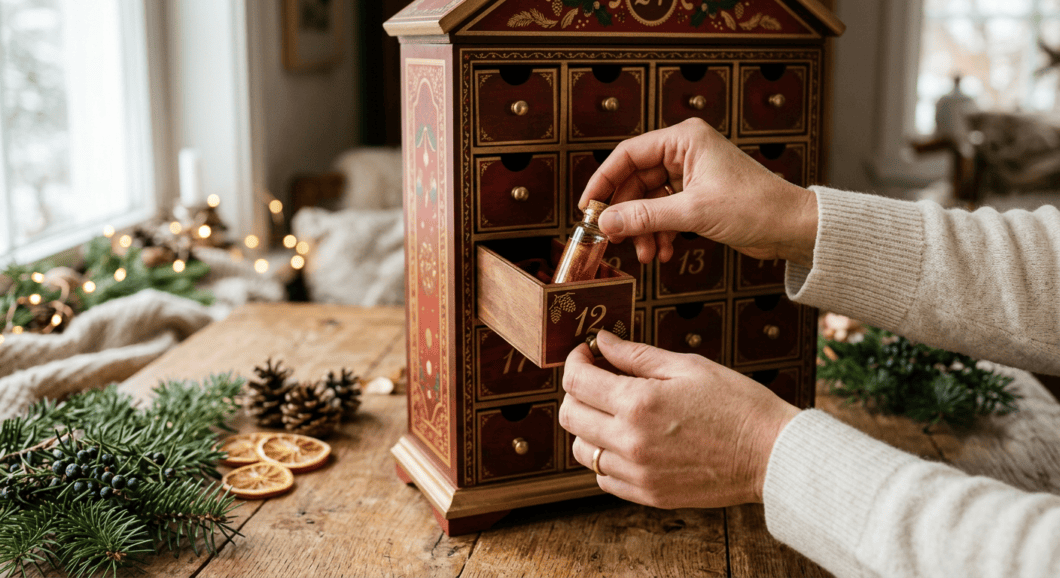
It’s still October, and the beauty Advent calendar you’ve been eyeing is already waitlisted. Beauty Advent calendars have become one of the most anticipated events on the beauty calendar, with shoppers starting their searches months before December arrives. Google Trends data cited by TODAY shows people begin hunting for these holiday countdown collections well ahead of the season, and many of the best options sell out before the first door even opens.
What’s driving the frenzy? This guide covers why these calendars have exploded in popularity, which brands dominate, and how to shop smart before your favorite disappears.
What Makes Beauty Advent Calendars So Popular
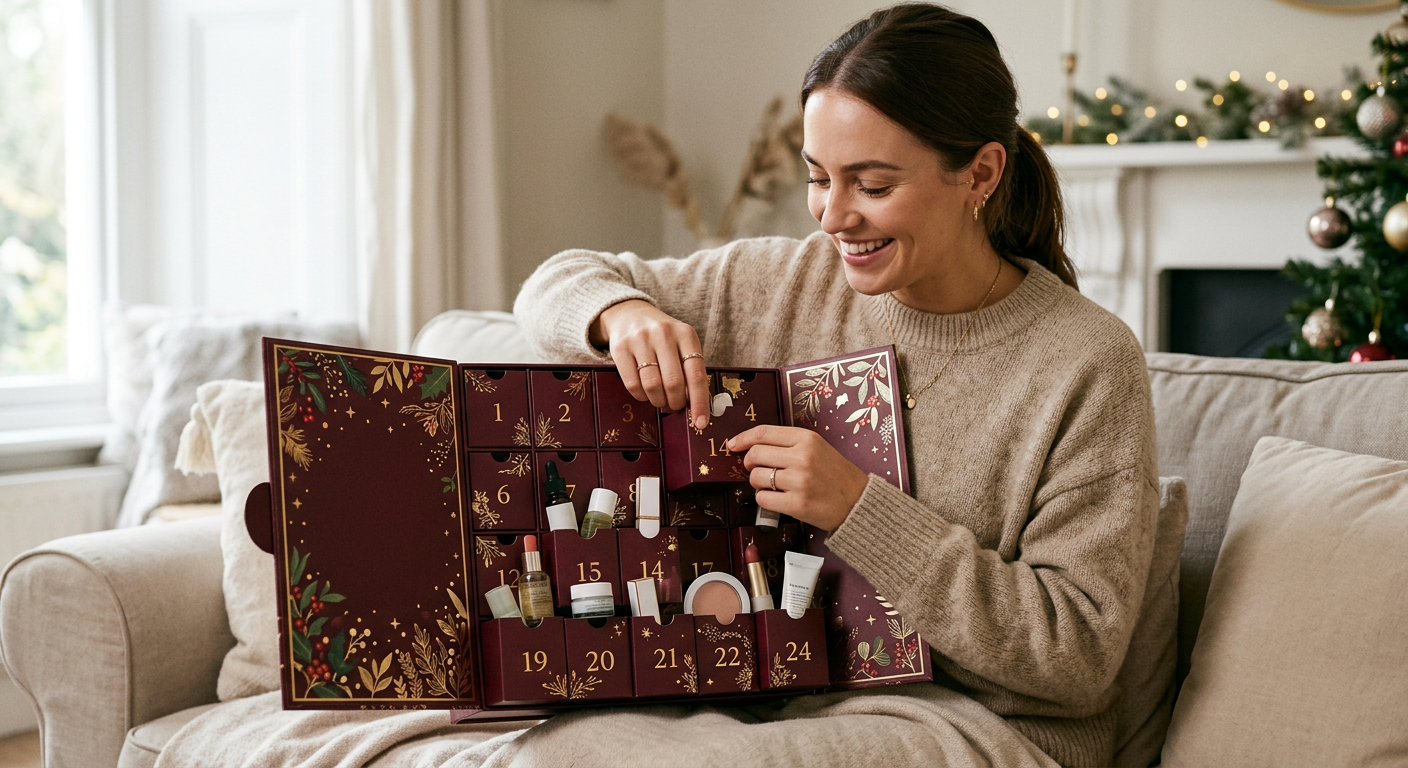
Beauty Advent calendars have moved from niche novelty to mainstream phenomenon in just a few years. Reporting from Arthur Edward Associates ranks beauty calendars as the second most popular category after traditional chocolate calendars, with particularly strong engagement from younger consumers.
The appeal works on a few levels. A single purchase delivers 12 to 24 days of daily surprises, each one a small moment of discovery during an otherwise hectic holiday season. That daily payoff turns an ordinary purchase into a ritual.
They also make good gifts. ABC News points out that these calendars suit the beauty-obsessed friend or the person who’s notoriously hard to shop for. It’s a gift that arrives in installments, one door at a time.
The Value Proposition: Why Shoppers Feel They Win
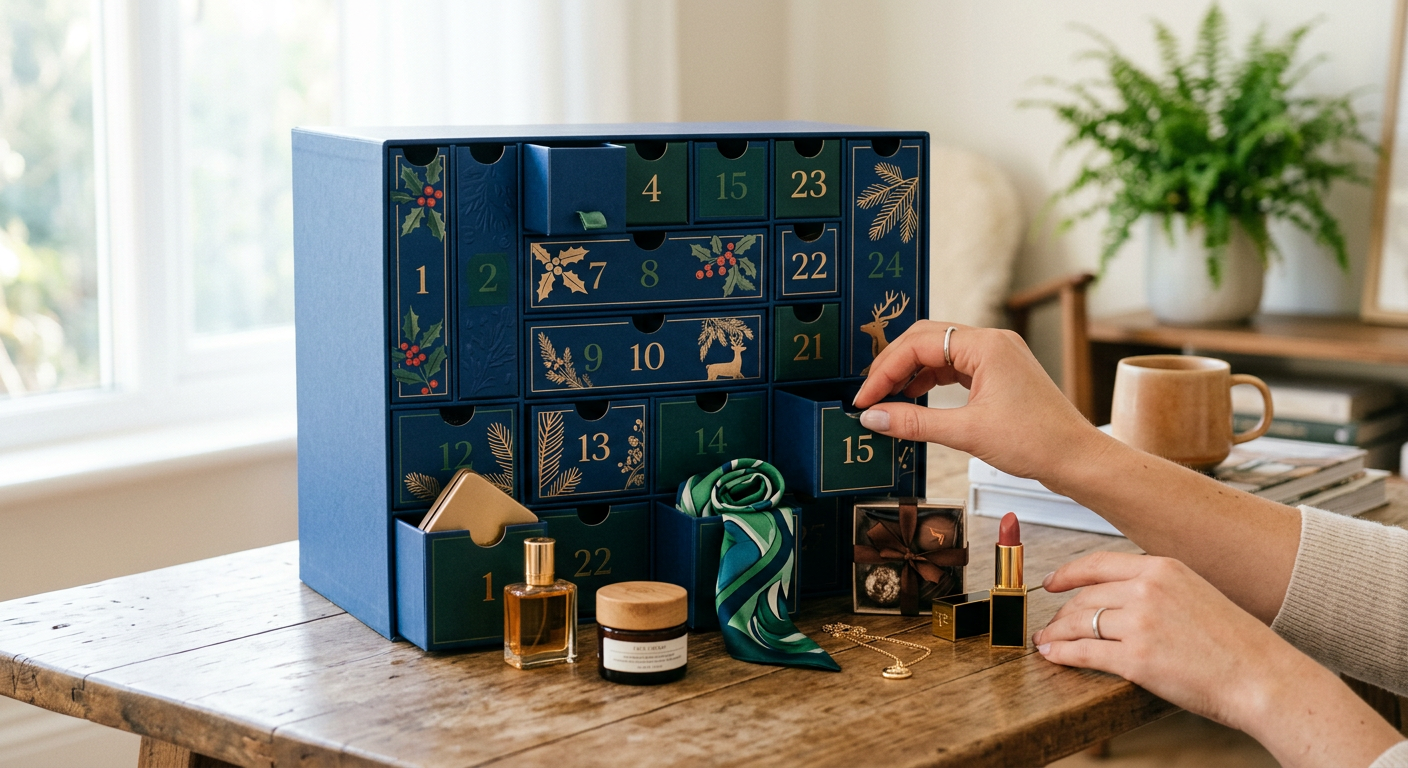
Perceived value is one of the biggest drivers of the surge. The best calendars package products worth far more than their sticker price, giving buyers a clear sense that they’re getting a deal.
The numbers tell the story. Who What Wear highlights the Revolve Beauty calendar, which offers 25 favorites for $150 and bills itself as the best bang for your buck. At the premium end, Arthur Edward Associates reports that many flagship calendars retail for £250 to £300 while claiming product value well over £1,000.
That gap between price and claimed value is the hook. Shoppers may be spending carefully this year, but the same report found they’ll still invest when the value feels exceptional.
A Caveat on “Value” Claims
Not all value is equal. Vogue notes that an abundance of samples or accessories attached to an expensive price tag doesn’t perform well with today’s consumers. What works instead are exclusive product bundles, unique formulations, or personalized offerings that give shoppers a real reason to buy.
Analysis from Insightios echoes the point: the strongest calendars include full-size products people already want, with normal prices that roughly add up to the calendar cost. A flashy “$850 value” headline may earn a click, but informed buyers do the math.
Product Discovery and Brand Strategy

Behind the festive packaging sits a serious marketing engine. Beauty Advent calendars have become platforms that combine product discovery, customer acquisition, loyalty building, and premium positioning in one box, according to Arthur Edward Associates.
The payoff extends well past Christmas. Cosmetics Business reports that products featured inside calendars often see increased demand in the months after the holidays, as consumers repurchase full-size versions of items they trialled through the daily doors.
Retailers get a timing advantage too. The same reporting from Arthur Edward Associates notes that Advent calendars can be valuable for Q3 customer acquisition, pulling new shoppers in long before the traditional holiday rush.
Why They Launch and Sell Out Earlier Every Year

These calendars really do arrive earlier each year. Arthur Edward Associates reports that major retailers including Space NK, Liberty, Harrods, Sephora, and Cult Beauty opened waitlists, revealed products, or began taking pre-orders before the end of August 2026.
Waitlists do more than manage convenience. They build anticipation, generate customer data, and create momentum in the months leading up to Christmas.
The scarcity is real. TODAY notes that several 2026 options were already waitlisted when their roundup published, while ABC News flagged Anthropologie’s 24 Days of Beauty Advent Calendar as one likely to go quickly. The takeaway for shoppers: buy it when you see it and tuck it away until December if you have to.
Top Beauty Advent Calendars for 2026
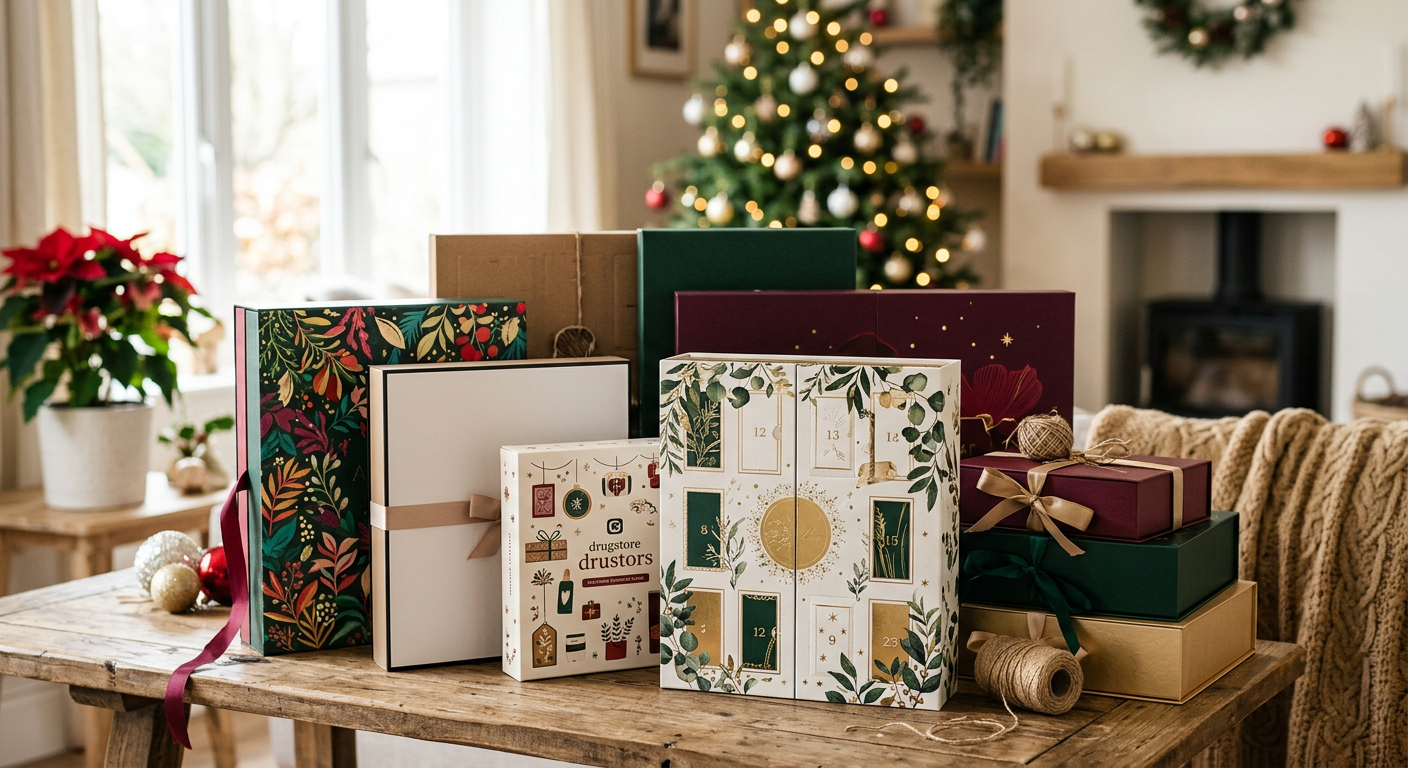
The 2026 lineup spans every budget and category, from drugstore-friendly picks to luxury fragrance collections. Charlotte Tilbury consistently leads consumer interest. Cosmetics Business found it was the most-searched beauty Advent calendar, well ahead of competitors, followed by Jo Malone and Look Fantastic.
A snapshot of notable 2026 options reported across major outlets:
| Calendar | Price | Days / Contents | Source |
|---|---|---|---|
| UO 2026 Beauty Advent Calendar | $50.00 | 12 days of bestsellers | TODAY |
| Charlotte Tilbury Hollywood Beauty Wonderland | $49.99 | Makeup favorites | TODAY |
| Revolution Beauty Advent Calendar 2026 | $65.00 | 10 full-size, 8 mini, 6 accessories | TODAY |
| Revolve Beauty Calendar | $150.00 | 25 beauty favorites | Who What Wear |
| Fenwick Fragrance & Beauty Countdown | £250.00 | Value over £1,000; Amouage, Diptyque, Lancôme | The Independent |
Calendars Worth Watching
Several high-profile drops arrive on their own schedule. ABC News reports that Diptyque had yet to release its 2026 calendar, which will arrive in the form of a craftsman’s toolbox filled with scents. Who What Wear also spotlighted early arrivals from Byredo, Laneige, and Augustinus Bader.
The Anthropologie 24 Days of Beauty calendar is another standout. ABC News notes it features top brands including iS Clinical, Medik8, U Beauty, Elemis, Sweed, Paula’s Choice, Augustinus Bader, and EltaMD.
How to Choose the Right Calendar for You

With so many options, matching the calendar to the recipient matters more than chasing the biggest value claim. Decide whether you want a skincare-focused set, a makeup collection, or a fragrance countdown, then work backward from there.
Run through this checklist before you buy:
- Check the full-size ratio. Prioritize calendars with products you’d buy anyway, as Insightios recommends.
- Verify the real value. Add up the normal retail prices rather than trusting the headline number.
- Buy early. Waitlisted and sold-out status is common well before December.
- Consider the recipient. Skincare calendars from brands like L’Occitane suit routine-lovers; makeup calendars suit experimenters.
- Look for exclusives. Vogue notes exclusive bundles and unique formulations offer the strongest reasons to choose one calendar over another.
Conclusion
Beauty Advent calendars have earned their popularity through a combination of daily delight, strong perceived value, and real product discovery. They now rank as the second most popular Advent category, launch earlier each year, and routinely sell out before the countdown begins. For brands, they drive customer acquisition and post-holiday repurchases. For shoppers, they deliver 12 to 24 days of beauty treats or a ready-made gift for someone hard to shop for.
The plan is straightforward: decide on your category, do the value math, and buy early before your top pick is waitlisted. Browse the top 2026 picks above, compare the full-size ratios, and secure yours while stock lasts.
Frequently Asked Questions
When should I buy a 2026 beauty Advent calendar?
Buy as early as you can. Major retailers including Space NK, Liberty, Harrods, Sephora, and Cult Beauty opened waitlists and pre-orders before the end of August 2026, and popular calendars often sell out before December.
Are beauty Advent calendars actually worth the money?
They can be, if the full-size products inside add up to roughly the calendar’s price. Experts advise checking the real retail value of included items rather than relying on inflated “value” headlines.
Which beauty Advent calendar is the most popular?
Charlotte Tilbury is the most-searched beauty Advent calendar, well ahead of competitors, according to search analysis reported by Cosmetics Business. Jo Malone and Look Fantastic follow in demand.
What is the difference between a 12-day and 24-day calendar?
A 12-day calendar typically costs less and includes fewer products, like the $50 UO 2026 option with 12 bestsellers. A 24-day calendar offers more surprises and usually a higher total value, such as Anthropologie’s 24 Days of Beauty.
Do beauty Advent calendars make good gifts?
Yes. They work well for beauty-obsessed friends or people who are hard to shop for, delivering a new treat each day throughout the holiday season.
Why do the same brands appear in many calendars?
Some brands appear frequently as filler, which reviewers note can dilute value. The strongest calendars balance familiar names with coveted, exclusive, or full-size products that shoppers genuinely want.