



Skin feels tight, so on goes a richer cream. An hour later the face looks shiny, feels suffocated, and still reads as dehydrated underneath. It’s a frustrating contradiction, and the answer is almost never more product. Lightweight barrier care fixes it by changing the kind of hydration you deliver instead of piling on more. The goal is to pull water into the skin and seal it lightly, so the barrier stays strong without the weight.
Why Heavy Moisturizers Can Backfire
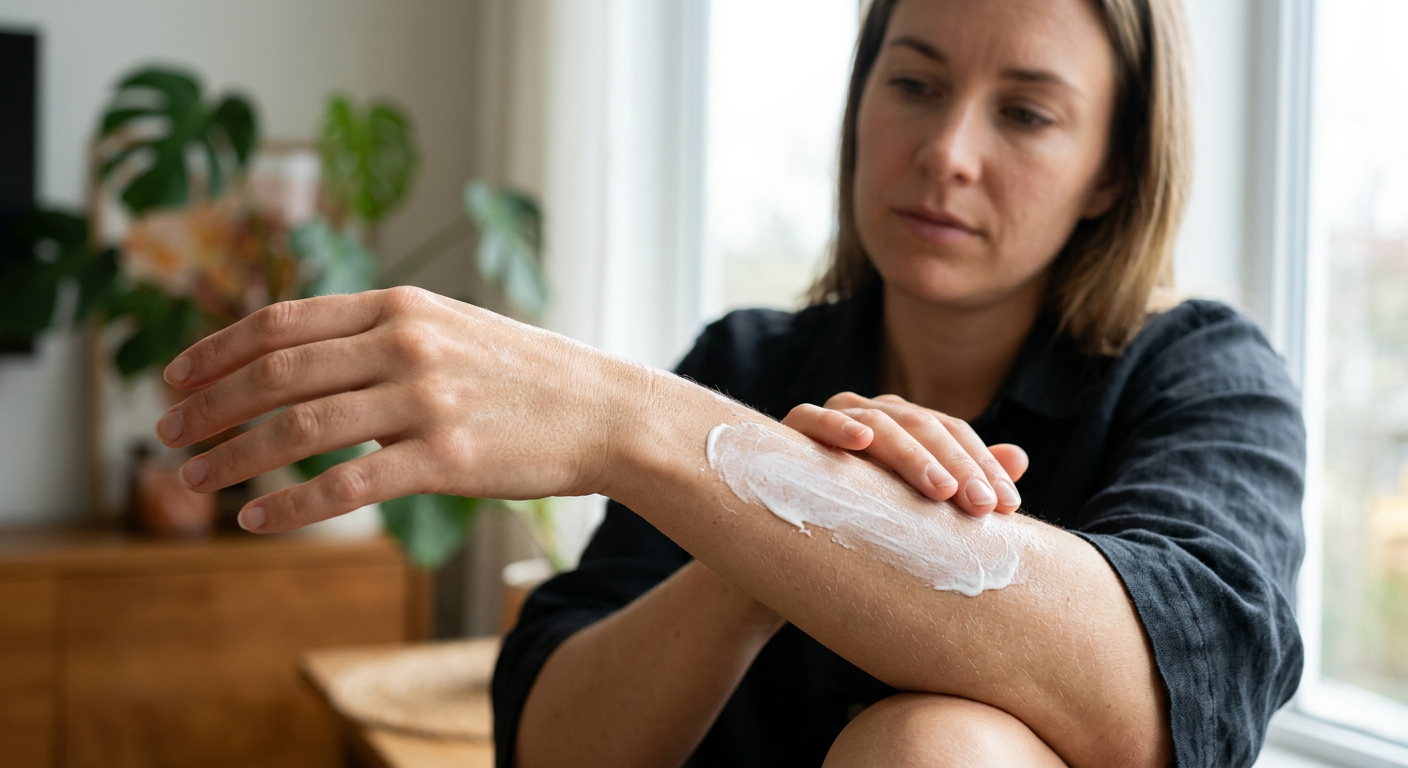
Thick creams and occlusives feel productive because you can feel the coverage immediately. The catch is that occlusives like petroleum jelly and dense butters form a physical film that traps whatever sits beneath it, according to Skin Bliss. If there’s little water underneath, you’ve sealed in heat, sebum, and bacteria rather than moisture.
Dermatologists sometimes call this the “occlusive trap”: sealing the surface without adding water to it first. On genuinely dry skin, rich textures work well. On oily, combination, or dehydrated skin, they tend to cause congestion and a greasy finish while leaving the actual problem untouched.
Humidity amplifies the issue. In humid conditions, heavy oil-based creams sit on the skin instead of absorbing, blending with sweat and oil until the face feels slick by noon, notes Dr Sheth’s. That heavy feeling is a warning, not proof the product is working.
The Humectant-First Approach
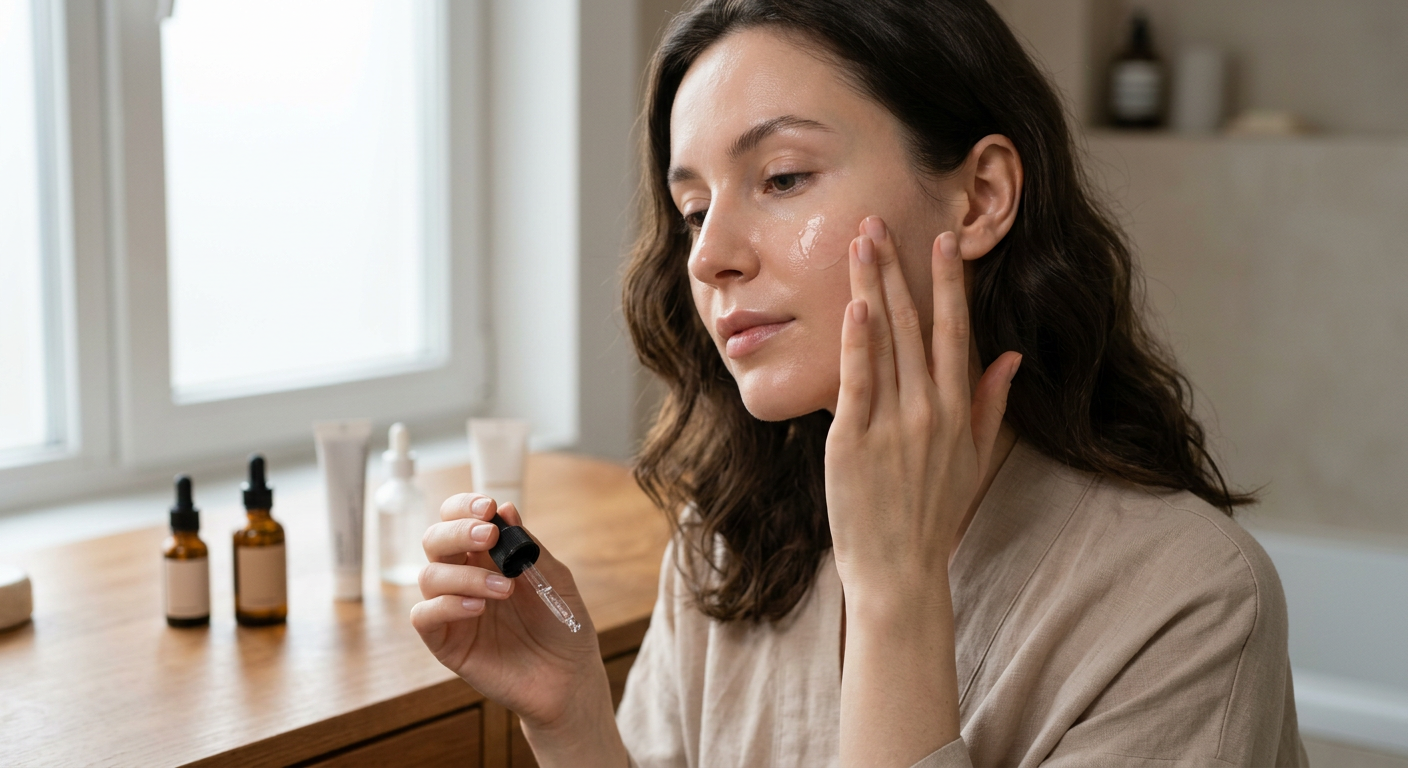
Lightweight barrier care flips the usual order. Rather than leading with a thick cream, you lead with water-binding ingredients and seal lightly afterward. This is the humectant-first method, and it treats hydration as a layered process instead of one heavy step.
What Humectants Actually Do
Humectants like glycerin and hyaluronic acid pull water into the skin rather than coating it in oil, per Skin Bliss. They’re the foundation of lightweight hydration because they add moisture without bulk. Applied to slightly damp skin, they have water on hand to draw inward, which is why the dr.SK Skincare routine recommends putting moisturiser on damp skin.
Why Layering Beats a Single Cream
A routine outperforms any single product for lasting hydration. In a study of 123 volunteers, a hyaluronic acid serum followed by a moisturizing cream kept hydration higher than a cleanser control at the 8-hour mark, while single products couldn’t sustain the same results, according to research published via Exa. Light layers build on each other over the course of a day rather than overwhelming the skin all at once.
Choosing Lighter Textures That Still Protect
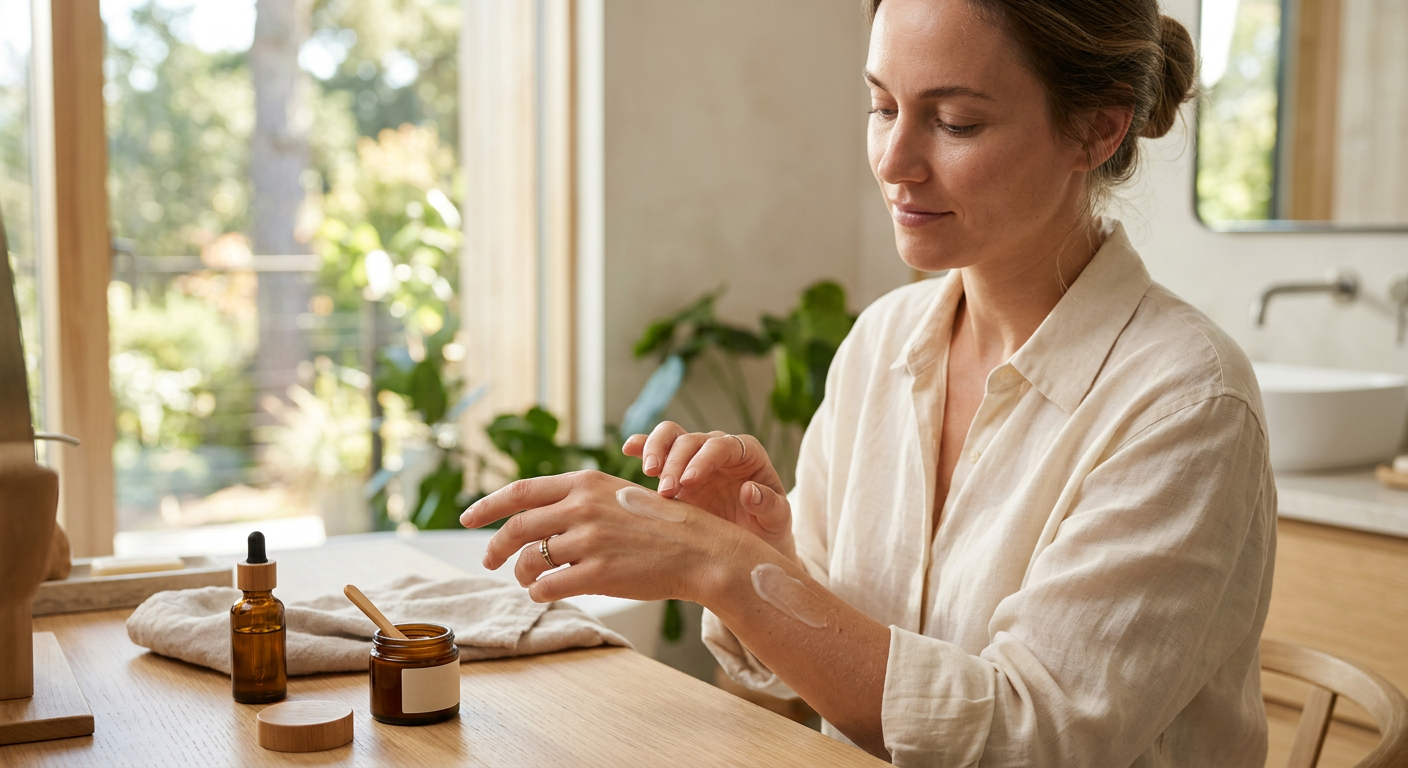
Texture decides how your skin feels for the rest of the day. Newer formulations deliver barrier support in formats that absorb fast and leave no film. Match the texture to your skin type and climate.
Gel-creams do most of the heavy lifting in lightweight barrier care. They deliver lipids and moisture without the dense, pore-blocking weight of traditional creams, as Skin Bliss explains. Look for ceramides or fatty acids that reinforce the barrier in a breathable base.
Gels are also the most studied light format. A scoping review found gel preparations were the most commonly used moisturizer format because of their light texture, comfort, and ease of application, per Exa’s review.
A Simple Texture Guide
| Texture | Best For | What It Delivers |
|---|---|---|
| Watery toner / essence | All skin types, first layer | Fast humectant hydration |
| Hyaluronic acid serum | Dehydrated, all types | Deep water-binding |
| Gel-cream | Oily, combination | Lipids and moisture, no film |
| Light lotion (squalane, ceramide) | Normal, combination | Breathable seal |
| Rich cream / occlusive | Very dry, eczema, dry climates | Heavy barrier protection |
Sealing Without Suffocating
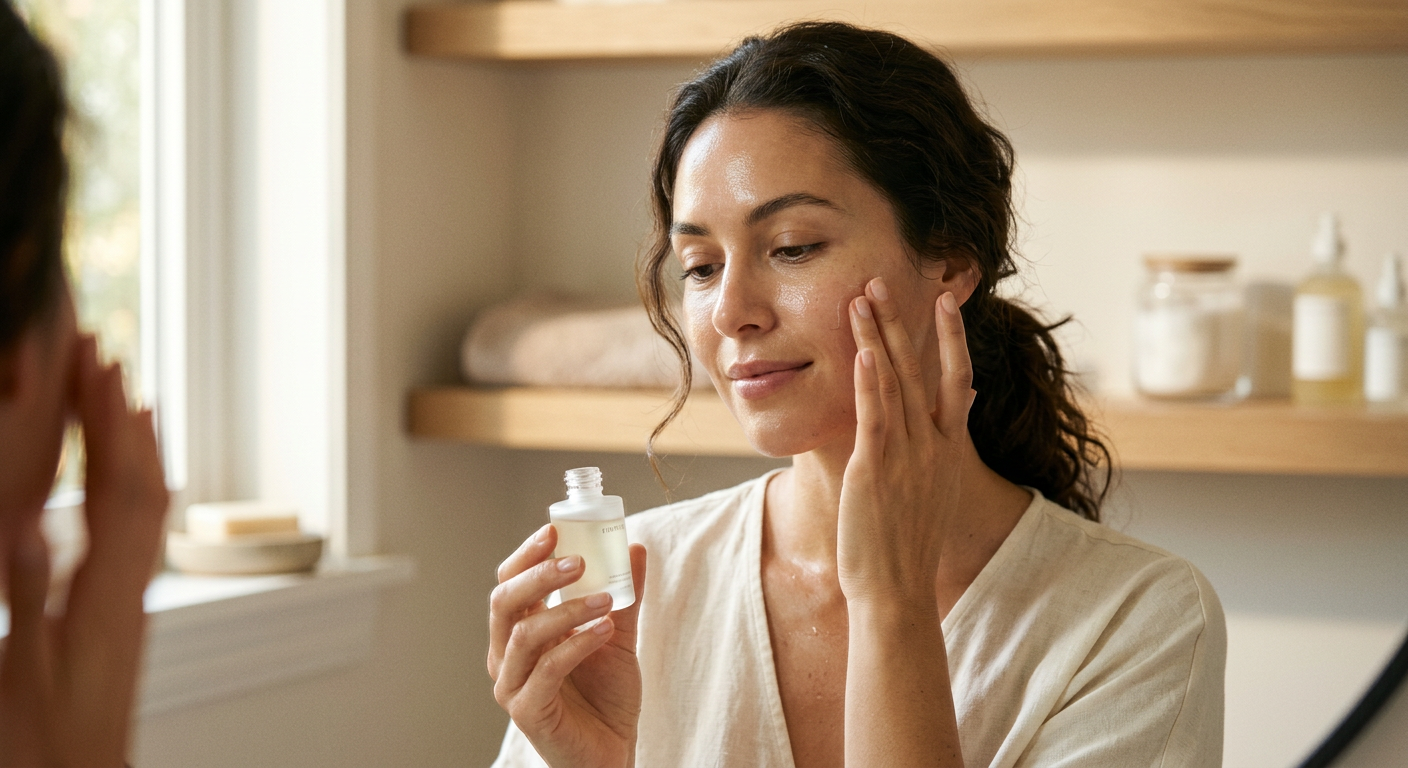
Once hydration is in place, you have to keep it there. The final step is a light seal that reduces transepidermal water loss (TEWL), the process by which water evaporates out of the skin. You want to slow that loss without trapping heat.
Squalane and ceramide-based lotions build a barrier that helps prevent TEWL without the heaviness of traditional occlusives, according to Skin Bliss. These ingredients give you breathable occlusion: the protective benefit of a seal without the suffocating film.
If you use a dedicated barrier cream, apply it last and keep it thin. The standard order is cleanser, moisturiser, then barrier cream as a thin final seal once the moisturiser has absorbed, per dr.SK Skincare. When you’re unsure how much to use, use less.
Building a Lightweight Routine Step by Step
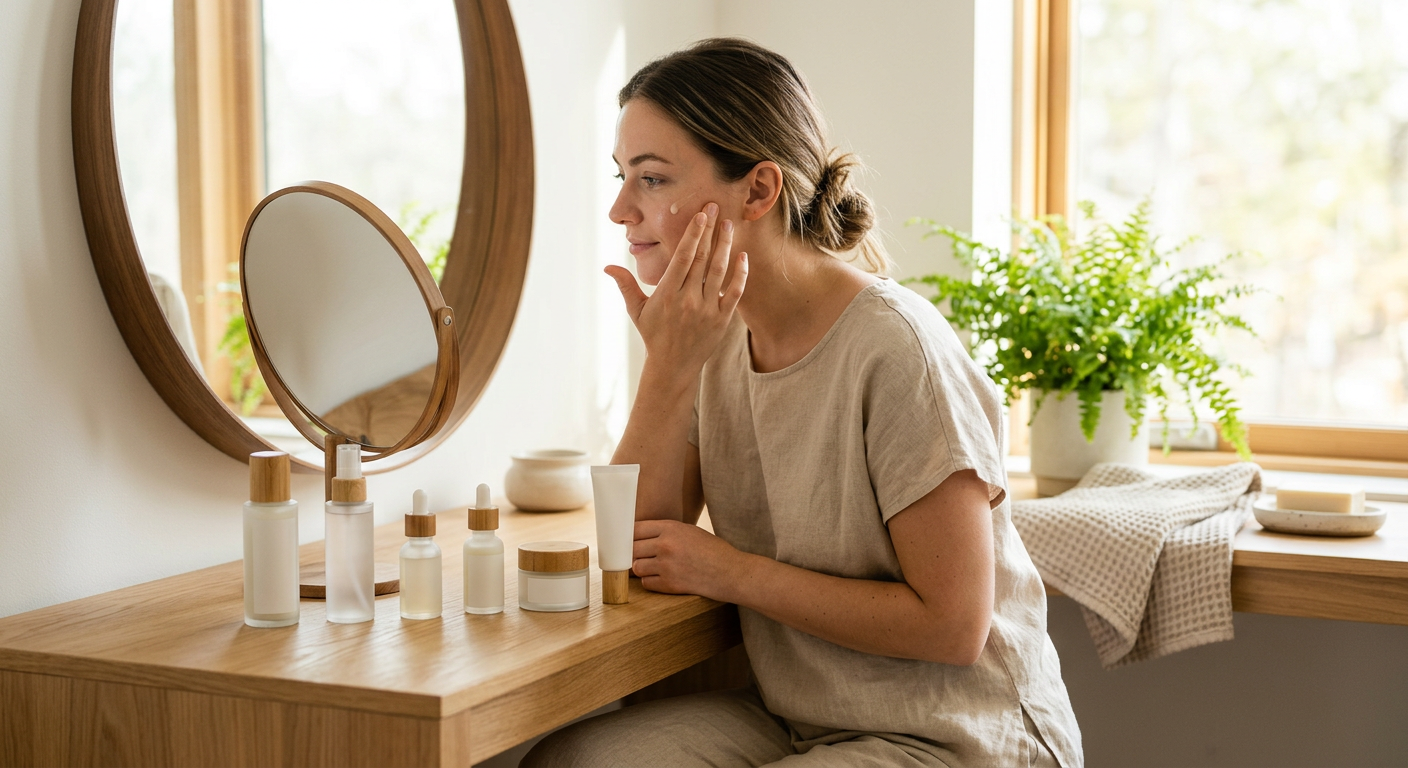
A working lightweight routine doesn’t need ten steps. A few well-chosen products usually cover it, and stacking more layers doesn’t automatically mean better results, notes Areum Aesthetics. You’re aiming for skin that feels comfortably hydrated, not wet or sticky.
A straightforward sequence:
- Cleanse gently. A mild, sulfate-free cleanser removes the day’s sebum and sunscreen without stripping the barrier.
- Hydrate first. Apply a watery toner or hyaluronic acid serum to slightly damp skin so humectants have water to pull inward.
- Add one or two light layers. A gentler take on the Korean seven-skin method, one to three thin layers, helps when skin feels especially dry.
- Switch to a gel-cream. Pick a formula with ceramides or fatty acids for breathable barrier support.
- Seal lightly. Finish with a squalane or ceramide lotion to limit water loss.
Match the Routine to Your Climate
In hot, humid weather, lightweight moisturizers work with the humidity rather than against it, binding water with humectants and skipping heavy occlusives, per Dr Sheth’s. In dry climates or during winter, add a richer final layer. Heavy occlusives still earn their place for eczema, dry climates, and post-procedure recovery.
When Heavier Care Still Makes Sense
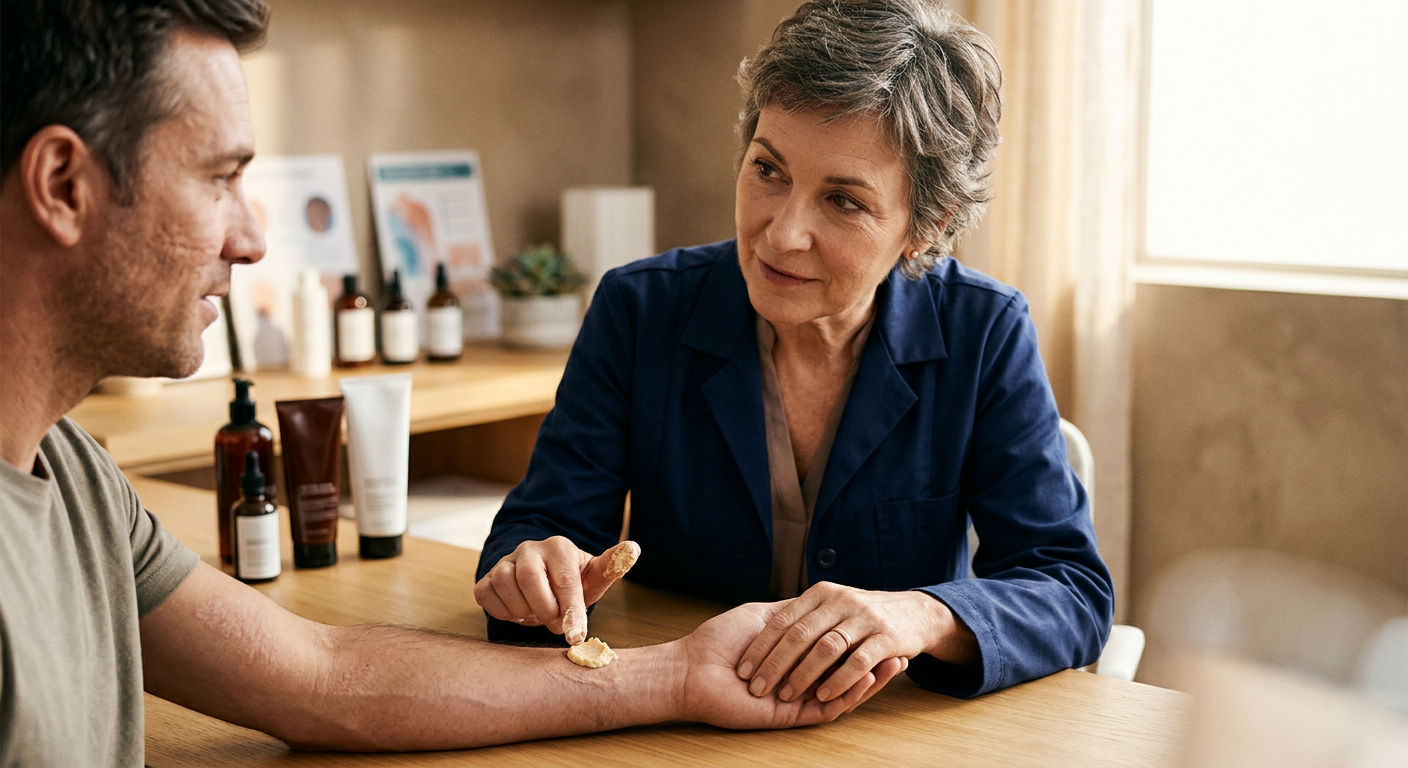
Lightweight doesn’t mean weak, and it isn’t right for every situation. Some skin conditions need the dense protection occlusives provide. On reactive or eczema-prone skin, a thin final barrier layer is often the step that finally makes a routine click, according to dr.SK Skincare.
Barrier creams with soothing ingredients help during flakiness, irritation, and sensitivity. Formulas built around colloidal oatmeal, cica, and hyaluronic acid support the moisture barrier while calming the skin, as e.l.f. Cosmetics describes.
None of this is a permanent allegiance to lightweight over heavy. It’s reading your skin and your environment, then adjusting. Choose the texture to suit your skin: oily or breakout-prone skin may prefer a gel-cream, while very dry skin benefits from a richer cream, per Areum Aesthetics.
Key Takeaways and Next Steps

Lightweight barrier care works because it splits the two jobs of a moisturizer: adding water and sealing it in. Lead with humectants like glycerin and hyaluronic acid, support the barrier with a breathable gel-cream, and finish with a light squalane or ceramide seal. Most people see improvements in texture and congestion within two to four weeks.
The payoff is hydration that feels comfortable instead of heavy, with fewer breakouts and less midday shine. Save heavy occlusives for when your skin or climate truly calls for them.
Start by auditing what you already use. If your skin feels tight despite rich creams, swap your heaviest product for a gel-cream, apply your serum to damp skin, and give the change four weeks before you judge it.
Frequently Asked Questions
What does humectant-first mean in skincare?
Humectant-first means applying water-binding ingredients like glycerin and hyaluronic acid before any sealing step. This pulls moisture into the skin first, then a light barrier locks it in, rather than starting with a heavy occlusive that traps little water underneath.
Are gel-creams enough to support my skin barrier?
For oily and combination skin, gel-creams often provide enough barrier support because they deliver lipids and moisture in a breathable format. Look for ceramides or fatty acids, and add a lighter squalane seal if your skin still feels thirsty.
Why does my moisturizer feel greasy in summer?
It’s probably too rich for the season. Heavy, oil-based creams sit on the skin in humidity instead of absorbing, mixing with sweat and sebum; switching to a gel or gel-cream that absorbs fast usually solves it, per Dr Sheth’s.
Should I apply products to damp or dry skin?
Apply humectant products to slightly damp skin so they have water available to pull inward. This improves how well glycerin and hyaluronic acid hydrate, which is why many routines recommend layering onto damp skin.
How long before I see results from a lightweight routine?
Most people notice changes in texture and congestion within two to four weeks, according to Skin Bliss. Give any new approach a full four weeks before deciding whether it works for your skin.
When should I still use a heavy occlusive?
Heavy occlusives remain useful for eczema, very dry climates, and post-procedure recovery. On reactive or eczema-prone skin, a thin final barrier layer can be the step that makes an entire routine effective.