



Take a quick inventory of your bathroom shelf. Most of us have a half-used vitamin C serum, a couple of exfoliating acids, and at least one product that promised an “instant glow” and delivered a breakout instead. This fall, the beauty industry is backing away from that arms race. The new direction is comfort skincare: soothing, non-greasy, barrier-safe formulas built to calm skin rather than push it. The timing makes sense. Once humidity drops and the heating kicks on indoors, your skin barrier takes a beating, and the products are finally catching up to that reality.
What Comfort Skincare Actually Means
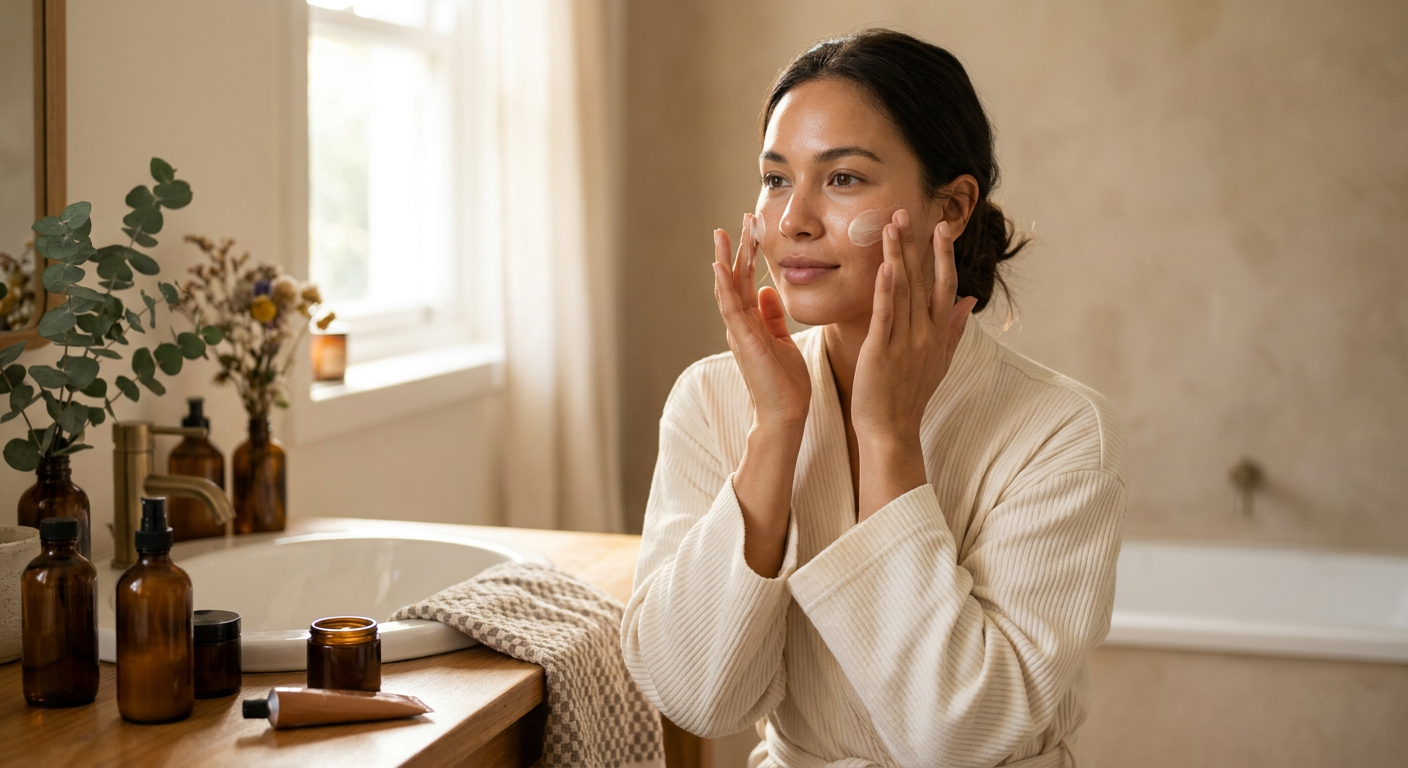
Comfort skincare puts barrier repair ahead of potent treatments. Protect and rebuild first, then layer on the strong stuff. Glowzey, which tracks real-time beauty trends and shopper behavior, calls the current moment the US skincare market’s “Healing Era.” Years of over-exfoliation, damaged barriers, and seasonal dryness have pushed people toward products that fix instead of challenge.
The shift shows up in texture, not just ingredient lists. Milky cleansers, soft essences, and cushiony moisturizers “signal comfort before anyone applies the product,” according to RUNWAY. That’s a clear break from the clinical, high-acid look that ran beauty marketing for the past several years.
The underlying pitch is quieter than what came before. The focus now sits on barrier function, hydration, and skin that feels steady every day, rather than skin engineered to peak for one photo.
Why Fall Is the Season That Demands Gentleness

Skin reacts to its environment constantly. Temperature, humidity, UV, and wind all change how it behaves, and all four shift fast when summer turns to fall. The trouble is that skin’s needs tend to change before anyone updates their routine.
Schweiger Dermatology Group breaks down the mechanics: lower humidity pulls moisture out of skin, cooler temperatures constrict blood vessels and can reduce natural oil production, and indoor heating drains moisture from the air and from you. Wind piles on redness and irritation. Ignore all of this and you end up with flaking, dullness, and flare-ups of conditions like eczema or rosacea.
Dr. Antony Nakhla, a double board-certified dermatologist and founder of Eighth Day, described the seasonal change to ELLE as “less of an overhaul and more of a recalibration.” As humidity falls, the barrier works harder, and hydration moves to the top of the list.
The Core Principles of a Gentler Fall Routine

A comfort-forward routine isn’t about piling on more steps. It’s about editing with a point of view. The sequence most dermatologists land on is straightforward: cleanse without stripping, hydrate where skin needs it, use an active on purpose, and protect during the day.
Cleanse Without Stripping
Trade any foaming or high-acid cleanser for something gentle and non-stripping. Dr. Bailey Skin Care warns against washing with hot water, since hot water strips skin lipids and worsens inflammation. Lukewarm water plus a milky or cream cleanser protects the barrier from step one.
Ease Off the Exfoliation
This is the change that matters most. Dr. Zainab Laftah, a consultant dermatologist, told British Vogue that “using exfoliating ingredients too frequently when the skin barrier is already struggling can result in dryness and irritation.” For sensitive skin, she recommends swapping an exfoliating toner for a hydrating one built around glycerin, hyaluronic acid, ceramides, or colloidal oatmeal. Schweiger puts a number on it: hold exfoliation to 1–2 times per week, adjusted for your skin type.
Layer in Richer Hydration
Bring back the heavier moisturizers you shelved for summer, and dial up the barrier-supporting ingredients. Nakhla points out that this is also the right window to return to retinoids consistently, assuming you backed off over summer to avoid sun sensitivity. Give the barrier time to recover before you add the next experiment.
Summer vs. Fall: What to Swap
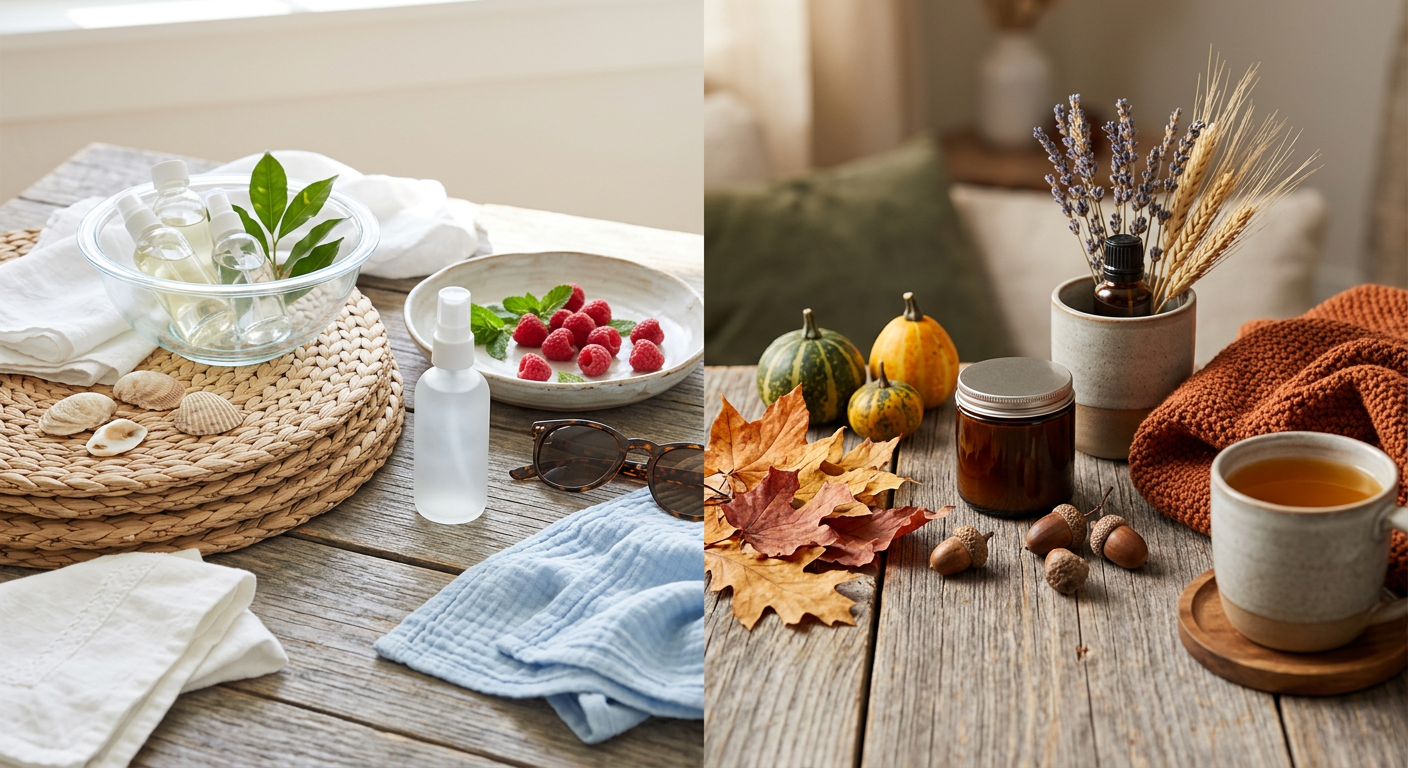
Use this comparison to recalibrate as the weather turns.
| Routine Step | Summer Approach | Fall Comfort Approach |
|---|---|---|
| Cleanser | Foaming, oil-control | Gentle milky or cream cleanser |
| Exfoliation | Frequent acids or scrubs | Gentle exfoliation 1–2x per week |
| Moisturizer | Lightweight, gel formulas | Richer, barrier-supporting creams |
| Actives | Pulled back from retinoids | Reintroduce retinoids with intention |
| Hydration | SPF-focused, light layers | Glycerin, hyaluronic acid, ceramides |
| Water temperature | Any | Lukewarm, never hot |
Facialist Samantha Susca makes the case against changing everything at once. “Making some minor adjustments is where to start,” she told ELLE, pointing to things like dialing back how often you exfoliate rather than clearing your shelf overnight.
The Ingredients Powering Comfort Skincare
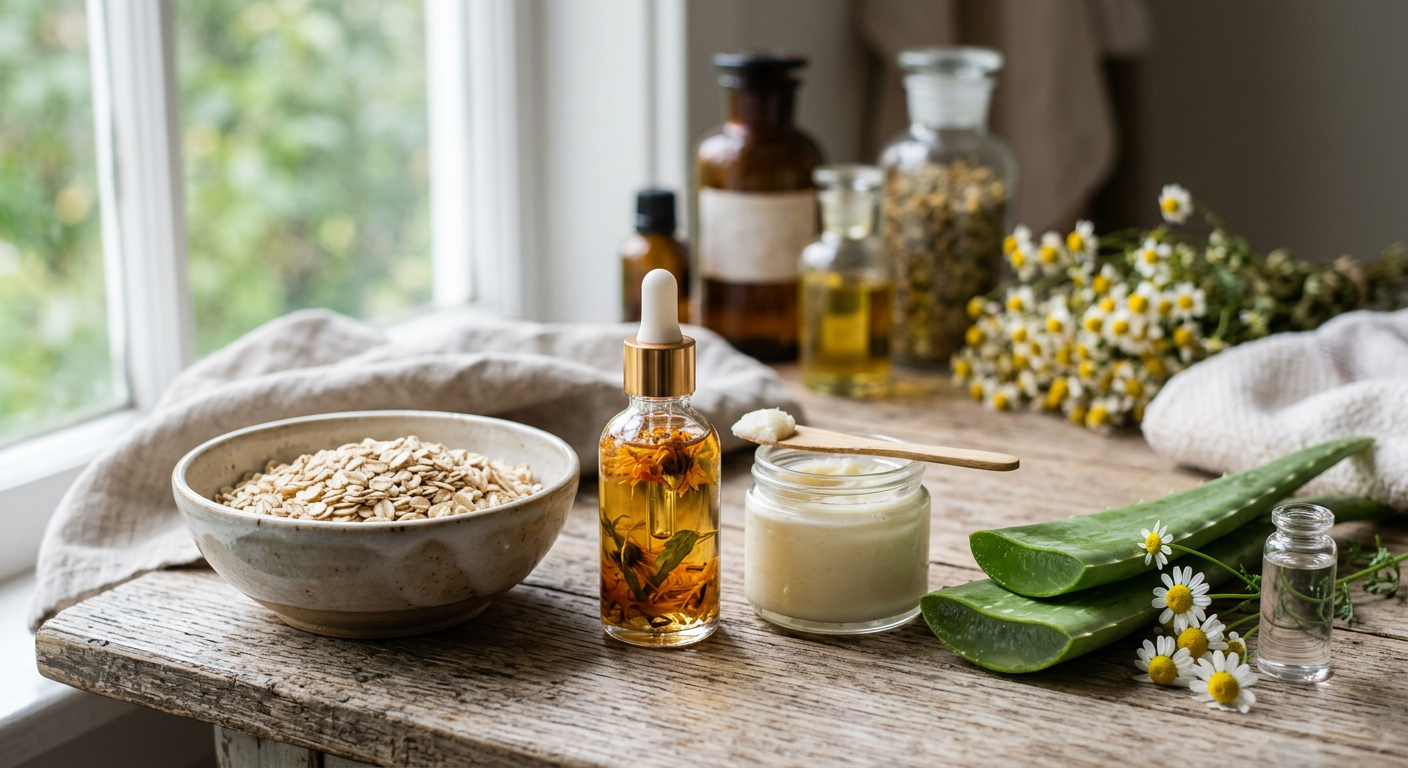
The comfort trend runs on proven, soothing, barrier-friendly ingredients, not flashy new molecules. A handful stand out this season.
Barrier Builders and Humectants
- Ceramides restore and reinforce the skin barrier.
- Hyaluronic acid and glycerin pull in and hold moisture without feeling heavy.
- Colloidal oatmeal calms redness and irritation. Glowzey points to one widely discussed barrier cream that pairs 1% colloidal oatmeal with a rich-but-breathable, non-comedogenic base.
Microbiome and Biotech Support
Microbiome skincare is growing into something you can actually use. Trilogy Laboratories frames it as gentle cleansers that rinse clean without the tight feeling, calming serums aimed at comfort, and moisturizers that help the barrier look healthier. Biotech and biomimetic ingredients have moved into everyday conversation too, especially among shoppers who want results they can count on.
A good starting point: a daily cleanser-plus-moisturizer duo, with a calming treatment for skin that runs red or reactive.
Skinimalism: Fewer Products, Better Results
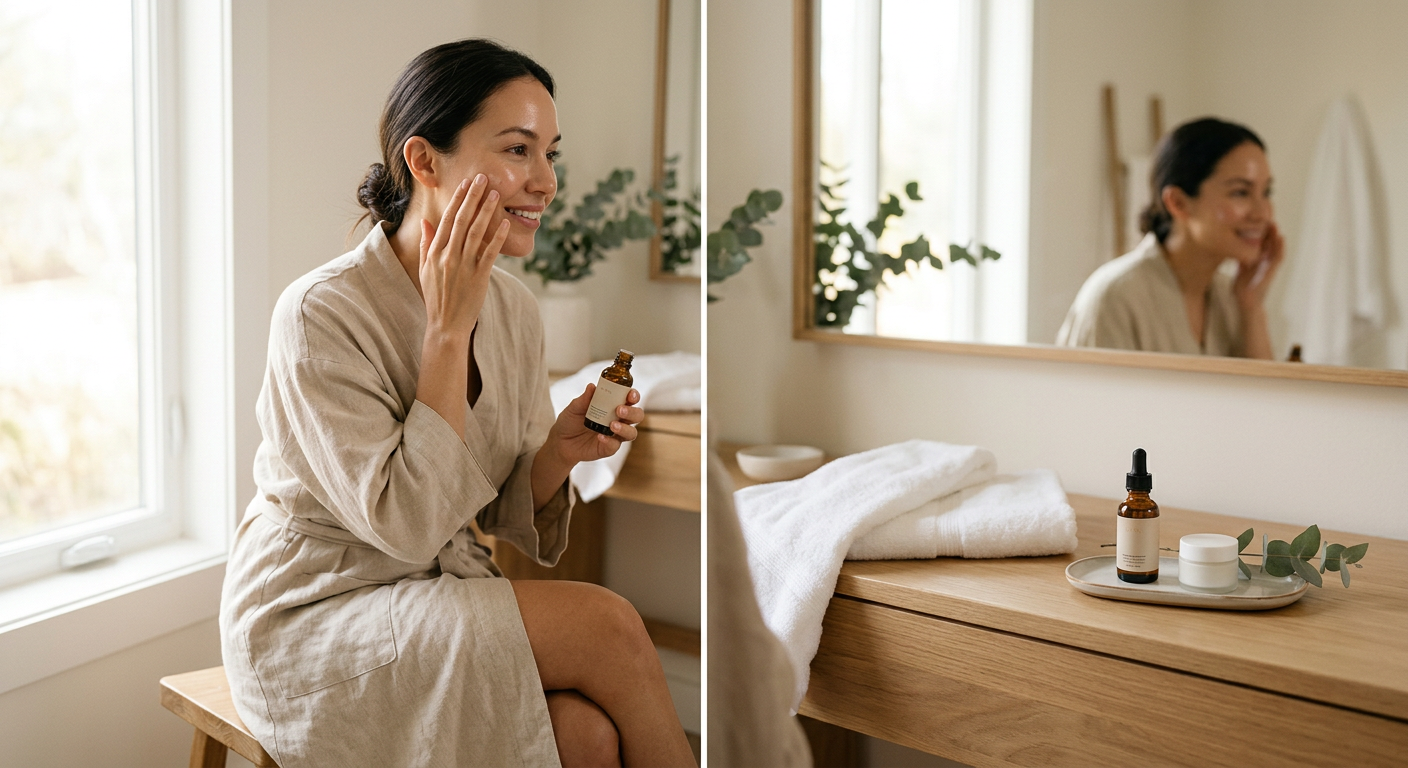
Comfort skincare fits a wider swing toward simplicity. Nakhla notes that shoppers are “losing patience with 10-step routines and single-ingredient fads; they want fewer products that actually work.” People still want brightening, smoothing, and hydration. They just don’t want to work through a routine that’s complicated, expensive, and hard to maintain.
Trilogy Laboratories has a name for this: skinimalism, skin plus minimalism, meaning fewer steps and better products. The payoff runs two ways. Fewer products mean fewer chances to irritate skin, and a shorter routine is one you’ll actually stick to, which is what produces results in the first place.
Ingredient literacy is pushing all of this along. People want to know exactly what’s going on their face, and that kind of scrutiny favors short, effective formulas over crowded labels.
Key Takeaways and Your Next Step

Comfort skincare reflects a real change in what people want: calm, hydrated, resilient skin instead of aggressive, fast-acting actives. Fall is the moment to make the switch, with dropping humidity and indoor heating stressing the barrier.
Start small. Move to a gentle cleanser, cut exfoliation to once or twice a week, bring back a richer moisturizer, and add barrier builders like ceramides, hyaluronic acid, and colloidal oatmeal. Don’t overhaul everything at once, and give the barrier room to recover before you introduce new treatments.
Audit your shelf this week. Pick one stripping product to retire and one barrier-supporting product to add, then build from there.
Frequently Asked Questions
What is comfort skincare?
Comfort skincare is a barrier-first approach that prioritizes soothing, hydrating, and repairing the skin over using aggressive actives. It favors gentle cleansers, rich moisturizers, and calming ingredients designed to keep skin calm and resilient.
How often should I exfoliate in the fall?
Most experts recommend gentle exfoliation just 1–2 times per week in cooler months, depending on your skin type. Over-exfoliating when the barrier is already stressed by low humidity can cause dryness and irritation.
Should I stop using retinol in the fall?
No. Fall is actually a good time to reintroduce retinoids consistently if you pulled back during summer to avoid sun sensitivity. Introduce it gradually and pair it with a barrier-supporting moisturizer.
Which ingredients are best for a gentle fall routine?
Look for ceramides, hyaluronic acid, glycerin, and colloidal oatmeal. These hydrate, soothe, and reinforce the skin barrier without stripping or irritating sensitive skin.
Do I still need sunscreen in the fall?
Yes. Daily sun protection remains essential year-round to prevent pigmentation, wrinkles, and skin cancer, even as temperatures drop and sun feels less intense.
How do I transition my routine without overwhelming my skin?
Make minor adjustments rather than a full overhaul. Start by changing how often you exfoliate, switching to a gentler cleanser, and layering in a richer moisturizer before introducing anything new.