

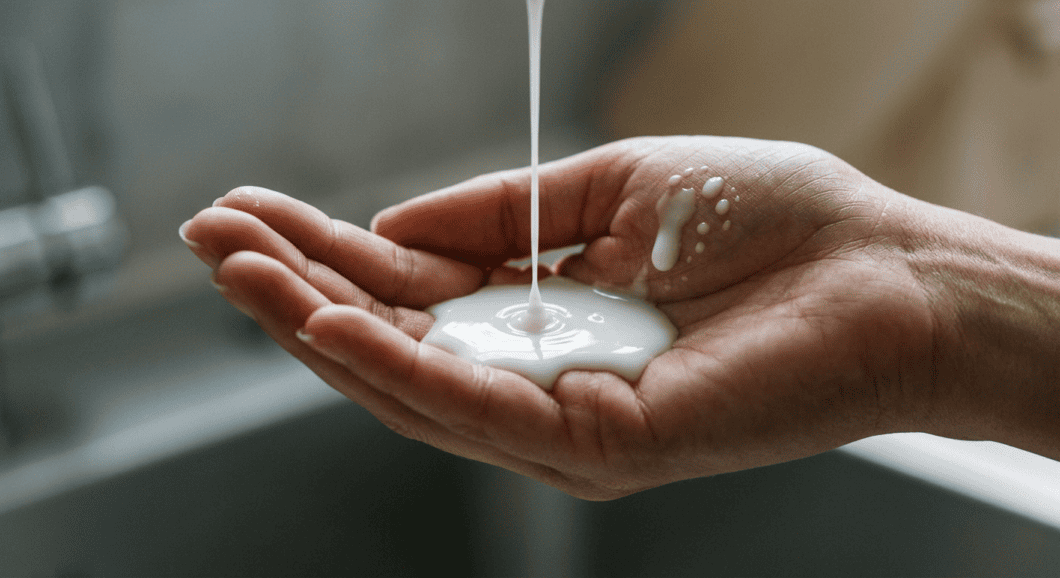
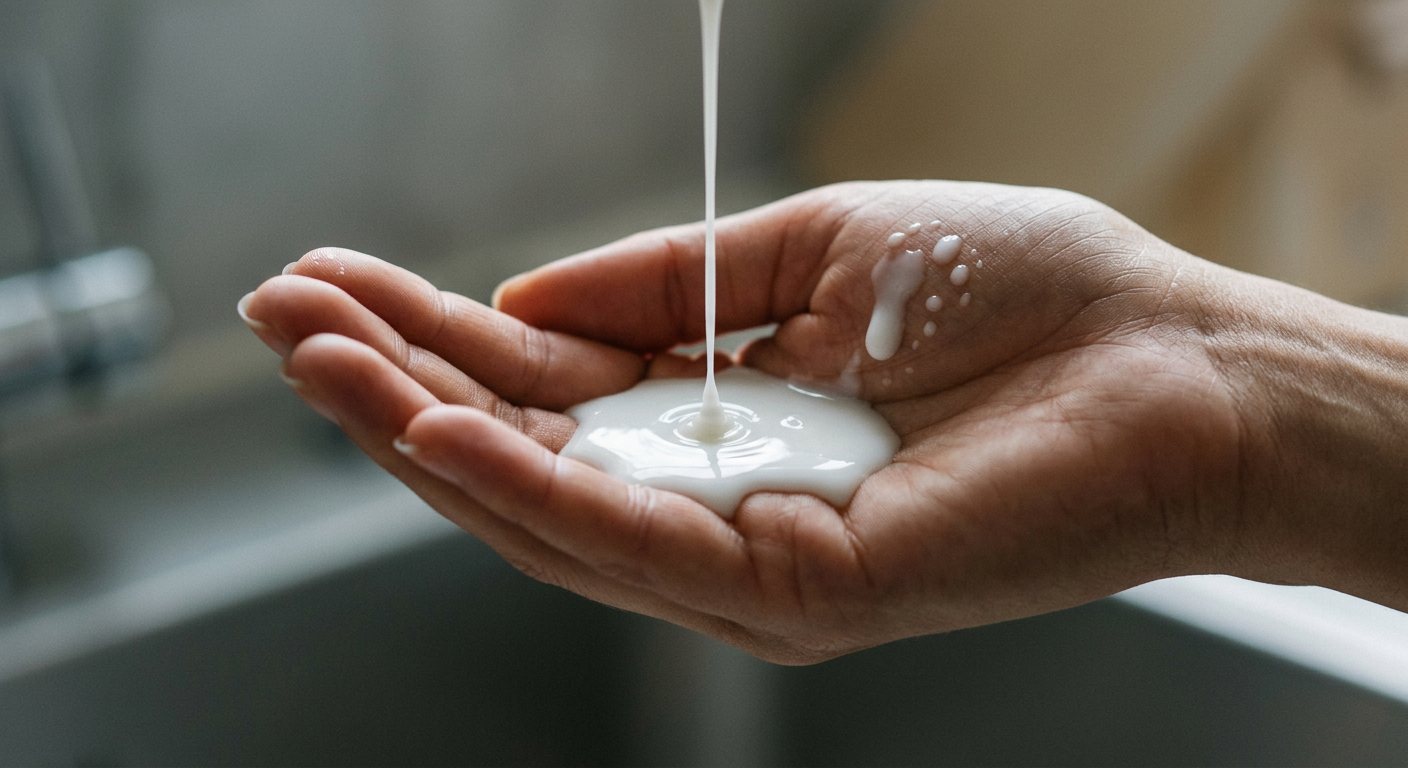
Soft, opaque, milk-white formulas that pour like cream and sink in like water are all over beauty feeds. Milky skincare has gone from a niche K-beauty curiosity to the dominant texture story in the category. Toners, essences, cleansers, moisturizers, and even sunscreens with this creamy consistency are stocking shelves at Sephora and Ulta, and they’re selling. The reason behind the demand is fairly simple. After years of stinging acids and harsh actives, a lot of people want products that feel comfortable going on, which has pushed routines toward gentler, barrier-friendly formulas that still do the job without the burn.
What Is Milky Skincare, Exactly?
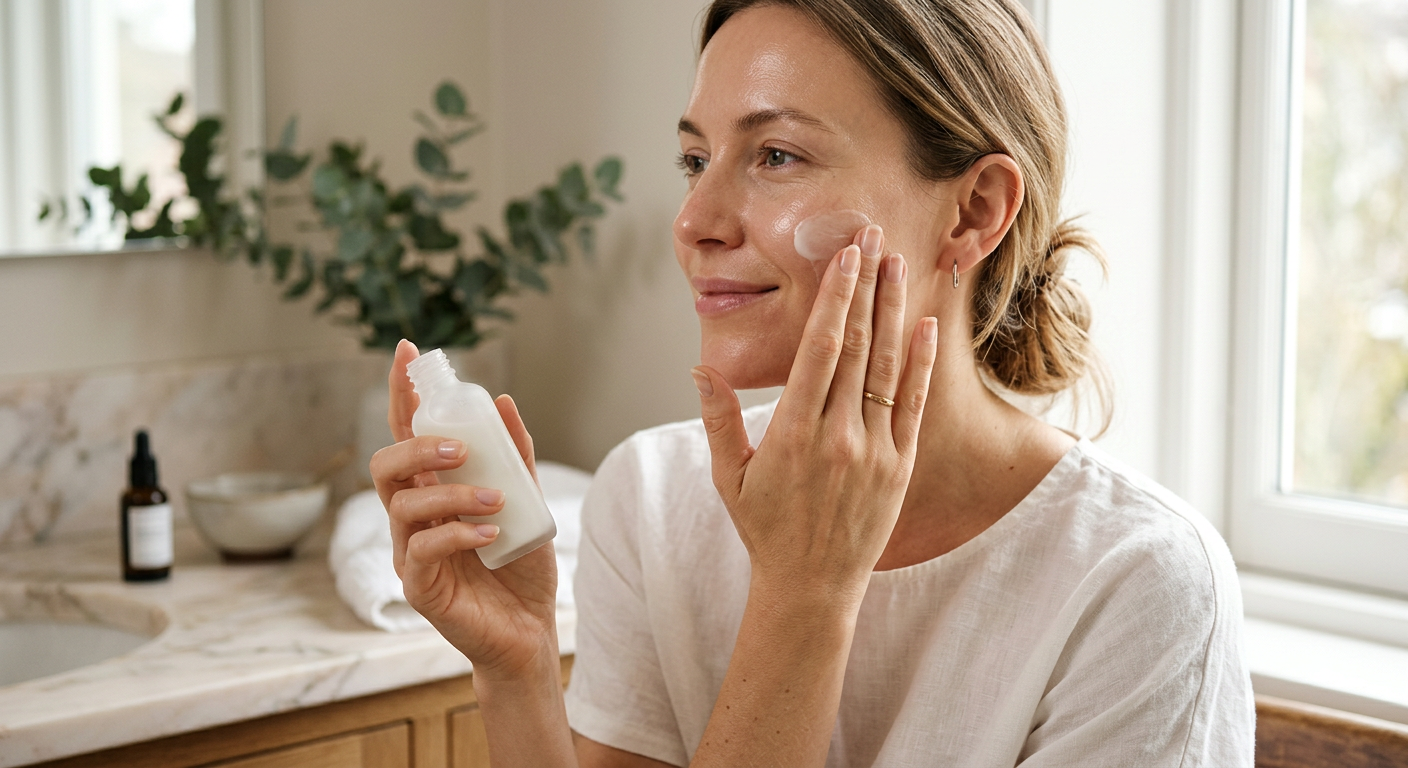
Milky skincare describes soft, opaque products with a lightweight, milk-like consistency. According to Truly Beauty, the trend, also called “skin milk,” started in Korea and centers on formulas that hydrate, soothe, nourish, and support the skin barrier for a plump, dewy finish.
The texture comes down to formulation. These products are emulsion-based, meaning oil and water are blended together to create that creamy pour. NewBeauty describes the result as thicker than water but never heavy or sticky, with a cushiony feel.
Milky Textures vs. Traditional Formulas
Most milky toners are technically low-viscosity oil-in-water emulsions. Beauty expert Anne-Marie van Geloven describes them as creamy, opaque liquids that look like diluted milk but feel more like an ultra-light lotion on the skin.
That places them between two familiar formats. They offer more cushioning than a watery hydrating toner or essence, but carry far less weight than a rich cream.
Why Milky Skincare Is Trending Right Now
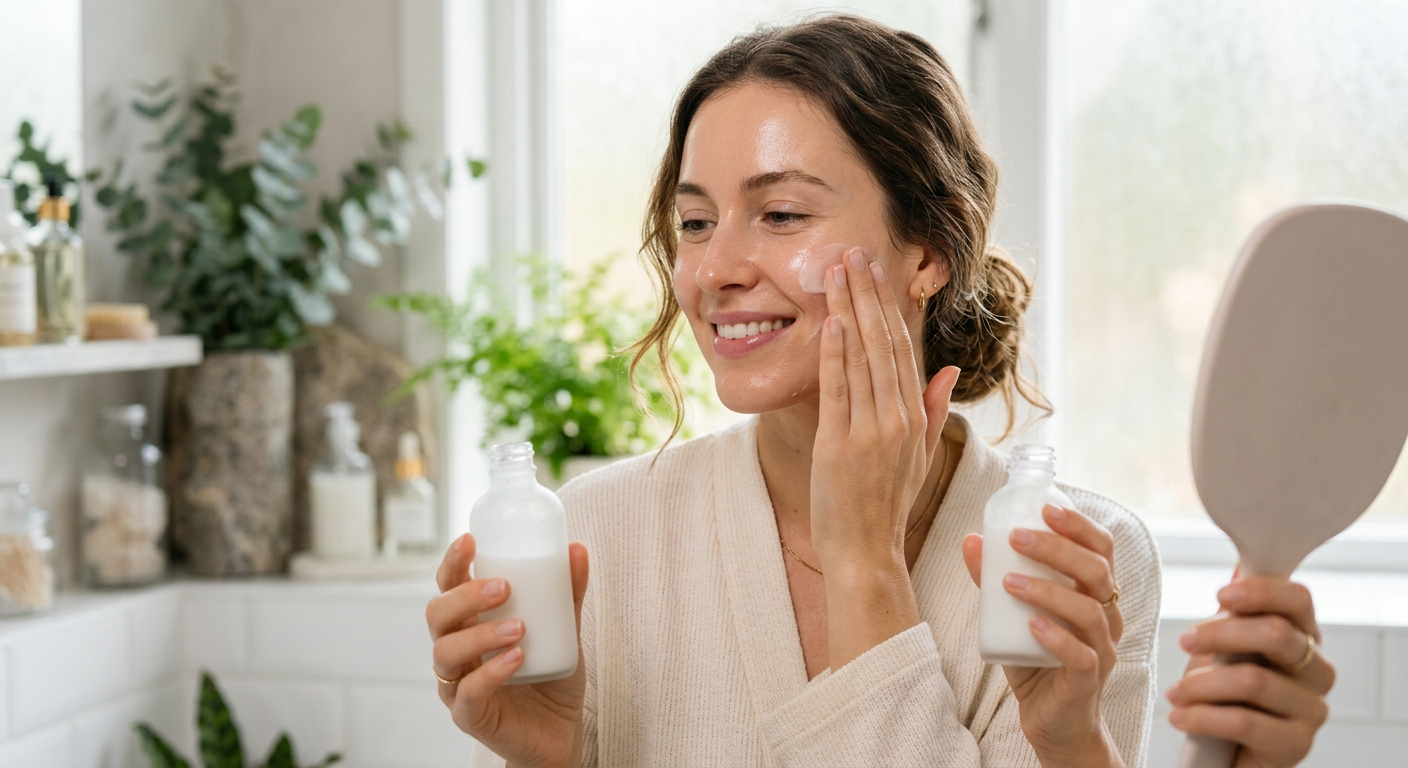
The biggest driver is the broad move away from aggressive skincare. “We’re seeing an overall shift toward simpler, more barrier-focused skin care,” dermatologist Kally Papantoniou, MD, told NewBeauty. “Milky textures feel lightweight but still hydrating, so they are easy to layer and don’t feel heavy on the skin.”
Comfort accounts for the rest. Licensed esthetician Aly Mac told IPSY that consumers want products that feel nurturing rather than aggressive, and that “milk” naturally suggests softness, nourishment, and self-care.
The K-Beauty and J-Beauty Connection
Milky formulas didn’t appear out of nowhere. Korean and Japanese skincare have embraced lightweight hydrating lotions, milky toners, and skin-silkening essences for years, according to IPSY.
Asia-Pacific is still where these trends incubate. The region accounted for 40.2% of global skincare revenue in 2025, per data cited by Bayport Laboratories, which makes it a reliable early indicator of what reaches Western markets next.
An Ancient Ritual, Reborn
Milk in beauty goes back a long way. Board-certified dermatologist Zoë Indigo, MD, pointed out to IPSY that Queen Cleopatra and ancient Egyptians used milk baths in their beauty rituals thousands of years ago. The modern version borrows the sensory appeal, often without any actual dairy.
The Real Benefits of Milky Beauty Products
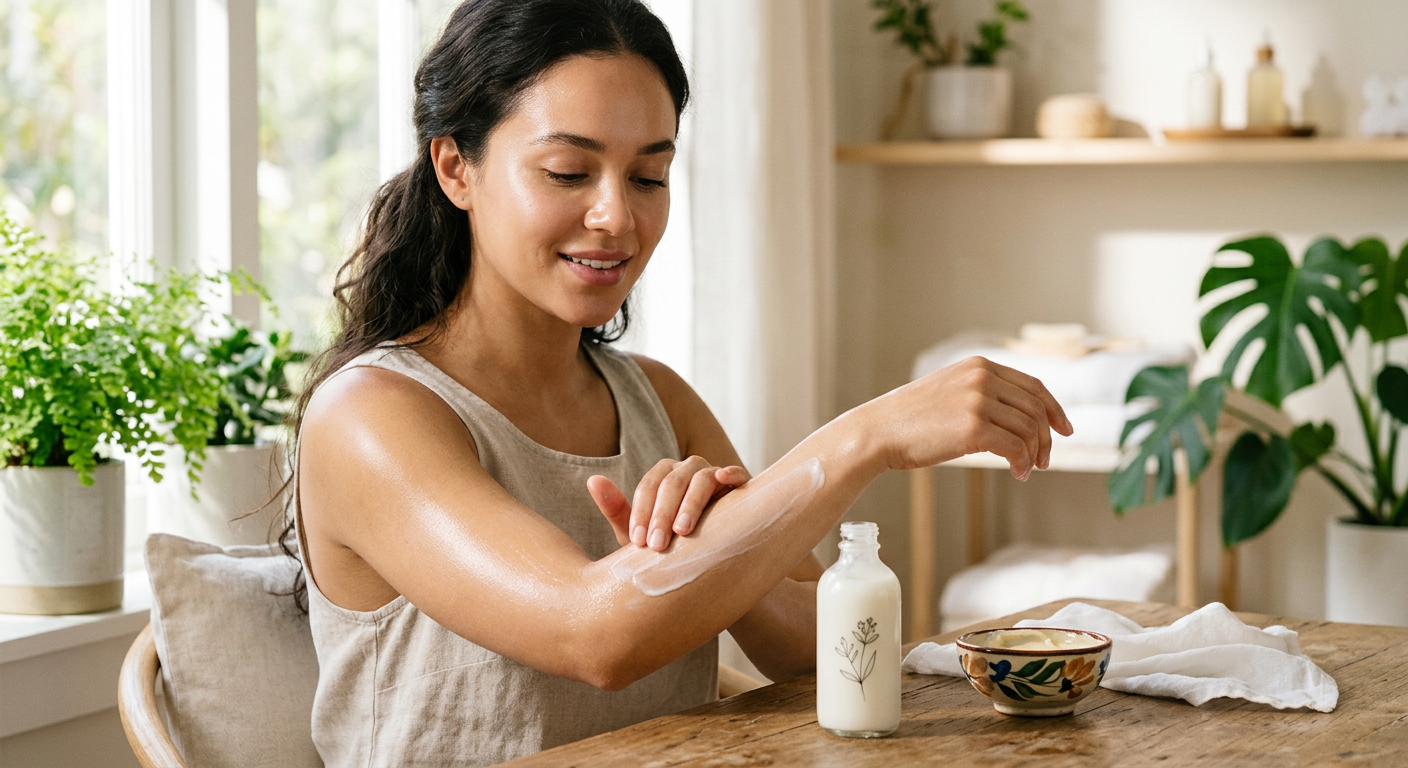
Two things are happening with milky products: how the formula performs, and what any milk-derived ingredients actually do. For most people, the performance side is where these products earn their spot.
Traditional toners can leave skin feeling tight. Milky formulas are built to deliver lightweight hydration and barrier support without the heaviness of a rich cream, according to Zadro. Dermatologists have been shifting their focus toward protecting the skin barrier rather than constantly challenging it with actives, and milky textures fit that approach.
When Milk Is an Actual Ingredient
Some products do contain milk-derived ingredients, and there’s science behind them. Dr. Indigo told IPSY that they work because of lactic acid, proteins, lipids, and soothing compounds.
Truly Beauty notes that milk contains vitamins A, D, E, and calcium to hydrate and soothe, plus lactic acid, an alpha hydroxy acid that gently exfoliates and improves texture and radiance. Many “milky” products, though, get their benefits from the formulation rather than from dairy.
Best for Sensitive and Oily Skin
Milky toners and skin milks flood the skin with moisture without weight, often paired with calming ingredients that make them a good match for oily and sensitive skin types, according to MindFood. If actives tend to leave your skin red or tight, this category is worth a look.
Milky Skincare by Texture and Use
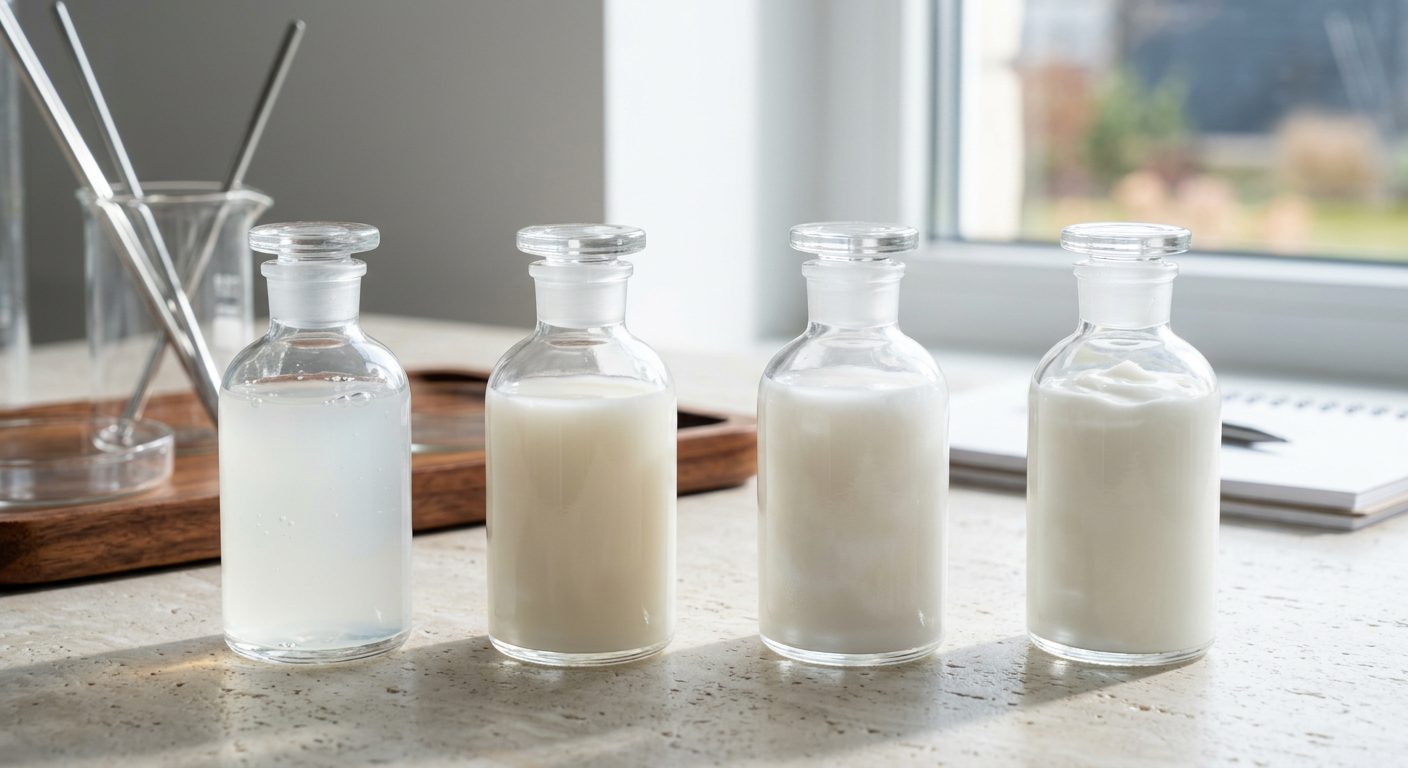
The leading milky-adjacent textures compare like this, based on analysis from Bayport Laboratories:
| Texture Format | Consumer Appeal | Common Applications |
|---|---|---|
| Milky Toners & Serum-Lotions | Fast absorption and layering compatibility | Toners, treatments, moisturizers |
| Bouncy Gels | Lightweight hydration and skin comfort | Cleansers, body care, SPF |
| Water Creams | Weightless hydration | Daily moisturizers, barrier care |
| Cushiony Creams | Premium sensory experience | Moisturizers, masks |
Milky toners layer especially well. Apply one like an essence after cleansing, then follow with serum and moisturizer, and it won’t pill or leave a greasy film.
The Trend Has Spread to Sunscreen and Beyond
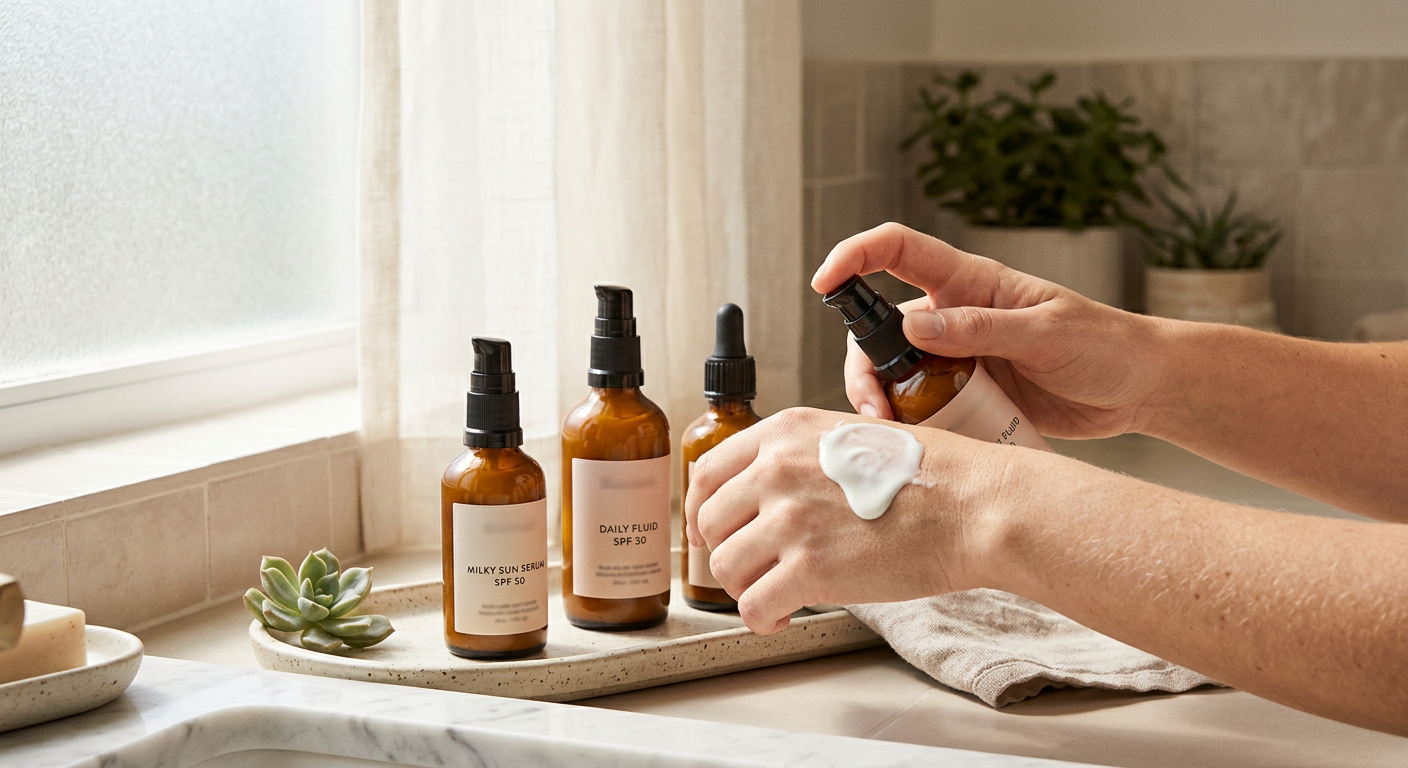
Milky texture isn’t limited to toners and moisturizers anymore. Sun care is one of the fastest categories to pick it up, as shoppers look for formulas that are actually pleasant to apply.
Milk sunscreen was the third biggest trend in sun care, with year-on-year growth of 849.5%, according to Spate data cited by Cosmetics Business. That lines up with rising demand for gentler options. Sensitive skin was the sun care concern with the biggest year-on-year growth, adding 136.5k more social posts in the US in 2025 than the year before.
A Category, Not a Fad
Milk has spread into nearly every corner of beauty. As NewBeauty documents, there are now milky face moisturizers, body milks, perfumes, essences, serums, sunscreens, and self-tanners on shelves. The RHODE Glazing Milk pushed the “glazed” look into the mainstream, and the ripple effect has reached fragrance and nail trends too.
How to Add Milky Skincare to Your Routine

Start where you feel the most friction with your current products. If your skin feels tight after cleansing, swap in a creamy, non-stripping milky cleanser. If your toner stings, replace it with a hydrating milky toner applied on damp skin.
A basic milky routine looks like this:
- Cleanse with a gentle milky or cream cleanser
- Hydrate with a milky toner or essence, patted in on damp skin
- Treat with your serum of choice
- Moisturize with a milky lotion or water cream
- Protect with a milky SPF 50 in the morning
There’s no need to overhaul everything at once. Milky products are made to layer, so introduce one at a time and see how your skin responds.
The Bottom Line on Milky Skincare
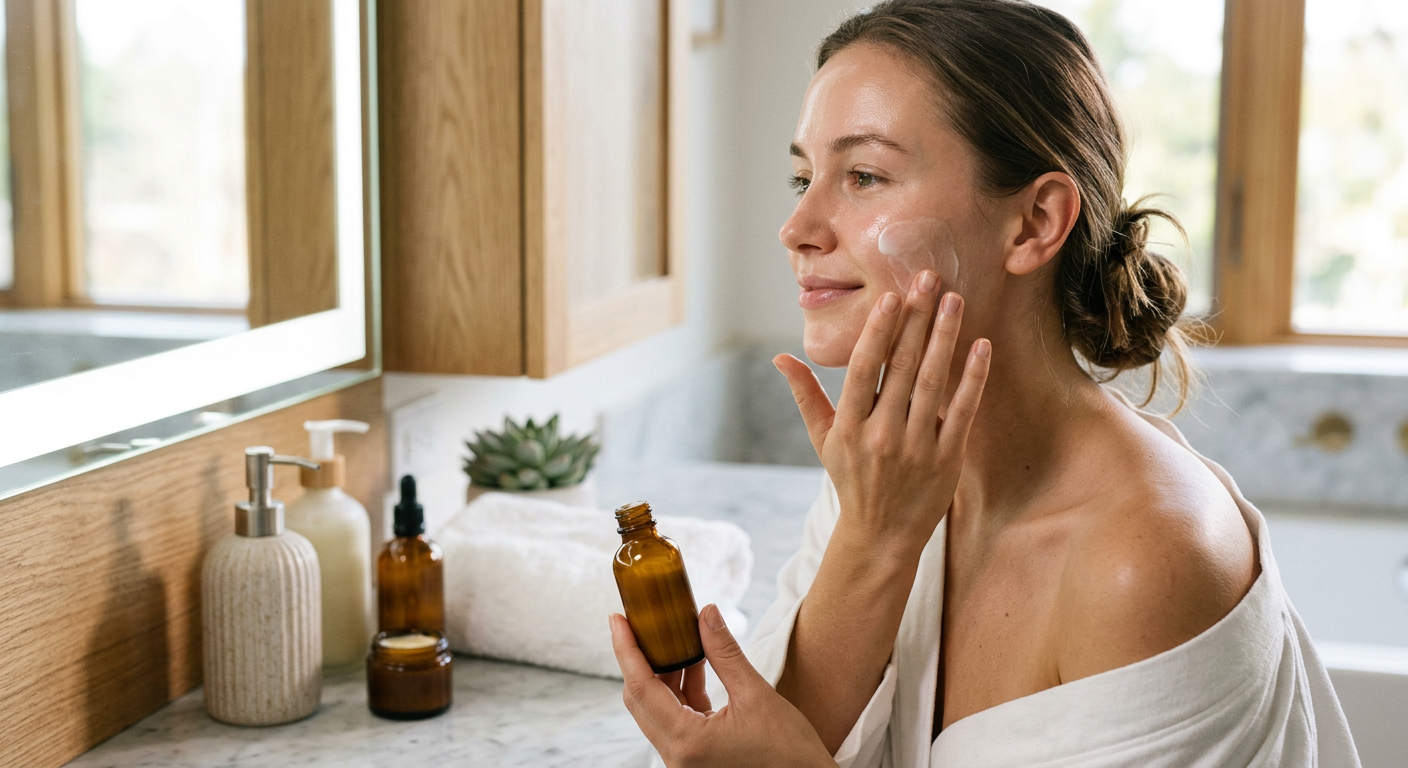
Milky skincare is trending because it solves a real problem. It delivers hydration and barrier support in a texture that feels comforting instead of punishing. The category pulls from centuries-old rituals and modern K-beauty innovation, and the numbers show it’s growing fast, especially in sun care, where milk formulas grew 849.5% year over year. Whether the benefit comes from real milk-derived actives or a smart emulsion, the appeal holds up for sensitive, oily, and dry skin alike.
If your routine leaves your skin tight, stripped, or irritated, this is the trend worth trying. Start with one milky toner or cleanser, patch test the way you would with anything new, and build from there. For more, explore our other skincare routine guides and ingredient breakdowns to find the right fit for your skin type.
Frequently Asked Questions
What is milky skincare?
Milky skincare refers to soft, opaque products with a lightweight, milk-like consistency, including toners, essences, cleansers, and moisturizers. These emulsion-based formulas hydrate and support the skin barrier without feeling heavy or sticky.
Does milky skincare actually contain milk?
Not always. Some products use milk-derived ingredients like lactic acid, proteins, and lipids, but many are simply named for their creamy, milk-like texture and get their benefits from the overall formulation.
Is milky skincare good for sensitive skin?
Yes. Milky formulas often include calming ingredients and deliver lightweight hydration without harsh actives, which makes them well suited to sensitive and easily irritated skin, according to dermatologists.
Can oily skin use milky products?
Yes. Milky toners and skin milks provide moisture without weight, so they hydrate oily skin without clogging pores or leaving a greasy residue.
How do I layer milky skincare products?
Apply from thinnest to thickest: cleanser, then milky toner or essence on damp skin, followed by serum, moisturizer, and SPF in the morning. Milky textures are designed to layer without pilling.
Why is milky skincare suddenly so popular?
The trend reflects a broader shift away from aggressive routines toward barrier-focused, comforting skincare. K-beauty and J-beauty influence, plus consumer demand for nurturing textures, have pushed milky formulas into the mainstream.