

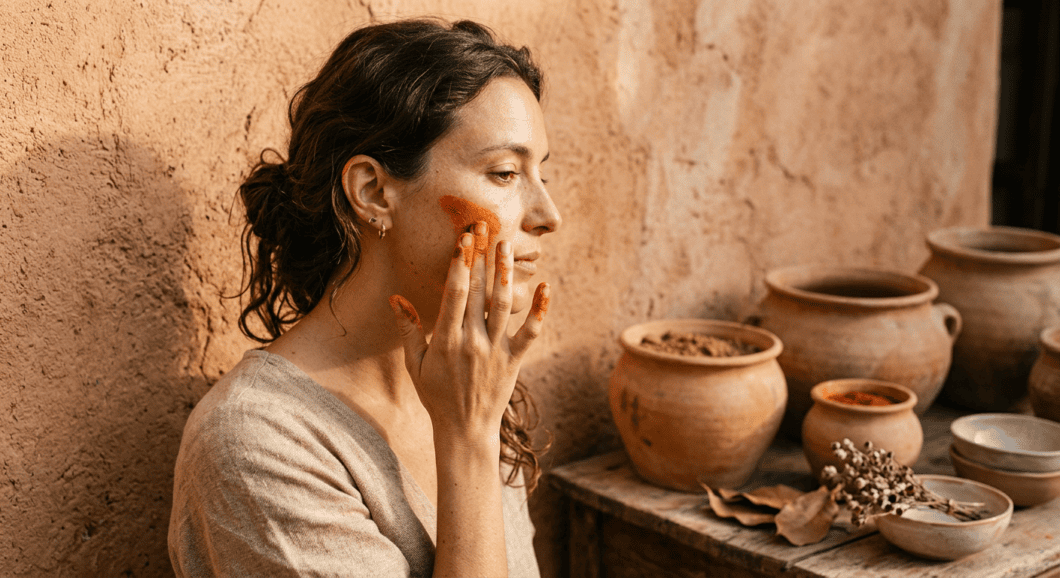
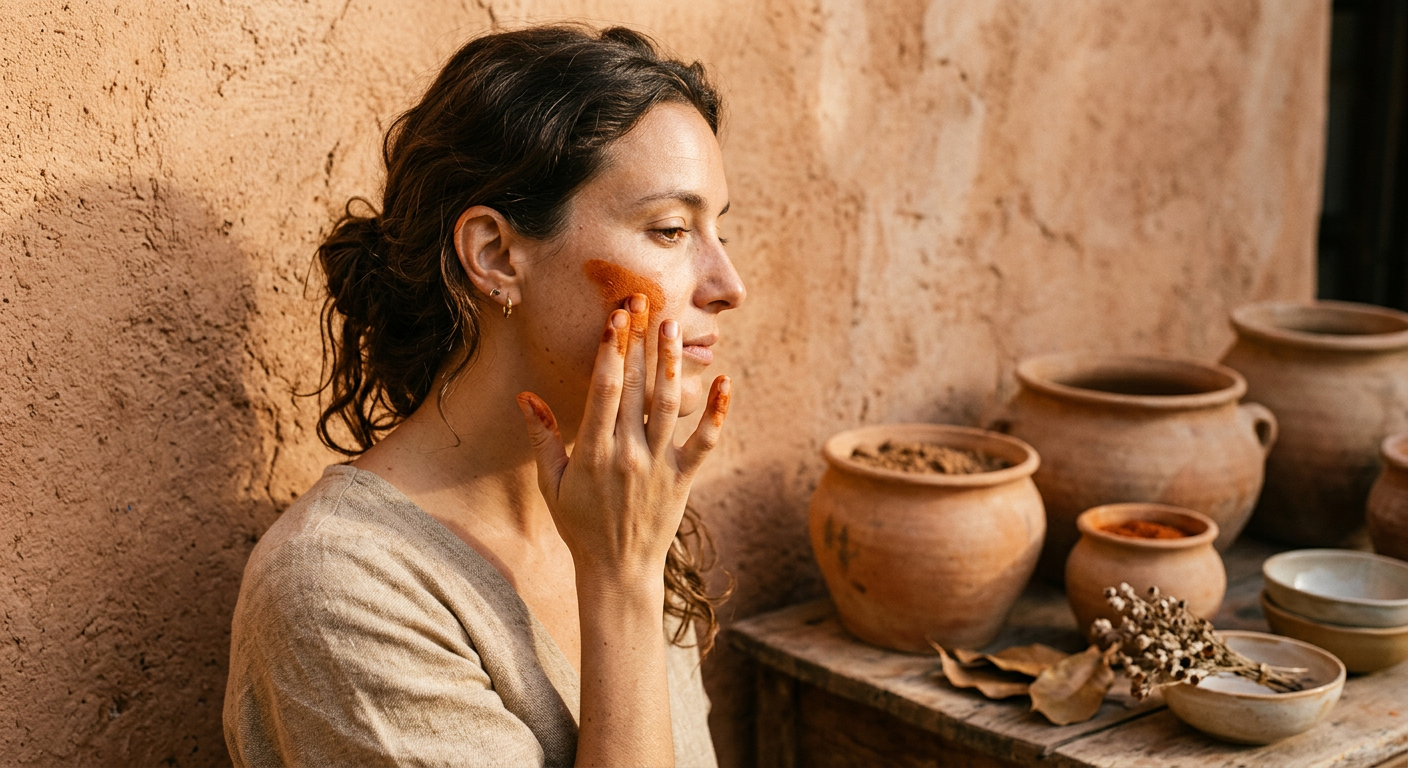
Put down the bubblegum pink. The blush shade defining fall is warmer, earthier, and far more forgiving. Terra-cotta blush—a blend of clay, rust, cinnamon, and burnt orange tones—has become the season’s dominant cheek color, and it looks intentional on nearly every complexion. Makeup artists, runway shows, and sales numbers all point the same way: warm is winning. For a flush that reads cozy rather than cartoonish, this is the one worth learning.
What Terra-Cotta Blush Actually Is
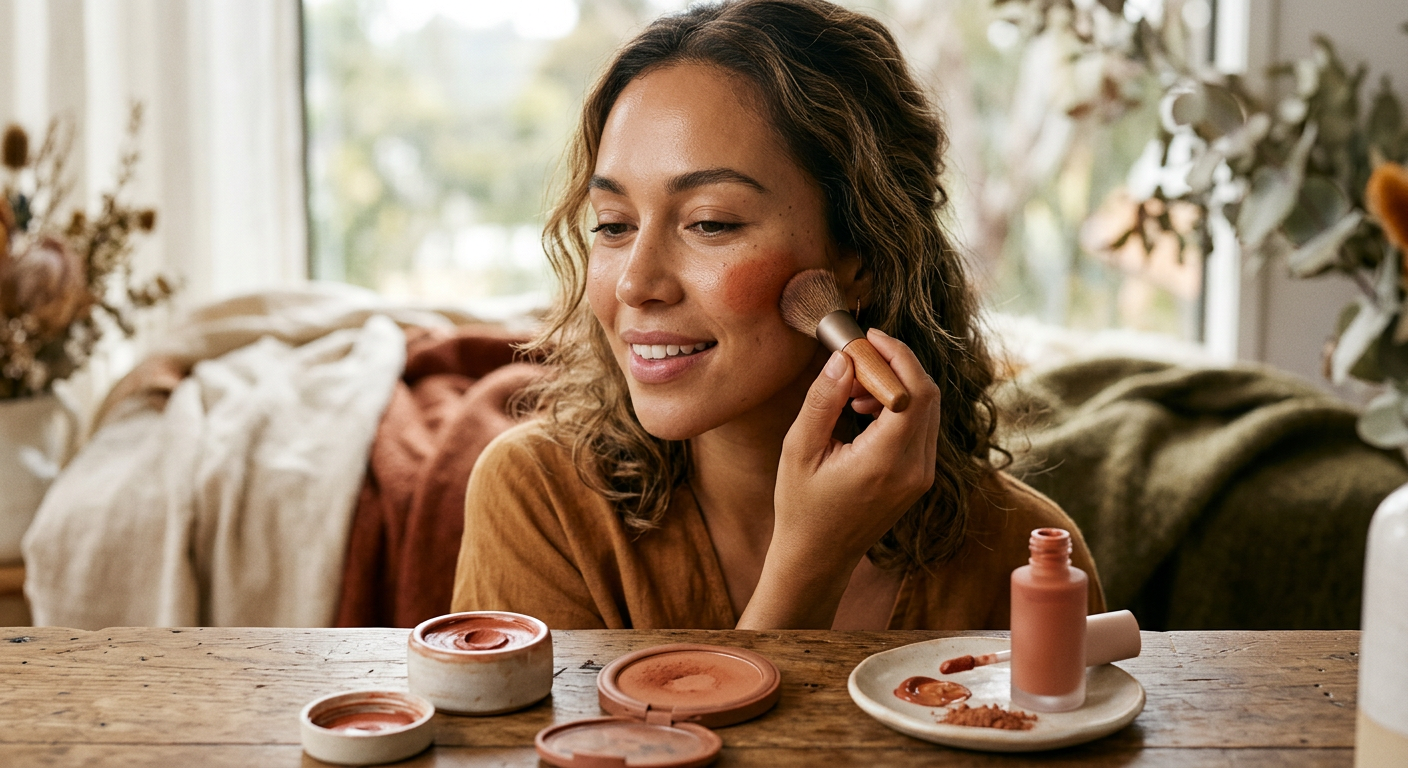
Terra-cotta blush is defined by shade, not formula. According to Byrdie, the look leans on terracotta, natural clay, orangey-red browns, cinnamon, and rust instead of the pinks and corals that ran the past few seasons. Some people call it “toasted blush” because the tones read warm and sun-baked rather than bright.
The earthiness is the whole point. These shades mimic the natural color cheeks pick up after a day outdoors in cooler weather, which is why they sit so comfortably against autumn clothes and autumn light. A summer flush goes for brights; the terra-cotta version trades them for something grounded.
How It Differs From Classic Pink Blush
Classic pink blush is cool-toned and sits high and bright on the cheek. Terra-cotta is warm-toned and sits closer to the skin, so it reads like real color rather than applied makeup. The difference comes down to undertone: terra-cotta carries orange, brown, and gold, while traditional pink carries blue and berry.
Why Terra-Cotta Blush Dominates Fall

This isn’t a niche look. Who What Wear named “toasted blush” the biggest makeup trend of fall 2025, citing Emily Ratajkowski’s warm, lived-in flush from makeup artist Hung Vanngo. Editors made the call early: once the season turned, earthy tones pushed out the summer flush.
The trend lines up with a shift in how blush gets used at all. Allure reports that fall calls for “more blush, less contour,” putting warm, generous color back at the center of the face. Terra-cotta suits that heavier, blended approach, because the earthiness keeps things looking natural even when you apply with a confident hand.
The market agrees. A Barefaced analysis of 77 blush-selling brands found the category “leans incredibly warm,” with peachy pinks, rosy corals, and terracottas defining what brands actually make. When product development tracks demand that closely, the trend has staying power.
Does Terra-Cotta Blush Suit Your Skin Tone?
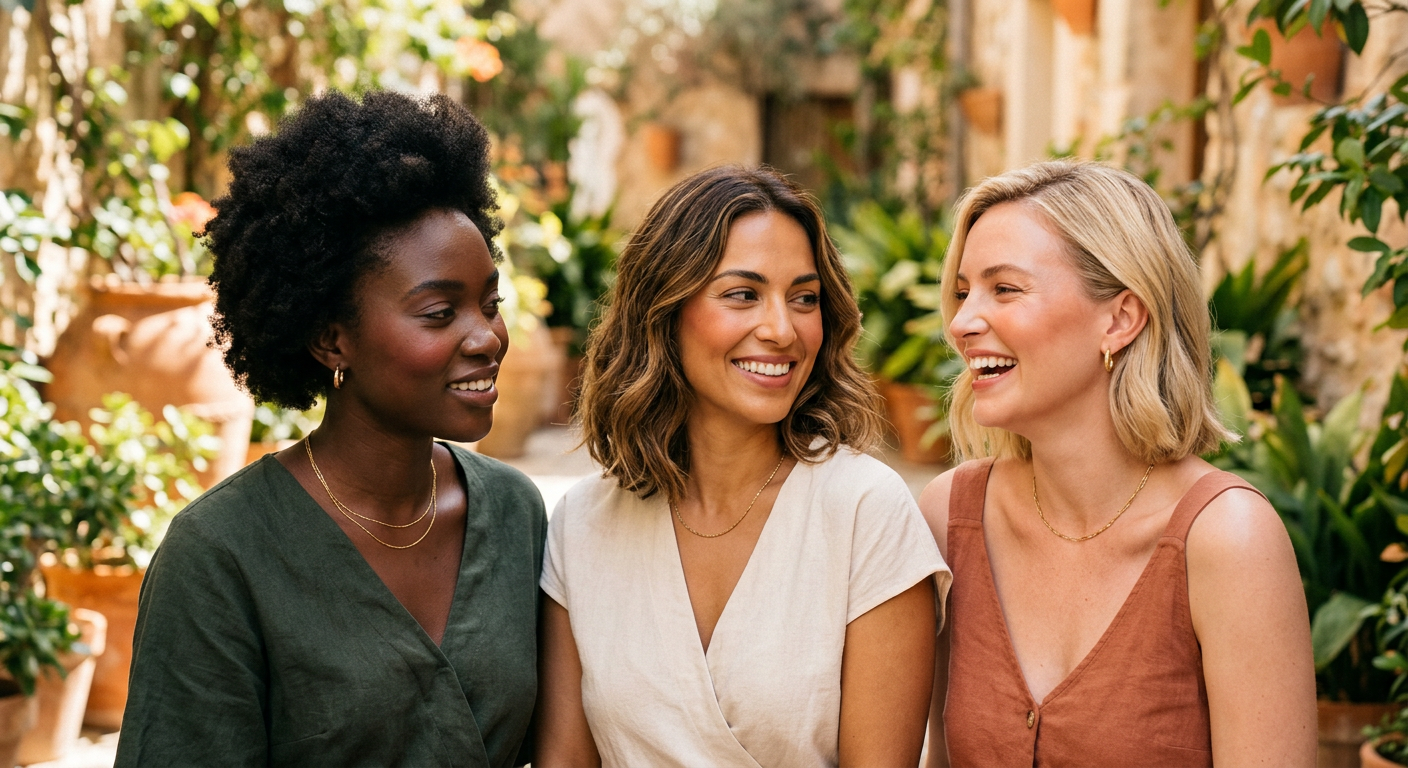
Part of why this spread so fast is its flexibility. The Zoe Report calls terra-cotta the fall makeup color that looks good on all skin tones, mostly because warm, earthy pigment reads as natural color against most complexions.
Undertone matters more than depth. A golden or warm undertone will make terra-cotta feel almost native to the skin. PersonalColorAI notes that for Warm Autumn coloring, peachy terracotta and warm bronze are the season’s defining shades—the same orange-brown-gold base as a terracotta, rust, and honey-gold palette.
Choosing Your Exact Shade
Not all terra-cotta is the same. Use depth to match the color to your complexion:
| Skin Depth | Best Terra-Cotta Direction | Shade Names to Look For |
|---|---|---|
| Fair to light | Soft, peach-leaning terracotta | Spiced apricot, peachy terracotta |
| Light to medium | Classic clay-orange | Burnt coral, warm bronze |
| Medium to deep | Rich, saturated rust | Brick rose, cinnamon, burnt sienna |
One rule holds across the board, per PersonalColorAI: skip cool pinks. Blue-based pink, icy rose, and berry read disconnected against a golden undertone and work against the warm effect you’re after.
How to Apply Terra-Cotta Blush
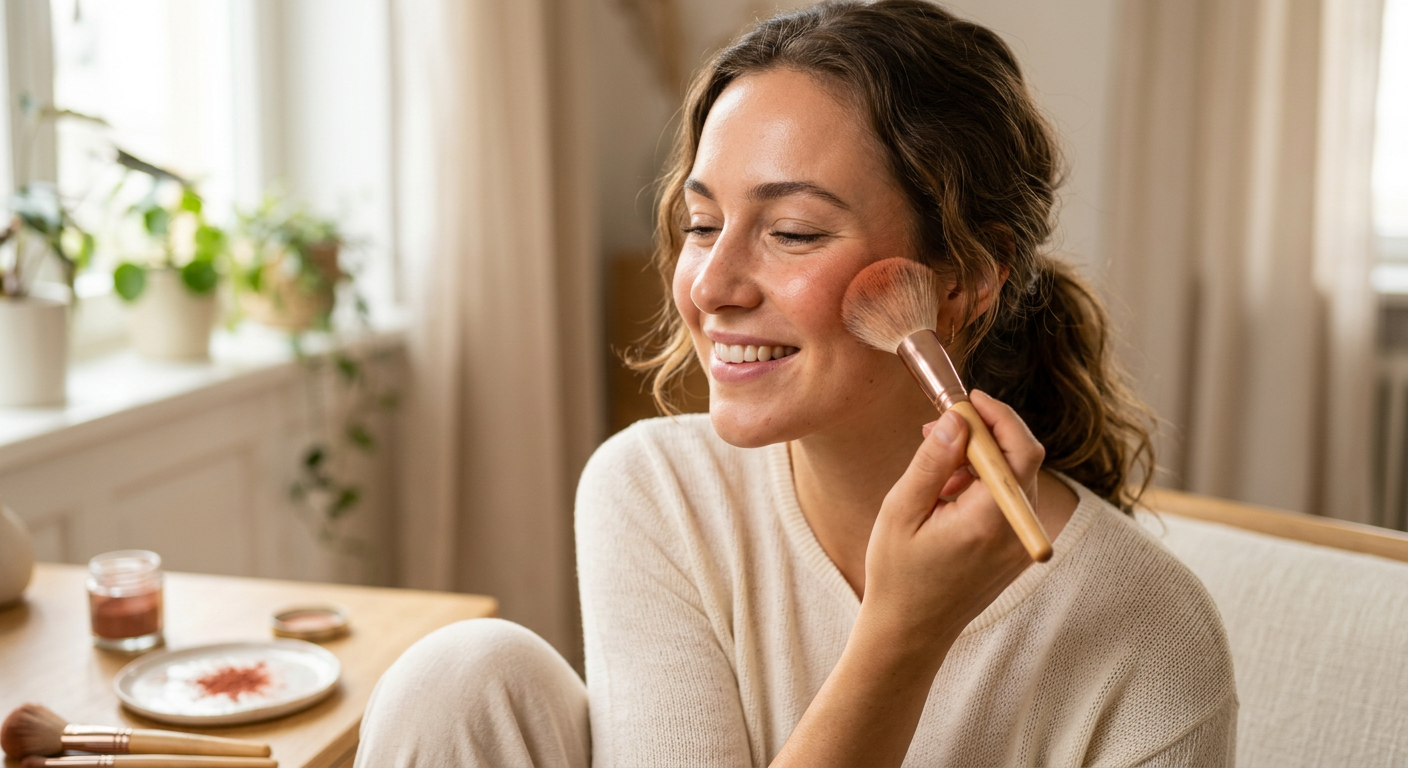
The application is loose by design. Who What Wear says to reach for a warm-toned blush and stop worrying about precision—the goal is a sultry, lived-in effect, so blending and smudging with your fingers or a sponge is the point.
Placement is where the warmth builds. Glamour describes the “toasty makeup” method: pair a light-coverage foundation with plenty of bronzer, apply earthy blush to the cheeks, then press any excess onto the center of the nose and around the eyes for a sun-touched finish.
A Simple Step-by-Step
- Start with warmth underneath. Lay down bronzer first so the blush has an earthy base to sit on.
- Apply blush generously. Use a warm terra-cotta shade on the apples and cheekbones.
- Blend with your fingers or a sponge. Smudge the edges so there are no hard lines.
- Carry the color. Dab a little across the nose bridge and near the eyes for a cohesive flush.
- Finish the face. Add a warm-toned neutral lip and soft, sultry eye makeup to complete the look.
Cream, Powder, or Jelly: Choosing a Formula
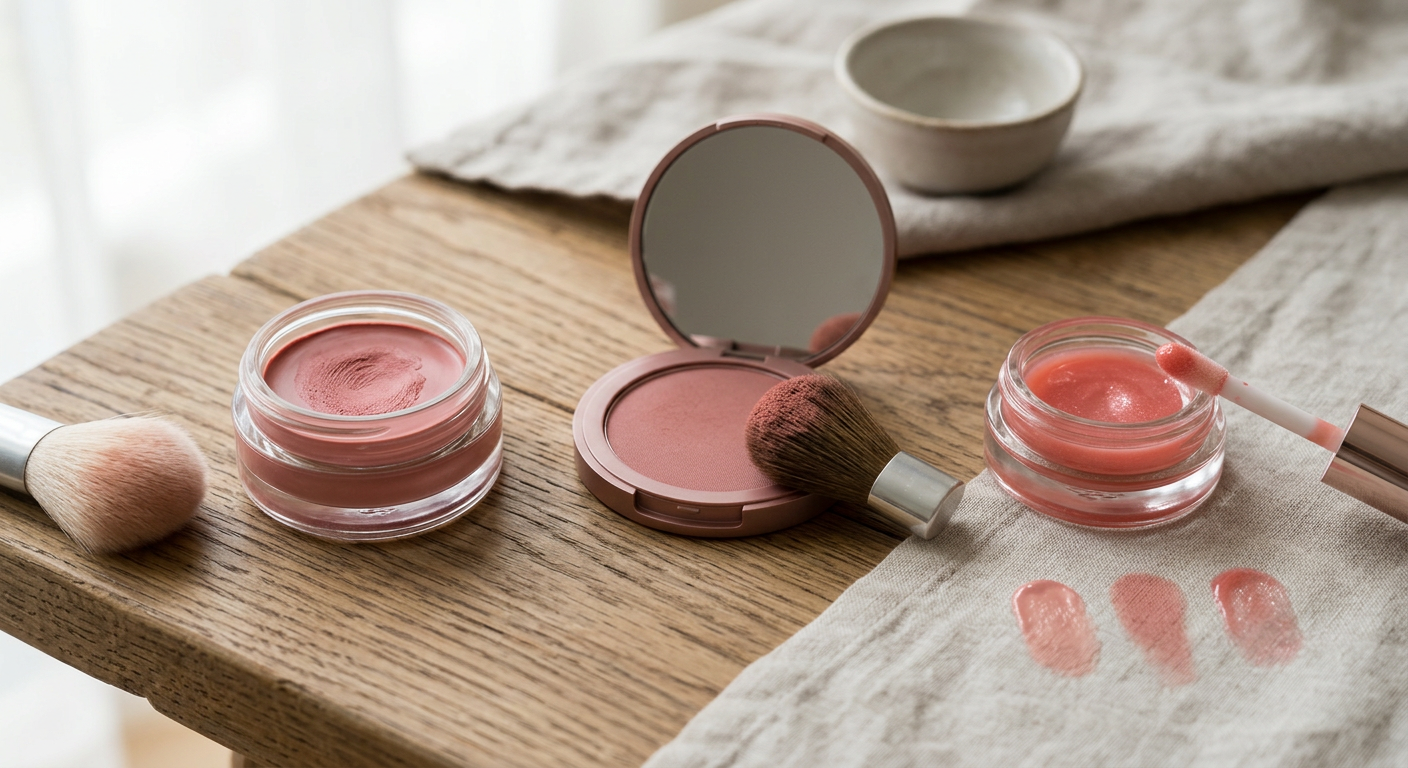
Shade drives this trend, but formula controls the finish. Cream and jelly blushes melt into the skin for the dewy, lived-in look that defines terra-cotta done well. Powder lasts longer and is easier to build in thin, blendable layers.
For the sun-baked glow editors keep pointing to, cream gives the most natural, skin-like result. PersonalColorAI puts the choice plainly: match the formula to the finish you want, with cream and jelly reading dewier and powder lasting longer. For an everyday warm flush that holds through a workday, a buildable powder in a clay-orange shade is the most forgiving place to start.
Shopping the Terra-Cotta Blush Trend
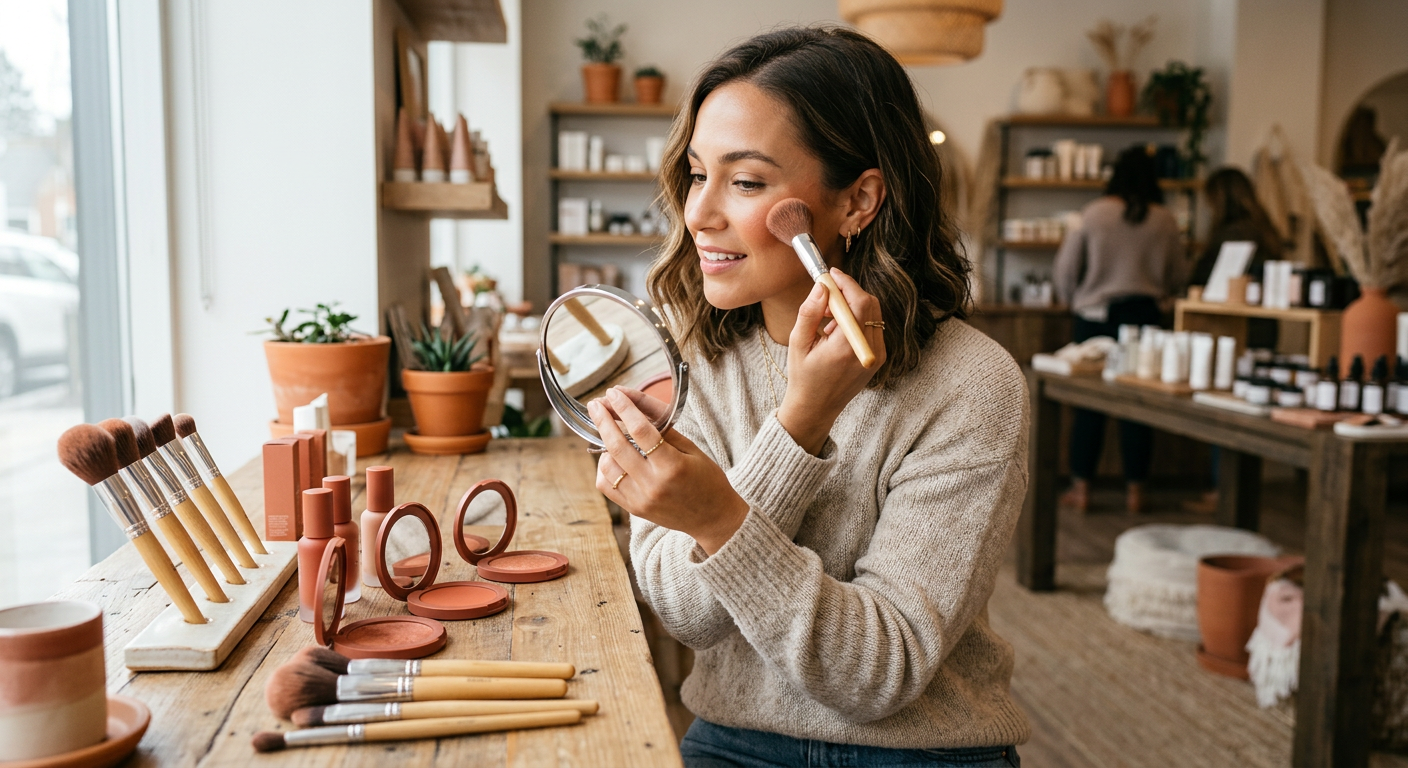
Demand is measurable. ASINsight analyzed 129 tracked products in Amazon’s “terracotta blush” search results and found the top sellers moving between 2,000 and 20,000 units a month, with the leading product at an estimated 20,000 monthly sales. That’s a crowded category with options at every price point.
Celebrity influence deserves some of the credit for the mainstream moment. Byrdie points to Hailey Bieber, whose Rhode Toasted Teddy Pocket Blush—a bronze terracotta—became a staple during her “Cinnamon Girl Fall,” with application videos that still work as a reference.
When you’re building a kit, Dream Wardrobe suggests pairing terracotta blush with a warm nude lipstick, a warm brown eyeshadow palette, and brown mascara for a cohesive autumn face. If a warm nude lip and terracotta blush aren’t already in your collection, those are the two to add first.
Key Takeaways and Your Next Step
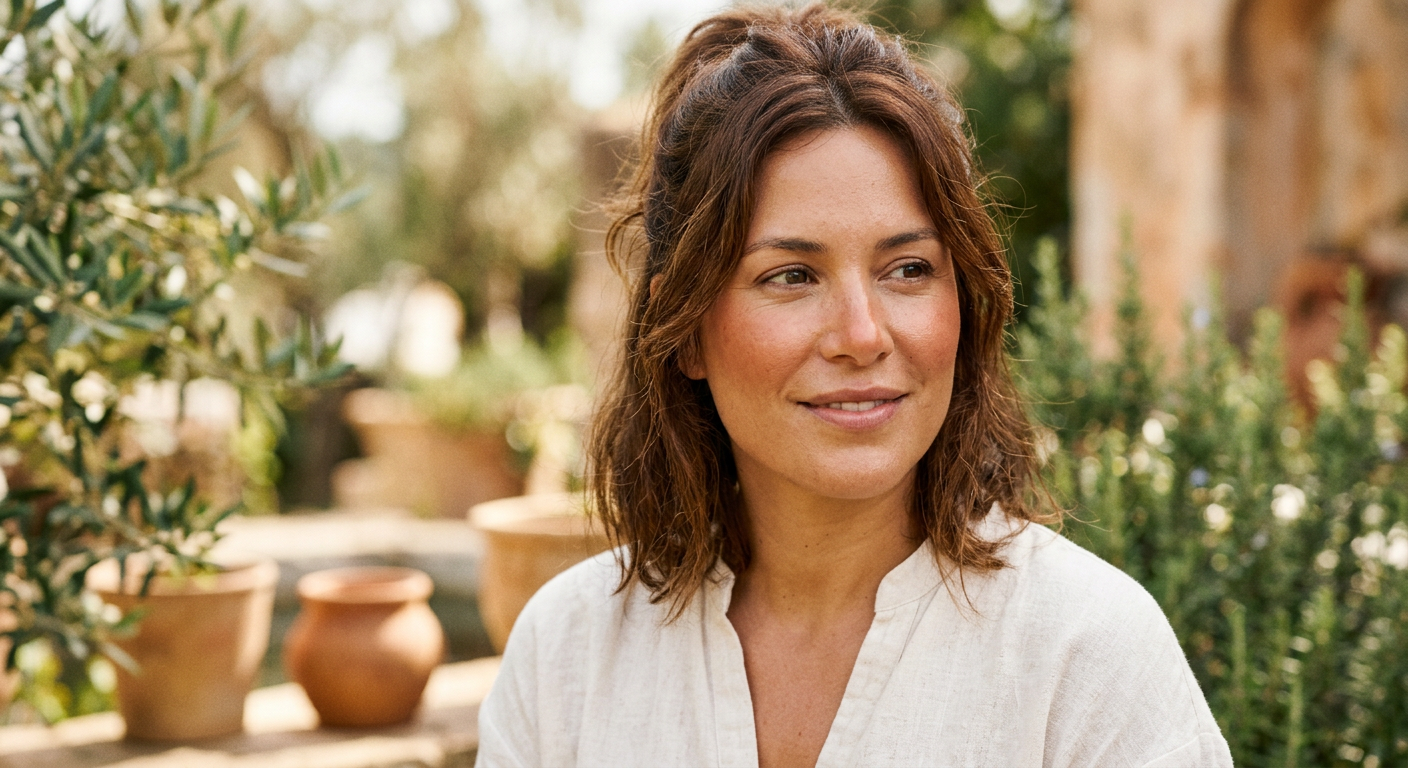
Terra-cotta blush earns its spot as the season’s warm makeup trend. It reads natural across most skin tones, fits the “more blush, less contour” shift editors are tracking, and forgives imperfect application thanks to its loose, blended look. The market has answered with warm-leaning products at every price point.
To wear it well: choose a shade that matches your depth, keep the undertone golden, apply generously, and blend with your fingers for that lived-in finish. Start with one buildable terra-cotta blush and a warm nude lip, then build from there. Pull out a warm-toned blush this week and test it. It may well become your default flush long past autumn.
Frequently Asked Questions
What is terra-cotta blush?
Terra-cotta blush is a warm, earthy cheek color built on clay, rust, cinnamon, and burnt-orange tones. According to Byrdie, the trend is defined by shade rather than formula, favoring terracotta, natural clay, orangey-red browns, and rust over cool pinks.
Does terra-cotta blush work on all skin tones?
Yes. The Zoe Report calls terra-cotta the fall makeup color that looks good on all skin tones, because its warm pigment reads as natural color. Adjust the depth of the shade—peachy for fair skin, rich rust for deep skin—to match your complexion.
How do I apply terra-cotta blush for the “toasted” look?
Apply a warm-toned blush generously and blend with your fingers or a sponge for a lived-in effect. Who What Wear notes precision isn’t the goal; Glamour suggests carrying excess color onto the nose and around the eyes for a sun-touched finish.
Should I choose cream or powder terra-cotta blush?
Cream and jelly formulas give a dewy, skin-like finish ideal for the sun-baked look, while powder lasts longer and builds easily in layers. For an everyday warm flush, a buildable powder in a clay-orange shade is the most forgiving option.
What shades should I avoid if I want a warm flush?
Skip cool pinks. PersonalColorAI advises against blue-based pink, icy rose, and berry, which read disconnected against golden undertones and undermine the warm, earthy effect.
What other products complete the terra-cotta makeup look?
Pair terra-cotta blush with a warm nude lipstick, a warm brown eyeshadow palette, and brown mascara. Dream Wardrobe recommends these as core autumn kit items, and Who What Wear suggests finishing with soft, sultry eye makeup.