

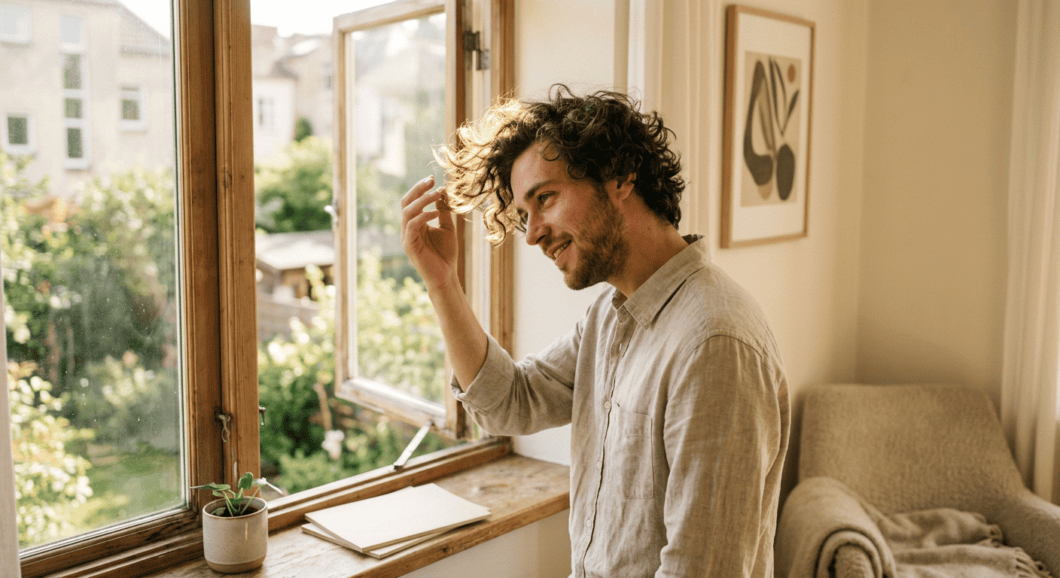
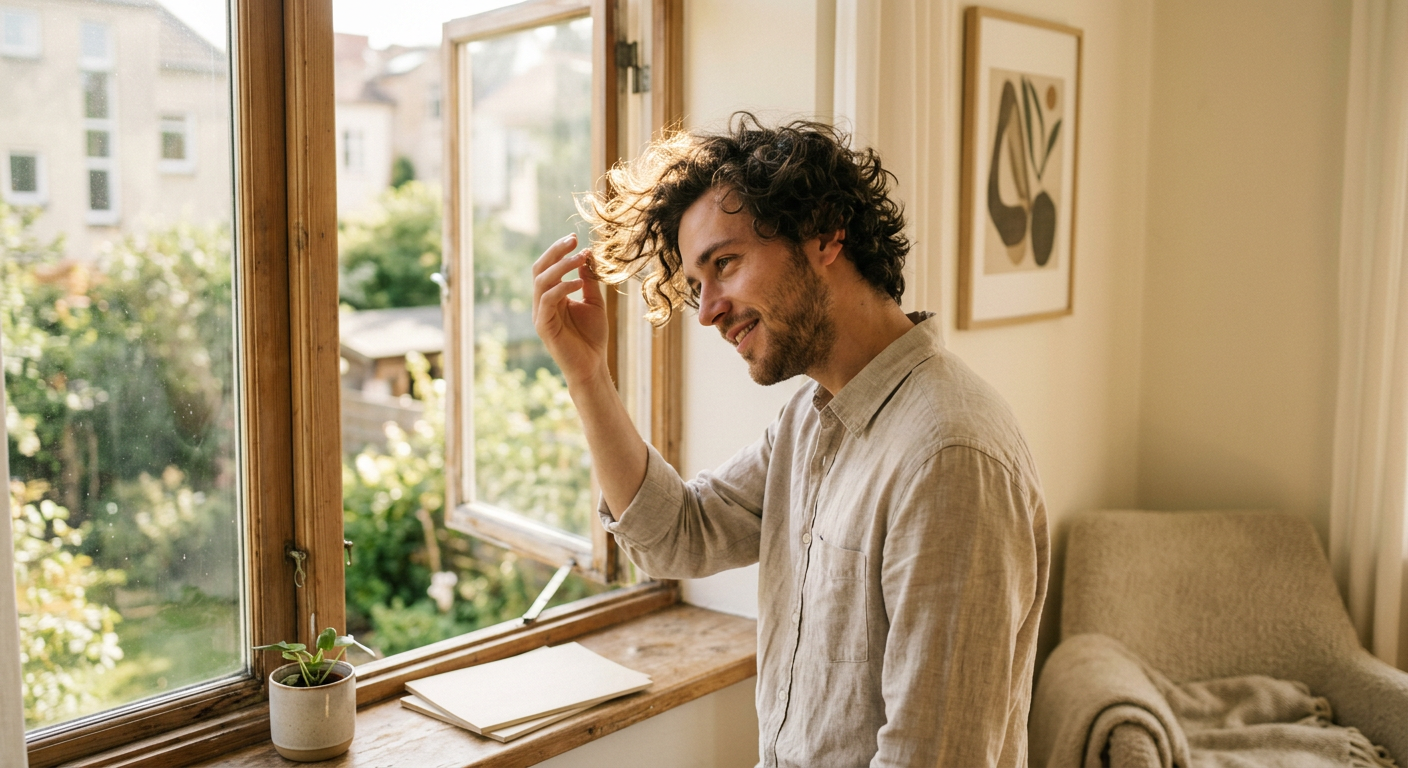
Stiff, over-styled hair is on its way out. Spend a morning in almost any barbershop this year and you’ll hear the same request: hair that looks natural, moves on its own, and doesn’t eat up half an hour before work. Natural texture has become the central feature of men’s hairstyles in 2026, reshaping both the cuts men ask for and the products they reach for.
This is a real shift. Sharp fades topped with rigid quiffs are giving way to softer, lived-in looks that work with the hair rather than against it. Anyone still stuck in a high-maintenance routine has a good reason to drop it.
The Big Shift: Natural Over Perfect
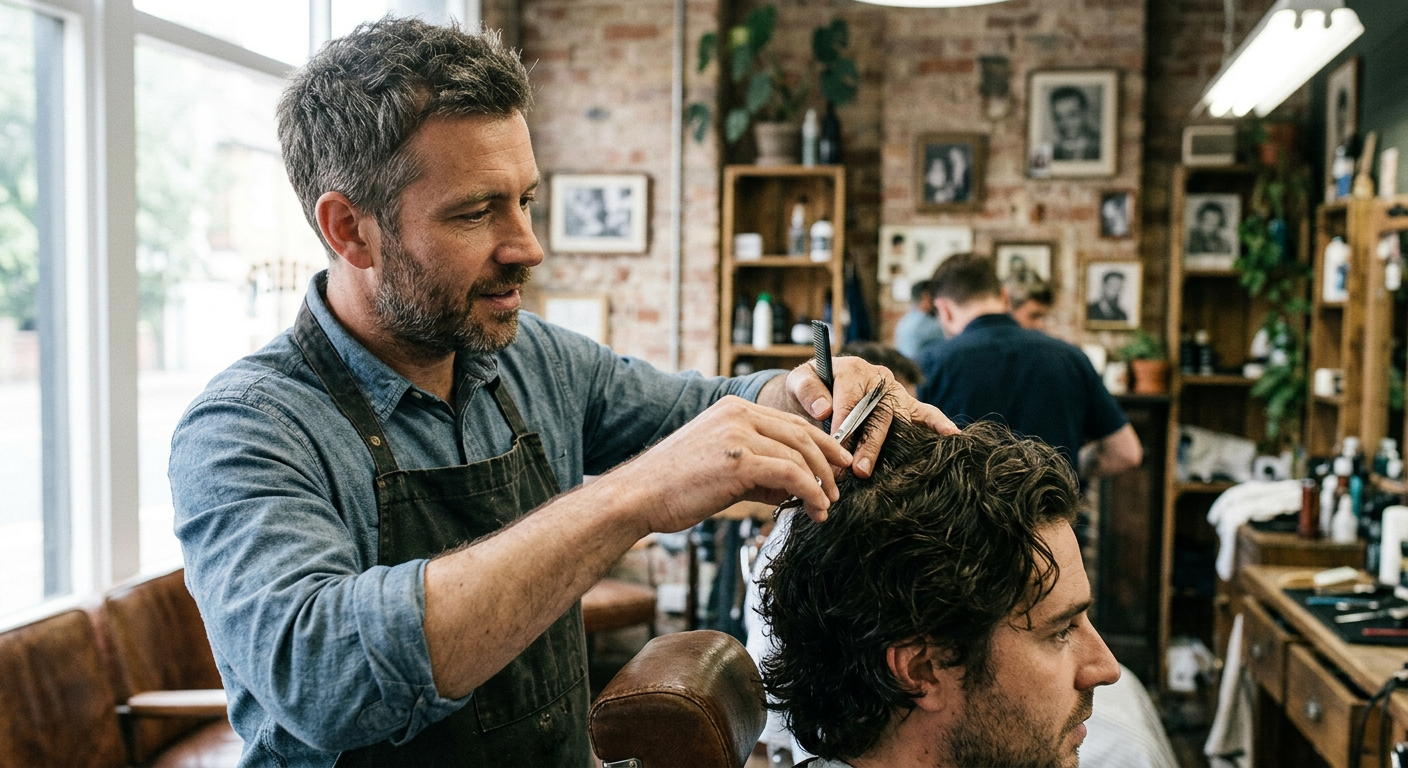
One principle sits underneath every 2026 trend: natural over perfect. Barbers are backing away from extreme skin fades and tight styling in favor of softer, more wearable looks, according to Barberfriends.
Texture with movement is now the baseline. The goal is to work with the hair’s natural structure instead of forcing it into a fixed shape. A cut done this way holds up through the day rather than collapsing an hour after you leave the house.
Barbers describe this as a cultural change, not a passing fad. Bailey Snowden, a Wahl Scholar and owner of Snowden’s Barbers, calls natural texture the defining feature of men’s hairstyles in 2026, with clients “moving away from heavily styled looks towards those that showcase movement, softness, and individuality,” per Schedy News.
Why Men Are Choosing Texture Over Heavy Styling

The move toward natural texture is about more than looks. It reflects how men want to spend their mornings. Few people want to give thirty minutes a day to their hair, and lived-in cuts erase that chore.
The numbers back this up. Gitnux reports that 38% of men prefer natural texture over heavy styling products, and use of sea salt sprays for textured looks has tripled since 2019. That’s a sustained move away from stiff, high-shine styling.
The Lived-In Advantage
Lived-in cuts lean on soft layering, subtle tapering, and natural finishes to reduce daily styling. The balance is what makes them work: relaxed texture on top, precise barbering around the neckline and hairline. The result reads as effortless but intentional.
The practical payoff matters too. A well-cut textured style can hold its shape for weeks rather than days, which means fewer barber visits and less fuss between them. You keep a polished look without the routine.
The Cuts Defining 2026
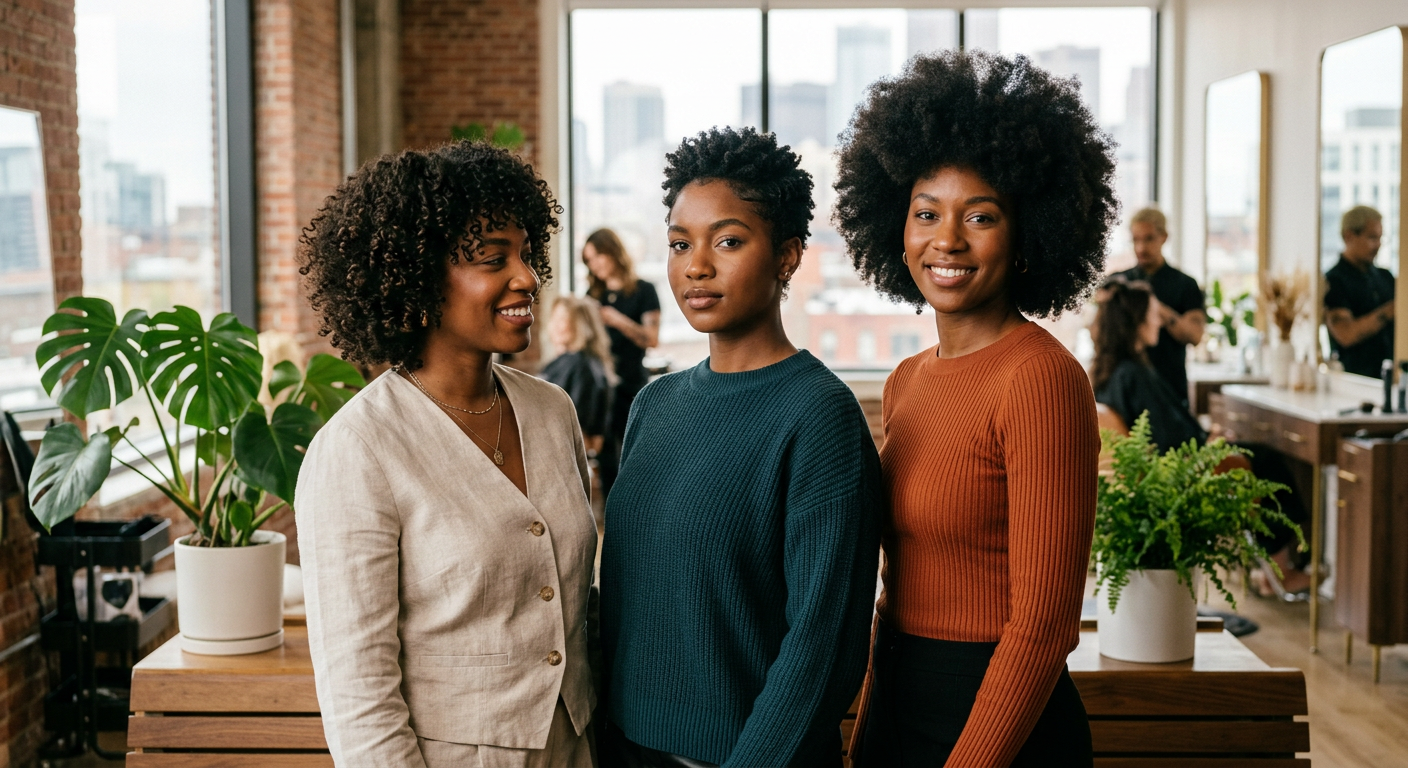
A handful of haircuts have emerged as the leaders of the natural-texture movement. Each one is built to show off movement instead of flattening it.
- Textured crop — Short on the sides, choppy and layered on top with a slight fringe. It’s the most requested men’s haircut in barbershops right now, per Blumaan.
- Soft fades — Low and mid fades that blend into a relaxed, textured top instead of a rigid quiff.
- Mid-length natural styles — Looser shapes that move and frame the face, drawing on 1990s inspiration.
- Enhanced natural curls — Curly and coily hair enhanced rather than controlled.
- The shag — Heavy layering with face-framing pieces and natural texture, best for wavy to curly hair.
The 90s Revival
Longer, textured styles are coming back with heavy 1990s influence. GQ points to curtains, Caesar cuts, and center parts returning, with barbers noting that clients “want to go back to simpler times.” These styles rely on natural fall and movement rather than product-heavy sculpting.
Fade Meets Texture
The skin fade hasn’t gone anywhere, but its styling has changed. Instead of pairing a sharp fade with a stiff pompadour, barbers now set it against a messy crop or natural curls. That contrast between clean detailing and soft texture gives you the versatile, modern look that sums up the year.
The Products That Make It Work
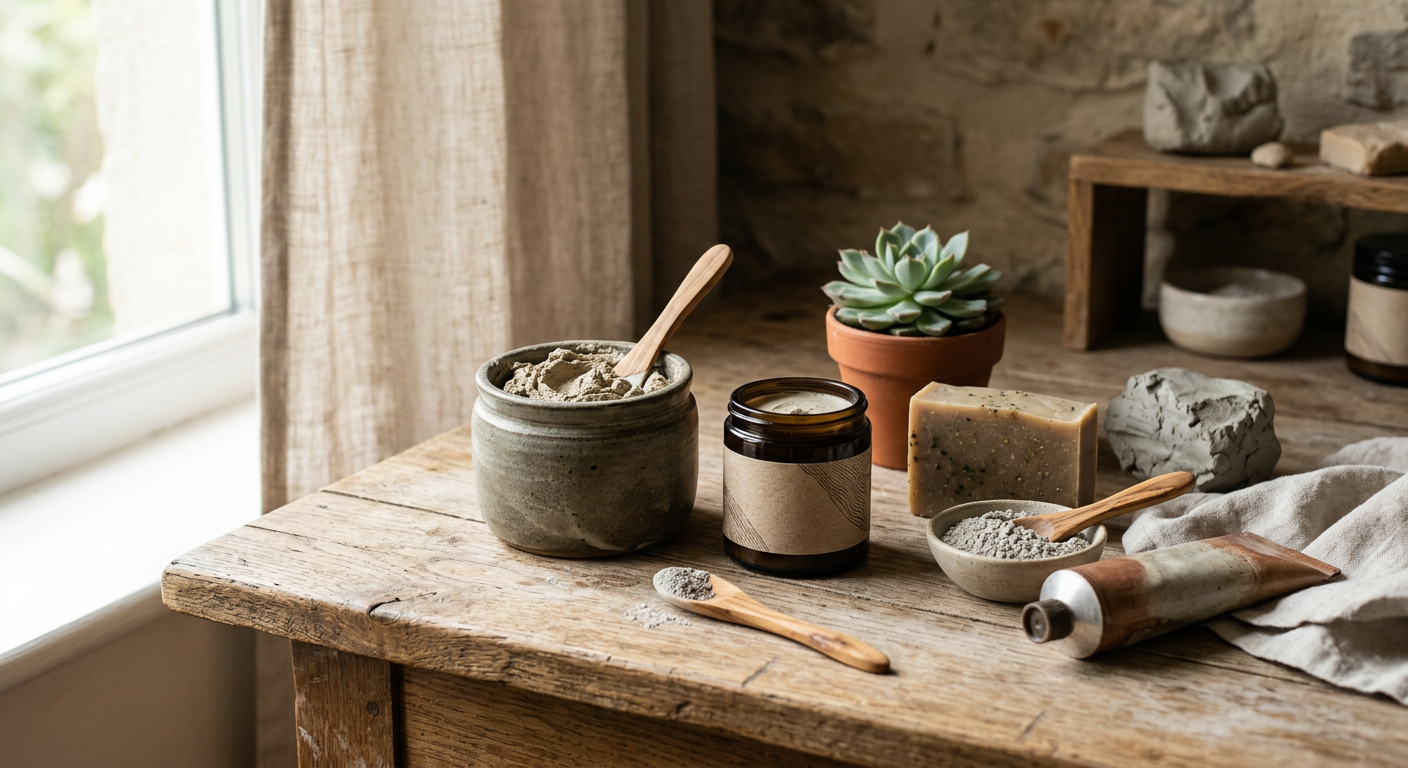
The biggest product change in 2026 is the move toward matte, natural finishes over heavy shine. Clay-based products have taken over from high-gloss pomades as the everyday standard, and the whole approach has gotten simpler.
You don’t need five products. As Barberfriends notes, the right combination beats sheer quantity. Most men can get the 2026 look with two or three well-chosen items.
Matte Clay vs. Sea Salt Spray
| Product | Best For | Finish | How to Use |
|---|---|---|---|
| Matte clay | Textured crops, defined pieces | Matte, natural | Work a small amount through dry hair, back to front |
| Sea salt spray | Enhancing waves and grit | Textured, dry | Spray on damp hair, scrunch |
| Hair oil | Taming frizz, smoothing | Light, healthy | A few drops through mid-lengths |
| Pomade (matte) | Medium hold, movement | Low-shine | Small amount, distribute evenly |
Hair clay is now the preferred styling product for a growing share of men, according to Gitnux, which tracks the broader move toward soft-textured volume over rigid hold. One rule holds across the board: start with less product than you think you need, then build.
Embracing What You’ve Got

The most confident trend of 2026 might be the growing acceptance of natural gray. The age-positive “quiet silver” movement pushes men to work with their color rather than cover it.
“Allowing natural gray hair to show is one of the most confident trends of 2026,” celebrity hairstylist Banowetz told GQ. “Gray hair is being treated as a feature rather than a flaw.” Picture George Clooney rather than a bottle of dye.
This runs parallel to the texture movement. Both come down to authenticity — working with your natural characteristics instead of masking them. Curl pattern, wave, or salt-and-pepper strands, 2026 rewards men who lean into what they already have.
How to Make the Switch
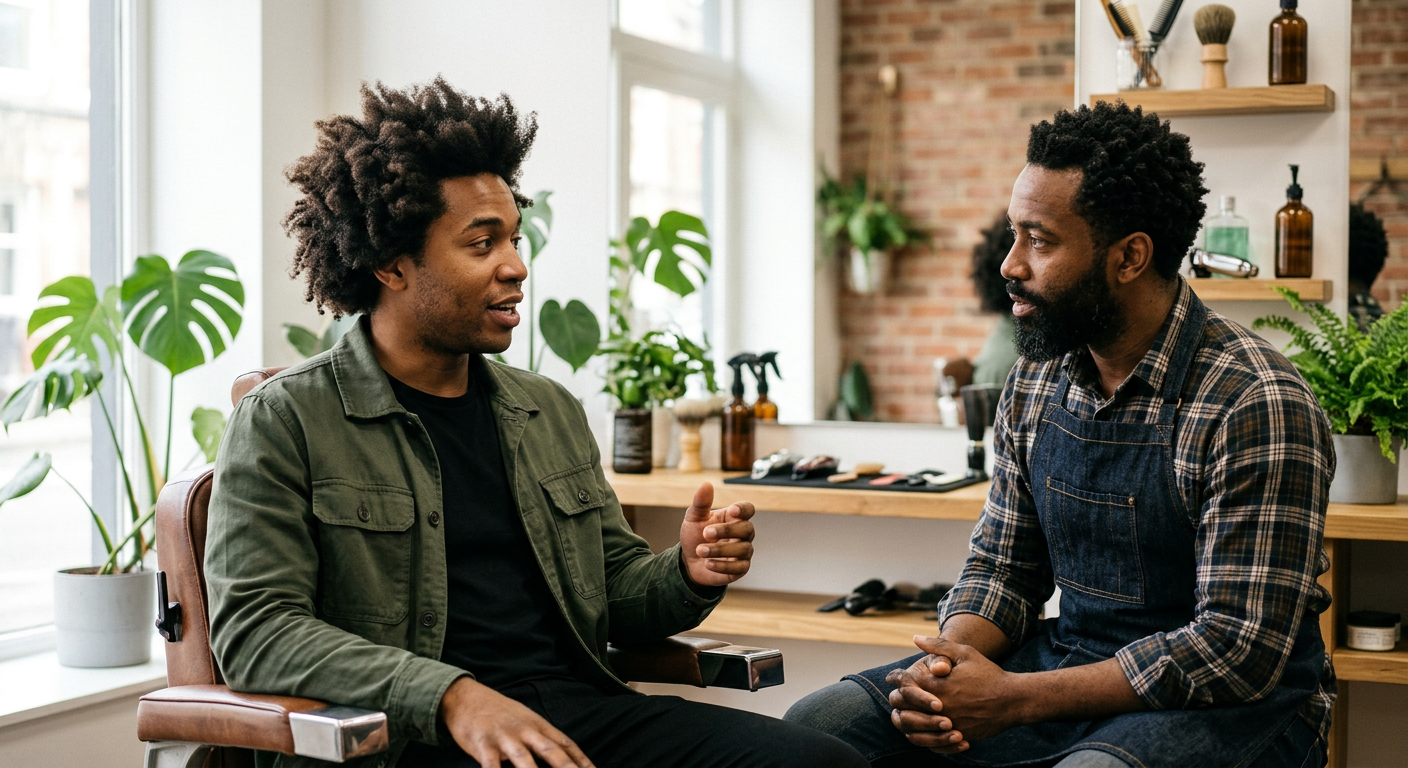
Moving to a natural-texture look starts with a conversation at the barbershop. Ask for a cut that works with your hair type, not against it. Straight or wavy hair takes best to a textured crop; curly hair calls for curl-specific dry cutting to define the pattern.
Maintenance still matters, even for low-effort styles. A trim every six to eight weeks keeps a shag or textured crop looking intentional rather than shaggy in the bad way. The cut does most of the work, but it needs upkeep to hold its shape.
Then simplify your product shelf. Swap high-shine pomades for a matte clay and add a sea salt spray for grip. Air-drying instead of blow-drying with heavy product lets the natural texture come through, which is the whole point.
Key Takeaways and Next Steps

Natural texture defines men’s hair in 2026 because it delivers style without the maintenance load. The cuts — textured crops, soft fades, mid-length 90s revivals, and enhanced curls — share one goal: movement over stiffness. Matte, clay-based products have replaced heavy shine, and even natural gray is now something to show off.
The move is straightforward. Stop fighting your hair. Book a consultation with your barber, ask for a cut suited to your natural texture, and cut your product routine down to two or three matte essentials. Your mornings get faster, and your look holds up all day.
Frequently Asked Questions
What is the biggest men’s hair trend in 2026?
Natural texture — cuts and styling that emphasize movement and softness over stiff, over-styled looks. Barbers are pairing softer fades with relaxed, textured tops rather than rigid quiffs and pompadours.
What products should men use for a textured look in 2026?
Matte clay and sea salt spray are the two essentials. Clay gives definition and hold with a natural finish, while sea salt spray adds grit and enhances waves. Most men only need two or three products total.
Which haircut is best for low maintenance in 2026?
The textured crop and the overgrown buzz are both strong low-maintenance choices. Both show off natural texture with minimal daily styling, and the textured crop takes only a small amount of clay to finish.
How often should I get a textured cut trimmed?
Every six to eight weeks keeps textured crops and shags looking intentional rather than overgrown. Regular trims are what maintain the shape that makes these lived-in styles work.
Should I cover my gray hair in 2026?
No — embracing gray is one of the year’s most confident trends. The “quiet silver” movement encourages blending or enhancing natural gray rather than covering it, treating it as a feature rather than a flaw.
Does natural texture work for curly hair?
Yes. Curly and coily hair is being enhanced rather than controlled in 2026, using curl-specific dry cutting and moisturizing products to define the pattern without stiffness. Modern texture-boosting perms are also gaining ground for adding volume.