

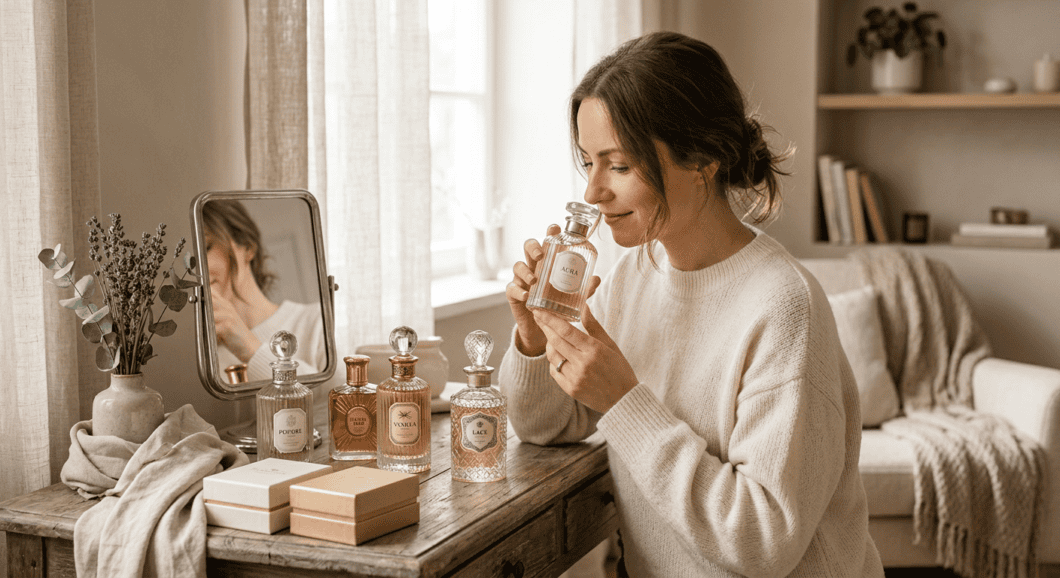
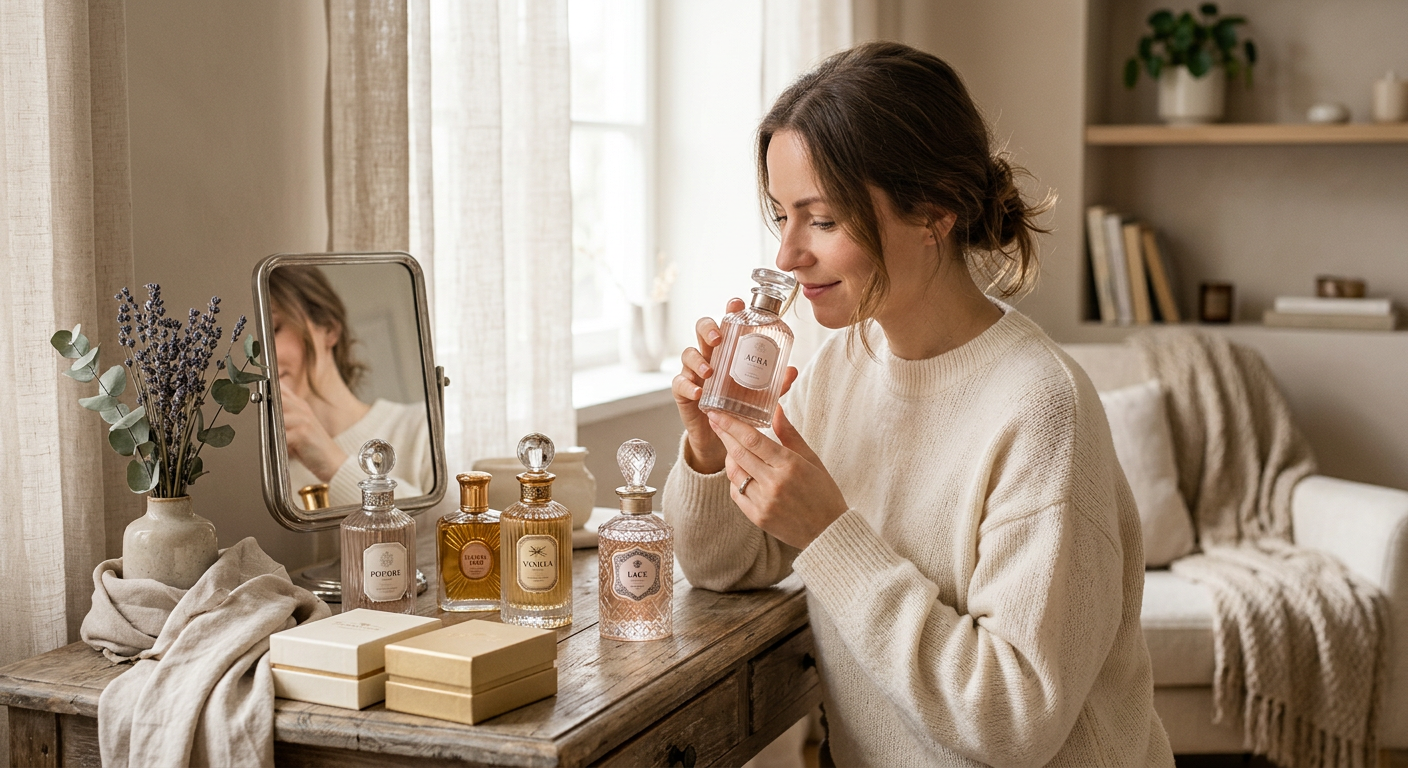
Your grandmother’s perfume collection might be the smartest fragrance investment you make this year. Powdery perfumes, long dismissed as dated and stuffy, are now among the most searched-for scents online. On TikTok and Instagram, “grandma perfumes” have turned aspirational, driven by younger buyers who want softness, nostalgia, and a quieter kind of elegance. The soft, comforting powdery scent that once signaled old-fashioned taste now reads as refined and deliberate.
This shift tracks broader changes in how people, and Gen Z in particular, choose and wear fragrance. What follows covers what makes a perfume smell powdery, why the category is surging, and how to pick a powdery scent that suits you.
What Actually Makes a Perfume Smell Powdery
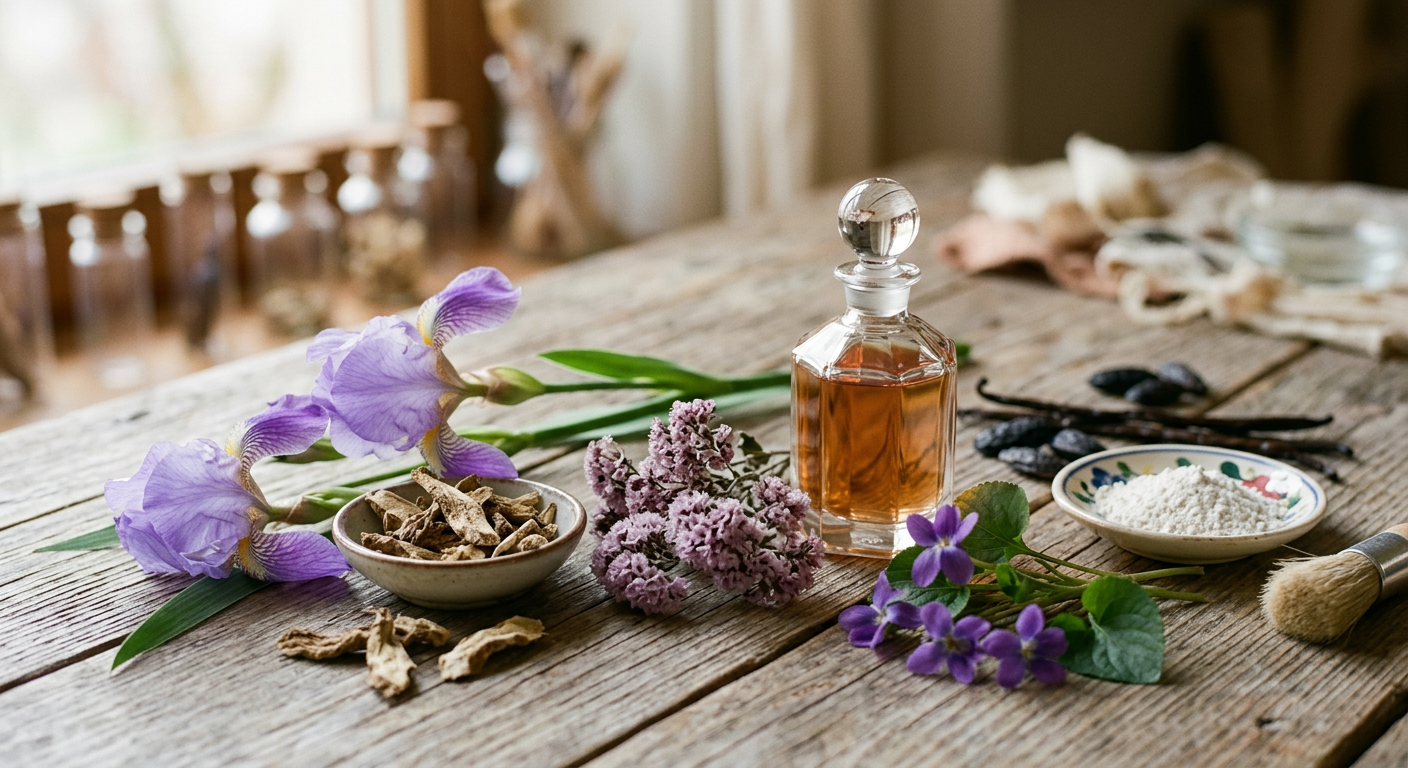
A powdery scent doesn’t come from a single note. According to Buchart Colbert, the powdery effect is a product of blended ingredients, structural choices, and the way a fragrance reacts with your skin.
The foundation usually starts with natural materials: orris (iris root), violet, heliotrope, and certain florals. Those create the soft, velvety impression people describe as “powder room” or “clean laundry.” Naturals alone rarely last, though.
The Role of Synthetics
Modern perfumery leans on synthetic compounds to perfect and extend the powdery effect. The key players:
- Ionones and methyl ionone mimic violet and iris tones
- Ambroxan and Cetalox add musky-amber longevity
- Aldehydes deliver that classic, slightly soapy powder quality
- Synthetic musks soften and diffuse the whole composition
This mix of natural and synthetic is why powdery perfumes feel timeless but still wearable. CA Perfume points out that Guerlain’s L’Heure Bleue originally relied on natural orris, while today’s reformulations use a blend of natural and synthetic materials for consistency and sustainability.
Powdery Isn’t a Fragrance Family — It’s a Feeling
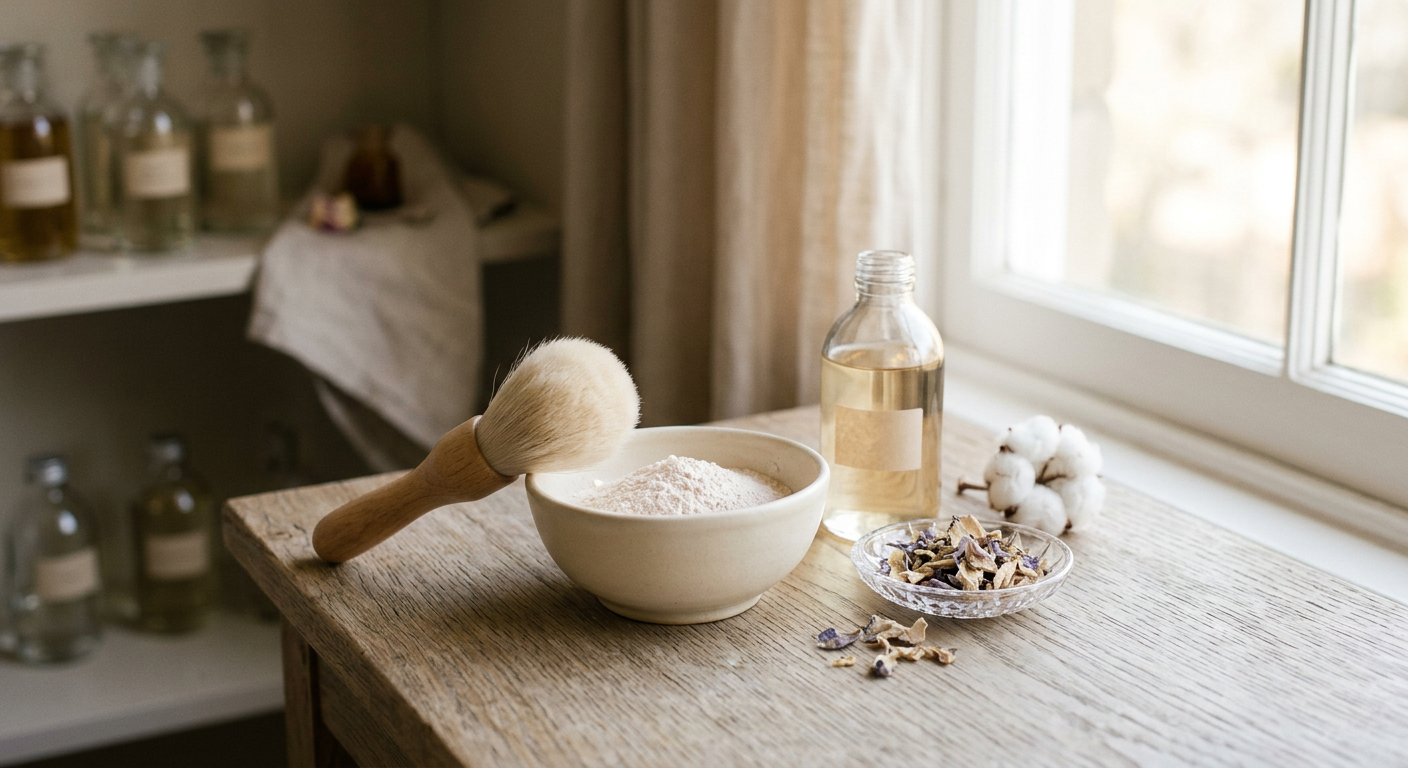
Powdery isn’t technically a fragrance family. As Emotional Fragrance Design explains, it doesn’t sit alongside floral, woody, or oriental in the traditional sense.
Powdery is a texture and a mood layered across many families. You can have a powdery floral, a powdery amber, or a powdery musk. The common thread is a soft, diffused, comforting quality, not a specific ingredient.
That emotional core explains the comeback. Perfume isn’t only about smelling good; it’s about feeling something. Powdery scents reach memory and comfort more directly than sharp synthetic gourmands or aggressive fresh scents. They feel like a warm embrace, which lands well in a culture leaning into wellness and emotional grounding.
Three Reasons Gen Z Is Falling for Powdery Scents
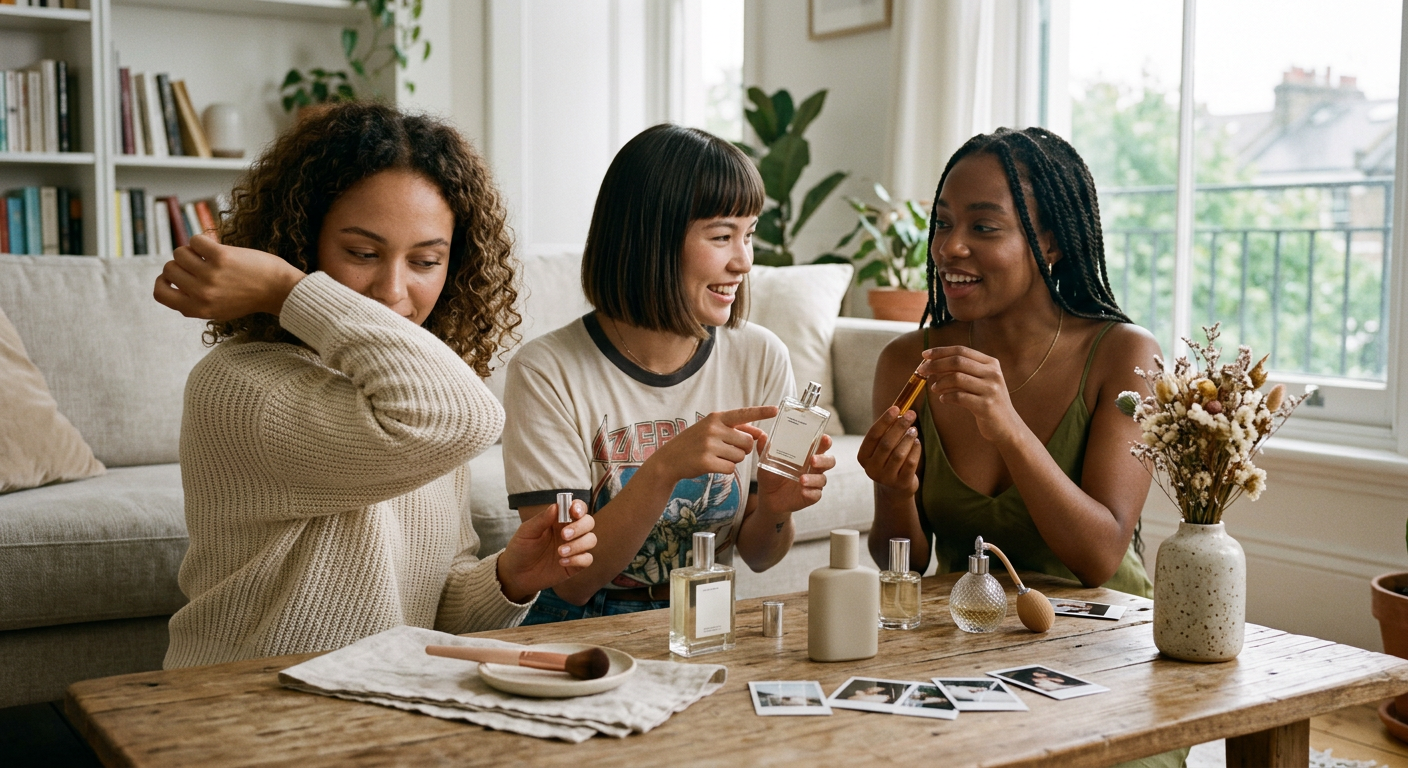
The group driving this revival isn’t nostalgic older buyers. It’s Gen Z, a generation reshaping the entire fragrance market. Their motivations explain why powdery perfumes are more than a passing trend.
Nostalgia as a Status Signal
Gen Z has reframed “grandma perfumes” as cool. Wearing a classic powdery scent signals taste and confidence, a deliberate step away from loud mainstream releases. Yesterday’s scents now define what’s current.
Aesthetic-Driven Discovery
Gen Z fragrance research shows that discovery has become more visual and social. Soft, elegant powdery scents pair naturally with the muted “quiet luxury” aesthetics dominating social feeds. The scent matches the mood board.
Layering and Experimentation
Body mists and lighter formats have become staples in the Gen Z fragrance wardrobe because they invite layering. Powdery scents make excellent layering agents, softening sharper fragrances and adding a comforting base without taking over a composition.
Lessons from Iconic Powdery Perfumes
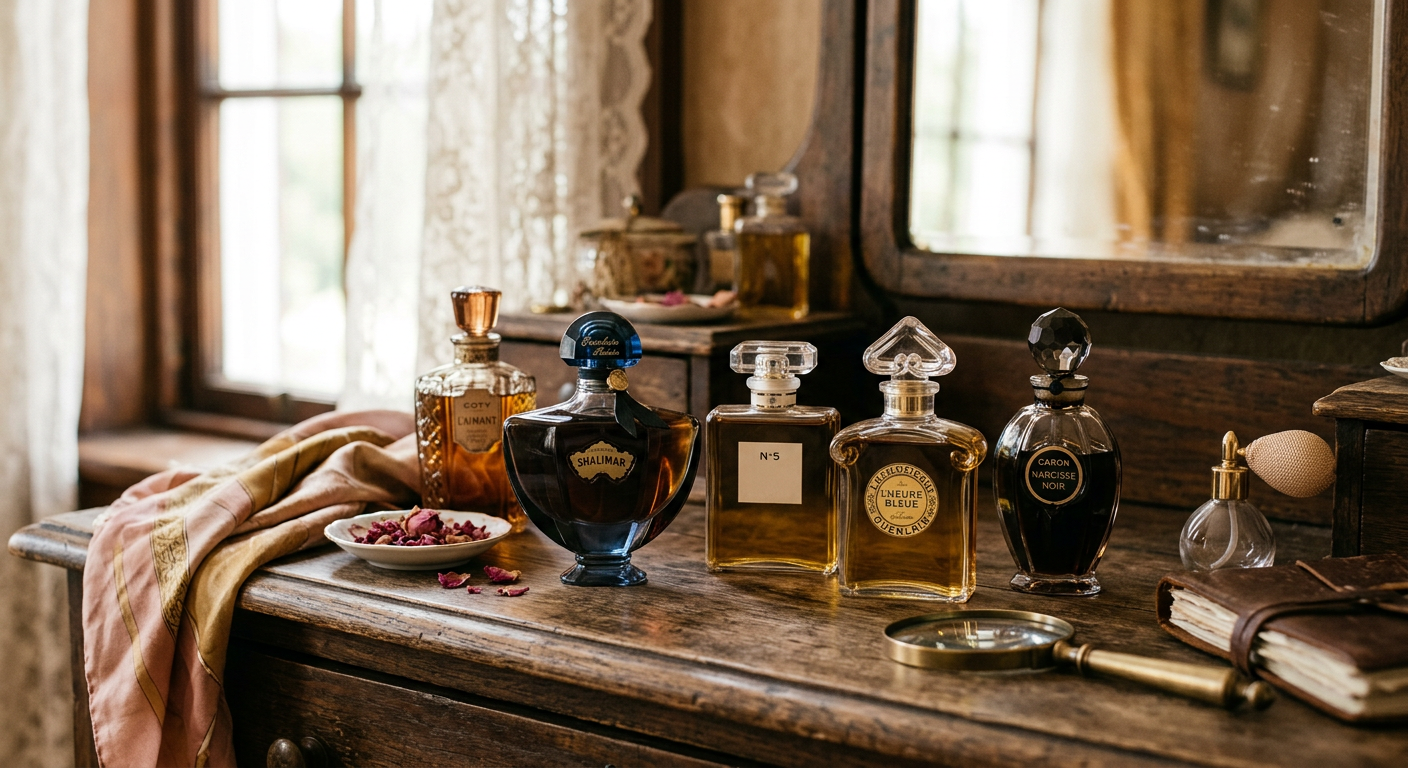
The best way to understand the category is to study the icons. These fragrances defined powdery perfumery and still shape modern releases.
| Perfume | Year | Powdery Signature |
|---|---|---|
| Guerlain L’Heure Bleue | 1912 | Orris, heliotrope, soft floral warmth |
| Chanel No. 5 | 1921 | Aldehydes, iris, musk |
| Narciso Rodriguez for Her | 2003 | Synthetic musks, soft powdery drydown |
| Prada Infusion d’Iris | 2007 | Modern iris and ionones |
What they share is restraint. None of them shout. They rely on the diffused, skin-close quality that makes powdery scents feel intimate rather than announced.
Modern brands are studying these blueprints. CRA-YON blends traditional powdery notes with contemporary elements, aiming for fragrances that feel individual rather than retro. The goal isn’t to recreate 1912. It’s to translate that softness for a modern wardrobe.
How Powdery Fits Into 2026 Fragrance Trends
The powdery comeback isn’t happening in isolation. It lines up with several broader shifts defining the 2026 market.
Format innovation is a major driver. Vogue reports that brands are blurring the line between perfume, skincare, and body care, creating milky, soft-textured products that leave a subtle lingering scent. Powdery profiles fit these hybrid formats well, since both prioritize softness and comfort over projection.
Portability matters too. Qogita reports that search interest in solid perfumes jumped 174.6%, with the global solid perfume market valued around $1.76 billion. Powdery scents translate well into solid and balm formats, where a gentle, close-to-skin profile is an advantage rather than a limitation.
The common thread is intimacy. More consumers want scents that feel personal and comforting rather than performative. Powdery fragrances deliver exactly that, which positions them for continued growth.
How to Choose and Wear a Powdery Perfume
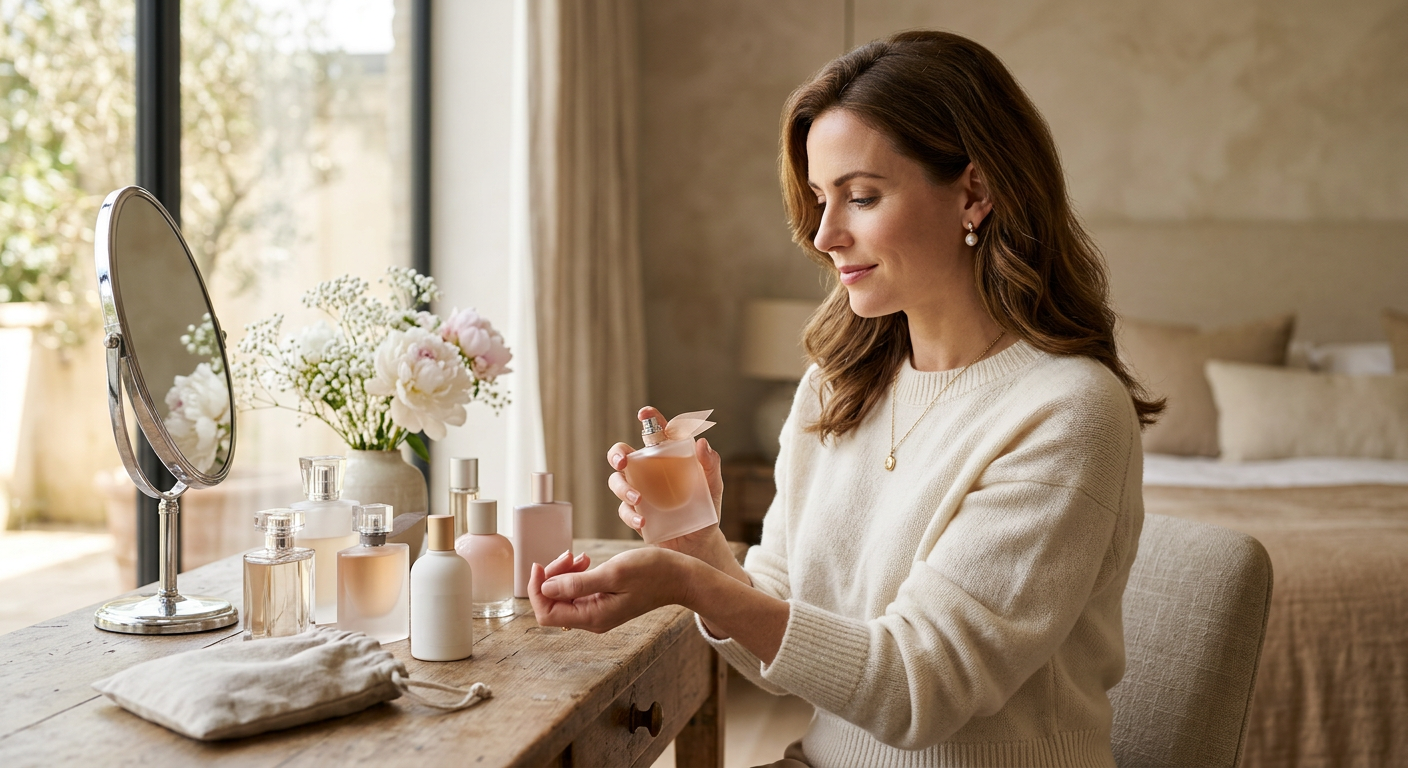
Finding the right powdery scent takes some strategy, because the category spans everything from soapy-clean to warm and sensual.
Match the Powder to the Mood
Start by figuring out which kind of powdery you’re after:
- Clean and soapy — aldehyde-forward scents like Chanel No. 5
- Soft and floral — iris, violet, and heliotrope
- Warm and musky — ambroxan and synthetic musk drydowns
- Sweet and comforting — heliotrope and vanilla-adjacent blends
Test on Skin, Not Paper
Powdery notes react strongly with individual skin chemistry. Buchart Colbert notes that a perfume can read powdery on one person and turn into something else on another. Test a powdery scent on your skin and wait for the drydown before you decide.
Layer for Depth
Use a light powdery body mist or lotion under your main fragrance to soften and extend it. This layering approach, popular with Gen Z, lets you dial the powdery intensity up or down without committing to a single bottle.
Conclusion
Powdery perfumes have shed their “outdated” reputation and re-emerged as one of the more compelling fragrance categories of 2026. They aren’t a single note or even a fragrance family. They’re an emotional texture built from orris, violet, aldehydes, and modern synthetic musks. Gen Z has embraced them for their nostalgia, aesthetic fit, and layering potential, while the move toward soft-textured and solid formats gives the category even more room to grow.
If you’ve written powdery scents off as old-fashioned, revisit them. Start with a discovery set, test a few classics like Prada Infusion d’Iris or a modern powdery blend on your skin, and pay attention to the drydown. Your next signature scent might come from the category you expected least.
Frequently Asked Questions
Q: What does a powdery perfume smell like?
A powdery perfume smells soft, comforting, and slightly diffused, often described as “clean laundry” or “powder room.” It usually comes from iris, violet, heliotrope, aldehydes, and musks rather than any single ingredient.
Q: Are powdery perfumes only for older people?
No. Powdery scents were once tied to older generations, but Gen Z has made them aspirational. Classic powdery fragrances now signal refined taste across all age groups.
Q: What is the most famous powdery perfume?
Chanel No. 5 (1921) is probably the most iconic powdery perfume, built on aldehydes, iris, and musk. Guerlain’s L’Heure Bleue (1912) is another defining classic in the category.
Q: Why does a powdery perfume smell different on me than on others?
Powdery notes react strongly with individual skin chemistry, so the same fragrance can shift depending on your skin’s pH, oils, and warmth. That’s why testing on skin, rather than paper, is essential.
Q: How do I make a powdery perfume last longer?
Choose formulas with musky-amber synthetics like ambroxan or Cetalox, and layer with a matching body lotion or mist. Applying to moisturized skin also helps the scent hold.
Q: Can powdery perfumes be worn in warm weather?
Yes, especially lighter iris and violet-based versions. Their soft, close-to-skin profile stays comfortable in heat, unlike heavier fragrances that can turn overpowering.