

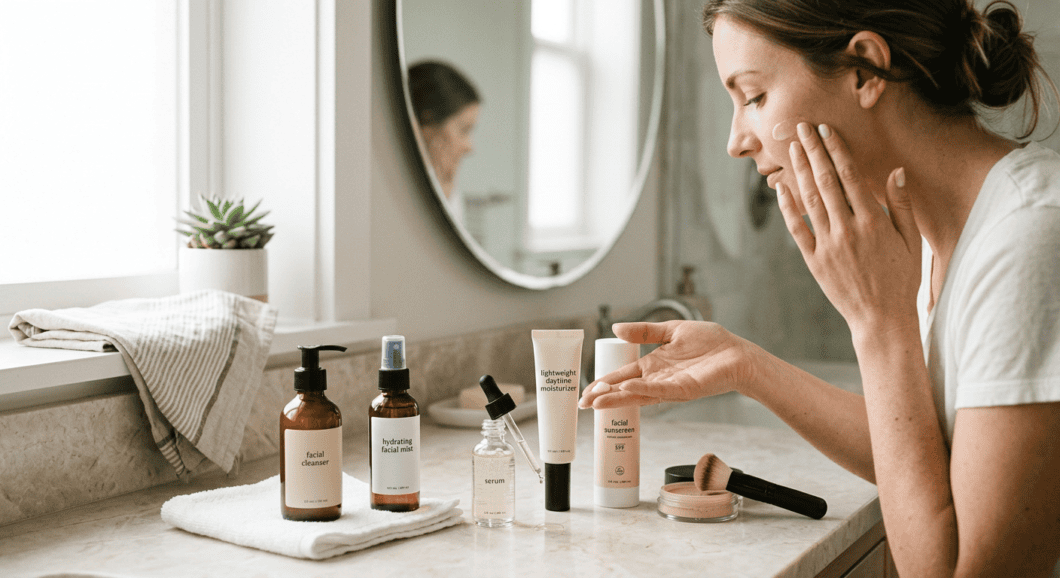
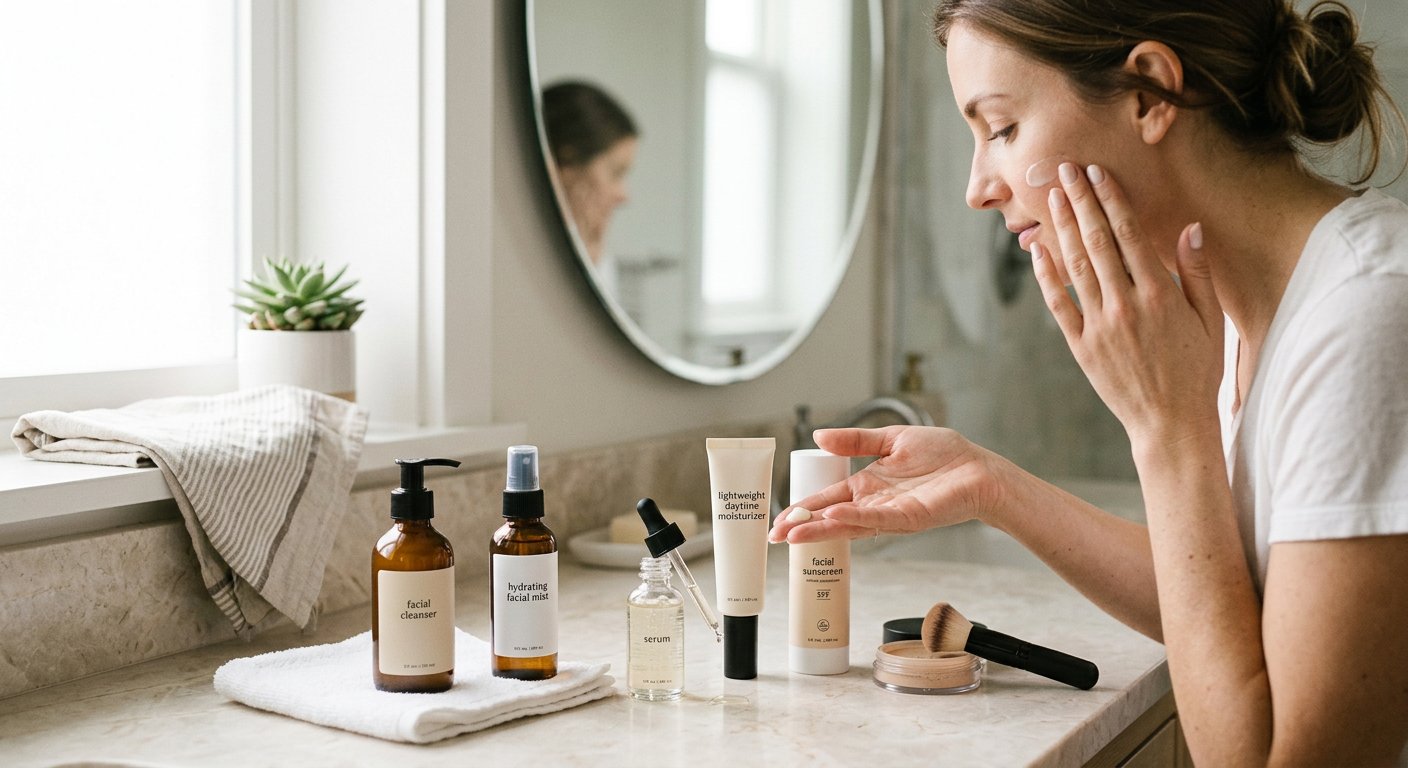
Your foundation pills by lunch, so you blame the makeup. Usually the problem started earlier, with the order you applied everything underneath it. Skincare and beauty products only work if they can reach the skin, and sequence decides whether they can. A watery serum sitting on top of a rich cream doesn’t stand a chance. Get the layering right and the whole routine speeds up, works better, and stops fighting you at 7 a.m.
One rule holds it all together: go from the lightest texture to the richest. Below is the full sequence, the reasoning for each step, and a few ways to shave it down to five minutes.
Why the Order of Your Routine Actually Matters
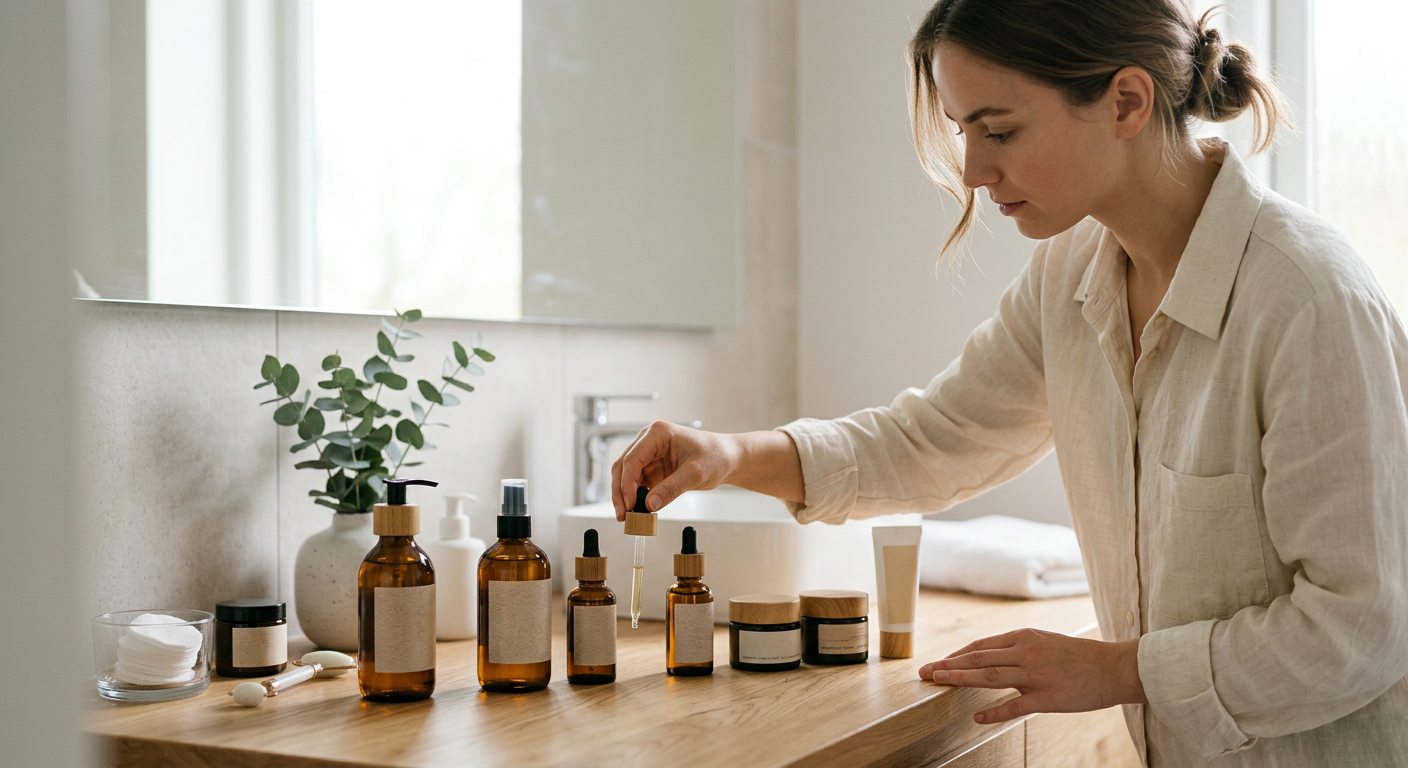
The sequence isn’t arbitrary. Healthline points out that skincare products have to penetrate the skin to do anything, and a rich cream applied too early forms a barrier that blocks the thinner formula behind it.
Clothing is the easy comparison. Thin shirt, then thick jacket, not the reverse. Water-based formulas absorb fast, so they go first. Heavier creams and oils come last and seal in whatever is underneath.
Morning and evening routines do different jobs. Healthline describes AM routines as prevention and protection, while PM routines repair the day’s damage. Your morning lineup should lean on hydration and defense against UV and pollution, not the heavy repair products meant to work while you sleep.
The Correct Beauty Layering Order, Step by Step
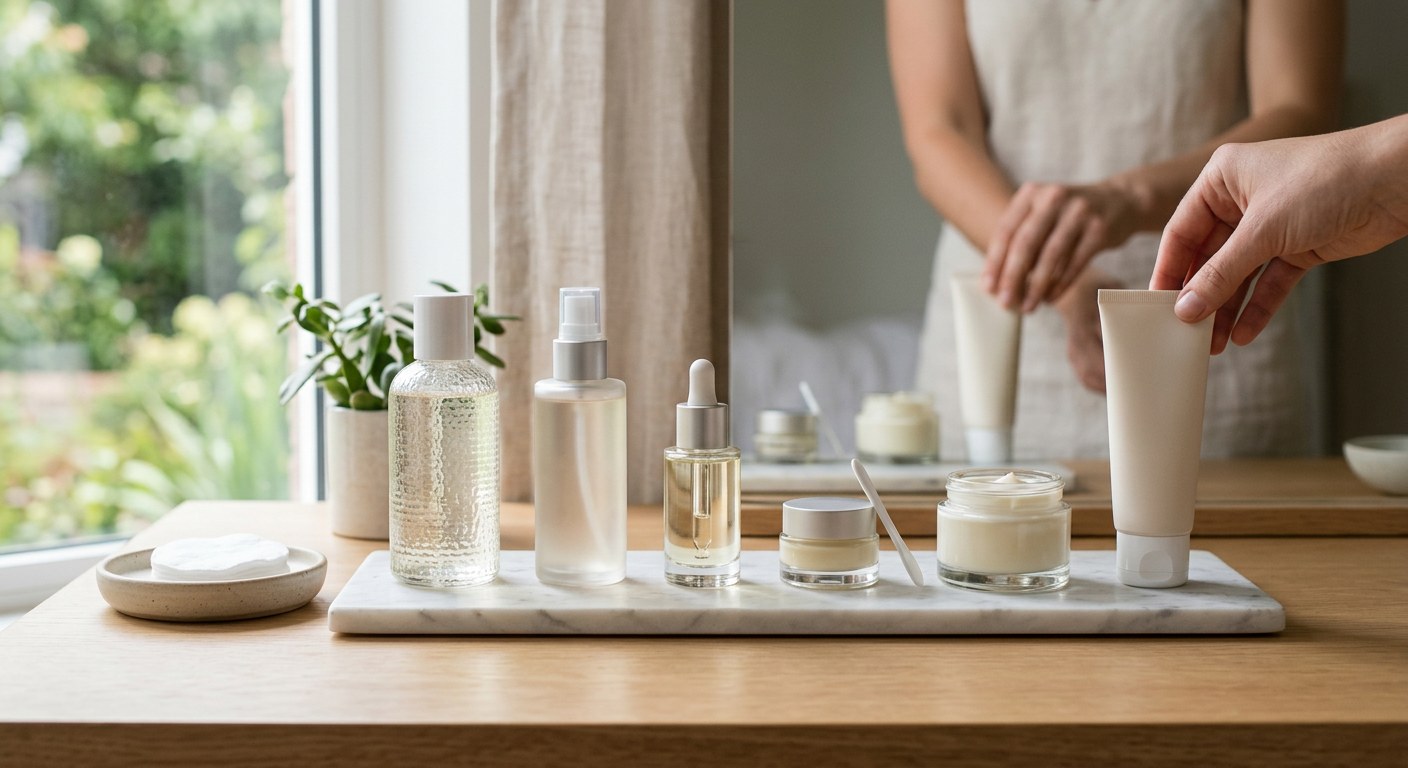
This is the sequence recommended by dermatologists and by brands like Clarins and Estée Lauder. Work down the list and you’ll stop second-guessing what comes next.
| Step | Product | Why It Goes Here |
|---|---|---|
| 1 | Cleanser | Removes overnight buildup and preps skin to absorb everything else |
| 2 | Toner or essence | Balances skin and adds a first layer of light hydration |
| 3 | Targeted treatment | Addresses specific concerns before heavier layers seal them in |
| 4 | Eye cream | Thin-to-thick logic; protects the delicate eye area |
| 5 | Serum | Delivers concentrated actives like vitamin C or hyaluronic acid |
| 6 | Moisturizer | Locks in hydration and the layers beneath it |
| 7 | Sunscreen (SPF) | The final, non-negotiable defense step |
Texture runs through every step. Lightest first, richest last. Follow that and no product gets blocked by the one before it.
Where Makeup Fits In
Makeup goes on after skincare and after sunscreen, with no exceptions. Let your SPF settle for a minute or two, then move on to foundation, concealer, and everything else. Layering makeup onto still-wet sunscreen is one of the main reasons foundation pills and goes patchy.
Cleanse and Tone: The Foundation of Every Layer
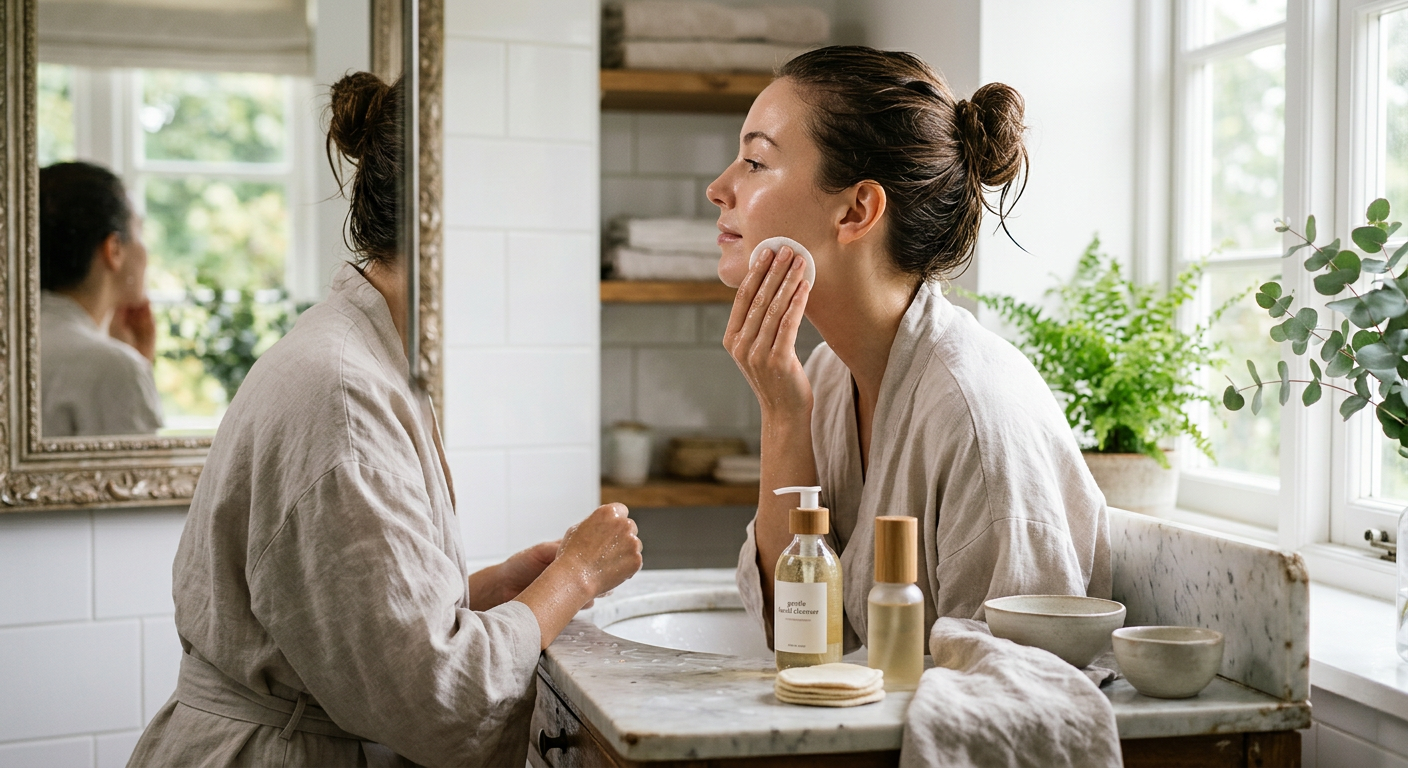
Cleansing is the step most people are tempted to skip, and it sets up everything after it. As Code 8 Beauty explains, cleansing clears dirt, grime, and dead skin cells and readies the skin to take in the rest of your products.
Reach for a gentle formula in the morning. Milky, cream, oil, or gel cleansers lift overnight buildup without stripping the skin. A harsh foaming cleanser leaves skin tight and reactive, which undercuts the hydration you’re about to apply.
Toner comes next as a lightweight balancing step. Not everyone needs one, but if you use it, apply it straight after cleansing while your skin is still slightly damp. That primes the surface so serums and treatments sink in better.
Serums, Eye Cream, and Treatments: The Active Middle
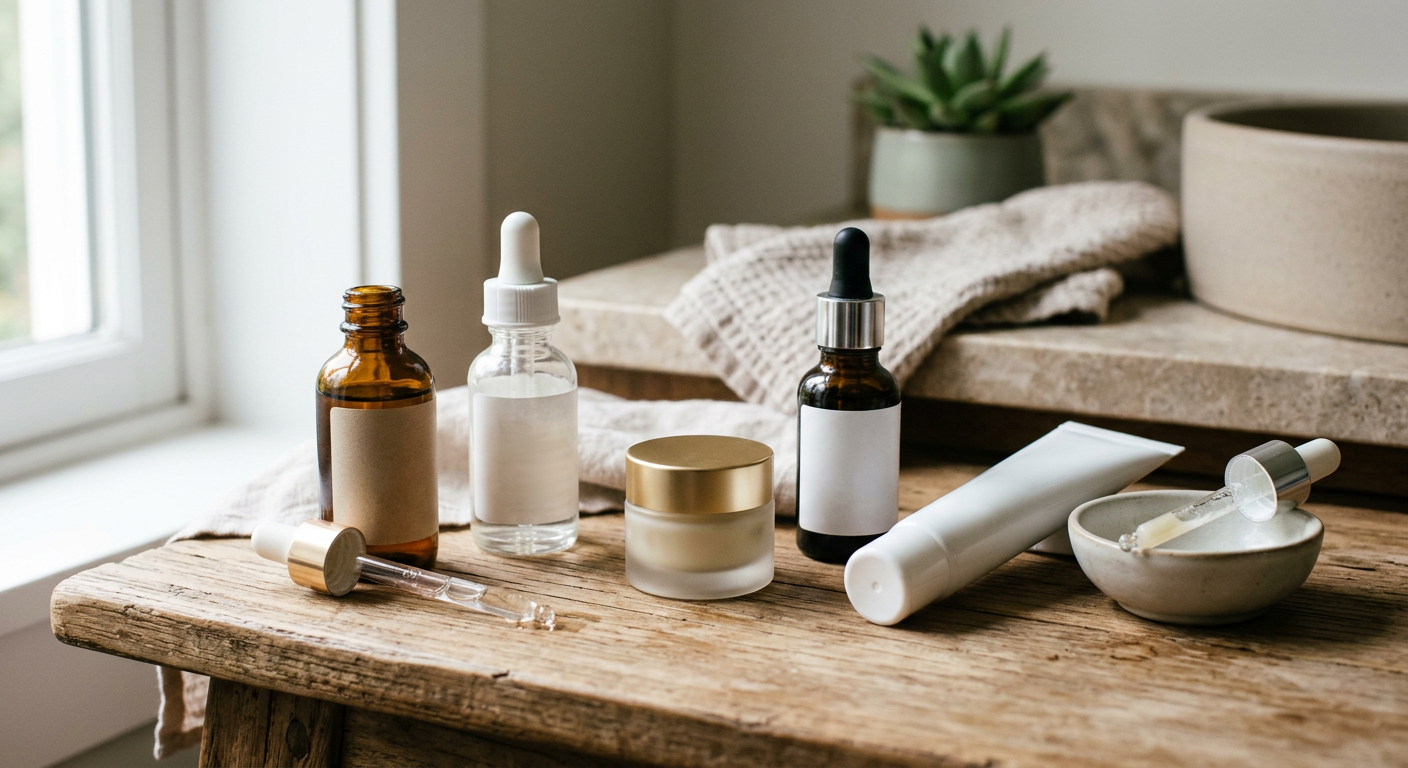
The middle of the routine does the heavy lifting. These layers carry the concentrated ingredients that treat dullness, fine lines, and dehydration.
Eye Cream Before Serum
Origins places eye cream after toner and serum in some routines, but texture is the deciding factor. Thinner products go on first so they absorb before the thicker ones. A light eye cream goes before your serum; a richer one goes after.
Serums Do the Concentrated Work
Morning serums tend to feature antioxidants like vitamin C, which help defend against UV and pollution, or hydrators like hyaluronic acid. Apply serum to clean, slightly damp skin and give it 30 to 60 seconds to absorb before the next layer. Estée Lauder makes the same point: leave time between layers for better absorption and performance.
Keep conflicting actives apart. Strong exfoliating acids and retinoids belong in the evening. Antioxidants and hydrators suit the morning’s protective focus.
Moisturizer and SPF: Sealing and Defending
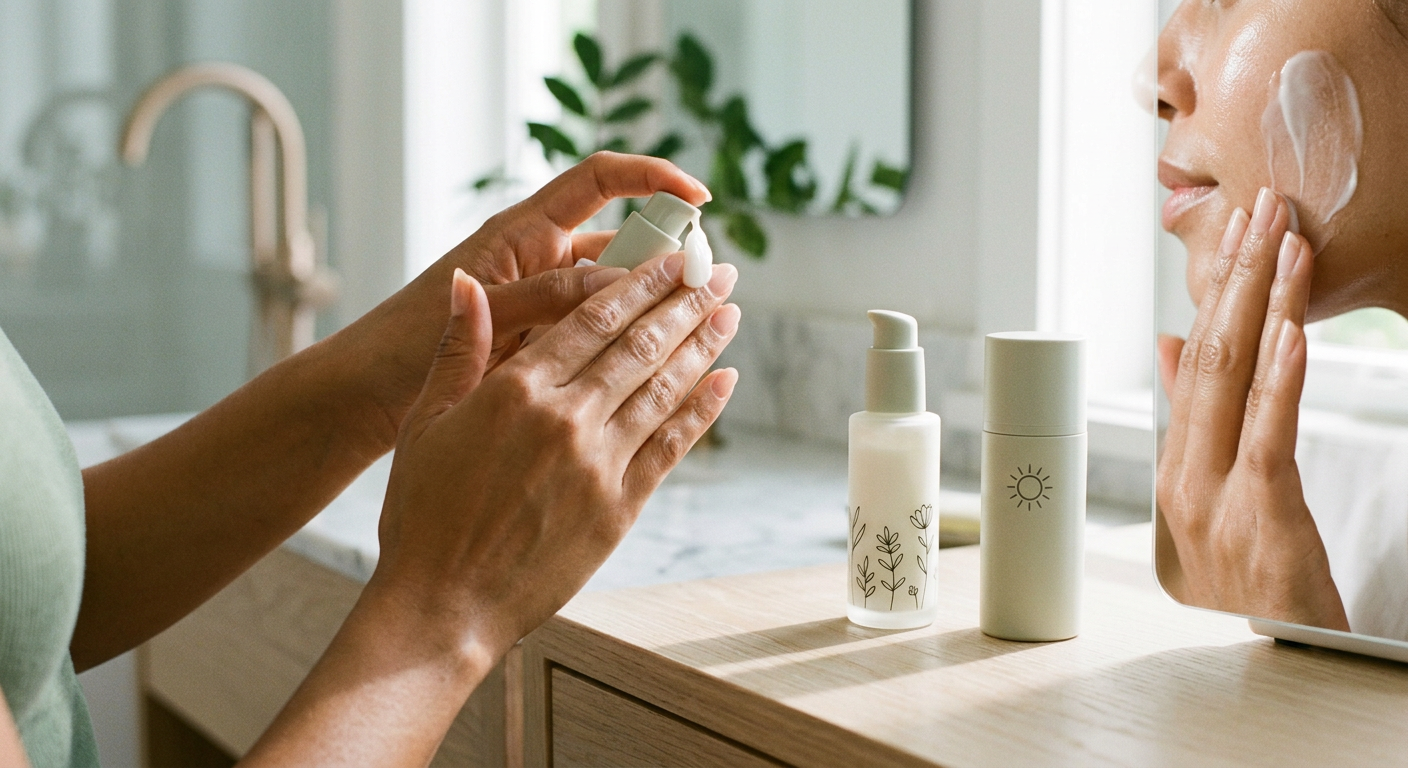
Moisturizer is the seal. It locks in every layer beneath it and shores up your skin barrier for the day. Oily skin needs it too; the formula is what changes.
Clarins notes that even oily skin can feel more comfortable and balanced with a moisturizer. The fix is choosing a lightweight emulsion or fluid rather than a heavy cream. Match the texture to your skin type and you avoid the greasy, clogged feeling.
SPF Is Non-Negotiable
Sunscreen is the last skincare step, applied after everything else and before makeup. In a 2026 breakdown of science-backed skincare, a board-certified dermatologist recommends a minimum of SPF 30, broad spectrum, as the final morning step.
Chemical or mineral matters far less than showing up every day. SPF 30 or higher, broad spectrum, and you’re covered. UV exposure is the single biggest controllable factor in premature skin aging, which makes this the highest-return two seconds of your morning.
Shortcuts to Make Your Morning Routine Faster

Ten products aren’t the point. A short, correctly ordered routine beats a long, jumbled one every time.
A few time-savers:
- Combine steps. A vitamin C serum plus a moisturizer with SPF turns three steps into two.
- Apply to damp skin. Damp skin absorbs serums faster, so you wait less.
- Keep a minimalist core. Cleanser, moisturizer, and SPF cover the essentials on your busiest mornings.
- Prep the night before. Line the products up in order on the counter so you’re not rummaging at 7 a.m.
Perfection isn’t the goal. Aim for a repeatable sequence you can run half-asleep.
Key Takeaways and Your Next Step
The beauty layering order comes down to one rule you can remember half-awake: lightest to richest, always finishing with SPF. Cleanse, tone, treat, apply eye cream and serum, moisturize, then protect with sunscreen. Makeup only goes on once the skincare has settled.
Follow that and your actives absorb, your hydration stays put, and your protection holds all day. It also takes the daily guesswork out of getting ready.
Line your products up in order tonight. Run through the sequence once tomorrow, and it’ll feel smoother, smooth enough that you stop thinking about it within a week.
Frequently Asked Questions
Q: What is the correct order to apply beauty products in the morning?
Apply products from lightest to richest texture: cleanser, toner, targeted treatment, eye cream, serum, moisturizer, and sunscreen. Makeup always comes last, after your sunscreen has settled.
Q: Does the order of skincare products really matter?
Yes. Products need to penetrate the skin to work, and applying heavier formulas before lighter ones blocks absorption. Following the correct order maximizes the effectiveness of every product.
Q: Should I apply serum or moisturizer first?
Serum goes first because it’s thinner and carries concentrated actives that need to absorb into the skin. Moisturizer follows to seal in the serum and lock in hydration.
Q: Do I need moisturizer if I have oily skin?
Yes. Oily skin still needs hydration to stay balanced. Choose a lightweight emulsion or fluid texture instead of a heavy cream to avoid a greasy feel.
Q: When should I apply sunscreen in my routine?
Sunscreen is the final skincare step, applied after everything else but before makeup. Use a broad-spectrum formula with at least SPF 30 every morning.
Q: How long should I wait between skincare layers?
Allow roughly 30 to 60 seconds between layers so each product can absorb. This waiting time improves performance and helps prevent pilling under makeup.