

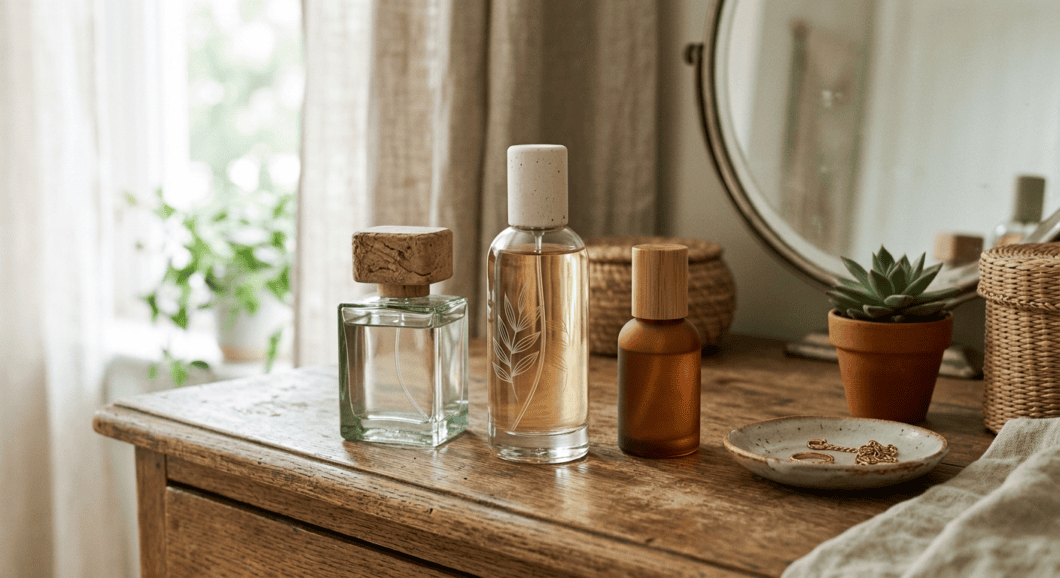
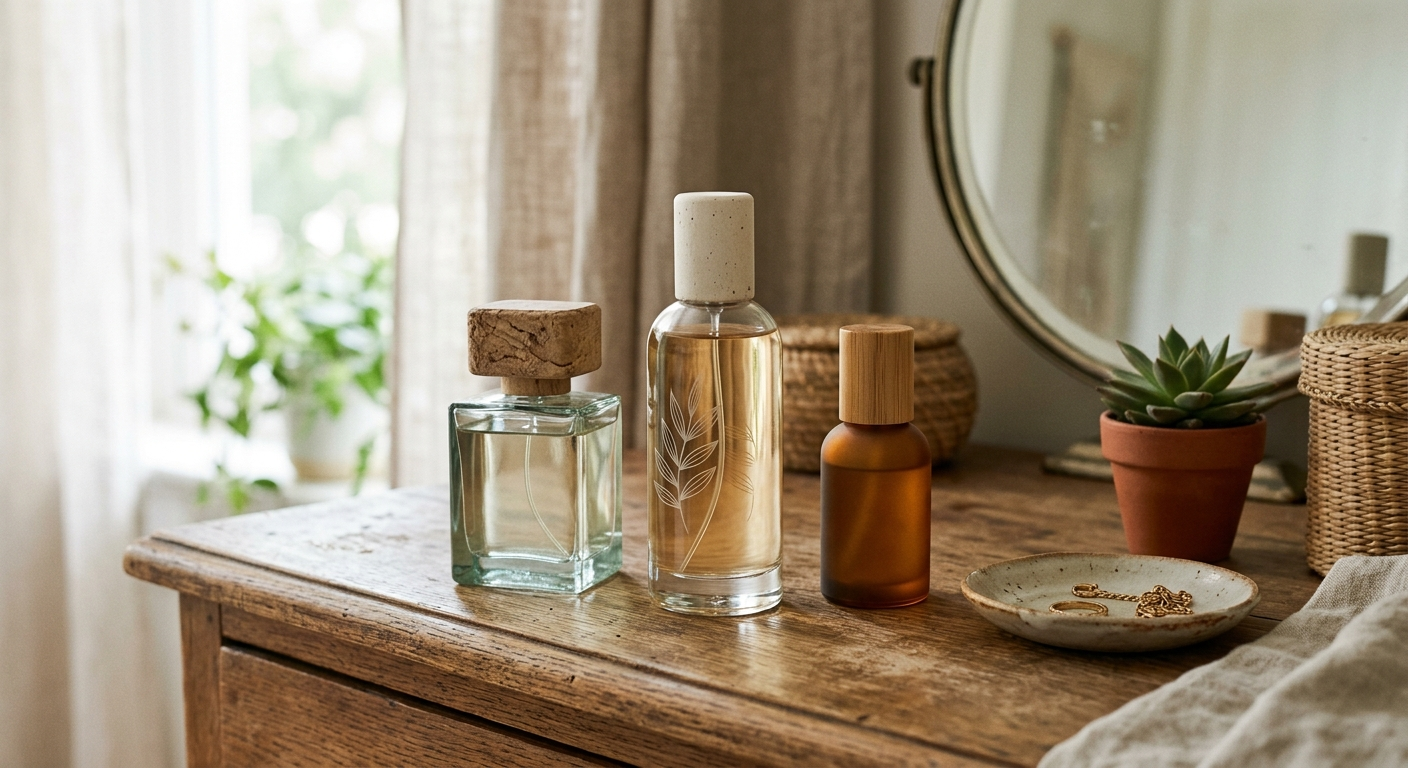
The perfume bottle on your dresser probably looks great. It also arrived wrapped in more disposable material than the fragrance inside it. Packaging has long been the part of the industry nobody wanted to discuss: glass, plastic, cellophane, and coated cardboard, most of it destined for landfill. That is changing. Brands are showing that a bottle can feel expensive and still be recoverable, and buyers are pushing them to move faster. Safic-Alcan reports that 59% of luxury buyers now prefer refillable packaging, and more than half will pay a premium for recycled or renewable materials.
Why Fragrance Packaging Became a Sustainability Problem
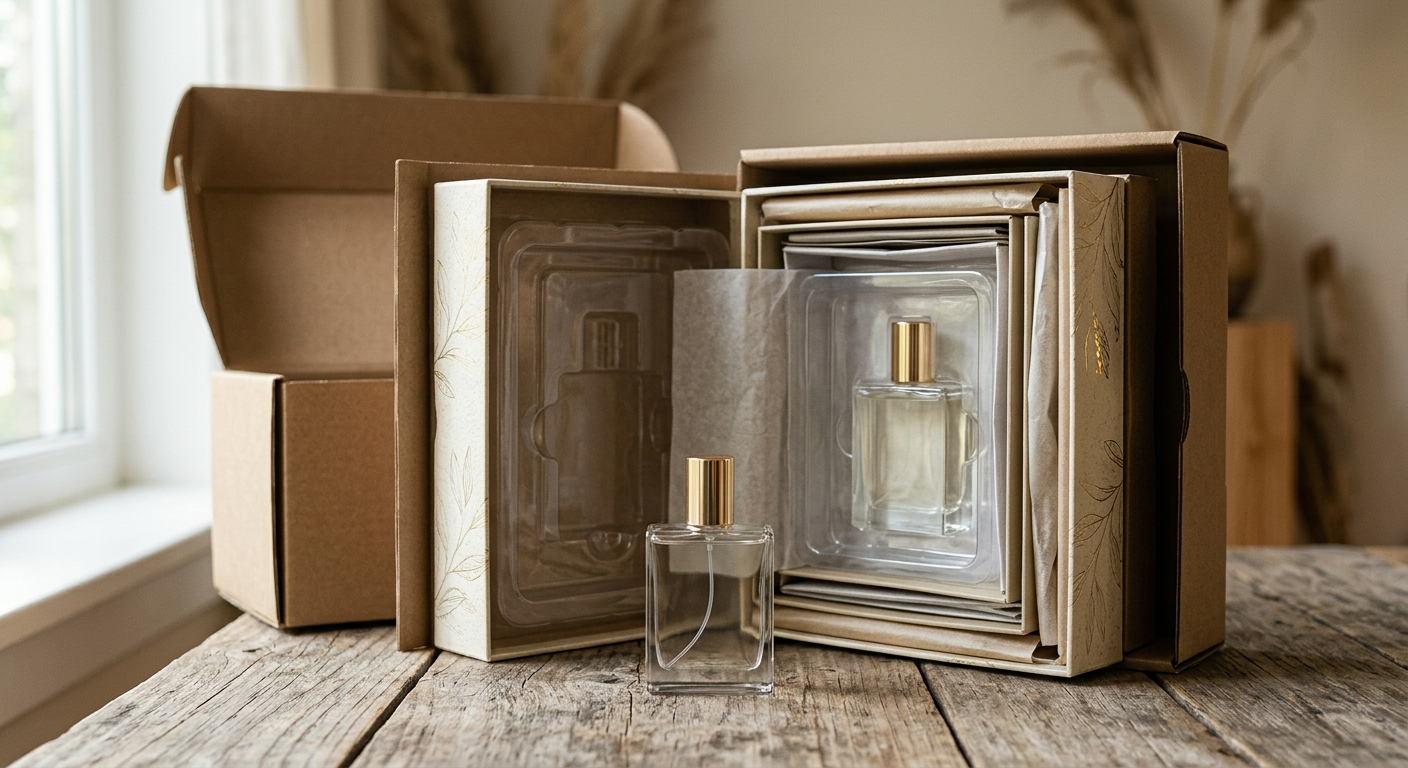
Perfume ranks among the most over-packaged products in beauty. A single bottle usually ships inside a plastic film, seated in a molded insert, boxed in coated cardboard, and topped with a metal-plated cap. Most of that material never reaches a recycling stream.
The scale is large. The global sustainable packaging market sits between USD 325 and 400 billion in 2026, with a projected 5% to 8% CAGR through 2031, according to EcoPackables. That growth comes from two directions at once: buyers demanding better, and regulators tightening rules across the US and EU.
Vague claims no longer pass. New requirements on recyclability, recycled content, and extended producer responsibility mean fragrance brands have to redesign packaging, not just print a new label on the old version. The category is rethinking how a bottle gets made, used, and recovered.
What Makes Fragrance Packaging Truly Sustainable
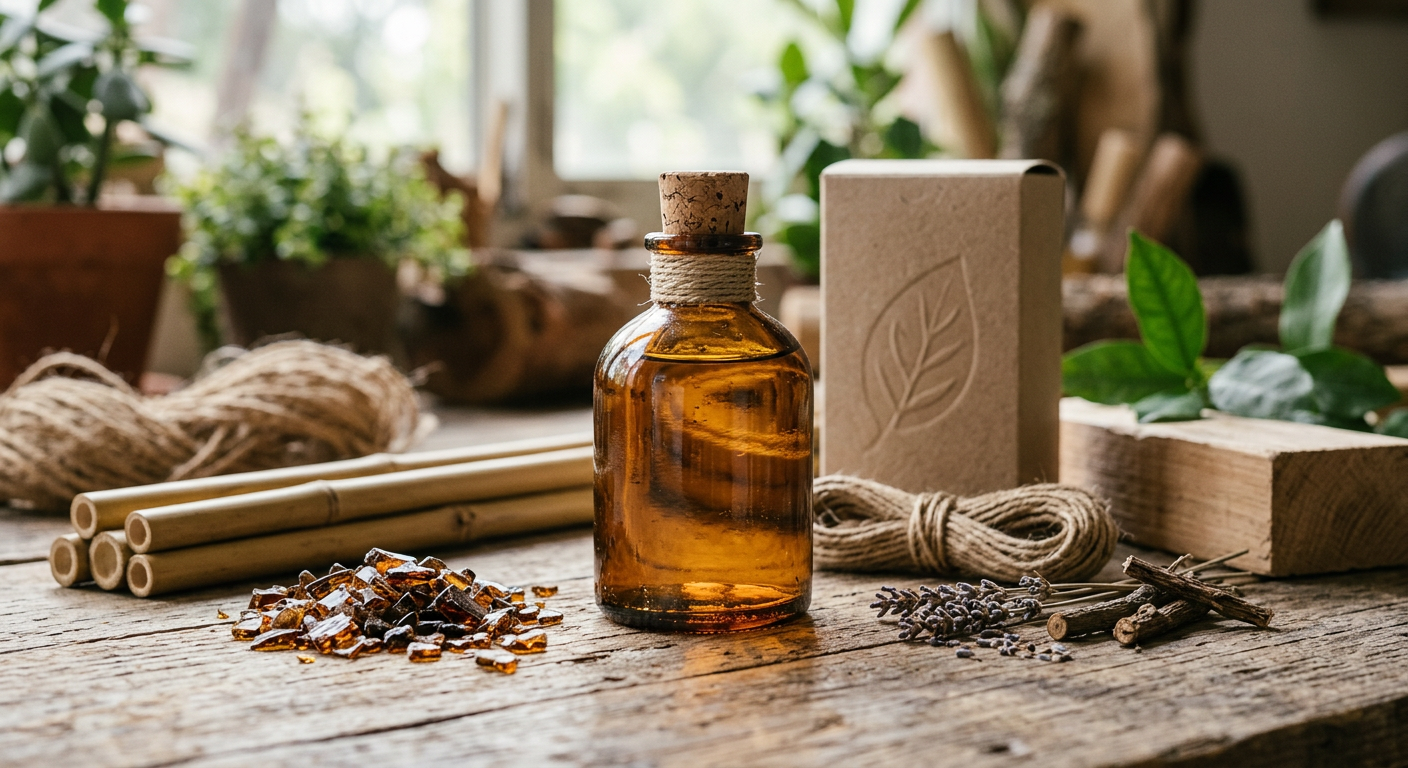
One green feature does not make a package sustainable. A bottle can be blown from recycled glass and still fail if its cap and pump are unrecyclable composites glued together. What counts is the full lifecycle, from where the raw material comes from to what happens when the bottle is empty.
This maps onto three of the UN Sustainable Development Goals: SDG 12 (Responsible Consumption), SDG 13 (Climate Action), and SDG 14 (Life Below Water), as documented in research on ScienceDirect. In practice that means less waste, lower carbon emissions, and fewer plastics ending up in the ocean.
The Core Criteria to Look For
To judge whether packaging is actually sustainable, check for these signals:
- Refillability: The primary bottle is built to be reused, not thrown away.
- Recycled or renewable content: Glass, aluminum, or bio-based polymers replace virgin plastic.
- Mono-material design: Components use a single, easily separable material so recycling works.
- Minimal secondary packaging: Fewer layers, no unnecessary films or inserts.
- End-of-life recovery: Take-back or recycling programs actually exist.
A product that hits most of these is a real improvement rather than a marketing gesture.
The Materials Redefining Luxury Bottles
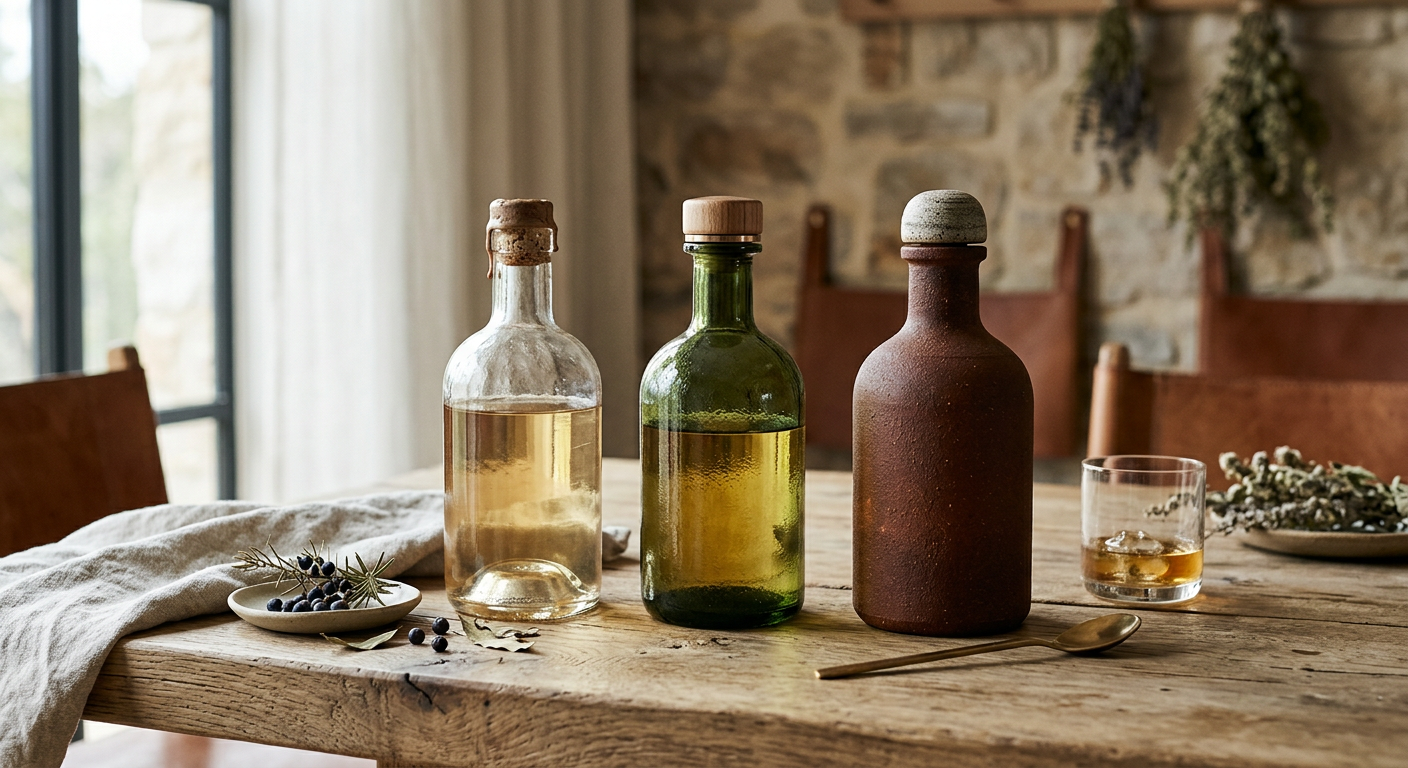
For years, going eco meant accepting a downgrade: rougher textures, cloudier glass, a cheaper feel in the hand. The newest materials close that gap. Bio-based and circular ionomers now match the weight, clarity, and tactile quality that luxury buyers expect, at far lower environmental cost.
Bio-based packaging is among the fastest-growing solutions in the space. Materials made from renewable feedstocks, including sources as unlikely as used cooking oil, now show up in caps, closures, and outer components without sacrificing premium aesthetics. Recycled glass and post-consumer aluminum are becoming standard for bottles and cases too.
Material-First Differentiation
Packaging designers are treating the material itself as a branding decision. Zenpack’s 2026 trends analysis notes the move away from graphic gimmicks toward tactile, material-based differentiation. Ffern’s mushroom-based mycelium packaging is one example, where the sustainable choice doubles as the design signature.
Biodegradable polymers and compostable fibers widen the palette further. They let a brand stand out on a crowded shelf while meeting circularity requirements, which is one of the rare cases where the marketing team and the sustainability team want the same thing.
Refillable and Circular Systems Take Center Stage
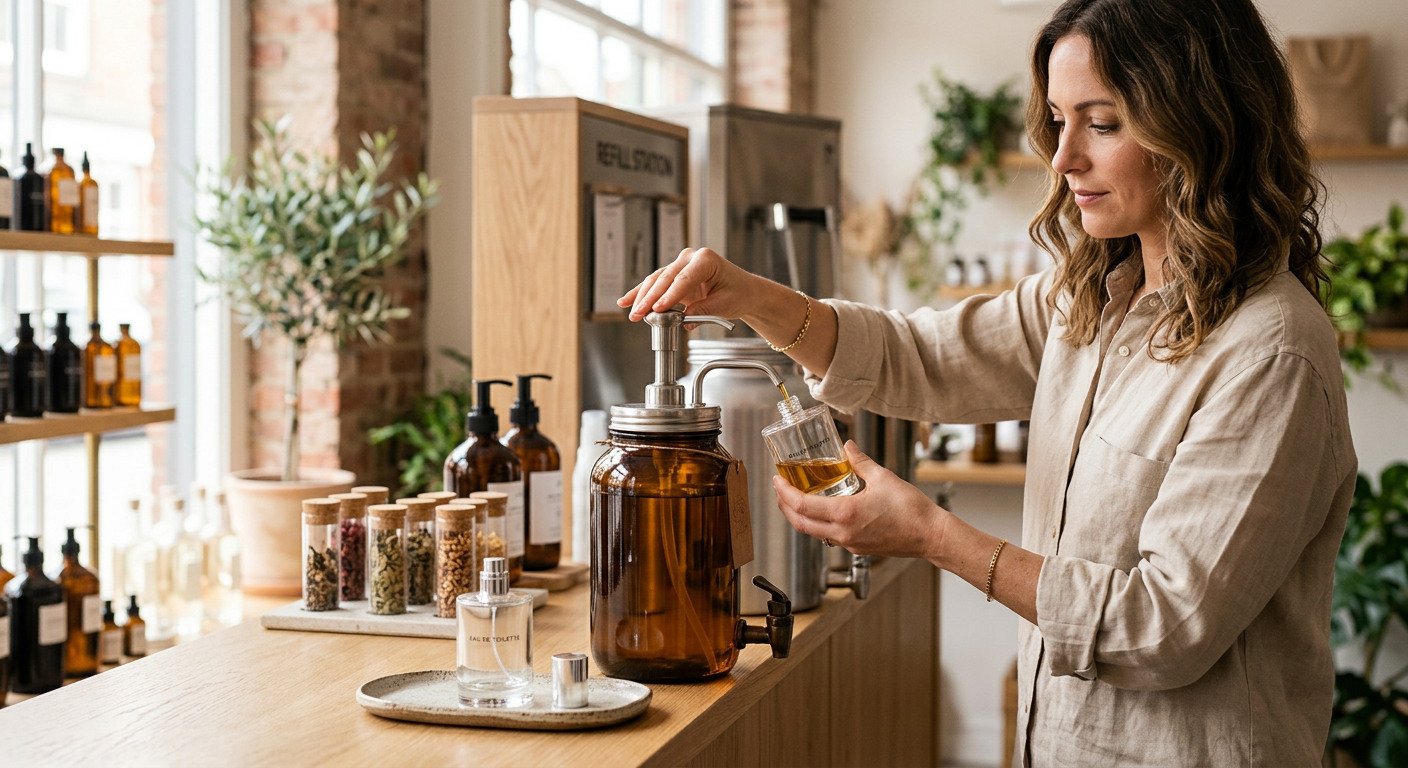
Refillability is the single biggest change in fragrance packaging. Instead of buying a fresh bottle each time, the customer keeps the vessel and buys a cheaper, lower-material refill. Waste drops sharply, and the brand gets a reason for that customer to return.
The economics favor both sides. Refills use less material and ship more efficiently, and they give the brand a recurring revenue relationship instead of a one-off sale. With 59% of luxury buyers already preferring refillable packaging, this is proven demand, not a bet.
Comparing Packaging Approaches
| Approach | Waste Reduction | Luxury Feel | Consumer Cost Over Time |
|---|---|---|---|
| Traditional single-use | None | High | Highest |
| Recycled-material single-use | Moderate | High | High |
| Refillable system | High | High | Lower after first purchase |
| Bio-based + refillable | Highest | High | Lowest |
Pairing bio-based materials with a refillable system wins across every column, which is why it is becoming the reference point for premium sustainable fragrance.
Minimalism and Lightweight Design as Premium Signals
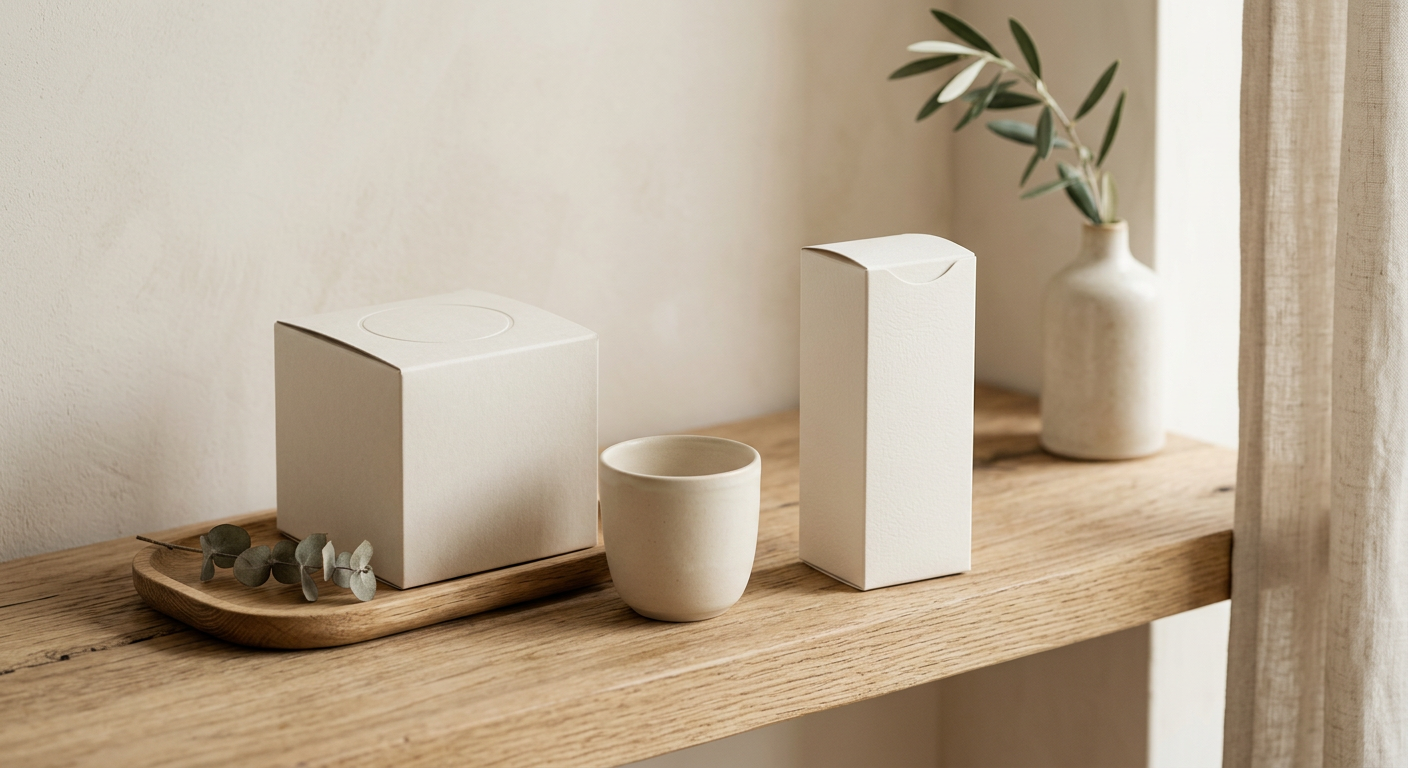
Buyers increasingly read simplicity as a sign of quality. Minimalist packaging uses fewer materials, skips the excess dyes and decorative layers, and leans on clean design. Research Nester points out that simplicity now reads as premium rather than as a corner cut.
Lightweight luxury is the related trend picking up in premium categories. Thinner glass, less metal plating, and streamlined caps cut both shipping emissions and material use. Done well, the customer never notices, but every unit shipped carries a smaller carbon footprint.
The direction is consistent: protect and present the product with the least material possible. Adaptive and smart materials are on the horizon, but for most fragrance brands right now, plain disciplined minimalism delivers the biggest gains.
How Brands Can Make the Transition

Switching to sustainable packaging happens in phases, not overnight. Start with an audit of what you ship today to find the highest-waste components, usually the secondary packaging, plastic films, and composite caps.
Then tackle the changes with the strongest return first. Refillable systems and mono-material redesigns tend to deliver the largest gains on both the environmental and commercial sides. Recycled glass and bio-based closures keep getting more cost-competitive, so the price barrier is smaller than most brands assume.
Be transparent about it. Buyers reward specific, verifiable claims and turn suspicious of vague “eco” language fast. Attach real data to every sustainability statement, whether that is recycled content percentages, refill savings, or certifications. It builds trust and keeps you clear of greenwashing accusations.
Conclusion: The Compromise Era Is Over
Sustainable fragrance packaging is no longer a choice between beauty and responsibility. Bio-based materials, refillable systems, and minimalist design put luxury aesthetics and lower environmental impact into the same object. The market data backs the momentum: a multi-hundred-billion-dollar category growing steadily, driven by buyers who prefer refillables and pay more for renewable materials.
The brands that come out ahead will treat packaging as a core product decision instead of an afterthought. If you run or buy for a fragrance brand, the first steps are concrete: audit your packaging, prioritize refillability and recycled content, and report your progress with hard numbers. Start with refillable and bio-based options, and packaging shifts from a liability to an advantage.
Frequently Asked Questions
Q: What is the most sustainable type of fragrance packaging?
Refillable systems paired with bio-based or recycled materials give you the greatest environmental benefit. They cut waste per use, lower shipping emissions, and keep the primary bottle in circulation for years.
Q: Do sustainable fragrance bottles feel cheaper than traditional ones?
No. Newer materials such as bio-based and circular ionomers, along with recycled glass and aluminum, match the weight, clarity, and tactile quality of conventional luxury packaging.
Q: How big is the sustainable packaging market in 2026?
The global sustainable packaging market sits between USD 325 and 400 billion in 2026, according to EcoPackables, with projected growth of 5% to 8% annually through 2031.
Q: Are consumers actually willing to pay more for sustainable packaging?
Yes. Research cited by Safic-Alcan shows 59% of luxury buyers prefer refillable packaging and more than half will pay more for recycled or renewable materials.
Q: What is bio-based packaging?
Bio-based packaging is made from renewable feedstocks rather than fossil fuels, sometimes from sources as unlikely as used cooking oil. It reduces reliance on virgin plastic while holding onto premium quality.
Q: How can brands avoid greenwashing when marketing sustainable packaging?
Support every claim with specific, verifiable data such as recycled content percentages, certifications, or refill savings. Vague terms like “eco-friendly” with no evidence behind them erode consumer trust.