

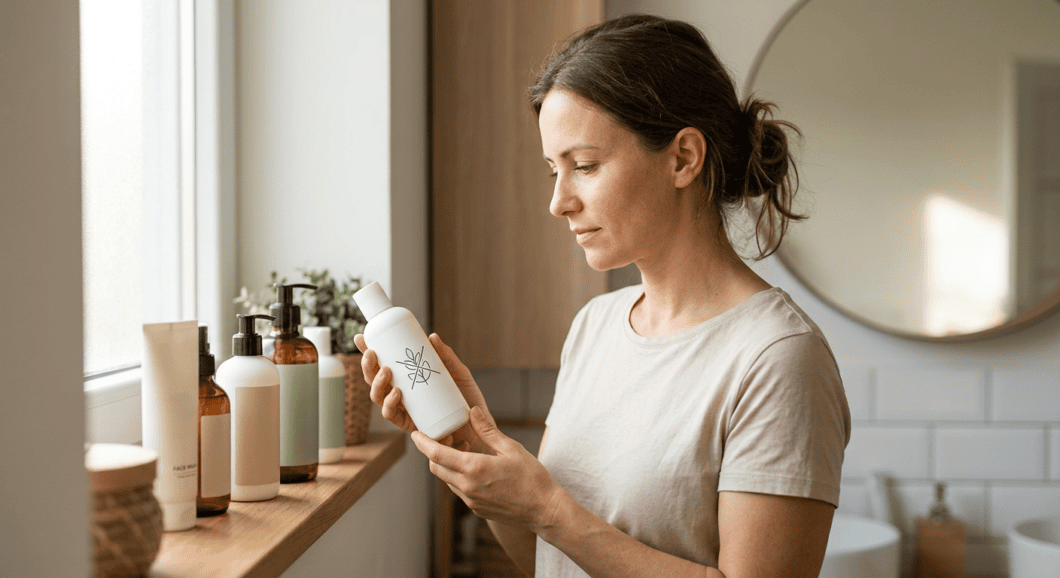
Fragrance-free labels are turning up on products that never used to carry them: face wash, beard oil, aftershave, the lot. Part of it is that people read ingredient lists now. Dermatologists have also spent years steering sensitive-skin patients toward gentler formulas, and that advice has finally reached the mainstream. The men’s grooming market is projected to grow from $74.39 billion in 2025 to $79.31 billion in 2026, and fragrance-free products are taking a real slice of that growth.
Three things are pushing the trend: skin science, changing consumer priorities, and the wider demand for transparency in what goes on our bodies.
What “Fragrance-Free” Actually Means

The term causes more confusion than it should. Fragrance-free does not mean scent-free. A product qualifies for the label if it contains no added fragrance, even when some of its ingredients smell of something on their own.
Take a moisturizer built around a plant oil that smells faintly nutty. It can still be labeled fragrance-free, because the oil is there to soften skin, not to add a scent. That difference matters the moment you start reading labels to find something truly gentle.
Fragrance-Free vs. Unscented
The two terms get swapped constantly, and they don’t mean the same thing:
| Term | What It Means | Best For |
|---|---|---|
| Fragrance-Free | No fragrance added for scent purposes | Sensitive skin, allergy-prone users |
| Unscented | May contain masking fragrances to neutralize odor | People who dislike scent but tolerate additives |
| Naturally Scented | Scent comes from functional ingredients like oils | Those avoiding synthetic fragrance only |
Knowing which category you’re actually buying keeps you from picking a product based on marketing shorthand instead of what your skin needs.
The Skin Health Case Is Getting Stronger

Skin health is the strongest argument for going fragrance-free. Fragrance ranks among the most common triggers of contact dermatitis and general irritation, and the risk climbs for anyone with sensitive skin or an existing condition.
According to GQ’s dermatology reporting, Dr. Charles says “men with eczema, rosacea, psoriasis, or seborrheic dermatitis should consider fragrance-free products as a baseline.” That’s a large group, and it includes plenty of men who spent years assuming every grooming product on the shelf was basically the same.
Shaving Raises the Stakes
Regular shaving adds its own complication. A blade compromises the skin barrier for a while, which leaves the skin more open to irritation from fragrance chemicals. Splash a heavily scented aftershave onto skin you’ve just shaved and you can turn ordinary redness into a sting.
The effect is cumulative. Cleanser, moisturizer, deodorant, hair product — layer four scented items every morning and the total fragrance load stacks up fast. Switching those to fragrance-free versions cuts the exposure and keeps the whole routine easier on your skin over months and years, which is exactly what the dermatologists cited by GQ point to.
Consumer Demand for Ingredient Transparency
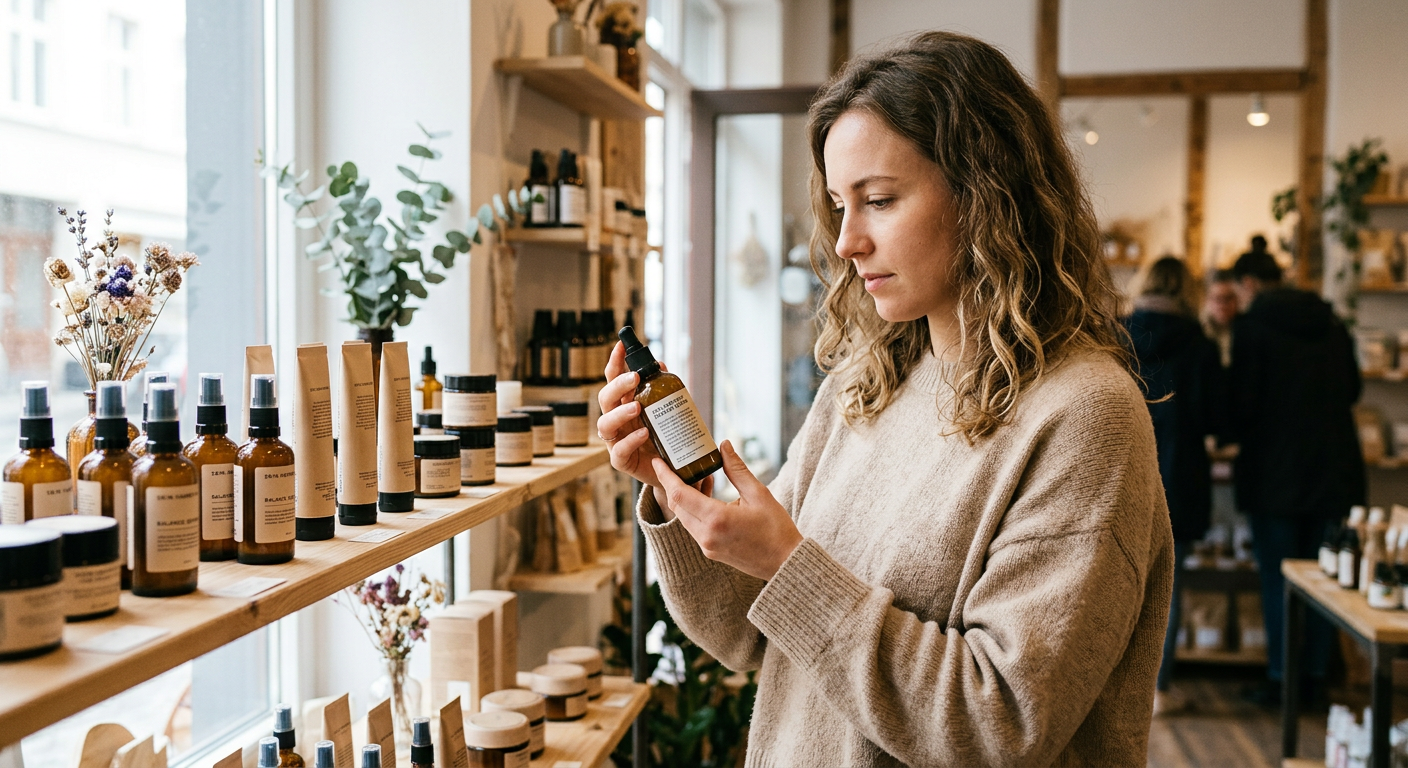
Skin health isn’t the only force at work. People increasingly want to know precisely what they’re rubbing into their skin, and “fragrance” on a label is often a single word standing in for dozens of undisclosed chemicals.
That frustration feeds the clean-label movement directly. Research from Research and Markets names “demand for natural and clean label products” as a key driver of the men’s grooming market. Fragrance-free formulas fit the preference because they shorten the ingredient list and strip out hidden additives.
Transparency and sustainability tend to travel together. As Transparency Market Research reports, cosmetics companies are swapping synthetic chemicals for natural ingredients, driven both by what shoppers ask for and by a wider move toward sustainable raw materials. Cutting the synthetic fragrance is usually where that reformulation starts.
Market Data Confirms the Momentum
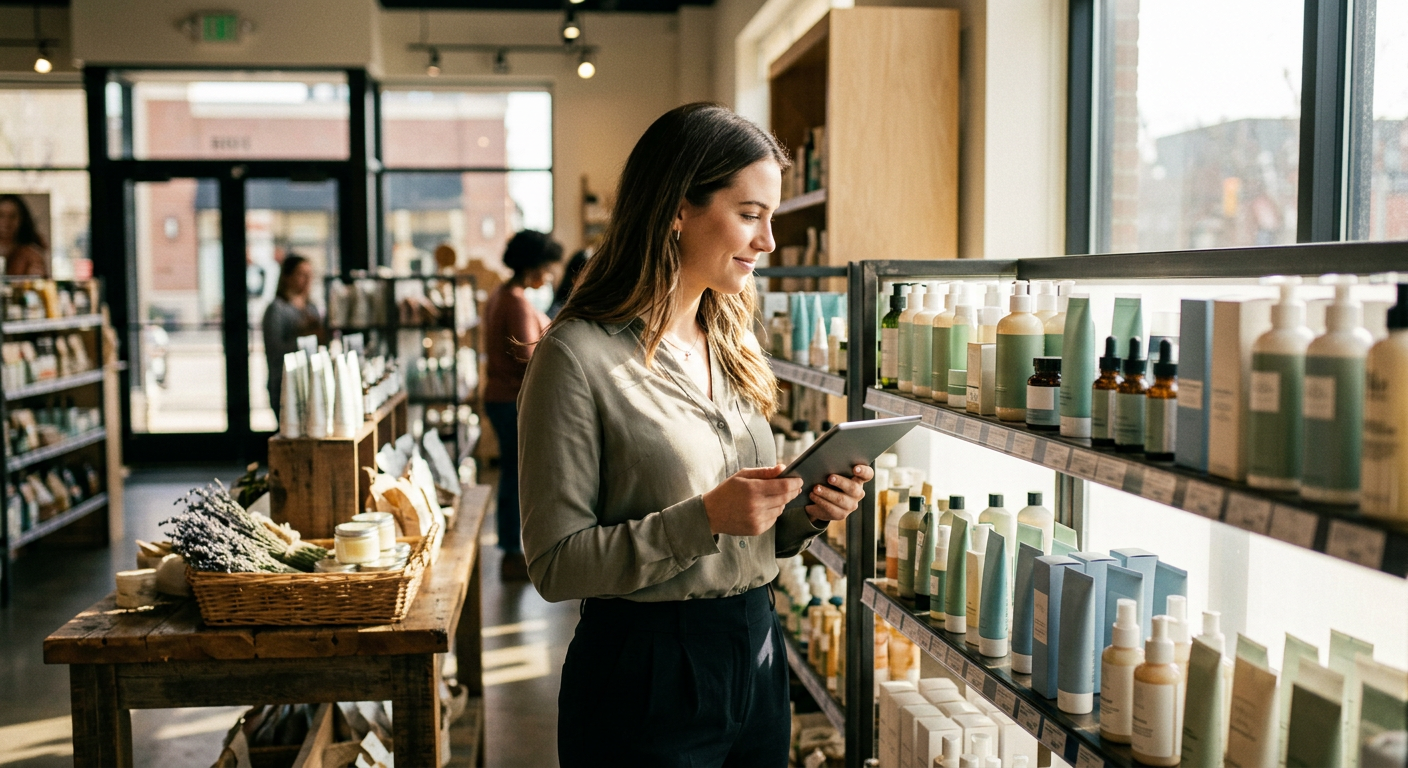
The figures match what the shelves already show. The broader skincare market is projected to reach $212.96 billion by 2032, propelled by grooming demand, online retail, sustainability, and the popularity of natural products, according to Market.us skincare statistics.
Men’s grooming on its own is climbing steadily. The men’s grooming market is expanding at a compound annual growth rate of 6.6% between 2025 and 2026, with hair styling running ahead at 8.5%.
Why Fragrance-Free Captures This Growth
Several forces line up to make fragrance-free the obvious winner as the grooming market grows:
- Rising male grooming participation — more men use several products a day, which raises awareness of how their skin reacts
- Online and subscription sales — shopping online invites ingredient research before checkout
- Multi-functional demand — simpler, gentler formulas suit men who want fewer products doing more
- Premium care lines — high-end brands increasingly treat fragrance-free as a quality signal
Any one of these would help fragrance-free adoption on its own. Together they keep it moving.
Who Benefits Most from Going Fragrance-Free
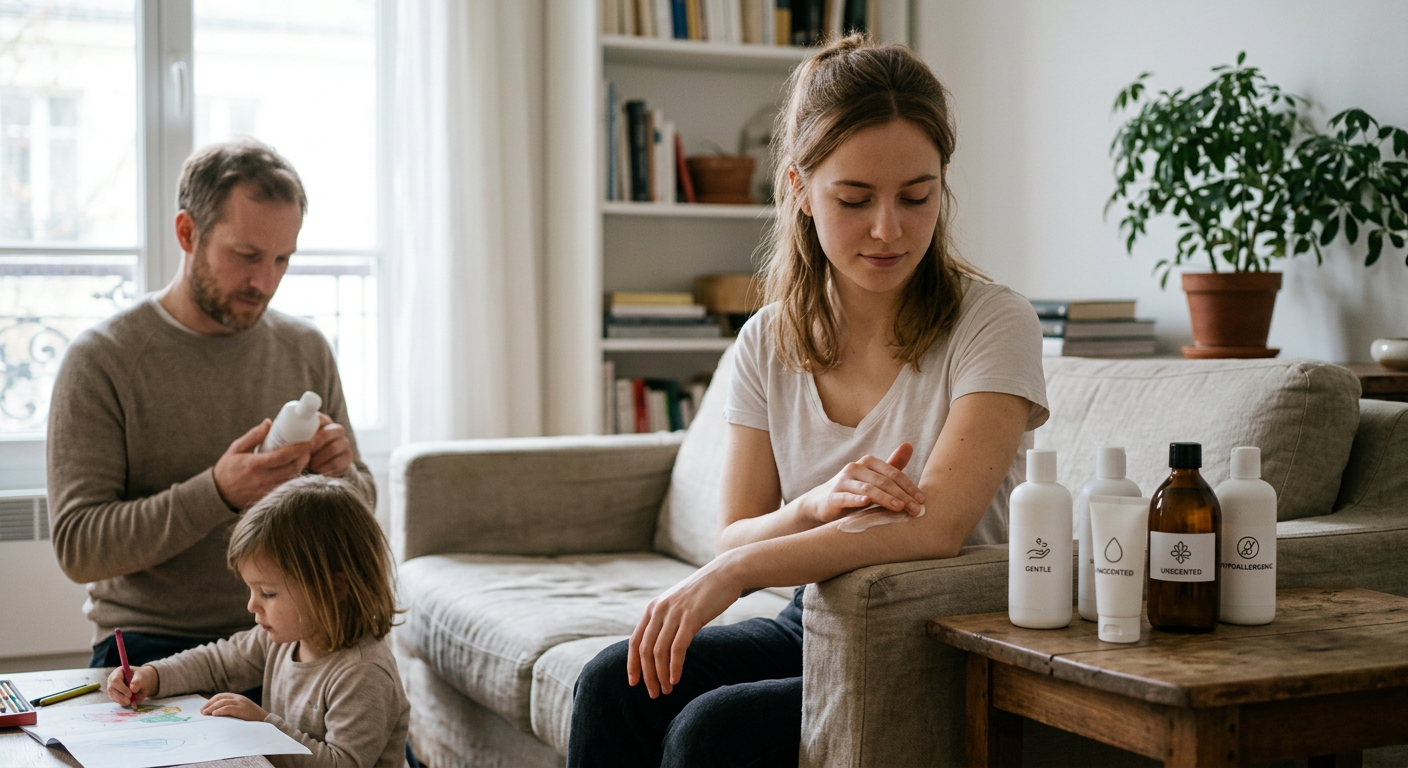
You don’t need a diagnosed skin condition to get something out of fragrance-free products. The main benefit is avoiding potentially irritating fragrance chemicals altogether, which lowers the odds of allergic reactions, dryness, and redness.
As DefenAge notes, skin can react badly to fragrance chemicals without any obvious warning. Low-grade irritation chips away at the skin barrier over time even when nothing visible shows up.
Consider Switching If You:
- Have eczema, rosacea, psoriasis, or seborrheic dermatitis
- Shave daily or several times a week
- Use four or more grooming products in your routine
- Get unexplained redness, tightness, or breakouts
- Prefer transparent, minimal ingredient lists
Even if none of that applies to you, cutting fragrance exposure is a low-risk way to keep a routine gentle. As Clinikally reports, fragrance-free skincare has become one of the leading trends among people chasing healthier, irritation-free skin.
How to Transition Your Routine
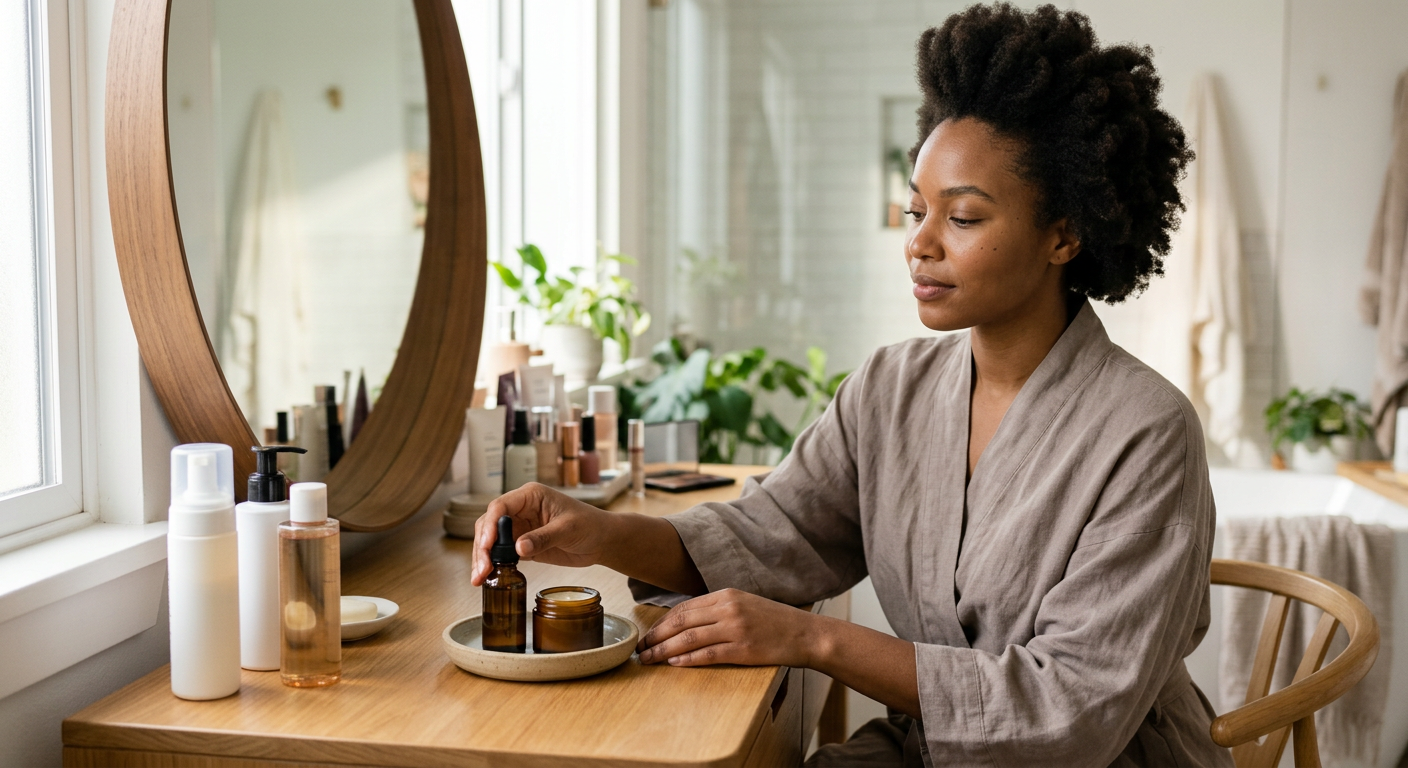
You don’t have to replace everything in one go. Begin with the products that sit on your skin the longest and cover the most surface area: moisturizers, aftershaves, and cleansers.
Read the labels, and keep the fragrance-free versus unscented difference in mind. If your aim is to avoid every scent additive, masking agents included, buy only what’s explicitly labeled “fragrance-free.”
Give each new product a week or two before you decide. Barrier improvements come gradually, and the payoff from lower fragrance exposure builds up over time rather than showing up overnight.
Conclusion
Fragrance-free grooming sits where three strong trends meet: growing awareness of skin health, demand for ingredient transparency, and the shift toward natural, sustainable formulations. With the men’s grooming market growing 6.6% a year and dermatologists recommending fragrance-free options as a baseline for sensitive and shaved skin, this looks like a durable change rather than a passing fad.
If you shave often, run through several products a day, or just want an easier routine, fragrance-free is a low-risk upgrade. Swap your leave-on products first, read the labels, and give your skin time to adjust.
Frequently Asked Questions
Q: Is fragrance-free the same as unscented?
No. Fragrance-free means no fragrance was added for scent, while unscented products may contain masking fragrances to neutralize odor. Choose fragrance-free if you want to avoid all scent additives.
Q: Do fragrance-free grooming products work as well as scented ones?
Yes. Fragrance-free formulas clean, moisturize, and groom just as well — the only difference is the missing added scent. Effectiveness comes from the active ingredients, not the fragrance.
Q: Who should use fragrance-free grooming products?
Anyone with eczema, rosacea, psoriasis, or seborrheic dermatitis should treat them as a baseline, according to dermatologists. Men who shave regularly or use several products a day also benefit from the reduced irritation.
Q: Can fragrance-free products still have a natural scent?
Yes. A product can be labeled fragrance-free while containing ingredients like plant oils that smell of something, because those ingredients do a job beyond adding fragrance.
Q: Why is the fragrance-free grooming market growing so fast?
Growth comes from rising skin health awareness, demand for clean-label transparency, and the overall expansion of the men’s grooming market, which is projected to grow 6.6% a year through 2026.
Q: How do I transition to a fragrance-free routine?
Start with leave-on products like moisturizers and aftershaves, since they stay on your skin longest. Check labels to confirm the “fragrance-free” status, and give each product one to two weeks to show results.