

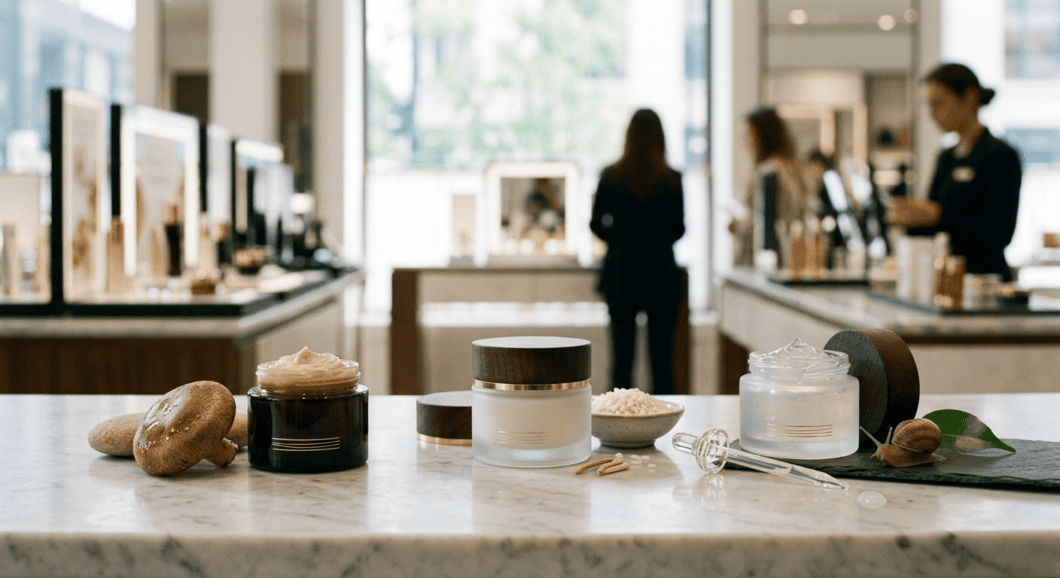
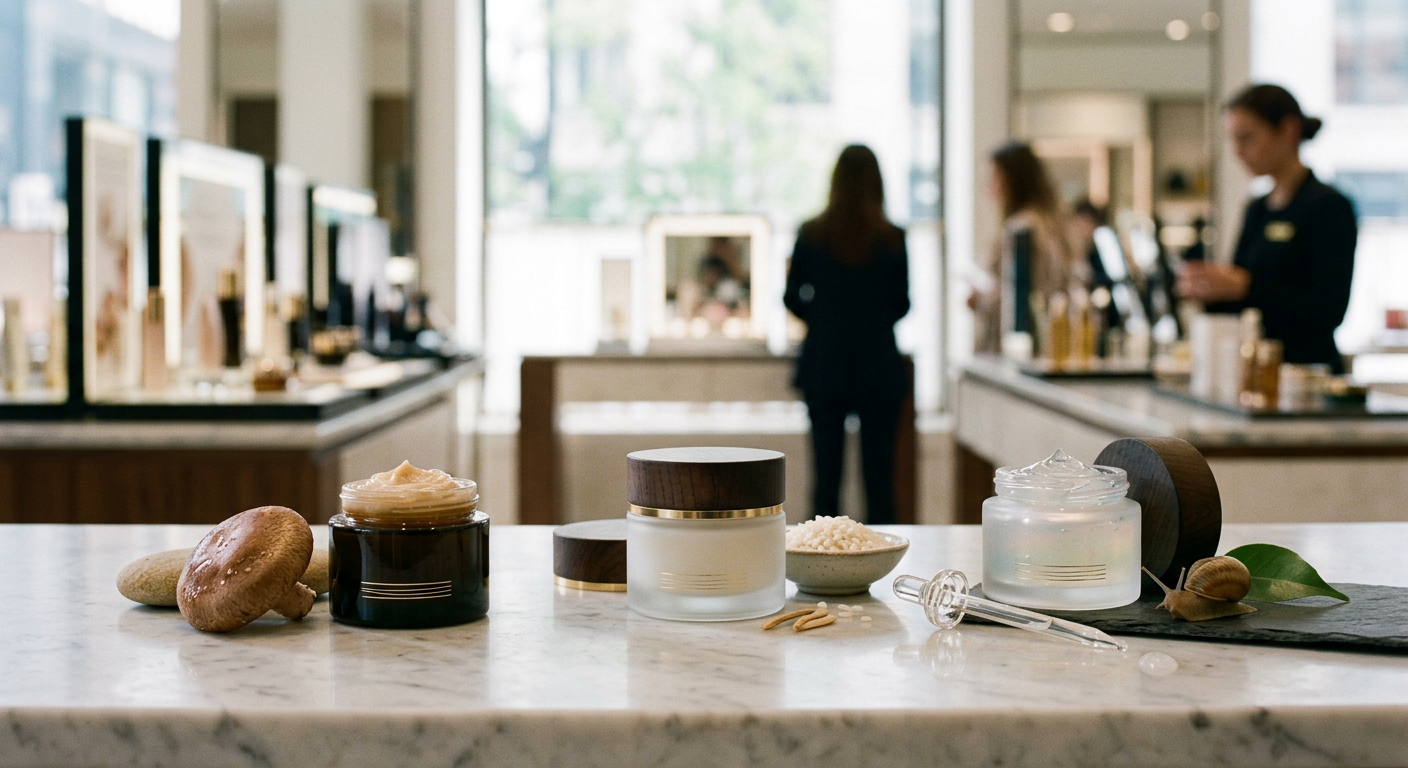
Snail slime, fermented rice, and mushroom extract now share shelf space with gold flakes and caviar in $200 serums. That sounds strange because it is. Over the past two years, the “hero” ingredient in premium skincare has drifted toward things you’d hesitate to put anywhere near your face. The one pulling the most attention right now is fungi, particularly reishi and other adaptogenic mushrooms, and it’s reshaping how expensive brands build their formulas.
This isn’t a gimmick that fades by next quarter. Ingredient forecasters and dermatologists are tracking a real shift toward unconventional, science-backed actives that produce measurable results. Below is what’s happening, why it works, and how to shop without getting fleeced.
Why Unexpected Ingredients Keep Winning in Luxury Beauty
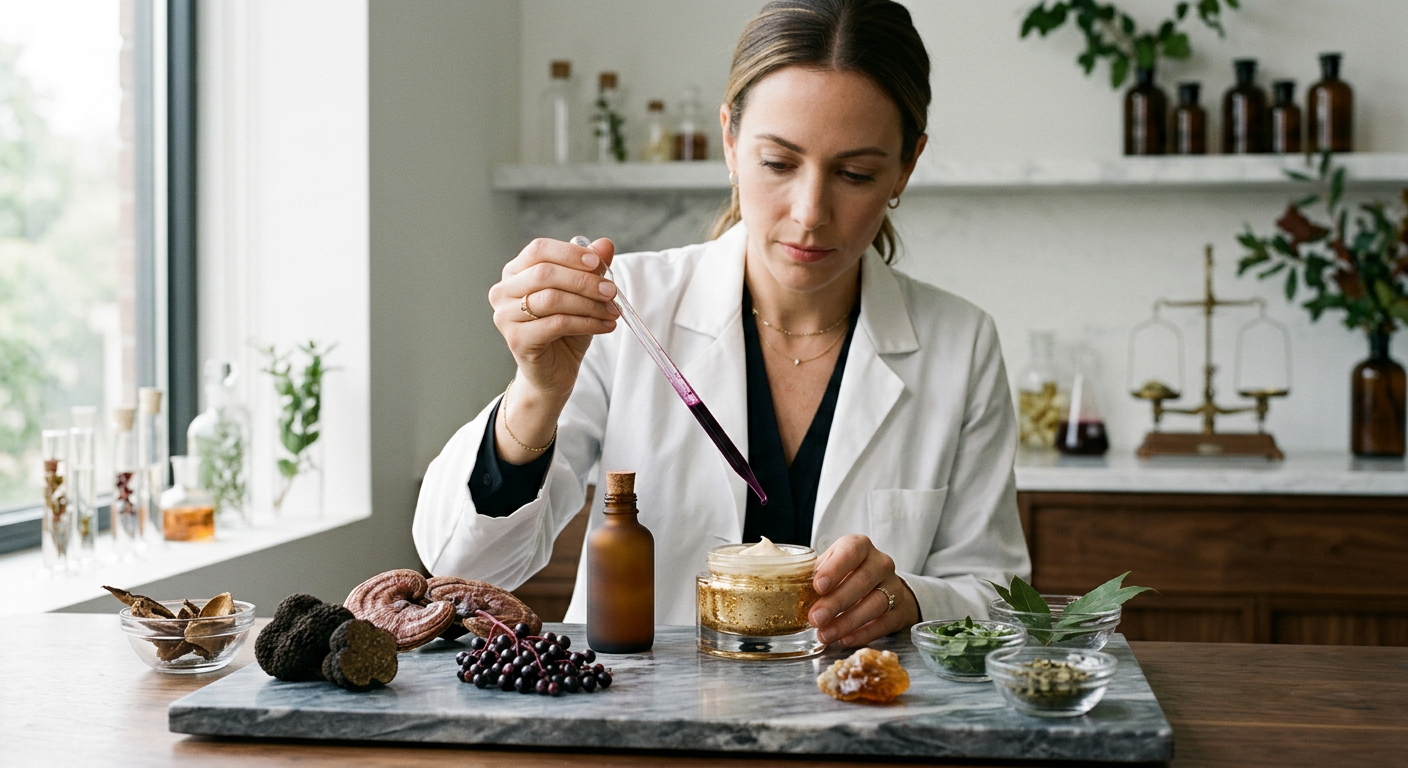
Luxury skincare has always sold a story. What’s changed is that consumers want evidence behind the price tag. Buyers have become more deliberate and results-focused, which pushes brands to test ingredients that sound odd but perform consistently.
The logic is simpler than it looks. According to a LinkedIn analysis of unexpected beauty ingredients, an ingredient becomes a luxury active because of the chemistry it delivers, not because of what it is. Snail mucin built its cult following on humectants, glycoproteins, and peptides that support hydration and improve how skin feels.
The same principle explains why fungi, bee venom, and fermented extracts keep landing in high-end lines. The draw isn’t novelty. It’s the pairing of a compelling origin story with a payoff formulators can measure in a lab.
The Standout Ingredient: Reishi and Adaptogenic Mushrooms
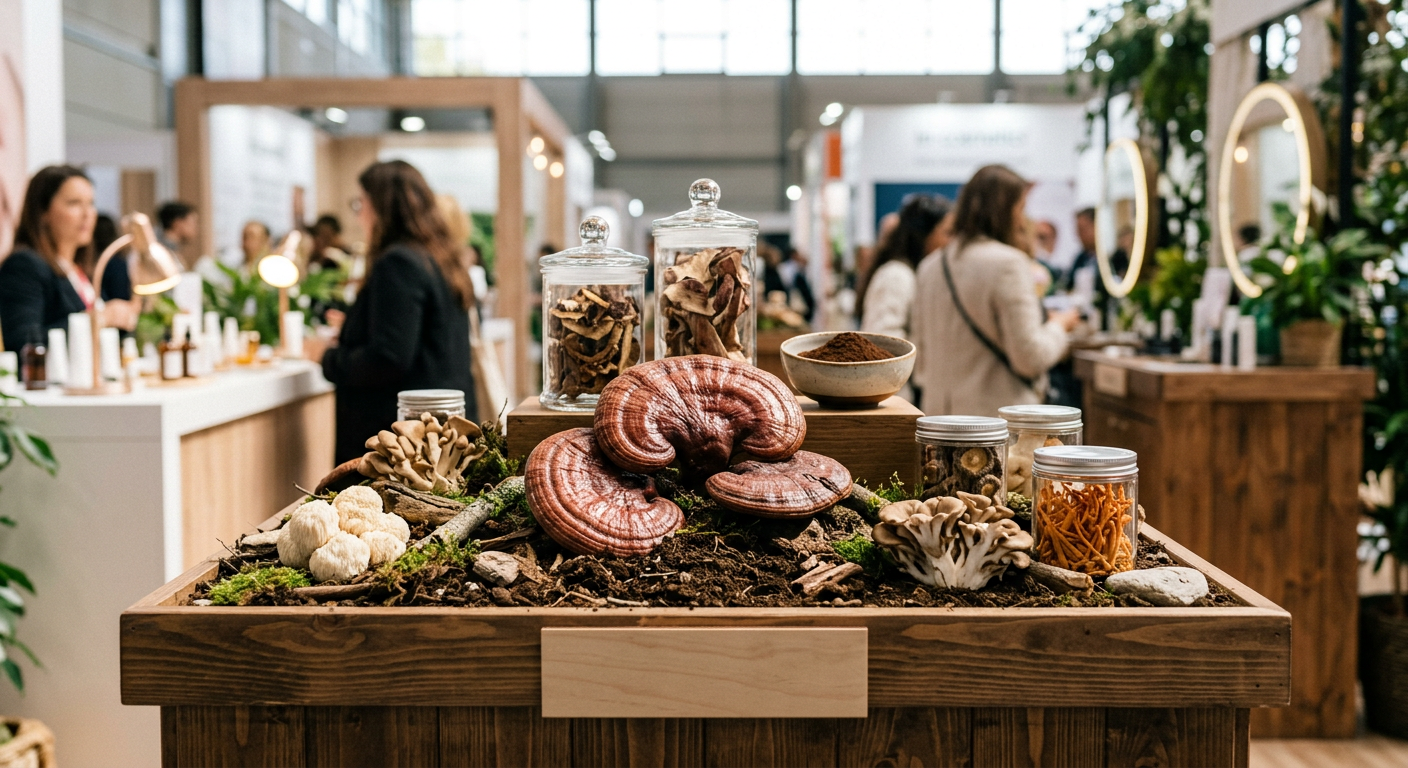
The most talked-about unexpected ingredient heading into 2026 is the mushroom. At in-cosmetics 2026 in Paris, the industry’s largest global ingredients tradeshow, BeautyMatter reported that reishi is emerging as a key player for both skin health and general well-being.
Reishi, called the “mushroom of immortality” in traditional medicine, is valued for its polysaccharides and antioxidants. In skincare, those compounds support hydration, calm the look of irritation, and help defend against the appearance of environmental stress. That double promise, part cosmetic and part wellness, is exactly what luxury buyers respond to.
Why Mushrooms Fit the Luxury Formula
Adaptogenic mushrooms come with a wellness narrative that slots neatly into premium positioning. They tie skincare to the wider “inner health” movement that has shaped the market over the last several years.
They also work. The antioxidant and beta-glucan content in reishi, tremella, and chaga supports moisture retention and a smoother-looking complexion. Tremella holds water in a way often compared to hyaluronic acid, which makes it a sensible fit for hydrating serums and creams.
Other Unexpected Ingredients Making Waves
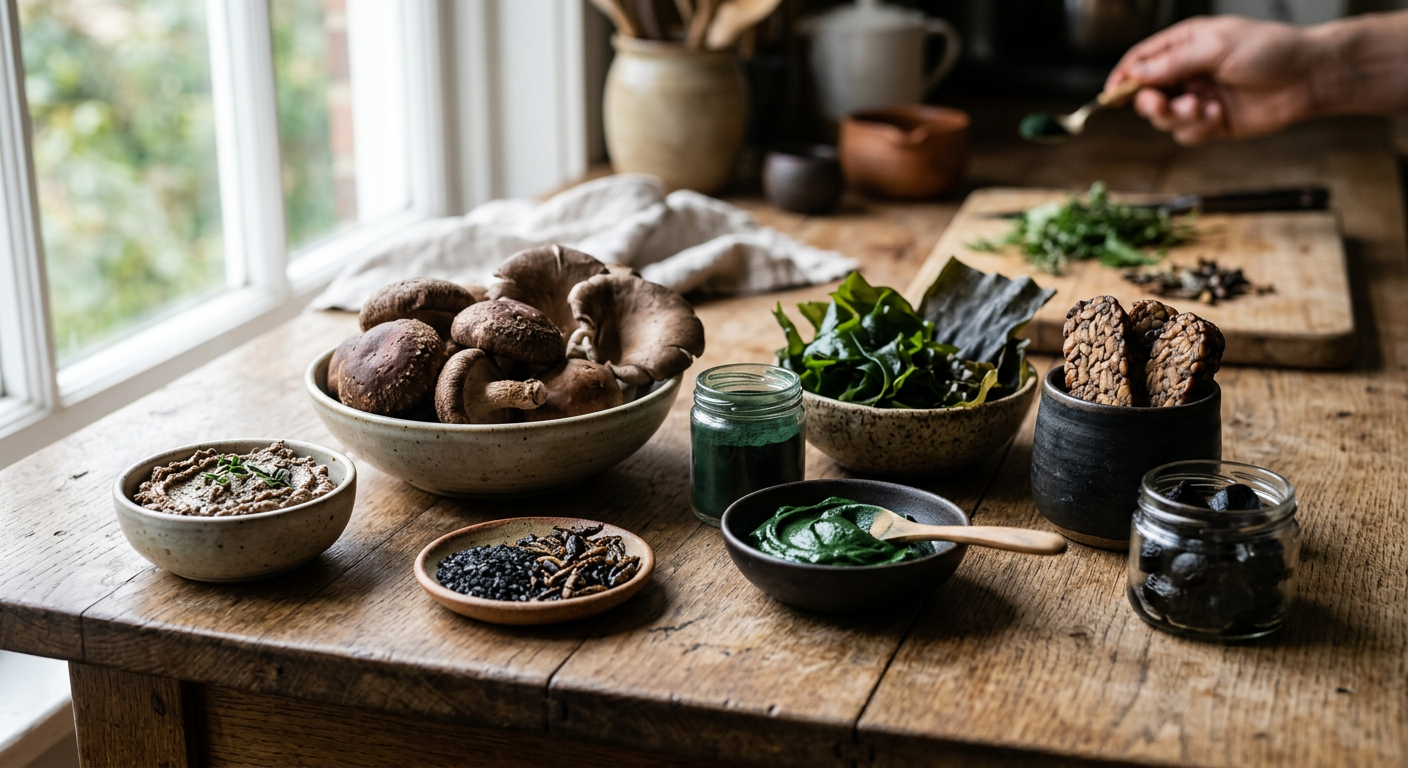
Fungi lead the pack, but they share the field with a lineup of ingredients that once sounded questionable and now anchor prestige formulas. The industry is rethinking how it feeds and shields skin, as Clinikally notes, by blending plant derivatives with tested actives.
The unexpected ingredients turning up most often in luxury lines, and what each one does:
| Ingredient | Source | Primary Benefit |
|---|---|---|
| Reishi / Tremella | Mushrooms | Hydration, antioxidant defense, calming |
| Snail mucin | Snail secretion | Hydration, skin repair, smoother texture |
| Bee venom | Honeybees | Firmer-looking, plumped appearance |
| Fermented rice | Rice ferment | Brightening, softening, barrier support |
| Apple cider vinegar | Fermented apples | pH balancing, smoother skin and hair |
| Coral seaweed extract | Marine algae | Mineral-rich, soothing, barrier strengthening |
Each earned its spot through a mix of traditional use and modern testing. Fermented rice draws on centuries of use in East Asian beauty rituals, and lab data now backs its brightening and softening effects.
The Fermentation Factor
Fermentation earns a separate mention because it runs through so many of these ingredients. The process breaks large molecules into smaller, more bioavailable forms that skin absorbs more easily.
That’s why fermented rice, ferment filtrates, and cultured extracts keep showing up in premium serums. Fermentation turns a familiar ingredient into a more potent, luxury-worthy active without adding anything synthetic.
What the 2026 Trend Data Reveals

This shift toward unexpected actives isn’t anecdotal. Forecasters are documenting it across the market. Spate’s 2026 Ingredient Trends Report tracks the specific ingredients driving consumer demand, and unconventional actives feature heavily.
Forbes highlighted the buzziest ingredients to watch for 2026, a sign of how fast these once-fringe options are moving into mainstream prestige products. There’s also active development around ingredients that address the skin side effects of GLP-1 medications, a fast-growing area pushing formulators toward new blends.
The pattern holds. Luxury brands are wagering that the next status ingredient won’t be another version of retinol or vitamin C but something with a surprising source and a strong performance profile.
How to Shop Smart for Unexpected Ingredients
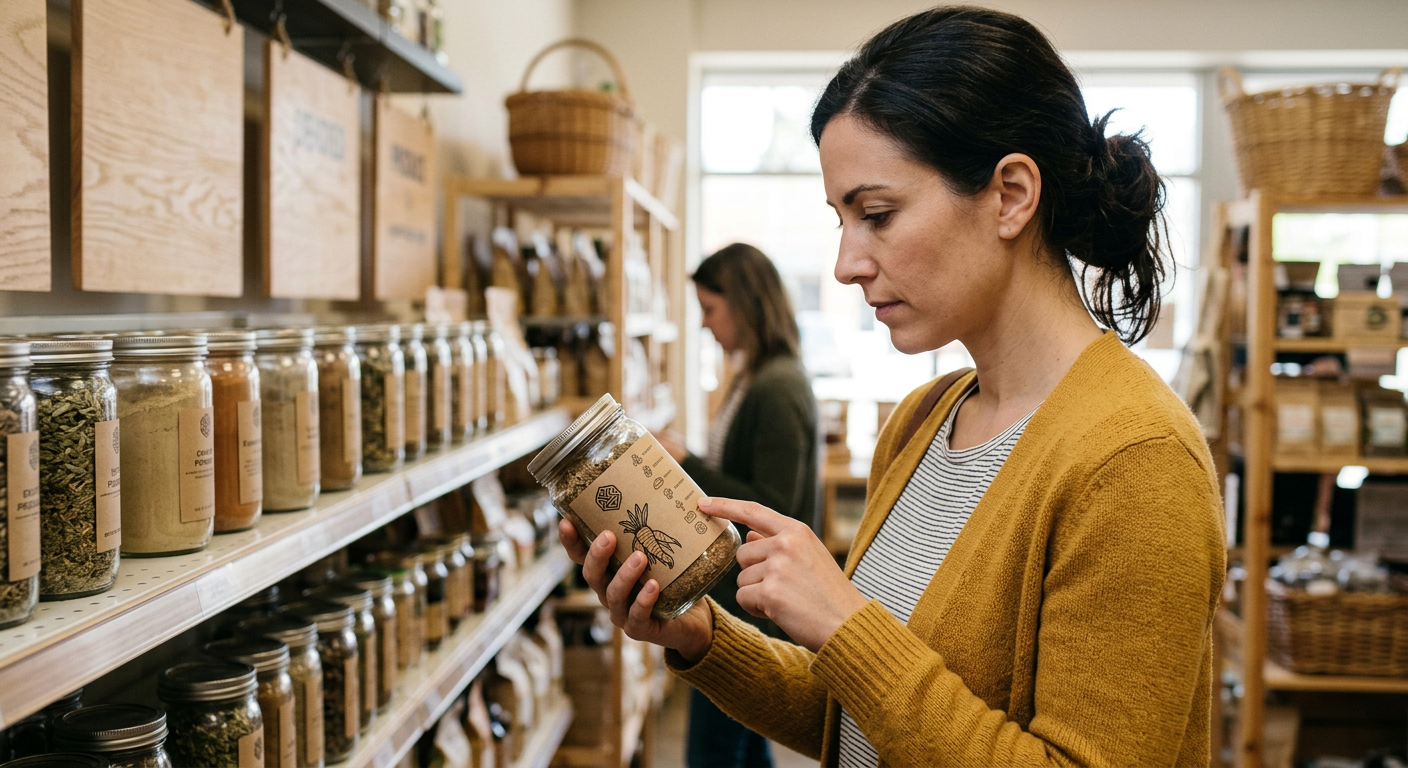
An unusual ingredient on the label guarantees nothing. The smarter move is to judge what the ingredient does for your skin type and concern rather than how novel it sounds.
Match the ingredient to your goal first. For hydration, tremella or snail mucin makes sense. For antioxidant support, reishi and other mushrooms are strong candidates. As Voupre points out, a crowded market makes it easy to be misled, so knowing what you’re paying for matters.
A Quick Checklist Before You Buy
Four questions to separate substance from hype:
- Where does the ingredient sit on the label? Higher up means a higher concentration.
- Does it address your specific concern, such as dryness, dullness, or the look of fine lines?
- Is there research or dermatologist backing behind the claim?
- Have you patch-tested potent ingredients like bee venom or acids?
Sensitive skin types should introduce potent ingredients gradually. Lavelier notes that coral seaweed extract can strengthen the feel of the skin barrier, but any new active deserves a careful patch test first.
The Bottom Line on Luxury Skincare’s Strangest Trend
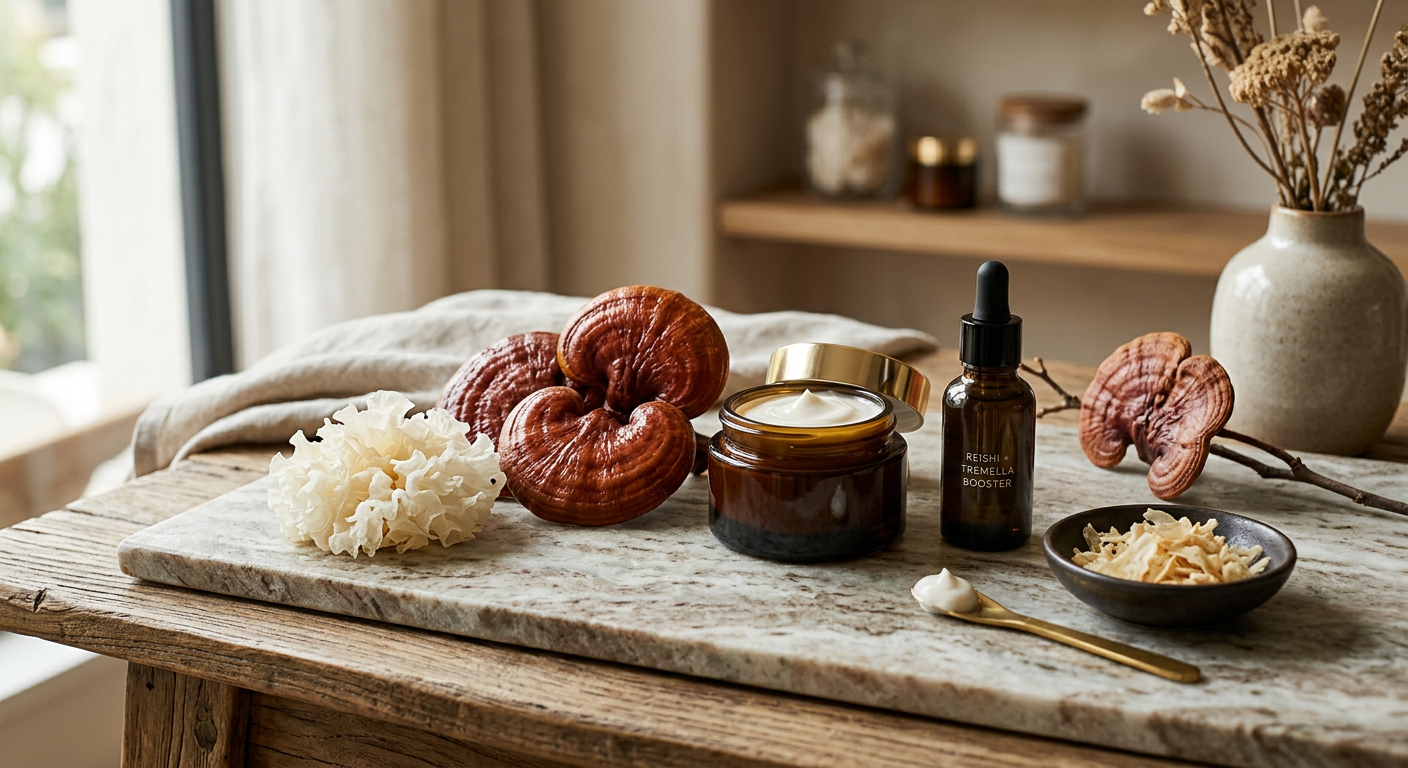
The ingredient defining luxury skincare right now is the mushroom, led by reishi and tremella and backed by a broader move toward fermented, plant-derived, and marine-sourced actives. These win because they combine a memorable story with measurable performance, which is what premium buyers now expect.
The takeaway comes down to two rules. Don’t dismiss an ingredient because it sounds strange, and don’t buy it just because it does. Focus on the chemistry, match the active to your skin’s needs, and patch-test anything potent.
Want to put this to use? Run your current products against the checklist above, pick one unexpected ingredient that targets your biggest skin concern, and try it in a small size before committing to a full luxury purchase.
Frequently Asked Questions
Q: What is the most unexpected ingredient in luxury skincare right now?
Reishi and other adaptogenic mushrooms are the standout heading into 2026. They deliver antioxidant defense, hydration, and a calming effect, and were flagged as a top trend at the in-cosmetics 2026 tradeshow in Paris.
Q: Does snail mucin actually work, or is it just hype?
Snail mucin contains humectants, glycoproteins, and peptides that support hydration and skin repair. The moisture benefits are real, though you can reach similar results with proven ingredients like hyaluronic acid and glycerin.
Q: Why do luxury brands use fermented ingredients?
Fermentation breaks ingredients into smaller, more absorbable molecules, making them more potent and bioavailable. That lets brands turn familiar ingredients like rice into higher-performing actives without adding synthetics.
Q: Are unexpected skincare ingredients safe for sensitive skin?
Many are, but potent options like bee venom and acids can cause irritation. Introduce new ingredients slowly, patch-test on a small area first, and consult a dermatologist if you have reactive or compromised skin.
Q: Is tremella mushroom better than hyaluronic acid?
Tremella holds water in a way often compared to hyaluronic acid, which makes it an effective natural humectant. Neither is strictly better; the right choice depends on your formula preferences and how your skin responds.
Q: How do I know if an expensive ingredient is worth the price?
Check where the ingredient falls on the label, whether it targets your specific concern, and whether there’s research or dermatologist backing. A high price with no proof or meaningful concentration isn’t worth the spend.