

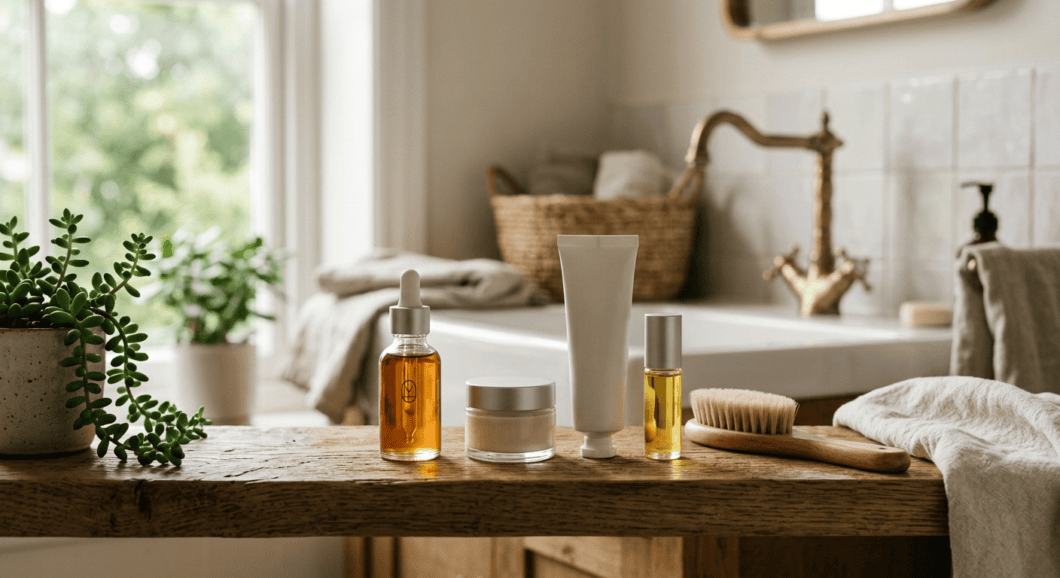
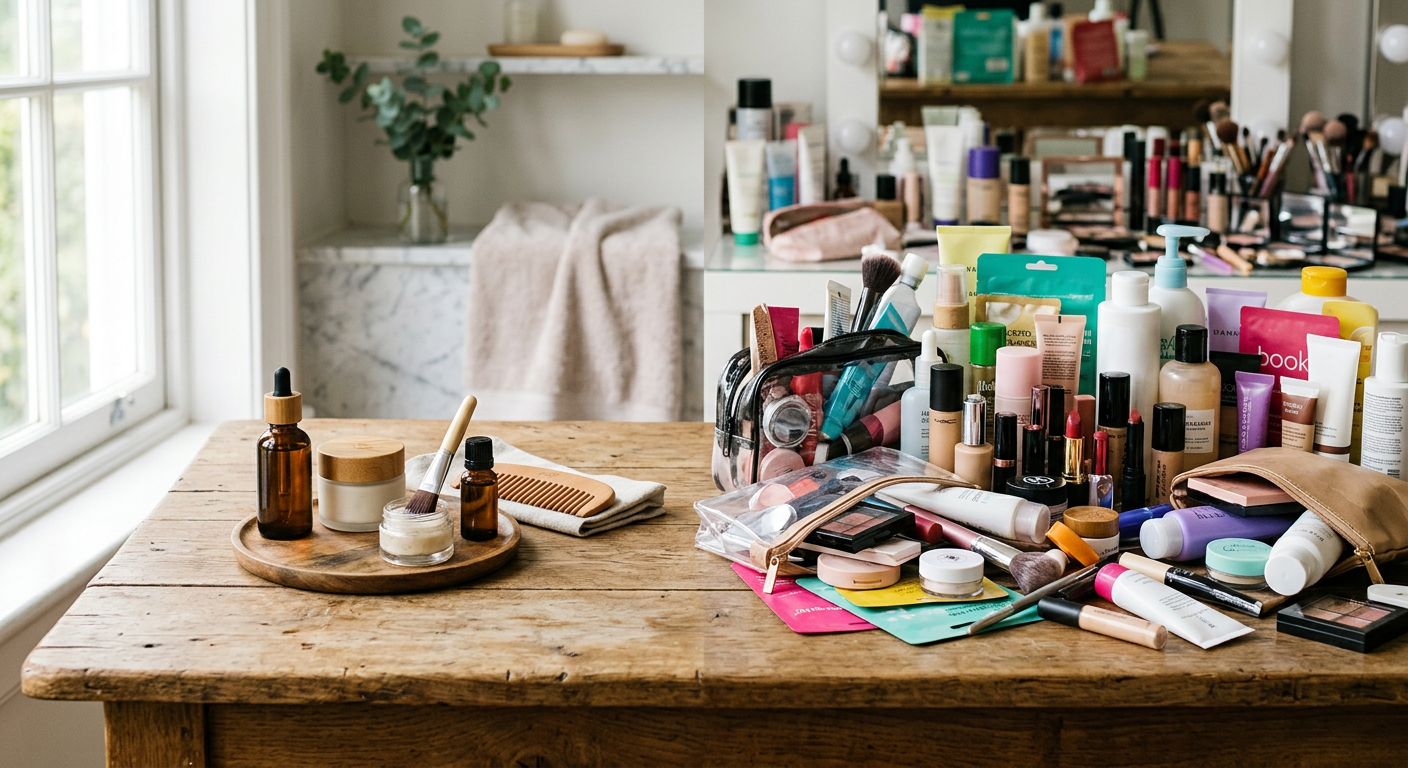
Count the cleansers in your bathroom cabinet. If the number is closer to seven than one, you have plenty of company. Add the four foundations that never quite matched, the serum you bought on a stranger’s recommendation, and the packaging alone is enough to overwhelm the counter. A beauty capsule collection cuts against all of that. It’s a small, deliberate set of products chosen for your skin and your habits, and it borrows its logic straight from the capsule wardrobe. In 2026, with prices up and product launches relentless, it’s proving to be a practical answer to beauty fatigue.
What a Beauty Capsule Collection Actually Means
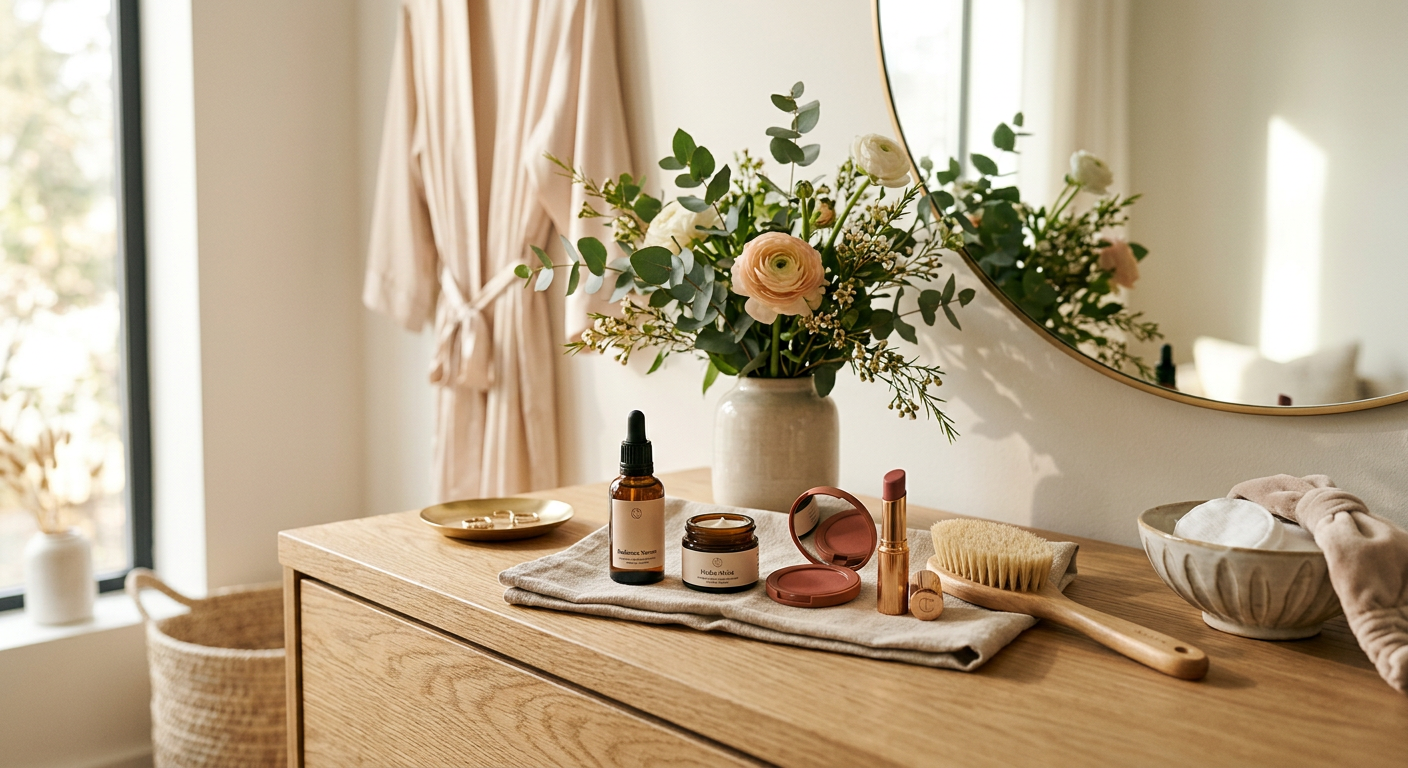
A beauty capsule collection is a curated set of products chosen to suit your specific skin, style, and needs, rather than the latest viral launch. As the concept’s early advocates put it, it is “not about buying more skin care or makeup” but about a small, intentional set of products you use and love (Capsule Beauty).
The idea comes from fashion. A capsule wardrobe centers on versatile pieces you wear constantly, and a beauty capsule works the same way. You build it around your daily must-haves, the products that always run out first (Be More with Less).
That distinction matters because beauty marketing pushes the opposite behavior. A new must-have product lands almost every day, and the packaging alone can drive an impulse buy (Just Ella Maria). A capsule asks you to slow down and choose on purpose.
Why Consumers Are Buying Less and Expecting More

The move toward capsule collections follows a wider change in how people spend. The Alvarez & Marsal Consumer Sentiment Spring 2026 Report puts net beauty spending intent at -3%, meaning slightly more consumers plan to cut back than to spend more (GCI Magazine).
Buying less doesn’t mean caring less. Shoppers are getting more selective, prioritizing products that perform and last. The same instinct shows up in fashion, where capsule wardrobes help people shop more deliberately because they know exactly what they own and what they’re missing (Forbes).
Fatigue plays a part too. Endless launches and viral trends have left many people feeling that nothing they buy seems special anymore (YouTube). A capsule pushes back by making each product earn its place.
The Loyalty Signal
Buying less rewards brands that deliver. The Cosmetify Beauty Trends Report 2026 found that Charlotte Tilbury emerged as the UK’s most purchased beauty brand, narrowly ahead of Dior Beauty, Sol de Janeiro, and E.L.F. Cosmetics, with Dior commanding 44.6% repurchase loyalty (Cosmetify). Commit to fewer products and you tend to gravitate toward proven performers.
The Real Benefits of a Minimalist Beauty Routine
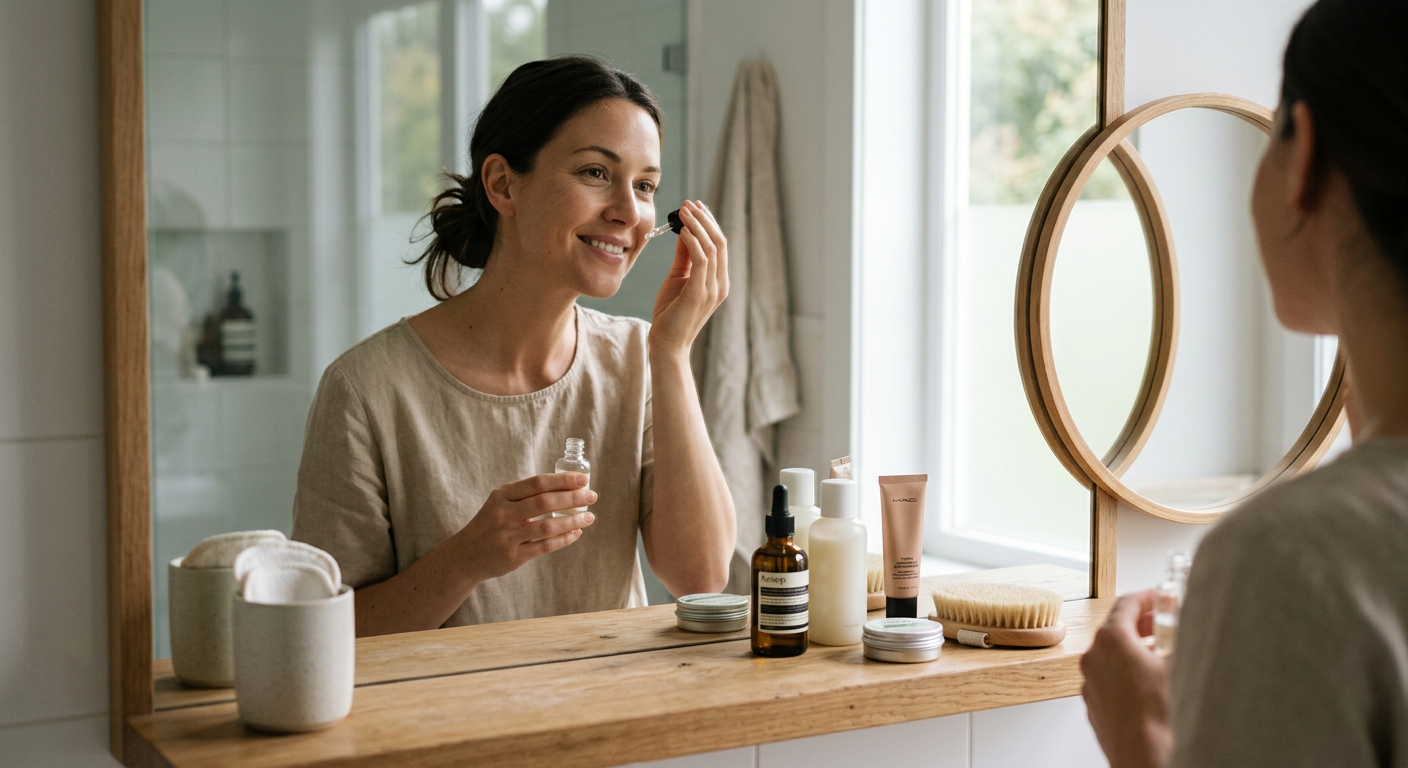
The payoff goes past a tidier shelf. A capsule collection saves time, money, and decision fatigue, and it makes your daily routine faster and more consistent.
What a well-built beauty capsule delivers:
- Less clutter and less impulse buying, which translates directly into more confidence in your choices (Facebook)
- A quicker daily routine built around a signature look rather than daily experimentation
- Fewer wasted products, since you stop buying items you never finish
- Better skin outcomes, because you use products suited to you instead of borrowing someone else’s regimen
- Lower long-term spending, as you replace only what you use up
One point deserves emphasis: a product that works for someone else won’t necessarily work for you (Just Ella Maria). A capsule forces you to match products to your own skin type and goals.
Capsule Beauty vs. Traditional Beauty Buying
The two approaches produce very different outcomes over time. The table below shows how they compare across the factors that matter most.
| Factor | Traditional Buying | Beauty Capsule Collection |
|---|---|---|
| Product count | High, often duplicated | Small, curated core |
| Buying trigger | Trends, packaging, hauls | Genuine need and fit |
| Monthly spend | Unpredictable, higher | Lower, more consistent |
| Product usage | Many unused items | Nearly everything gets used |
| Routine speed | Slow, indecisive | Fast, streamlined |
| Waste | High | Minimal |
| Confidence | Lower, decision fatigue | Higher, clarity |
The contrast explains why the capsule model fits a -3% spending environment. It suits consumers who want fewer, better things.
How to Build Your Own Beauty Capsule Collection
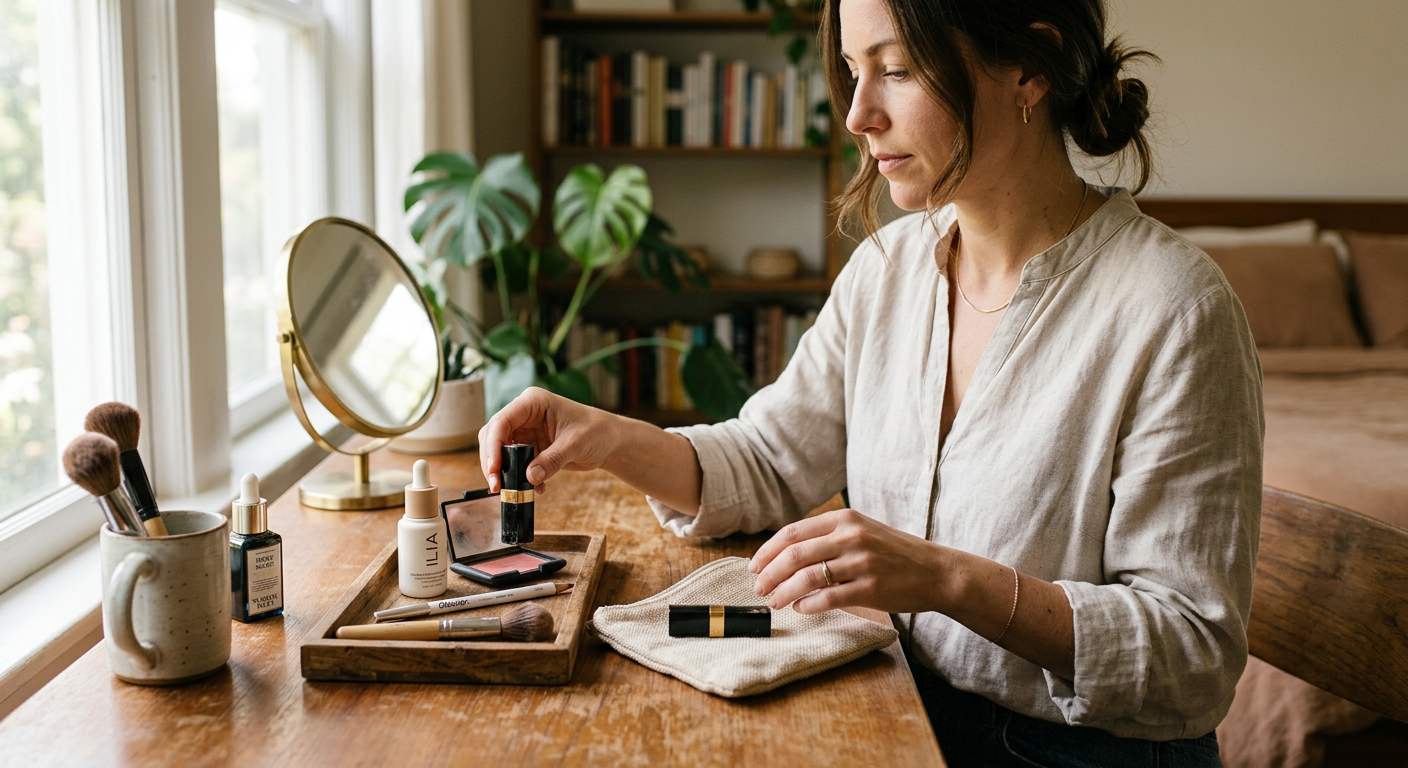
Start with what you already reach for. The same way you’d build a capsule wardrobe around the pieces always in your laundry basket, build your beauty capsule around the products you use daily or tend to finish (Be More with Less).
Audit Before You Add
Empty your current stash and sort it into three piles: love and use, occasionally use, and never touch. Be honest about the third pile. Knowing what you truly love and what’s missing is what makes intentional shopping possible (Forbes).
Define Your Core Categories
Most beauty capsules cover a handful of essentials. A practical starting framework:
- Skincare: cleanser, moisturizer, sunscreen, one targeted treatment
- Base: one foundation or tinted moisturizer that matches, plus concealer
- Color: a versatile blush, one eye product, one lip you wear constantly
- Signature finish: brows, mascara, or setting product
Replace, Don’t Accumulate
Once your capsule is set, use one rule: replace a product only when you finish it, and add a new one only when it clearly beats something you own. That keeps the collection lean and stops the slow creep back to clutter.
What This Means for Beauty Brands in 2026
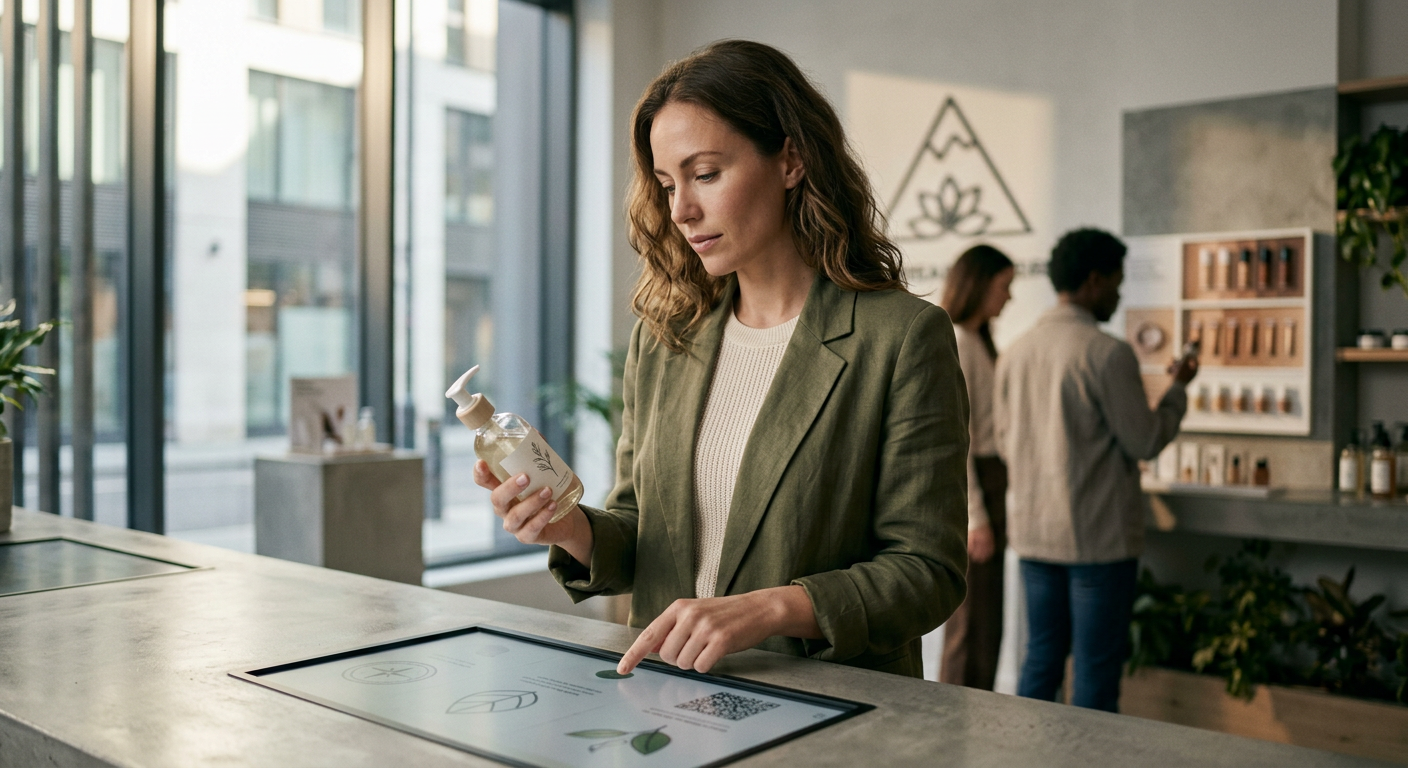
Brands are already adjusting to selective shoppers. Cosmetify’s research shows that while sustainability ranks low as an active purchase motivator, strong demand for refills and eco-friendly packaging signals that shoppers still expect responsible choices (Cosmetify). Refillable formats fit the capsule mindset: keep the container, replace the contents.
Influencer power is shifting too. Cosmetify’s report notes a decline in influencer power, which suggests shoppers trust their own experience and repeat purchases over trend-driven recommendations (Cosmetify). That favors the deliberate, self-directed buyer a capsule approach creates.
For brands, the lesson is clear. Multi-use, high-performing products that earn a permanent spot in someone’s capsule build stronger loyalty than a constant stream of limited editions.
Conclusion: Fewer Products, More Satisfaction
A beauty capsule collection isn’t about restriction. It’s about spending your money on products that suit you, using them until they’re gone, and stepping out of the way of every viral launch. The data backs the shift: spending intent is down slightly, loyalty is concentrating around trusted brands, and shoppers increasingly want quality over volume.
The next time a cute package or a trending serum tempts you, pause and ask whether it earns a place in your core routine. Audit what you own this week, name your true must-haves, and build your capsule from there. Buy less, and you’ll likely love more.
Frequently Asked Questions
Q: How many products should a beauty capsule collection have?
There’s no fixed number, but most people land somewhere between 8 and 15 products across skincare and makeup. The goal is to cover your daily needs without duplicates, so let your routine and skin type set the count rather than a target.
Q: Is a beauty capsule collection cheaper than regular buying?
In most cases, yes. By replacing only what you finish and skipping impulse purchases driven by trends and packaging, you spend more predictably and waste far less over time.
Q: Can I still try new products with a capsule approach?
Yes. The rule is simply that a new product must clearly beat something you already own before it joins the collection, which keeps experimentation intentional rather than accumulative.
Q: How do I start a beauty capsule if I own a lot of products?
Begin with an audit: sort everything into products you love, occasionally use, and never touch. Build your capsule around the first group, use up or donate the rest, and repurchase only your proven favorites.
Q: Does a beauty capsule work for all skin types?
Yes, because the whole point is choosing products suited to your specific skin rather than copying someone else’s routine. A capsule is defined by fit, so it adapts to oily, dry, sensitive, or combination skin equally well.
Q: Are refillable products worth it for a capsule collection?
They fit the capsule mindset well, and demand for refills is rising even among shoppers who don’t rank sustainability as a top motivator. Keeping one quality container and replacing the contents cuts both cost and packaging waste.