

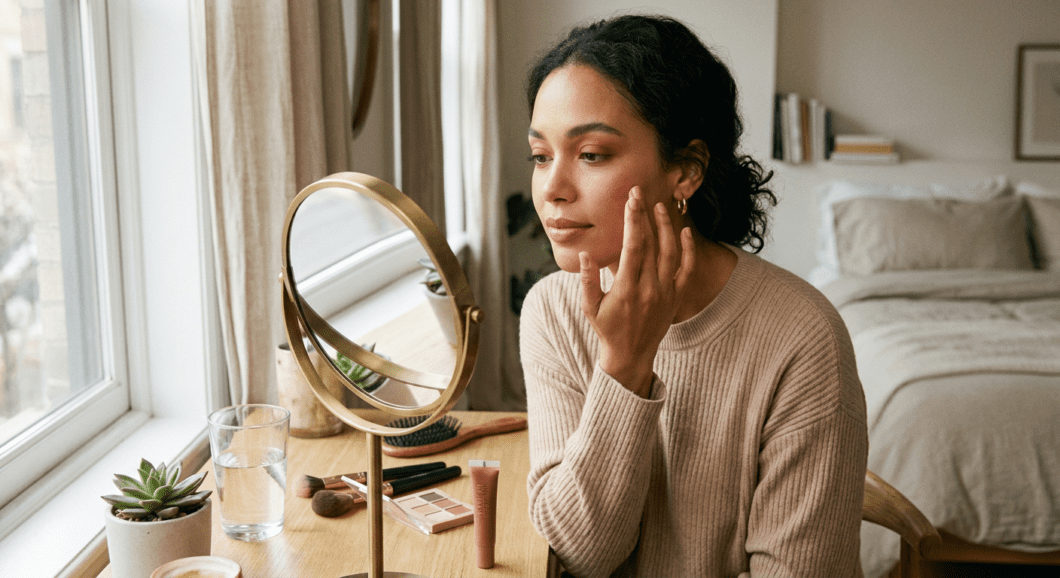
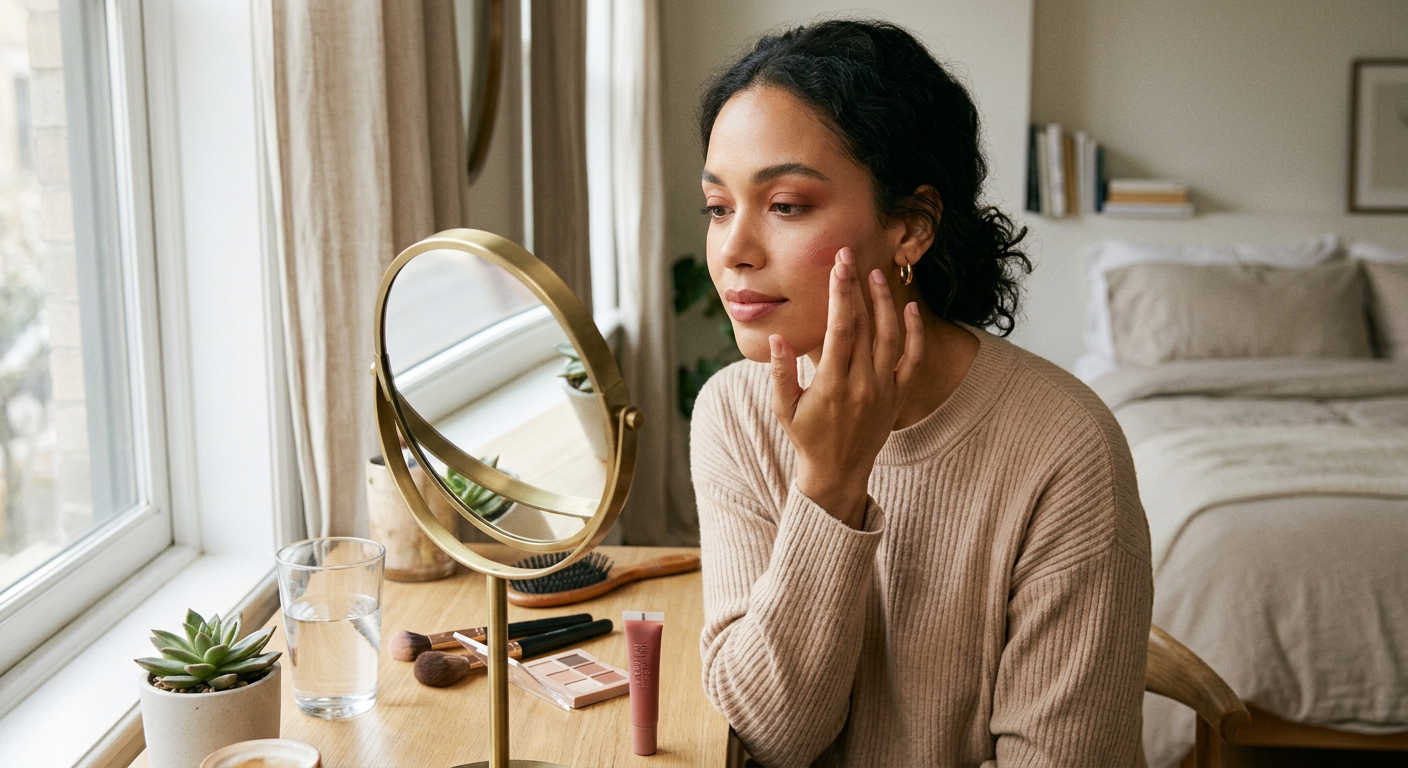
Getting ready in under ten minutes and still walking out looking polished is not a myth — it is what tone-on-tone makeup actually delivers. The monochrome approach, where you pull varying shades from a single color family across eyes, cheeks, and lips, has moved well past runway novelty. According to Laura Mercier’s 2026 Beauty Trend Forecast, the most compelling looks ahead celebrate “luminous skin, soft structure, and elevated simplicity.” Tone-on-tone makeup sits squarely at that intersection.
What Tone-On-Tone Makeup Actually Means

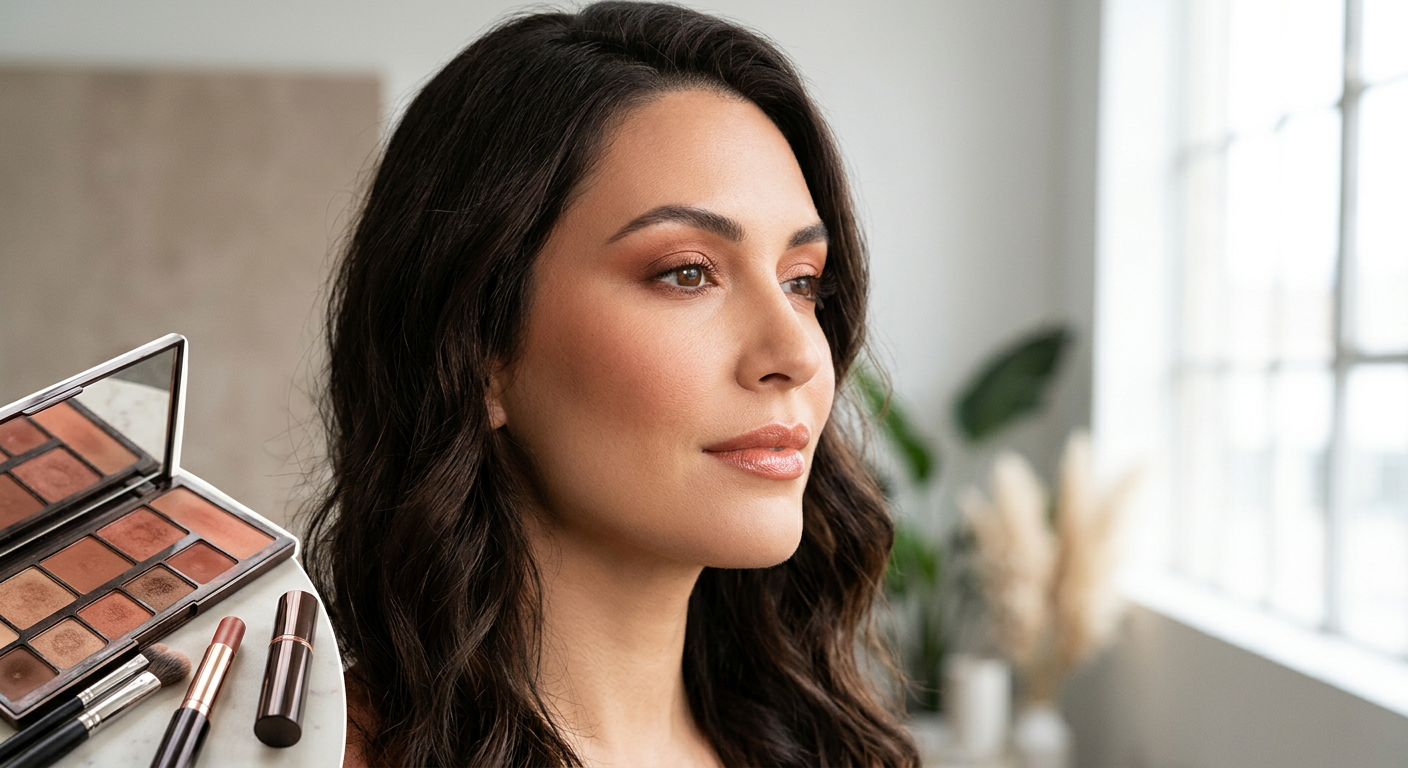
Tone-on-tone makeup means applying different shades within the same color family across the face, rather than playing contrasting colors against each other. A soft terracotta blush with a burnt sienna eyeshadow and a warm nude lip — all living in the same earthy neighborhood — is the idea.
The concept mirrors what stylists call monochrome dressing. As Asphalt Gold’s guide to monochrome outfits explains, the key to making a tone-on-tone look work lies in “the mix of textures, materials, and cuts, which creates depth.” The same logic applies to makeup: varying your finishes — matte, satin, shimmer — within one color story keeps the look from going flat.
This is not about matching everything perfectly. Three to four shades within a family are enough to create harmony without tipping into chaos.
Why the Monochrome Makeup Trend Is Dominating 2026

The beauty industry is shifting toward effortless artistry, and monochromatic makeup is leading that charge. Allure’s roundup of the biggest makeup trends for 2026 notes that makeup artist Lauren Andersen sees growing appreciation for looks that are “expressive and emotional, not corrective” — a philosophy that tone-on-tone makeup embodies well.
The sheer coverage movement is reshaping how people approach their base at the same time. Laura Mercier’s trend report highlights that “sheer foundation reflects a preference for natural coverage makeup that enhances skin while allowing texture and dimension to show through.” A tonal color story on top of a skin-like base creates the kind of modern, refined finish that resonates right now.
The result is a look that feels current without being trendy in a disposable way. Monochrome makeup has staying power because it works across skin tones, occasions, and skill levels.
How to Choose Your Tone-On-Tone Color Family
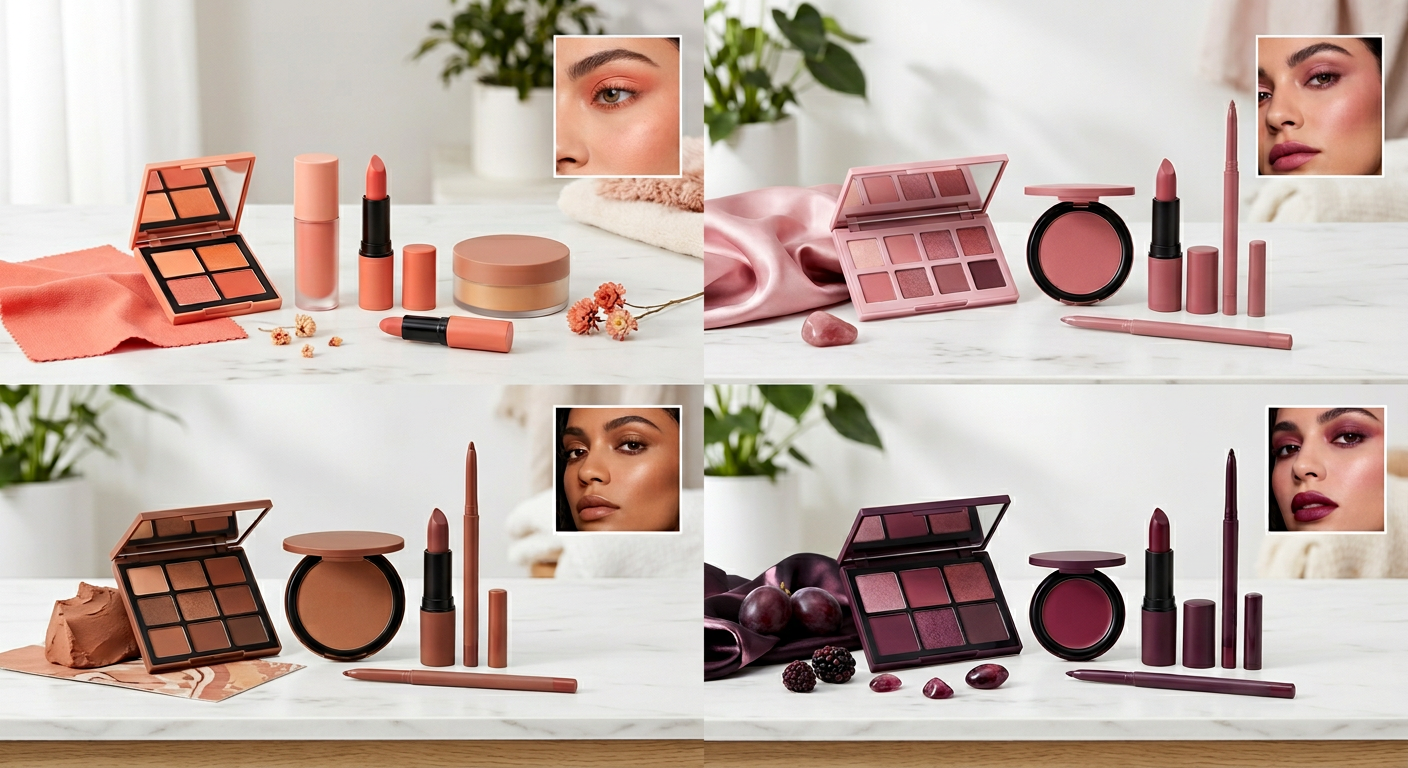
Picking the right color family is the make-or-break decision in monochromatic makeup. As Typsy Beauty’s beginner guide to monochromatic makeup puts it plainly: “Picking the perfect tone for monochromatic makeup can make or break your look.”
Warm Tones
Warm families — terracotta, bronze, peach, rust, and caramel — work especially well for everyday wear. They complement a wide range of skin tones and read as natural in daylight. Neutral eyeshadow in bronze or taupe, a warm-toned blush, and a peachy-nude lip create an effortless daytime look that requires minimal blending skill.
Cool and Rosy Tones
Cool families — mauve, dusty rose, plum, and berry — tend to suit cooler or neutral undertones. A soft rose eyeshadow, a berry-toned blush, and a sheer plum lip create a polished, editorial finish that works from the office into the evening.
Neutral and Greige Tones
Greige, taupe, and soft brown palettes are the most universally flattering. They are also the easiest to execute for beginners because the margin for error is small — most shades within this family blend seamlessly together.
Quick reference: Tone-on-tone color families by skin undertone
Building the Look: A Step-by-Step Approach
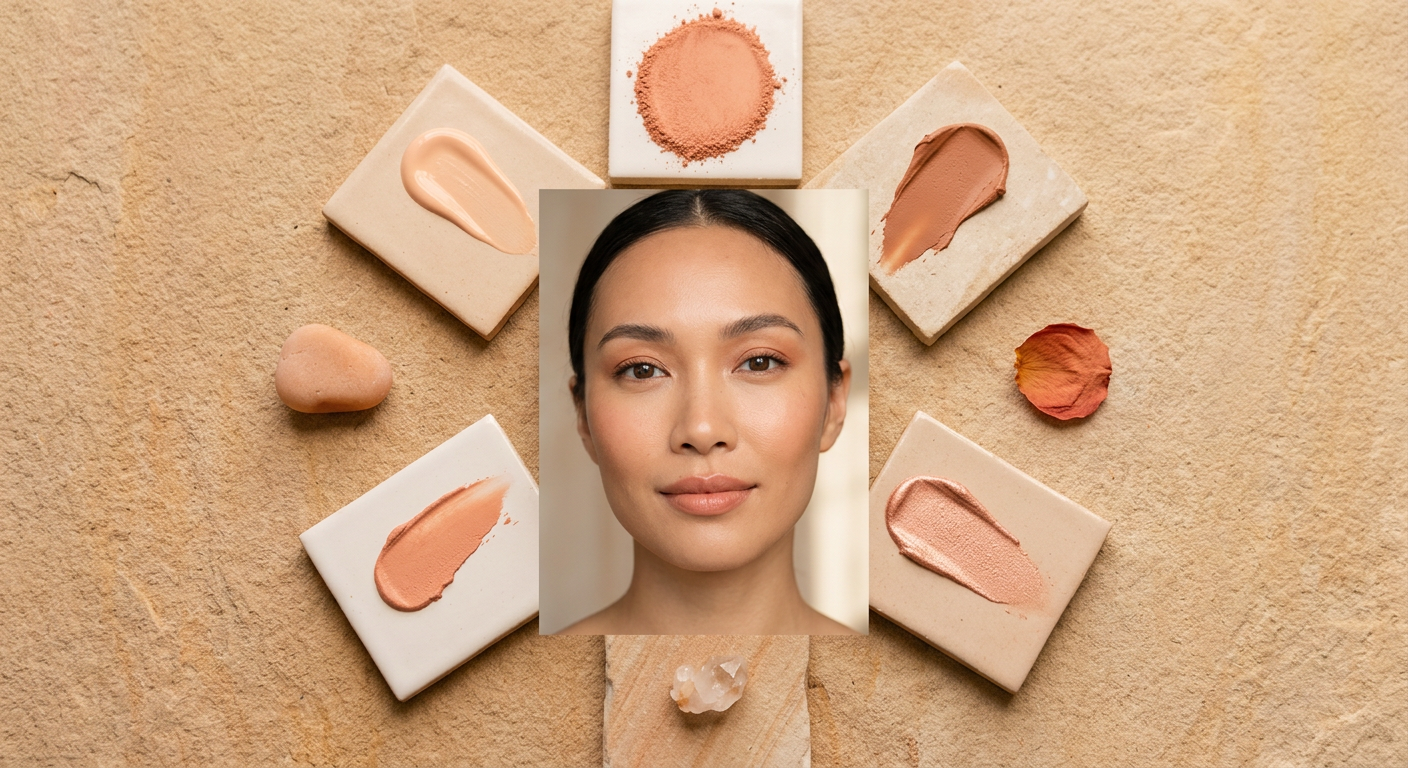
A tone-on-tone look does not require a full kit or advanced technique. The structure is simple: start with skin, build color on the eyes, place blush, finish the lips — all within the same color story.
Eyes First or Last?
Most makeup artists apply eye color before foundation to catch any fallout. For a monochrome look using soft, matte shades, either order works. This Instagram reel demonstrating a 10-step monochrome minimal makeup look shows how a bronzer eye look, neutral eyeshadow, and kohl liner can deliver a polished result with minimal steps.
Layering Finishes for Depth
The most common mistake in tone-on-tone makeup is using identical finishes across every product. Depth comes from contrast in texture, not color. Use this layering framework:
- Eyes: Matte base shade across the lid, satin or shimmer on the center or inner corner
- Cheeks: Powder blush in a slightly deeper or lighter shade than your eye tone
- Lips: Sheer gloss or satin finish to prevent the look from reading as flat
Typsy Beauty’s guide confirms this approach: “Use matte shades for everyday wear or shimmers for nights out.” The same color family can shift from daytime to evening simply by swapping finishes.
Adapting Tone-On-Tone Makeup for Different Occasions
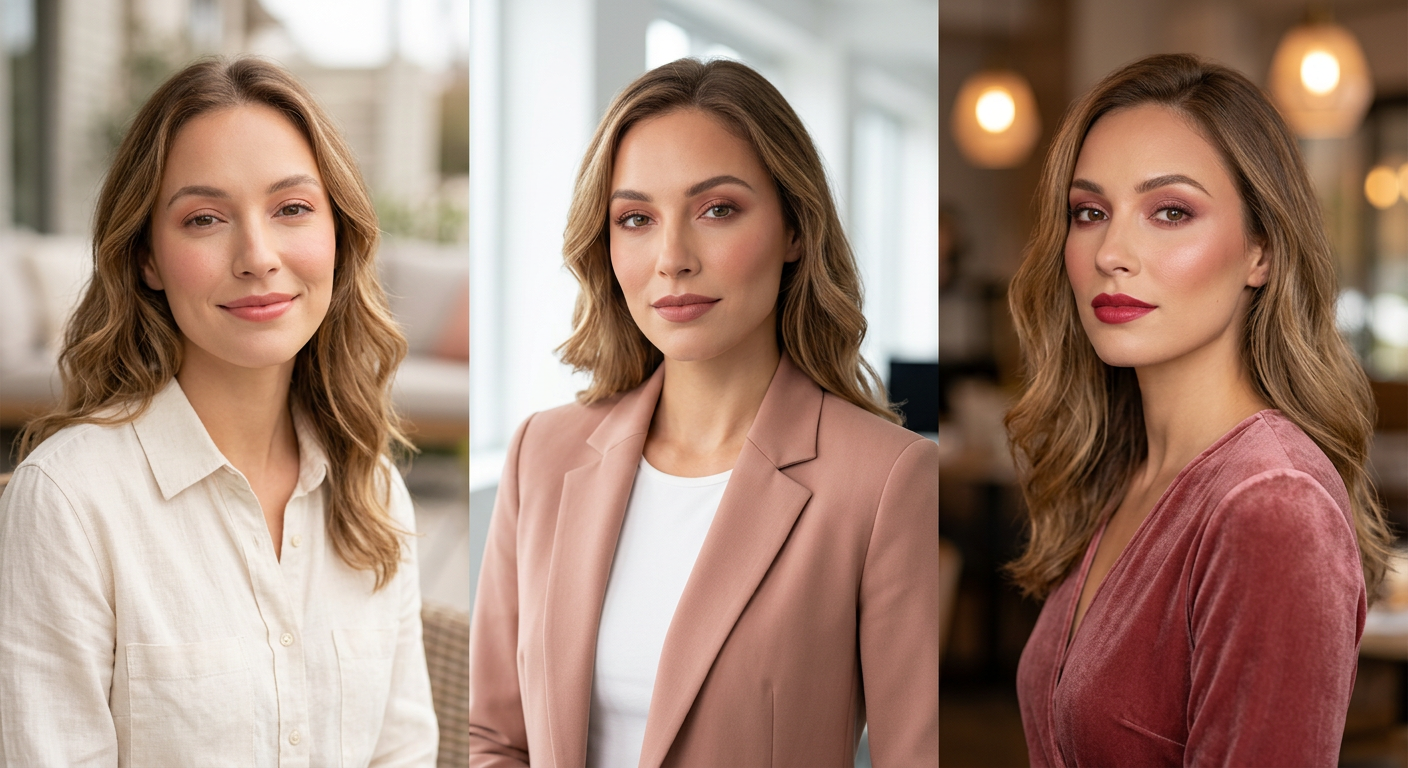
One of the strongest arguments for monochrome makeup is its flexibility. A warm rose family reads understated at a morning meeting and sophisticated at dinner — the difference is product intensity and finish, not a different palette.
For daytime, keep coverage sheer, blush light, and lips tinted rather than opaque. The Laura Mercier trend forecast points to “a blurred makeup finish that smooths and refines without flattening the skin” as the defining complexion look for 2026 — a natural base for a soft daytime monochrome.
For evening, deepen the eye shade, add a metallic or shimmer to the center of the lid, and swap a sheer lip for a satin or lacquer finish in the same family. The color story stays cohesive; the intensity does the work of dressing the look up.
Common Mistakes and How to Avoid Them
Even a simple approach has pitfalls. These are the most frequent errors in tone-on-tone makeup and how to correct them.
Using shades that are too similar in value. When eye shadow, blush, and lip color are all the exact same depth, the face reads as one-dimensional. Vary the lightness and darkness within your chosen family — lighter on the eyes, deeper on the lips, or vice versa.
Ignoring skin tone in product selection. A terracotta blush that looks stunning on medium-warm skin can read muddy on very fair skin or invisible on deep skin. Swatch products against your actual skin rather than relying on the pan color.
Over-blending to the point of losing color payoff. Monochrome makeup works because you can see the color. Blend the edges, not the product itself — keep the pigment present in the center of each application zone.
Skipping a defined base. A tone-on-tone look on bare, uneven skin can look washed out. A light, skin-like base — tinted moisturizer, sheer foundation, or a blur balm — gives the color somewhere clean to land.
Conclusion
Tone-on-tone makeup is one of the most practical looks you can add to your everyday routine. It streamlines your morning, works across occasions, and flatters every skin tone when you choose the right color family. The formula is straightforward: pick a family, vary your shades in depth, mix your finishes, and keep your base skin-like and light.
With beauty moving toward “elevated simplicity” in 2026, monochromatic makeup is worth developing as a skill rather than chasing as a trend. Start with a warm neutral family if you are new to the technique, then expand into richer tones as your confidence grows.
A practical first step: pull three products you already own that share a color family — one eyeshadow, one blush, one lip product — and try a tonal look this week. Most people find it convinces them to rethink their entire approach.
Frequently Asked Questions
Q: What is the difference between tone-on-tone makeup and monochromatic makeup?
They refer to the same concept. Tone-on-tone describes using varying shades within one color family across the face, while monochromatic makeup is the broader term for the same approach. Both involve coordinating eyes, cheeks, and lips within a single color story rather than mixing contrasting hues.
Q: Can tone-on-tone makeup work on deep skin tones?
Deep skin tones suit rich, saturated color families particularly well — copper, rust, deep plum, and chocolate brown all work. The key is choosing shades with enough pigment to show against deeper skin, and avoiding pale or chalky tones that can read ashy.
Q: How many products do I need to create a monochrome makeup look?
Three products are the minimum: one for the eyes, one for the cheeks, one for the lips. All three should fall within the same color family. You can expand to five or six products as your technique develops, but simplicity is part of what makes the look effective.
Q: Is tone-on-tone makeup appropriate for professional settings?
Yes, especially within neutral or muted color families like taupe, rose, or soft bronze. Keep finishes matte or satin rather than glittery, and use a light hand with pigment intensity for an office-appropriate result.
Q: What finish works best for an everyday monochrome eye look?
Matte finishes are the most practical for everyday wear — they are forgiving to apply and do not draw attention to texture on the lid. A light satin or sheen on the inner corner or center of the lid adds dimension without tipping into evening territory.
Q: How do I stop a monochrome look from appearing washed out?
Vary the depth of the shades you use rather than applying the same mid-tone everywhere. A slightly deeper shade on the outer corners of the eye or as a lip color, with a lighter shade as a highlight or inner corner accent, creates the contrast that gives the look structure.