

Ever wondered why some organic skincare feels like it actually wakes up your skin? Plant stem cells are behind that, drawing from nature’s own renewal powers to support skin longevity. You’ll see how they fit into real skincare routines and what the science says.
Key Takeaways:
What Are Plant Stem Cells?
Plant stem cells represent the foundational building blocks in plants, capable of self-renewal and differentiation into various cell types to support growth and repair. Think of them as the plant’s master cells, much like a chef who can create any dish from basic ingredients. These cells drive continuous renewal, ensuring plants regenerate tissues throughout their lives.
Located in specialized regions called meristems, plant stem cells exhibit totipotency, the ability to develop into any plant cell type. This property allows a single cell to form an entire organism, unlike most animal cells. Their role in perpetual growth makes them ideal for skincare, where they mimic human stem cell functions for skin rejuvenation.
In organic skincare, plant stem cells from sources like Apple Stem Cells (Malus Domestica) or Grape Stem Cells (Vitis Vinifera) promote collagen production and combat oxidative stress. Harvested via tissue culture, they offer regenerative properties without harming plants. This sustainable approach enhances skin longevity and reduces fine lines through cellular turnover.
Experts recommend incorporating these botanical actives for anti-aging benefits, as they support the skin barrier and skin microbiome. Analogous to human stem cells, they boost skin elasticity and skin firmness. Their antioxidants protect against free radicals, fostering skin radiance and skin hydration.
Definition and Biology
At their core, plant stem cells are undifferentiated cells found in meristematic tissues, holding the unique ability to divide indefinitely and generate all plant structures. These totipotent cells remain in a state of quiescence until activated. They enable perpetual plant growth by balancing self-renewal with differentiation.
Key signaling pathways like WUSCHEL-CLAVATA regulate their activity in shoot and root meristems. Imagine a diagram here showing the meristem structure, with stem cells at the center surrounded by daughter cells. This organization ensures organized tissue regeneration, vital for plant survival.
In skincare, their biology translates to skin rejuvenation via tissue culture harvesting. Brands like PhytoCellTec(tm) Malus Domestica and Mibelle Biochemistry use apple stem cells or grape stem cells in cosmetic formulations. These deliver growth factors and polyphenols for wrinkle reduction and inflammation reduction.
Actionable insight: Look for products with Lotus Stem Cells (Nelumbo Nucifera) or Argan Stem Cells (Argania Spinosa) to support cellular regeneration and UV protection. Encapsulated in liposomes, they enhance skin firmness and microbiome-friendly effects. This plant-based method offers ethical sourcing for sustainable beauty and slow-aging benefits.
Plant Stem Cells vs. Human Stem Cells
While both plant stem cells and human stem cells share regenerative potential, their applications in skincare diverge significantly due to biological differences and ethical considerations.
Plant stem cells offer sustainable beauty through tissue culture methods, avoiding harm to living organisms. In contrast, human stem cells raise ethical debates around sourcing from embryos or adults. This makes plant-based options more accessible for cosmetic formulations.
The table below compares key aspects, highlighting why plant stem cells excel in skincare for skin rejuvenation and anti-aging.
| Criteria | Plant Stem Cells | Human Stem Cells |
|---|---|---|
| Source | Botanical extracts from Apple Stem Cells (Malus Domestica), Grape Stem Cells (Vitis Vinifera), or Lotus Stem Cells (Nelumbo Nucifera) via tissue culture | Animal-derived, often from embryos or adult tissues |
| Ethics | Sustainable and ethical sourcing, no harm to organisms | Controversial due to embryo use and moral concerns |
| Mechanism | Botanical actives like polyphenols and antioxidants protect against oxidative stress | Complex signaling with growth factors and exosomes |
| Skincare Use | Topical extracts in liposomes for skin hydration and collagen production | Limited to research, not approved for cosmetic formulations |
Brands like PhytoCellTec from Mibelle Biochemistry use apple stem cells for wrinkle reduction. These deliver cellular regeneration safely, supporting skin longevity without ethical issues.
Key Benefits for Organic Skincare
Incorporating plant stem cells into organic skincare unlocks potent benefits that align with clean, natural beauty principles, promoting healthier skin without synthetic compromises. These microbiome-friendly botanicals offer advantages over chemical actives by supporting the skin’s natural ecosystem. They deliver regenerative properties through growth factors and antioxidants, fostering skin longevity in sustainable formulations.
Users appreciate how plant-based stem cells from sources like apple, grape, and argan enhance collagen production and combat oxidative stress. Unlike human stem cells, these ethical alternatives avoid ethical concerns while providing skin rejuvenation. Key areas include anti-aging effects, repair mechanisms, and overall skin radiance.
Explore anti-aging properties for wrinkle reduction and skin firmness, tissue regeneration and repair for skin barrier strength, and their role in skin microbiome balance. Derived via tissue culture by innovators like PhytoCellTec and Vytrus Biotech, they integrate seamlessly into cosmetic formulations with liposomes for better delivery.
Anti-Aging Properties
Plant stem cells combat visible aging signs by stimulating cellular regeneration, helping to diminish fine lines and enhance skin firmness over time. Their growth factors mimic the skin’s renewal signals, boosting collagen production and skin elasticity. This leads to smoother texture through improved cellular turnover.
Examples include apple stem cells rich in polyphenols that protect against free radicals, and grape stem cells for wrinkle reduction. Users often notice a more youthful glow after consistent use in serums. These botanical actives promote skin longevity without harsh peptides or exosomes.
Consider a before-and-after scenario: skin with emerging crow’s feet appears dull and lax initially. After weeks of plant stem cell application, fine lines soften, and elasticity improves for a firmer look. Pair with gentle moisturizers for best results in organic routines.
Experts recommend focusing on slow-aging benefits from lotus stem cells or Orange Stem Cells (Citrus Sinensis). They support skin radiance by reducing inflammation reduction and enhancing skin hydration naturally. This makes them ideal for daily anti-aging skincare.
Regeneration and Repair
These powerful botanicals accelerate skin’s innate repair processes, restoring the skin barrier function and promoting deeper skin hydration for a resilient complexion. They fortify against environmental damage like UV protection through antioxidants and regenerative properties. This differs from anti-aging by targeting post-damage healing.
Cellular regeneration aids even tone via enhanced turnover, reducing dullness from oxidative stress. Argan and lotus stem cells excel here, offering tissue regeneration similar to natural recovery. Users report quicker bounce-back after sun or pollution exposure.
Practical tip: pair with gentle exfoliants like enzyme peels to amplify repair without irritation. Apply grape stem cell creams post-cleansing for optimal barrier support. This microbiome-friendly approach maintains balance while boosting hydration.
Mibelle Biochemistry’s innovations highlight how plant stem cells provide UV protection and inflammation reduction. They promote skin firmness through sustainable, ethically sourced ingredients. Integrate into routines for lasting repair and vitality.
How Plant Stem Cells Work on Skin
Plant stem cell extracts penetrate the skin to deliver bioactive compounds that target aging at the cellular level, fostering a balanced skin microbiome and skin radiance glow.
These extracts come from sources like apple stem cells, grape stem cells, and lotus stem cells. They mimic the regenerative properties of human stem cells without ethical concerns. This process supports skin longevity through natural mechanisms.
Cosmetic formulations such as PhytoCellTec from Mibelle Biochemistry use advanced delivery systems. These ensure deep penetration for anti-aging benefits like wrinkle reduction and improved skin elasticity. Users notice enhanced skin firmness over time.
Infographic: Penetration pathway of plant stem cells via liposomes.
1. Delivery via Liposomes for Penetration
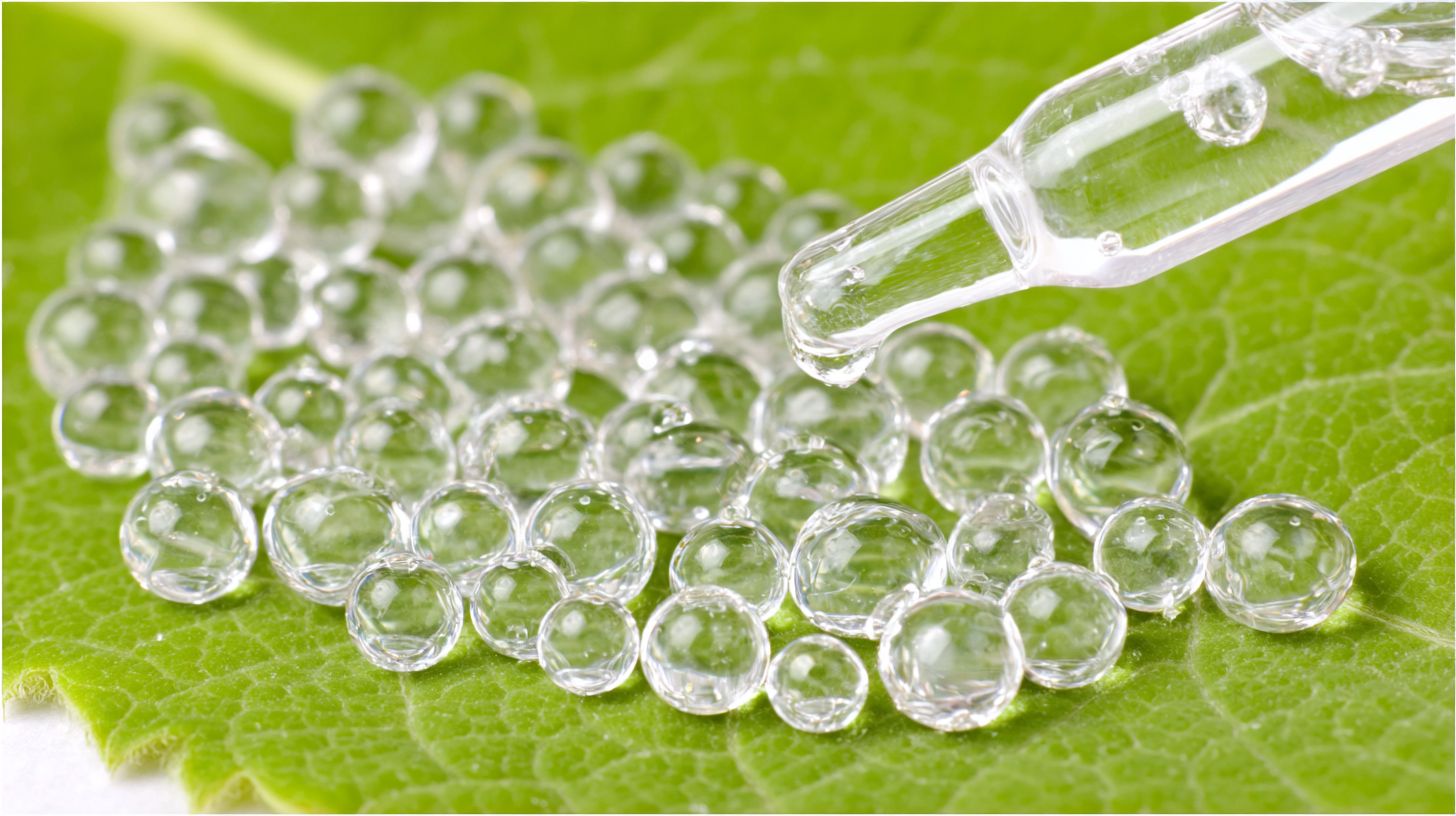
Liposomes encase plant stem cell extracts for effective skin penetration. These tiny vesicles mimic cell membranes, allowing botanical actives to pass through the skin barrier. This method bypasses surface layers to reach deeper cells.
In formulations from Vytrus Biotech, liposomes protect sensitive compounds during delivery. They release peptides and exosomes gradually for sustained cellular regeneration. Skin hydration improves as a result.
Practical tip: Choose serums with liposome-encapsulated plant stem cells, such as those featuring PhytoCellTec, for better absorption. Apply after cleansing for optimal results.
2. Activation of Growth Factors
Once inside, plant stem cells trigger growth factors that boost collagen production. This promotes tissue regeneration and reduces fine lines. Skin rejuvenation occurs at the cellular level.
Experts recommend products with Argan Stem Cells (Argania Spinosa) or Orange Stem Cells (Citrus Sinensis) for this effect. They stimulate fibroblasts to enhance skin elasticity. Results include firmer, more youthful skin.
Combine with gentle massage to activate these factors fully. Consistent use supports long-term skin radiance.
3. Neutralizing Free Radicals with Polyphenols
Polyphenols from plant stem cells combat oxidative stress and free radicals. They provide UV protection and reduce environmental damage. This slows aging processes naturally.
Grape Stem Cells (Vitis Vinifera) are rich in these antioxidants, offering inflammation reduction. They neutralize threats to skin cells effectively. Skin barrier strength improves over time.
Incorporate into daily routines for microbiome-friendly defense. Pair with sunscreen for added benefits.
4. Supporting Microbiome
Plant stem cells nurture the skin microbiome with prebiotic-like effects. They balance beneficial bacteria for healthier skin turnover. This fosters a protective environment.
Sustainable beauty options like tissue culture-derived extracts avoid harsh chemicals. They promote cellular turnover without disruption. Skin feels balanced and glowing.
Use microbiome-supporting cleansers alongside stem cell products. This enhances overall skin longevity and vitality.
Source Plants and Extraction Methods
Specific plants like Swiss apples, Mediterranean grapes, and Moroccan argan provide rich sources of plant stem cells, extracted through innovative biotech methods from companies like BASF and Exsymol for maximum potency. These botanical actives offer regenerative properties that support skin longevity and anti-aging benefits in organic skincare. Their stem cells help combat oxidative stress and promote cellular regeneration.
Common source plants include apple stem cells from Uttwiler Sptlauber apples, known for longevity traits. Grape stem cells from Burgundy varieties deliver potent antioxidants like polyphenols. Argan stem cells enhance skin hydration and elasticity, while lotus and orange stem cells aid in wrinkle reduction and skin firmness.
| Plant | Key Traits | Brand Example |
|---|---|---|
| Malus Domestica (Swiss Apple) | Longevity, cellular turnover | PhytoCellTec(tm) Malus Domestica (Mibelle Biochemistry) |
| Vitis Vinifera (Grape) | Antioxidants, UV protection | PhytoCellTec(tm) Vitis Vinifera (Mibelle Biochemistry) |
| Argania Spinosa (Argan) | Skin barrier support, inflammation reduction | Vytrus Biotech Argan |
| Lotus Stem Cells (Nelumbo Nucifera) | Skin radiance, tissue regeneration | Vytrus Biotech Lotus |
This table highlights how diverse plants contribute unique growth factors and peptides to cosmetic formulations. Ethical sourcing ensures sustainable beauty without harming mature plants.
Tissue Culture for Ethical Sourcing
Tissue culture allows for ethical sourcing of plant stem cells by growing them in labs, preserving wild populations. This method mimics natural growth conditions to produce high-quality stem cells for skincare. It supports sustainable beauty and consistent potency.
Unlike harvesting from whole plants, tissue culture avoids environmental damage. It enables microbiome-friendly production of exosomes and liposomes from suppliers like Givaudan Active Beauty and Provital that boost collagen production. Experts recommend it for reliable skin rejuvenation ingredients.
Grown in controlled environments, these stem cells retain regenerative properties similar to human stem cells. They protect against free radicals and enhance skin elasticity in formulations.
Step-by-Step Extraction Process
The extraction begins with a biopsy, where a small tissue sample is taken from the plant’s meristem. This captures totipotent stem cells capable of tissue regeneration. The process ensures purity for organic skincare use.
- Biopsy: Collect meristem tissue from young plants.
- Culture: Grow cells in nutrient media under sterile conditions to multiply stem cells.
- Lyophilization: Freeze-dry the biomass to preserve bioactive compounds like antioxidants.
After lyophilization, the powder integrates into serums for fine lines reduction and skin hydration. This biotech approach yields potent, plant-based actives without solvents. It promotes slow-aging effects through enhanced cellular turnover.
Scientific Evidence and Studies
Research from biotech leaders like Mibelle Biochemistry and Vytrus Biotech demonstrates plant stem cells’ efficacy in promoting skin vitality through advanced cellular studies. These companies focus on mechanisms like upregulated growth factors and cellular regeneration. In vitro research suggests plant stem cells enhance skin longevity without relying on human stem cells.
PhytoCellTec(tm) Malus Domestica from Mibelle Biochemistry uses apple stem cells to support longevity proteins in skin cells. Company trials indicate these plant-based actives protect against oxidative stress and free radicals. This leads to improved skin elasticity and reduced fine lines over time.
Vytrus Biotech explores plant exosomes from sources like argan and lotus stem cells. Their in-house research highlights regenerative properties for collagen production and skin barrier strength. These botanical actives offer microbiome-friendly benefits in cosmetic formulations.
Both entities emphasize sustainable beauty through tissue culture methods and ethical sourcing. Experts recommend incorporating such ingredients for anti-aging skincare routines targeting wrinkle reduction and skin radiance. Practical examples include serums with apple or grape stem cells for daily use.
Plant Stem Cells in Popular Products
Brands like Andalou and Acure, along with Hylunia Skincare and The Stem Company, have pioneered plant stem cell integration, offering accessible serums and creams powered by these regenerative botanicals.
These products harness apple stem cells, grape stem cells, and others to support skin longevity and anti-aging effects. Clean formulations avoid synthetic additives, focusing on plant-based ingredients that nurture the skin microbiome.
Users often notice improvements in skin firmness and fine lines with consistent use. Always patch-test new products to check for sensitivity, applying a small amount to the inner arm first.
Below is a selection of popular options featuring plant stem cells in their cosmetic formulations. Each emphasizes sustainable beauty and ethical sourcing.
| Brand | Star Ingredient | Key Benefit | Price Range |
|---|---|---|---|
| Andalou | Apple Stem Cells | Wrinkle reduction | $25-40 |
| Acure | Grape Stem Cells | Skin rejuvenation | $20-35 |
| Juice Beauty | Argan Stem Cells | Collagen production | $30-50 |
| Dr. Hauschka | Lotus Stem Cells | Skin hydration | $40-60 |
| Eminence Organics | Orange Stem Cells | Antioxidant protection | $35-55 |
| Bliss | Alpine Rose Stem Cells | Skin elasticity | $25-45 |
Safety and Organic Certification
Plant stem cells stand out for their gentle, non-irritating profile, making them ideal for sensitive skin and certified organic routines. Their hypoallergenic nature comes from plant-based origins, which reduce the risk of reactions compared to synthetic ingredients. This makes them a smart choice for daily skincare that supports skin longevity.
These stem cells work in harmony with the skin microbiome, promoting a balanced environment without disrupting natural bacteria. Experts recommend them for their microbiome-friendly properties, which help maintain the skin barrier. Products with apple stem cells or grape stem cells often highlight this compatibility in formulations.
Organic skincare with plant stem cells avoids animal testing, aligning with ethical standards in sustainable beauty. Look for certifications like USDA Organic and ECOCERT, endorsed by experts like Jelena Simi from Delicya Ltd., to ensure purity and transparency. These seals confirm the use of botanical actives from ethical sourcing.
- USDA Organic: Verifies at least 95% organic ingredients, free from pesticides.
- ECOCERT: Ensures sustainable practices and no GMOs in cosmetic formulations.
- Other seals like COSMOS for global organic standards in regenerative properties.
A common myth is that plant stem cells are human stem cells, but they are not. They come from tissue culture of plants like Lotus Stem Cells (Nelumbo Nucifera) or Argan Stem Cells (Argania Spinosa), offering regenerative properties safely. Always choose products with full ingredient transparency to verify claims and avoid hidden fillers.
Incorporating into Your Routine
Seamlessly add plant stem cell products by selecting a targeted serum or cream to apply after cleansing for optimal absorption. This step ensures the regenerative properties of stem cells, like Apple Stem Cells (Malus Domestica) or Grape Stem Cells (Vitis Vinifera), penetrate deeply to support skin longevity and cellular regeneration.
Begin with a simple routine to let your skin microbiome adjust. Cleanse gently in the morning and evening, then tone before applying the serum. Pat in 2-3 drops of plant stem cell serum and follow with moisturizer.
Avoid common mistakes like mixing with harsh actives such as retinoids at first. This prevents irritation and allows antioxidants and growth factors to work on collagen production without interference. Introduce stronger combinations gradually over weeks.
Step-by-Step Daily Routine
Follow this AM/PM routine for best results with plant stem cells. Each step takes under a minute, fitting easily into busy mornings or evenings. Focus on clean hands and upward motions for better absorption.
- Cleanse (AM/PM, 1 minute): Use a gentle, microbiome-friendly cleanser to remove impurities without stripping the skin barrier.
- Tone (30 seconds): Apply a hydrating toner to balance pH and prep skin for stem cell actives.
- Apply stem cell serum (1 minute): Dispense 2-3 drops of serum with PhytoCellTec(tm) Malus Domestica or Orange Stem Cells (Citrus Sinensis), pat gently into face and neck until absorbed.
- Moisturize (30 seconds): Seal in the serum with a cream rich in skin hydration boosters.
- SPF (AM only, 30 seconds): Finish with broad-spectrum sunscreen for UV protection to protect against oxidative stress and UV damage.
Time estimates keep the full routine under 5 minutes. Pat, do not rub, the serum to enhance skin rejuvenation and wrinkle reduction.
4-Week Progression Plan
Build tolerance with this 4-week progression for visible skin radiance and firmness. Start simple to support tissue regeneration and skin elasticity.
| Week | Focus | Adjustments |
|---|---|---|
| 1 | Introduce serum | Use alone after cleansing, 2 drops AM/PM. Monitor for sensitivity. |
| 2 | Add toner/moisturizer | Full basic routine. Note improvements in fine lines. |
| 3 | Increase to 3 drops | Layer with mild polyphenols. Expect better skin hydration. |
| 4 | Combine gently | Add peptides if tolerated. See enhanced anti-aging effects. |
Track changes weekly, like reduced inflammation or brighter tone. Consult a dermatologist if irritation occurs, ensuring sustainable beauty with plant-based actives.
Future Innovations
Emerging advancements like plant-derived exosomes from companies like Mibelle Biochemistry and advanced peptide blends promise to elevate plant stem cell technology for next-level skin longevity.
Experts see liposomal delivery improvements as a key trend. These systems protect delicate plant stem cells like apple stem cells and grape stem cells during application. This boosts their regenerative properties deep into the skin.
Hybrid plant-human mimic formulas combine botanical actives with structures resembling human stem cells. They enhance collagen production and combat oxidative stress from free radicals. Companies like Givaudan Active Beauty, Vytrus Biotech, PhytoCellTec, Mibelle Biochemistry, BASF, Exsymol, Provital lead in these sustainable beauty developments.
Personalized skincare via AI analyzes skin needs for custom cosmetic formulations. Users can track improvements in skin elasticity and fine lines. Follow brands like Vytrus Biotech, Andalou, Acure, Hylunia Skincare, The Stem Company and experts like Jelena Simi from Delicya Ltd. for upcoming launches in regenerative beauty.
Frequently Asked Questions
What is ‘The Power of Plant Stem Cells in Organic Skincare’?
The Power of Plant Stem Cells in Organic Skincare refers to the regenerative and rejuvenating abilities of undifferentiated plant cells, derived from sources like apples or grapes, which mimic human stem cell functions to promote skin renewal, collagen production, and anti-aging effects without synthetic chemicals.
How do plant stem cells enhance organic skincare products?
In harnessing The Power of Plant Stem Cells in Organic Skincare, these cells deliver growth factors and antioxidants that penetrate deep into the skin, stimulating cell turnover, repairing damage from UV exposure and pollution, and providing long-lasting hydration for a youthful complexion.
Are plant stem cells safe for use in organic skincare?
Yes, The Power of Plant Stem Cells in Organic Skincare is completely safe as they are ethically sourced from plants, free from animal testing, and certified organic, ensuring they are non-irritating, hypoallergenic, and suitable for all skin types, including sensitive skin.
What benefits can I expect from products featuring The Power of Plant Stem Cells in Organic Skincare?
Users of products tapping into The Power of Plant Stem Cells in Organic Skincare often experience reduced fine lines, improved elasticity, even skin tone, and enhanced barrier protection, with clinical results showing up to 30% wrinkle reduction after consistent use.
How do plant stem cells differ from traditional skincare ingredients?
Unlike traditional ingredients like retinol or hyaluronic acid, The Power of Plant Stem Cells in Organic Skincare actively reprograms skin cells for self-repair, offering sustained anti-aging effects without irritation or downtime, making them a superior choice for natural skincare routines.
Can I incorporate The Power of Plant Stem Cells in Organic Skincare into my daily routine?
Absolutely, integrate The Power of Plant Stem Cells in Organic Skincare by applying serums or creams morning and night after cleansing; start with a patch test, and combine with sunscreen during the day for optimal results in maintaining radiant, healthy skin.