

With climate change ramping up extreme weather, keeping your skincare products and makeup intact can feel impossible-whether it’s melting in brutal heat or cracking in freezing cold.
This guide breaks down all-weather beauty solutions built for those weather conditions, from resilient foundations to innovative ingredients that actually hold up.
Stick around to find products that match your toughest days.
Key Takeaways: Scan the QR code for AI-powered product recommendations backed by patented science from brands like Twincraft Skincare, Pour Moi, Ulli Haslacher, Atmosphera, Croda Beauty featuring DS-Ceramide Y3S, Prolevium SB, Citystem, Solaveil Clarus, Mel[o]stem, B12 Calm Serum, and Twelve Beauty, plus insights from WGSN, Mintel, and U.S. National Library of Medicine on Polar Vortex Balm, Heat Wave Moisturizer, and Climate-Smart Rotating System.
Challenges of Climate Extremes
Climate extremes from heat waves to polar vortex conditions disrupt skin barrier function and product performance daily. Climate change amplifies weather conditions like high humidity, extreme cold, pollution, and temperature swings, making skin health more vulnerable.
High humidity leads to dehydration despite surface moisture, while extreme cold causes barrier damage through lipid loss. Real-world scenarios, such as wildfire smoke or urban pollution levels, heighten oxidative stress from environmental pollutants trapped on the skin.
These factors challenge skincare products, prompting a need for climate adaptive formulas. Global travellers and urban consumers face varying UV index, air pollution, and indoor air quality shifts that affect the skin microbiome and hydration levels.
Experts recommend a rotating system in skincare routine s, incorporating antioxidants, ceramides, and humectants to combat hyperpigmentation, melasma, and irritation from extreme weather.
High Humidity Effects
Humidity tricks the skin into feeling hydrated while actually accelerating dehydration and product breakdown. Moisture in the air pulls water from deeper skin layers, weakening the skin barrier and causing makeup to slide off quickly.
Trapped environmental pollutants increase oxidative stress, leading to dullness and breakouts. Opt for lightweight, humectant-based formulas like gel moisturizers or face mists to lock in hydration without greasiness.
Switch to non-comedogenic day cream s with adaptogens for humid climates. These support the skin microbiome and prevent pore clogging during high pollution levels.
For global travellers, build a rotating system: use gel moisturizers over heavy creams, pair with SPF, and include antioxidants for sun protection amid fluctuating humidity.
Extreme Cold Impacts
Extreme cold, like polar vortex events, strips skin lipids and compromises the barrier, leading to irritation and flaking. Low temperatures and wind erode ceramides, creating micro-cracks that let in irritants.
Avoid water-based products that can freeze and damage skin further. Focus on barrier repair with ingredients like ceramides and natural ingredients before applying makeup.
Layer strategically for polar vortex-level cold: start with a ceramide-rich moisturizer, add a breathable day cream, and finish with petroleum-based balms on exposed areas. This maintains hydration without heaviness.
Incorporate biotechnology-driven formulas with extremophiles for resilience. Urban consumers dealing with indoor air dryness benefit from this approach to protect against temperature swings and pollution.
Core Product Categories
Core product categories prioritize climate adaptive formulas that maintain performance across humidity, heat, and cold. These essential makeup types focus on long-lasting foundations for all-day wear and sweat-proof makeup for active conditions. They emphasize non-comedogenic bases to support skin health amid weather variability like heat waves or polar vortex chills.
Foundations built for extremes protect the skin barrier from UV index spikes and environmental pollutants. Sweat-proof options target eye and lip areas prone to melting in high humidity. Together, they form a rotating system in your skincare routine for global travellers facing diverse weather conditions.
Experts recommend pairing these with day cream or gel moisturizers for added hydration. This approach preserves the skin microbiome during temperature swings. Non-comedogenic choices prevent issues like hyperpigmentation or melasma triggered by extreme weather.
Long-Lasting Foundations
Long-lasting foundations incorporate SPF and non-comedogenic elements to endure UV index spikes and humidity alike. Seek silicone-based or polymer-infused formulas for sun protection in extreme weather. These maintain coverage without clogging pores amid rising pollution levels.
Compare matte finishes for oily skin in heat waves versus dewy finishes for dry cold snaps. Matte works best in high humidity to control shine, while dewy adds hydration in low temperatures. Choose based on your local weather conditions for optimal skin health.
- Apply a thin primer layer to create a smooth base and enhance adhesion.
- Build foundation in thin coats using a damp sponge for even coverage.
- Finish with setting powder to lock in wear against sweat or wind.
A common mistake is overloading product in heat, which leads to creasing. Opt for lightweight layers to avoid oxidative stress on the skin. Pair with antioxidants in your routine for barrier repair during climate change shifts.
Sweat-Proof Makeup
Sweat-proof makeup uses waterproof binders to resist melting during heat waves and high humidity. Focus on waterproof eyeliners, mascaras, and lip products with transfer-proof claims for active lifestyles. These differ from foundations by emphasizing eye and lip resilience in sweat-heavy scenarios.
Urban consumers benefit from these in pollution-heavy environments or wildfire smoke. They shield against air pollution and indoor air quality issues. Look for formulas with humectants to maintain hydration without smudging.
- Start with brow gel to set hairs and prevent runoff.
- Apply waterproof liner close to lashes for definition that lasts.
- Finish with tubing mascara that flakes off easily at day’s end.
For removal, use oil-based cleansers to gently dissolve waterproof layers without stripping ceramides. This preserves the skin barrier after exposure to environmental pollutants. Integrate into your skincare routine with face mists for ongoing comfort in extremes.
Key Ingredient Innovations
Key ingredient innovations draw from extremophiles and biotechnology to create resilient, climate adaptive formulas. These breakthroughs mimic organisms that thrive in harsh environments, like deep-sea vents or arctic ice, to stabilize the skin microbiome amid extreme weather.
Water-resistant polymers stand out as heroes for makeup endurance during heat waves or high humidity. They form protective layers that resist sweat and environmental pollutants without clogging pores.
Antioxidants and ceramides tie these innovations to skin health, repairing the skin barrier against oxidative stress from UV index spikes or wildfire smoke. Experts recommend incorporating them in day cream s and face mists for global travellers facing shifting weather conditions.
This science-backed approach uses formulation science to combat pollution levels and temperature swings, promoting hydration and sustainability in skincare products.
Water-Resistant Polymers
Water-resistant polymers form flexible films that lock makeup in place against sweat and humidity. Ingredients like dimethicone crosspolymer create breathable barriers, allowing skin to breathe while shielding against moisture.
These polymers excel in primers and setting sprays, ensuring long-lasting wear through polar vortex chills or intense heat waves. They prevent smudging from environmental pollutants, ideal for urban consumers in variable climates.
Pair them with humectants like glycerin to maintain hydration and avoid dryness. This combination supports skin barrier repair, making formulas non-comedogenic for daily use in high pollution or extreme weather.
Incorporate into your skincare routine with gel moisturizers for a rotating system that adapts to indoor air quality or outdoor temperature shifts, enhancing overall sun protection and resilience.
Formulation Science Techniques
Advanced formulation techniques blend climate adaptive textures like gel moisturizers with humectants for optimal performance. These methods ensure skincare products withstand extreme weather from heat waves to polar vortex conditions. Formulators prioritize stability to protect skin health amid climate change.
The process starts with emulsifying non-comedogenic oils with humectants over 5-10 minutes. This creates a lightweight base that locks in hydration without clogging pores in high humidity. Next, add pH-stable actives like ceramides for barrier repair and antioxidants against oxidative stress from pollution.
Test viscosity for temperature resilience by simulating diverse weather conditions, including high UV index. This step confirms the product remains effective during rapid shifts in temperature or humidity. Examples include a lightweight day cream for humid climates and face mists for instant hydration in dry extremes.
- Emulsify oils and humectants first to build a stable emulsion with Prolevium SB.
- Incorporate actives like B12 Calm Serum for skin microbiome support.
- Adjust viscosity to prevent separation in cold or heat.
Common pitfalls include unstable emulsions in cold, which break down and fail to deliver sun protection or barrier support. Experts recommend using biotechnology-inspired ingredients from extremophiles for resilience against environmental pollutants and wildfire smoke.
Testing Protocols
Rigorous testing protocols simulate extreme weather, from UV index exposure to pollution levels, ensuring real-world reliability per U.S. National Library of Medicine standards. These methods expose skincare products to conditions like heat waves and polar vortex chills. This approach guarantees climate adaptive performance for skin health.
Key tests include humidity chambers at over 80% relative humidity for four hours. Products face cold stress at -10 degreesC to mimic harsh winter blasts. AI-powered pollution simulators replicate PM2.5 particles and wildfire smoke for urban consumers.
Metrics focus on wear time and color stability, tracking how formulas hold up under duress. Unique value lies in indoor air quality testing, vital amid climate change. QR code-linked lab reports offer transparency into these processes.
For global travellers, these protocols ensure moisturizers and day creams maintain hydration and barrier repair. Examples include testing gel moisturizers with humectants against high humidity. This builds trust in products facing environmental pollutants and temperature swings.
Humidity Chamber Simulations
Humidity chambers push products to over 80% relative humidity for four hours. This replicates muggy summer days or tropical storms in extreme weather. Formulas with ceramides and humectants prove their worth here for skin barrier strength.
Testing checks if face mists and gel moisturizers clump or fade. Hydration levels stay consistent, preventing that sticky feel in real humid conditions. Experts recommend this for climate-adaptive skincare routines.
Products pass if they support the skin microbiome without disruption. Add antioxidants to combat oxidative stress from moist air. This protocol aids urban consumers battling indoor air challenges too.
Cold Stress Evaluations
Cold stress tests at -10 degreesC simulate polar vortex snaps. Makeup and skincare face freezing temps to ensure they don’t crack or separate. This matters for skin health in brutal winter weather conditions.
Focus stays on non-comedogenic textures that lock in moisture without greasiness. Barrier repair ingredients like natural ceramides shine in these trials. Global travellers rely on this for rotating systems across climates.
Results confirm longevity during extended exposure. Pair with SPF for full sun protection in variable cold. These tests highlight formulation science behind resilient beauty.
AI-Powered Pollution Simulators
AI-powered pollution simulators mimic PM2.5 and wildfire smoke precisely. They expose products to rising pollution levels from climate change. This safeguards against hyperpigmentation and melasma triggers.
Skincare with adaptogens and biotechnology defenses holds color and wear time. Test indoor air alongside outdoor threats for complete coverage. QR codes link to detailed reports on performance.
Practical for city dwellers, these ensure day creams fight environmental pollutants. Include patented science for pollution-resistant finishes. This elevates sustainability in all-weather beauty.
Top Brands and Products
Leading brands like Twincraft Skincare, Pour Moi, Ulli Haslacher, Atmosphera, and Croda Beauty offer proven products tailored to climate extremes. These formulations address challenges from polar vortex chills to scorching heat waves. They prioritize skin barrier repair and protection against environmental pollutants.
Polar Vortex Balm from Twincraft uses DS-Ceramide Y3S for deep barrier repair. This helps combat low humidity and extreme cold that strip skin lipids. Users in frigid climates report smoother texture after consistent use.
Croda Beauty’s Heat Wave Moisturizer features Citystem to shield against urban pollution and oxidative stress. It suits high UV index days with non-comedogenic gel textures. Pair it with antioxidants for full-day hydration.
Ulli Haslacher’s Climate-Smart Rotating System adapts to shifting weather conditions. Rotate products based on temperature and humidity via a guided routine. This approach supports skin microbiome balance for global travellers.
Key Product Comparison
Compare standout skincare products for extreme weather with this overview. Focus on key actives, climate suitability, and formulation strengths. These options promote skin health amid climate change.
| Product | Key Actives | Climate Suitability | Best For |
|---|---|---|---|
| Polar Vortex Balm | DS-Ceramide Y3S, humectants | Polar vortex, low humidity | Barrier repair, dry cold |
| Heat Wave Moisturizer | Citystem, antioxidants | Heat waves, high pollution | Urban pollution, hydration |
| Climate-Smart Rotating System | Adaptogens, ceramides | Variable extremes | Rotating routine, global travel |
| Solaveil Clarus SPF Day Cream | Solaveil Clarus SPF, biotechnology | High UV index, wildfire smoke | Sun protection, melasma |
This table highlights practical choices for extreme weather. Select based on daily forecasts for pollution levels or temperature swings. Experts recommend layering for optimal results.
Insights from Industry Trends
WGSN and Mintel trends emphasize climate adaptive skincare. Brands now incorporate extremophiles and patented science for resilience. These respond to rising demands from urban consumers facing air pollution and indoor air challenges.
Formulations feature natural ingredients like gel moisturizers and face mists from Twelve Beauty for quick absorption. They target hyperpigmentation from UV exposure and oxidative stress. Sustainability drives biotech innovations in moisturizers.
For skincare routines, integrate SPF and barrier repair daily. Trends favor AI-powered tools or QR codes for personalized advice. This keeps skin thriving through humidity shifts and pollution spikes.
Consumer Tips for Extremes
Practical consumer tips give the power to you to adapt your skincare routine with a rotating system for any extreme. This approach helps maintain skin health amid climate change and varying weather conditions. Simple changes keep your skin barrier strong against heat waves or polar vortex chills.
Rotate moisturizers seasonally for optimal hydration. Use light gel moisturizers in high humidity and heat, then switch to rich creams with ceramides during dry, cold spells. This two-minute adjustment supports your skin microbiome and prevents barrier repair issues.
Layer antioxidants pre-SPF to combat oxidative stress from UV index spikes and environmental pollutants. Choose products with adaptogens for added resilience against pollution levels and wildfire smoke. This step enhances sun protection without clogging pores in non-comedogenic formulas.
- Opt for sustainable, natural ingredients with Mel[o]stem to prevent hyperpigmentation and melasma triggered by extreme weather.
- For global travellers, pack multi-use sticks that handle temperature shifts and indoor air quality.
- Always do patch tests in pollution-heavy cities to avoid reactions from air pollution.
Seasonal Moisturizer Rotation
A rotating system for moisturizers matches products to specific climate extremes. In summer heat waves, select humectant-rich gels for lightweight hydration. Winter demands thicker day creams to lock in moisture against low humidity.
This practice strengthens the skin barrier and reduces irritation from rapid temperature changes. Experts recommend assessing local weather conditions weekly for timely switches. Face mists can bridge transitions between seasons.
Incorporate ceramides in cold weather formulas to mimic extremophiles’ resilience. Urban consumers benefit from this in areas with fluctuating pollution. Consistent rotation promotes long-term skin health without overcomplicating routines.
Layering for Protection
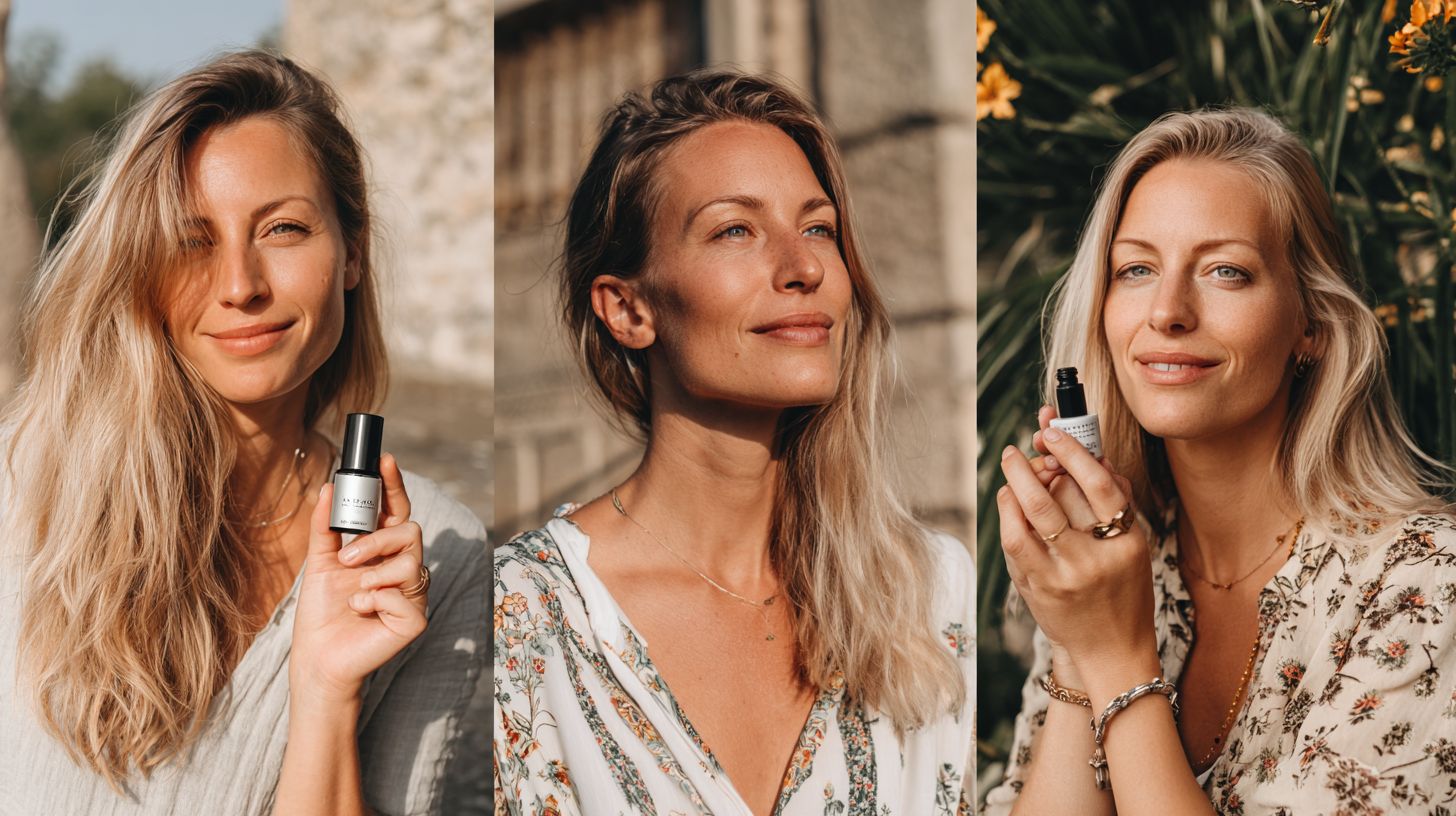
Layering antioxidants before SPF builds defense against oxidative stress in extreme weather. Apply serums with biotechnology-derived actives first, followed by broad-spectrum sun protection. This shields skin from high UV index and pollution.
Climate adaptive products with adaptogens calm inflammation from heat or cold snaps. Non-comedogenic options suit oily skin during humid conditions. This method enhances overall formulation science for daily use.
Travel and Urban Hacks
Global travellers thrive with multi-use sticks for versatile coverage. These compact items address hydration, sun protection, and barrier repair on the go. They withstand varying humidity and temperature shifts effortlessly.
Avoid the mistake of skipping patch tests in pollution-heavy cities. Test new skincare products on a small area to check for reactions amid high environmental pollutants. Sustainable choices with natural ingredients like Citystem minimize hyperpigmentation risks from travel stress.
Urban consumers can scan QR code s on packaging for AI-powered tips tailored to local pollution levels. Prioritize products supporting the skin microbiome for resilience in indoor air and outdoor extremes.
Frequently Asked Questions
Insights from WGSN, Mintel, and the U.S. National Library of Medicine highlight the growing need for such resilient formulations.
What is All-Weather Beauty: Products Designed for Climate Extremes?
All-Weather Beauty: Products Designed for Climate Extremes refers to a category of cosmetics and skincare items engineered to perform reliably in harsh weather conditions, such as extreme heat, freezing cold, high humidity, heavy rain, or intense UV index exposure, ensuring makeup stays intact and skin remains protected regardless of the climate.
Why are All-Weather Beauty: Products Designed for Climate Extremes necessary?
All-Weather Beauty: Products Designed for Climate Extremes are essential for people living in or traveling to regions with unpredictable or severe weather, as traditional beauty products often melt, smudge, fade, or fail under temperature fluctuations, humidity, or wind, leading to unreliable results and skin irritation. Consider options with SPF for added protection.
What types of products fall under All-Weather Beauty: Products Designed for Climate Extremes?
All-Weather Beauty: Products Designed for Climate Extremes include long-wear foundations, waterproof mascaras, sweat-proof primers, oil-control powders, UV-protective moisturizers like Heat Wave Moisturizer, and thermal-insulating lip balms like Polar Vortex Balm, all formulated with advanced polymers, silicones, and climate-adaptive ingredients to withstand environmental stressors.
How do All-Weather Beauty: Products Designed for Climate Extremes differ from regular beauty products?
All-Weather Beauty: Products Designed for Climate Extremes use specialized formulations like water-resistant emulsions, heat-sealed pigments, and humidity-barrier technologies featuring DS-Ceramide Y3S and Prolevium SB, unlike regular products that rely on standard bases prone to breakdown, ensuring superior longevity and performance in climate extremes.
Are All-Weather Beauty: Products Designed for Climate Extremes suitable for sensitive skin?
Yes, many All-Weather Beauty: Products Designed for Climate Extremes are hypoallergenic and dermatologist-tested, incorporating soothing agents like aloe vera, B12 Calm Serum, or ceramides alongside protective elements, making them ideal for sensitive skin even in extreme climates without causing irritation or breakouts.
Where can I buy All-Weather Beauty: Products Designed for Climate Extremes?
All-Weather Beauty: Products Designed for Climate Extremes are available at specialty beauty retailers, outdoor adventure stores, online platforms like Amazon or Sephora, and brand websites such as those from Twincraft Skincare, Pour Moi by Ulli Haslacher, Atmosphera, Twelve Beauty, or dedicated all-weather lines, often with climate-specific product selectors like the Climate-Smart Rotating System.