

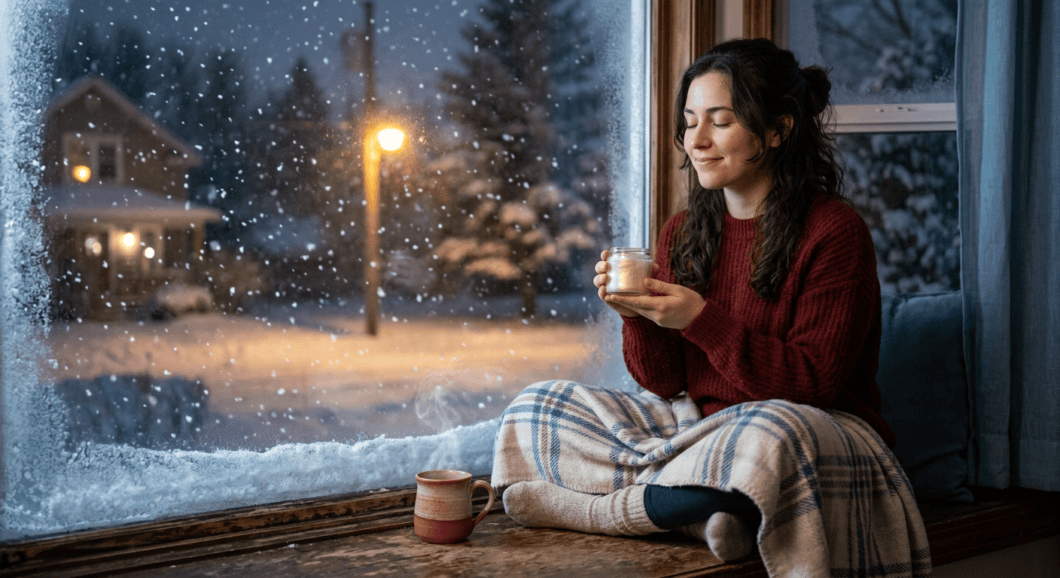
The first cold evening of the year does something to your shopping habits. A peppermint body lotion or a shimmery lip gloss can drop you back in a kitchen that smelled like baking, or the middle-school bathroom where you tried your first tinted balm. That emotional jolt is what beauty brands chase when they release nostalgic winter collections. A Mintel report cited by Happi found that more than 70% of US adults enjoy products that evoke nostalgia, and the winter season gives brands a ready excuse to put memory to work.
Nostalgia has become a core commercial strategy, and the holidays amplify it. What follows is why the trend works, who is winning, and what it means for the way you shop this season.
The Psychology Behind Winter Nostalgia

Winter is an emotional season. Shorter days, colder weather, and the pressure of gift-giving push consumers toward comfort, and beauty delivers that comfort through the senses. As Happi notes, scent, color, and texture are powerful emotional memory triggers, and a single shade or finish can reconnect you to a more grounded version of yourself.
Nostalgia also offers relief from the performance pressure of social media. Glossy reports that Gen Z embraces nostalgia to escape filter-heavy content and unrealistic beauty standards, craving lightheartedness when the world feels heavy. They turn to past eras for comfort, even eras they never lived through.
Memory as a Purchase Driver
Nostalgia is not really about returning to the past. Happi frames it as a yearning for coherence, for a time when people recognized themselves easily. Winter collections tap directly into that longing, wrapping familiar sensory cues in festive packaging and giving shoppers an emotional reason to buy.
Heritage Scents That Define the Season
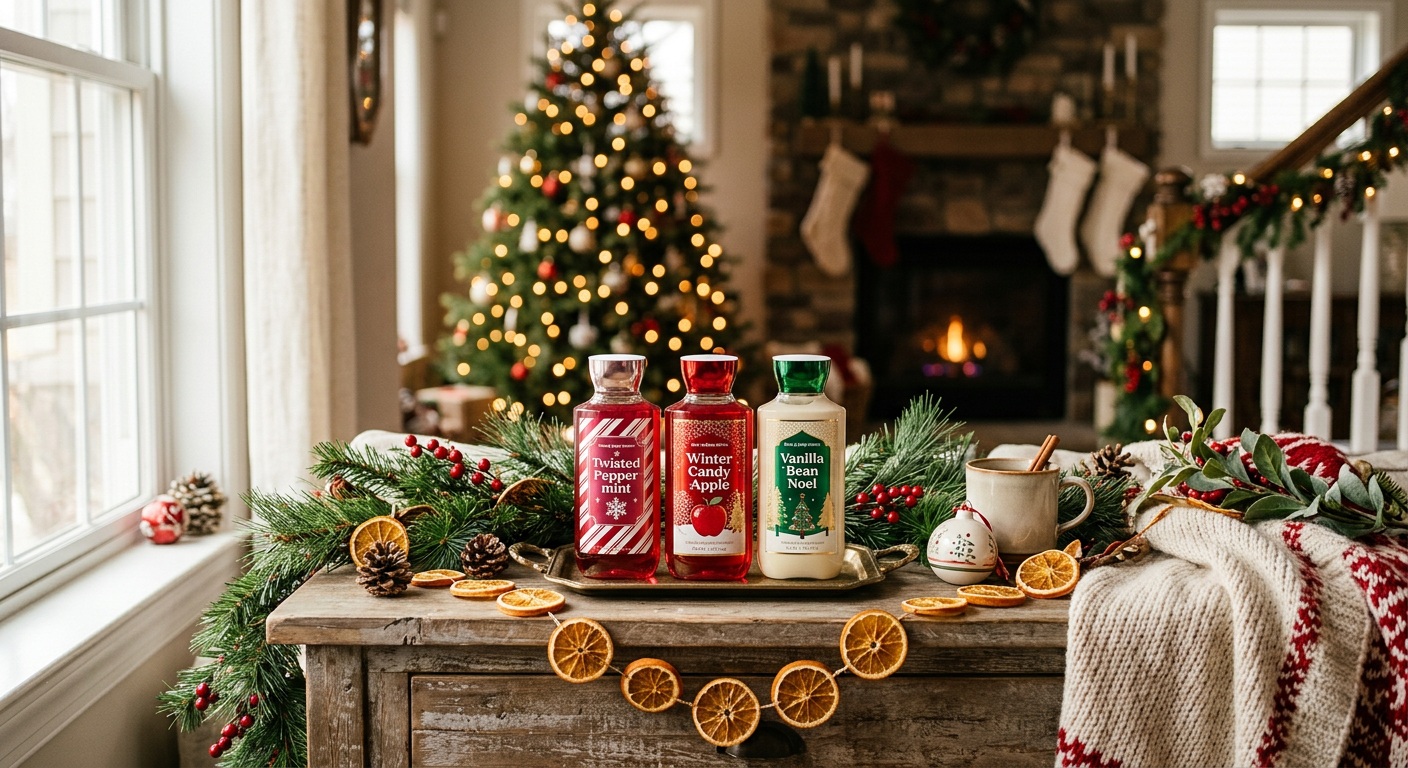
No brand demonstrates the power of winter nostalgia better than Bath & Body Works. Its Holiday Traditions collection brings back fragrances that have become seasonal fixtures, and the numbers show how deep the loyalty runs.
Bath & Body Works notes that Winter Candy Apple debuted in 1999, Vanilla Bean Noel launched in 2002, and Twisted Peppermint first arrived in 2006, making 2026 the first year all three fragrances have passed the 20-year mark. These work less as products than as annual rituals.
Why Legacy Formulas Win
The company deliberately pairs returning classics with fresh elements. Its 2025 holiday drop reintroduced fan favorites like Vanilla Bean Noel, Twisted Peppermint, and Winter Candy Apple alongside a newcomer, Bright Christmas Morning, which features notes of ripe red berries, blood orange, and crisp apple, per Bath & Body Works. The blend of old and new keeps the ritual alive while giving consumers a reason to come back.
| Fragrance | Debut Year | Years in Market (2026) |
|---|---|---|
| Winter Candy Apple | 1999 | 27 |
| Vanilla Bean Noel | 2002 | 24 |
| Twisted Peppermint | 2006 | 20 |
Reviving Archive Products for Modern Shoppers
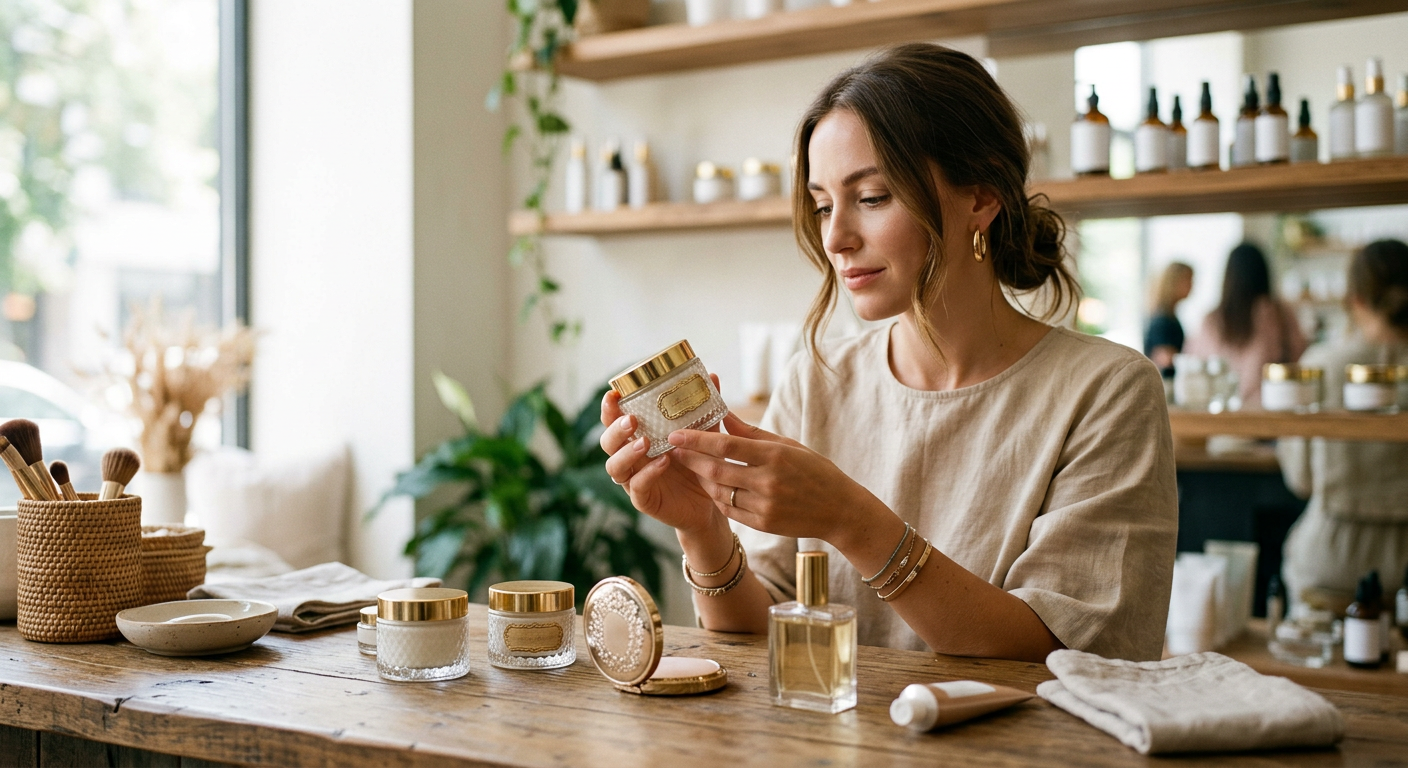
Brands are also raiding their own archives. Relaunching past icons has become one of beauty’s most reliable moves, and winter is prime launch territory.
Happi points to Lancôme reviving its Juicy Tubes lip gloss, MAC Cosmetics returning to its nude shade collection, and Mugler re-entering cosmetics after a 15-year absence. These are calculated bets on lived memory, not coincidences.
The 2010s and Y2K Comeback
The nostalgia window keeps moving forward. Cosmetics Business reports that brands including Kylie Cosmetics, Kayali, The Ordinary, and Lancôme are reviving archive products and launching entire collections dedicated to 2010s trends, with a revival of 1990s pop and Y2K energy driving dark lip liners and nude lips back into demand.
There is a catch. As one expert told Cosmetics Business, nostalgia only lands if there is something real to remember. A heritage brand revisiting an iconic formula reconnects with lived memory, while a new brand borrowing retro aesthetics without context risks feeling like cosplay.
How Limited Editions Fuel the Strategy
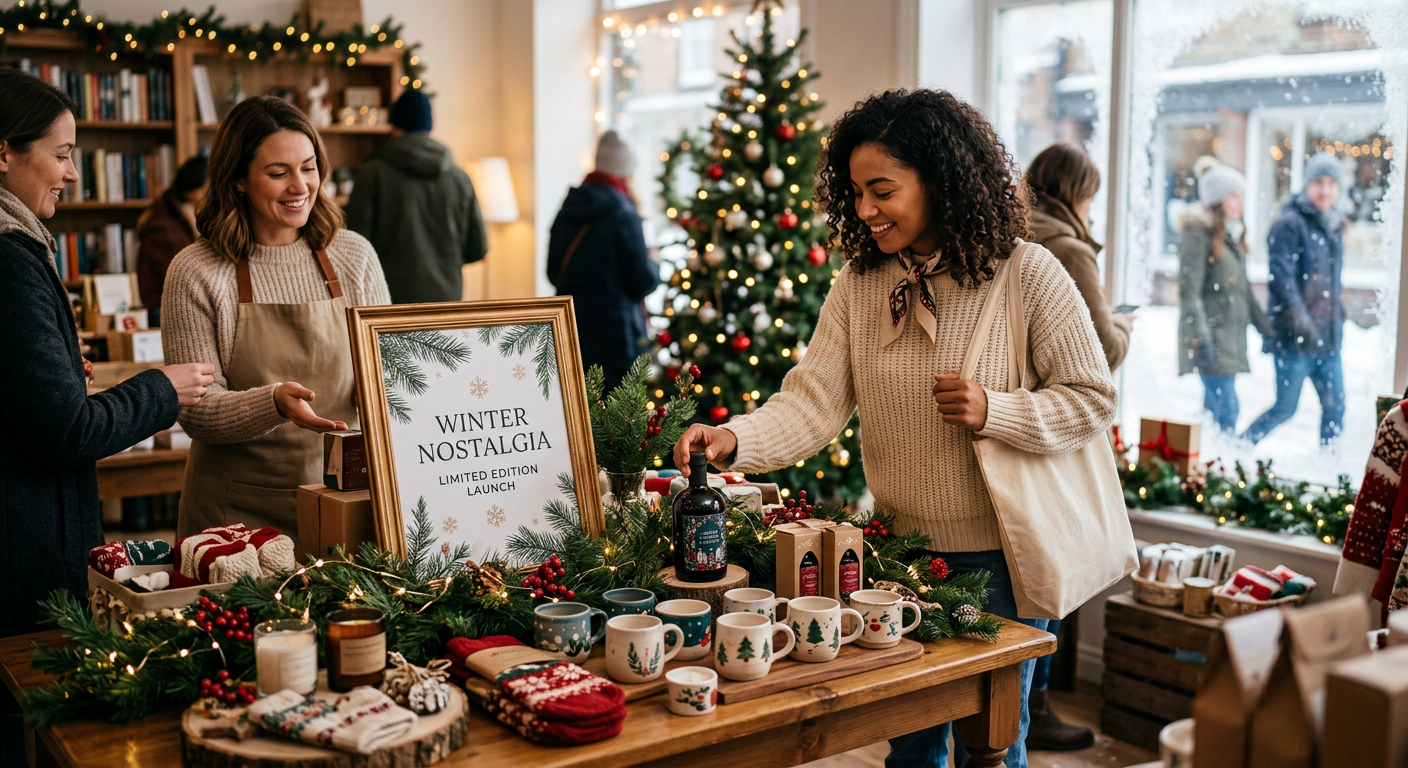
Winter nostalgia and limited-edition launches are a natural match. The most effective holiday products rarely start from scratch. MB Cosmetics Academy reports that successful limited editions reuse what already works, keeping hero ingredients, familiar textures, and proven formats while layering seasonal flair on top.
The approach lowers risk and maximizes emotional payoff. Brands take a formula consumers already trust and give it festive context, making it feel indulgent and collectible without the cost of full product development.
Small Luxuries and Collectible Formats
Gifting behavior reinforces the trend. Trend Hunter notes that brands are assembling ready-to-give sets around a single care need, such as lip or body scent, with smaller formats suited to stocking fillers and trial-friendly purchases. Winter flavors, festive scents, and shimmer finishes turn everyday care products into collectible, limited-time experiences.
Licensing and Storytelling as Nostalgia Vehicles
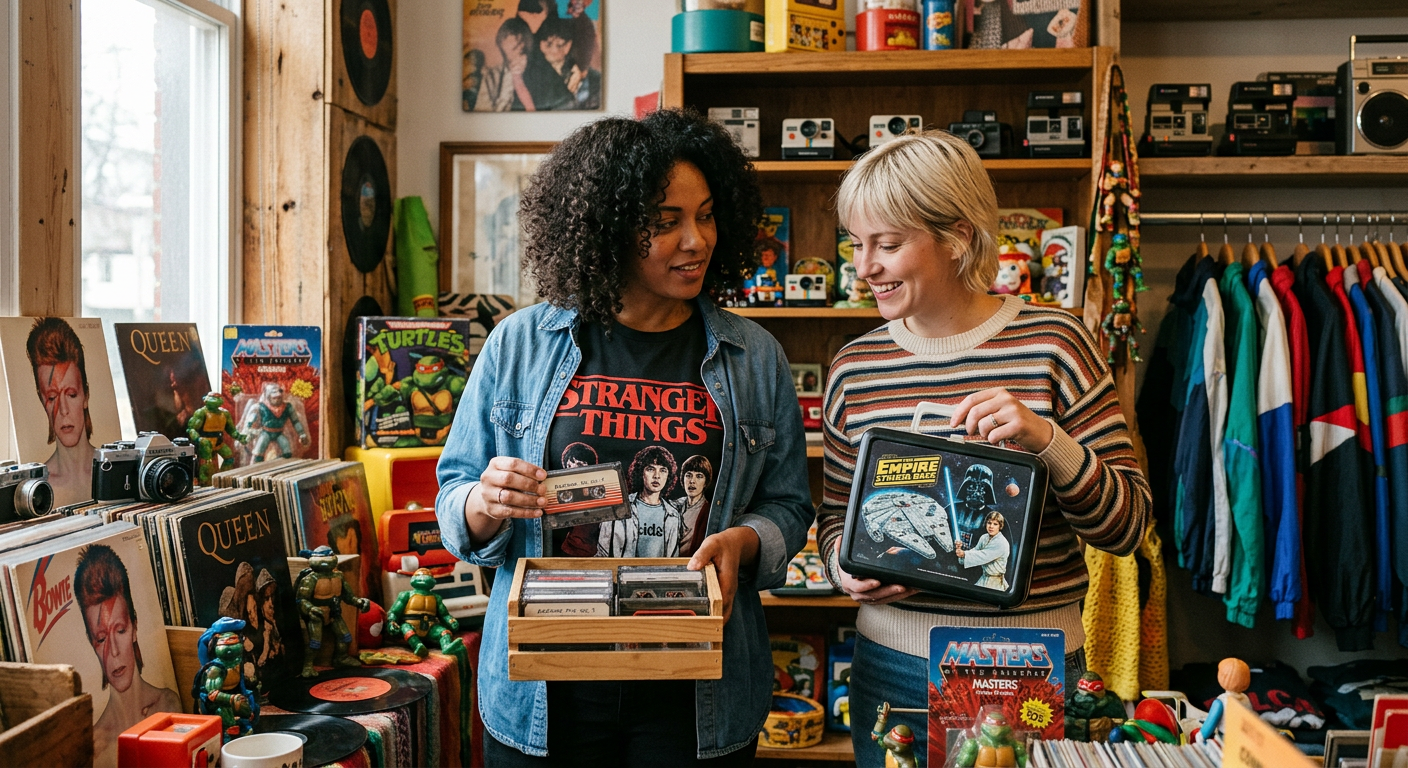
Some brands skip their own archives and borrow cultural memory instead. Licensed collections tied to beloved characters and franchises convert fandom directly into festive gifting.
Mad Beauty built its entire Autumn/Winter 2026 collection on this idea, launching nine new licensed ranges and its biggest-ever lineup of beauty advent calendars. Its Disney Winnie the Pooh collection turns nostalgia into something consumers can gift, display, and keep, using storybook-inspired packaging to evoke a treasured-book feel.
Prestige Brands Lean In Too
Nostalgia is not limited to mass-market players. Byredo reimagines winter with its Polar Harmony makeup collection, blending warm and cool tones to capture the nostalgic warmth of cozy fireside evenings and snowy Nordic afternoons. The emotional framing is identical across price tiers, which means the strategy scales from stocking fillers to luxury.
What This Means for a Growing Market

The timing is strategic. McKinsey expects the global beauty market to grow 5% annually, reaching $590 billion by 2030. In a market this large and competitive, emotional differentiation matters, and nostalgia delivers it cheaply.
Fragrance is central to the story. McKinsey projects fragrance to grow most consistently across price tiers through 2030, and scent is precisely where nostalgia hits hardest. Winter collections built around iconic fragrances sit at the intersection of the fastest-growing category and the most powerful emotional trigger.
For brands, the lesson is to use nostalgia intentionally rather than decoratively. Happi argues that smart nostalgia identifies the emotional territory a product originally held. Done well, a winter collection does more than sell a candle or a gloss. It sells a feeling of recognition.
Key Takeaways and Next Steps

Nostalgic winter collections work because they combine the emotional weight of memory with the gifting energy of the holidays. More than 70% of US adults enjoy nostalgic products, heritage scents like Winter Candy Apple have endured for decades, and brands from Bath & Body Works to Byredo are turning memory into measurable sales.
The winning formula is consistent: reuse proven formulas, layer on seasonal storytelling, and anchor everything in authentic, lived memory rather than hollow retro styling. Limited editions, licensed partnerships, and collectible small-format sets all extend that strategy.
If you are a shopper, lean into the collections that connect to your own memories. If you work in beauty, audit your archive and your brand heritage now, then plan your next winter drop around the emotional territory your products already own. Start with the fragrance or formula your customers remember most, and build the season around it.
Frequently Asked Questions
Why do beauty brands release nostalgic collections in winter?
Winter is an emotionally charged, gift-heavy season, and scent, color, and texture are strong memory triggers. Brands use familiar sensory cues to offer comfort and give shoppers an emotional reason to buy during the holidays.
What are examples of nostalgic winter beauty products?
Bath & Body Works fragrances like Winter Candy Apple, Vanilla Bean Noel, and Twisted Peppermint are long-running examples. Brands like Lancôme, MAC, and Byredo also revive archive products or build winter collections around nostalgic warmth.
Does nostalgia marketing actually work in beauty?
It does, when it is authentic. More than 70% of US adults enjoy nostalgic products, but experts note nostalgia only lands when there is a real memory to tap, such as a heritage formula rather than borrowed retro styling.
Why is nostalgia especially popular with Gen Z?
According to Glossy, Gen Z turns to nostalgia to escape filter-heavy social media and unrealistic beauty standards. They crave comfort and lightheartedness, often embracing eras they never personally experienced.
How do limited editions fit into the nostalgia trend?
Effective holiday limited editions reuse proven hero ingredients and formats, adding seasonal flair rather than reinventing products. This lowers risk while making familiar items feel festive, indulgent, and collectible.
Is the nostalgia trend expected to continue?
The signs point to yes. With the global beauty market projected to reach $590 billion by 2030 and fragrance growing consistently, emotionally driven nostalgic collections remain a reliable strategy for differentiation.