

That 50%-off serum in your inbox looks irresistible. Whether it’s actually a deal or just a well-timed markdown is a different question. During Black Friday, the discount percentage tells you almost nothing about whether a beauty product is worth buying. The shoppers who come out ahead know how to read past the sticker and find the offers that actually save money. This guide lays out a practical framework for shopping beauty sales without the next-day regret.
Black Friday is big business. In 2024, Britons spent £3.6bn between Black Friday and Cyber Monday, a 5.2% increase on the previous year despite the ongoing cost-of-living crisis, The Guardian reports. Beauty is one of the most heavily discounted categories, which makes it both an opportunity and a trap.
Why Beauty Discounts Deserve Extra Scrutiny
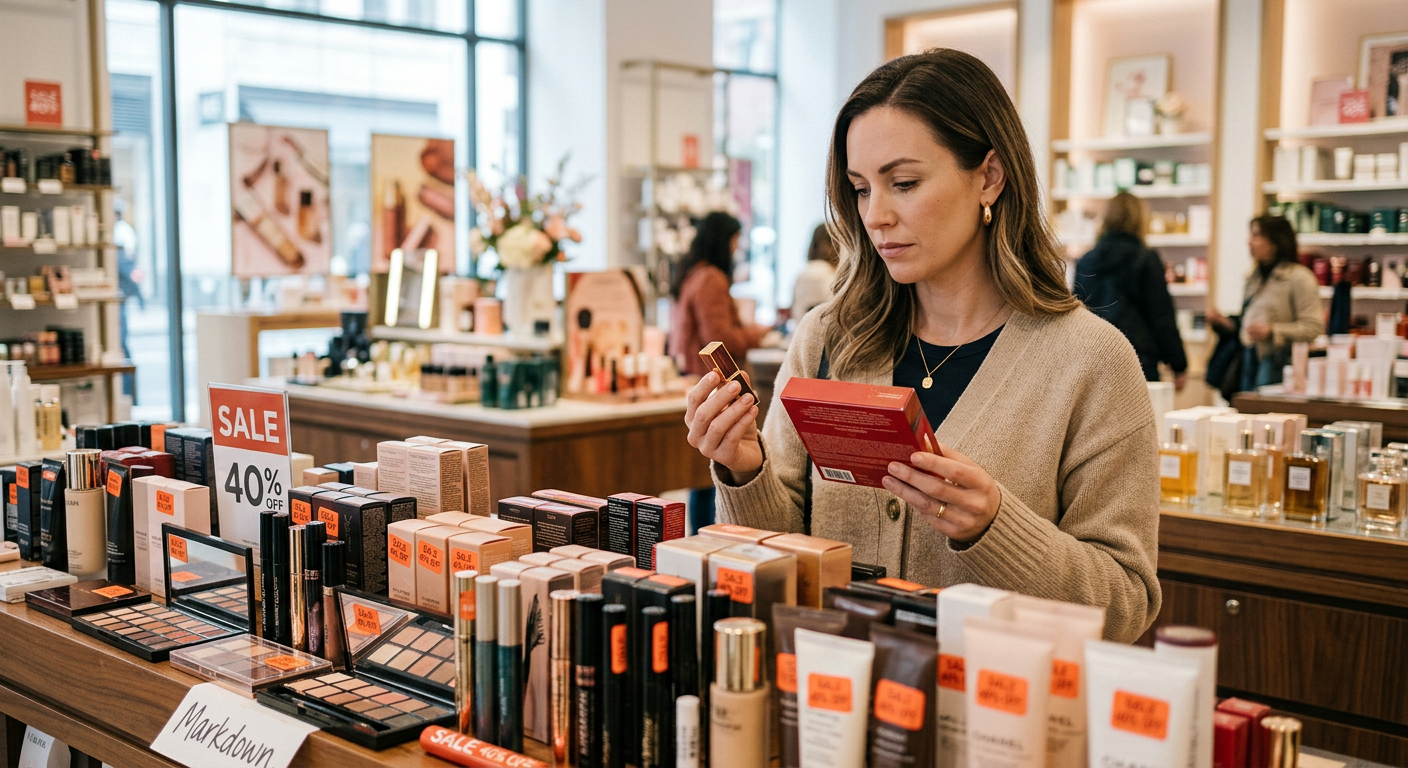
Beauty gets discounted more aggressively than almost any other category. Cosmetics markdowns typically range from 30 to 60 percent and sometimes stay active for weeks, according to LeLang Skin Care. That generosity comes down to how cosmetics are priced.
The cost of the formula inside the jar is only one part of the final price. Distribution, packaging, marketing, safety checks, and in-store advice all factor in, which leaves wide margins to cut. As LeLang’s founder puts it, a discount “isn’t news about a product’s value; it’s news about its starting price.”
The discount percentage is a distraction
The percentage on its own won’t tell you whether something is a good deal. It only tells you how far the price has dropped from a starting point, and that starting point is what you need to investigate first. A 50% cut on an inflated price can still leave you paying more than you would elsewhere.
Industry data backs this up. The beauty market averaged a 27 to 28% discount in 2025, and the brands that grew fastest kept markdowns under 30%, per the Beauty Brand’s BFCM Marketing Guide. So when you see a 60% banner, ask what the “original” price really was.
Build Your Wishlist Before the Sales Start

Black Friday flash sales are engineered to trigger impulse purchases. The best defense is a vetted wishlist built well before the sales begin, as Sumissura advises. Decide what you want while you have a clear head, not while a countdown timer is ticking.
The strongest candidates for your list are products you’re running low on and items that complete your existing routine. LeLang recommends buying what you need to finish your routine rather than something you’ve never tried, because the real risk of discounts is stockpiling products you never start using.
Keep it on your phone
Store your wishlist somewhere you can check it instantly while browsing. When an offer appears, compare it against your list. If the product wasn’t on it, pause. As The Guardian notes, if you didn’t want the product before you saw it, you haven’t saved 50%. You’ve spent 100% more than you planned.
How to Verify a Deal Is Actually a Deal

Spotting a real discount comes down to price history. You can’t judge whether a sale price is good until you know what the product normally costs. Start tracking prices on your wishlist items in the weeks leading up to Black Friday, Consumer Reports recommends.
Some regions build this protection into law. In Italy, anyone announcing a price reduction must state the lowest price applied in the previous 30 days under Article 17-bis of the Consumer Code, LeLang notes. Where that reference price exists, use it as your baseline rather than the crossed-out “list price.”
Price-tracking tools and comparison sites make this easier. Dedicated trackers like GlamGuide read store product pages daily and compare each listing against its own history, never against a different retailer. That history-based approach is what separates a real markdown from theater.
Five checks before you buy
Run every beauty purchase through this quick checklist, adapted from LeLang Skin Care:
| Check | What to look for |
|---|---|
| Reference price | The displayed price should reflect the lowest price in the previous 30 days, not a theoretical list price. |
| Size and PAO | A discounted jumbo size is no bargain if it expires before you finish it. The open-jar symbol shows how many months it stays stable after opening. |
| Genuine need | Buy what you’re running out of or what completes your routine, not something untested. |
| Kit math | Three products at half price cost more than the one product you’ll actually use. |
| Active strength | If a high-strength active is the reason you’re buying, confirm the concentration before purchasing. |
Shop Online to Compare and Save
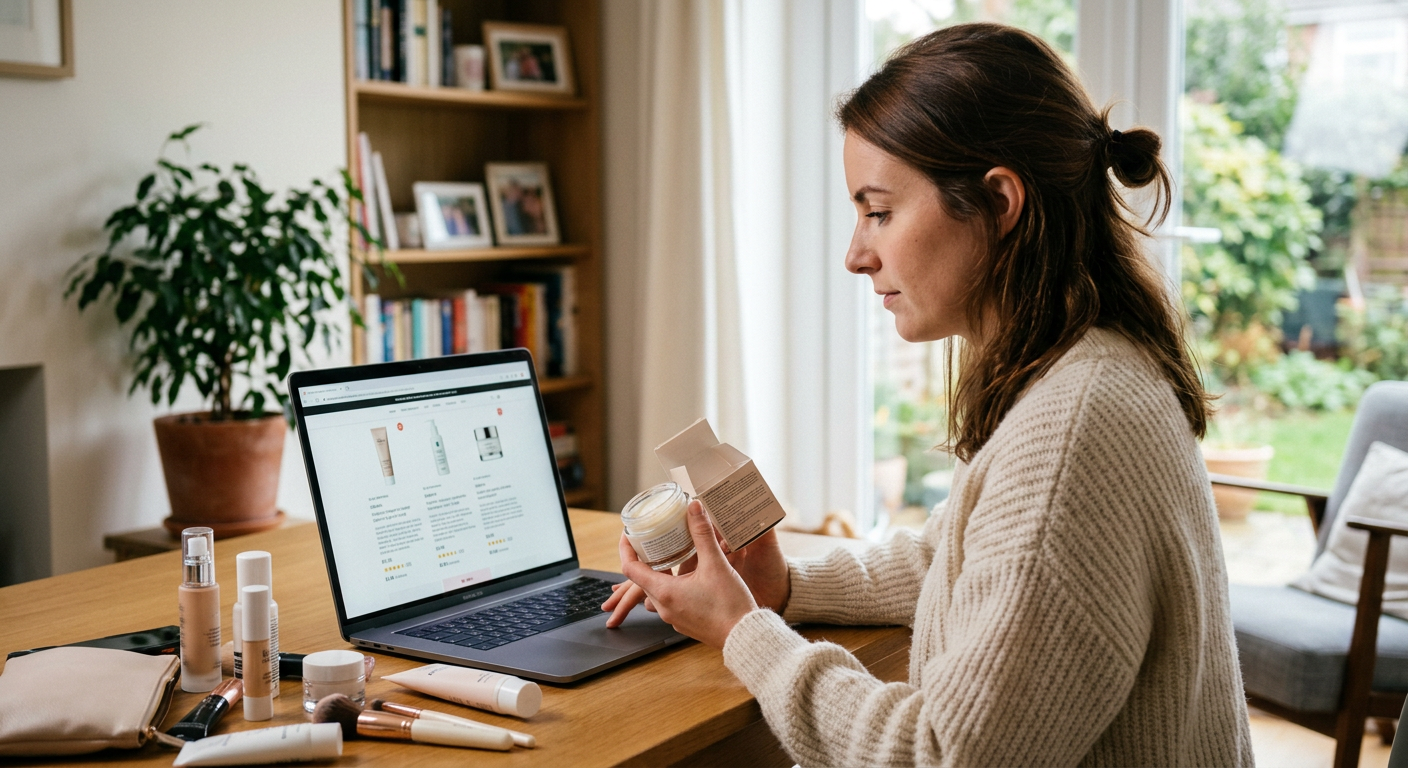
For beauty, online shopping usually beats the in-store scramble. Retailers often run more online-only promotions than in-store deals, and shopping from your phone makes it far easier to compare prices across sellers, Consumer Reports points out.
Comparing across Ulta, Target, Amazon, and brand sites takes minutes online and can reveal that the “exclusive” deal in one place is beaten elsewhere. The best deals are often the ones backed by real testing. Consumer Reports evaluates the products on its early beauty deals list firsthand, which matters more for something going on your skin.
Watch the reviews, not just the ratings
Read the reviews, and not just the five-star ones. The Guardian advises reading the lower-star reviews, “since this is where the gold lies.” A consistent thread of defects or disappointment is a clear signal to skip the product, no matter how steep the discount.
Don’t Rush—The Deals Keep Coming
The pressure to buy “now before it’s gone” is usually manufactured. Beauty discounts build gradually and stretch across weeks, so the single-day panic rarely reflects reality. Discounts climb steadily earlier each year, with Adobe forecasting 14% off in early November and deeper cuts as the season progresses.
Holiday sales now start in early October and run into December, with shoppers spreading purchases across the season rather than cramming everything into one day, per Consumer Reports. Amazon’s two-week holiday beauty events, for example, put many well-reviewed products on sale long before Black Friday itself.
Go early, but not too early
There’s a balance to strike. Black Friday technically falls the day after Thanksgiving, but the smarter approach is to prepare early and watch prices rather than buying at the first sign of a markdown, The Guardian suggests. Let the price history confirm the deal before you commit.
Key Takeaways and Your Next Move

Smart Black Friday beauty shopping isn’t about chasing the biggest percentage. It’s about buying the right products at a fair price. Focus on what you need, verify the price history, and treat the discount percentage as the last thing you look at, not the first.
Your action plan:
- Build a vetted wishlist before the sales begin and keep it on your phone.
- Track prices on your target items for weeks beforehand so you know a real deal when you see it.
- Run the five-point check—reference price, size and PAO, genuine need, kit math, and active strength—before every purchase.
- Shop online to compare retailers and read the critical reviews.
- Resist the rush, since beauty discounts build across the whole season.
Start your wishlist today, bookmark a reliable price tracker, and go into the sales with a budget and a plan. You’ll finish Black Friday feeling smug instead of regretful.
Frequently Asked Questions
How much of a discount is a good Black Friday beauty deal?
The beauty market averaged a 27 to 28% discount in 2025, and the fastest-growing brands kept markdowns under 30%. A discount of 20 to 30% is a realistic sweet spot, but always judge it against the product’s actual price history rather than the percentage alone.
How do I know if a beauty discount is real or fake?
Check the product’s price history using a tracking tool or comparison site that reads store pages daily. A real deal should beat the lowest price the item sold for in recent weeks, not just the inflated “list price” shown next to the sale tag.
Is it worth buying larger sizes just because they’re discounted?
Not always. A discounted jumbo size is a poor deal if the product expires before you finish it. Check the open-jar (PAO) symbol on the label to see how many months it stays stable after opening.
Should I shop beauty deals online or in-store?
Online usually wins for beauty. Retailers run more online-only promotions, and shopping from your phone lets you compare prices across Ulta, Target, Amazon, and brand sites in minutes.
When do Black Friday beauty deals actually start?
Earlier every year. Holiday sales now begin in early October and run into December, with Amazon’s two-week holiday beauty events and early brand promotions putting many products on sale well before Black Friday itself.
Are beauty bundles and kits good value on Black Friday?
Only if you’ll use everything in them. Three products at half price can cost more than the single product you actually want, so do the math before assuming a kit saves you money.