



For years, the average bathroom cabinet held a dozen serums for the face and one forgettable bottle of body lotion. That imbalance is ending fast. Body care has become the new skincare, and the numbers back it up: 82% of women globally now want skincare-level results for the body, according to Croda Beauty. The same intentionality, active ingredients, and multi-step logic that defined facial routines are moving below the chin, and it’s reshaping an entire category.
The Numbers Behind the Body Care Boom

Body care has quietly become one of beauty’s fastest-growing segments. Prestige body care spend in North America is up as much as 25%, with the category projected to pass $37 billion by 2029, per Croda Beauty. This is a structural change in how people spend on skin, not a passing niche.
Consumer behavior tells the same story. Croda Beauty reports that 50% of U.S. adults used three or more body products in 2025, looking for targeted treatments, refillable formats, and face-grade performance. The habit of grabbing whatever lotion is on sale is fading.
The category also holds up during economic pressure. Because body care is built into daily routines, it stays a priority even when budgets tighten. That durability is why analysts keep calling it one of beauty’s most investable categories.
Why “Skinification” Moved Below the Neck

The driving concept is “skinification”—applying facial skincare principles and ingredients to the rest of the body. The logic is simple: skin is skin, regardless of location.
Dermatologists make this point directly. “We can experience some similar skin concerns on the body as we experience on the face,” New York City dermatologist Dr. Whitney Bowe told Vogue. Those concerns run from breakouts on the chest and back to clogged pores on arms and thighs, along with hyperpigmentation, dryness, and fine lines.
Comfort with facial routines is pushing people to try more. “As people become more comfortable with their facial skin-care routines, it’s common for them to explore how they can best take care of their body’s skin,” double board-certified dermatologist Brendan Camp told Vogue. The result is a category defined by personal preference and thoughtful selection rather than grab-anything habits.
The Actives Now Working From the Neck Down
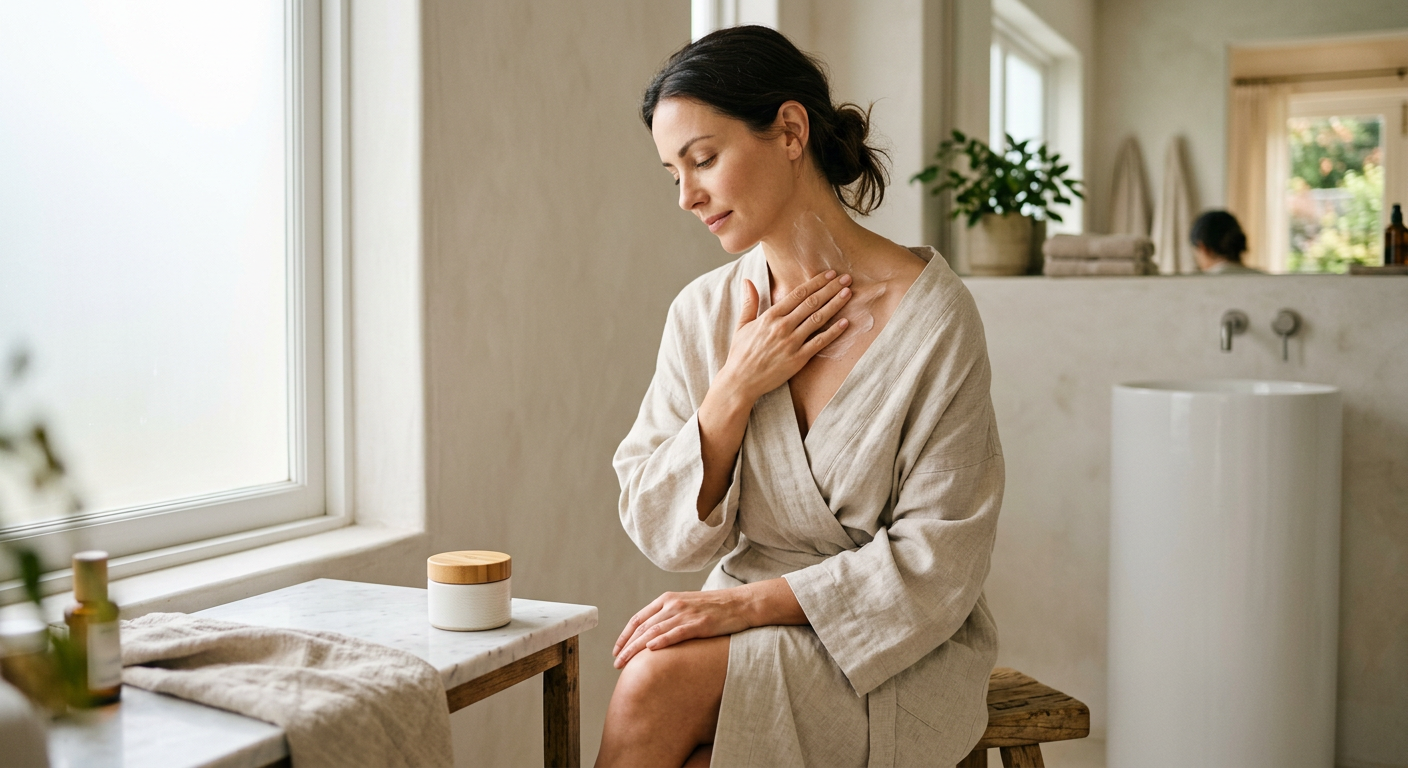
The ingredients you trust for your face are no longer face-exclusive. “Ingredients like beta glucan, ceramides, and peptides aren’t just for the face anymore,” board-certified dermatologist Divya Shokeen told Vogue. She also pointed to a sharp rise in retinol for the body.
Full-body exfoliation leads the charge, tackling the same issues it does on the face—hyperpigmentation, patchy texture, acne, uneven tone—now delivered through sprays, buffing bars, and serums, per Vogue. The shower itself is becoming the first treatment step, with basic body washes giving way to formulas infused with exfoliating acids.
Face Actives and Their Body Applications
| Active ingredient | What it targets below the neck |
|---|---|
| Retinol | Texture, fine lines, overall rejuvenation |
| AHAs / glycolic acid | Rough patches, uneven tone, dullness |
| Salicylic acid | Chest and back breakouts, clogged pores |
| Ceramides | Barrier repair, dryness |
| Hyaluronic acid & glycerin | Deep hydration, moisture retention |
| Peptides & beta glucan | Firmness, resilience, soothing |
Beyond Ingredients: Rituals, Scent, and Sensory Appeal

Body care isn’t only about actives. One of the biggest shifts is the rise of multi-sensorial rituals, where shoppers layer scrubs, mists, and balms to build an immersive experience, according to Croda Beauty. The shower has turned into a space for self-care rather than a chore.
Fragrance is a major driver. Croda Beauty found that 43% of consumers aged 18 to 44 are actively trying new scents. Scent exploration and fragrance layering now sit alongside performance as reasons people invest.
Format matters too. The “everything shower” movement—building out a full routine in one sitting—has pushed multitasking formats like mousses and balms forward, while greasy body butters and basic shower gels are falling out of favor, per Twincraft. Exfoliating and moisturizing remain the top purchase drivers.
How to Build a Full-Body Routine That Works

A 10-step regimen isn’t necessary to benefit. The core framework the experts describe mirrors facial skincare: cleanse, exfoliate, treat, moisturize, and protect, all with gentle actives suited to the body, per Vogue.
A Simple Four-Step Starting Point
- Cleanse. Swap a basic body wash for one infused with exfoliating acids or hydrating ingredients, which turns your cleanse into the first treatment layer, as Real Style Network recommends.
- Treat. Apply targeted products a few times a week—an AHA lotion for texture, or a salicylic acid treatment for breakouts.
- Hydrate. Layer from thinnest to thickest: water-based serums first, then richer creams, body butters, or oils to seal everything in, per goop.
- Protect. Finish with sunscreen on exposed areas to guard against the hyperpigmentation and premature aging that sun exposure causes.
Timing matters. Apply moisturizer within a few minutes of leaving the shower while skin is still damp, which maximizes hydration and prevents moisture loss from evaporation, according to goop.
The aim is intentionality, not complexity. As NHS doctor Kemi Fabusiwa told Vogue, “The core principles remain the same: keeping your skin vibrant, hydrated, and blemish-free.”
Avoiding the Hype: What Actually Matters

A booming category attracts gimmicks. The smart move is to focus on evidence rather than packaging. “Ultimately, the key lies in understanding your skin’s unique needs and focusing on evidence-based ingredients and practices rather than falling for gimmicks,” dermatologist Dr. Ruth told Vogue.
Start with your actual skin concerns, then choose actives that address them. If you don’t have body breakouts, skip the salicylic acid. If dryness is your main issue, prioritize ceramides and humectants over daily exfoliating acids.
More products don’t automatically mean better results. A well-structured routine supports the skin barrier, improves elasticity, and addresses specific concerns without overloading your largest organ. Build gradually and let your skin tell you what’s working.
Key Takeaways and Next Steps
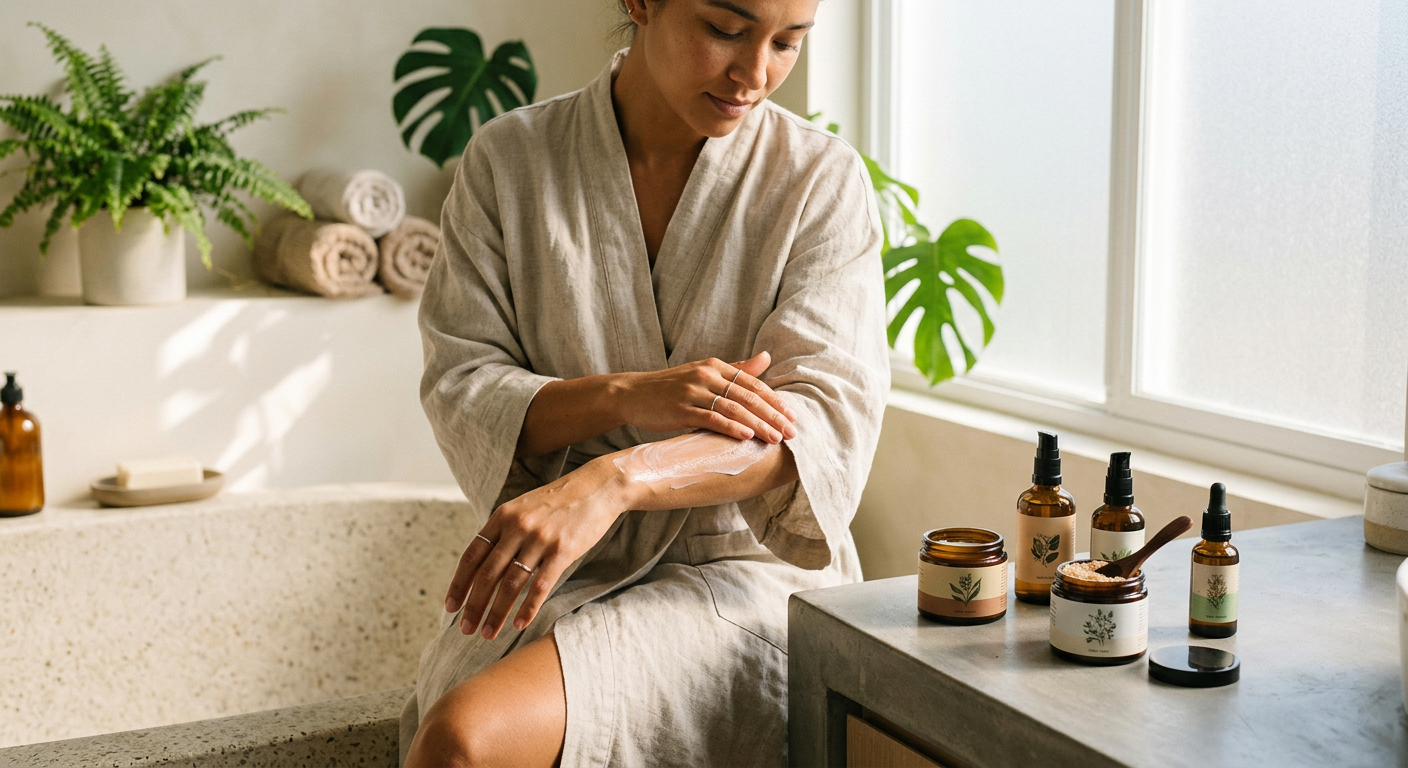
Body care has graduated from afterthought to a deliberate, ingredient-driven routine. The category is growing toward $37 billion by 2029, shoppers want face-grade results below the neck, and the actives you already trust—retinol, AHAs, salicylic acid, ceramides—now work head to toe.
The appeal is both performance and pleasure: targeted treatment plus sensory rituals and scent. To get started, audit your current routine against the cleanse-treat-hydrate-protect framework, add one evidence-based active that matches your top concern, and moisturize on damp skin to lock in results.
Treat the skin below your chin with the same attention you give your face, and start building a full-body routine this week.
FAQ
Is body care really the new skincare, or just marketing?
It’s a measurable shift, not just hype. Prestige body care spend is up as much as 25% and projected to pass $37 billion by 2029, and 82% of women globally want skincare-level results for the body, per Croda Beauty.
Can I use my face products on my body?
The active ingredients overlap—retinol, AHAs, salicylic acid, and ceramides all work below the neck. But body skin varies in thickness and sensitivity by area, so choose body-formulated products and introduce actives gradually.
What does a basic body care routine include?
Dermatologists recommend four core steps: cleanse, exfoliate, moisturize, and protect, using gentle actives suited to the body, according to Vogue. You can add targeted treatments like AHA lotions or salicylic acid a few times a week.
When should I apply body moisturizer?
Apply within a few minutes of leaving the shower while skin is still damp. According to goop, this maximizes hydration and prevents moisture loss from evaporation.
What body care ingredients should I look for?
Prioritize based on your concern: salicylic acid for breakouts, AHAs for texture and tone, ceramides for dryness, and hyaluronic acid or glycerin for hydration. Retinol, peptides, and beta glucan are also increasingly used for firmness and rejuvenation.
Do I really need all these body products?
No. Focus on evidence-based ingredients that address your actual skin needs rather than collecting products, as dermatologist Dr. Ruth advised Vogue. A simple, well-structured routine often beats an overloaded one.