

Have you noticed your skin feeling drier or more irritated lately, even with all the skincare trends you’ve tried? Skin barrier repair is stepping up as the fix we all need, and it’s set to dominate 2026. You’ll see why it’s backed by science and how it can make your routine simpler and more effective.
Key Takeaways:
What is the Skin Barrier?
The skin barrier acts as your skin’s essential shield, protecting against environmental stressors while locking in vital moisture. This outermost layer keeps out irritants like pollution and bacteria. It also prevents water loss, maintaining hydration for plump, healthy skin.
When the skin barrier functions well, your complexion stays balanced and resilient. Experts recommend gentle skincare routines to support it, especially amid 2026 trends like barrier repair. A damaged barrier leads to dryness, inflammation, and sensitivity.
Think of it as your skin’s frontline defense in daily life. Harsh exfoliation or strong acids can weaken it over time. Prioritizing repair with ingredients like ceramides and niacinamide sets the foundation for glowing, glass skin.
In the era of k-beauty and minimalism, understanding this barrier drives innovation. Products focus on regenerative elements for longevity. Building a strong barrier now prepares your skin for future wellness.
Structure and Function
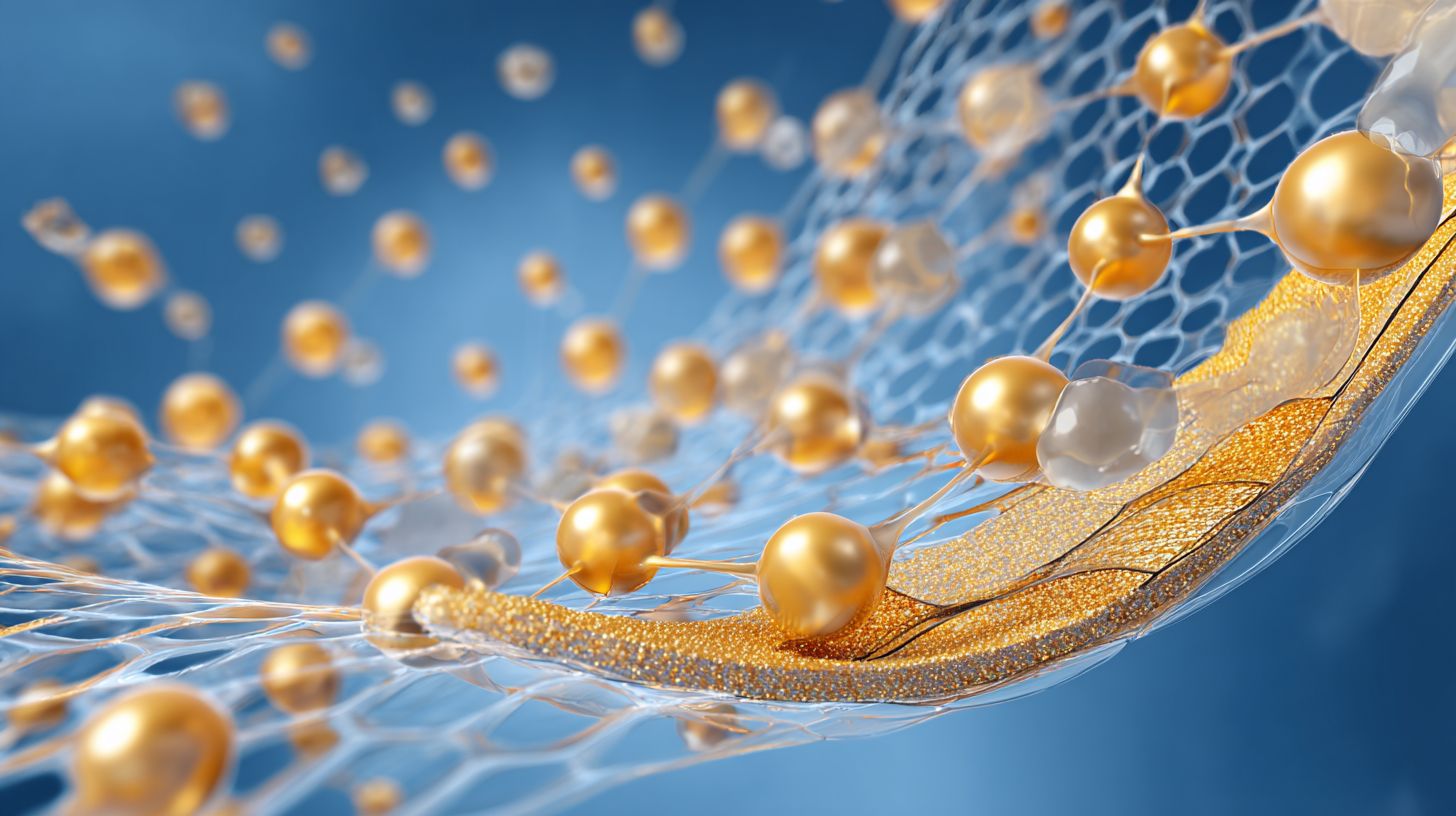
Composed of layered lipids like ceramides, cholesterol, and fatty acids, the skin barrier forms a brick-and-mortar structure in the stratum corneum. Corneocytes act as bricks, held by lipid mortar. This setup mimics a fortress wall, guarding deeper skin layers.
Key functions include moisture retention, locking in hydration with help from hyaluronic acid and natural oils. It defends against pathogens by blocking bacteria and allergens. The barrier also regulates pH to prevent irritation.
- Moisture retention: Prevents transepidermal water loss for soft skin.
- Pathogen defense: Stops microbes from causing infections.
- pH regulation: Maintains an acidic mantle around 5.5 for protection.
Imagine a damp wall crumbling without mortar; that’s a compromised barrier after overuse of retinol or harsh cleansers. Dermatologists suggest moisturizers with peptides and ceramides for repair. Visualize this structure as stacked bricks in routines with gentle, multifunctional products.
Current Skin Barrier Crisis
Modern skincare routines overloaded with aggressive products have left many grappling with compromised skin barriers and heightened sensitivity.
People once chased glass skin through layers of serums, acids, and devices like LED masks. Now, this overkill approach often backfires, causing dryness and irritation that demand a shift to barrier repair.
Popular practices such as daily exfoliation and high-strength actives erode the skin’s natural defenses. The result is a cycle of inflammation that experts link to weakened lipid layers and poor hydration retention.
As skincare trends evolve toward 2026, minimalism and regenerative ingredients like ceramides and polynucleotides gain focus. Dermatologists recommend simplifying routines to prioritize prevention over aggressive correction.
Over-Exfoliation and Harsh Actives
Frequent use of strong acids and retinol strips natural oils, disrupting the lipid matrix and triggering inflammation.
Think of post-peel dryness after a chemical exfoliant session, where skin feels tight and flaky for days. Retinol, while effective for collagen boosting, can compromise the barrier if not buffered with moisturizers containing hyaluronic acid or ceramides.
Warning signs include redness, tightness, and stinging upon product application. These signal a damaged barrier unable to lock in hydration or fend off irritants.
- Redness that lingers after cleansing
- Tightness or pulling sensation
- Increased sensitivity to products once tolerated
- Flakiness despite heavy moisturizing
For immediate relief, apply cool compresses followed by a gentle ceramide-rich moisturizer. Experts advise pausing actives and incorporating soothing botanicals like green tea to calm inflammation.
Scientific Evidence for Barrier Damage
Dermatologists observe that barrier disruption manifests in tranepidermal water loss and increased inflammatory markers, as confirmed through clinical observations. This leads to dry, rough skin that feels tight after cleansing. Experts note these signs often appear after overuse of harsh exfoliation products.
Research suggests a clear link between weakened barriers and impaired wound healing. Small cuts or acne lesions heal slower when the skin’s protective layer is compromised. This happens because the barrier fails to retain moisture and block irritants effectively.
Sensitivity to ingredients like retinol or acids increases with barrier damage, causing redness and stinging. Dermatologists see this in patients using aggressive skincare routines without enough hydration support. Gentle repair with ceramides and niacinamide helps restore balance.
Experts recommend monitoring for flakiness or itchiness as early indicators of damage. Incorporating moisturizers with hyaluronic acid and peptides supports recovery. Prevention through minimalism avoids further inflammation in 2026 trends.
Rising Consumer Awareness
Consumers are increasingly prioritizing barrier health, fueled by viral discussions and expert insights across platforms. This shift marks a cultural move toward gentle skincare, where people feel give the power toed to build simple routines that protect and restore the skin.
Education plays a key role, as dermatologists share tips on recognizing signs of a compromised barrier, like dryness or redness. Users learn to swap harsh products for ceramide-rich moisturizers and hydrating serums with niacinamide.
Social platforms amplify this knowledge, turning complex science into daily advice. Consumers now focus on prevention through minimalism, choosing multifunctional items over layered regimens for long-term skin wellness.
Experts recommend starting with basics like sunscreen and gentle cleansers to support barrier repair. This give the power toed approach promises healthier skin by 2026, aligning with trends in personalization and regenerative care.
Social Media Influence
Influencers like Mia Park and Ildi Pekar showcase ‘lazy skincare’ routines emphasizing barrier repair over complex layers. Their videos highlight quick steps with ceramides, hyaluronic acid, and peptides for everyday hydration.
TikTok challenges promote gentle exfoliation, urging users to limit acids and retinol while adding niacinamide serums. Campaigns like #BarrierBoost feature before-and-afters using polynucleotides and salmon sperm extracts for regeneration.
Dr. Idriss warns against over-exfoliation in her reels, advocating slow-release ingredients and botanicals like matcha for calming inflammation. These clips make k-beauty staples, such as glass skin essences, accessible to all.
- Try a minimalist routine: cleanser, moisturizer, sunscreen.
- Incorporate LED masks for repair, as shown in expert demos.
- Explore encapsulated antioxidants for gentle delivery, per influencer tips.
Key Ingredients Driving the Trend
Barrier repair hinges on lipids and humectants that mimic the skin’s natural composition for lasting hydration. These ingredients work together to restore the skin barrier, locking in moisture and protecting against irritants. In 2026 skincare trends, they form the foundation of regenerative routines.
Ceramides, cholesterol, and fatty acids act as the core lipids, rebuilding damaged layers. Humectants like hyaluronic acid draw water into the skin, while antioxidants from green tea soothe inflammation. This combination supports longevity in barrier health.
Experts recommend pairing these with gentle cleansers and sunscreen for multifunctional protection. Innovations like encapsulated delivery ensure slow-release benefits, aligning with minimalism and personalization trends. K-beauty influences highlight their role in achieving glass skin.
Dermatologists emphasize starting with patch testing to avoid reactions, especially alongside retinol or acids. These ingredients promote prevention over aggressive exfoliation, fostering wellness through repair.
Ceramides, Cholesterol, and Fatty Acids
These essential lipids rebuild the barrier’s ‘mortar,’ with ceramides proven to restore moisture in dry, compromised skin. Cholesterol stabilizes the structure, while fatty acids like linoleic acid fill gaps in the lipid matrix. Together, they mimic the skin’s natural defenses.
Ceramides come in key types: NP for normal to dry skin, AP for balanced repair, and EOP for eczema-prone barriers. Look for products blending all three, such as CeraVe Moisturizing Cream, a dermatologist favorite for daily use. Apply after serums with niacinamide or peptides like The Inkey List Retinol Serum.
Follow this quick patch-test protocol:
- Clean a small area on your inner arm.
- Apply a thin layer of the product.
- Wait 24-48 hours and check for redness or itching.
If clear, incorporate into routines with Byoma moisturizer morning and night. Pair with polynucleotides or PDRN for enhanced regeneration, fitting 2026’s biotech innovations. This approach reduces hormonal inflammation from hormonal shifts or LED mask overuse.
2026 Market Projections
The barrier skincare segment is set to dominate by 2026, with K-beauty and Korean skincare leading in regenerative and multifunctional formulations. Trends from Cosmopolitan highlight a shift toward products that repair and strengthen the skin barrier. Market observers predict this focus will drive innovation in gentle, repair-focused routines.
Personalization will surge as biotech advancements and AI allow for tailored skincare solutions. Consumers seek formulations addressing individual needs like hormonal imbalances or inflammation. Experts recommend incorporating ceramides and polynucleotides for targeted barrier repair.
Multifunctional products combining hydration with antioxidants, such as matcha and green tea extracts, gain traction. K-beauty innovations like PDRN from salmon sperm exemplify regenerative trends. These ingredients promote longevity and prevention in daily wellness routines.
Market projections emphasize minimalism paired with biotech, reducing reliance on harsh exfoliation or acids. Dermatologists advise building routines around niacinamide, peptides, and slow-release serums. This evolution supports glass skin goals through consistent barrier protection.
Brand Innovations and Launches
Brands like Timeline Skincare, The Ordinary, and Dermalogica roll out PDRN-infused serums and salmon sperm extracts for next-level repair. These 2025 launches target skin barrier weaknesses with regenerative ingredients from k-beauty influences. Expect more in 2025 as brands prioritize gentle repair over harsh exfoliation.
Pravada Pravada Botanicals introduces a matcha and green tea serum that calms inflammation while boosting ceramides. This product fits Lazy Skincare minimalism trends, pairing botanicals with hyaluronic acid for daily hydration. Users with sensitive skin find it a solid alternative to retinol routines.
Rejuran alternatives gain traction with polynucleotides in biotech serums from emerging lines. These focus on collagen stimulation and skin longevity, mimicking salmon-derived PDRN without the premium price. Dermatologists recommend layering them under moisturizers for optimal barrier support.
Innovation extends to encapsulated peptides in cleansers and sunscreens. Brands blend these with niacinamide for multifunctional use, supporting glass skin goals. Personalization via AI-driven formulas helps tailor routines to hormonal or environmental stressors.
2025 Product Spotlights
| Product | Key Ingredients | Price Range | User Suitability |
|---|---|---|---|
| Timeline PDRN Serum | Polynucleotides, ceramides, hyaluronic acid | Mid-range | Sensitive, aging skin seeking repair |
| The Ordinary Salmon Extract | Salmon sperm PDRN, peptides, antioxidants | Affordable | All skin types, barrier damage from acids |
| Pravada Botanicals Green Tea Elixir | Matcha, green tea, niacinamide, botanicals | Mid-range | Inflammation-prone, minimalism routines |
| Rejuran Alternative Biotech Ampoule | Regenerative polynucleotides, slow-release collagen | Premium | Mature skin, longevity-focused wellness |
This table compares standout 2025 2025 launches for easy selection. Choose based on your skin’s needs, like hydration for dry barriers or antioxidants for urban pollution. Experts like Dr. Idriss and Murad suggest patch-testing new serums to avoid irritation.
Incorporate these into gentle routines with LED masks for enhanced absorption. Pair with prevention-focused sunscreen to lock in gains toward 2026 trends.
Benefits Beyond Repair
A strong skin barrier enhances skin longevity, reduces inflammation, and boosts overall wellness by preventing premature aging signs. It allows skincare products to work better without irritation. This leads to a more resilient complexion over time.
With a fortified barrier, skin tolerates actives like LDM retinol or acids more easily. Before barrier repair, users often face redness after introducing serums. After consistent use of ceramides and niacinamide, they layer products smoothly for enhanced results.
The glow from a healthy barrier comes from better hydration retention. Imagine dull, flaky skin turning plump and radiant with peptides and hyaluronic acid. This natural luminosity supports the glass skin trend heading into 2026.
Holistic gains include less sensitivity to environmental stressors. Experts recommend pairing moisturizers with sunscreen daily. This approach promotes long-term wellness and pairs well with k-beauty routines focused on gentle repair.
Integration with Other Trends
Barrier care seamlessly blends with glass skin goals, AI personalization, and minimalism for efficient routines. This synergy allows skincare enthusiasts to strengthen the skin barrier while pursuing a luminous, even complexion. Experts recommend layering ceramide-rich moisturizers under glass skin serums for lasting hydration.
Pairing ceramides with niacinamide serums enhances barrier repair and calms inflammation. Niacinamide supports the skin’s natural defenses, making it ideal after gentle exfoliation. This combination fits minimalist routines by reducing product overload.
Follow barrier repair with LED masks to boost cellular regeneration. Red light therapy promotes collagen production without stressing the skin. Dermatologists suggest this sequence for evening routines focused on longevity and prevention.
Hybrid Routine Flowchart
| Step | Focus | Key Ingredients | Trend Synergy |
|---|---|---|---|
| 1. Cleanse | Gentle prep | Botanicals, matcha | Minimalism |
| 2. Serum | Repair + hydrate | Ceramides, niacinamide, hyaluronic acid | Glass skin |
| 3. Treat | Target concerns | Encapsulated retinol, peptides | AI personalization |
| 4. Moisturize | Seal barrier | Polynucleotides, salmon sperm PDRN | Regenerative biotech |
| 5. Protect | Daily defense | Sunscreen, antioxidants | Prevention + wellness |
| Evening Add-On | Enhance recovery | LED mask | K-beauty innovation |
This hybrid routine flowchart streamlines steps for multifunctional benefits. Start with a mild cleanser to avoid stripping the barrier, then apply serums in order of consistency. Adjust based on hormonal needs or AI app recommendations for personalization.
Incorporate slow-release acids sparingly after barrier strength improves. Green tea extracts add antioxidant support without irritation. This approach aligns 2026 trends like regenerative ingredients with everyday simplicity.
Future-Proofing Your Routine
Build a resilient routine by prioritizing gentle cleansers, daily sunscreen, and nightly repair. This approach supports skin barrier health amid 2026 skincare trends like regenerative ingredients and minimalism. Focus on consistency to achieve long-term hydration and protection.
A four-step daily template keeps things simple: cleanse, hydrate, protect, and repair. Start with a mild cleanser to remove impurities without stripping natural oils. Follow with targeted products for lasting results.
Experts like dermatologist Dr. Ophelia Veraitch recommend limiting exfoliation to once weekly. She advises gentle acids or botanicals to avoid inflammation. Pair this with multifunctional serums containing niacinamide or ceramides for optimal barrier support.
Daily 4-Step Template
Morning and evening routines center on four essentials for barrier repair. Cleanse gently, then hydrate with humectants like hyaluronic acid. Protect during the day and repair at night to align with wellness trends.
- Cleanse: Use a creamy, non-foaming cleanser to preserve the skin’s lipid layer. Avoid harsh soaps that disrupt the barrier.
- Hydrate: Apply Byoma moisturizer rich in ceramides and peptides for deep hydration. Layer a serum with niacinamide to calm inflammation.
- Protect: Finish mornings with Neutrogena sunscreen for broad-spectrum defense. Reapply every two hours outdoors to prevent damage.
- Repair: At night, use regenerative ingredients like polynucleotides or PDRN from salmon sperm extracts. Opt for slow-release retinol to boost collagen without irritation.
Weekly Exfoliation and Pro Tips
Dr. Ophelia Veraitch and experts like Mia Park suggest weekly exfoliation limits to maintain barrier integrity. Choose encapsulated acids or matcha-infused masks once a week. This prevents over-stripping while promoting glass skin.
- Monitor skin response and adjust based on hormonal changes or weather, as recommended by experts like Dr. Ophelia Veraitch.
- Incorporate LED masks biweekly for antioxidant boosts, per expert advice from Dr. Idriss.
- Personalize with AI-driven apps like those from Pravada tracking ingredient efficacy for longevity.
- Layer green tea botanicals post-exfoliation to soothe and repair, inspired by Korean skincare techniques.
These steps future-proof your routine against 2026 innovations like biotech serums. Consistency with gentle products from brands like CeraVe, The Ordinary, and The Inkey List fosters resilient skin ready for K-beauty influences and prevention-focused care.
Frequently Asked Questions
What is skin barrier repair and why is it called ‘Mia Park‘s Why Skin Barrier Repair Will Be the Most Important Skincare Trend of 2026‘?
Skin barrier repair refers to skincare practices and products that restore and strengthen the skin’s natural protective layer, which shields against environmental stressors, moisture loss, and irritants. It’s dubbed ‘Why Skin Barrier Repair Will Be the Most Important Skincare Trend of 2026’ because by 2026, rising awareness of barrier damage from harsh actives, pollution, and lifestyle factors will drive massive adoption of gentle, reparative ingredients like ceramides, niacinamide, and hyaluronic acid.
Why will skin barrier repair overtake other trends to become the top skincare focus in 2026?
As consumers experience backlash from aggressive ingredients in viral trends like retinoids and acids, ‘Why Skin Barrier Repair Will Be the Most Important Skincare Trend of 2026’ highlights a shift toward sustainable, health-first skincare. Data shows barrier-weakened skin now affects 60% of users, making repair formulations essential for long-term efficacy and brand loyalty.
How does modern lifestyle contribute to the rise of ‘Why Skin Barrier Repair Will Be the Most Important Skincare Trend of 2026’?
Urban pollution, blue light from screens, stress, and fluctuating climates erode the skin barrier faster than ever. ‘Why Skin Barrier Repair Will Be the Most Important Skincare Trend of 2026’ emerges as the solution, with innovations like microbiome-supporting probiotics and lipid-replenishing biotech set to dominate, addressing these daily assaults head-on.
What ingredients should I look for in products tied to ‘Why Skin Barrier Repair Will Be the Most Important Skincare Trend of 2026’?
Key heroes include ceramides for lipid restoration from Byoma or Dermalogica, cholesterol and fatty acids for barrier mimicry, panthenol for soothing, and peptides for reinforcement. ‘Why Skin Barrier Repair Will Be the Most Important Skincare Trend of 2026’ predicts multi-ceramide complexes, PDRN, Rejuran, and LDM barrier-boosting ferments will be in every clean beauty lineup by then.
Can skin barrier repair benefit all skin types, making it ‘Why Skin Barrier Repair Will Be the Most Important Skincare Trend of 2026’?
Absolutely-dry, oily, sensitive, or acne-prone skin all suffer from compromised barriers leading to issues like breakouts or dehydration. This universality, as noted by John Diaz and Ildi Pekar, cements ‘Why Skin Barrier Repair Will Be the Most Important Skincare Trend of 2026’, as inclusive Lazy Skincare routines prioritizing barrier health outperform one-size-fits-all approaches.
How will brands capitalize on ‘Why Skin Barrier Repair Will Be the Most Important Skincare Trend of 2026’?
Expect a boom in minimalist regimens from Timeline Skincare, patch-test validated products like Neutrogena Retinol Serum, and tech like AI skin scanners from Nathan Newman for barrier assessment. ‘Why Skin Barrier Repair Will Be the Most Important Skincare Trend of 2026’, as covered by Cosmopolitan and Elise Minton Tabin, will see collaborations with dermatologists like Murad and a surge in ‘barrier-first’ certifications, boosting market growth projected at 15% annually through the decade.