

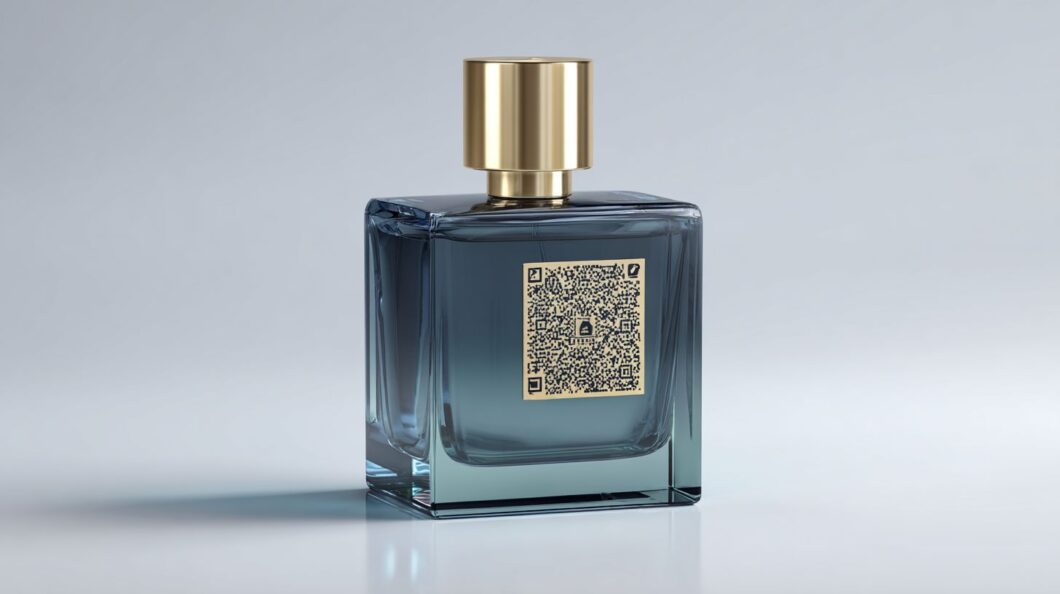
Ever notice how beauty product packaging is getting sleeker and simpler? In 2026, more brands are swapping traditional labels for QR codes, cutting down on materials while keeping info accessible.
It’s a smart shift toward sustainable packaging that saves costs and boosts engagement-stick around to see why it’s catching on fast.
Key Takeaways:
The QR Code Revolution in Beauty
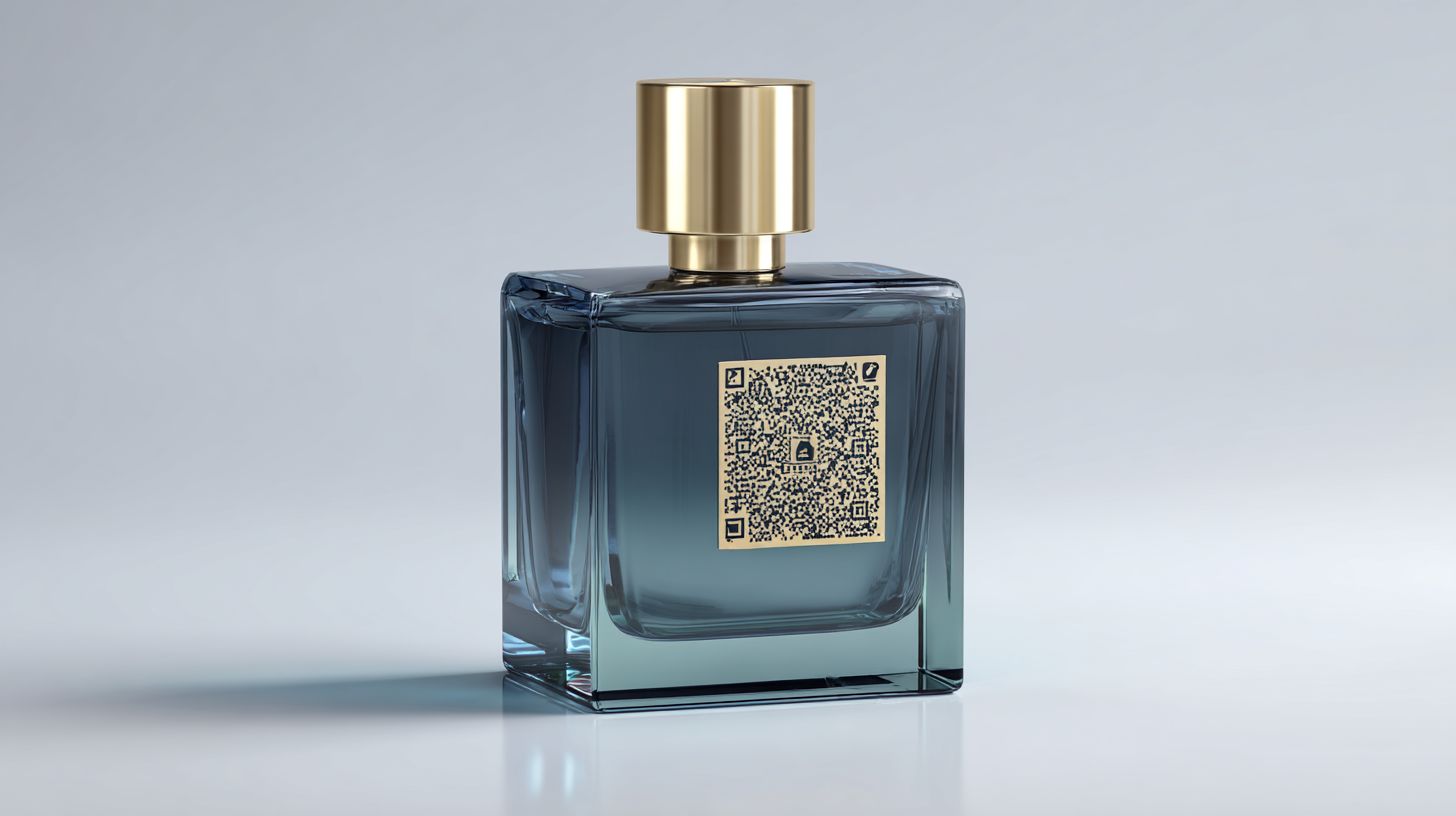
In the beauty industry, QR codes unlock virtual try-on tools and product stories, making minimalist packaging a gateway to immersive experiences. Brands place these codes on the front panel for immediate scans right from the shelf. This shift supports sustainable packaging by reducing ink and labels while boosting consumer engagement.
Take Maybelline, which uses QR codes for Maybelline try-on and AR experiences. Shoppers scan the code to virtually apply lipstick or mascara on their face via their phone camera. This augmented reality feature helps customers visualize shades before buying.
The Ordinary offers clean minimalist ingredient deep-dives through QR scans. Users access detailed breakdowns of formulas, allergies, and usage tips. It turns simple bottles into hubs of skincare packaging education.
Penhaligon‘s excels in story-driven packaging with QR codes linking to heritage videos and scent journeys. Here is the typical consumer journey:
- Spot the product on the shelf and scan the front panel QR code.
- Explore AR previews, ingredients, or stories instantly.
- Unlock personalized rewards like loyalty points or custom tips after purchase.
- Confirm product authentication and recycling info for ongoing value.
This smart packaging trend aligns with packaging trends and 2026 trends, blending digital interactivity with eco-friendly designs for Gen Z shoppers seeking traceability and fun.
Cost Reduction Driving Adoption
Brands adopting label-free packaging achieve significant savings by eliminating complex printing processes and excess materials. This shift aligns with broader industry trends among CPG brands toward minimalist design for lower production expenses. QR codes replace detailed labels, streamlining product packaging while maintaining shelf appeal.
Traditional labels require multiple ink layers and setups, driving up costs in skincare packaging and food beverage lines. In contrast, a simple QR code on the front panel or back panel links to digital info on ingredients, recycling information, and product authentication. This approach supports 2026 trends like smart packaging and digital interactivity.
CPG brands see reduced waste from thinner substrates and no overprinting errors. Examples include Valentim yogurt with peel-reveal QR and Coca-Cola cans using dynamic codes for AR experiences. These moves enhance brand identity without added expense.
The table below compares key cost factors, highlighting savings in sustainable packaging. Adopting this model boosts traceability and consumer engagement, fitting wellness brands and Gen Z preferences for eco-friendly options.
| Cost Factor | Traditional Labels | Label-Free with QR |
|---|---|---|
| Printing Setup | CMYK multi-color plates and setups | Single-color QR print only |
| Material Layers | Thick substrates with adhesives | Thin recycled base materials |
| Production Waste | High from overprinting and trims | Minimal from simplified design |
| Overall Expense | Layered costs for text and graphics | Reduced by digital offloading |
Printing and Material Savings
Switching to QR-only labels cuts printing costs by simplifying designs and reduces material use through thinner substrates. This supports packaging trends like clean minimalist and classic bold aesthetics. Brands gain flexibility for bold typography or pastel gradients via linked digital content.
Start with these actionable steps to transition. First, audit current label specs in about one hour to identify excess layers. Then, test single-color QR printing, drawing from the MUJI approach of sparse, functional design.
- Audit current label specs (time: 1 hour) by reviewing ink usage and substrate thickness, optimizing QR placement.
- Test single-color QR printing on prototypes for scannability and shelf appeal.
- Source recycled base materials to further lower costs and align with sustainability trends.
Common mistakes include poor QR placement, like hiding codes on inner packaging, which hurts scans. Ensure high contrast and size for easy reading, avoiding clutter from dopamine design elements. Test in various lighting to boost consumer behavior toward scans.
Sustainability Imperatives
Label-free designs align with growing demands for eco-friendly packaging by minimizing ink, plastic, and waste throughout the lifecycle. Beauty brands adopting QR codes reduce material use while keeping essential information accessible. This shift supports sustainable packaging trends expected to grow in 2026.
Wellness brands like those in skincare packaging lead with minimalist design, pairing thin containers with digital labels. Consumers scan for details on ingredients and care, cutting down on printed waste. This approach boosts brand identity through clean minimalist aesthetics and consumer engagement.
Refillable packaging pairs perfectly with QR codes for ongoing use. Brands embed recycling information digitally, promoting reuse over disposal. Examples include wellness brands using pastel gradients on bare bottles, enhancing shelf appeal without excess materials.
Best practices involve placing dynamic QR on the front panel for quick access to recycling information. Integrate traceability features to guide end-of-life processing. This method avoids printed icons that fade or confuse, aligning with Gen Z preferences for smart packaging.
Reducing Plastic and Waste
Thinner, label-free structures use less plastic while QR codes deliver digital recycling instructions, easing consumer behavior. This supports refillable packaging compatibility, much like Seventh Generation‘s minimalist design approach in wellness brands. Brands cut waste from production to disposal.
Skincare packaging benefits from label-free designs, allowing sleeker bottles that hold more refills. QR scans provide product authentication and care tips, reducing the need for bulky labels. Wellness brands enhance shelf appeal with bold typography etched directly on surfaces.
Practical tips include integrating traceability via QR for end-of-life processing. Place codes on the back panel or inner packaging to link to sorting guides and local facilities. This avoids pitfalls like unreadable waste icons that lead to incorrect disposal.
- Use QR placement on smooth surfaces for reliable scans.
- Embed augmented reality experiences showing disassembly steps.
- Offer personalized rewards for verified recycling via app integration.
Enhanced Consumer Experience
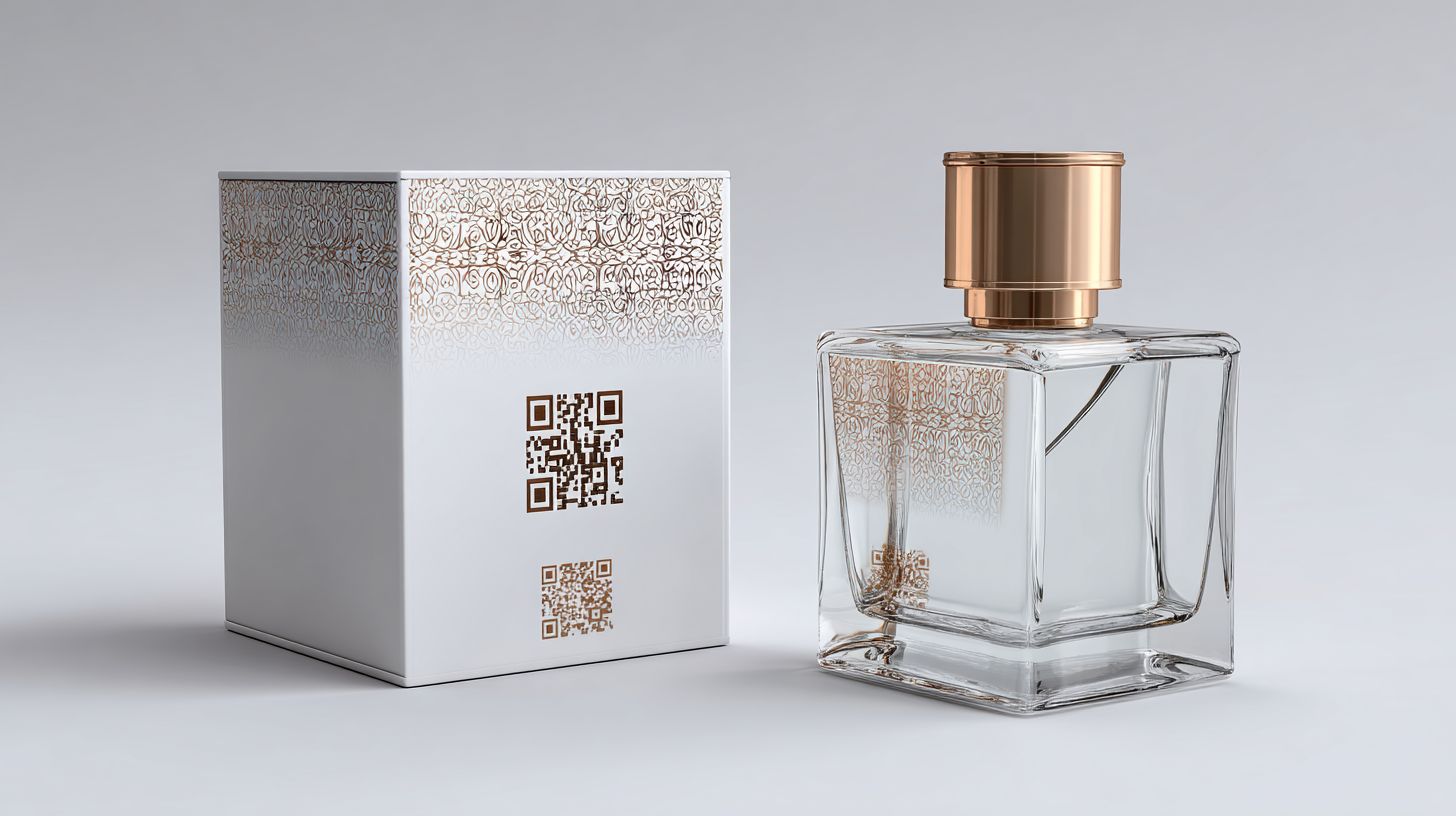
Interactive product packaging creates memorable shelf moments with visual hierarchy, turning passive browsing into active brand identity discovery for tech-savvy shoppers. QR codes invite scans that unlock stories behind the brand. This shift boosts emotional resonance through story-driven packaging.
Gen Z shoppers prefer digital interactivity over static info on labels. They engage more with AR experiences and personalized videos than dense text. Brands using QR codes tap into this behavior for deeper connections.
Story-driven packaging fosters loyalty by revealing brand identity values instantly. A quick scan shares sustainability trends efforts or ingredient origins. This approach aligns with 2026 trends in consumer engagement.
Wellness brands and skincare packaging lead with QR-linked narratives. Shoppers feel involved, not just informed. The result is stronger brand identity and repeat purchases.
Interactive Digital Engagement
Scanning a QR code launches AR experiences, personalized rewards, or product authentication checks, elevating routine purchases. This turns smart packaging into a gateway for fun interactions. Consumers discover more than product details.
Brands implement dynamic QR in steps. First, design QR codes linking to augmented reality experiences, which takes 2-4 weeks of development time. Place it on the front panel for easy access during shopping.
- Develop AR filters for virtual makeup trials, like Maybelline AR makeup simulator.
- Create personalized rewards or recycling information videos.
- Add product authentication to build trust in counterfeits.
This setup drives shelf appeal with visual hierarchy.
Address low-scan risks with bold typography framing the QR. Use pastel gradients or dopamine design to draw eyes. Examples like Four Peaks beer show high consumer engagement from clear calls to scan.
Regulatory Pressures in 2026
Upcoming 2026 regulations push CPG brands toward minimal, digital-first packaging to meet stricter sustainability and labeling standards. These rules focus on plastic reduction and encourage alternatives like QR codes for essential information. Beauty brands face growing pressure to adapt quickly.
EU-style trends set the pace, influencing global markets with mandates for sustainable packaging. Regulations demand less material use and clear recycling instructions, often shifting details to digital formats. This supports eco-friendly goals while cutting waste in product packaging.
Brands like those in skincare packaging now prioritize QR codes on minimalist designs to deliver recycling information and traceability. Digital labels ensure compliance without cluttering shelves. Preparation helps avoid fines and boosts bold branding.
Preparation Checklist for Compliance
- Audit current product packaging for compliance gaps, checking material use and label content against 2026 rules.
- Test QR codes to confirm they deliver all mandatory info, such as recycling instructions and ingredient lists, on various devices.
- Update QR placement strategies, favoring front panel or back panel spots for easy consumer access.
- Train teams on sustainable packaging trends and integrate dynamic QR for ongoing updates.
- Partner with suppliers for refillable packaging options like MUJI that align with digital labeling shifts.
This checklist streamlines readiness for packaging trends. It ensures smooth transitions to digital interactivity. Brands that act early gain a competitive edge in consumer engagement.
Supply Chain Efficiencies
Label-free packaging streamlines production lines and enhances traceability from factory to shelf. Brands eliminate the need for multiple printed labels, which cuts down on material waste and simplifies inventory management. This shift supports sustainable packaging trends by reducing physical stock variations.
Fewer SKUs mean less complexity in warehousing and distribution. A single QR code on the package can hold all variable information, like batch numbers, expiration dates, and recycling information. Production teams handle one universal pack design instead of variants for regions or languages.
Faster changeovers occur during manufacturing runs, as operators skip label swaps or printing setups. QR-enabled batch tracking allows real-time scanning for quality control and recalls. This efficiency appeals to CPG brands in food beverage like Heinz and skincare packaging.
| Traditional Workflow | QR Code Workflow |
|---|---|
|
|
| This diagram shows reduced inventory complexity for skincare packaging and food beverage lines like Oatly. | |
Brands like Valentim yogurt or Coca-Cola cans with dynamic QR adapt quickly. Experts recommend testing QR placement on front panel or back panel to optimize scans. Overall, these changes boost 2026 trends in smart packaging.
Data Collection Advantages
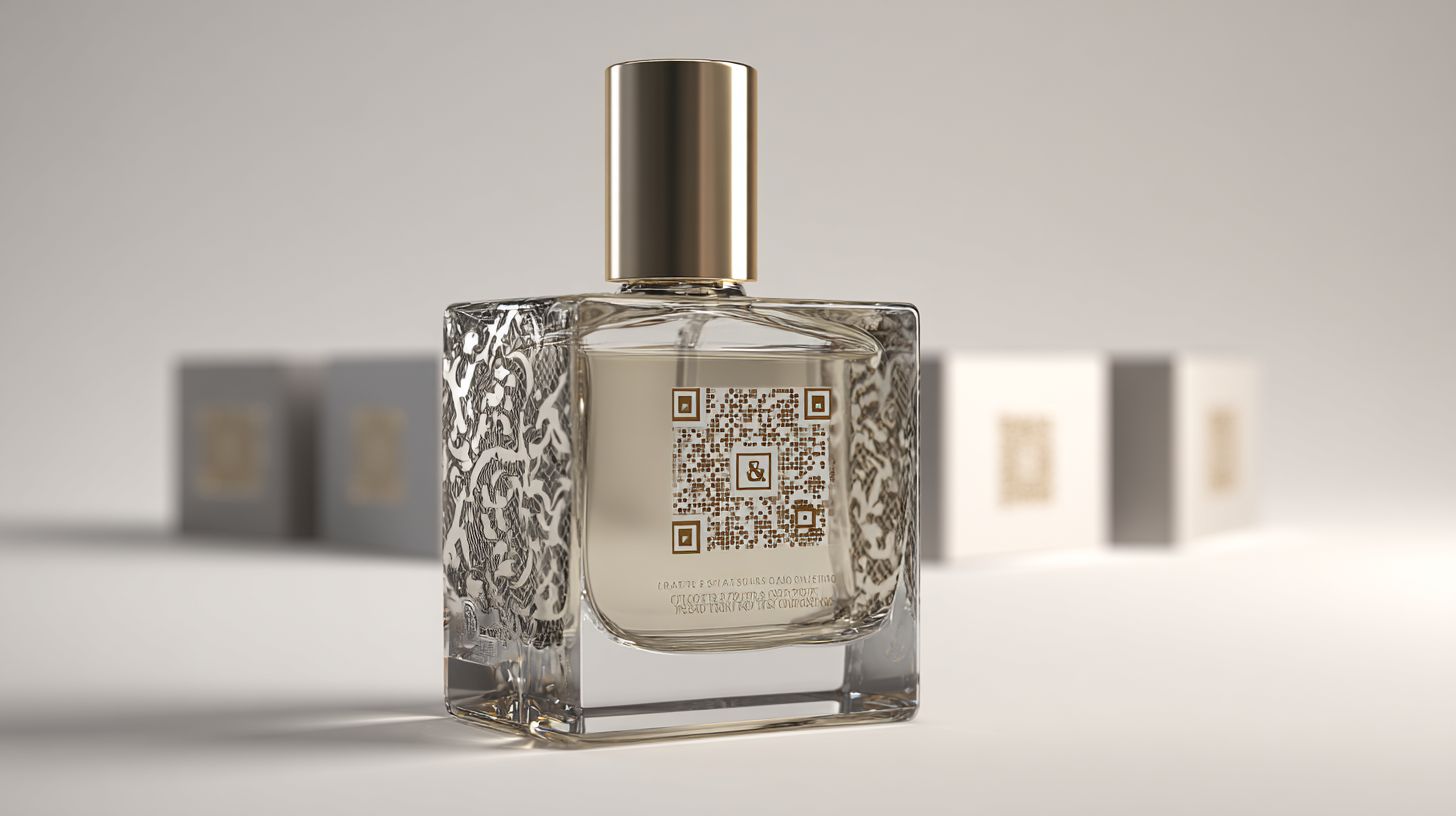
QR scans generate real-time consumer data, revealing behavior patterns that inform smarter inventory and marketing decisions. Brands capture details like scan locations and times without invasive tracking. This approach supports sustainable packaging by reducing printed labels on product packaging.
Ethical data capture relies on opt-in rewards, such as personalized discounts or AR experiences. Consumers willingly share info for value, like recycling information or product authentication. This builds trust while enhancing consumer engagement.
Best practices include anonymized analytics integration with tools like Google Analytics. Aggregate data on scan patterns helps predict trends in 2026 packaging trends. Focus on consent prompts to avoid privacy issues and comply with regulations.
Examples like Valentim yogurt’s peel reveal campaigns show how QR codes on inner packaging drive scans. Brands gain insights into consumer behavior for better shelf appeal and inventory. This shift to smart packaging enables CPG brands with actionable data.
Personalized Marketing Insights
Scan data fuels tailored offers, like Gen Z-exclusive discounts, building loyalty through relevant digital interactions. Link QR codes to CRM systems for seamless tracking. This creates emotional resonance with wellness brands and skincare packaging.
Follow these steps to activate: first, connect the QR to a CRM like HubSpot free tier or Google. Segment users by scan location/time, or device for precise targeting. Deploy rewards such as AR experiences try-ons to boost engagement.
- Link QR to CRM for data flow.
- Segment by scan location/time and demographics.
- Deploy personalized rewards like digital coupons.
Avoid privacy pitfalls with clear consent prompts on landing pages. For instance, Valentim yogurt uses peel reveal on food beverage packaging for opt-in fun. This method enhances brand identity while respecting user choices in dopamine design trends.
Case Studies of Success
Leading brands demonstrate label-free packaging’s impact across categories, from bold typography on whiskey to fruit pop designs on snacks. These examples highlight how QR codes replace traditional labels to boost consumer engagement and sustainable packaging. Success comes from smart QR placement on front panels or peel reveals.
Brands like Valentim yogurt and Coca-Cola cans show dynamic QR driving digital interactivity. Wellness brands such as Goodles embrace minimalist design for clean shelf appeal. Key takeaways focus on blending augmented reality with brand identity.
These case studies reveal 2026 trends like retro vintage and loud greens. They prove smart packaging enhances traceability and recycling information. CPG brands gain emotional resonance with Gen Z through story-driven packaging.
| Brand | Packaging Style | QR Feature | Key Takeaway |
|---|---|---|---|
| Valentim Yogurt | Peel reveal with pastel gradients | Scans for AR experiences and flavor stories | Interactive peels boost product authentication and fun unboxing |
| Coca-Cola Cans | Dynamic QR on sleek metal | Updates for personalized rewards and promotions | Real-time content keeps consumer engagement high on shelves |
| Jameson whiskey | Retro vintage bold typography | Front panel QR for cocktail recipes | Bold branding pairs with digital heritage stories |
| Four Peaks / FELLR | Loud greens and cultural design | QR on back panel for sustainability details | Vibrant colors drive shelf appeal and eco-friendly messaging |
| Goodles | Wellness minimalism clean minimalist | Inner packaging QR for nutrition traceability | Supports wellness brands with transparent ingredient info |
| Omsom | Fruit pop dopamine design | QR for cooking tutorials and cultural stories | Creative chaos enhances emotional resonance in food beverage |
| RXBAR | Classic bold with visual hierarchy | Peel QR revealing “no B.S.” ingredient scans | Builds trust through story-driven packaging simplicity |
These mini case studies span skincare packaging to beverages. They emphasize refillable packaging and sustainability trends. Brands achieve standout visual hierarchy without printed clutter.
Challenges and Solutions
While powerful, label-free packaging faces hurdles like scan friction and shelf standout, solvable with strategic design choices like Maybelline try-on. Beauty brands adopting QR codes for sustainable packaging must address consumer hesitations head-on. Smart solutions blend digital interactivity with physical appeal to boost consumer engagement.
Product authentication and traceability concerns arise without printed details, yet AR verification offers quick fixes. Placement issues reduce scans, but optimal front panel positioning helps. Brands like Valentim yogurt and Coca-Cola cans show how thoughtful design overcomes barriers.
Implementation timelines vary by challenge, from immediate tweaks to phased rollouts by 2026 trends. Early adopters focus on hybrid bold branding like Penhaligon for low-tech users. This table outlines five key challenges with targeted solutions and rollout guidance.
| Challenge | Solution | Implementation Timeline |
|---|---|---|
| Low tech adoption: Many shoppers overlook QR codes due to unfamiliarity. | Hybrid bold branding pairs large bold typography with QR codes for instant recognition, like Jameson whiskey or Valentim yogurt labels. | Q1 2025: Test on 20% of SKUs; full rollout by Q4 2025. |
| Poor QR placement: Hidden spots lead to missed scans and low engagement. | Front panel optimal QR placement ensures visibility, avoiding back panel or inner packaging pitfalls like on some Coca-Cola cans. | Immediate: Update prototypes now; scale by mid-2025. |
| Weak visual hierarchy: Codes blend into minimalist designs, hurting shelf appeal. | Pair with pastel gradients or dopamine design elements like fruit pop colors or Four Peaks motifs for emotional resonance. | Q2 2025: Integrate into skincare packaging; refine by 2026. |
| Authentication concerns: Shoppers doubt product origins without labels. | AR verification via dynamic QR links to AR experiences, similar to Maybelline try-on or Penhaligon features. | Q3 2025: Pilot with wellness brands; widespread by early 2026. |
| Cultural design fit: Generic looks fail to connect with diverse audiences. | Story-driven packaging uses retro vintage or creative chaos motifs tailored to Gen Z preferences, like FELLR. | Q4 2025: Launch culturally adapted lines for 2026 trends. |
These strategies enhance CPG brands‘ identity while promoting eco-friendly practices like recycling information via QR codes. CPG brands like Heinz and Coca-Cola see gains in shelf appeal and loyalty through such smart packaging.
Frequently Asked Questions
Why More Beauty Brands Are Ditching Labels for QR Codes in 2026
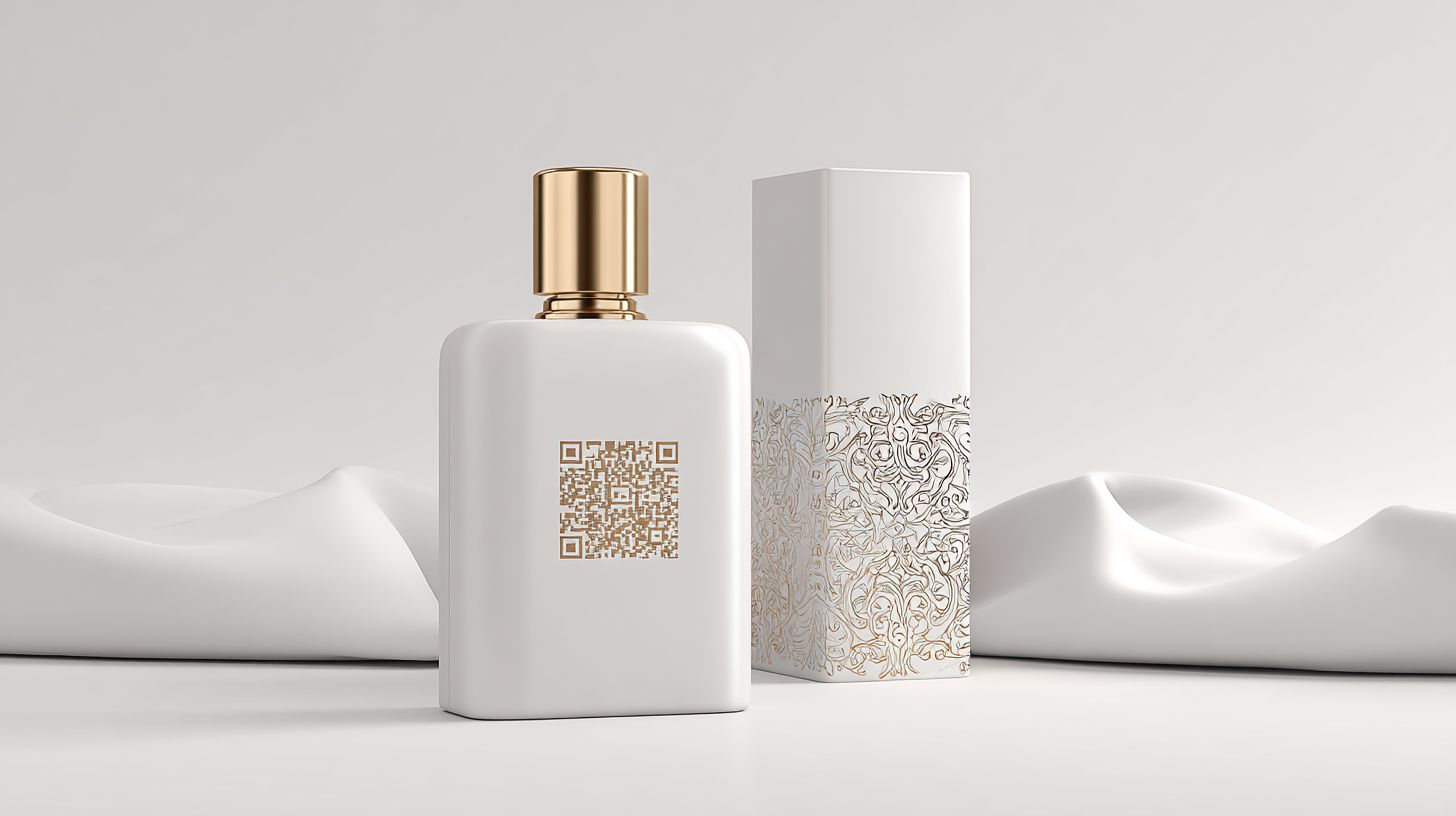
More beauty brands are ditching labels for QR codes in 2026 to reduce packaging waste, comply with stricter sustainability regulations, and provide dynamic, updatable product information like ingredients, tutorials, and personalization via smartphone scans, aligning with eco-conscious Gen Z demands.
What are the main reasons why more beauty brands are ditching labels for QR codes in 2026?
The primary drivers include minimizing plastic use for slimmer, label-free packaging; enabling real-time updates to product details without reprinting; enhancing user engagement through interactive AR experiences; and meeting global eco-labeling laws that favor digital transparency over static prints.
How do QR codes replace traditional labels for beauty brands in 2026?
QR codes serve as digital gateways on minimalist packaging, linking to comprehensive info such as allergen alerts, usage videos, sustainability certifications, and batch-specific recalls-why more beauty brands are ditching labels for QR codes in 2026 to streamline production and boost customer loyalty.
What environmental benefits come from beauty brands ditching labels for QR codes in 2026?
By removing paper or plastic labels, brands cut down on manufacturing emissions, reduce landfill waste, and lower shipping weights; this shift explains why more beauty brands are ditching labels for QR codes in 2026, supporting circular economy goals and appealing to Gen Z’s green preferences.
Which beauty brands are leading the trend of ditching labels for QR codes in 2026?
Pioneers like Glossier, Fenty Beauty, The Ordinary, MUJI, and Apple-inspired brands are spearheading this, with clear bottles featuring scannable QR codes; their success, alongside Goodles and Omsom, is fueling why more beauty brands are ditching labels for QR codes in 2026, proving higher sales from innovative, clutter-free designs.
What challenges do beauty brands like RXBAR and Oatly face when ditching labels for QR codes in 2026?
Challenges include ensuring universal smartphone access for scans, data privacy compliance under new GDPR updates, and educating older demographics; yet, these are outweighed by benefits, driving why more beauty brands are ditching labels for QR codes in 2026 for future-proof packaging.