


Introduction to dermatologist-backed Brands in 2025

Ever wonder why some skincare brands cut through the noise while others fade away? This year, dermatologist-backed beauty brands are leading the pack because they deliver real credibility and results people trust. You’ll see exactly how they’re reshaping the market.
Key Takeaways:
Trust in Medical Expertise
Many people turn to dermatologist-backed products because they offer reassurance rooted in professional medical knowledge. These beauty brands stand out by connecting skincare to clinical efficacy. Consumers feel confident knowing dermatologists guide the product formulations.
Brands build trust through dermatologist founders who share their credentials openly. Transparent ingredient lists reveal evidence-based components like antioxidants and medical-grade actives. This approach mirrors consulting a dermatologist for personalized routines.
Endorsements from certified professionals add credibility to skincare industry offerings. For example, products targeting anti-aging or acne treatment often feature doctor approvals. Readers can give the power to themselves by seeking custom routines for skin concerns like sensitive skin or photoaging.
- Check for founder bios highlighting dermatology expertise.
- Review ingredient transparency on labels or websites.
- Look for endorsements in product descriptions from board-certified dermatologists.
These steps foster trust in skin health solutions, from sunscreens to haircare and scalp health. As consumer demand grows, such practices drive brands growth in e-commerce and retail expansion like Ulta Beauty.
Skepticism Toward Influencer Marketing
Influencer-driven promotions often leave shoppers questioning product efficacy, pushing demand toward credible alternatives. Shoppers grow wary of glossy photos and bold claims from social media stars. They seek dermatologist-backed options that prioritize skin health over hype.
Common pitfalls include influencers pushing products without disclosing sponsorships. A scenario might show a celebrity endorsing an anti-aging serum for dramatic results overnight. In reality, genuine skincare relies on consistent use and clinical efficacy, not instant miracles.
To spot authenticity, check for medical-grade formulations with clinical backing. Look beyond sponsored posts to ingredient lists featuring antioxidants or TFC8 technology. Dermatologist-led brands often highlight evidence-based testing on diverse skin health types.
- Verify if the brand lists board-certified dermatologists on their team.
- Search for third-party clinical trials mentioned on packaging or sites.
- Avoid products hyped solely through unverified before-and-after photos.
- Prioritize those addressing specific concerns like acne treatment or sensitive skin.
This shift fuels brands growth in the skincare industry. Consumers favor dermatologist-led lines offering visible results through innovations like Alpha Beta Peel or broad-spectrum sunscreens. Trust in experts drives demand for preventative skincare and long-term skin regeneration.
Clinical Trials and Evidence-Based Formulas
Formulas like SkinCeuticals‘ C E Ferulic and Dr. Dennis Gross Skincare‘s Alpha Beta Peel exemplify clinical trials validating their benefits for skin regeneration.
These dermatologist-backed products use rigorous testing to ensure clinical efficacy. SkinCeuticals’ C E Ferulic combines vitamins C, E, and ferulic acid to deliver potent antioxidants that fight free radicals. This supports anti-aging by reducing signs of photoaging over time.
For acne treatment, the Alpha Beta Peel offers a step-by-step process with pre-soaked pads. Apply one pad weekly to clean, dry skin, then follow with the second for neutralization, and finish with the third for hydration; always avoid the eye area. Users see clearer skin with consistent use, but experts recommend starting slowly to build tolerance.
- Boosts collagen production with daily morning application of C E Ferulic under sunscreen.
- Exfoliates dead skin cells to unclog pores in Alpha Beta Peel treatments.
- Strengthens the skin barrier against environmental damage through evidence-based ingredients.
Common mistakes include over-exfoliation, which can irritate sensitive skin, so limit peels to once weekly. Pair these with medical-grade sunscreens for best results in preventative skincare. Dermatologists praise such innovations for delivering visible improvements in skin health.
Compliance and Safety Standards
Products like EltaMD’s UV Clear meet stringent compliance standards, making them ideal for sensitive skin and daily use. Dermatologist-led brands prioritize FDA-compliant testing to ensure product safety and efficacy. This focus builds trust among consumers seeking reliable skincare.
These brands often incorporate microbiome-friendly ingredients that support the skin barrier. Such formulations reduce irritation and promote overall skin health. Scientific research suggests this approach helps maintain balance in the skin’s natural skin barrier ecosystem.
Compliance extends to sunscreens, where medical-grade options outperform traditional ones in key areas. The table below compares them based on protection and formulation. Understanding these differences aids in better product formulations selection for skin concerns.
| Medical-Grade Sunscreens | Traditional Sunscreens | |
|---|---|---|
| Broad-Spectrum Protection | Comprehensive UVA/UVB coverage with advanced filters | Basic UVA/UVB protection, often less stable |
| Non-Comedogenic Formula | Lightweight, oil-free to prevent pore clogging | May contain comedogenic oils or heavy emollients |
| Skin Barrier Support | Includes antioxidants and soothing agents | Limited added benefits for skin health |
| Suitability for Sensitive Skin | Fragrance-free, rigorously tested | Often includes irritants like fragrances |
To select compliant broad-spectrum sunscreens, check for FDA approval and non-comedogenic labels. Opt for mineral-based options like zinc oxide for sensitive skin. Experts recommend daily application of at least SPF 30, reapplied every two hours.
Skincare and Anti-Aging Dominance

Augustinus Bader’s TFC8 technology powers anti-aging leaders like Restorative Skin Complex, promoting skin regeneration. This dermatologist-backed innovation draws from epigenetics-based preventative skincare. It targets cellular renewal based on epigenetics to address early signs of anti-aging.
TFC8 stands out for its role in combating photoaging and inflammation control. The technology supports the skin barrier by encouraging natural repair processes. Dermatologists praise its approach to long-term skin health.
Incorporate Restorative Skin Complex into your routine with these steps:
- Cleanse your face morning and evening.
- Apply a pea-sized amount of the complex, gently massaging into skin.
- Pair with antioxidants like vitamin C serums for enhanced protection.
- Follow with moisturizer and broad-spectrum sunscreen in the morning.
Users report visible results in texture and firmness after consistent use. This medical-grade formula aligns with growing consumer demand for evidence-based luxury skincare. It fits seamlessly into routines focused on anti-aging and daily resilience.
Rising Consumer Demand for Credibility
Consumers increasingly seek skincare solutions they can trust amid a crowded market filled with unverified claims. This shift toward authenticity in beauty brands stems from greater awareness of skin health needs. People now prioritize products backed by real expertise over flashy marketing, driving growth in 2025.
The skincare industry has seen a surge in dermatologist-led brands responding to this demand. These brands offer evidence-based formulations that address concerns like anti-aging and acne treatment. Consumers value the credibility that comes from medical professionals guiding product development.
Growing interest in preventative skincare and skin regeneration fuels this trend. Shoppers want ingredients like antioxidants and broad-spectrum sunscreens that deliver visible results without hype. Dermatologist-backed options stand out for their focus on clinical efficacy.
Brands incorporating innovations such as TFC8 technology or Alpha Beta Peel exemplify this movement. They cater to specific needs like sensitive skin and photoaging. This consumer-driven push encourages brands growth through trust and reliable outcomes.
Science-backed Research and Proven Visible Results
Dermatologist-led brands like SkinCeuticals stand out by grounding their innovations in rigorous scientific research. This approach ensures products deliver visible results for common skin concerns. Consumers trust formulations tested through clinical trials and dermatologist oversight.
Take C E Ferulic from SkinCeuticals, a vitamin C serum with antioxidants that protect against photoaging. Dermatologists praise its evidence-based formula for brightening skin and reducing fine lines. Such products show how scientific research translates to real-world efficacy.
Another example is Alpha Beta Peel pads from Dr. Dennis Gross Skincare, designed for at-home anti-aging and acne treatment. These pads use acids backed by dermatological studies to exfoliate and renew skin. Results include smoother texture without irritation, proving clinical efficacy in daily routines.
Dermatologist-backed brands like Augustinus Bader prioritize medical-grade ingredients, such as TFC8 technology in Restorative Skin Complex. This supports skin regeneration and barrier repair. For 2025, expect more innovation in preventative skincare driven by epigenetics and microbiome-friendly options.
Regulatory Advantages
Medical-grade branding provides a regulatory edge that ensures higher safety and efficacy standards. Dermatologist-led brands adhere to strict guidelines that prioritize sensitive skin protection. This compliance sets them apart in the skincare industry.
These brands follow rigorous testing protocols backed by dermatologists. Formulations avoid common irritants, making products suitable for conditions like acne treatment or photoaging. Consumers gain peace of mind from this evidence-based approach.
Regulatory oversight promotes clinical efficacy in items such as broad-spectrum EltaMD sunscreens and microbiome-friendly cleansers. Brands like those offering C E Ferulic or UV Clear exemplify how compliance drives innovation. This focus supports skin barrier health and inflammation control.
For users with specific skin concerns, these advantages mean safer choices in anti-aging serums or preventative skincare. Dermatologist-backed oversight ensures product formulations deliver visible results without risks. This edge fuels brands’ growth into 2025 and beyond.
Marketing Power of Authentic Storytelling
Dermatologists’ personal journeys and expertise create compelling narratives that resonate deeply with consumers. These stories turn dermatologist-backed brands into trusted allies in the skincare industry. Consumers connect with real experiences over generic ads.
Brands like Dr. Barbara Sturm excel by sharing the founder’s path from treating patients to developing TFC8 technology. This innovation addresses skin regeneration and anti-aging through her clinical insights. Such tales highlight solving specific skin concerns like photoaging and inflammation control.
To craft your own founder story, focus on skin health challenges overcome via innovation. Start with a personal anecdote, like developing a microbiome-friendly acne treatment after years in practice. Emphasize evidence-based formulations for visible results.
These narratives boost e-commerce sales by building loyalty online. They also drive retail expansion, such as partnerships with Ulta Beauty. Authentic storytelling positions brands for growth in 2025, attracting consumer demand for medical-grade skincare.
Performance in Key Market Categories
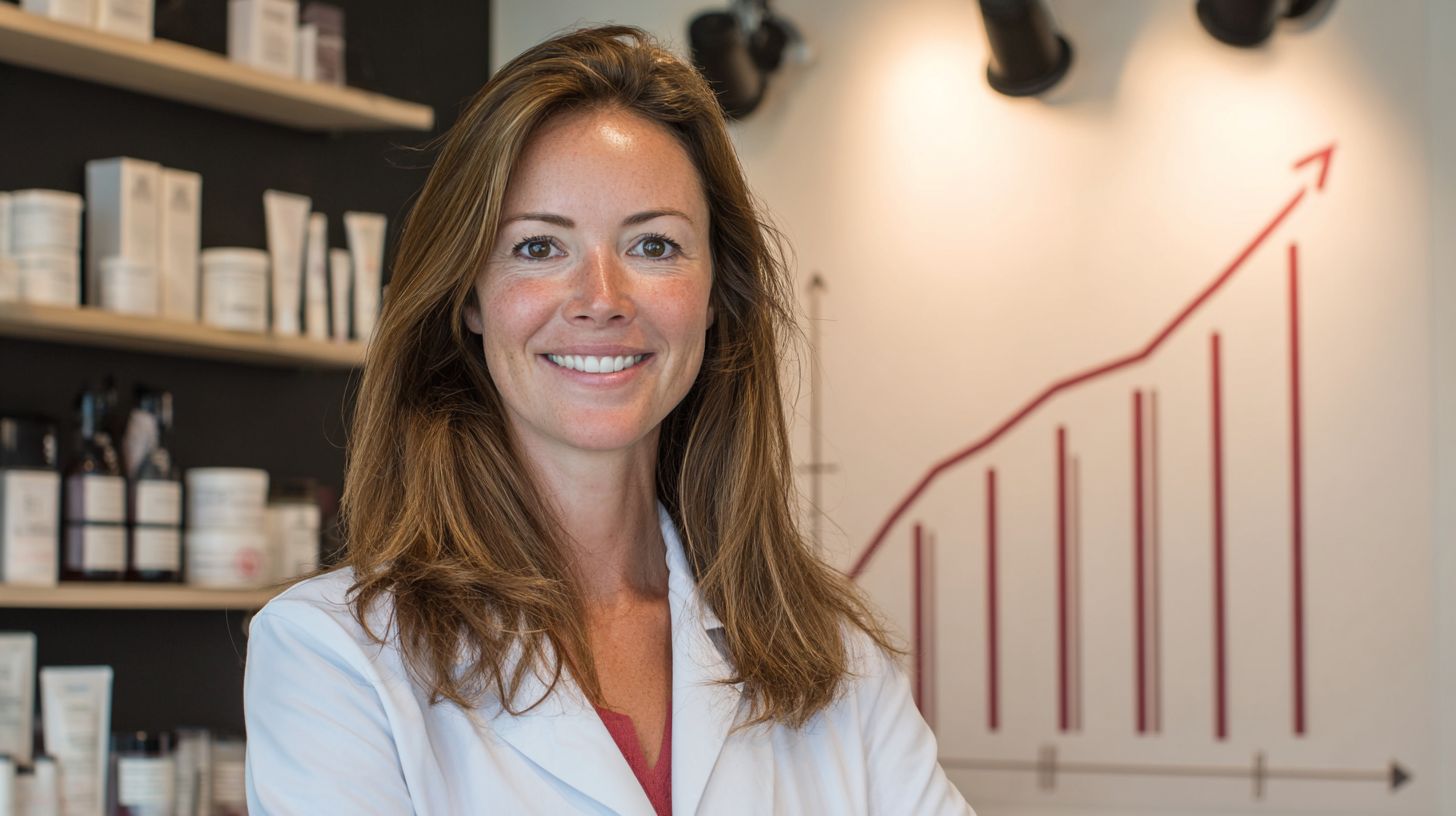
These brands excel in high-demand categories by addressing specific skin and hair concerns with targeted solutions. Dermatologist-led beauty brands prioritize clinical efficacy and evidence-based formulations, driving their dominance in the skincare industry. This focus meets rising consumer demand for medical-grade products that deliver visible results.
In skincare, they lead with innovations like Alpha Beta Peel and C E Ferulic, tackling anti-aging and acne treatment. Haircare lines like Seen Haircare emphasize scalp health and follicle health through microbiome-friendly approaches. Sunscreens such as UV Clear offer broad-spectrum protection for sensitive skin, combating photoaging effectively.
These dermatologist-backed options shine in luxury skincare with ingredients like antioxidants and TFC8 technology for skin regeneration. Their growth reflects expansion into e-commerce, Ulta Beauty retail, and backing from private equity and venture capital. Spotlight categories ahead reveal how they outperform in preventative skincare and beyond.
Experts recommend choosing products with skin barrier support and inflammation control for optimal skin health. Brands leverage scientific research on epigenetics and product formulations to build a loyal customer base. This performance underscores their role in professional treatments and aesthetic advancements for 2025.
Competitive Edge Over Traditional Brands
Dermatologist-led brands outpace traditional ones through superior formulations and targeted expertise. These dermatologist-backed beauty brands prioritize clinical efficacy backed by medical professionals. They deliver visible results faster than conventional options.
Traditional brands often rely on marketing trends, while dermatologist-led ones focus on evidence-based ingredients like antioxidants and TFC8 technology. For example, brands like Medik8 use Alpha Beta Peel for anti-aging and acne treatment. This approach appeals to consumers seeking skin health solutions.
In haircare, dermatologist-led lines emphasize scalp health, such as Seen Haircare‘s focus on follicle health and inflammation control. Traditional products overlook this, leading to slower improvements. Dermatologist-led brands gain loyalty through targeted product formulations.
| Dermatologist-Led (e.g., Medik8) | Traditional | |
|---|---|---|
| Clinical Efficacy | Medical-grade testing for UV Clear sunscreens and skin regeneration | General claims without specialist validation |
| Ingredient Transparency | Full disclosure of actives like C E Ferulic for photoaging | Often vague lists hiding fillers |
| Pricing | Premium for preventative skincare and microbiome-friendly options | Lower entry but less long-term value |
Private equity and venture capital favor these brands for their growth potential in e-commerce and retail expansion like Ulta Beauty. They attract a dedicated customer base focused on sensitive skin and professional treatments. This edge drives dominance in the skincare industry toward 2025.
Future Outlook for 2025
Looking toward 2025, dermatologist-led brands are poised for expansion through innovation and strategic partnerships. These brands focus on evidence-based formulations that address rising consumer demand for skin health and preventative skincare. Expect continued growth in the skincare industry as trust in clinical efficacy drives market dominance.
Innovation will center on microbiome-friendly haircare and integration with aesthetic treatments. Brands like PCA Skin with its Alpha Beta Peel and Alastin Skincare featuring TFC8 technology exemplify this trend. These advancements support skin regeneration and combat photoaging effectively.
Brands pursuing retail expansion at Ulta Beauty will gain wider reach. Private equity and venture capital investments fuel this brands growth, emphasizing medical-grade products for acne treatment, sunscreens, and anti-aging. Shoppers benefit from accessible, science-backed options for sensitive skin.
- Prioritize e-commerce optimization with personalized quizzes for product recommendations from brands like Rodan + Fields.
- Invest in professional treatments bundles that pair at-home skincare with in-office procedures.
- Focus on antioxidants like those in C E Ferulic for broad-spectrum protection against inflammation control.
Frequently Asked Questions
Why Dermatologist-Led Brands Like Dr. Loretta Are Dominating the Market This Year
Dermatologist-led brands are dominating the market this year due to a surge in consumer demand for science-backed skincare solutions. With expertise from board-certified dermatologists, these brands offer clinically proven formulas that address real skin concerns like acne, aging, and sensitivity, outperforming influencer-driven or trendy products in efficacy and trust.
What Makes Dermatologist-Led Brands Like Codex Labs Stand Out in 2023?

Why Dermatologist-Led Brands Are Dominating the Market This Year includes their foundation in medical science rather than hype. These brands prioritize rigorous testing, transparent ingredient lists, and targeted treatments, appealing to savvy consumers who research efficacy through clinical studies and dermatologist endorsements.
How Are Dermatologist-Led Brands Like Dr. Sam’s Skincare Gaining Consumer Trust?
Why Dermatologist-Led Brands Are Dominating the Market This Year stems from their credibility-founders are often practicing dermatologists who bridge the gap between clinical offices and retail. This authenticity builds loyalty as consumers see visible results from evidence-based products, backed by professional recommendations.
Why Are Clean Beauty Trends Favoring Dermatologist-Led Brands Like 111SKIN and the Institute of Dermatologists?
In the clean beauty era, Why Dermatologist-Led Brands Are Dominating the Market This Year is because they combine gentle, non-toxic ingredients with dermatological innovation like TFC8 technology and Restorative Skin Complex. They avoid harmful fillers while delivering potent actives like retinoids and peptides, meeting the demand for safe yet effective science-backed skincare.
What Role Does E-Commerce Play in Dermatologist-Led Brands Like PCA Skin, Alastin Skincare Success?
Why Dermatologist-Led Brands Are Dominating the Market This Year is amplified by e-commerce platforms like Ulta Beauty showcasing personalized quizzes, virtual consultations, and user reviews. This direct-to-consumer model allows brands like SkinCeuticals and Dr. Dennis Gross Skincare to educate buyers on proper usage, fostering repeat purchases and market share growth.
Are Dermatologist-Led Brands Like Augustinus Bader, Seen Haircare, Codex Labs More Expensive, and Is It Worth It?
While often premium-priced, Why Dermatologist-Led Brands Are Dominating the Market This Year like EltaMD, Rodan + Fields, and Dr. Loretta justifies the cost through superior formulations like C E Ferulic, Alpha Beta Peel, and UV Clear and longevity-less product needed for results. Consumers report better outcomes and fewer reactions, making them a worthwhile investment over mass-market alternatives.