

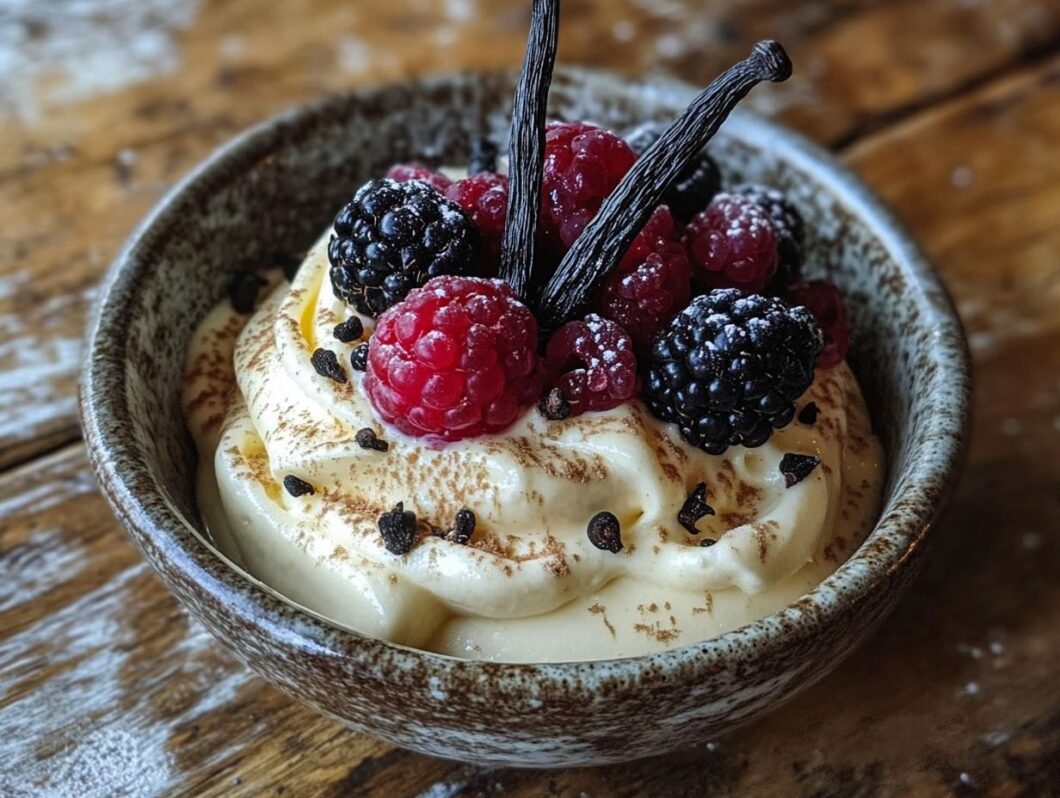
Vanilla, once a rare and highly valued flavor, renowned for its rich vanilla aroma, has a rich history that spans centuries, evolving from its ancient origins to become a global staple in both cuisine and culture, celebrated in diverse sensory experiences. In recent years, the emergence of artificial vanilla perfumes and fragrances has significantly transformed the industry, prompting important discussions about authenticity and quality. As consumer demand increasingly shifts back to natural vanilla, we are witnessing a resurgence that evokes nostalgia of this cherished ingredient, renowned for its health benefits and culinary versatility. I invite you to explore vanilla’s journey, its current market trends, including the rise in vanilla perfumes, and discover how to easily incorporate this aromatic delight into your life. Additionally, I will address the importance of striving for a sustainable future in vanilla cultivation, which aligns with modern consumer trends.
Key Takeaways:
The History of Vanilla
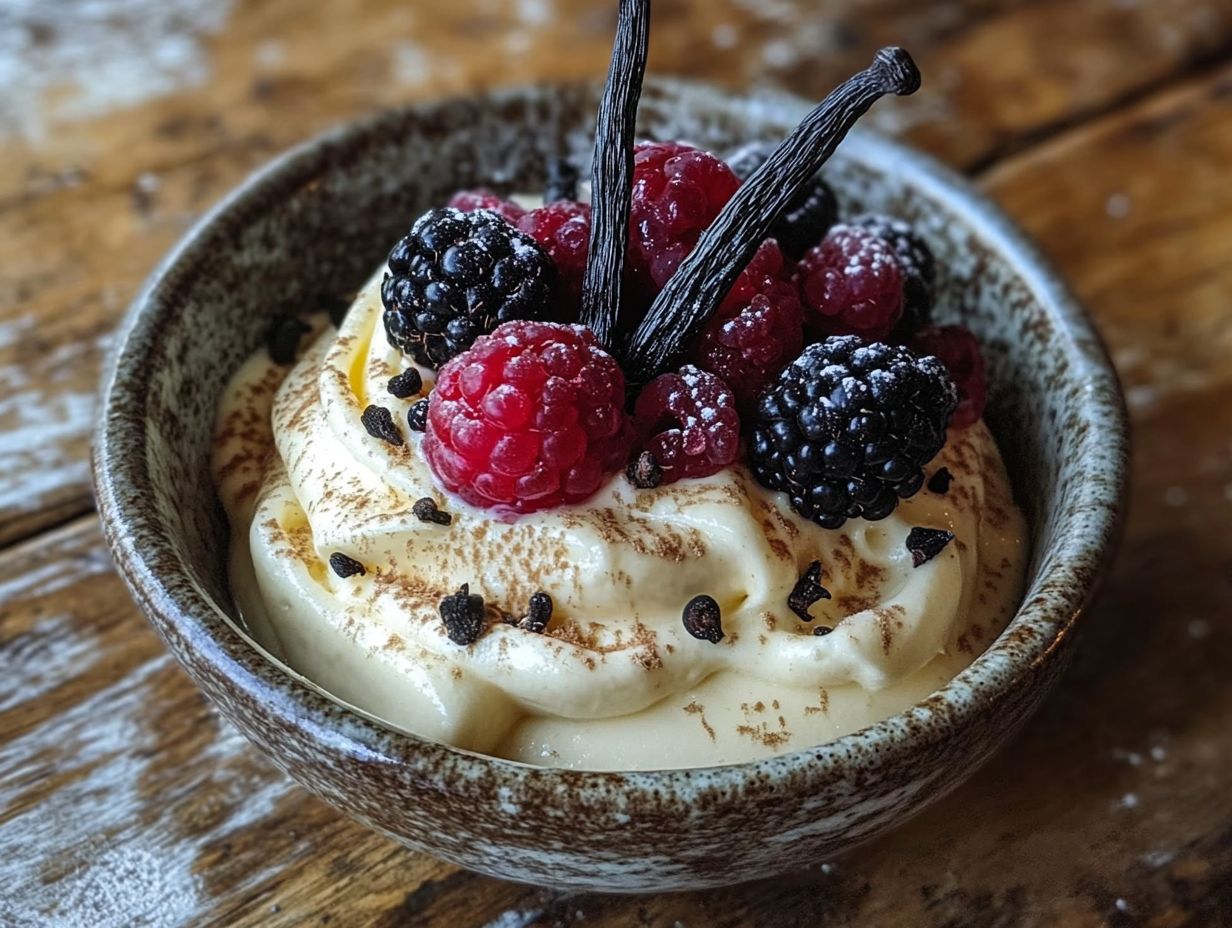
The history of vanilla presents a rich tapestry that spans numerous cultures, tracing back to its origins in Mesoamerica. It was initially cultivated by the Totonac people and later embraced by the Aztecs, who used it to enhance their chocolate beverages.
As vanilla evolved, it gained significant prominence in Europe during the 17th century, resulting in a variety of innovative creations in both culinary and fragrance domains that evoke rich and complex aromas. Today, vanilla is celebrated worldwide, valued by consumers for its warmth and nostalgic qualities. For those interested in a comprehensive overview, this analysis by Smithsonian Magazine covers the full spectrum of vanilla’s journey across cultures and time.
This enduring appeal has solidified its status as one of the most beloved and versatile flavors in both culinary and fragrance compositions.
Origins and Evolution of Vanilla
I trace the origins of vanilla back to Mesoamerica, where it was first cultivated by the Totonac people, who held it in high regard as a sacred plant. The Aztecs later adopted vanilla, using it to enhance the flavor of their chocolate drinks.
This ancient appreciation highlights the significance of vanilla from its inception, as both cultures recognized its distinctive flavor and aromatic properties.
Upon its introduction to Europe in the 16th century, vanilla quickly gained popularity, especially among the elite in France, where it became a key ingredient in various desserts and confections, evoking childhood memories and sophisticated aromas.
As demand for vanilla grew in culinary and fragrance applications, its cultivation expanded to several tropical regions. Today, vanilla is not merely a flavoring agent; it also represents luxury and indulgence, often evoking feelings of nostalgia and warmth in both food and scented products.
The Rise of Artificial Vanilla
The rise of artificial vanilla, largely fueled by the demand for cost-effective flavoring solutions, has had a notable impact on the vanilla industry.
This shift has led to the widespread use of synthetic vanillin, derived from sources such as lignin and guaiacol, in a variety of consumer products. Research findings published in MDPI highlight significant biotechnological advances in vanillin production, showcasing how these developments are influencing the industry landscape.
Impact on the Vanilla Industry

The impact of artificial vanilla on the vanilla industry has been significant, particularly in how it has changed consumer perceptions and preferences. This shift has led to evolving market trends and an increasing reliance on synthetic flavoring agents across various products.
As I observe more manufacturers opting for artificial alternatives due to their cost-effectiveness and consistency, it’s evident that the demand for natural vanilla has declined. This downturn affects pricing and cultivation practices, challenging the timeless appeal of true vanilla. in regions historically known for producing high-quality vanilla. The rise of synthetic vanilla has also led some consumers to prioritize affordability over authenticity, raising important questions about what defines ‘real’ vanilla.
This transformation influences not only purchasing decisions at the grocery store but also has broader implications for farmers who depend on natural cultivation methods. It poses a potential threat to sustainable practices, as higher-yield synthetic options become more appealing.
Consequently, the complexities of the vanilla market are evolving, reflecting a challenging balance between tradition and the demands of modern consumers.
The Return to Natural Vanilla
In recent years, I have observed a significant resurgence in consumer demand for natural vanilla. This trend appears to be fueled by a collective desire for authenticity and quality in scents, especially during and after the Covid-19 pandemic, where comfort and nostalgia have notably influenced consumer preferences.
Consumer Demand and Market Trends
I am increasingly observing that consumer demand for natural vanilla is being shaped by evolving market trends, driven by sensory experiences and emotional escape that underscore the importance of authenticity and emotional connections. Consumers are seeking products that provide an emotional escape, evoking warm memories and comforting aromas.
This shift towards valuing genuine experiences has led me to recognize that consumers are favoring natural vanilla over synthetic alternatives, seeking comforting smells and gourmand notes, which reinforces the demand for high-quality, sustainably sourced ingredients.
In response, key players in both the fragrance and culinary sectors are adapting their product lines to align with this growing interest. They are exploring innovative methods to incorporate authentic vanilla flavors and scents into their offerings, ensuring they resonate with contemporary consumers’ desire for transparency and quality, as highlighted in an in-depth analysis by MarketsandMarkets.
I also see that personalized branding and storytelling have become crucial elements in this landscape, allowing brands to connect more deeply with their audience by highlighting intimate and unique fragrance compositions, the origin and journey of their vanilla products.
The Benefits of Natural Vanilla

I appreciate natural vanilla not only for its rich and complex flavors in various culinary applications but also for its numerous health benefits.
It serves as a soothing agent that can enhance emotional well-being and promote a sense of comfort with its warm, gourmand notes.
Health Benefits and Culinary Uses
Natural vanilla offers a variety of health benefits, including its notable antioxidant properties, and is extensively utilized in culinary applications for its capacity to enhance the flavor profile of both sweet and savory dishes.
This remarkable ingredient elevates desserts such as cakes, ice creams, and custards while also complementing savory recipes by adding depth to sauces and marinades.
Its antioxidant-rich composition supports overall wellness by combating oxidative stress and reducing inflammation, which can contribute to chronic diseases.
Additionally, natural vanilla possesses aromatic qualities that may improve mood and promote relaxation, making it a valuable addition not only in cooking but also as a holistic ingredient for enhancing mental well-being.
By incorporating this versatile flavor into everyday meals, I can enjoy both its culinary and health advantages.
How to Incorporate Natural Vanilla into Your Diet
Incorporating natural vanilla into my diet can be a rewarding experience, as it enhances the flavors of a variety of dishes.
There are numerous recipes and tips available that guide me in utilizing this versatile ingredient effectively in my culinary endeavors.
Recipes and Tips for Using Vanilla

There are numerous delightful recipes that showcase the use of natural vanilla, ranging from classic vanilla bean ice cream to vanilla-infused beverages, which certainly makes it a favorite among culinary enthusiasts.
Incorporating this aromatic ingredient can significantly elevate both sweet and savory dishes, adding a rich depth of flavor that surprises and delights the palate.
For those aiming to enhance their baking skills, a splash of natural vanilla extract can transform standard cookie recipes into artisanal masterpieces, while just a few drops of pure vanilla can beautifully round out savory sauces and marinades.
Exploring unique combinations, such as pairing vanilla with citrus or spices, can lead to exciting new culinary creations. The versatility of this wonderful ingredient truly opens up a realm of possibilities for every home cook.
The Future of Vanilla
The future of vanilla rests on sustainability and innovation, pioneered by brands like Unilever and Good Humor, within the industry.
I observe that producers are increasingly adopting eco-friendly practices and exploring new trends to meet the growing consumer demand for natural and ethically sourced products.
This shift not only addresses environmental concerns but also aligns with consumer preferences for responsible sourcing.
Sustainability and Innovation in the Vanilla Industry
Sustainability and innovation have become central focus areas in the vanilla industry, with a growing emphasis on ethical sourcing practices and innovative production methods that aim to protect the environment while fulfilling consumer demand for natural products.
For example, integrating agroforestry techniques not only enhances biodiversity but also supports the livelihoods of smallholder farmers engaged in vanilla cultivation. Initiatives such as organic certification and fair-trade partnerships are gaining momentum, allowing producers to command higher prices in the market while ensuring communities benefit from their efforts.
I recognize that investing in sustainable practices is not merely a trend; it echoes the sweet-smelling emotions reminiscent of Y2K celebrations and cozy memories from the past decade. it has become a vital strategy for vanilla growers, including iconic brands like Bath & Body Works and Victoria’s Secret, to remain competitive in a multi-faceted market. As consumers, especially Gen-Z influenced by figures like Mona Kattan and Kyra, become more environmentally conscious, the industry’s commitment to transparency and sustainability, supported by companies like Firmenich, Touchland, and Native, will likely shape its growth trajectory, securing a viable future for both the environment and market participants in light of recent challenges such as Covid-19.