

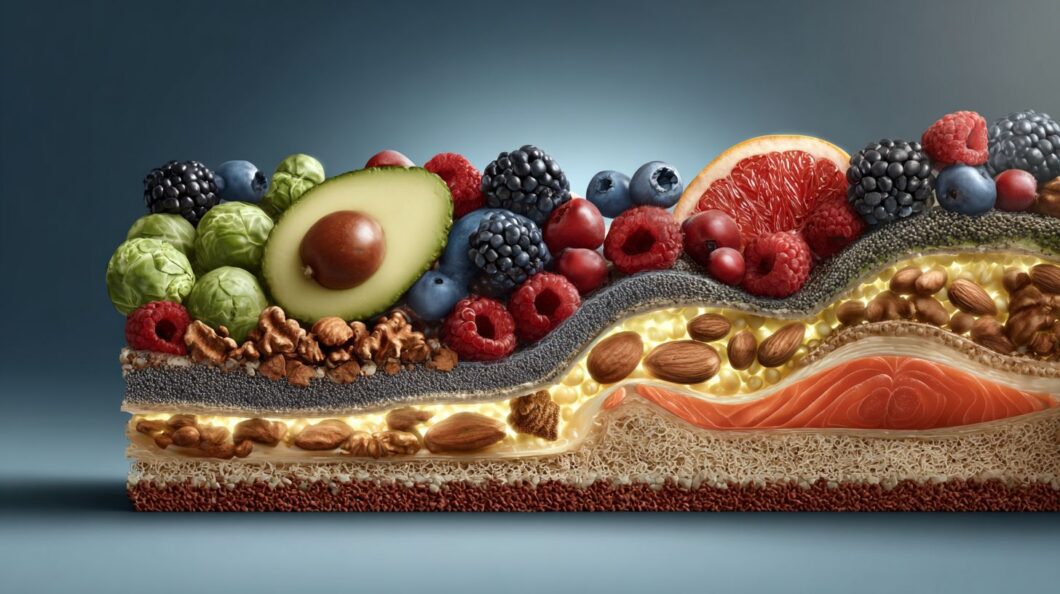
Struggling with dry, irritated skin no matter what products you try? Your skin barrier might need support from the inside, where diet plays a bigger role than you think in boosting skin hydration and cutting down transepidermal water loss. This guide shares practical ways to eat for stronger skin.
Key Takeaways:
Understanding the Skin Barrier
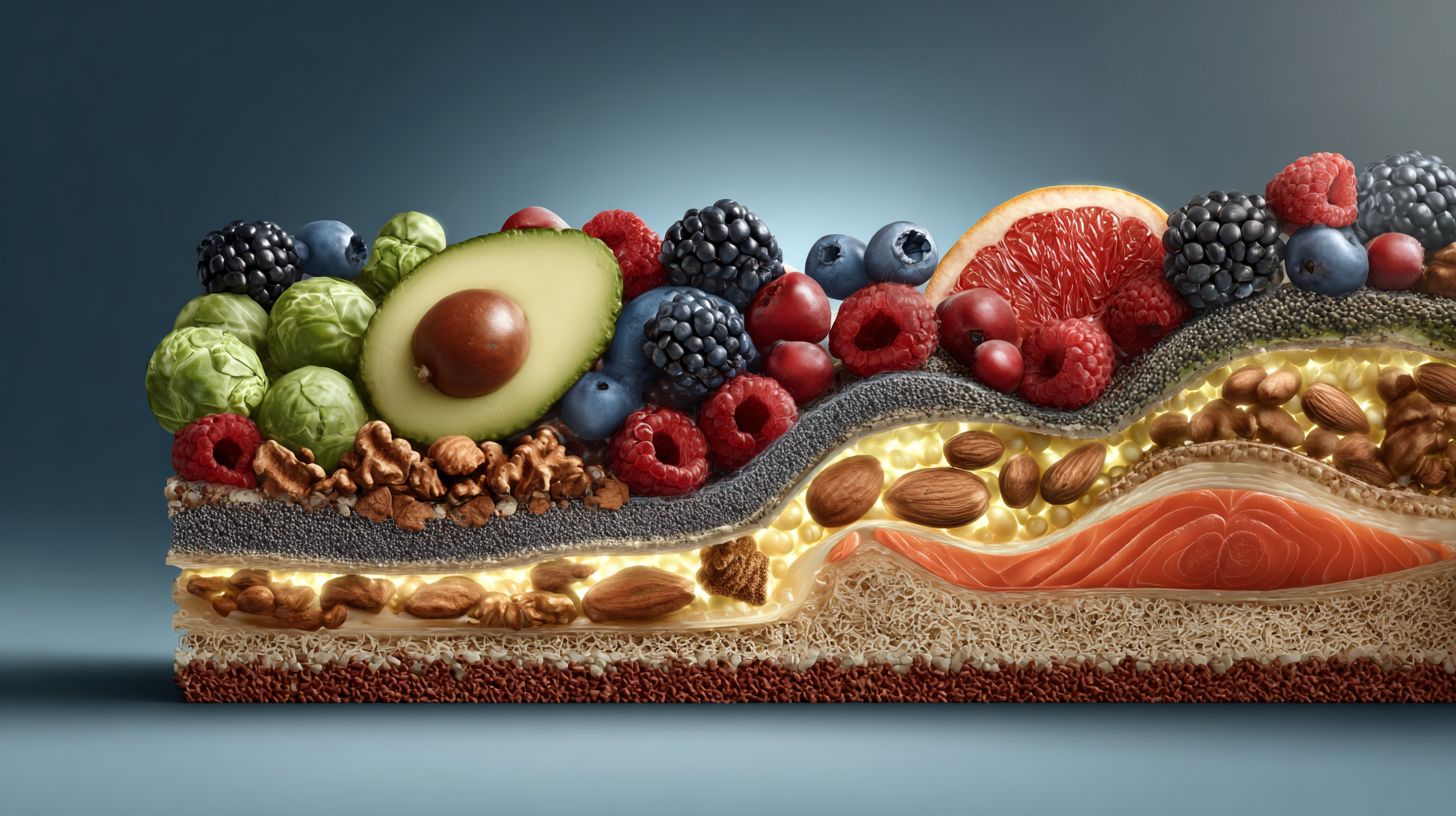
The skin barrier acts as your body’s frontline defense, preventing water loss and protecting against irritants. This outermost layer maintains skin hydration by regulating transepidermal water loss, known as TEWL. It also blocks pathogens and environmental stressors from penetrating deeper into the skin.
Healthy barrier function keeps the skin supple and resilient. When compromised, it leads to xerosis, irritation, and conditions like atopic dermatitis. Diet plays a key role in supporting this protective shield from within.
The epidermis houses the skin barrier, distinct from the thicker dermis below. Its integrity influences overall skin health and appearance. Understanding this sets the stage for dietary choices that bolster barrier function.
Daily exposures like harsh weather or pollutants challenge the barrier. A nourished body helps it recover and thrive. This internal support complements topical skincare routines effectively.
Key Components and Functions
At the heart of the skin barrier lies the stratum corneum, the outermost layer of the epidermis that regulates transepidermal water loss (TEWL). This layer features a brick-and-mortar structure, with corneocytes as the bricks and a lipid matrix as the mortar. Ceramides, cholesterol, and fatty acids form this crucial lipid matrix.
The barrier operates through multiple layers: the physical layer from lipids, the chemical layer from acidic components, and the immune layer for defense. The physical layer seals in moisture and blocks invaders. The chemical layer maintains an acidic pH to deter harmful microbes.
Filaggrin plays a vital role in barrier integrity by helping form the lipid matrix and retaining skin hydration. Impaired filaggrin function weakens the barrier, contributing to atopic dermatitis and xerosis. Experts recommend supporting filaggrin through dietary interventions like L-histidine.
The immune layer activates defenses against pathogens. Together, these components ensure robust barrier function. Visualizing the brick-and-mortar model clarifies how disruptions, such as low ceramides, increase TEWL and irritation.
How Diet Impacts Skin Health
Diet influences skin health by providing building blocks for barrier repair and modulating inflammation from within. Nutrients from food support the stratum corneum lipids, which form the outermost layer of the skin barrier. This helps reduce transepidermal water loss (TEWL), keeping skin hydrated and resilient.
A strong lipid matrix in the stratum corneum prevents moisture escape and protects against irritants. Dietary choices supply ceramides, fatty acids, and amino acids that mimic these natural components. Over time, this internal support eases conditions like atopic dermatitis or xerosis.
By focusing on barrier repair nutrients, diet enhances the epidermis and dermis layers. It strengthens the physical, chemical, and immune layers of the skin barrier. This approach promotes long-term skin hydration without relying solely on topical moisturizers.
Experts recommend dietary interventions to bolster skin barrier function in adults and children. Consistent intake reduces irritation and supports overall barrier integrity. This inside-out strategy complements external care for healthier skin.
Nutrients for Barrier Repair
Essential nutrients like ceramides, fatty acids, and amino acids directly contribute to strengthening the skin’s lipid matrix. These components reinforce the stratum corneum, minimizing TEWL and improving skin hydration. Practical sources include foods rich in these elements for daily barrier function support.
Omega-3 fatty acids such as EPA and DHA play a key role in reducing inflammation. They help calm the skin’s immune response, benefiting those with dermatitis or irritation. Sources like fatty fish provide these for better barrier function.
L-histidine supports filaggrin production, a protein vital for holding skin cells together. This amino acid aids in maintaining the skin’s protective structure. Including it through diet can help reduce dryness and enhance hydration.
- Probiotics like Lactobacillus and Bifidobacterium balance the gut microbiome.
- Prebiotics such as GOS feed beneficial bacteria.
- Synbiotics combine both for stronger effects on skin health.
These influence the gut-skin axis, indirectly bolstering the skin barrier. Research suggests they lower irritation and support recovery from conditions like atopic dermatitis. Pairing them with hydration-focused foods maximizes benefits for epidermis integrity.
Core Principles of the Skin Barrier Diet
The skin barrier diet prioritizes anti-inflammatory, nutrient-dense foods to support stratum corneum integrity and minimize transepidermal water loss. This approach strengthens the epidermis by nourishing its lipid matrix with essential fatty acids and hydration-promoting nutrients. It targets the physical, chemical, and immune layers for overall barrier function.
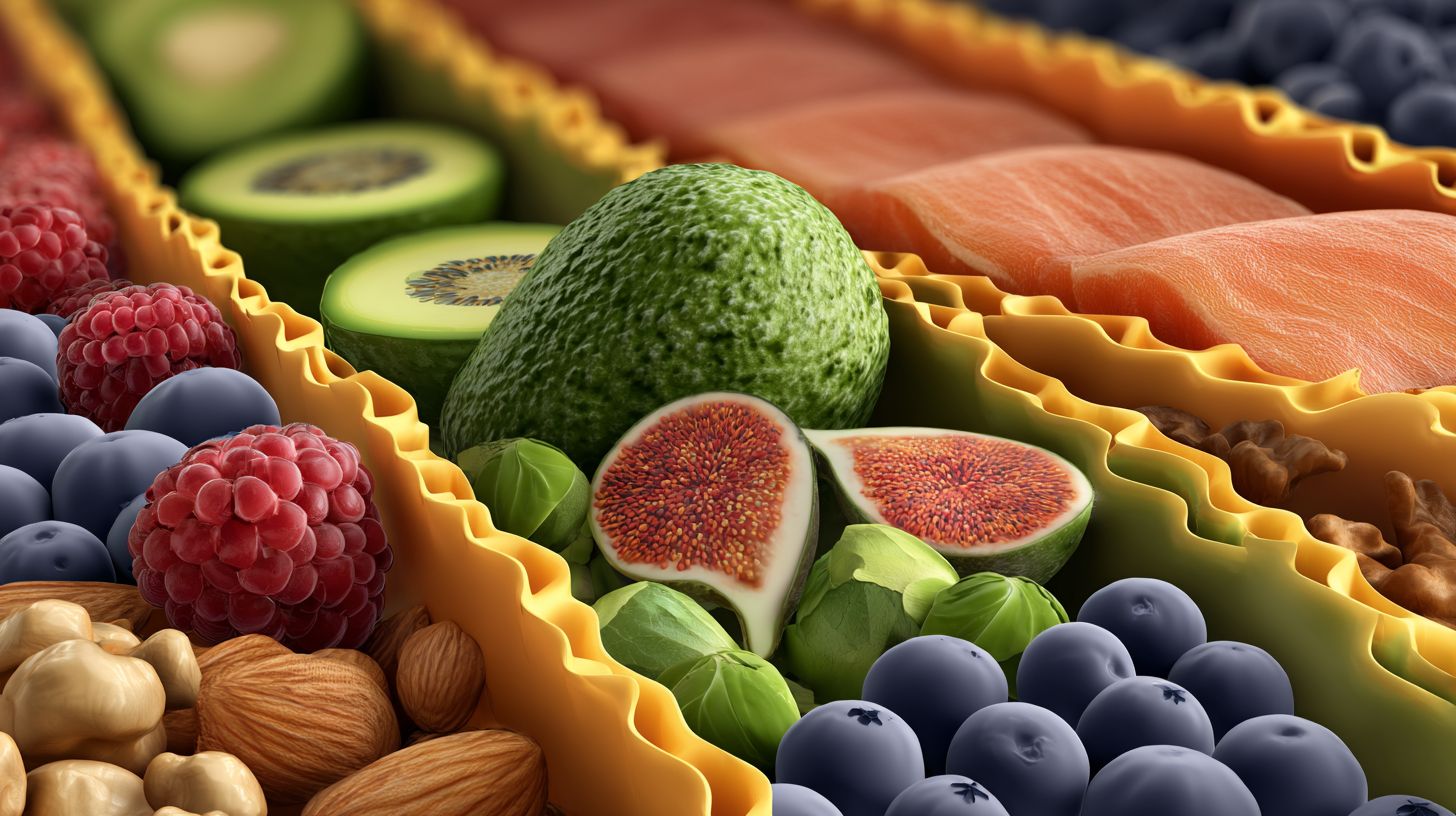
Focus first on whole foods rich in barrier-supporting lipids. Foods like avocados, nuts, and seeds provide ceramide precursors and fatty acids that mimic the skin’s natural oils. Choose salmon over fried foods to deliver omega-3 s without excess omega-6s that can promote inflammation.
Prioritize hydration through water-rich foods such as cucumbers, watermelon, and leafy greens. These boost skin hydration from within, reducing xerosis and supporting filaggrin function. Pair them with fermentable fibers from oats and legumes to nurture the gut-skin axis.
- Balance your omega-3 to omega-6 ratio by eating fatty fish, flaxseed oil, or evening primrose.
- Support the gut microbiome with prebiotics like GOS and probiotics such as lactobacillus or bifidobacterium.
- Limit irritants like processed sugars and trans fats that disrupt ceramide production and increase irritation in conditions like atopic dermatitis.
Experts recommend these dietary interventions alongside moisturizers for better results in adults and children. Incorporate L-histidine-rich foods like poultry to aid barrier repair. This holistic method enhances SCH and reduces TEWL over time.
Essential Foods to Include
Incorporating specific foods rich in barrier-nourishing compounds can significantly enhance skin hydration and resilience. Select foods that support ceramide synthesis in the stratum corneum and help reduce transepidermal water loss, or TEWL. These choices strengthen the skin barrier from within, addressing issues like dryness and atopic dermatitis.
Focus on ingredients with essential fatty acids, antioxidants, and nutrients that bolster the epidermis and dermis. Daily inclusion promotes better barrier function and reduces irritation. This approach complements topical moisturizers for overall skin health.
Experts recommend variety to cover multiple pathways, such as omega-3s for lipid balance and vitamins for oxidative protection. Simple meal tweaks make these foods accessible. Consistent intake supports long-term hydration and resilience.
Fatty Acids and Omega-3s
Omega-3 fatty acids like EPA and DHA are crucial for maintaining the skin’s lipid barrier and reducing inflammation. They contribute to ceramides production, vital for the stratum corneum‘s structure. Foods rich in these help lower TEWL and soothe conditions like xerosis or dermatitis.
Fatty fish such as salmon and mackerel provide direct sources; aim for 2-3 servings weekly, grilled or baked. Flaxseed oil, at 1 tablespoon daily in smoothies, offers plant-based omega-3s. These convert to anti-inflammatory compounds that protect the skin barrier.
For GLA, which converts to anti-inflammatory prostaglandins, include sources like evening primrose seeds or borage oil foods such as borage leaves in salads. Add 1 teaspoon of evening primrose oil to dressings. These support the chemical and physical layers of the epidermis.
- Grill salmon with herbs for dinner twice a week.
- Blend flaxseed oil into morning smoothies.
- Sprinkle borage seeds on yogurt for a GLA boost.
Antioxidant-Rich Fruits and Vegetables
Vibrant fruits and vegetables deliver antioxidants that protect skin cells and support collagen in the dermis. They combat oxidative stress that damages stratum corneum lipids, preserving barrier function. This aids skin hydration and reduces water loss in adults and children.
Berries like blueberries and strawberries offer anthocyanins; eat 1 cup daily. Leafy greens such as spinach and kale provide vitamin C; include 2 cups in meals. Citrus fruits including oranges and kiwis boost protection, with one serving per day.
Add bell peppers, broccoli, and others for broader benefits. Aim for 5-7 servings total daily to shield against irritation. These foods reinforce the immune layer of the skin barrier.
- Blend blueberries into a breakfast smoothie.
- Saut spinach and kale with garlic as a side.
- Slice bell peppers and broccoli into stir-fries.
- Snack on kiwi or oranges mid-morning.
Foods to Avoid or Limit
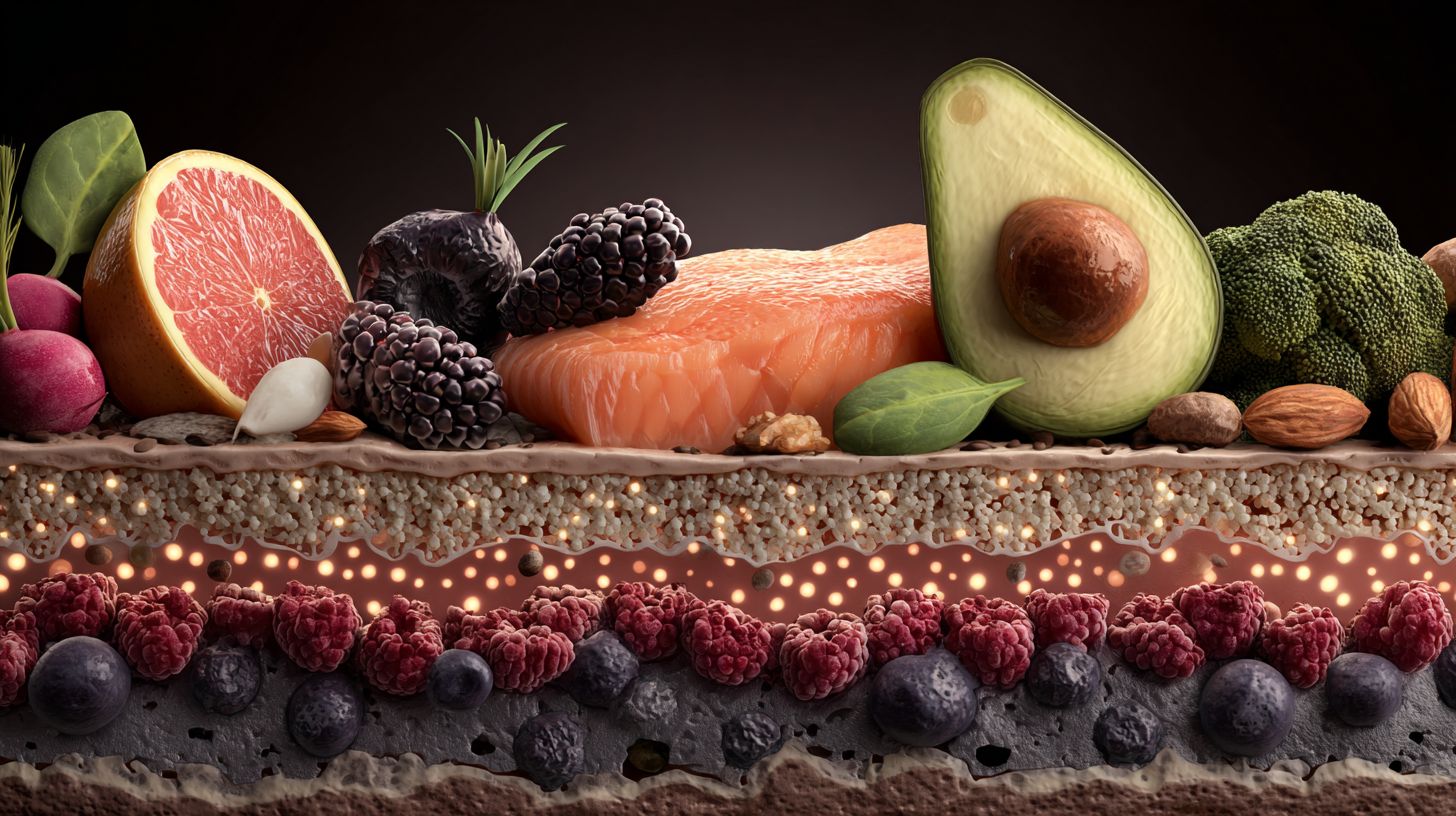
Certain foods can compromise barrier function by promoting inflammation and disrupting lipid balance. Fried foods and trans fats trigger oxidative stress that weakens the stratum corneum. Dairy may exacerbate issues for some with sensitivities, increasing transepidermal water loss.
Alcohol dehydrates the skin from within, impairing ceramide production essential for the epidermis. Processed meats contain additives that fuel gut dysbiosis, indirectly harming the skin barrier. Limiting these helps maintain skin hydration and reduces irritation.
Watch for hidden triggers in everyday meals. Opt for whole foods to support the immune layer and chemical layer of the skin. This sets the stage for addressing major culprits like sugar.
Reducing these disruptors eases symptoms of atopic dermatitis and xerosis. Focus on balance to bolster filaggrin, L-histidine, and fatty acids naturally.
Sugar and Processed Carbs
High sugar and refined carbohydrates trigger advanced glycation, which stiffens collagen and impairs ceramide function. This process forms advanced glycation end-products or AGEs that damage the dermis and increase skin fragility. The result is higher TEWL and poorer barrier repair, compromising the SCH.
Common culprits include sodas, white bread, pastries, and sugary cereals. These spike blood sugar, promoting inflammation that disrupts the gut microbiome and skin’s lipid matrix. Experts recommend checking labels for hidden sugars like high-fructose corn syrup.
- Scan ingredient lists for terms ending in -ose, such as dextrose or maltose.
- Aim for products with less than 5 grams of added sugar per serving.
- Choose whole grains to stabilize blood sugar and support skin hydration.
Practical swaps make it easy: use quinoa for white rice, or oats instead of sugary cereals. These dietary interventions preserve fatty acids like omega-3s. Over time, this strengthens the physical layer against irritation and dermatitis.
Sample 7-Day Meal Plan
This practical 7-day plan incorporates barrier-supporting foods while keeping meals simple and delicious. It targets around 1800-2000 calories daily for adults, balancing proteins, fats, and carbs to aid skin barrier function. Focus on omega-3s, probiotics, and prebiotics helps reduce transepidermal water loss and supports the stratum corneum.
Each day features fatty acids from sources like salmon and flaxseed, plus gut-friendly elements for the gut microbiome. Meals emphasize variety across vegetables, grains, and lean proteins to promote ceramides and hydration from within. Snacks prevent hunger while delivering skin hydration benefits.
Customize for children by reducing portions and adding fun twists, like fruit shapes. For lower calories, swap nuts for berries or cut snack sizes. Prep tips and a grocery list make it easy to start dietary interventions for atopic dermatitis or xerosis.
Track how these choices affect your skin barrier over time, noting less irritation. Pair with moisturizers for best results on the epidermis and dermis. Experts recommend consistency for filaggrin support and immune layer strength.
Day 1: Flaxseed Focus
Start with a flaxseed smoothie blended with berries, yogurt, banana, and spinach for breakfast (400 cal). Add 1 tablespoon ground flaxseed rich in omega-3s to boost EPA and DHA for barrier repair. Probiotics from yogurt aid the gut microbiome.
Lunch: Quinoa salad with chickpeas, cucumber, tomatoes, and olive oil dressing (500 cal). Dinner: Grilled chicken with sweet potato and broccoli (600 cal). Snacks: Apple with almonds and carrot sticks (300 cal total).
This day highlights prebiotics like GOS in quinoa and flaxseed oil benefits for reducing TEWL. Total around 1800 calories supports skin hydration without excess.
Day 2: Probiotic Power
Breakfast: Overnight oats with kefir, chia seeds, and kiwi (450 cal). Lactobacillus in kefir strengthens the microbiome for better ceramide production. Chia adds omega-3s for the physical layer.
Lunch: Turkey wrap with whole-grain tortilla, avocado, lettuce, and hummus (500 cal). Dinner: Baked cod with brown rice and asparagus (550 cal). Snacks: Greek yogurt with honey and celery (300 cal).
Emphasize synbiotics from fermented foods with Lactobacillus and Bifidobacterium to combat dermatitis. Adjust for children by halving wraps. Totals hit 1800 calories with variety.
Day 3: Omega-3 Salmon Day
Breakfast: Eggs with spinach and whole-grain toast (400 cal). Lunch: Lentil soup with kale and carrots (450 cal). Dinner: Baked salmon with quinoa and zucchini (650 cal), featuring EPA and DHA for stratum corneum health.
Snacks: Pear, handful of walnuts, and cucumber slices (300 cal). Salmon’s fatty acids target irritation and water loss, per research suggestions on dietary interventions.
Ideal for adults; kids can have salmon bites. Around 1800 calories promote even skin tone.
Days 4-7 Overview
Day 4: Tofu stir-fry with bell peppers, rice, and evening primrose oil drizzle (breakfast smoothie, 1800 cal total). Day 5: Beef and veggie skewers with couscous, borage oil accents (snacks include probiotic cheese). Variety ensures GLA and L-histidine intake.
Day 6: Chickpea curry with naan and greens. Day 7: Tuna salad, sweet corn, and oats. Rotate for bifidobacterium support via GOS in oats.
These build on prior days with chemical layer nutrients. Customize calories by portion control for active adults or children.
Grocery List
- Proteins: Salmon, chicken, eggs, tofu, turkey, cod, lentils, chickpeas
- Fats/Omega-3: Flaxseed, chia seeds, walnuts, almonds, avocado, olive oil
- Dairy/Probiotics: Yogurt, kefir, Greek yogurt
- Produce: Berries, bananas, spinach, broccoli, sweet potatoes, quinoa, apples, carrots
- Grains: Oats, brown rice, whole-grain tortillas, couscous
This list covers all days for skin barrier diet essentials. Buy fresh for max hydration benefits. Scale for family needs.
Prep Tips and Customizations
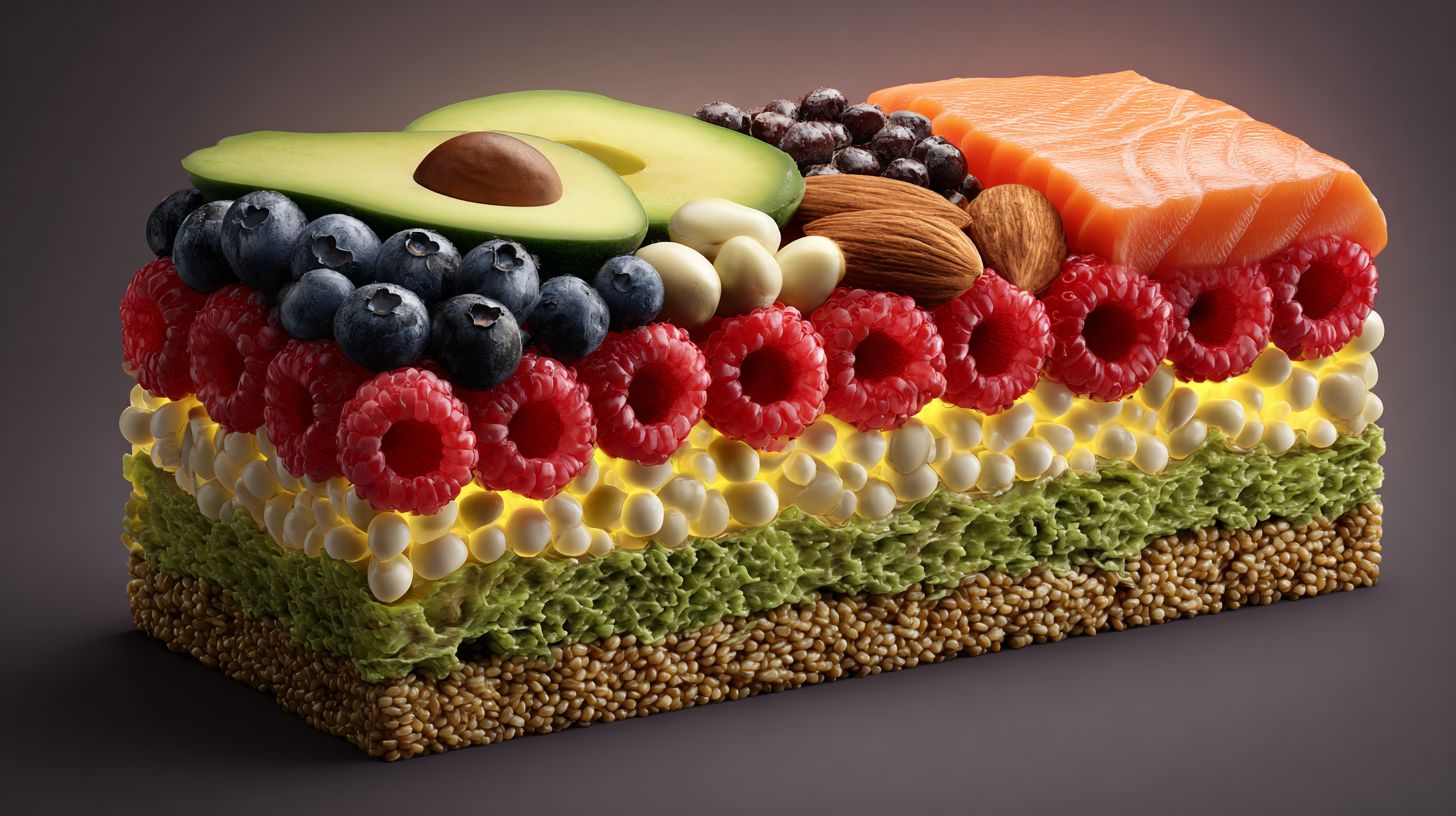
Prep smoothies and oats night before for quick mornings. Batch-cook quinoa and veggies Sunday to save time. Focus on anti-inflammatory foods like salmon for Rajani Katta‘s human trial insights on SCH.
For children, use smaller plates and hide veggies in sauces. Lower calories? Skip nuts, add more greens. Higher needs? Increase proteins.
Monitor for atopic dermatitis improvements via less itchiness. Combine with supplements if needed, but prioritize whole foods for dermis support.
Supplements for Skin Barrier Support
Targeted supplements can fill nutritional gaps to enhance dietary efforts for optimal barrier function. They support the stratum corneum, reduce transepidermal water loss (TEWL), and promote skin hydration. Always consult a physician before starting any supplement regimen.
Omega-3 fatty acids from fish oil provide EPA and DHA at 1000-2000mg daily. These essential fatty acids help build ceramides and strengthen the skin barrier against irritation and xerosis. Take with meals to improve absorption.
Probiotics with Lactobacillus and Bifidobacterium strains, at 10-50 billion CFU, support the gut microbiome and beneficial bacteria like Staphylococcus epidermidis while countering pathogens like Staphylococcus aureus. This aids the immune layer of the skin and may ease atopic dermatitis symptoms. Pair with prebiotics like GOS at 5g daily for synbiotic effects.
L-histidine at 500mg daily supports filaggrin production, crucial for the chemical layer. Evening primrose or borage oil, providing 500mg GLA, offers gamma-linolenic acid to nourish the epidermis and dermis. Choose products with third-party testing for quality and purity.
Key Supplements Comparison
| Supplement | Key Active | Typical Dosage | Best Timing | Quality Tips |
|---|---|---|---|---|
| Omega-3 Fish Oil | EPA/DHA | 1000-2000mg daily | With meals | Third-party tested for oxidation |
| Probiotics | Lactobacillus, Bifidobacterium | 10-50 billion CFU | Morning, empty stomach | Refrigerated, strain-specific |
| Prebiotics (GOS) | Galacto-oligosaccharides | 5g daily | With probiotics | Pure powder form |
| L-Histidine | Histidine amino acid | 500mg daily | Anytime | Capsules from reputable sources |
| Evening Primrose/Borage Oil | GLA | 500mg daily | Evening with food | High GLA content verified |
This table highlights evidence-based options for skin barrier support. Research suggests omega-3s and probiotics improve hydration and reduce TEWL in adults and children. Experts recommend starting low and monitoring for effects.
Timing and Quality Considerations
Timing matters for absorption: take fatty acids like EPA, DHA, GLA from omega-3, evening primrose, or borage oil with fatty meals. Probiotics work best on an empty stomach to reach the gut microbiome intact. Adjust based on personal tolerance.
Quality ensures safety and efficacy. Look for third-party testing seals like those from Rajani Katta recommendations to verify potency and avoid contaminants. Flaxseed oil serves as a plant-based omega-3 alternative for vegetarians.
Combine supplements with dietary interventions like fatty fish or fermented foods for synergy. RCT studies and human trials indicate benefits for barrier function in dermatitis, but results vary. Consult a physician, especially for children or those with conditions.
Lifestyle Factors That Complement the Diet
Beyond nutrition, daily habits amplify the skin barrier diet’s effectiveness for lasting skin hydration.
These practices target transepidermal water loss (TEWL) and support the SCH. They work alongside dietary interventions to strengthen the epidermis and reduce irritation from conditions like atopic dermatitis.
Incorporating simple routines helps maintain ceramides and fatty acids in the skin’s physical layer. Experts recommend focusing on hydration, stress, and microbiome balance including Lactobacillus, Bifidobacterium, and GOS for optimal barrier function.
Apply Ceramide-Rich Moisturizers Promptly After Bathing
Apply ceramide-rich moisturizers within 3 minutes of bathing to lock in moisture and support L-histidine function. This timing seals the skin before TEWL accelerates, preserving the stratum corneum’s integrity.
Bathing opens pores and temporarily weakens the barrier. Using products with ceramides mimics the skin’s natural lipids, reducing water loss and supporting filaggrin function.
For example, pat skin dry gently, then apply a thick layer on damp areas like elbows and legs. This habit enhances hydration without relying on diet alone.
Opt for Gentle Cleansing Routines
Choose gentle cleansing by avoiding hot water and harsh soaps. Hot water strips natural oils, increasing TEWL and irritating the epidermis.
Mild, pH-balanced cleansers preserve the skin’s acid mantle and immune layer. This prevents disruption to ceramides and reduces xerosis or dermatitis flare-ups.
Use lukewarm water and fragrance-free options daily. Rinse thoroughly to avoid residue that compromises barrier function.
Maintain Indoor Humidity with a Humidifier
Use a humidifier to keep room humidity at comfortable levels. Dry air pulls moisture from the skin, weakening the physical layer and raising TEWL.
Aim for balanced humidity to mimic the skin’s ideal environment. This supports the dermis and epidermis, aiding overall skin hydration.
Place it in bedrooms or living areas, cleaning it weekly. Combine with moisturizers for better results in dry climates.
Practice Daily Stress Management
Incorporate stress management like 10 minutes of meditation daily. Chronic stress triggers cortisol release, which impairs barrier repair and increases inflammation.
Lower stress helps regulate the gut microbiome indirectly, supporting skin’s immune layer. Techniques calm the body’s response to irritants.
Try guided breathing apps or quiet sitting. Notice improvements in skin hydration over weeks.
Prioritize Sleep Hygiene for Recovery
Follow sleep hygiene for 7-9 hours nightly. During deep sleep, the skin repairs ceramides and fatty acids in the stratum corneum.
Poor sleep disrupts this process, leading to higher TEWL and drier skin. Consistent rest bolsters the barrier against daily stressors.
Create a cool, dark room and avoid screens before bed. Track how better sleep enhances skin texture.
Support Your Microbiome Wisely
Promote microbiome support by avoiding broad-spectrum antibiotics when possible. These disrupt gut and skin bacteria, weakening the chemical layer.
A balanced microbiome aids filaggrin production with beneficial bacteria like Staphylococcus epidermidis while limiting pathogens like Staphylococcus aureus, and reduces atopic dermatitis risks. Focus on targeted treatments only as needed.
Consult doctors for alternatives. Pair with probiotic-rich habits for synergy.
Frequently Asked Questions
What is The Skin Barrier Diet: Supporting Skincare From the Inside Out?
The Skin Barrier Diet: Supporting Skincare From the Inside Out is a nutritional approach that emphasizes consuming foods rich in essential fatty acids, antioxidants, and anti-inflammatory compounds to strengthen the skin’s natural barrier function. By nourishing the body internally, it helps maintain hydration, protect against environmental stressors, and promote a healthy complexion without relying solely on topical products.
How does The Skin Barrier Diet: Supporting Skincare From the Inside Out benefit skin health?
The Skin Barrier Diet: Supporting Skincare From the Inside Out benefits skin health by providing key nutrients like omega-3s from fatty fish, zinc from nuts and seeds, and vitamins A, C, and E from colorful fruits and vegetables. These elements repair the skin’s lipid barrier, reduce inflammation, enhance moisture retention, and defend against irritants, leading to fewer breakouts, less sensitivity, and a more resilient glow.
What foods should I include in The Skin Barrier Diet: Supporting Skincare From the Inside Out?
In The Skin Barrier Diet: Supporting Skincare From the Inside Out, prioritize foods such as avocados, salmon, walnuts, berries, leafy greens, sweet potatoes, and fermented foods like yogurt or kimchi. These supply ceramides, probiotics, and polyphenols that fortify the skin barrier, while avoiding processed sugars and trans fats that can compromise it.
What foods to avoid on The Skin Barrier Diet: Supporting Skincare From the Inside Out?
To follow The Skin Barrier Diet: Supporting Skincare From the Inside Out effectively, avoid ultra-processed foods, excessive dairy, refined sugars, fried items, and alcohol. These can trigger inflammation, disrupt the skin’s microbiome, and weaken the barrier, exacerbating issues like dryness, acne, and eczema.
Can The Skin Barrier Diet: Supporting Skincare From the Inside Out replace my skincare routine?
The Skin Barrier Diet: Supporting Skincare From the Inside Out complements but does not fully replace a topical skincare routine. While it builds foundational strength from within, combining it with gentle cleansers, moisturizers, and sunscreen maximizes results for optimal skin barrier protection.
How long does it take to see results from The Skin Barrier Diet: Supporting Skincare From the Inside Out?
Results from The Skin Barrier Diet: Supporting Skincare From the Inside Out typically appear within 4-6 weeks of consistent adherence, with improvements in hydration and reduced irritation often noticeable sooner. Long-term commitment yields sustained benefits like smoother texture and enhanced resilience against daily stressors.