

Ever notice how the beauty aisle is shifting toward those small-batch organic brands you keep spotting online? The Rise of Small-Batch Organic Beauty Brands in 2026 is happening because people like us want products that feel real-clean, sustainable, and made with care. You’ll see what’s driving this change and why it’s set to reshape the industry.
Key Takeaways:
Market Drivers Fueling Growth
Shifting consumer preferences and global trends are propelling small-batch organic beauty brands forward in 2026. Economic pressures like inflation push shoppers toward affordable, high-quality alternatives to mass-produced items. Concurrently, cultural shifts toward wellness and environmental awareness amplify demand for authentic, transparent products.
Macroeconomic factors, such as rising costs of synthetic ingredients, favor small-batch production that relies on local, organic sourcing. This keeps prices competitive while offering premium appeal. Brands thrive by emphasizing handmade quality over factory scale.
Cultural forces play a key role too. Social media influencers highlight organic routines, inspiring everyday users to prioritize skin-nourishing formulas. These dynamics create fertile ground for growth in The Rise of Small-Batch Organic Beauty Brands in 2026.
Global supply chain disruptions further boost resilience of local, nimble brands. Consumers now value stories of origin, fueling loyalty to ethical producers over anonymous giants.
Consumer Demand for Clean Beauty
Buyers increasingly seek products free from harsh chemicals, turning to small-batch organic beauty brands for genuine skin health benefits. These brands use natural ingredients like aloe vera and chamomile to soothe sensitive skin without irritants. Demand surges as people experience fewer breakouts from gentle formulas.
Brands meet this need through certifications like USDA Organic, which verify purity from farm to shelf. Look for seals on labels to confirm no pesticides or GMOs. A consumer shopping for a nighttime serum might choose one certified organic over a cheaper synthetic option.
To spot authentic clean labels, check ingredient lists for short, recognizable names. Avoid terms like parabens or sulfates. Patch testing at home ensures compatibility, as many share success stories of clearer skin after switching.
- Scan for ECOCERT or similar badges on packaging.
- Read full lists; fewer than 10 ingredients often signal true simplicity.
- Ask brands directly about sourcing via customer service.
Sustainability and Ethical Sourcing Trends
Eco-conscious practices resonate deeply as shoppers favor brands that minimize environmental impact through responsible sourcing. Small-batch organic beauty brands lead with zero-waste packaging, using refillable glass jars or compostable materials. This appeals to those reducing plastic use in daily routines.
Trends highlight fair-trade ingredients like shea butter from ethical cooperatives in West Africa. These ensure fair wages for farmers and support community projects. Consumers feel good knowing their moisturizer funds sustainable livelihoods.
Verify claims with supply chain transparency apps that scan QR codes on products for origin details. Experts recommend cross-checking certifications like Fair Trade or B Corp. A simple routine: snap a photo of the label and trace the journey from harvest to bottle.
Practical tips include choosing brands with reusable systems. Opt for those publishing annual impact reports. This enables buyers in The Rise of Small-Batch Organic Beauty Brands in 2026 to make informed, planet-friendly choices.
Technological Enablers
Innovative tech tools are leveling the playing field for small-batch organic beauty brands in 2026. Digital advancements allow these niche players to compete with larger competitors by streamlining operations and reaching customers directly.
Cloud-based systems and automation reduce costs for production and marketing. Brands can now manage inventory and sales from anywhere, fostering growth in the The Rise of Small-Batch Organic Beauty Brands in 2026.
E-commerce platforms simplify global distribution without traditional retail barriers. AI enhances customer experiences through personalization, helping brands build loyalty efficiently.
These tools enable creators to focus on quality organic formulations while handling scale through smart technology integration.
E-commerce and Direct-to-Consumer Platforms
Platforms like Shopify and Etsy enable small-batch organic beauty brands to reach global audiences without hefty retail fees. These tools cut out middlemen, letting brands keep more profits from products like handcrafted herbal face oils.
Setting up a DTC store follows simple steps. First, choose a Shopify plan starting at $29/month for basic features. Next, integrate payment gateways like Stripe for secure transactions.
Then, customize your storefront with high-quality product photos and descriptions. Finally, optimize for mobile to avoid pitfalls like slow loading times that drive away shoppers.
Experts recommend testing checkout flows early. Poor mobile optimization often leads to abandoned carts in competitive markets.
| Feature | Shopify | WooCommerce |
|---|---|---|
| Ease of Use | Beginner-friendly drag-and-drop editor | Requires WordPress knowledge |
| Scalability | Handles high traffic with upgrades | Flexible but needs hosting tweaks |
| Costs | $29/month base plus transaction fees | Free plugin, pay for hosting |
AI-Powered Personalization
AI tools allow brands to tailor recommendations, boosting customer loyalty through customized organic skincare regimens. In 2026, small-batch brands use these for targeted advice on products like aloe-based moisturizers.
Real tools such as Google Cloud AI or Persado power interactive quizzes. Implementation starts with selecting a quiz builder, then embedding it on your site in 2-3 hours.
Next, input questions on skin type, concerns, and preferences. The AI generates suggestions, like pairing a serum with a toner based on user responses.
Benefits include higher repeat purchases as customers feel understood. For example, a quiz might recommend a personalized vitamin C blend for dry skin, strengthening brand connections.
Key Success Factors
Distinct operational strengths set small-batch organic beauty brands apart in a crowded market. These brands thrive by focusing on freshness, customization, and direct customer connections. In the rise of small-batch organic beauty brands in 2026, this approach allows quick pivots to trends and preferences.
Small-batch methods reduce waste and enable personalized formulations. Brands respond faster to feedback than larger competitors. This agility builds loyal followings among consumers seeking authenticity.
Key factors include streamlined production and bold ingredient choices. These elements foster trust and innovation. Brands that master them gain a competitive edge in The Rise of Small-Batch Organic Beauty Brands in 2026.
Success hinges on balancing quality with storytelling. Customers value transparency in sourcing and processes. This foundation supports sustained growth in 2026.
Small-Batch Production Advantages
Producing in limited runs ensures fresher products and rapid adaptation to feedback for organic beauty brands. Small batches maintain potency of delicate organic ingredients. This method contrasts sharply with mass production’s long shelf times.
Mass production often leads to quality degradation over extended storage. Small-batch workflows preserve natural vibrancy and extend effective shelf life through minimal processing. Brands achieve tighter quality control at every stage.
Follow these best practices with a numbered workflow for efficiency:
- Source 50-unit ingredient batches from certified organic suppliers; this takes about one week and prevents overproduction waste.
- Mix and test in controlled small-scale facilities; monitor for consistency over 48 hours.
- Package immediately after final quality checks; label with fresh production dates.
- Ship within days of completion to retain peak freshness.
This process minimizes oxidation and preserves active compounds. Compared to mass methods, it cuts waste and boosts product integrity for rising small-batch organic beauty brands in 2026.
Ingredient Innovation and Transparency
Pioneering novel organic ingredients while sharing full sourcing stories builds trust with discerning customers. Brands experiment with upcycled materials like fruit peels for exfoliants or adaptogens such as ashwagandha for calming serums. These choices highlight sustainability and efficacy.
Transparency checklists ensure accountability. Publish lab tests for purity on brand websites. Detail farm origins and harvest dates in product descriptions.
- List all ingredients with INCI names and common terms in The Rise of Small-Batch Organic Beauty Brands in 2026.
- Share third-party certification badges for organic standards.
- Provide batch-specific test results for contaminants.
- Update customers on any formulation changes via newsletters.
Emotional storytelling amplifies loyalty. Narrate the journey from farm to formula, connecting customers to ethical practices. This approach differentiates brands in the rise of small-batch organic beauty in 2026.
Experts recommend pairing innovation with clear communication. Customers respond to authenticity, fostering repeat purchases and advocacy. Transparent practices turn skeptics into supporters.
Competitive Landscape
Small-batch organic beauty brands navigate a dynamic field dominated by industry giants. These emerging players in The Rise of Small-Batch Organic Beauty Brands in 2026 face stiff competition from conglomerates with vast resources. Yet, they carve niches through unique approaches.
Key challenges include shelf space battles and unequal marketing budgets. Big brands secure prime retail spots, leaving smaller ones to seek alternative channels. Organic brands counter this by focusing on direct-to-consumer sales and pop-up events.
The table below compares small-batch organic brands against big players across core criteria.
| Criteria | Small-Batch Organic Brands | Big Beauty Brands |
|---|---|---|
| Agility | Quick to adapt formulations based on customer feedback, often within weeks. | Slower due to bureaucratic processes and large-scale testing. |
| Pricing | Higher per unit but justified by premium, fresh organic ingredients. | Lower prices through economies of scale and mass production. |
| Marketing Spend | Relies on targeted, low-cost digital tactics like social media organics. | Massive budgets for TV ads, celebrity endorsements, and global campaigns. |
Small brands excel in personalization, offering custom blends that giants struggle to match. This agility helps them build loyal communities amid the 2026 boom.
Challenges from Big Beauty Conglomerates
Large conglomerates like L’Oral wield scale advantages, pressuring smaller organic players on distribution and marketing. Their dominance in retail chains limits shelf space for independents. Small-batch brands must innovate to survive in 2026’s crowded market.
Ad budget gaps create another hurdle, as giants flood channels with polished campaigns. Organic brands face visibility struggles, making it hard to reach conscious consumers. Solutions like niche influencers and subscription models level the playing field.
Experts recommend a step-by-step niche marketing plan to compete effectively. This approach builds authentic connections without massive spends. Follow these steps over a few months for real traction.
- Partner with 5 micro-influencers in the organic beauty space, those with engaged audiences under 50k followers. Negotiate product swaps for honest reviews. Timeline: 1 month.
- Create co-branded content like tutorials using your products. Share across their platforms and yours. Timeline: 2 weeks post-partnership.
- Launch a subscription model for repeat buyers, offering exclusive monthly drops. Promote via influencer posts to drive sign-ups. Timeline: 1 month after content rollout.
- Track engagement and refine based on feedback, scaling to more influencers. Measure sales uplift from subscriptions. Timeline: Ongoing from month 2.
This plan fosters community loyalty, turning challenges into growth opportunities for small-batch brands.
Projected 2026 Impact
The momentum of small-batch organic beauty brands promises significant shifts by 2026. These brands will reshape consumer choices through authentic, sustainable products. Expect stronger focus on traceable ingredients and personalized care.
Market dynamics point to premium pricing gaining traction as shoppers prioritize quality over quantity. Direct-to-consumer channels will expand reach efficiently. This sets the stage for notable growth in The Rise of Small-Batch Organic Beauty Brands in 2026.
Opportunities arise in blending tradition with innovation, like fusing herbal remedies with modern tech. Brands that adapt quickly will lead. The path forward involves smart scaling and unique value propositions.
Market Size and Revenue Forecasts
Experts anticipate robust growth in the organic beauty sector as small-batch brands capture premium market share. Directional trends show rising DTC revenues from loyal online communities. Premium pricing holds firm with discerning buyers.
Business planning benefits from conservative growth assumptions in revenue models. Start with base sales from core products, then layer in repeat purchases. Factor seasonal spikes, like holiday demand for organic serums.
General industry reports highlight steady expansion in clean beauty. Model scenarios using tiered pricing, such as entry-level balms at accessible points and luxury masks higher up. Track metrics like customer lifetime value for realistic projections.
Avoid over-optimism by building in buffers for supply costs. This approach supports sustainable scaling in The Rise of Small-Batch Organic Beauty Brands in 2026. Focus on profitability over rapid volume.
Global Expansion Opportunities
Emerging markets in Asia and Europe offer fertile ground for small-batch organic beauty brands. Brands can tap into demand for natural skincare amid rising wellness trends. Region-specific fusions, like K-beauty with organic botanicals, create unique appeal.
Follow these actionable steps for international scaling:
- Localize packaging to meet EU regulations on labeling, which takes about 2-3 months.
- Leverage platforms like Amazon Global Selling for quick market entry.
- Partner with local distributors to navigate customs delays, often 4-6 weeks.
Pitfalls include unexpected tariffs, so budget extra for compliance testing. Test small shipments first to gauge demand. In Asia, emphasize lightweight formulas for humid climates.
Europe favors certified organic claims, boosting trust. Time launches around trade shows for visibility. These moves fuel The Rise of Small-Batch Organic Beauty Brands in 2026 on a global stage.
Frequently Asked Questions
What is driving The Rise of Small-Batch Organic Beauty Brands in 2026?
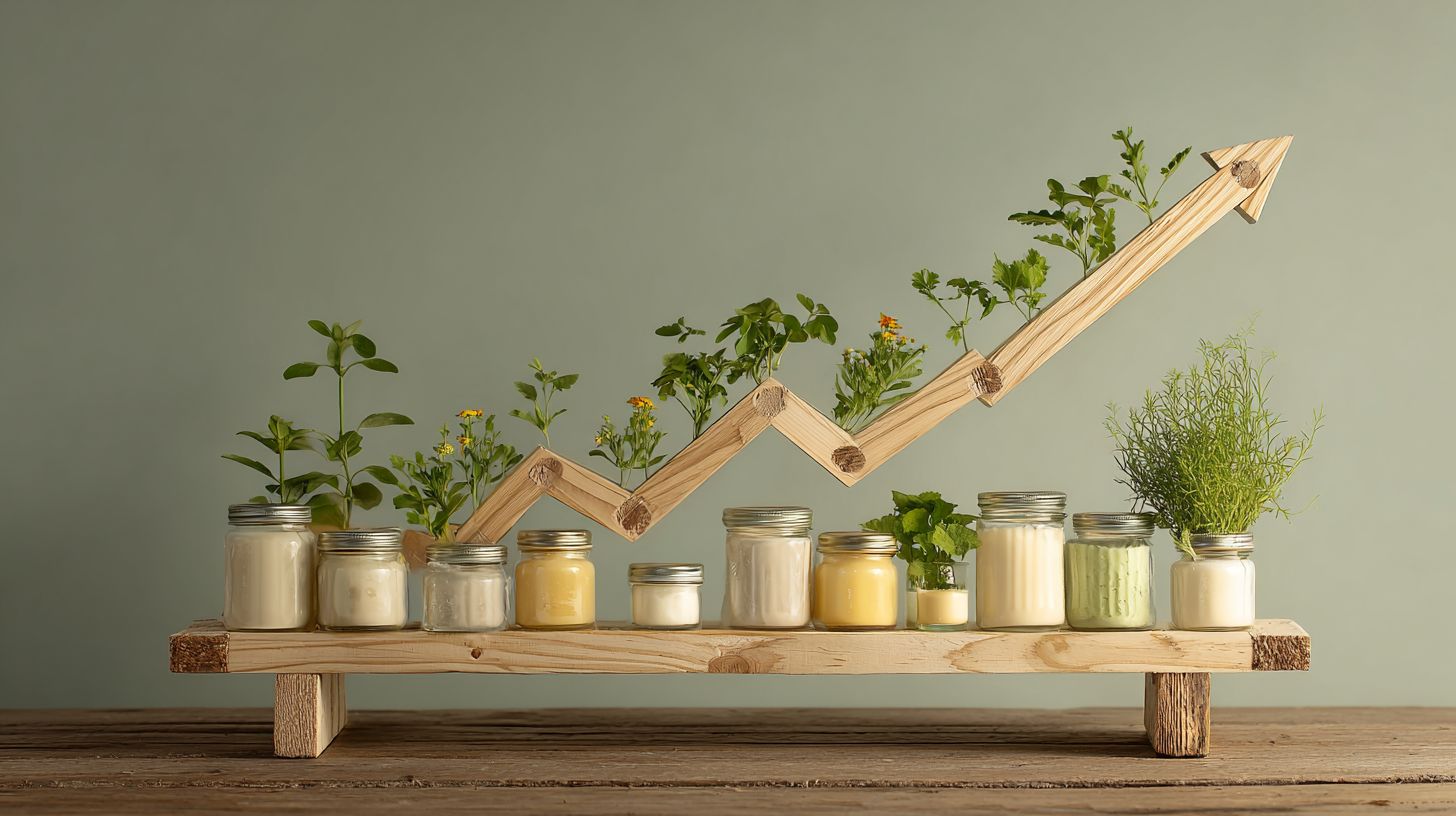
The Rise of Small-Batch Organic Beauty Brands in 2026 is fueled by increasing consumer demand for sustainable, chemical-free products, advancements in eco-friendly sourcing, and social media platforms amplifying niche brands directly to conscious shoppers seeking personalized skincare and makeup options.
How do small-batch organic beauty brands differ from mainstream cosmetics in 2026?
In 2026, small-batch organic beauty brands stand out by producing limited quantities with 100% natural, traceable ingredients, avoiding mass production fillers and synthetic preservatives, offering hyper-customized formulas, and prioritizing ethical farming-contrasting with mainstream brands’ scale-driven, often synthetic-heavy approaches.
Why are consumers shifting towards The Rise of Small-Batch Organic Beauty Brands in 2026?
Consumers are embracing The Rise of Small-Batch Organic Beauty Brands in 2026 due to growing awareness of skin health risks from parabens and microplastics, a preference for transparency via blockchain-tracked supply chains, and the allure of artisanal quality that aligns with wellness trends and zero-waste lifestyles.
What role does technology play in The Rise of Small-Batch Organic Beauty Brands in 2026?
Technology accelerates The Rise of Small-Batch Organic Beauty Brands in 2026 through AI-driven personalization tools for custom blends, e-commerce platforms with AR try-on features, and sustainable biotech for lab-grown organic actives, enabling these brands to compete without massive marketing budgets.
Which ingredients are key to The Rise of Small-Batch Organic Beauty Brands in 2026?
Key ingredients powering The Rise of Small-Batch Organic Beauty Brands in 2026 include regenerative superfoods like moringa oil, adaptogenic mushrooms, upcycled fruit peels, and microbiome-friendly ferments, all certified organic and sourced from small farms to ensure potency and minimal environmental impact.
What is the future impact of The Rise of Small-Batch Organic Beauty Brands in 2026 on the beauty industry?
The Rise of Small-Batch Organic Beauty Brands in 2026 is poised to disrupt the industry by forcing conglomerates to adopt greener practices, expanding direct-to-consumer models, and democratizing high-efficacy beauty, potentially capturing 25% market share as sustainability becomes non-negotiable for Gen Z and Alpha consumers.