

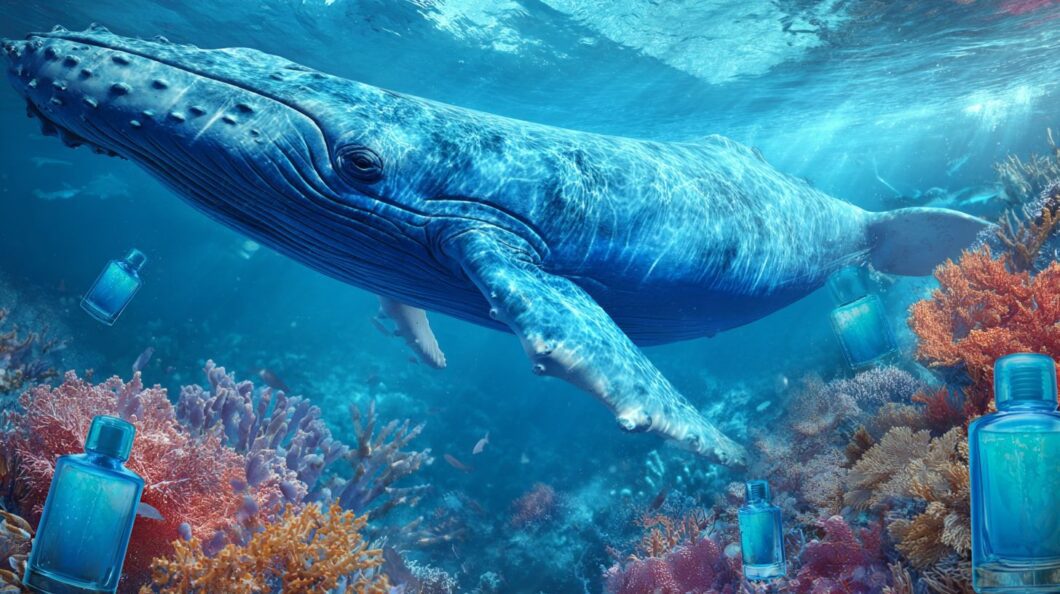
Ever wonder how your favorite beauty products might be harming the oceans? Blue beauty is changing that by focusing on ocean conservation through smarter product innovation. You’ll see how brands are using marine ingredients sustainably to protect our seas while delivering effective skincare.
Key Takeaways for Blue Beauty:
Defining the Movement
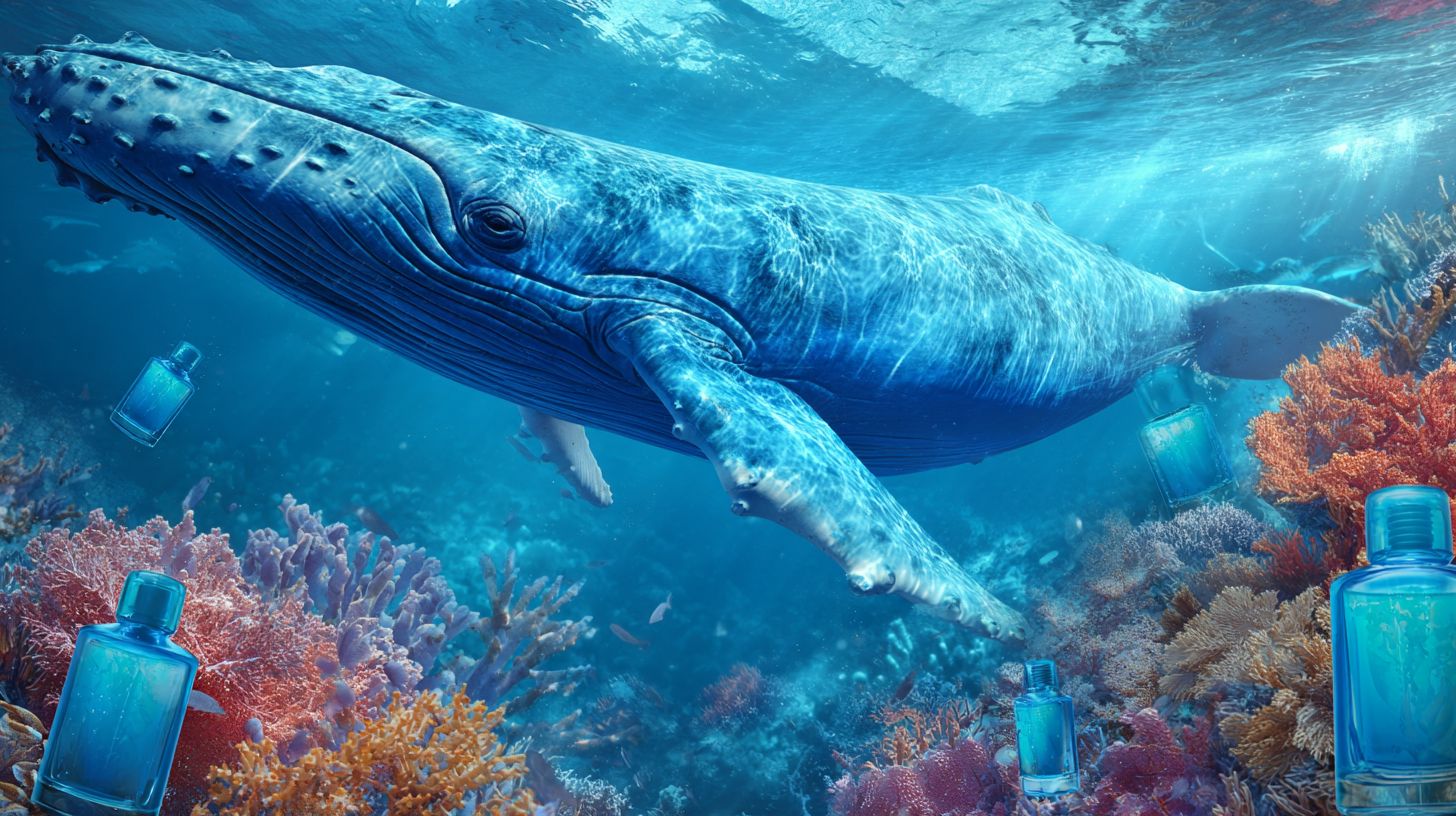
Blue Beauty emerges from the Blue Economy, emphasizing products derived from marine ingredients through ethical sourcing and regenerative practices. This movement redefines the beauty industry by prioritizing ocean conservation in skincare and cosmetics. It focuses on sustainable sourcing to protect marine ecosystems.
At its core, blue beauty aligns with SDG 14 and UN SDGs, which call for conserving and sustainably using oceans, seas, and marine ecosystems. Brands use reef-safe formulations to avoid harm to coral reefs like the Great Barrier Reef. Ethical sourcing of algae-based and seaweed extracts ensures biodiversity thrives.
Consumers connect emotionally through relatable choices, such as picking microalgae-infused serums over traditional creams. Imagine swapping a plastic-heavy routine for plastic-free, ocean-friendly skincare from brands like OSEA or Ethique. These decisions reduce ocean pollution and microplastics while delivering hydration and anti-ageing benefits.
Practical steps include seeking carbon-neutral products with marine collagen or fucoidan. Look for certifications in sustainable packaging and upcycled seaweed. This shift supports regenerative farming in marine biotechnology, fostering innovation without bluewashing.
Ocean Pollution Crisis
Oceans face mounting threats from ocean pollution, with the beauty industry contributing through harmful ingredients and packaging.
Cosmetic products often release microplastics from exfoliants that wash into waterways. These tiny particles drift to coral reefs, smothering marine life and entering food chains. Vivid images of plastic beads clogging ocean floors highlight the urgency for change.
Chemical filters in sunscreens, like oxybenzone, trigger coral bleaching. This damages vibrant ecosystems, turning colorful reefs into ghostly white structures. The Great Barrier Reef serves as a stark example of such devastation from everyday beauty routines.
Plastic packaging from shampoos and lotions piles up on beaches, breaking down into persistent pollutants. Marine animals mistake these for food, leading to starvation. Shifting to blue beauty practices protects marine ecosystems and promotes ocean conservation.
Key Threats from Beauty Industry
Sunscreens with chemical filters and plastic-heavy packaging from the beauty industry directly harm marine life, including fragile coral reefs like the Great Barrier Reef.
Oxybenzone in sunscreens penetrates coral tissues, causing bleaching and disrupting reproduction. Exfoliants laden with microplastics from polyethylene beads pollute waterways, accumulating in seafood consumed by humans. These threats underscore the need for reef-safe alternatives.
To identify safer options, check labels for non-nano mineral filters like zinc oxide in sunscreens. Look for certifications marking products as ocean-friendly and free from harmful UV absorbers. Avoid microbeads by selecting natural exfoliants such as sugar or salt.
- Opt for biodegradable packaging from brands using sustainable sourcing.
- Choose algae-based skincare with ingredients like seaweed extracts.
- Support companies practicing ethical sourcing of marine ingredients.
Core Principles of Blue Beauty
At its heart, blue beauty adheres to principles that protect marine biodiversity while fostering innovation in skincare. These guidelines ensure products support ocean conservation without compromising quality. Brands like OSEA and Ethique lead by example in this approach.
Core principles guide the beauty industry toward reef-safe formulations. They emphasize sustainable sourcing of marine ingredients such as seaweed extracts and microalgae. Implementation starts with transparent supply chains.
- Prioritize ethical sourcing to support blue carbon sequestration. Choose suppliers who harvest algae-based ingredients from regenerative seaweed farms, preserving marine ecosystems like coral reefs.
- Develop reef-safe formulas free from oxybenzone and octinoxate. Test products in simulated ocean environments to avoid harm to the Great Barrier Reef and similar habitats.
- Incorporate biodegradable and sustainable packaging. Opt for plastic-free options made from upcycled seaweed, reducing ocean pollution and microplastics.
- Embrace marine biotechnology for innovation. Use fucoidan and alginate from microalgae for anti-ageing and hydration benefits, aligning with SDG 14 for ocean life.
- Ensure carbon-neutral production processes. Partner with Blue Economy initiatives like BlueInvest to offset emissions through ocean-friendly practices.
- Avoid bluewashing by verifying claims. Conduct third-party audits for genuine sustainability, building trust in ocean-friendly skincare.
- Promote biodiversity through regenerative farming practices. Source marine collagen ethically to support marine ecosystems and World Oceans Day goals.
Applying these principles transforms skincare routines into acts of sustainability. Experts recommend starting with one principle, like switching to reef-safe sunscreens, for immediate impact.
Innovative Product Formulations
Blue beauty leverages marine biotechnology for potent, ocean-derived formulations that deliver skincare benefits without environmental harm. These innovative product formulations draw from algae-based ingredients and seaweed extracts to create effective, ocean-friendly skincare.
Brands like OSEA and Algaktiv use microalgae and marine collagen for hydration and anti-ageing effects. Alginate from brown seaweed provides deep moisturizing while supporting reef-safe standards. Fucoidan offers soothing properties that calm irritated skin.
These marine ingredients replace synthetic alternatives, reducing ocean pollution risks like microplastics. Experts recommend choosing products with biodegradable formulas to align with UN Sustainable Development Goals, especially SDG 14 for ocean conservation. Innovation in blue biotech ensures efficacy matches luxury lines like La Mer.
Consumers benefit from hydration and repair without compromising marine ecosystems. Upcycled seaweed minimizes waste, promoting a blue economy. This approach sets blue beauty apart in the beauty industry.
Sustainable Sourcing Practices
Sustainable sourcing ensures marine ingredients like microalgae and upcycled seaweed are harvested without depleting ocean resources. It protects coral reefs and biodiversity from overharvesting. Ethical practices support ocean conservation in the beauty industry.
Follow this step-by-step guide to verify sustainable sourcing. First, check for certifications like Friend of the Sea or Marine Stewardship Council labels on packaging.
- Examine ingredient lists for traceability details, such as origin from regenerative seaweed farms.
- Research the brand’s supply chain via their website or third-party audits to confirm no harm to marine ecosystems.
- Avoid products ignoring overharvesting risks, a common mistake that contributes to bluewashing.
- Contact manufacturers for proof of carbon-neutral harvesting methods.
Common pitfalls include overlooking small-scale fishing impacts or unverified claims. Opt for companies like Cobiosa or Givaudan that prioritize regenerative farming. This diligence supports the blue economy and prevents damage to areas like the Great Barrier Reef.
Biodegradable Packaging Solutions
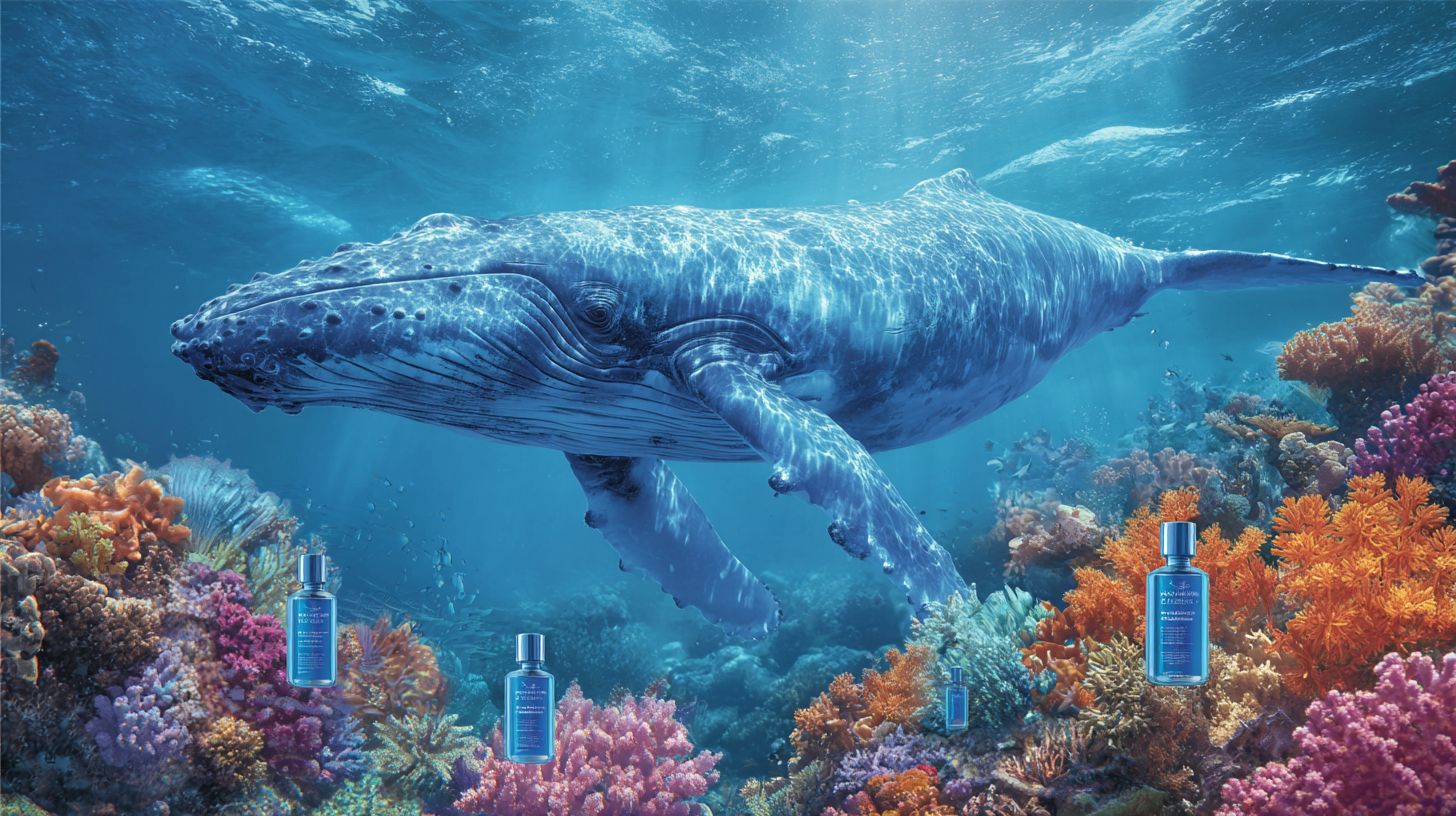
Switching to biodegradable packaging tackles ocean pollution by ensuring beauty products leave no plastic legacy in marine environments. This shift supports blue beauty principles and protects marine ecosystems from microplastics. Brands in the beauty industry now prioritize materials that break down naturally.
Sustainable packaging options like algae-based films reduce harm to coral reefs and biodiversity. For instance, seaweed extracts form flexible wrappers that decompose in soil or water. These innovations align with ocean conservation efforts and SDG 14.
Consumers can adopt plastic-free choices through simple steps. First, research brands like L’Oreal committed to ethical sourcing. Second, check for certifications on compostable materials.
Third, integrate these products into daily routines, like using solid shampoo bars. This approach fosters the blue economy, supports World Oceans Day goals, and minimizes bluewashing risks.
| Material | Source | Breakdown Time | Beauty Product Use |
|---|---|---|---|
| Seaweed-based | Algae and kelp | Months in ocean | Shampoo pouches, lipstick tubes |
| Compostable starch | Corn or potato | Weeks in compost | Face cream jars, serum vials |
| Microalgae films | Microalgae cultures | Days to months | Moisturizer wrappers, masks |
- Identify reef-safe brands with transparent supply chains, such as those using upcycled seaweed.
- Read labels for biodegradable claims verified by third parties.
- Start with one product, like a skincare bar from Ethique, to test commitment.
- Share experiences on World Oceans Day to encourage wider adoption.
These steps give the power to consumers in the fight against ocean pollution. Experts recommend prioritizing marine biotechnology derived options for true Blue Beauty and Blue Economy sustainability.
Brand Case Studies
Leading brands like L’Oreal and Ethique exemplify Blue Beauty through real-world commitments to marine ingredients and sustainability. These companies integrate ocean conservation into their core operations. They prioritize reef-safe formulations to protect marine ecosystems.
L’Oreal advances marine biotechnology with sustainable sourcing of seaweed extracts and microalgae. The brand partners with organizations to ensure ethical practices in harvesting. This approach supports SDG 14 for life below water.
Ethique leads in plastic-free innovation with solid skincare bars made from upcycled seaweed. Each purchase funds SeaTrees initiatives to restore ocean forests. Their model reduces ocean pollution from microplastics.
Other players like OSEA and La Mer emphasize biodegradable packaging and algae-based products. These efforts highlight how the beauty industry drives the blue economy. Brands avoid bluewashing by tying actions to real biodiversity gains.
Success Metrics and Impact
Brands like Ethique and OSEA demonstrate tangible impact through initiatives tied to ocean conservation efforts. Ethique’s plastic-free bars directly support SeaTrees, planting kelp to combat blue carbon loss. This fosters regenerative farming in marine environments.
OSEA sources fucoidan and alginate from sustainably harvested seaweed, backing Mission Blue protectorates. Their reef-safe skincare minimizes harm to coral reefs like the Great Barrier Reef. Partnerships ensure long-term marine ecosystem health.
- La Mer uses marine collagen via ethical sourcing, collaborating on World Oceans Day campaigns for awareness.
- Algaktiv pioneers blue biotech with microalgae for anti-ageing and hydration, supporting Horizon 2020-style innovation.
- Cobiosa and Givaudan develop ocean-friendly actives, aligning with BlueInvest for sustainable packaging.
These actions create carbon-neutral supply chains and reduce microplastics in waterways. Experts recommend such models for the beauty industry to advance UN SDGs. The impact shows through restored habitats and innovative sustainability.
Consumer Adoption Trends
Consumers increasingly seek blue beauty products, driven by awareness of ocean-friendly options amid rising concerns over bluewashing. Interest peaks around events like World Oceans Day, when searches for reef-safe skincare and algae-based formulas surge. Brands such as OSEA and Ethique see heightened demand during these periods.
Shoppers now prioritize products with sustainable sourcing of UN Sustainable Development Goals-aligned marine ingredients like seaweed extracts and microalgae. This shift reflects broader commitment to ocean conservation and protecting marine ecosystems. Everyday consumers check labels for biodegradable and plastic-free packaging.
Trends show growing preference for marine biotechnology innovations, such as fucoidan for hydration and marine collagen in anti-ageing routines. Support for the blue economy encourages choices that aid biodiversity and combat ocean pollution. Experts recommend focusing on transparent supply chains.
Spotting Authentic Blue Beauty
To identify genuine Blue Beauty, look for certifications tied to SDG 14 (UN SDGs) and ethical sourcing from suppliers like Cobiosa or Givaudan. Authentic products detail sustainable packaging and carbon-neutral processes on labels. Avoid vague claims without specifics on marine ingredients.
Check for reef-safe sunscreens free of oxybenzone, which harm coral reefs like the Great Barrier Reef. Brands such as La Mer and Algaktiv often highlight upcycled seaweed or regenerative farming practices. Research suggests verifying third-party testing for microplastics absence.
Examine ingredient lists for blue biotech elements like alginate from sustainable algae. Genuine innovators partner with initiatives like BlueInvest or Horizon 2020 for credibility. Prioritize brands with clear traceability to protect marine ecosystems.
Avoiding Greenwashing and Bluewashing
Bluewashing occurs when brands falsely claim ocean-friendly status without real action. Spot it by noting lack of proof for biodegradable claims or unverified sustainable sourcing. Always demand evidence beyond marketing buzzwords.
- Question generic terms like “ocean-inspired” without specifics on marine biotechnology.
- Verify if packaging is truly plastic-free, not just recycled plastic.
- Look for independent audits on ethical sourcing of microalgae or seaweed extracts.
Compare against leaders like L’Oreal or Covalo, who disclose supply chain details. Use tools like ingredient databases to confirm ocean conservation impact. This give the power tos informed choices in the beauty industry.
Future Innovations Ahead
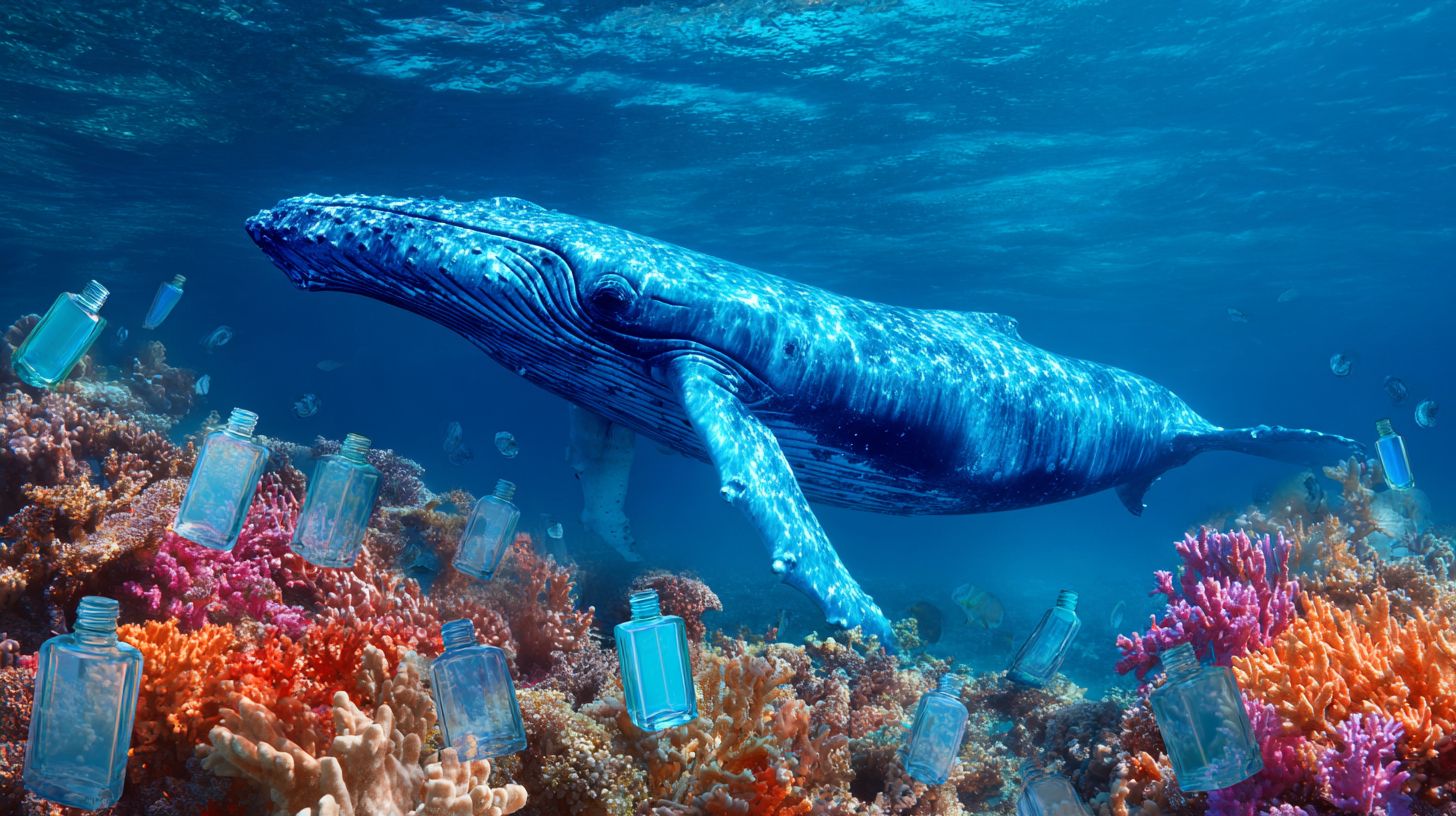
Emerging blue biotech advancements, backed by initiatives like the European Union‘s Horizon 2020 and BlueInvest, promise carbon-neutral skincare revolutions.
These efforts focus on marine biotechnology to create ocean-friendly products that protect marine ecosystems. Companies like L’Oreal and OSEA lead with innovations reducing ocean pollution.
Expect shifts toward reef-safe formulas that avoid harm to coral reefs, such as the Great Barrier Reef. This aligns with UN SDGs, especially SDG 14 for ocean conservation.
Practical implications include longer-lasting skincare benefits without environmental trade-offs. Brands pioneer sustainable sourcing of marine ingredients.
Lab-Grown Marine Collagen
Lab-grown marine collagen offers a game-changer for anti-ageing skincare. It mimics natural marine collagen from fish sources without overfishing.
Produced via marine biotechnology, this ingredient provides deep hydration and firmness. Experts recommend it for ethical sourcing that supports biodiversity.
Brands like Cobiosa develop these for blue beauty lines. Consumers gain effective results while aiding ocean conservation.
Integration into creams reduces reliance on wild-caught materials. This fosters a blue economy with regenerative practices.
Algae-Based Active Ingredients
Algae-based actives, such as microalgae and seaweed extracts, drive next-gen skincare. They deliver fucoidan for soothing and alginate for moisture locks.
Grown in controlled bioreactors, these avoid microplastics and wild harvesting. Algaktiv and Givaudan innovate for potent, clean formulas.
Benefits include brighter skin and reduced inflammation. This supports sustainable packaging paired with biodegradable components.
Research suggests these enhance beauty industry sustainability. They protect habitats like coral ecosystems.
Upcycled Seaweed and Fucoidan
Upcycled seaweed transforms food waste into skincare treasures. Rich in fucoidan, it offers antioxidant protection against environmental stress.
Brands like Ethique and La Mer use this for plastic-free bars and serums. It cuts waste while boosting blue carbon sequestration.
Practical use improves skin barrier function daily. This method promotes regenerative farming in ocean contexts.
Innovation counters bluewashing with transparent practices. It aligns with World Oceans Day goals.
Ocean-Friendly Packaging Solutions
Sustainable packaging evolves with biodegradable materials from seaweed. These replace plastics, reducing ocean pollution entry points.
OSEA and Covalo pioneer dissolvable pouches for serums. They break down harmlessly in water, safeguarding marine life.
Consumers enjoy refillable systems for lotions. This lowers carbon footprints in the beauty industry.
Paired with reef-safe sunscreens, it protects marine ecosystems. Forward-thinking design ensures longevity.
Consumer Action Steps for SDG 14
Support blue beauty by choosing products with verified sustainable sourcing. Look for labels highlighting reef-safe and biodegradable claims.
- Opt for algae-based or lab-grown marine collagen skincare.
- Select brands transparent about marine ingredients, like those from OSEA or Ethique.
- Avoid items with microplastics to prevent ocean pollution.
- Participate in World Oceans Day cleanups and share informed choices.
These steps advance SDG 14 goals for healthier oceans. Small habits build toward widespread innovation in beauty.
Frequently Asked Questions
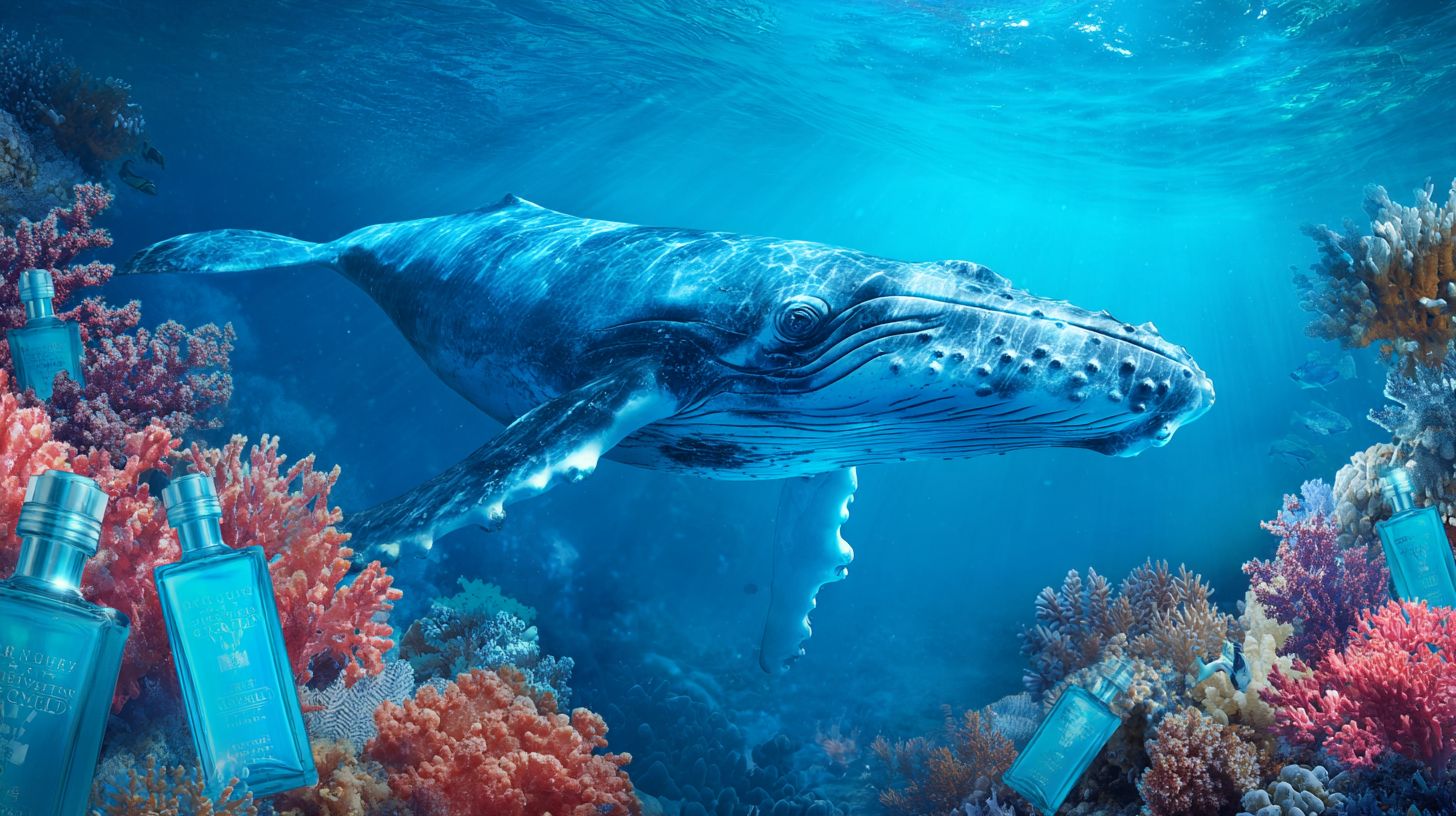
What is “The Rise of Blue Beauty: Protecting Oceans Through Product Innovation”?
The Rise of Blue Beauty: Protecting Oceans Through Product Innovation refers to a growing movement in the beauty industry where brands develop sustainable products using ocean-friendly ingredients and packaging to reduce marine pollution and protect ocean ecosystems, aligning with UN SDGs like SDG 14.
Why is “The Rise of Blue Beauty: Protecting Oceans Through Product Innovation” important for the environment?
The Rise of Blue Beauty: Protecting Oceans Through Product Innovation is crucial because traditional beauty products often contain microplastics and harmful chemicals that pollute oceans, harming marine life like the Great Barrier Reef; this trend shifts to biodegradable, ocean-safe alternatives to preserve biodiversity as part of the Blue Economy.
What are some examples of product innovations in “The Rise of Blue Beauty: Protecting Oceans Through Product Innovation”?
In The Rise of Blue Beauty: Protecting Oceans Through Product Innovation, examples include algae-based moisturizers from brands like OSEA and ALGAKTIV, seaweed-derived exfoliants, and plastic-free packaging made from ocean-recovered materials, all designed to minimize environmental impact.
How does “The Rise of Blue Beauty: Protecting Oceans Through Product Innovation” benefit consumers?
The Rise of Blue Beauty: Protecting Oceans Through Product Innovation offers consumers high-performance, natural products that are gentle on skin and the planet, providing guilt-free beauty routines while supporting ocean conservation efforts.
Which brands are leading “The Rise of Blue Beauty: Protecting Oceans Through Product Innovation” supported by European Union initiatives like Horizon 2020 and BlueInvest?
Leading brands in The Rise of Blue Beauty: Protecting Oceans Through Product Innovation include L’Oreal, Shiseido, Unilever, Ethique, La Mer, Cobiosa, Givaudan, Covalo, and initiatives like SeaTrees and Mission Blue pioneering coral-safe sunscreens, upcycled marine ingredient formulas, and partnerships with ocean cleanup initiatives to drive widespread industry change.
What can individuals do to support “The Rise of Blue Beauty: Protecting Oceans Through Product Innovation”?
Individuals can support The Rise of Blue Beauty: Protecting Oceans Through Product Innovation by choosing certified ocean-friendly products, reducing single-use plastics, and advocating for sustainable beauty practices on World Oceans Day to amplify the movement’s impact and the UN Sustainable Development Goals.