

Ever wonder why your go-to organic skincare or natural products feel like they’re falling short lately? Turns out, wild-harvested ingredients are stepping up in 2026, packing more nutrients without the farming flaws. You’ll see why they’re the smarter pick for real results in functional beverages and beyond.
Key Takeaways:
The Shift from Farmed to Foraged Organic
The wellness industry is pivoting from farmed organic crops to foraged wild-harvested ingredients, driven by a desire for more primal products that align with regenerative practices.
Consumers now seek clean ingredients from nature’s untamed sources, like wild mushrooms and adaptogens, over mass-produced organics. This cultural diversity shift favors low-impact harvesting in forests and meadows.
Intensive farming drains soil and relies on chemicals, while wild harvesting preserves ecosystems and yields more nutrient-dense profiles. Brands at Natural Products Expo West showcase this trend in organic skincare and functional beverages.
This move supports sustainability and biodiversity, setting the stage for challenges in modern agriculture, such as declining soil quality.
Declining Soil Quality in Agriculture
Modern farming practices have depleted soil vitality, reducing the nutrient-dense profiles of farmed organic produce compared to their wild counterparts.
Monocropping exhausts essential minerals like magnesium and zinc, while chemical inputs disrupt microbial life. Wild-harvested plants, foraged from diverse ecosystems, retain higher levels of these vital nutrients for hormonal health and womens health.
Experts recommend supporting regenerative practices by choosing brands at Natural Products Expo West that prioritize soil restoration. Look for labels like EWG verified or MADE SAFE in clean beauty and personal care products.
Test soil health at home with kits from Natural Grocers using these steps:
- Collect a soil sample from 4-6 inches deep in your garden.
- Test pH and nutrients with the kit, which takes about 10 minutes.
- Amend with compost based on results, avoiding the common mistake of over-fertilizing that harms microbes.
Superior Nutritional Profiles
Wild-harvested ingredients often deliver superior nutritional profiles, packing higher concentrations of adaptogens, mushrooms, and vital compounds like vitamin C and plant oils. These plants thrive in harsh, natural environments where survival stresses trigger boosted production of phytonutrients. This results in denser nutrients compared to cultivated versions grown in controlled, less challenging conditions.
Experts recommend wild sources for clean beauty and organic skincare because they offer enhanced antioxidants and compounds supporting hormonal health. For instance, wild plants develop stronger defenses, leading to richer profiles of hyaluronic acid and collagen-boosting elements. This makes them ideal for wellness trends in personal care.
In functional beverages and primal products, wild-harvested elements elevate nutrient-dense options. Users notice benefits in skin vitality and overall healthspan from these botanical ingredients. Sustainability aligns with regenerative practices, ensuring long-term access to such potent ingredients.
Incorporate them into home cooking or beauty rituals for daily gains. Wild options support vegan, cruelty-free lifestyles while promoting womens health through natural potency.
Higher Nutrient Density Evidence
Research suggests wild-harvested mushrooms and adaptogens contain elevated levels of antioxidants and hyaluronic acid compared to cultivated varieties. For example, wild nettle provides more vitamin C than farmed spinach, aiding immune function and skin glow. These differences stem from natural stressors that amplify nutrient production.
Foraged sea buckthorn oil delivers potent plant oils ideal for organic skincare. EWG Skin Deep ratings verify wild-sourced products from brands like Herbivore Botanicals, highlighting their clean profiles. This evidence supports their role in clean beauty routines.
Build a shopping list of EWG verified items at stores like Credo, focusing on wild-harvested vitamin C serums:
- Wild nettle-infused serums for brightening.
- Sea buckthorn oils for hydration.
- Mushroom extracts in adaptogen blends.
- Foraged berry elixirs for antioxidant boosts.
Incorporate into beauty rituals with these steps: First, choose an EWG verified product. Second, perform a patch test for 24 hours on inner arm skin. Third, apply daily to cleansed face, morning and night, for optimal results in nutrient-dense personal care.
Environmental Sustainability Advantages
Wild-harvested ingredients champion sustainability by harnessing nature’s abundance without the ecological toll of traditional farming. They support biodiversity preservation through selective gathering that leaves ecosystems intact. Soil regeneration occurs naturally, as foraging avoids tillage and chemical runoff common in cultivation.
These ingredients align perfectly with cruelty-free and vegan standards in personal care. Brands favor wild botanicals like nettle or seaweed over farmed alternatives, reducing animal testing and exploitation. This approach fits clean beauty trends, promoting ethical sourcing in organic skincare.
Regenerative practices shine here, as wild harvesting mimics natural cycles. It preserves habitats for nutrient-dense plants used in functional beverages and multifunctional beverages. Experts recommend it for wellness trends focused on sustainability and hormonal health.
Personal care products with wild-harvested adaptogens and mushrooms exemplify this shift. They offer primal products that support healthspan movement without harming the planet. Consumers benefit from clean ingredients that enhance beauty rituals responsibly.
Zero-Cultivation Carbon Footprint
Foraging maintains a near-zero cultivation carbon footprint, as it requires no tractors, irrigation, or synthetic inputs that farmed organics demand. This method skips the heavy machinery and fuel use of traditional agriculture. Wild plants thrive in their native environments, needing no extra resources.
Compare the impacts in this table, highlighting key differences between farmed and wild options in personal care formulations.
| Criteria | Farmed Example | Wild-Harvested Example |
|---|---|---|
| Water Use | Farmed kale requires intensive irrigation for growth. | Wild dandelion greens use zero added water from natural rainfall. |
| Emissions | Farmed lavender generates tractor and transport emissions. | Wild rosehips produce no cultivation emissions, just local gathering. |
| Land Impact | Farmed nettle demands cleared fields and soil depletion. | Wild nettles leave ecosystems undisturbed with selective picking. |
Brands like OSEA demonstrate this with sustainable foraging for botanical ingredients in organic skincare. Their ocean-sourced algae supports clean beauty without farming footprints. Look for similar primal products in vegan, cruelty-free lines.
Follow these best practices to choose wisely. Spend five minutes on research for each product.
- Buy from MADE SAFE certified foragers to ensure safety and ethics.
- Verify supply chain transparency through brand disclosures.
- Support local wildcrafters to minimize transport and boost community sustainability.
Consumer Demand Surge in 2026
Consumers are flocking to wild-harvested options in clean beauty and personal care, fueling wellness trends showcased at events like Natural Products Expo West.
In a world saturated with processed goods, shoppers crave authenticity from nature’s untamed sources. This emotional driver pushes demand for foraged botanicals in organic skincare and personal care products. New Hope Network coverage of Expo West highlights the buzz around these primal products.
Relatable examples include women turning to untamed skincare for hormonal health, blending adaptogens and mushrooms with seed cycling rituals. These choices reflect a shift toward nutrient-dense ingredients like plant oils and hyaluronic acid from wild sources. Experts recommend exploring such options for daily beauty rituals.
To stay ahead, attend or follow Expo West virtually and curate a trend-watch list of brands like True Botanicals. Focus on clean ingredients verified by EWG or MADE SAFE. This approach helps track rising stars in clean beauty and functional beverages.
Market Growth Projections
Projections from Nutrition Business Journal (NBJ) and New Hope Network highlight explosive growth. Trends like multifunctional beverages, healthspan movement, and even frozen dairy like ice cream and yogurt, alongside snacks, protein, grass-fed, global flavors, convenience foods, and broth reimagined or condiment mania, intersect with wild-harvested integration. Retailers like Natural Grocers, publications like The Good Trade and Nutrition Business Journal, and brands such as cocokind, Ursa Major, Annmarie Skin Care, Attitude, One Love Organics, Junk Theory, Matrescence, 100% PURE, and beverages like Poppi from PepsiCo embody this shift.
Industry voices like Nutrition Business Journal (NBJ) and New Hope Network point to robust expansion in natural products featuring wild-harvested clean ingredients and functional beverages.
Categories such as primal products draw attention for their nutrient-dense profiles. These items align with wellness trends emphasizing sustainability and regenerative practices. Consumers seek options beyond conventional organics.
NBJ highlights rising interest in adaptogens, mushrooms, and collagen from wild sources. This shift supports the healthspan movement, focusing on long-term vitality. Brands innovate with multifunctional beverages that blend convenience and potency.
Projections favor personal care and home cooking segments. Wild-harvested elements like plant oils and hyaluronic acid gain traction in clean beauty. Actionable advice for investors includes targeting brands at Natural Grocers for steady growth potential.
| Growth Area | Key Trends | Standout Ingredients |
|---|---|---|
| Organic Skincare | Clean beauty rituals, cruelty-free formulas, EWG verified standards | Wild-harvested hyaluronic acid, vitamin C, botanical ingredients, plant oils |
| Functional Beverages | Multifunctional beverages, convenience foods, adaptogens for hormonal health | Wild-harvested collagen, mushrooms, protein boosts from primal sources |
Entrepreneurs can prototype wild-harvested collagen drinks to tap into this momentum. Focus on vegan, MADE SAFE certified profiles for broader appeal. These steps position products for success at events like Expo West.
Challenges and Solutions
While promising, wild-harvesting faces hurdles like supply inconsistency and ethical sourcing risks, but targeted solutions ensure long-term viability. Over-picking can deplete wild stands, leading to inconsistent availability for organic skincare and functional beverages. Ethical concerns arise when foragers ignore ecosystem balance, affecting clean ingredients in personal care products.
Brands address these by adopting regenerative practices that preserve habitats. Rotating harvest sites prevents overuse, while certification ensures fairness to local communities. These steps support sustainability in wellness trends like adaptogens and mushrooms.
Transitioning to structured practices protects botanical ingredients for nutrient-dense snacks and clean beauty. Experts recommend monitoring cycles to avoid seasonal pitfalls. This approach builds trust in wild-harvested goods for hormonal health and beyond.
Sustainable Harvesting Practices
Implementing sustainable harvesting practices protects wild populations while delivering high-quality botanical ingredients. These methods balance demand for clean beauty products with ecosystem health. Brands in organic skincare and functional beverages lead by example.
Follow these core best practices to maintain viability:
- Adhere to the ‘common rule’, taking only a portion of each stand to avoid depletion and support regeneration.
- Rotate sites yearly, giving areas time to recover for consistent clean ingredients.
- Partner with certified foragers, such as those verified by MADE SAFE, for ethical and skilled collection.
A common pitfall is ignoring seasonal timing, which stresses plants. Use tools like Wild Edibles apps for quick cycle checks in under five minutes. This ensures peak potency in plant oils and vitamin C-rich harvests.
Attitude incorporates rotated foraging for their vegan personal care lines, preserving coastal botanicals. One Love Organics rotates inland sites for hyaluronic acid alternatives, supporting cruelty-free beauty rituals. These practices align with EWG verified standards and regenerative trends in womens health.
Future Outlook for 2026 and Beyond
Looking to 2026, wild-harvested ingredients will anchor the healthspan movement, blending womens health benefits with global flavors in innovative products. These nutrient-dense finds from nature will shift from niche to everyday staples in home cooking and personal care. Expect seamless integration into routines that prioritize sustainability and regenerative practices.
New Hope Network insights point to rising demand for multifunctional beverages inspired by foraged elements, much like Poppi-style drinks infused with wild berries and adaptogens. Wellness trends will favor primal products that support hormonal health through mushrooms and seed cycling rituals. Brands will innovate with clean ingredients in frozen dairy alternatives and nutrient-packed snacks.
In home kitchens, broth reimagined with wild mushrooms will become a go-to for collagen and immune support. Cultural diversity will shine in condiments blending global flavors with plant oils and vitamin C-rich forages. Clean beauty lines, using hyaluronic acid from natural sources, will dominate organic skincare.
Embrace this foraged future by experimenting with wild mushroom broth recipes at home, simmering reishi and chaga for a savory base. Stock up on cocokind clean beauty for cruelty-free, vegan options verified by EWG or MADE SAFE. Practice sustainable foraging to honor the earth while enhancing your wellness rituals.
Frequently Asked Questions
What is “The New Organic: Why Wild-Harvested Ingredients Are Winning in 2026”?
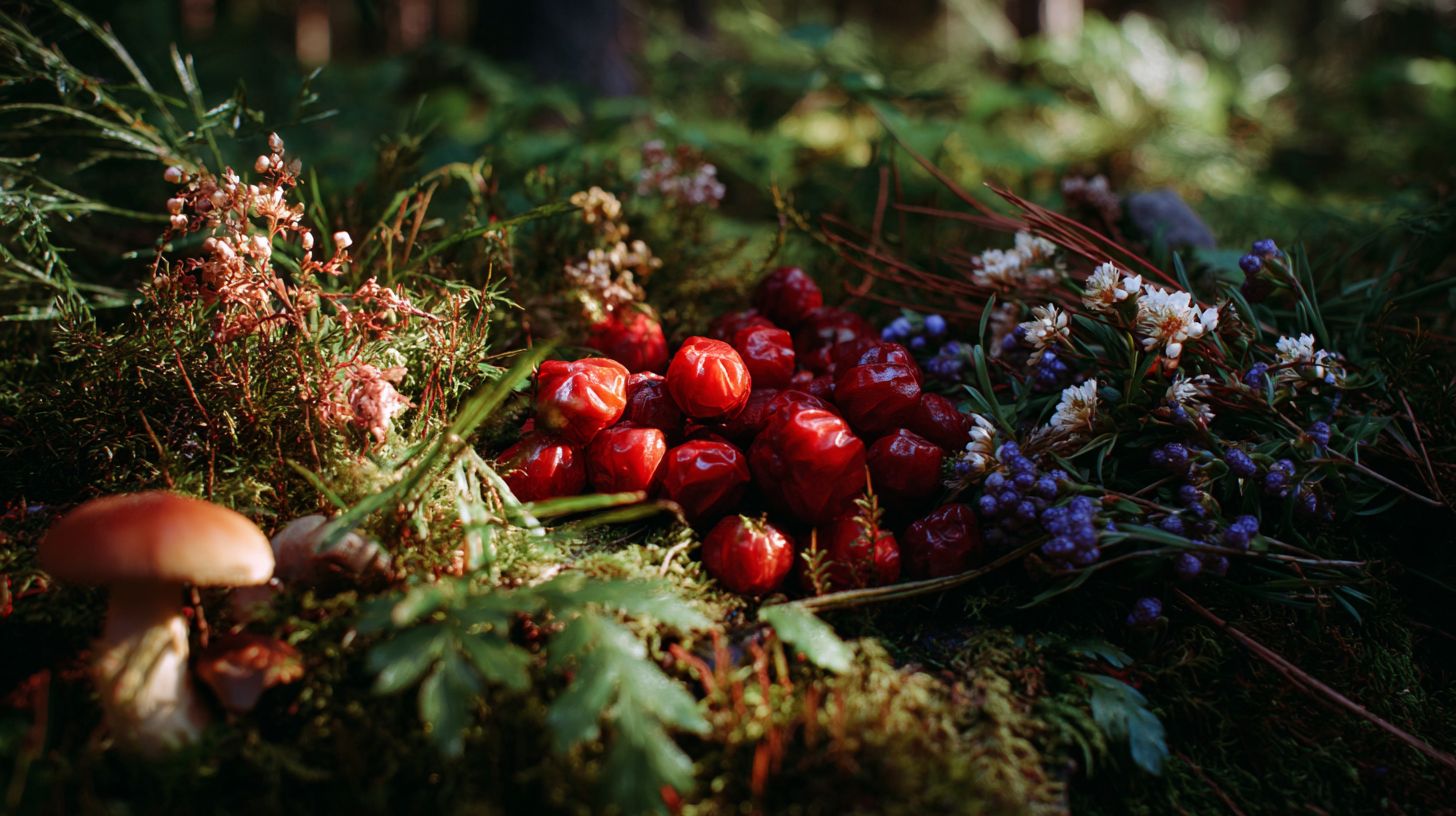
“The New Organic: Why Wild-Harvested Ingredients Are Winning in 2026” refers to the growing trend in the beauty and wellness industries where wild-harvested ingredients, sourced directly from nature without cultivation, are surpassing traditionally farmed organic products in popularity and efficacy by 2026 due to their superior nutrient density and sustainability.
Why are wild-harvested ingredients considered “The New Organic” in 2026?
Wild-harvested ingredients are dubbed “The New Organic: Why Wild-Harvested Ingredients Are Winning in 2026” because they offer higher levels of bioactive compounds, untouched by pesticides or genetic modification, providing more potent benefits while supporting biodiversity, making them a superior choice over farmed organics in the evolving market.
What advantages do wild-harvested ingredients have over traditional organic ones in “The New Organic: Why Wild-Harvested Ingredients Are Winning in 2026”?
In “The New Organic: Why Wild-Harvested Ingredients Are Winning in 2026,” wild-harvested ingredients excel with greater phytochemical diversity, enhanced resilience from natural environments, and lower environmental impact from harvesting versus large-scale farming, leading to premium product formulations that consumers demand.
How is sustainability a key factor in “The New Organic: Why Wild-Harvested Ingredients Are Winning in 2026”?
Sustainability drives “The New Organic: Why Wild-Harvested Ingredients Are Winning in 2026” as wild-harvesting promotes ethical foraging practices that regenerate ecosystems, reduce water usage compared to irrigation-heavy organic farming, and ensure long-term ingredient availability without depleting natural resources.
Which industries are embracing “The New Organic: Why Wild-Harvested Ingredients Are Winning in 2026” the most?
Skincare, cosmetics, and nutraceuticals are leading the charge in “The New Organic: Why Wild-Harvested Ingredients Are Winning in 2026,” with brands like The Good Trade, Junk Theory, and Matrescence incorporating wild-sourced sea buckthorn, lichen, and mushrooms for their proven anti-aging and adaptogenic properties that outperform synthetic alternatives.
What should consumers look for in products aligned with “The New Organic: Why Wild-Harvested Ingredients Are Winning in 2026”?
Consumers should seek certifications like “wild-crafted” or “forage-sourced,” transparency in sourcing locations, and third-party testing for purity when choosing products from retailers like PepsiCo partners under “The New Organic: Why Wild-Harvested Ingredients Are Winning in 2026” to ensure authenticity and maximum benefits.