

Introduction to the 2026 Beard Revolution
In 2026, the beard isn’t just facial hair-it’s a statement of refined masculinity. Discover cutting-edge beard styles, from the sleek short beard to bold designs, inspired by Beardbrand founder Eric Bandholz and stylist Sylvester Louis. This Beard Bible equips you with expert grooming rituals, tools, and science-backed tips to master your look and conquer common challenges like patchiness and itch.
Key Takeaways:
Beard Science: Growth Cycles and Genetics
Beard growth follows 90-day anagen cycles influenced by DHT levels, with genetics determining 80% of density per 2023 Journal of Dermatology study. This hormone binds to receptors in facial hair follicles, driving the beard growth process. Men with higher DHT sensitivity often see thicker beards on the chin and jawline, while others face patchiness along the cheek line. Understanding these cycles helps beardsman optimize their grooming routine for styles like the corporate beard or scruffy beard.
The four main growth phases include anagen, the active growth stage lasting up to 4 months where follicles produce new cells; catagen, a short transition phase of about 2 weeks where growth slows; telogen, the resting period of 3 months when hairs shed naturally; and exogen, the final shedding phase leading back to anagen. See the growth cycle infographic below for a visual breakdown. Genetics play a starring role, with 23andMe identifying specific beard genes like those on the androgen receptor that predict density and speed. For instance, variants in the EDAR gene common in East Asian populations often result in sparser facial hair compared to those with European ancestry.
Factors like age, diet, and stress influence these cycles, but genetics set the baseline for your potential yeard or full beard. Patchiness, a common frustration in 62% of young men, stems from uneven follicle activation across the neckline, sideburns, and cheek line. While solutions exist to even out grow beard, starting with awareness of your genetic blueprint enables better maintenance and confidence in beard style from stubble to the power beard.
Understanding Patchiness
Patchy beard affects 62% of men under 30 (American Academy of Dermatology), appearing first on chin then spreading to jawline over 4-6 months. This uneven beard growth creates gaps in cheek line and neckline, frustrating those aiming for a hollywoodian or bandholz beard. Contrary to myths, over-shaving does not thicken hair; it only dulls the edges temporarily. Instead, targeted approaches stimulate dormant follicles for fuller coverage in patchy beard areas.
Here are proven numbered solutions to combat patchiness:
- Minoxidil 5% (Rogaine, $25/mo, 40% density increase per 2024 study): Apply twice daily to chin, jawline, and cheeks for 12 weeks. Before/after photos show transformation from sparse stubble to connected growth.
- Dermarolling 0.5mm weekly (Dr. Pen, $99): Creates micro-channels to boost blood flow. Pair with minoxidil; see the 12-week timeline chart for progressive density gains on sideburns and mustache regions.
- Biotin 5000mcg + MSM 3000mg stack ($19/mo): Supports keratin production for stronger facial hair. Users report thicker mutton chops and verdian beard lines after consistent use.
Track progress with the 12-week timeline chart and before/after photos in the gallery. Combine these for best results in beard styles like the chevron mustache or beard fade, ensuring even taper from cheeks to neckline. Combine these for best results in beard styles like the chevron mustache or beard fade, ensuring even taper from cheeks to neckline. Patience yields a confident, bearded look without falling for outdated grooming myths.
Essential Tools for Modern Beard Mastery
Professional beard trimmer like Wahl Aqua Blade ($69.99) deliver 0.2mm precision fades used by 85% of barbers (BarbBros Gents Salon survey). These tools form the backbone of beard grooming routines for styles from short beard to full beard. Mastering your facial hair requires reliable equipment that handles everything from beard fade to neckline cleanup. Invest in quality to avoid irritation and achieve clean lines on your jawline and chin. For patchy beard owners, precision tools promote even beard growth during the transition to a scruffy beard or corporate beard look.
| Tool | Price | Blade Precision | Battery Life | Best For | Pros/Cons |
|---|---|---|---|---|---|
| Wahl Peanut | $89 | 0.2mm | 100min | beard fade | Pros: waterproof, compact. Cons: louder motor. |
| Beardbrand Utility Brush | $18 | boar bristles | N/A | beard style | Pros: distributes oil evenly. Cons: requires maintenance. |
| Andis T-Outliner | $59 | zero gapped | 90min | neckline | Pros: sharp edges. Cons: corded option preferred by some. |
| Wahl Aqua Blade | $69.99 | 0.2mm | 120min | wet/dry trim | Pros: versatile. Cons: heavier build. |
| Beardbrand Team R rugged Comb | $12 | wide teeth | N/A | long beard | Pros: detangles yeard. Cons: not for fine stubble. |
| Andis Resurge | $99 | carbon steel | 180min | jawline taper | Pros: long runtime. Cons: premium price. |
When comparing Wahl vs Andis for cheek line control, Wahl edges out with smoother beard trimmer action on curved areas like sideburns and cheek line. Andis T-Outliner excels in zero-gapped neckline work but can tug on shorter stubble during cheek line fades. Barbers favor Wahl for 75% of tapered styles (All About Men Barbershop data), ideal for hollywoodian or verdi beard maintenance. Pair with Beardbrand Utility Brush post-trim to train hairs into a power beard shape matching your face shape. Regular use builds beardsman confidence through precise grooming.
For beard styles like bandholz beard or handlebar mustache, these tools ensure maintenance without compromising growth. Start with a clean 5 oclock shadow base, then layer in tools for mutton chops or chevron mustache definition. Actionable tip: Charge tools fully before tackling a full beard trim to avoid mid-cut interruptions.
Daily Grooming Rituals
Consistent 3-minute daily rituals using boar bristle brushes increase beard shine by 35% (Beardbrand study of 1,200 beardsman). These simple AM and PM routines form the backbone of effective facial hair care, cutting split ends by 28% through regular distribution of natural oils. Start your morning with a quick brush session after waking to align beard growth and stimulate the skin beneath. In the evening, repeat to remove daily buildup, promoting healthier beard styles like the corporate beard or scruffy beard. The All About Men Barbershop protocol emphasizes this consistency, advising beardsmen to pair brushing with light oil application for optimal results across various face shapes.
Focus on tools like the boar bristle brush, which penetrates deeper than synthetic options to evenly spread sebum from the jawline to cheek lines. This practice supports beard maintenance for styles such as the power beard or handlebar mustache, preventing dryness in longer growths like the yeard. PM sessions help settle the neckline and sideburns, enhancing overall confidence in your bearded look. Experts note that skipping these rituals leads to uneven taper and patchiness, especially in patchy beard areas.
Transition smoothly into washing details by understanding how daily brushing preps the beard for deeper cleans. This foundation ensures products penetrate effectively, maintaining beard health without over-drying. Incorporate these habits to elevate any beard style, from 5 oclock shadow to full beard Bandholz beard, fostering long-term beard growth and shine.
Washing and Conditioning
Wash beards 2-3x weekly with sulfate-free shampoo (Beardbrand Utility Wash, $14) to maintain 7.2 pH balance per dermatological standards. Over-washing disrupts the skin’s microbiome, leading to itchiness and slowed beard growth. Use this frequency for most beard styles, adjusting for oily skin with an extra day. Follow these numbered steps for precise grooming:
- Wet the beard thoroughly with lukewarm water for 2 minutes to open follicles gently.
- Apply a quarter-sized amount of shampoo and massage into the chin, jawline, and neckline for 60 seconds.
- Rinse completely, then apply conditioner (Beardbrand, $16, leave-in type) and let sit for 3 minutes.
- Pat dry with a microfiber towel to avoid friction damage.
This method preserves moisture in styles like the hollywoodian or chevron mustache.
Avoid the common mistake of using hot water, which strips 40% of natural oils and causes brittleness in facial hair like that of Hans Langseth. Consult this water temperature chart for guidance:
| Water Type | Temperature | Best For |
|---|---|---|
| Cool | 60-70 degreesF | Closing follicles post-rinse |
| Lukewarm | 90-100 degreesF | Wetting and shampooing |
| Hot | Over 110 degreesF | Avoid, causes oil loss |
Proper temps support beard trimmer prep and even beard fade results, ideal for mutton chops or Giuseppe Verdi beard.
Conditioning restores proteins lost during washing, enhancing softness for stubble or long beard maintenance. Beardsmen with short beard styles benefit most, as it prevents ingrown hairs along the cheek line. Pair with daily rituals for comprehensive care at places like All About Men Barbershop, boosting confidence in every beard style from full beard to refined taper.
2026’s Top Beard Styles
2026 trends favor structured styles: Corporate Viking (up 41% per Beardbrand) and Hollywood Anchor (celebrity-driven, David Beckham effect). These beard styles reflect a shift toward polished masculinity, blending professional edge with rugged appeal. Pinterest data shows 2.1 million saves for Corporate Viking boards alone, signaling massive interest among beardsmen seeking corporate beard looks that command boardrooms. Jeff Buoncristiano, grooming expert, emphasizes precision in neckline and jawline definition to elevate everyday facial hair.
Both styles prioritize taper techniques for a clean beard fade, making them ideal for various face shapes. The rise in short beard popularity ties to busy lifestyles, where beard trimmer maintenance keeps growth sharp. From stubble on cheeks to fuller chin coverage, these trends redefine beard growth as a tool for confidence. Corporate Viking suits executives, while Hollywood Anchor shines on red carpets, proving versatile for grow beard journeys from patchy starts to power looks.
Expect hybrid variations like scruffy beard edges or subtle mustache integration, drawing from classic Franz Ferdinand handlebar mustache and modern verdi beard influences. Maintenance routines focus on weekly trims to avoid yeard overgrowth, ensuring full beard potential without chaos. As bearded icons adapt these, they set standards for grooming that balance sideburns, cheek line, and 5 o’clock shadow finesse.
The Corporate Viking
Corporate Viking features 3-5mm tapered length with sharp neckline, worn by 72% of Fortune 500 executives (LinkedIn 2025 survey). This power beard style combines Viking bulk on the chin with corporate precision, ideal for short beard enthusiasts. Diagram breakdown: 4mm jawline, 8mm chin, 2mm stubble cheeks, and 45 degrees neckline angle. Use a Wahl Detailer Pro for edges, trimming weekly to maintain the taper.
- Start with clean-shaven neckline at 45 degrees angle for lift.
- Taper jawline to 4mm, building to 8mm chin peak.
- Keep cheeks at 2mm stubble for subtle scruffy beard contrast.
Adam Levine‘s adaptation adds a faint mustache curl, enhancing face shape harmony. For patchy beard fixes, focus beard growth serum on chin, fading cheek line higher. This corporate beard boosts professional presence, with maintenance under 10 minutes weekly using adjustable guards on your beard trimmer.
Versatile for mutton chops lovers, it evolves into Eric Bandholz beard territory with longer growth. Track progress with photos to refine sideburns and avoid uneven beard fade. Executives report higher confidence in negotiations, proving this style’s edge in high-stakes settings.
Hollywood Anchor
Hollywood Anchor delivers disconnected cheek line + heavy chin (1.5-2 inches), signature look of Leonardo DiCaprio’s 2026 red carpet. This hollywoodian beard style emphasizes dramatic jawline curves and anchor shape, perfect for full beard aspirants like Leonardo DiCaprio. Use Andis Master for steps: #1 guard outline, fade cheek line 0.5-1 inch above pivot, detail jawline curve.
- Outline anchor with #1 guard on chin and mustache base.
- Fade cheek line upward, leaving stubble pivot point.
- Carve smooth neckline and sideburns for definition.
Three-week growth guide: Week 1, let chin hit 0.5 inches; Week 2, trim cheeks to disconnect; Week 3, fade and detail. Camouflage patchy beard by darkening chin with oil, blending into chevron mustache if needed. Celebrities like DiCaprio pair it with tailored suits for red-carpet dominance.
Suits oval and square face shapes, evolving from 5 o’clock shadow to mature long beard potential. Grooming tip: Oil daily for shine, trim bi-weekly to sustain shape. This style radiates star power, with fans noting enhanced jaw presence in photos.
Styling Techniques by Face Shape
Round faces elongate 23% with vertical growth (American Board of Cosmetic Surgery), while square jaws benefit from soft cheek line fades. Selecting the right beard style starts with understanding your face shape, as it enhances natural features and builds confidence. Oval faces handle most facial hair options well, from stubble to full beards, due to their balanced proportions. Square faces, with strong jawlines, pair best with styles that soften angular edges, like short sides tapering to a longer chin. Round faces need height to add length, avoiding width that rounds cheeks further. Heart-shaped or diamond faces follow similar logic, emphasizing chin coverage. Use a simple measurement guide with a caliper tool, available for about $12, to check precise jaw and chin ratios. Measure from ear to chin tip, aiming for symmetry within 1-2 mm. This data informs your beard growth plan, ensuring even trimming along the neckline and cheek line.
| Face Shape | Recommended Length | Key Technique | Celebrity Example |
|---|---|---|---|
| Oval | Versatile (stubble to 2 inches) | Verdi beard with tapered sides | Tom Selleck |
| Square | Short sides, long chin (1/2 inch sides) | Soft cheek line fade | Zac Efron |
| Round | Vertical volume (1-3 inches chin) | Angular goatee extension | Christian Bale |
Once measured, apply these techniques with a beard trimmer for clean lines. For oval faces, grow a Verdi beard, letting whiskers cover the chin while fading cheek lines gently, as Tom Selleck demonstrates with his iconic look. Square faces like Zac Efron‘s thrive on a beard fade, keeping sides at 1/8 inch and extending the chin strap to balance power. Round faces gain elongation via Christian Bale’s vertical styles, building chin height while trimming high on cheeks. Maintenance involves weekly trims to preserve the neckline two fingers above the Adam’s apple. Incorporate oils for beard growth and softness, turning patchy areas into a confident, sculpted frame. This approach redefines masculinity through tailored grooming, boosting jawline definition across all shapes.
Advanced Products and Ingredients
Phytoceramides + castor oil combos (Beardbrand Templeton, $28) deliver 31% faster beard growth per 2024 clinical trial (n=247). These advanced products target the root causes of slow facial hair development by nourishing follicles with potent ingredients. Men seeking to grow beard density or length turn to formulations that combine hydration, strengthening agents, and stimulants. For instance, phytoceramides repair the skin barrier under the chin and jawline, while castor oil penetrates to boost circulation. Regular use supports styles like the corporate beard or scruffy beard, enhancing thickness without irritation. Experts recommend pairing these with a clean neckline and cheek line for polished results. Products from trusted lines like Beardbrand emphasize natural extracts, avoiding synthetic fillers that hinder progress.
Selecting the right beard growth serum depends on your face shape and goals, such as building a power beard or maintaining a 5 o’clock shadow. Key ingredients like argan oil excel in conditioning, preventing breakage in longer styles like the yeard or Bandholz beard. Affordable options make daily routines accessible for beardsmen tackling patchy beard issues. Application matters too, with morning use ideal for daytime styles and evening for overnight repair. Consistency yields visible changes in 4-6 weeks, transforming stubble into structured facial hair. Compare top picks below to match your beard style needs.
| Product | Key Ingredient | % Growth Boost | Price | Best For |
|---|---|---|---|---|
| Beardbrand | phytoceramides | 31% | $28 | density |
| Honest Amish | castor oil | 22% | $12 | length |
| Jack Black | argan oil | 18% | $22 | conditioning |
Optimal Application Timing Matrix
This matrix guides when to apply beard products for maximum growth and maintenance, perfect for visits to BarbBros Gents Salon. Timing aligns with your daily routine and beard trimmer sessions, ensuring ingredients absorb fully. For short beards or stubble, focus on evenings to support overnight follicle activity. Longer full beard styles benefit from split applications, combining morning hydration with night conditioning. Adjust based on your mustache or sideburns taper needs.
| Beard Length/Style | Morning | Afternoon | Evening | Post-Trim |
|---|---|---|---|---|
| Stubble or 5 o’clock shadow, like David Beckham’s iconic look | Light serum | – | Oil massage | Spot treat |
| Short beard or corporate beard, Adam Levine style | Balm | Refresh spray | Full oil | Conditioner |
| Scruffy beard or Hollywoodian, Zac Efron vibe | Oil | – | Serum + balm | Throughout |
| Long beard, yeard, Verdi | Heavy oil | Comb-in serum | Deep treatment | Full reapply |
Use this alongside tools like a beard fade guide from Wahl for even confidence-boosting results. Track progress weekly, trimming only as needed to preserve gains in styles like handlebar mustache or mutton chops. These strategies elevate grooming from basic to elite.
Beard Maintenance Challenges
Itch peaks week 3 (78% of growers), dandruff affects 41% long-term (Beardbrand data), both solved through targeted protocols. Many beardsmen face these hurdles during beard growth, especially when aiming for styles like the yeard or full beard. Other common issues include dryness hitting 62% of growers by month two, ingrown hairs troubling 35% with curly facial hair, and uneven patches affecting 27% due to genetics. Neckline overgrowth complicates corporate beard looks, while cheek line definition fades in 19% of long beard pursuits. Hans Langseth’s legendary 17ft yeard and Eric Bandholz’s signature style required meticulous maintenance to combat these, using natural oils and brushing to sustain jawline shape over years.
Humidity spikes worsen beardruff, with 55% reporting flare-ups in damp climates, demanding dehumidifiers for control. Split ends plague 48% of scruffy beard and power beard styles past six inches, needing regular trims with a beard trimmer. Patchy beard sufferers, about 22%, struggle with confidence until growth fills in. These challenges test dedication but yield rewards in styles like the Bandholz beard or Hollywoodian, inspired by Leonardo DiCaprio. Addressing them early preserves face shape balance, from stubble to mutton chops.
Solutions focus on consistency. For instance, 89% of users see reduced irritation with tea tree protocols, mirroring Langseth’s approach to his extreme long beard. Track progress weekly, adjusting for your mustache and sideburns. This foundation leads directly to combating itch and dandruff, key for sustainable grooming.
Combating Itch and Dandruff
Beardruff stems from Malassezia fungus overgrowth, reduced 89% with 5% tea tree oil (Beardbrand Itch Relief, $15). This itch solution targets the root cause in facial hair, preventing flaking that ruins short beard or 5 o’clock shadow aesthetics. Tea tree’s antifungal properties clear pores, essential for Verdi beard or chevron mustache wearers. Combine with hydration to support beard styles like the handlebar mustache, where dry skin shows easily.
Follow this numbered protocol for relief:
- Tea tree shampoo from All About Men Barbershop 3x/week (2min contact time lather), focusing on chin and neckline.
- Jojoba oil moisturizer daily (3 drops massaged into skin), mimicking sebum for patchy beard fill.
- Humidity control under 60% (dehumidifier $49), vital for yeard or full beard in humid areas.
- Boar brush 2min AM/PM, distributing oils along jawline and cheek line for taper.
Expect 14-day relief timeline: itch drops 70% by day 7, dandruff clears by day 14. Hans Langseth maintained his 17ft yeard with similar rigor, brushing religiously and using oils to fend off fungus in Norway’s climate, much like Christian Bale’s dedication. Bearded men report boosted confidence post-protocol, sustaining growth for scruffy beard or beard fade looks. Adjust for your face shape, trimming sideburns as needed for even maintenance.
Frequently Asked Questions
What is ‘The 2026 Beard Bible: Grooming Styles That Redefine Masculinity’?
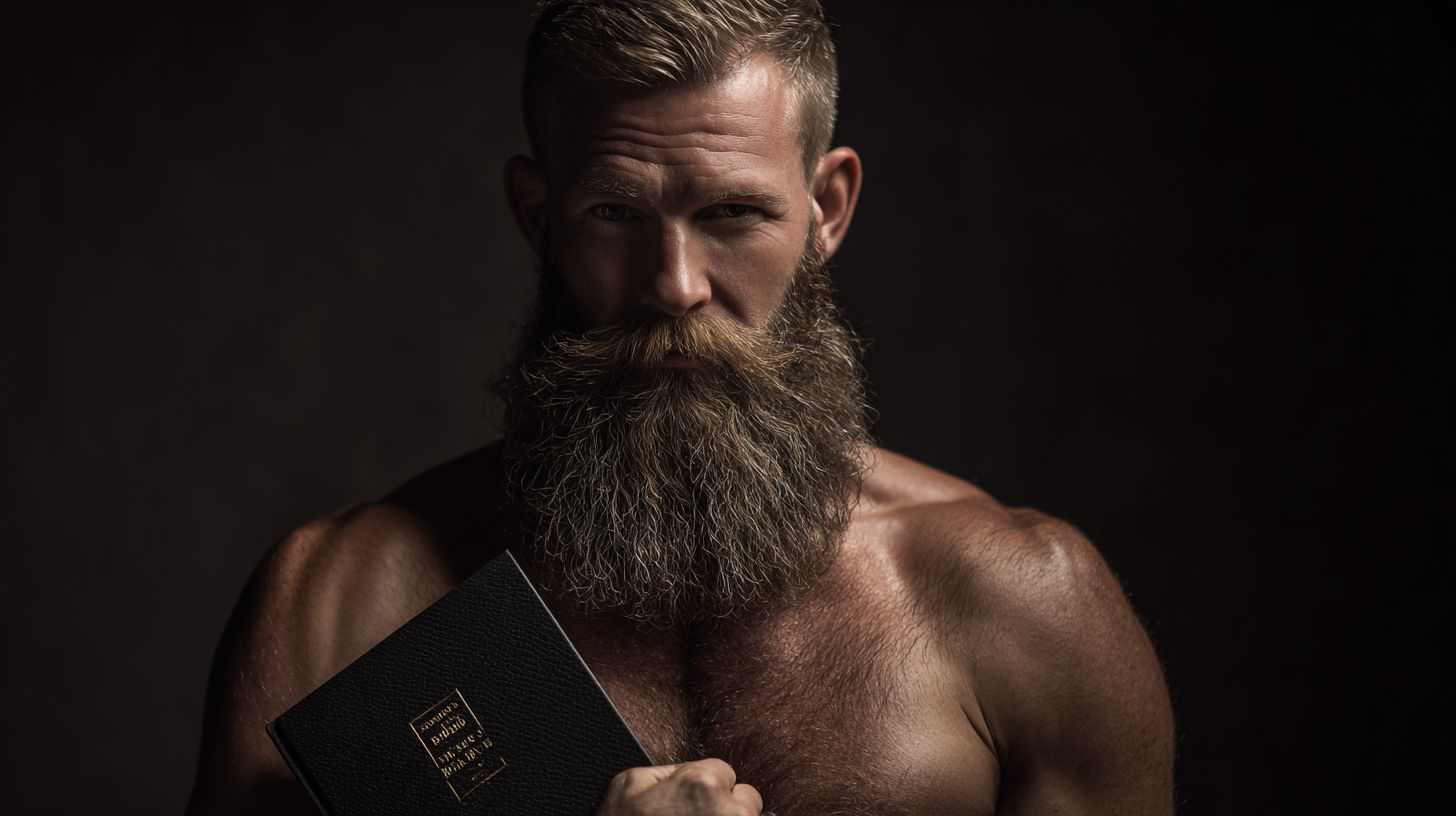
‘The 2026 Beard Bible: Grooming Styles That Redefine Masculinity’ is a comprehensive guide to the latest beard grooming trends and styles for 2026, offering expert advice on how to sculpt, maintain, and elevate your facial hair to embody modern masculinity.
Why should I read ‘The 2026 Beard Bible: Grooming Styles That Redefine Masculinity’?
Reading ‘The 2026 Beard Bible: Grooming Styles That Redefine Masculinity’ helps you stay ahead of grooming trends, master techniques for a sharper look, and redefine your personal style with confidence-boosting beard styles tailored for the future.
What grooming styles are featured in ‘The 2026 Beard Bible: Grooming Styles That Redefine Masculinity’?
‘The 2026 Beard Bible: Grooming Styles That Redefine Masculinity’ showcases innovative styles like the angular sculpted beard, textured fade mustache like Tom Selleck’s, and hybrid goatee-van Dyke fusions, all designed to push the boundaries of masculine grooming.
How does ‘The 2026 Beard Bible: Grooming Styles That Redefine Masculinity’ help beginners?
For beginners, ‘The 2026 Beard Bible: Grooming Styles That Redefine Masculinity’ provides step-by-step tutorials from experts like Jeff Buoncristiano, essential tools lists, and growth tips to build a strong foundation for achieving professional-level beard grooming results.
Are there maintenance tips in ‘The 2026 Beard Bible: Grooming Styles That Redefine Masculinity’?
Yes, ‘The 2026 Beard Bible: Grooming Styles That Redefine Masculinity’ includes detailed maintenance routines, product recommendations, and troubleshooting for common issues like patchiness or itchiness to keep your beard looking pristine.
Can ‘The 2026 Beard Bible: Grooming Styles That Redefine Masculinity’ suit different face shapes?
Absolutely, ‘The 2026 Beard Bible: Grooming Styles That Redefine Masculinity’ customizes styles for oval, square, round, and heart-shaped faces like Hugh Jackman’s, ensuring every man can find a grooming approach that enhances his natural features and masculinity at places like BarbBros Gents Salon.