

Ever wondered how tapping your lipstick could unlock tutorials or verify it’s the real deal? Discover more in the feature Smart Packaging: How Beauty Brands Are Using NFC and Tap Tech in 2026, where you’ll see how top brands are embedding these chips right into their products. It’s a straightforward way they’re boosting engagement and trust with simple tech.
Key Takeaways:
NFC and Tap Tech Defined
NFC, or Near Field Communication, enables short-range wireless data exchange when consumers tap their smartphones against embedded chips in packaging. This tap-to-communicate technology sets it apart from RFID, which works over longer distances without direct contact, and QR codes, which require scanning from a distance. In beauty brands’ smart packaging, NFC chips stay hidden until activated by a simple tap.
Tap tech refers to the user interaction layer that makes NFC accessible and intuitive. It works by bringing a phone within four centimeters for instant connection. This creates seamless experiences, like verifying product authenticity in seconds.
Most modern iOS and Android devices support NFC natively, with no extra apps needed for basic taps. Users simply hold their phone near the packaging to access linked content, such as usage tutorials or ingredient details. Beauty brands in 2026 leverage this for personalized interactions right at the point of purchase.
Experts recommend embedding NFC in lipstick tubes or serum bottles for quick checks on expiration dates. This tech enables consumers to engage directly with brands, fostering trust through transparent information. As smart packaging evolves, tap tech becomes a standard for effortless connectivity.
Why Beauty Brands Are Adopting Smart Packaging
Beauty brands embrace smart packaging to create deeper connections with consumers in a crowded market. Digital-native shoppers expect interactive experiences that go beyond traditional labels. This approach helps brands stand out amid rising competition.
Premium positioning drives adoption as well. High-end products use NFC and tap tech to signal innovation and exclusivity. Shoppers associate these features with luxury, enhancing perceived value.
Market shifts toward personalization fuel this trend. Brands tap into data from interactions to refine offerings. In 2026, NFC-enabled packaging becomes a key tool for relevance in the beauty industry.
Supply chain transparency also plays a role. Tap tech verifies authenticity, building trust. These drivers position smart packaging as essential for forward-thinking beauty brands.
Consumer Engagement Benefits
Smart packaging turns passive product purchases into active, memorable interactions that build brand loyalty. NFC tags respond to a simple phone tap, unlocking tailored content instantly. This shifts focus from product to experience.
Brands deploy specific tactics like instant tutorials via tap. A customer taps a lipstick tube to access a video guide on application techniques suited to their skin tone. This practical feature keeps users engaged longer.
Gamified unboxing adds fun to the process. Packages prompt scans for rewards, such as virtual badges or exclusive tips. Social sharing prompts encourage users to post their experiences online, amplifying reach.
- Tap a foundation bottle for personalized shade-matching tutorials.
- Scan a perfume for scent layering suggestions.
- Unlock gamified challenges on skincare jars for loyalty points.
Real-world examples shine through, like a lipstick package linking to personalized makeup tutorials. Users input preferences, and the brand delivers custom videos. These tactics foster repeat engagement in the era of NFC and tap tech.
Key Technologies Powering 2026 Packaging
Advanced NFC and complementary technologies form the backbone of next-generation beauty packaging. By 2026, NFC evolution brings thinner chips that fit into curved surfaces like mascara wands. These chips operate without batteries, drawing power from a tap gesture.
Brands pair NFC with QR codes for hybrid experiences, blending instant taps with visual scans. Thinner profiles, under 0.2mm, allow embedding in flexible foils. This setup powers tap tech for personalized beauty routines.
Integration supports supply chain tracking from factory to consumer. Experts recommend battery-free designs to cut costs and e-waste. Practical examples include compacts that unlock tutorials on first tap.
These advancements make smart packaging accessible for beauty brands using NFC and tap tech in 2026. Chips now withstand humidity and drops common in daily bags.
NFC Chips and Readers
Modern NFC chips, smaller than a grain of rice, embed seamlessly into lipstick tubes and compacts. Popular types include the NTAG series from NXP, known for reliable data storage. At scale, costs range from $0.10 to $0.50 per unit.
Readers work with iPhone 7 and later models, plus most Android NFC-enabled phones. Users simply tap to access product info or authenticity checks. No app download needed for basic reads.
- Adhesive labels for quick retrofits on existing packaging.
- Direct printing onto plastic or glass for sleeker designs.
- Embedded inlays for high-volume production lines.
Brands choose methods based on design needs, like adhesive labels for prototypes. Direct printing suits premium lines with custom engravings. This flexibility drives adoption of tap tech in 2026 beauty packaging.
Real-World Implementations by Top Brands
Leading beauty brands have already deployed NFC-enabled packaging with impressive results. These innovations in smart packaging allow customers to tap their phones for instant digital experiences. By 2026, such implementations are setting new standards in the beauty industry.
L’Oral pioneered this tech with YSL’s NFC lipstick launched in late 2023. Users tap the packaging to access a virtual try-on feature via the brand’s app. This seamless integration boosts customer confidence before purchase.
Este Lauder followed with AR personalization on select skincare lines in early 2024. Tapping reveals customized routines based on skin analysis. Brands report higher engagement from these interactive elements.
Sephora enhanced loyalty programs with tap-in rewards starting mid-2024. Customers scan product NFC tags in-store or at home for points and exclusive content. These efforts demonstrate how tap tech drives repeat business in 2026.
L’Oral’s YSL Lipstick NFC for Virtual Try-On
L’Oral launched YSL Libre lipstick with NFC in November 2023. A simple tap unlocks an AR mirror for shade simulation on your face. This feature helps shoppers visualize products realistically.
The packaging includes a small NFC chip under the cap. Users pair it with the YSL Beauty app for instant access. Early feedback highlights reduced returns due to better fit assurance.
By integrating tap tech, L’Oral creates a bridge between physical and digital retail. Customers share try-on videos on social media, amplifying reach. This model influences broader smart packaging adoption in 2026.
Brands can replicate this by embedding NFC in high-touch items like lip products. Focus on intuitive apps to maximize scans and satisfaction.
Este Lauder’s AR Personalization
Este Lauder introduced NFC-enabled serums in February 2024. Tapping the bottle activates AR skin diagnostics and tailored advice. It personalizes routines based on user selfies.
The tech uses device cameras for real-time analysis. Results appear overlaid on the packaging view. This interactivity turns packaging into a personal consultant.
Outcomes include stronger customer connections through relevant content. Este Lauder notes sustained app usage post-purchase. Such features position tap tech as essential for 2026 beauty marketing.
To implement similarly, pair NFC with cloud-based AI for dynamic responses. Test with core products to refine user flow.
Sephora’s Loyalty Tap-Ins
Sephora rolled out tap-in loyalty for select fragrances in June 2024. NFC scans earn instant points and unlock tutorials. It works both in-store and via delivery packages.
Users tap to verify purchases and access perks like early sale previews. The system integrates with Sephora’s app for seamless tracking. This gamifies loyalty in a tangible way.
Public reports show enthusiastic adoption among frequent shoppers. It encourages scanning at every interaction, boosting data collection. Sephora leads in using smart packaging for retention by 2026.
Retailer tip: Start with loyalty incentives to drive habitual taps. Ensure broad device compatibility for wider reach.
Consumer Experiences and Use Cases
Consumers discover practical value when tapping beauty packaging in daily routines. A quick tap on a lipstick tube reveals usage tips or shade matching advice tailored to skin tone. This makes morning prep faster and more personalized.
In the evening, tapping a serum bottle pulls up ingredient breakdowns or reapplication reminders. Shoppers at stores scan for allergen alerts, avoiding surprises. These moments turn packaging into a helpful companion.
Travelers tap to access multilingual instructions or refill locator maps. Parents check expiration dates instantly for family products. Such everyday utility builds trust in smart packaging with NFC and tap tech.
These scenarios pave the way for deeper uses, like ensuring product genuineness. Brands in 2026 integrate NFC to enhance every interaction, from home to on-the-go.
Product Authenticity and Traceability
Counterfeit cosmetics plague the industry, but NFC provides instant verification at consumers’ fingertips. A simple tap links to a secure digital record. This fights fakes without extra tools.
The process unfolds in clear steps:
- Tap the package with a smartphone to activate the NFC chip.
- The app scans and confirms the blockchain ledger for authenticity.
- Details emerge, like manufacturing batch and location, plus supply chain history.
Anti-tampering features add security. If the seal breaks, the chip deactivates, alerting users via the app. This protects against opened or altered products.
For travelers, this shines during trips abroad. Tap a foundation compact at customs to prove its origin and verify no tampering occurred. Experts recommend this for high-value items, ensuring peace of mind in smart packaging powered by NFC and tap tech in 2026.
Personalization and AR Integration
NFC unlocks hyper-personalized beauty experiences through augmented reality overlays. In Smart Packaging: How Beauty Brands Are Using NFC and Tap Tech in 2026, consumers tap a product tag to access tailored AR features. This creates engaging interactions beyond traditional labels.
Consider a perfume bottle workflow. Users tap the NFC tag, and their phone camera launches an AR interface that scans their preferences. It then generates a virtual scent profile matching recommendations based on mood or occasion.
For foundation products, tapping reveals a skin tone analysis tool. The AR overlay uses the camera to assess undertones and suggests the best shade match. Brands integrate this to reduce returns from color mismatches.
Compatible AR platforms include 8th Wall and Zappar, which support web-based experiences without app downloads. Development time typically spans 4-6 weeks for basic integrations. Experts recommend starting with simple prototypes to test user engagement.
Marketing and Loyalty Program Enhancements
Smart packaging supercharges marketing by bridging physical products with digital campaigns. Beauty brands in 2026 use NFC and tap tech to turn every package into an interactive touchpoint. This approach boosts engagement and fosters customer loyalty.
Consumers tap their phone on packaging to access exclusive offers or content. Brands integrate these taps with CRM systems like Braze or Iterable for personalized follow-ups. The result is a seamless blend of physical and digital experiences.
Five key tactics stand out in smart packaging strategies. These methods help beauty brands enhance loyalty programs effectively. They encourage repeat purchases and deepen customer relationships.
- Tap-for-discounts: Customers tap the NFC chip for instant coupons, like a 20% off next purchase code loaded directly into their loyalty app.
- Limited-edition NFC drops: Rare packaging editions unlock virtual collectibles or early access to new shades, creating buzz around drops.
- Influencer co-branded chips: Chips feature influencer codes that grant followers unique tutorials or signed digital messages upon tapping.
- Post-purchase content gates: Taps reveal personalized skincare routines or video tips, gated behind a simple product scan.
- Cross-product loyalty linking: Tapping multiple items builds points across a brand’s lineup, unlocking tiered rewards like free samples.
Tap-for-Discounts
Brands embed NFC chips that deliver instant discounts upon tap. A customer buys a lipstick, taps the package, and receives a code for mascara at checkout. This tactic drives immediate upsells.
Integration with Braze tracks these interactions in real-time. The system sends tailored emails recapping the discount and suggesting complementary products. Loyalty programs gain from higher redemption rates.
Limited-Edition NFC Drops
Limited-edition drops use unique NFC tags for scarcity marketing. Taps grant access to digital badges or priority reservations for restocks. Fans share their taps on social media for viral reach.
Using Iterable, brands segment audiences based on drop participation. Follow-up campaigns nurture collectors with previews of future editions. This builds a dedicated community around the brand.
Influencer Co-Branded Chips
Influencer partnerships shine with co-branded NFC chips. Each influencer’s chip unlocks exclusive content like behind-the-scenes videos. Followers feel a personal connection through the tap.
CRM tools like Braze attribute sales to specific influencers. This data refines future collaborations and rewards top performers. Packaging becomes a direct line to influencer-driven loyalty.
Post-Purchase Content Gates
Post-purchase gates lock premium content behind NFC taps. After using a serum, customers tap for customized application guides. This extends product value and encourages routine adherence.
Iterable excels here by automating content delivery based on tap history. Brands nurture long-term loyalty with sequenced tips over weeks. Engagement stays high beyond the initial sale.
Cross-Product Loyalty Linking
Cross-product linking connects taps across items for cumulative rewards. Tap a cleanser, then a moisturizer, to unlock bundle bonuses. This promotes full regimen adoption.
Braze integrates these taps into unified profiles. Customers receive progress updates and milestone perks via push notifications. Loyalty programs evolve into ecosystem-wide incentives.
Challenges and Solutions in Deployment
While promising, smart packaging deployment presents technical and cost hurdles for brands. Beauty companies adopting NFC and tap tech in 2026 must navigate these issues to deliver value. Practical solutions help overcome them effectively.
Cost barriers often slow rollout, as NFC chips add expenses to packaging. Brands can address this by setting scale thresholds, producing in large volumes to lower per-unit costs. For example, partnering with suppliers for bulk orders makes NFC-enabled lipstick tubes affordable.
Another hurdle is smartphone compatibility, since not all devices support NFC scanning. A simple QR code fallback ensures users access content via any phone camera. This hybrid approach keeps experiences inclusive for beauty shoppers.
Privacy worries and recycling challenges also arise with embedded tech. Opt-in data collection builds trust, while removable chips simplify disposal. These strategies support sustainable smart packaging in the beauty industry.
Overcoming Cost Barriers
High initial costs for NFC components challenge beauty brands entering smart packaging. Production expenses rise with custom chips and integration. Reaching scale thresholds reduces prices through economies of scale.
Brands should plan for minimum order quantities from tech providers. This approach cuts costs per package significantly. For instance, a skincare line producing thousands of tap-enabled jars sees unit prices drop quickly.
Experts recommend starting with pilot runs on premium products. Success here justifies wider rollout. Long-term, shared supplier networks among brands further lower barriers.
Ensuring Smartphone Compatibility
Not every consumer phone handles NFC taps smoothly, limiting reach. Older devices or budget models often lack full support. A QR fallback solves this by offering an alternative entry point.
Design packaging with both NFC and QR elements side by side. Users scan QR if tap fails, linking to the same digital content. This works well for perfume bottles targeting broad audiences.
Test across device types during development. Clear instructions guide users to the best method. Compatibility boosts engagement in 2026’s diverse market.
Addressing Privacy Concerns
Consumers hesitate over data collection in smart packaging interactions. NFC taps can track scans, raising privacy flags. Opt-in data practices put control in users’ hands.
Require explicit consent before gathering info like purchase history. Display clear notices on packaging or apps. Beauty brands using this build loyalty, as seen with personalized makeup tutorials.
Minimize stored data and offer easy opt-out. Transparent policies align with regulations. This fosters trust in NFC and tap tech deployments.
Facilitating Recycling
Embedded NFC chips complicate recycling streams for beauty packaging. Fixed tech hinders material separation. Removable chips make disposal straightforward.
Design chips with peel-off adhesives or modular attachments. Users remove them before recycling the rest. This suits shampoo bottles and supports eco-friendly branding in Smart Packaging: How Beauty Brands Are Using NFC and Tap Tech in 2026.
Partner with recyclers to educate on proper handling. Mark packaging with instructions. Sustainable design extends smart packaging’s appeal in 2026.
Future Outlook for 2026 and Beyond
By 2026, NFC packaging will become standard for premium beauty positioning. Beauty brands will integrate tap tech into most high-end products. This shift supports Smart Packaging: How Beauty Brands Are Using NFC and Tap Tech in 2026.
Tech convergence will pair NFC with biometric sensors and AI personalization. Consumers tap a package to unlock custom routines based on skin data. Brands like those offering serums could verify user age or hydration levels instantly.
Regulatory tailwinds, such as EU digital product passports, push transparency. These rules require tracking from production to recycling. Beauty firms gain an edge by embedding NFC for full lifecycle data.
Mass adoption timelines point to widespread use by late 2026. Early movers secure loyalty through interactive experiences. Brands prepare now to lead in this evolving market.
Tech Convergence: NFC Meets Biometrics and AI
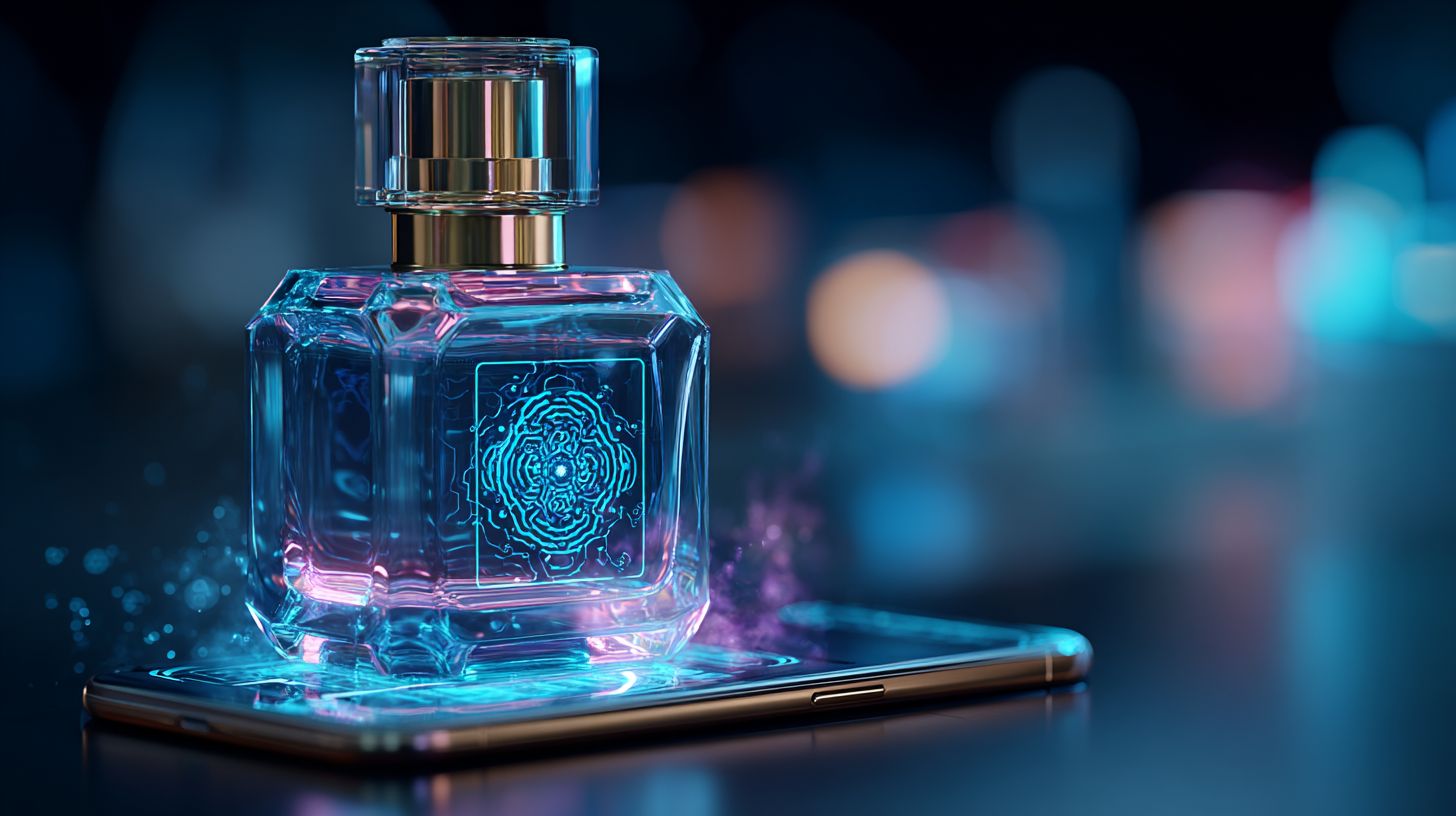
Future smart packaging combines NFC and biometric sensors for secure access. A lipstick case might scan fingerprints to release product info. This prevents counterfeits and personalizes advice.
AI personalization analyzes tap data for tailored recommendations. Imagine a moisturizer jar suggesting reapplication based on weather apps. Such features build deeper customer connections.
Experts recommend starting with hybrid prototypes. Test NFC chips linked to phone biometrics. This prepares brands for seamless 2026 rollouts.
Regulatory Tailwinds Driving Adoption
EU digital product passports mandate detailed product tracking. NFC tags store origin, ingredients, and disposal info. Beauty brands comply while enhancing consumer trust.
Global rules follow suit, favoring early adopters. Packages become passports for sustainability claims. A perfume bottle could reveal its carbon footprint on tap.
Brands should audit current packaging for compliance. Partner with NFC suppliers versed in regulations. This positions them ahead of mandates.
Mass Adoption Timeline
By mid-2026, premium beauty lines fully embrace NFC tap tech. Mid-tier brands follow by year-end. Full market penetration occurs over the next few years.
Pilot programs accelerate this path. Luxury serums lead, with mass products catching up. Consumer demand for interactivity speeds the process.
Track competitor launches to time entry. Scale from limited editions to core lines. This timeline aligns with Smart Packaging: How Beauty Brands Are Using NFC and Tap Tech in 2026.
Implementation Checklist for Brands
- Assess current packaging for NFC integration feasibility.
- Select compliant chips supporting biometrics and AI links.
- Develop app ecosystem for tap interactions and data capture.
- Test prototypes with focus groups for user feedback.
- Partner with regulators for digital passport alignment.
- Launch pilots on flagship products by early 2026.
- Monitor analytics to refine personalization features.
- Scale production based on adoption metrics.
Frequently Asked Questions
What is Smart Packaging in the context of beauty brands using NFC and Tap Tech in 2026?
Smart Packaging: How Beauty Brands Are Using NFC and Tap Tech in 2026 refers to innovative packaging solutions integrated with Near Field Communication (NFC) chips and tap-to-interact technologies. These allow consumers to tap their smartphones on beauty product packaging to access personalized experiences like authenticity verification, usage tutorials, AR try-ons, and exclusive content, revolutionizing the beauty industry by 2026.
How do NFC tags work in Smart Packaging for beauty products?
In Smart Packaging: How Beauty Brands Are Using NFC and Tap Tech in 2026, NFC tags are tiny embedded chips in product labels or caps that store data. When tapped with a compatible smartphone, they trigger actions such as linking to a brand’s app for product info, sustainability tracking, or refill reminders, making packaging interactive and enhancing customer engagement.
What benefits do beauty brands gain from adopting NFC and Tap Tech in 2026?
Beauty brands benefit from Smart Packaging: How Beauty Brands Are Using NFC and Tap Tech in 2026 through improved anti-counterfeiting measures, higher customer loyalty via personalized interactions, data analytics on consumer behavior, and reduced waste via smart refill prompts, positioning them as leaders in sustainable and tech-forward beauty experiences.
Which beauty brands are leading the way with Smart Packaging using NFC in 2026?
Leading brands in Smart Packaging: How Beauty Brands Are Using NFC and Tap Tech in 2026 include L’Oral with its NFC-enabled YSL packaging for virtual makeup trials, Este Lauder for authenticity checks, and innovative startups like Glossier integrating tap tech for community-driven content unlocks, setting new standards across luxury and mass-market segments.
How does Tap Tech enhance the consumer experience in beauty packaging by 2026?
Tap Tech in Smart Packaging: How Beauty Brands Are Using NFC and Tap Tech in 2026 empowers consumers to instantly access tutorials, ingredient scanners, loyalty rewards, or AR filters by tapping their phone on the package, bridging physical products with digital ecosystems for seamless, immersive beauty routines and informed purchasing.
What is the future outlook for Smart Packaging with NFC and Tap Tech in the beauty industry beyond 2026?
The future of Smart Packaging: How Beauty Brands Are Using NFC and Tap Tech in 2026 points to widespread adoption with AI integration for predictive personalization, blockchain for supply chain transparency, and eco-friendly biodegradable NFC chips, driving sustainability and deeper brand-consumer connections in the evolving beauty landscape.