

If you’ve got sensitive skin, finding the best perfumes that doesn’t irritate can feel like a real hassle. These hybrid perfumes blend scent with skincare, using hypoallergenic perfume formulas that nourish instead of bother. You’ll see how they tackle common issues while keeping your favorite fragrance in play.
Key Takeaways:
Scent-Skincare Fusion Concept
This innovative approach combines aromatic notes with nourishing ingredients to create clean perfume that hydrate and protect while delivering scent. Hybrid perfumes blend fragrance with skincare benefits, making them ideal for sensitive skin. They prioritize skin health without sacrificing enjoyable aromas.
These formulas often use alcohol-free bases like lightweight oils or hydrosols to avoid irritation. Ingredients such as jojoba and silicone emulsions provide barrier protection and maintain pH balance. This fusion reduces allergens while offering lasting scent.
Consider a relatable scenario: applying a hybrid perfume for daily wear without triggering redness on reactive skin. Someone with rosacea sprays a dermatologist-tested option like Juliette Has a Gun Not a Perfume on their neck. The minimalist blend hydrates, allowing fragrance freedom all day.
To maximize benefits, always patch test on the inner wrist or behind ear before full use. Layer strategically with body oil for extra moisture. This approach suits those with eczema, asthma, or fragrance allergies seeking clean perfume alternatives.
Challenges of Sensitive Skin
People with sensitive skin often face irritation from everyday products, making fragrance freedom selection a careful process. Flare-ups like redness or itching can disrupt daily routines, turning simple joys like wearing perfume into sources of stress.
Emotional struggles arise when reactive skin limits choices, leading to frustration over avoiding favorite scents. Practical hurdles include constant vigilance against triggers, which complicates shopping and self-care.
Conditions such as eczema or rosacea heighten vulnerability, where even mild exposures cause discomfort. This pushes many toward hypoallergenic perfume options that prioritize skin safety.
Transitioning to gentler alternatives offers relief, setting the stage to address specific common irritants in traditional formulas without deep ingredient dives here, for educational purposes.
Common Irritants in Traditional Perfumes
Traditional perfumes frequently contain alcohol, synthetic preservatives, and potent allergens like limonene that trigger reactions in reactive skin. These elements can cause stinging, burning, or prolonged redness upon application.
Alcohol acts as a harsh carrier, stripping natural oils and weakening the skin’s barrier protection. Symptoms often include tightness or flakiness, especially on the neck or wrists.
- High-proof alcohol-free bases provoke immediate stinging, worsened by dry climates. Common allergens like limonene, linalool, and eugenol.
- Synthetic musks lead to delayed itching or hives in fragrance allergies.
- Limonene and linalool spark contact dermatitis, mimicking everyday exposures.
For immediate relief, check labels for linalool and opt for dermatologist-tested clean perfumes. A quick patch test on the inner wrist helps spot issues early, promoting safer fragrance freedom.
Key Ingredients for Hybrid Formulas
Hybrid perfumes rely on gentle, skin-compatible ingredients to deliver perfumes without compromise. These building blocks prioritize barrier protection and allergen reduction for sensitive skin. They form the foundation of alcohol-free bases in clean perfume designs.
Brands like Juliette Has a Gun Not a Perfume and Skylar Boardwalk showcase minimalist blends. These formulas use dermatologist-tested components to suit reactive skin. Users with eczema or rosacea benefit from such thoughtful selections.
Key ingredients include lightweight oils and natural extracts. They ensure pH balance while providing lasting scent. Always perform a patch test on the inner wrist or behind the ear before full use.
Experts recommend these for fragrance freedom without irritation, aligning with AAD labels. Hybrid formulas support skin sensitivity by avoiding harsh alcohols. This approach aligns with AAD labels for gentle care.
Skin-Soothing Carriers and Emollients
Carriers like jojoba oil and fractionated coconut form a protective layer, mimicking skin’s natural lipids for better barrier protection. These alcohol-free bases hydrate without greasiness. They suit body oil applications on reactive skin.
Jojoba oil excels in pH balance, closely matching human sebum. Use it for daily layering on arms or neck. Fractionated coconut oil absorbs quickly, ideal for humid climates.
Silicone emulsions offer a lightweight feel for oily skin types. Apply sparingly to avoid buildup. These carriers reduce friction in perfumes for asthma-sensitive users.
| Property | Hybrid Carriers (Oils) | Traditional Alcohol |
|---|---|---|
| Absorption Speed | Slow, nourishing | Fast, evaporative |
| Skin Feel | Moisturizing, non-drying | Drying, tight |
| Barrier Support | Strengthens lipids | Strips natural oils |
| Sensitivity Risk | Low for most | High for reactive skin |
This comparison highlights why oils prevail for skin sensitivity. Brands like Henry Rose Windows Down and Lake & Skye 11 11 Vanilla Fragrance Oil integrate them seamlessly.
Hypoallergenic Fragrance Alternatives
Opt for single-note essences, floral waters, or hydrosols derived from natural extracts to minimize allergens while preserving scent. These hypoallergenic perfume options gentle on fragrance allergies. They provide clean perfume without overwhelming reactive skin.
Hydrosols from rose or lavender offer water-based lightness. Layer strategically with one spritz on pulse points. Avoid mixing more than two for allergen reduction, supporting NEA endorsements.
Floral waters like chamomile calm rosacea-prone areas. Use The 7 Virtues Vanilla Woods style single-notes for subtle depth. Patch-test first to confirm tolerance.
These alternatives support fragrance freedom for eczema or asthma. Experts recommend them over essential oils for safety. NEA endorsements often highlight their mild profiles in hybrid blends.
Formulation and Development Process
Crafting hybrid perfumes involves precise blending to achieve pH balance and allergen reduction in alcohol-free bases. These bases use lightweight oils like jojoba or silicone emulsions to support sensitive skin. The goal is a hypoallergenic perfume that nourishes while delivering fragrance.
The process starts with selecting the base, which takes 1-2 days of testing for stability and skin feel, using minimalist blends. Choose carriers such as hydrosols or floral waters that match the skin’s natural pH around 5.5. This step ensures barrier protection for reactive skin prone to eczema or rosacea.
Next, add minimalist blends with no more than five notes to minimize irritation. Focus on single-note options or gentle natural extracts, avoiding heavy essential oils that trigger fragrance allergies. Examples include clean scents like Skylar Boardwalk Delight or Henry Rose styles.
Finally, test stability by checking dilution ratios, a common mistake that leads to separation or potency loss. Perform a patch test on the inner wrist or behind the ear. For DIY replication, the full process takes about one week, including 3-4 days for scent settling and retesting.
Safety Testing Protocols
Rigorous testing ensures hybrid perfumes are safe for even the most reactive skin types, especially for those with asthma and fragrance allergies, avoiding essential oils. These protocols build trust in products blending scent and skincare. They focus on sensitive skin needs like barrier protection and allergen reduction.
Brands prioritize dermatologist-tested methods to confirm compatibility with conditions such as eczema or rosacea. This involves controlled exposure and monitoring for irritation. Clean perfume formulations, often alcohol-free, undergo extra scrutiny.
Key steps include patch tests and clinical oversight to verify pH balance and minimalist blends. Lightweight oils like jojoba or hydrosols serve as gentle carriers. Such testing supports fragrance freedom for those with skin sensitivity.
Examples include Juliette Has a Gun Not a Perfume and Skylar Boardwalk, known for their safety focus. Note: contains affiliate links to Amazon.com, Inc.; see medical disclaimer.
Protocols also address fragrance allergies and asthma triggers from essential oils. Always consult a doctor for personal medical advice.
Dermatological and Clinical Trials
Start with a patch-test on the inner wrist or behind ear, waiting 24-48 hours to check for reactions. Clean the area first to avoid false positives. This simple step reveals issues with hypoallergenic perfume before full use.
- Cleanse the test area with mild soap and water, ensuring no irritation exists.
- Apply a small amount of the alcohol-free Juliette Has a Gun Not a Perfume using a cotton swab.
- Monitor for redness, itching, or swelling over 24-48 hours, avoiding irritated skin as a common pitfall.
Dermatologist-tested labels mark the gold standard for hybrid perfumes like Henry Rose or Lake & Skye 11 11. Clinical trials expand this by exposing larger skin patches under supervision. They confirm safety for reactive skin using single-note or floral waters.
Trials also evaluate barrier protection from carriers like silicone emulsions or body oil bases. Experts recommend layering strategically for those with rosacea. Products earning AAD labels prioritize pH balance and natural extracts.
Benefits for Sensitive Skin Users
These perfumes offer fragrance freedom for those with eczema or rosacea by supporting skin barrier protection and maintaining pH balance. Imagine spritzing without worry, enjoying a subtle scent that nurtures rather than irritates your reactive skin. Hybrid formulas blend fragrance with skincare to minimize common triggers.
Sensitive skin users often face redness or itching from traditional perfumes. These hypoallergenic perfumes use alcohol-free bases and minimalist blends to soothe instead. Experts recommend them for anyone dodging fragrance allergies or asthma flare-ups.
- Reduced redness matters because emollients in lightweight oils like jojoba lock in moisture, calming inflammation without heavy residue. Apply to clean skin for best results.
- Barrier protection strengthens the skin’s natural shield using silicone emulsions or hydrosols, preventing environmental irritants from penetrating. This helps eczema-prone skin stay resilient daily.
- Allergen reduction comes from clean perfume designs with single-note naturals or dermatologist-tested extracts, lowering reaction risks for rosacea sufferers. Patch test on your inner wrist first with products bearing NEA and AAD labels.
- Paced hydration via carrier oils ensures long-lasting scent while balancing pH, ideal for reactive skin that dries out easily. Layer strategically over body oil for extra comfort.
Brands like Juliette Has a Gun Not a Perfume, Skylar Boardwalk, and Henry Rose exemplify these benefits. Always perform a patch test behind the ear. This approach brings confidence to your routine.
Market Trends and Consumer Demand
Brands like Juliette Has a Gun Not a Perfume, Skylar Boardwalk Delight, and Henry Rose Windows Down lead the shift toward clean, hypoallergenic options. These products cater to growing demand for perfumes designed for sensitive skin. Consumers with reactive skin seek fragrances that avoid irritation.
The market favors alcohol-free bases and minimalist blends over traditional heavy scents. Shoppers prioritize dermatologist-tested formulas with NEA endorsements and AAD labels for credibility. This trend reflects a push for fragrance freedom without compromising skin health.
To maximize benefits, layer strategically by applying body oil first, then fragrance. This approach supports barrier protection and allergen reduction. Experts recommend a patch test on the inner wrist or behind the ear before full use.
| Product | Key Features | Price Example | Best For |
|---|---|---|---|
| Juliette Has a Gun Not a Perfume | Minimalist blends, clean perfume, pH balance | $95 | Sensitive skin, eczema |
| Skylar Boardwalk Delight | Hypoallergenic perfume, lightweight oils, jojoba, excellent pH balance | $98 | Reactive skin, rosacea |
| Henry Rose Windows Down | Alcohol-free, natural extracts, silicone emulsions | $120 | Asthma, fragrance allergies |
| Lake & Skye 11 11 Vanilla Woods | Single-note, floral waters, hydrosols | $28 | Minimalist needs, barrier protection |
| Lake & Skye 11 11 11 Vanilla Fragrance Oil | Carrier oils, essential oils free, dermatologist-tested | $65 | Skin sensitivity daily wear |
This content is for educational purposes only and not medical advice. Consult a dermatologist for personalized recommendations on skin conditions like eczema or rosacea.
Frequently Asked Questions
What are Scent + Skincare: Hybrid Perfumes Designed for Sensitive Skin?
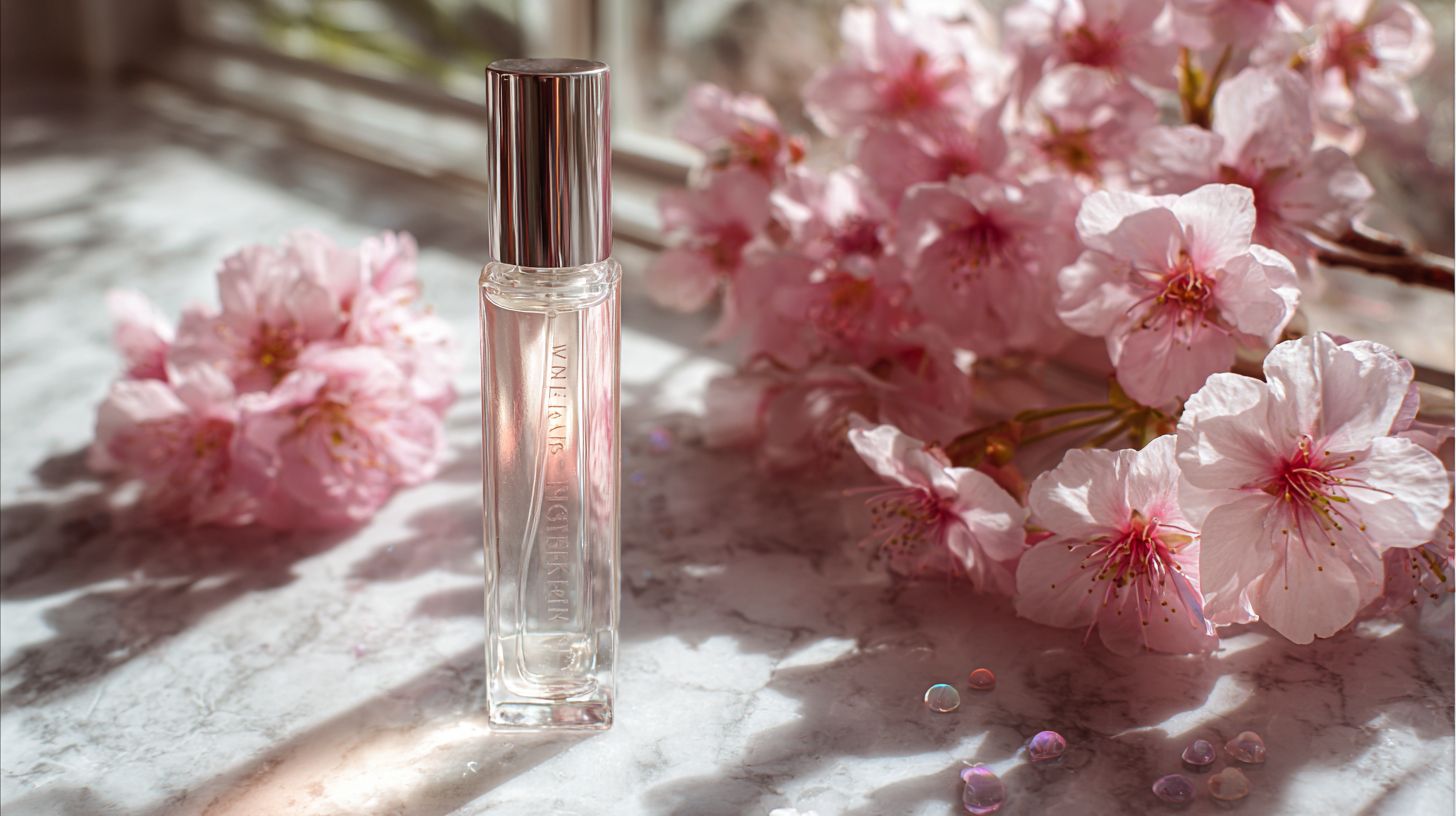
Scent + Skincare: Hybrid Perfumes Designed for Sensitive Skin are innovative fragrances that combine the lasting power of perfume with active skincare ingredients. Formulated without common irritants like parabens, sulfates, or synthetic dyes, they nourish and hydrate the skin while delivering a subtle, long-lasting scent, making them ideal for those with eczema, rosacea, or general sensitivity.
Why choose Scent + Skincare: Hybrid Perfumes Designed for Sensitive Skin over traditional perfumes?
Traditional perfumes often contain alcohol and harsh chemicals that can dry out or irritate sensitive skin. Scent + Skincare: Hybrid Perfumes Designed for Sensitive Skin use gentle, skin-loving bases like aloe vera, hyaluronic acid, and natural oils, providing both aromatic benefits and skincare advantages without triggering reactions or causing breakouts.
Are Scent + Skincare: Hybrid Perfumes Designed for Sensitive Skin hypoallergenic?
Yes, Scent + Skincare: Hybrid Perfumes Designed for Sensitive Skin are specifically crafted to be hypoallergenic. They undergo rigorous patch testing and exclude top allergens such as fragrance oils derived from nuts or common floral irritants, ensuring they are safe for even the most reactive skin types.
How do Scent + Skincare: Hybrid Perfumes Designed for Sensitive Skin benefit sensitive skin?
These hybrid perfumes deliver dual action: scents from natural essential oils provide aromatherapy, while skincare elements like ceramides and antioxidants strengthen the skin barrier, reduce inflammation, and improve hydration. Regular use of Scent + Skincare: Hybrid Perfumes Designed for Sensitive Skin can lead to softer, more resilient skin over time.
What scents are available in Scent + Skincare: Hybrid Perfumes Designed for Sensitive Skin?
Scent + Skincare: Hybrid Perfumes Designed for Sensitive Skin offer a range of gentle, nature-inspired scents such as lavender calm, chamomile soothe, citrus glow, The 7 Virtues Vanilla Woods, and unscented options. All are blended with low-volatility molecules for longevity without overwhelming sensitive noses or skin.
How should I apply Scent + Skincare: Hybrid Perfumes Designed for Sensitive Skin?
For best results, apply Scent + Skincare: Hybrid Perfumes Designed for Sensitive Skin or shop for Salted Muse on Amazon.com, Inc. to pulse points like wrists, neck, and behind ears after cleansing. Use sparingly-a few spritzes suffice due to their concentrated formula. Avoid sun-exposed areas if using citrus notes, and always patch test first on sensitive skin.