

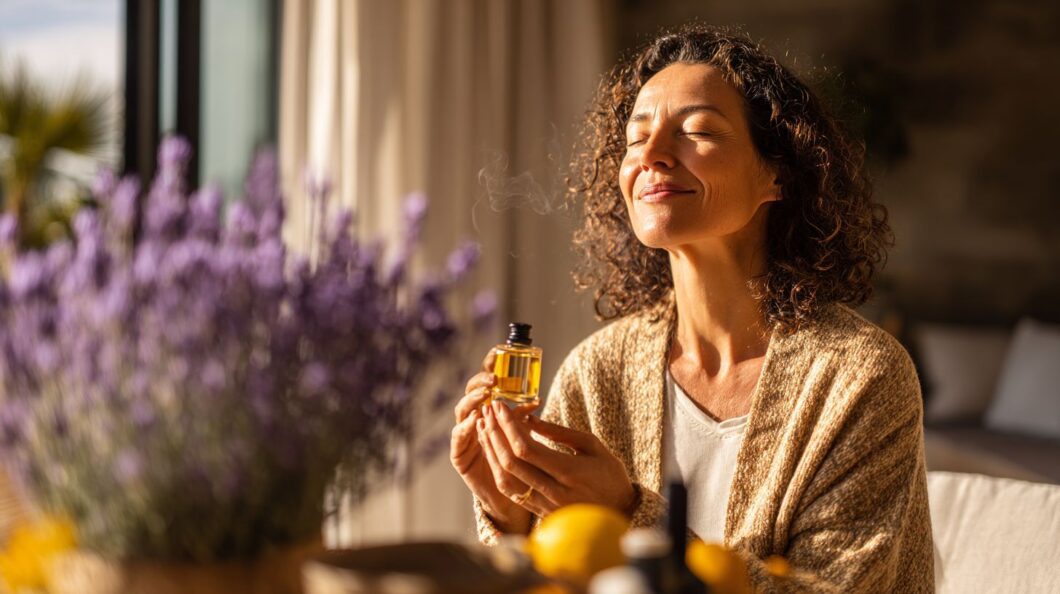
Ever notice how certain scent s just lift your mood or calm your nerves without you even trying? That’s the beauty of functional fragrances in the beauty industry, blending fragrances with aromatherapy to support your wellness in everyday ways. In this piece, you’ll see how they’re evolving from ancient practices to modern tools for stress relief and focus.
Key Takeaways:
Ancient Aromatherapy Practices
Ancient civilizations harnessed the power of scent for healing, using plants like lavender for calming and citrus for invigoration. These early practices laid the foundation for modern functional fragrances. Scents connected directly to the limbic system, influencing emotions and wellbeing.
Egyptians crafted kyphi incense from resins, honey, and herbs for temple rituals. This sacred blend promoted stress relief and spiritual clarity, with its warm, balsamic aroma evoking deep tranquility and emotional resonance. The scent lingered, fostering a sense of ritualistic calming peace.
Greeks turned to rosemary for memory enhancement, inhaling its fresh, herbal notes during study. Ayurveda healers blended jasmine oils for serenity, its rich floral perfume soothing the mind like a gentle evening breeze. These traditions highlight scent‘s role in mood boosting and mental clarity.
Recreate these ancient blends at home using essential oils and carrier oils like jojoba for skin nourishment. Mix a few drops of rosemary in carrier oil for focus, or jasmine for relaxation, then apply to pulse points. This simple practice revives aromachology for everyday wellness.
Modern Scientific Validation
Contemporary research bridges ancient wisdom with rigorous science, confirming scents’ impact on the brain and body.
Pioneers like Dr. Mark Moss from DSM-Firmenich have explored rosemary’s role in cognitive enhancement. His neuroscience work shows how this herbal scent may sharpen mental clarity during tasks. General neuroscience findings highlight the olfactory system‘s direct link to the limbic system.
Aromachology studies reveal how fragrances influence mood and stress relief. Scents like lavender promote relaxation, while citrus boosts focus. These insights come from tools like EEG and fMRI, tracking brain responses to essential oils.
For personal validation, try journaling responses to scents. Note your mood altering mood before and after inhaling peppermint or jasmine. This practice builds awareness of your unique cognitive response and emotional resonance with functional fragrances.
Olfactory System and Brain Response
The olfactory system bypasses typical sensory filters, sending scent signals straight to the limbic system for immediate emotional impact. Unlike sight or sound, which route through the thalamus first, smell travels directly from the nose to brain areas tied to emotion and memory.
Scent molecules bind to receptors in the nose, triggering signals to the olfactory bulb. From there, pathways split to the amygdala for feelings like joy or calming, and the hippocampus for recall. This quick route explains why a whiff of grandma’s cookies sparks vivid childhood scenes instantly.
Visualize this pathway with a simple mental diagram: picture arrows flowing from nose receptors upward to the bulb, then branching left to the amygdala for mood boosting and right to the hippocampus for memory ties. To apply it, sniff lavender during stress for direct access to relaxation centers in the brain.
Other senses need conscious processing, but smell hits the limbic system raw, fueling functional fragrances in wellness. A citrus burst, for example, can sharpen focus via this neuroscience shortcut, distinct from slower visual cues.
Key Neurotransmitter Interactions
Specific scents modulate neurotransmitters, influencing serotonin for calm or dopamine for alertness, as seen in EEG and fMRI studies. These tools reveal how the olfactory system connects directly to the limbic system, the brain‘s emotional center. Functional fragrances tap into this pathway for targeted wellness effects.
Lavender interacts with GABA receptors to promote relaxation and stress relief. Scientific research suggests it calms the mind by enhancing inhibitory signals in the brain. Users often apply it before bed for peaceful sleep and reduced cortisol levels.
Peppermint boosts acetylcholine, sharpening focus and mental clarity. This interaction supports cognitive response during demanding tasks. Inhale it during work breaks to sustain alertness without jitters.
Match scents to desired states using daily triggers, like rosemary for memory or citrus for mood boosting. Experts like Givaudan recommend layering essential oils in aromatherapy routines. This practical approach makes functional fragrance a simple wellness tool.
Stress Reduction and Mood Enhancement
Calming scents like bergamot activate the parasympathetic response, promoting relaxation amid hectic days. These functional fragrances work through the olfactory system to influence the limbic system, the brain’s emotional center. Aromachology explores how such scents provide stress relief and mood boosting effects.
Imagine wrapping up a tense post-meeting unwind, where deadlines linger in your mind. A spritz of bergamot-infused perfume offers sensory comfort and emotional resonance. This simple act shifts focus from chaos to calm, fostering wellbeing through familiar, uplifting citrus notes.
For acute stress, try this 3-step inhalation routine with bergamot essential oils:
- Hold the fragrance near your nose and take a deep breath in for four counts, filling your lungs fully.
- Hold the breath for four counts, letting the citrus scent settle into your senses.
- Exhale slowly for six counts, releasing tension as you visualize stress melting away.
Repeat this aromatherapy practice three times for noticeable mood enhancement. Neuroscience supports how these scents trigger a cognitive response for mental clarity. Over time, they build habits of peaceful relaxation in daily life.
Cognitive Function and Focus Support
Rosemary‘s invigorating aroma supports mental clarity, aiding concentration during work or study sessions. This functional fragrance taps into the olfactory system to influence the brain‘s limbic system. Scientific research suggests it enhances cognitive response through aromachology principles.
Create a simple desk ritual for focus: diffuse rosemary and peppermint essential oils together. Start by adding three drops of each to a diffuser with water, then inhale deeply for five minutes before tasks. This blend promotes mood boosting and sharpens attention without overwhelming the senses.
A common mistake is using an overpowering scent, so always dilute properly with carrier oils or water. For creative brainstorming, try this during idea sessions, like jotting notes for a project. Users report heightened focus, blending wellness with productivity driven by Gen Z consumer trends.
Experts recommend pairing these scents with short breaks to sustain benefits. Peppermint adds a cooling alertness that complements rosemary’s herbal lift. Incorporate into daily routines for sustained cognitive function support via aromatherapy.
Sleep Quality Improvement
Gentle scents like lavender signal the body for rest, easing into peaceful sleep. These functional fragrances work through the olfactory system, influencing the limbic system to promote relaxation. Research suggests they mimic natural cues for winding down.
A simple nightly protocol involves a pillow mist with lavender or jasmine. Mix 10 drops of essential oil with 1 ounce of water in a spray bottle for a DIY blend using phytoncides. Spritz lightly on pillows to create sensory comfort without overwhelming the senses.
Avoid heavy synthetics before bed, as they can disrupt the calming effect. Opt for natural phytoncides from plant-derived oils, which support stress relief and sleep enhancement. This ties into aromachology, the study of scent’s emotional impact on wellbeing.
Experts recommend consistent use to train the brain’s cognitive response to these calming aromas. Pair with dim lights for better results. Over time, this practice fosters deeper rest through neuroscience-backed scent pathways.
Essential Oils with Proven Effects
Essential oils like lavender deliver phytoncides that naturally soothe the nervous system. These compounds interact with the olfactory system to promote relaxation and stress relief. In aromatherapy, they serve as key ingredients in functional fragrances for everyday wellness.
Citrus oils, such as bergamot, offer an uplifting scent that boosts energy and mental clarity. Their bright notes stimulate the brain‘s limbic system, enhancing mood boosting and focus during work or exercise. Experts recommend them for morning routines to counter fatigue, aligning with brands like Orebella by Bella Hadid.
Peppermint provides a cooling effect that sharpens cognitive response and invigorates the senses. It supports concentration, making it ideal for study sessions or demanding tasks. Research suggests its menthol content aids in alertness without jitters.
- Rosemary: Enhances memory and focus, often used in blends for mental performance.
- Jasmine: Fosters emotional resonance and calming effects for evening wind-downs.
- Ylang ylang: Promotes peaceful sleep and heart rate balance through its floral aroma.
For best results, source pure, therapeutic-grade essential oils from reputable suppliers to ensure authenticity. Always perform a patch test on your skin to check for sensitivity before full use in perfumes or diffusers. This approach maximizes safety while harnessing their wellness benefits.
Synthetic Molecules for Targeted Benefits
Biotech synthetics, enhanced by microencapsulation and biotechnology, offer stable, long-lasting mood benefits. These functional fragrances use lab-created molecules to target specific wellness goals like mental clarity or relaxation. Unlike volatile essential oils, they provide consistent effects through the day.
Sustained-release technology in synthetics ensures scents like citrus for focus or lavender mimics for calm release gradually. This approach supports aromachology by influencing the limbic system reliably. Users report steady cognitive responses without reapplication.
Pros include consistency and hypoallergenic properties, making them ideal for sensitive skin. They avoid natural allergens found in plant extracts. Biotechnology ensures purity and scalability for wellness routines.
| Aspect | Synthetics | Naturals |
|---|---|---|
| Duration | All-day via microencapsulation | 1-4 hours, fades quickly |
| Intensity | Steady, controlled release | Strong initial burst, inconsistent |
| Stability | Resistant to heat, light | Sensitive to environment |
| Safety | Hypoallergenic, pure | May cause reactions |
Experts recommend synthetics for stress relief in busy lifestyles, ensuring regulatory compliance. Pair a peppermint-inspired synthetic with work tasks for sustained focus. This aligns with consumer trends toward reliable wellbeing tools from the beauty industry.
Layering for Personalized Blends
Layer scents strategically to craft blends matching your unique mood needs. This approach draws from aromachology principles, where scents interact with the olfactory system and limbic system to support wellness. Functional fragrances become powerful tools for mood boosting when combined thoughtfully.
Follow these numbered steps for effective layering. Start with the base note, which lingers longest on the skin. Then add the middle note or heart, followed by the top note for an immediate burst.
- Base (longest-lasting): Choose grounding scents like lavender or sandalwood for relaxation and stress relief. Apply first to pulse points.
- Middle (heart): Layer with bridging notes such as jasper or ylang ylang to build emotional resonance. These emerge after the top fades.
- Top (immediate): Finish with light, volatile scents like bergamot or peppermint for quick cognitive response and mental clarity.
Try this simple focus blend recipe with rosemary-citrus: Begin with a rosemary base for sharp alertness, add a jasmine middle for balance, and top with bergamot for an uplifting lift. This combination taps into neuroscience of scent, aiding concentration without overwhelming the senses.
A common mistake is clashing notes, such as mixing heavy woods with sharp mints, which disrupts harmony and reduces wellbeing benefits. Test blends on paper first, and consider skin nourishment from essential oils in sustainable formulations. Experts recommend starting small to personalize for daily aromatherapy rituals.
Daily Integration Routines
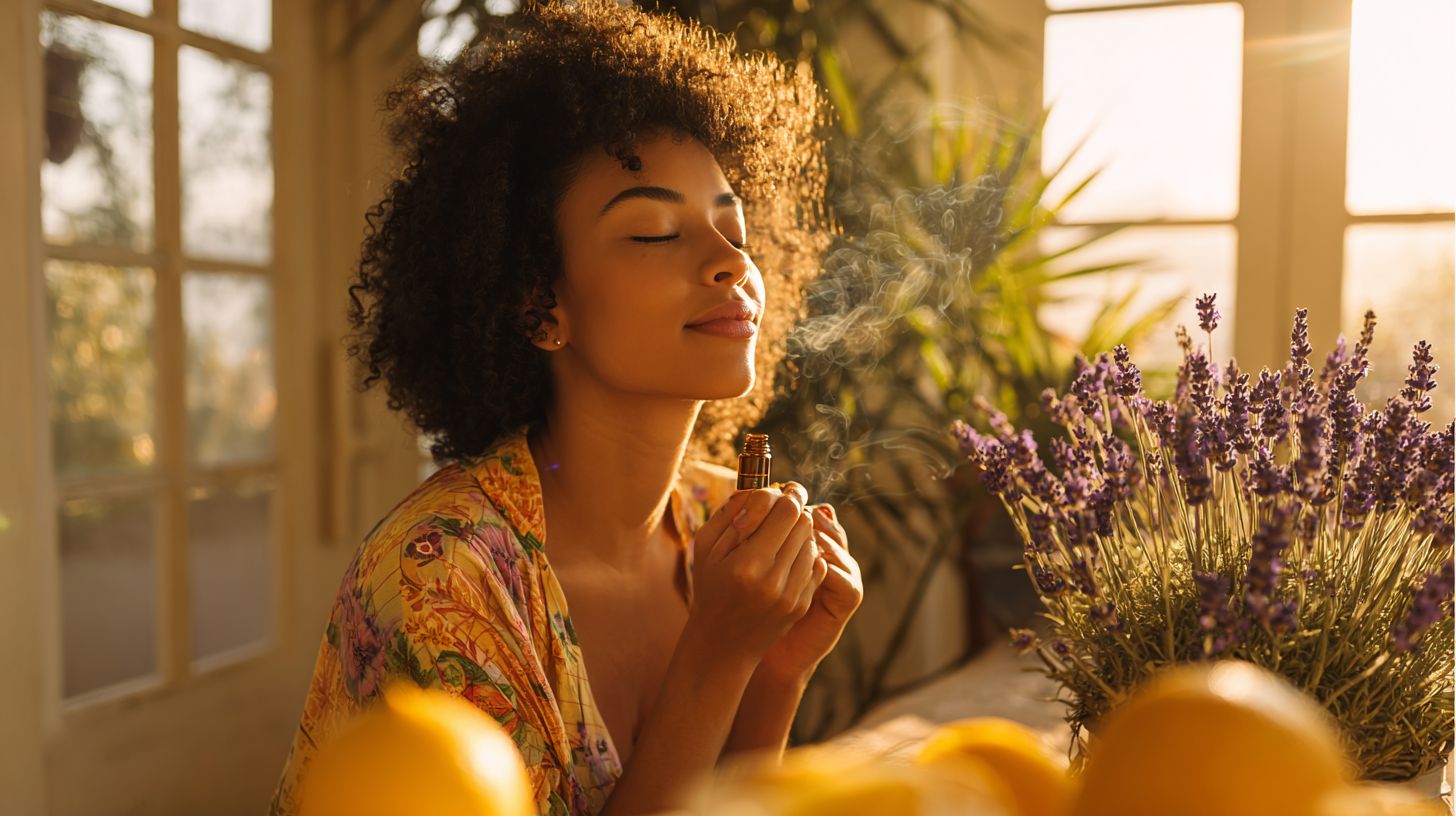
Embed functional fragrance into routines for consistent wellbeing support. This approach uses aromatherapy to target specific times of day. Scents interact with the limbic system for mood boosting and stress relief.
Start your morning with a focus spritz featuring citrus or rosemary. These essential oils promote mental clarity through the olfactory system. Apply to pulse points for a cognitive response throughout the day.
Midday calls for a calm roller with lavender or bergamot. Portable atomizers make this easy during work breaks. The scent provides relaxation and helps manage cortisol levels naturally.
End evenings with a PM sleep mist of jasmine or ylang ylang. Mist bedding for sleep enhancement and peaceful sleep. Oil-based formulas also offer skin nourishment and hydration.
- Choose portable atomizers for on-the-go use.
- Opt for oil-based blends to hydrate skin.
- Layer scents lightly to avoid overload.
Consumer Demand Surge
Gen Z leads the charge, seeking scents that nourish both skin and psyche. This generation prioritizes functional fragrances that go beyond traditional beauty. They view perfume as a tool for daily wellness and emotional balance.
Consumer trends highlight a shift toward clean, sustainable formulas focused on sustainability. Buyers now favor products with essential oils like lavender for relaxation or citrus for mental clarity. These choices reflect a desire for authenticity in self-care routines.
Personalization apps are booming, allowing users to craft custom blends based on mood. For instance, one app might suggest peppermint and rosemary for focus during work hours. This tech-driven approach taps into the olfactory system’s power over the brain’s limbic system.
The emotional pull comes from scents offering stress relief and moods boosting effects. Research suggests aromachology plays a key role in this surge. Brands like DSM-Firmenich and Givaudan respond with innovative, sustainable options that meet rising demands for wellbeing.
Leading Brands and Innovations
Brands like Orebella by Bella Hadid pioneer functional scents stocked at Harrods and Liberty. These mood elixirs blend aromatherapy with wellness to target emotional states. Users spritz for mood boosting or relaxation throughout the day.
Edeniste stands out with biotechnology innovations, using biotech methods to create sustainable, skin-nourishing fragrances. Their scents draw from essential oils like lavender and bergamot for stress relief. This approach aligns with consumer trends toward authenticity and sustainability.
Vyrao leads in aromachology, focusing on how scents influence the brain’s limbic system for mental clarity and focus. Scents like rosemary and peppermint enhance cognitive response. Experts recommend these for daily wellness routines.
Tech giants like DSM-Firmenich and Givaudan drive progress with microencapsulation and phytoncides. These advancements ensure long-lasting scent release tied to olfactory system benefits. They support the beauty industry’s shift to functional fragrances for wellbeing.
| Brand | Key Innovation | Hero Scent | Price Range |
|---|---|---|---|
| Orebella | Mood elixirs | Jasmine ylang ylang | Medium |
| Edeniste | Biotechnology | Lavender citrus | Premium |
| Vyrao | Aromachology | Rosemary peppermint | Premium |
| DSM-Firmenich | Microencapsulation | Bergamot blends | Varies |
| Givaudan | Phytoncides tech | Calming florals | Varies |
Historical Evolution of Scent in Healing
Scent has long served as a healing ally, evolving from ancient rituals to today’s neuroscience-backed practices championed by experts like Dr Mark Moss. In early civilizations, healers burned aromatic herbs during ceremonies to ward off illness and restore balance.
Ancient Egyptians used kyphi, a blend of resins and flowers, in temples for both spiritual and physical purification. These practices laid the groundwork for aromatherapy as a wellness tool.
During the Middle Ages, European monks distilled essential oils like lavender for wound care and plague prevention. This shift marked scents’ transition from mystical remedies to practical medicine.
Today, functional fragrances build on this legacy, with modern science exploring how the olfactory system influences the limbic system for stress relief and mood boosting. Scents like citrus and peppermint now offer validated paths to mental clarity and relaxation.
Science Behind Functional Fragrance
Functional fragrances leverage the brain’s direct scent pathways to influence mood and cognition precisely. Scents enter through the olfactory system, bypassing typical sensory filters. This direct route connects to the limbic system, the brain’s emotional center.
The limbic system processes scents alongside feelings and memories, impacting heart rate. When you inhale lavender, it signals areas for relaxation and stress relief. This creates quick shifts in emotional states through natural aromachology.
Neuroscience shows how essential oils like citrus or peppermint trigger cognitive responses, validated by EEG and fMRI. These scents can boost focus or promote mental clarity. Experts recommend them for everyday wellness routines.
Research suggests functional fragrances lower cortisol levels and calm heart rate. Tools like EEG and fMRI reveal brain activity changes from targeted scents. This forms the foundation for Moods-boosting applications.
Olfactory Pathway to the Limbic System
The olfactory pathway sends scent molecules straight to the limbic system. Unlike sight or sound, smell avoids the thalamus filter. This allows rapid emotional resonance and mood altering effects.
In the limbic system, the amygdala handles emotions while the hippocampus links scents to memories. A whiff of bergamot might evoke calm from past peaceful moments. This pathway supports stress relief and wellbeing.
Functional fragrances use this route for targeted benefits like relaxation or focus. Companies like DSM-Firmenich and Givaudan study these connections. Their work advances biotechnology in the beauty industry.
Practical tip: Apply ylang ylang to pulse points for sensory comfort. Inhale deeply to engage the pathway fully. This simple step enhances daily mental clarity.
Key Scents and Their Effects
Certain essential oils stand out in functional fragrances for specific wellness goals. Lavender promotes relaxation and peaceful sleep through its calming properties. Citrus notes like bergamot lift mood and energize the mind.
Peppermint sharpens focus and cognitive response, ideal for work sessions. Rosemary aids mental clarity, while jasmine fosters emotional balance. These scents draw from phytoncides in plants for natural benefits.
- Lavender: Aids sleep enhancement and stress relief.
- Citrus: Boosts mood and provides uplifting energy.
- Peppermint: Enhances focus and invigorates the senses.
- Rosemary: Supports memory and mental sharpness.
Choose blends based on needs, like peppermint-rosemary for productivity. Test small amounts to find personal resonance. This approach aligns with consumer trends toward authenticity in wellness.
Modern Innovations in Fragrance Science
Advancements like microencapsulation release scents over time for sustained effects. This technology ensures steady delivery to the olfactory system. It enhances skin nourishment alongside aroma benefits.
Biotechnology refines functional fragrances for precise outcomes, such as reducing cortisol or improving heart rate variability. Sustainability guides new formulations with ethical sourcing. Regulatory compliance ensures safety in these innovations.
Gen Z drives demand for mood boosting scents in daily routines. Experts recommend layering scents for custom aromatherapy. Innovations make functional fragrance accessible for all.
Try a microencapsulated lavender-citrus mist for all-day calm. Spray on linens for sleep enhancement. These methods integrate science into practical wellness habits.
Core Benefits for Wellness
Functional fragrances deliver targeted wellness outcomes, from easing daily stress to sharpening focus. These scents act as interconnected pillars of wellbeing, supporting mental clarity, emotional balance, and physical relaxation. Rooted in aromachology and neuroscience, they influence the brain’s limbic system through the olfactory system.
Key benefits include mood boosting with uplifting notes like citrus and peppermint, alongside stress relief from calming lavender or bergamot. Research suggests these essential oils trigger cognitive responses that lower cortisol levels and promote relaxation. Users often report enhanced sensory comfort in daily routines.
Explore unique applications below, from focus enhancement with rosemary to sleep enhancement using jasmine. This rise in the beauty industry reflects consumer trends toward authenticity and emotional resonance. Functional fragrances blend biotechnology, like microencapsulation, with sustainability for lasting effects.
Companies like DSM-Firmenich and Givaudan lead in creating these mood altering scents, backed by EEG and fMRI insights into heart rate and brain activity. Incorporate them mindfully for holistic wellbeing.
Stress Relief and Relaxation
Functional fragrances excel in stress relief by calming the nervous system. Scents like lavender and ylang ylang interact with the limbic system, fostering a sense of peace. Apply during high-pressure moments for quick sensory comfort.
Research suggests these aromas reduce tension through the olfactory system’s direct brain pathway. Pair lavender mist with deep breathing for evenings, or use bergamot in a diffuser at work. This approach supports wellness without pharmaceuticals.
Experts recommend blending with mindfulness practices. Phytoncides from natural oils add skin nourishment benefits. Consistent use builds emotional resilience over time.
Gen Z embraces these for authentic self-care, aligning with regulatory compliance in the fragrance sector.
Mood Boosting and Emotional Balance
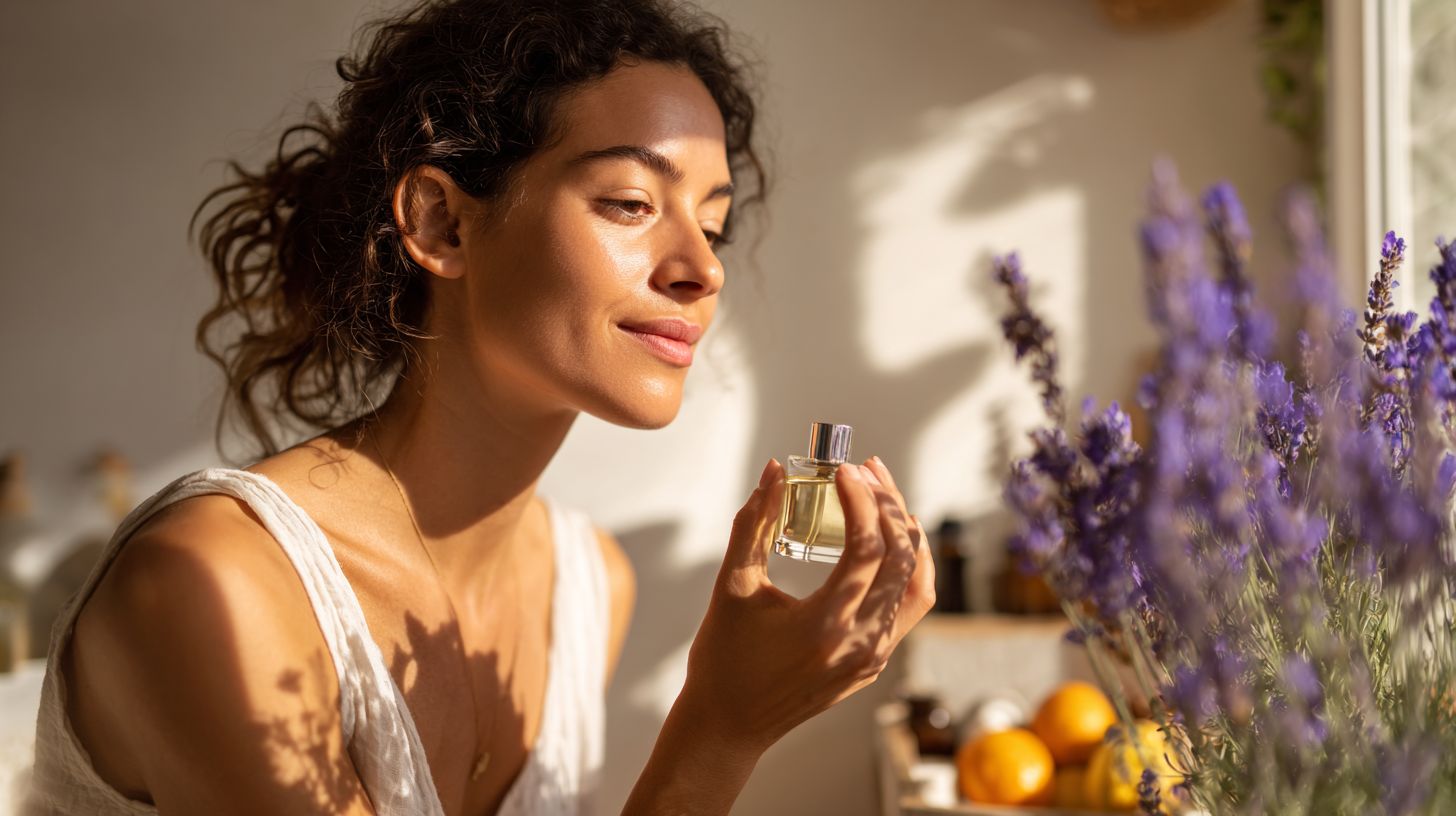
Mood boosting fragrances lift spirits using vibrant notes like citrus and jasmine. They stimulate positive cognitive responses via the brain’s reward centers. Spritz in the morning to set an uplifting tone.
Aromatherapy principles guide these functional fragrance designs, drawing from neuroscience. Citrus bursts energize, while jasmine offers gentle emotional resonance. Users notice improved outlook during routine tasks.
Integrate into wellness rituals, such as layering with moisturizers for sustained release. This taps into consumer trends for mood-altering scents. Scientific research highlights their role in daily emotional balance.
Sustainable sourcing ensures long-term viability, enhancing overall sensory comfort.
Focus and Mental Clarity
Achieve mental clarity with fragrances featuring rosemary and peppermint. These scents sharpen cognitive function by engaging the olfactory system. Use during work sessions for heightened focus.
Neuroscience shows they influence brain waves for better concentration. Rosemary rollers provide portable support, ideal for meetings or study. Combine with short breaks for optimal results.
Functional fragrances from innovators like Givaudan incorporate biotechnology for precise delivery. This aids productivity without caffeine overload. Experts recommend them for sustained attention spans.
They complement modern lifestyles, promoting wellness through targeted scent application.
Sleep Enhancement and Recovery
Sleep enhancement benefits from soothing scents like lavender and bergamot. They prepare the body for rest by signaling relaxation to the limbic system. Mist pillows an hour before bed.
These essential oils support peaceful sleep cycles, per aromachology insights. Ylang ylang blends ease into tranquility, reducing nighttime worries. Wake refreshed with regular use.
Functional designs use microencapsulation for all-night release. This aligns with trends in holistic recovery. Pair with dim lighting for deeper rest.
Such practices foster long-term wellbeing, grounded in the science of scent.
Popular Functional Ingredients
From time-tested essential oils to biotech synthetics, key ingredients power functional fragrance effects. Natural extracts draw from plants like lavender and citrus for authentic aromatherapy benefits. Engineered versions offer precision through biotechnology for consistent mood boosting and stress relief.
Natural ingredients connect deeply with the olfactory system and limbic system, sparking emotional resonance. Lavender promotes relaxation, while peppermint sharpens mental clarity. These time-honored scents align with consumer trends toward sustainability and authenticity in wellness.
Engineered synthetics, often from firms like DSM-Firmenich and Givaudan, use microencapsulation for targeted release. They mimic phytoncides for calming effects without variability in natural sourcing. This blend ensures regulatory compliance and reliable cognitive responses for modern users.
Gen Z favors these functional fragrances for daily wellbeing, blending scent with skin nourishment. Apply rosemary for focus during work or bergamot for mood altering uplift. Experts recommend layering to enhance sensory comfort and peaceful sleep.
Lavender and Relaxation
Lavender leads as a calming staple in functional fragrances. Its soft floral notes target the brain’s limbic system for stress relief. Research suggests it lowers cortisol levels, fostering deep relaxation.
In aromachology, lavender supports peaceful sleep when diffused or worn at night. Pair it with ylang ylang for amplified effects on the nervous system. Users report quicker wind-down after evening routines.
Biotech versions ensure purity, free from pesticide concerns in natural oils. Incorporate into mist sprays for on-the-go wellness. This makes lavender ideal for busy lifestyles seeking emotional balance.
Citrus for Mood Boosting
Citrus scents like bergamot, as in Bella Hadid‘s Orebella, energize the olfactory system for instant mood boosting. They trigger uplifting responses in the brain, countering daily fatigue. Fresh, zesty profiles suit morning applications.
Experts recommend citrus in roll-ons for sustained cognitive response. Neuroscience links these notes to heightened alertness without jitters. Blend with jasmine for balanced emotional resonance.
Sustainable sourcing keeps citrus authentic in the beauty industry. Use during workouts or commutes for vibrant focus. This approach turns fragrance into a practical wellness tool.
Peppermint and Mental Clarity
Peppermint, featured in brands like Edeniste and Vyrao sold at Harrods and Liberty, sharpens focus. Backed by Dr Mark Moss from Beautystreams, alongside experts like Mia Collins and Hannah Richardson, it enhances cognitive response. L Catterton-backed innovators like Gregory Allen, Daniel Smith, Este Lauder Companies, Coty, Puig, Charlotte Tilbury, Tom Ford Beauty, and Michael Nolte advance these functional fragrance effects.
Peppermint sharpens mental clarity through invigorating minty vapors. It stimulates the limbic system, aiding concentration and focus. Ideal for desk workers needing a quick brain refresh.
Aromatherapy practices highlight peppermint for reducing mental fog. Apply to pulse points before tasks requiring precision, as confirmed by EEG and fMRI studies. Its cooling sensation enhances sensory comfort instantly.
Engineered forms via biotechnology offer steady delivery. Combine with rosemary for prolonged effects on memory and productivity. This positions peppermint as a key player in functional fragrance trends.
Application Methods and Best Practices
Mastering application maximizes functional fragrance’s wellness potential through personalization. Tailor methods to your daily routine and specific goals, such as mood boosting or stress relief. This customization ensures sustained effects on the limbic system via the olfactory system.
Start with pulse points like wrists, neck, and behind ears for optimal diffusion. These areas release body heat, amplifying scent release and aromachology benefits. Experts recommend light layering to avoid overwhelming the senses.
For targeted wellness, apply to clothing or hair for longer-lasting exposure. Use essential oils like lavender for relaxation or peppermint for mental clarity during work hours. Adjust based on activity, ensuring sustainability in your practice.
- Apply sparingly to avoid skin irritation and promote skin nourishment.
- Combine with deep breathing to enhance cognitive response.
- Test scents for personal emotional resonance before full use.
Pulse Points for Daily Wellness
Focus on pulse points to leverage body heat for even scent distribution. Wrists and inner elbows allow functional fragrances to interact closely with the skin’s natural oils. This method supports ongoing wellbeing through consistent aroma exposure.
Apply after moisturizing for better absorption and prolonged effects. Scents like bergamot or rosemary here can aid focus during meetings. Personalize by noting how the fragrance evolves over hours.
Rotate application sites to prevent sensitization. This practice aligns with neuroscience insights on how steady olfactory input influences the brain for calming or energizing outcomes. Keep sessions brief for authenticity.
Layering Techniques for Enhanced Effects
Layering techniques build complexity in functional fragrances for deeper wellness impact. Begin with a base of calming notes like ylang ylang, then add citrus top notes for balance. This creates a personalized scent profile targeting relaxation or mental clarity.
Use body oils or unscented lotions as primers before spraying. Such preparation extends wear time, mimicking microencapsulation for gradual release. Ideal for all-day mood altering support.
Monitor your response, adjusting layers for sensory comfort. Research from brands like Charlotte Tilbury and Tom Ford Beauty suggests thoughtful layering enhances the brain’s cognitive response to aromas. Practice moderation to maintain efficacy.
Inhalation and Diffusion Methods
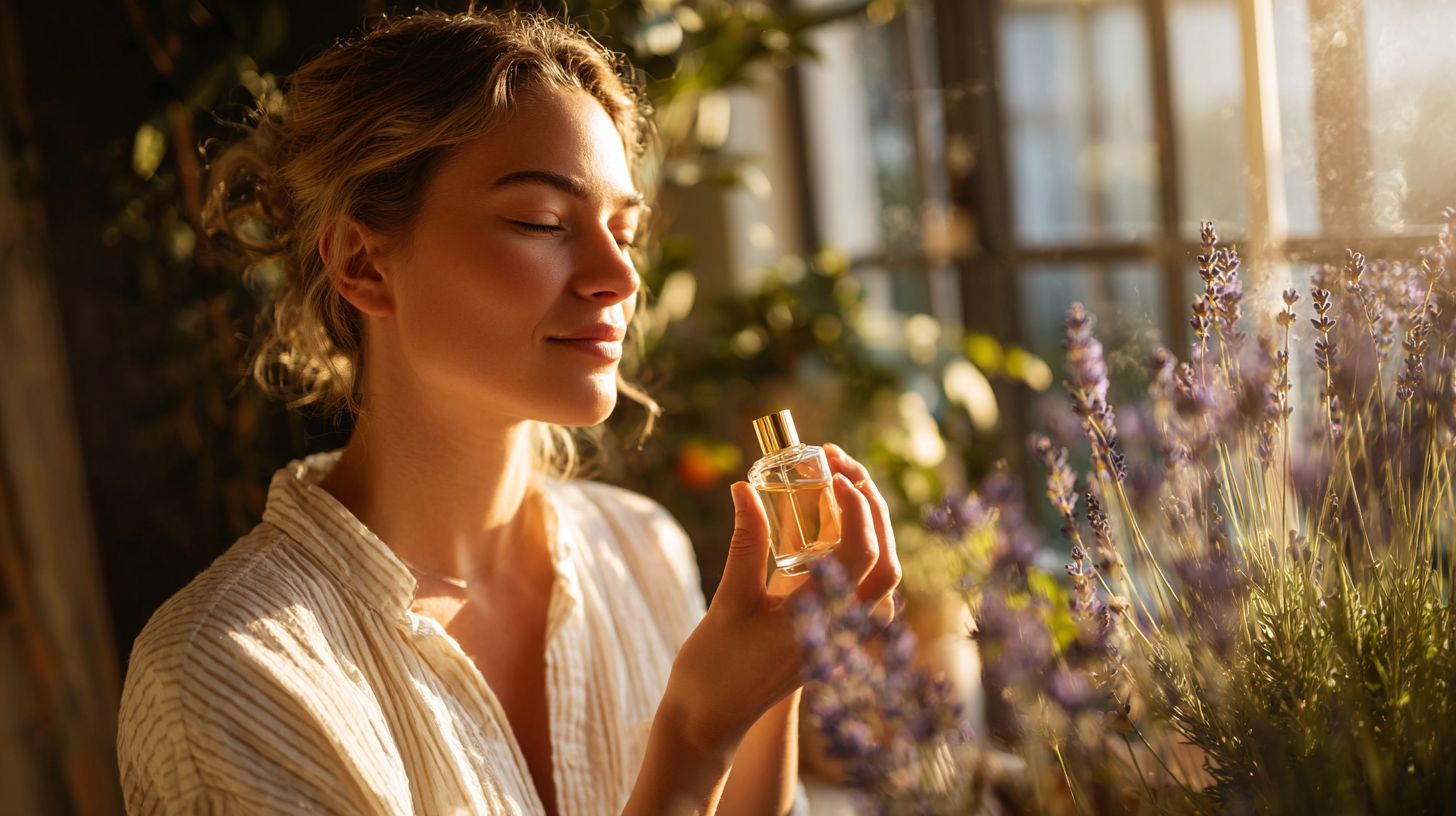
Inhalation methods offer direct access to the olfactory system for quick wellness gains. Inhale deeply from the bottle or a tissue-dabbed wrist for instant stress relief. Perfect for on-the-go aromatherapy.
Incorporate room diffusers with oils like jasmine for ambient mood enhancement. This passive approach supports peaceful sleep or shared spaces. Pair with mindfulness for amplified limbic system benefits.
For precision, use personal inhalers filled with phytoncides-rich blends. These portable tools fit consumer trends toward portable wellness, backed by experts like Gregory Allen and Daniel Smith. Customize blends to your needs for sustained emotional resonance.
Market Growth and Trends
The beauty industry sees surging demand for functional fragrances driven by wellness-aware consumers. People now seek scents that go beyond allure to offer Moods boosting benefits like relaxation and mental clarity. This shift marks a key trend in consumer preferences.
Functional fragrances blend aromachology with traditional perfumery. Brands incorporate lavender for calming effects and citrus for focus. Wellness trends fuel this growth as users prioritize emotional resonance.
Gen Z leads the charge, favoring products tied to stress relief and wellbeing. Experts note rising interest in scents backed by neuroscience, targeting the limbic system for cognitive response. Sustainability and authenticity also shape market directions.
Companies like DSM-Firmenich and Givaudan innovate with biotechnology and essential oils. Techniques such as microencapsulation enhance longevity while supporting skin nourishment. These trends reflect a broader embrace of fragrance as a daily wellness tool.
Future Directions in Fragrance Wellness
Fragrance wellness evolves with biotech personalization and sustainable practices. Advances in functional fragrances promise deeper integration into daily wellness routines, supported by conglomerates like L Catterton, Este Lauder Companies, Coty, and Puig. These trends build on aromachology principles targeting the limbic system for mood boosting and stress relief.
AI-custom blends lead the charge in personalization. Imagine apps analyzing your olfactory preferences and mood data to craft scents with lavender for relaxation or peppermint for mental clarity. This biotech approach draws from neuroscience, enhancing cognitive responses through tailored essential oils.
Eco-microencapsulation addresses sustainability concerns in the beauty industry. This technology releases phytoncides gradually, promoting skin nourishment and prolonged sensory comfort. Brands like DSM-Firmenich and Givaudan pioneer these methods for long-lasting wellbeing effects.
Stay ahead by following regulatory-compliant innovators. Seek products from companies prioritizing safety and transparency in functional fragrance development. Experiment mindfully with small applications to track personal responses in focus, calming, or sleep enhancement.
Frequently Asked Questions
What is ‘Perfume as a Wellness Tool: The Rise of Functional Fragrance’?
Perfume as a Wellness Tool: The Rise of Functional Fragrance refers to the growing trend of using specially formulated scents not just for smelling good, but for enhancing mental and emotional well-being. These functional fragrances incorporate essential oils and aromatherapy principles to promote relaxation, focus, energy, or stress relief, blending traditional perfumery with modern wellness practices, available at luxury retailers like Harrods and Liberty.
How does functional fragrance work as a perfume as a wellness tool?
Insights from Michael Nolte at Beautystreams highlight how functional fragrances leverage the science of aromatherapy, where specific scents interact with the brain’s limbic system via the olfactory nerves.
Functional fragrances leverage the science of aromatherapy, where specific scents interact with the brain’s limbic system via the olfactory nerves. For instance, lavender or chamomile in a perfume as a wellness tool can trigger calming responses, reducing cortisol levels, while citrus notes might boost serotonin for improved mood, making Perfume as a Wellness Tool: The Rise of Functional Fragrance a daily self-care ritual.
What are the benefits of using perfume as a wellness tool?
Key benefits include stress reduction, enhanced mood, better focus, and emotional balance. Perfume as a Wellness Tool: The Rise of Functional Fragrance offers a non-invasive, portable way to manage anxiety or fatigue throughout the day, with studies by Dr Mark Moss showing scents like peppermint improving alertness and rose promoting self-esteem.
Which scents are popular in functional fragrances for wellness?
Popular scents in Perfume as a Wellness Tool: The Rise of Functional Fragrance include lavender for calm, eucalyptus for clarity, bergamot for uplifting energy, and sandalwood for grounding. These are often blended in layered formulations to provide sustained therapeutic effects alongside aesthetic appeal.
How has ‘Perfume as a Wellness Tool: The Rise of Functional Fragrance’ evolved recently?
Perfume as a Wellness Tool: The Rise of Functional Fragrance has surged with the wellness boom post-pandemic, driven by brands like those offering mood-specific mists and neurocosmetics. Innovations include bio-responsive formulas that adapt to body chemistry, making it a mainstream alternative to supplements or therapy apps.
Are there any tips for incorporating perfume as a wellness tool into daily life?
To maximize benefits, apply functional fragrance to pulse points in the morning for all-day effects, choose scents matching your mood needs, and pair with mindful breathing, as recommended by Mia Collins and Hannah Richardson. Perfume as a Wellness Tool: The Rise of Functional Fragrance works best as a consistent habit-start with one focused on your primary wellness goal, like sleep or productivity.