


Ever wondered how your favorite scent could be custom-made just for you? Dive Inside the World of Scent Personalization Services in 2026, where companies are using AI and biometric profiling to craft fragrances that match your unique profile. You’ll see how these services work, from tech to consumer tweaks, and what lies ahead.
Key Takeaways:
Market Growth and Projections for 2026

The scent personalization sector is expanding rapidly as consumers seek bespoke olfactory experiences amid rising demand for individualized luxury. Technology integration, such as AI-driven fragrance formulation, pairs with shifting consumer preferences for unique sensory products. Experts anticipate steady growth through 2026, with market observers noting acceleration in premium, customized offerings.
Inside the World of Scent Personalization Services in 2026, brands leverage data analytics to match scents to personal profiles. This forward-looking trend reflects broader luxury market evolution. Consumers increasingly view personalized fragrances as essential extensions of identity.
Projections highlight sustained expansion driven by accessible online tools and artisanal expertise. Niche services blend virtual consultations with physical sampling kits. The result promises a vibrant ecosystem where innovation meets individual taste.
Forward-thinking companies prepare for this trajectory by investing in sustainable sourcing and ethical production. Such steps ensure long-term appeal in a discerning market. Overall, the sector positions itself for enduring relevance.
Key Drivers of Demand
Several converging factors are fueling the surge in scent personalization services. A heightened focus on wellness plays a central role, with aromatherapy gaining traction for stress relief and mood enhancement. Post-pandemic self-care routines have amplified this shift toward scents tailored to emotional needs.
E-commerce platforms excel in delivering personalization trends, using quizzes and algorithms to recommend custom blends. Shoppers enjoy frictionless experiences, from virtual scent previews to doorstep delivery. This accessibility broadens appeal beyond traditional perfumeries.
- Social media influence encourages unique self-expression, as users share custom fragrance stories on platforms like Instagram, inspiring niche perfumeries such as those offering mood-based elixirs.
- Luxury gifting surges, with services providing engraved bottles or DNA-inspired formulas, making scents thoughtful presents for milestones.
- Innovative tech integrations, like AI sniffers, allow precise matching of preferences to rare ingredients.
- Sustainable practices draw eco-conscious buyers, emphasizing natural, ethically sourced elements in bespoke creations.
These drivers collectively shape a dynamic landscape. Brands responding to them, such as artisanal houses blending ancient techniques with modern tools, capture growing enthusiasm. Consumers benefit from services that feel intimately personal.
Core Technologies Powering Personalization
At the heart of modern scent personalization lie sophisticated technologies that analyze and replicate individual preferences with precision. AI olfactory algorithms, biometric profiling, and advanced scent synthesis tools work together to enable hyper-customization in 2026. These systems process vast data sets from user inputs and biology to craft unique fragrances.
Machine learning models, inspired by perfumery innovations, predict scent interactions. Biometrics capture personal traits like skin chemistry. Synthesis tech then assembles custom molecular blends on demand.
Inside the World of Scent Personalization Services in 2026, this trio allows services to deliver bespoke scents that evolve with user lifestyles. Consumers benefit from tailored experiences that feel intimately personal.
AI Olfactory Algorithms
AI olfactory algorithms revolutionize fragrance design by predicting scent harmonies based on user data. These systems process scent molecule data through neural networks, much like generative models in image creation. They analyze thousands of fragrance notes to suggest novel combinations.
The workflow follows clear steps. First, users input preferences via apps, rating scents like citrus burst or woody amber. The AI then refines predictions through feedback loops, generating personalized formulas.
- Collect user scent ratings and mood profiles.
- Run machine learning simulations on molecular structures.
- Output a virtual scent profile for synthesis.
- Incorporate feedback to iterate the blend.
Tools like Givaudan’s AI platforms exemplify this tech. Users interact easily with mobile apps, uploading daily scent diaries for ongoing refinement. This makes personalization accessible and iterative.
Biometric Scent Profiling
Biometric scent profiling uses personal physiological data to create truly one-of-a-kind fragrances. It examines skin chemistry, genetic markers for scent perception, and even heart rate patterns tied to mood. This data ensures scents interact perfectly with the body.
A typical at-home process starts with kits containing swabs for skin and saliva samples. Users mail them to labs where analysis maps pheromone responses and volatility factors. Results feed into AI for custom blending.
- Swab inner wrist for pH and oil levels.
- Provide saliva for genetic scent receptor insights.
- Wear a sensor patch to track mood-scent links.
Emerging wearable scent sensors now monitor real-time reactions. Consumers prepare by avoiding strong soaps before testing and noting favorite scents. This approach, central to 2026 services, yields enduring, body-synced perfumes.
Popular Service Models
Service providers offer diverse models to meet varying consumer needs and budgets. Inside the World of Scent Personalization Services in 2026, options range from one-time custom creations to ongoing subscriptions and business-to-business solutions. These models cater to casual explorers and dedicated enthusiasts alike.
One-time customs involve crafting a single personalized fragrance based on your profile, ideal for gifts or special occasions. Subscriptions provide regular deliveries, while B2B services supply tailored scents for spas, hotels, or events. Each model balances convenience, cost, and customization levels.
Choosing the right model depends on your usage frequency and commitment level. For occasional use, la carte options shine, but subscriptions build a collection over time. The table below compares key pros and cons to guide your decision.
| Model | Pros | Cons |
|---|---|---|
| One-Time Custom | High personalization, no ongoing commitment, perfect for gifts | Higher upfront cost, no variety over time |
| Subscription Box | Regular discoveries, adapts to preferences, cost-effective long-term | Requires commitment, potential for unwanted scents |
| La Carte | Flexible ordering, buy only what you want, easy experimentation | Less structured discovery, can add up quickly |
| B2B | Scalable for businesses, bulk customization, branding opportunities | Not for individuals, minimum order requirements |
Subscription Boxes

Subscription boxes deliver evolving personalized scents directly to your door, adapting to your changing tastes. Inside the World of Scent Personalization Services in 2026, these services start with an initial profile quiz on notes like citrus or woody bases. Monthly boxes then arrive with curated samples based on your updates.
Pricing tiers typically range from basic plans with a few vials to premium ones including full-size bottles or extras like scent journals. Providers refine selections using feedback loops, ensuring your box reflects seasonal preferences or mood shifts. This model suits those building a versatile collection without constant shopping.
To choose the best fit, consider delivery frequency, sample size, and cancellation policies. Opt for quarterly if you prefer deeper exploration per box, or monthly for steady variety. Always check easy pause or cancel options to match your lifestyle.
| Provider Type | Key Features | Best For |
|---|---|---|
| Sample-Focused (e.g., Scentbird style) | 4-5 small vials monthly, profile-based curation | Budget-conscious beginners |
| Premium Curated | Mix of samples and minis, scent pairing guides | Enthusiasts seeking luxury |
| Adaptive AI-Driven | Real-time profile tweaks, rare note access | Tech-savvy users with evolving tastes |
The unique value lies in their evolution over time. Inside the World of Scent Personalization Services in 2026, as you rate scents, algorithms or experts adjust future boxes, turning a simple subscription into a personalized journey through fragrance discovery.
The Personalization Process
The journey from profile to perfume involves a seamless, tech-driven process accessible to all. Inside the World of Scent Personalization Services in 2026, this process combines user input, advanced technology, and expert refinement. It turns personal preferences into a custom fragrance in just weeks.
Users start with simple tools like mobile apps or websites. The steps guide you through data collection and creation. Common pitfalls, such as rushed answers, can affect results, so take time for accuracy.
Expect a mix of quick interactions and waiting periods for synthesis. Services often provide progress updates via app notifications. This keeps the experience engaging from start to finish.
Step-by-Step Guide to Your Custom Scent
- Initial quiz or profile (10 minutes): Answer questions about your scent preferences, lifestyle, and memories. For example, select favorites like fresh citrus or woody vanilla. Use the service’s app for quick, interactive quizzes to build your scent profile accurately.
- Biometric and data collection: Submit skin type details or optional scent sensitivity tests via app sensors. Some services use phone cameras for environmental scans. This step refines the profile, avoiding mismatches from generic inputs.
- AI formulation (backend process): Algorithms analyze your data to blend notes from vast libraries. It happens in minutes on secure servers. Experts review outputs for balance, ensuring wearability.
- Sample synthesis and shipping (1-2 weeks): Small batches are created in labs using precise printers. Your sample arrives by mail with sprayers. Track via app to anticipate delivery.
- Feedback iteration: Test the sample and rate aspects like longevity or projection through the app. Services adjust and reship refined versions. Repeat up to two times for perfection.
Avoid pitfalls like inaccurate quiz answers by reflecting on past scents you loved or disliked. Apps often include tips, such as smelling coffee beans to reset your nose between options. This ensures the final perfume matches your vision.
Consumer Experience and Customization
Consumers enjoy intuitive tools that make deep customization feel effortless and immersive. Inside the World of Scent Personalization Services in 2026, the journey starts with discovery through social media recommendations or brand apps. Users then explore options, craft unique blends, and receive their scents with a sense of true ownership.
This path leads from initial curiosity to lasting delight. People answer quick quizzes about their preferences, like favorite notes from nature or memories tied to smells. The process builds excitement as previews simulate the final product on skin.
Emotional authenticity shines in the joy of “your scent”. Customers feel a personal connection when the fragrance captures their essence, such as a blend evoking ocean breezes for a coastal lover. Delivery brings tangible satisfaction, often with stories of how it enhances daily life.
Customization options adapt to moods or seasons, keeping the experience fresh. Experts recommend starting with simple profiles to refine over time. This hands-on approach turns personalization into a rewarding ritual.
Digital Scent Interfaces
Digital scent interfaces bridge the gap between virtual selection and physical sensation. These platforms use AR apps for virtual try-ons, VR scent labs, and web quizzes with molecule visualizers. They make complex blending accessible from any device.
Start with a step-by-step usage guide. First, open the mobile app and complete a quiz on preferred notes, like citrus or woody bases. Next, view AR previews that show the scent layering on your wrist in real time.
Explore VR scent labs for immersive creation. Drag virtual molecules into a digital flask, watch colors shift to represent accords, and simulate diffusion in a room. Web quizzes pair with visualizers that break down top, heart, and base notes into interactive charts.
- Use high-quality lighting for accurate AR try-ons to match real skin tones.
- Test blends in simulated environments, such as office or evening settings, for context.
- Save iterations and compare side-by-side with best practices for accurate customization.
- Calibrate device sensors if available to mimic olfactory feedback.
For best results, iterate based on feedback prompts. Examples include apps simulating scent diffusion from a necklace or room spray. This ensures the final product aligns with your vision.
Challenges and Ethical Considerations
While promising, scent personalization faces hurdles in accessibility, privacy, and sustainability. Inside the World of Scent Personalization Services in 2026, these issues shape how companies develop custom fragrances. Balancing innovation with responsibility remains key.
Data privacy stands out as a major concern, especially with biometric data like skin chemistry scans. Users worry about how this sensitive information gets stored and shared. Ethical AI bias in scent preferences can also lead to unfair recommendations based on incomplete training data.
Other challenges include allergen customization and high costs. Creating safe scents for sensitive users requires precise testing, which drives up prices. Sustainability issues arise from sourcing rare ingredients, prompting a shift toward eco-friendly options.
Solutions like opt-in consent and transparent labeling build trust. Companies use eco-friendly synthetics to reduce environmental impact. These steps highlight ethical upsides, such as greater inclusivity for diverse needs.
Data Privacy and Biometric Risks
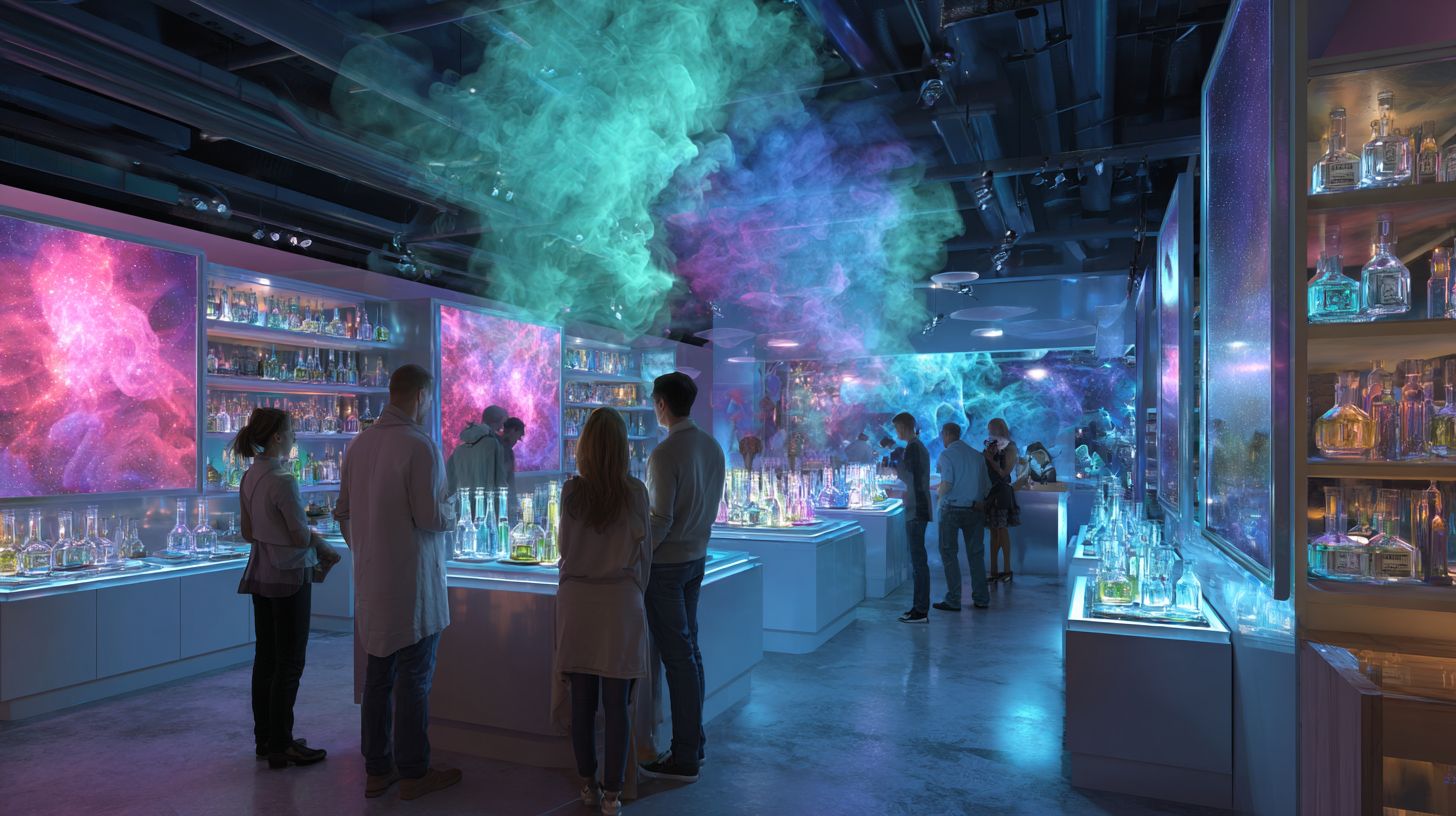
Personalization often relies on biometric data, such as sweat analysis or genetic scent profiles. This raises risks of data breaches in scent services. Users need clear control over their information.
Experts recommend opt-in consent models where customers explicitly approve data use. For example, services might let users delete profiles after a session. This approach protects privacy while enabling customization.
Transparent policies help too. Companies explain data handling in simple terms, avoiding hidden tracking. Such practices foster confidence in 2026’s scent personalization landscape.
Allergen Customization and Safety
Allergen risks challenge scent creators, as ingredients like citrus or nuts trigger reactions. Personalization must detect and avoid these for safe blends. Testing plays a crucial role here.
Solutions involve preliminary quizzes and patch tests before finalizing scents. Services use hypoallergenic bases, adjusting formulas on the spot. This ensures users enjoy custom fragrances without health worries.
Transparent labeling lists all components, give the power toing informed choices. These measures make scent personalization accessible to more people in 2026.
High Costs and Accessibility Barriers
High costs limit scent personalization to premium users. Custom blending requires specialized labs and experts, inflating prices. Accessibility suffers for budget-conscious consumers.
To address this, some services offer tiered pricing, from basic AI suggestions to full bespoke creations. Modular kits let users mix at home, cutting expenses. These options democratize access.
Sustainability ties in, as eco-friendly synthetics lower material costs over time. Providers pass savings to customers, broadening reach in the evolving market.
Ethical AI Bias and Inclusivity Upsides
AI bias in scent preferences can favor certain cultural or demographic profiles, sidelining others. Training data often reflects limited diversity, skewing results. Ethical design counters this.
Diverse datasets and bias audits improve fairness. Services actively include global scent traditions, like oud from the Middle East or floral attars from India. This promotes inclusivity.
Upsides shine through greater accessibility for underrepresented groups. Scent personalization becomes a tool for give the power toment, balancing challenges with positive impact in 2026.
Future Innovations on the Horizon
Looking ahead, breakthroughs promise to redefine scent personalization even further. By 2026, inside the world of scent personalization services, expect neural scent interfaces to link directly with user brainwaves for instant mood-matching fragrances. These systems could analyze thoughts and emotions in real time.
Blockchain-tracked formulas will ensure authenticity and traceability for custom scents. Users might verify the origin of rare ingredients, like sandalwood from sustainable farms, through secure digital ledgers. This builds trust in personalized blends shared online.
Smart home diffusers integrated with AI will adapt scents throughout the day. Imagine a device releasing energizing citrus in the morning and calming lavender at night based on your routine. Global scent-sharing communities could let users exchange formulas worldwide.
To stay ahead, subscribe to industry newsletters for updates on beta tests. Join early trials for neural interfaces or community platforms to experiment with shared scents. Exploring these services now prepares you for 2026’s advancements.
Inside the World of Scent Personalization Services in 2026: Frequently Asked Questions
What are Scent Personalization Services in 2026?
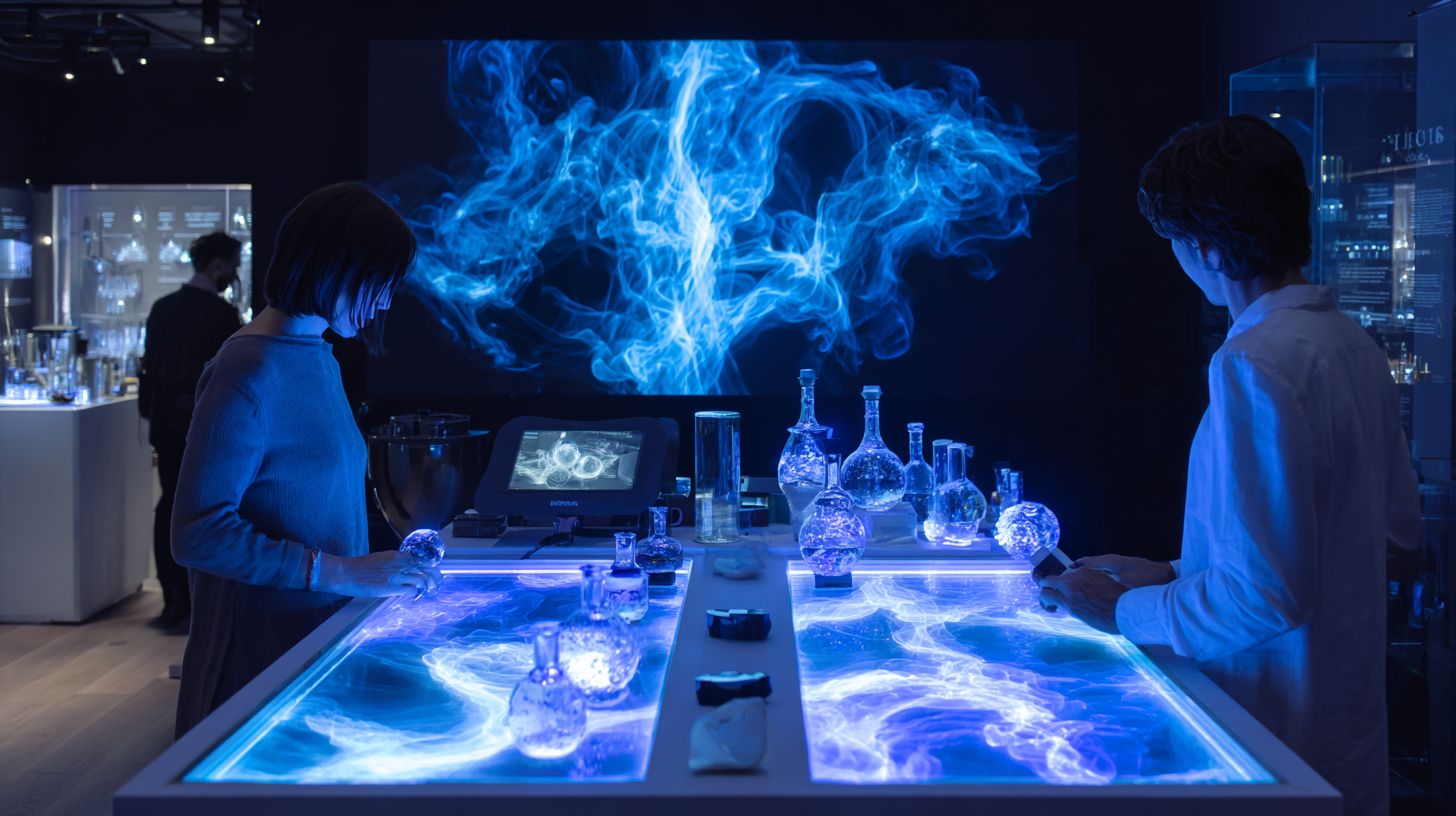
Inside the World of Scent Personalization Services in 2026, these are advanced, AI-driven platforms that craft bespoke fragrances tailored to an individual’s genetic profile, lifestyle, mood, and preferences using biotechnology and nanotechnology for unprecedented precision and longevity.
How do Scent Personalization Services use AI in 2026?
Inside the World of Scent Personalization Services in 2026, AI algorithms analyze biometric data from wearables, emotional states via facial recognition, and environmental factors to dynamically adjust scent compositions in real-time, ensuring the perfect aroma evolves with the user throughout the day.
What technology powers Inside the World of Scent Personalization Services in 2026?
Inside the World of Scent Personalization Services in 2026 revolves around olfactory printing devices that synthesize custom molecules on-demand, integrated with blockchain for scent IP protection and AR apps for virtual try-ons before physical production.
Are Scent Personalization Services accessible to everyone in 2026?
Inside the World of Scent Personalization Services in 2026, affordability has surged due to scalable 3D bio-printers and subscription models starting at $10/month, making hyper-personalized scents available from luxury connoisseurs to everyday users worldwide.
What makes scents from personalization services unique in 2026?
Inside the World of Scent Personalization Services in 2026, uniqueness stems from hyper-customization incorporating rare, lab-grown pheromones, cultural heritage notes, and adaptive longevity tech that adapts to skin chemistry, ensuring no two scents are ever alike.
What is the future impact of Inside the World of Scent Personalization Services in 2026?
Inside the World of Scent Personalization Services in 2026 is revolutionizing wellness, therapy, and social interactions by integrating scents with neurotech for mood enhancement, memory triggers, and even virtual reality immersion, blurring lines between fragrance, health, and digital experiences.