


Ever squint at a product label, frustrated by vague ingredient lists that leave you guessing what’s really inside? Ingredient Transparency 2.0: Why Consumers Want Full Formula Breakdowns is about consumers pushing for full formula breakdowns, and it’s gaining real traction. You’ll see why people want this shift and what it means for brands today.
Key Takeaways:
The Rise of Ingredient Transparency

Ingredient transparency has evolved from optional marketing gimmicks to essential consumer expectations, driven by growing awareness and digital access to information. Early labeling practices focused on basic ingredient lists without details on sources or quantities. Over time, regulations expanded to require clearer disclosures, marking a shift toward openness in food and cosmetics.
Social media platforms now spotlight products with hidden additives or unclear sourcing. Users share breakdowns and question vague claims, pushing brands to reveal more. Apps that scan labels provide instant analysis, amplifying these calls for clarity.
This evolution ties into Ingredient Transparency 2.0, where consumers seek full formula breakdowns. Brands responding with detailed disclosures build trust and loyalty. The trend reflects a broader demand for honesty in everyday purchases.
Historical shifts began with simple mandates for common names, progressing to today’s expectations for percentages and origins. Digital tools make it easier to verify claims on the spot. Consumers now expect labels to match the transparency of online reviews.
From Vague Labels to Full Disclosure
Traditional labels often list ingredients in descending order of weight but obscure exact compositions and functions, leaving shoppers guessing. FDA rules require common names for most items, yet they rarely include percentages or purposes. This setup hides how much of each component sits in the product.
Full disclosure goes further by revealing percentage breakdowns and supplier details. For example, a lotion might state “Aloe vera: 40%, sourced from organic farms in Mexico” instead of just listing aloe. Such transparency helps consumers assess value and safety quickly.
Compare these approaches in the table below for food and cosmetics examples.
| Vague Label | Transparent Label |
|---|---|
| Ingredients: Water, Fragrance, Parabens, Colorants (cosmetics example) | Water (70%), Citrus fragrance (5%, natural essential oils), Methylparaben (0.2%), Yellow 5 (0.1%) – all suppliers listed (cosmetics) |
| Ingredients: Sugar, Flour, Vegetable oil, Emulsifiers (food example) | Sugar (30%), Wheat flour (25%), Canola oil (20%), Soy lecithin (2%) – non-GMO sources (food) |
Use apps like Yuka or Think Dirty to decode labels instantly. Scan a barcode, and get ratings plus explanations of potential risks. This practical step give the power tos shoppers to make informed choices without expert knowledge.
Consumer Demand Drivers
Shoppers increasingly prioritize products that reveal every component, fueled by personal health needs and broader wellness trends. Emotional drivers like fear of hidden risks push consumers toward brands offering full formula breakdowns. Practical reasons include easier decision-making for daily purchases in food and cosmetics.
In Ingredient Transparency 2.0, consumers seek not just labels but complete disclosures to align choices with values. Wellness trends amplify this, as people connect diet and skincare to long-term well-being. Brands responding to these motivators build lasting trust.
Practical benefits emerge when formulas list processing aids and sub-ingredients. This clarity helps families avoid surprises, especially with children or pets in mind. Overall, demand reflects a shift toward give the power toed, informed shopping habits.
Health and Safety Concerns
Many consumers worry about long-term effects from undisclosed chemicals or contaminants in everyday products. Preservatives like BHA and BHT raise flags for potential hormone disruption. Synthetic colors such as Red 40 also prompt caution due to links with hyperactivity in sensitive individuals.
Ask key questions like “Does this list processing aids?” or “Are there trace solvents?” to uncover gaps. Experts recommend prioritizing natural alternatives such as vitamin E for preservation. These steps help evaluate safety before purchase.
Use this checklist to assess products:
- Check for full ingredient lists beyond the top eight.
- Look for warnings on heavy metals or pesticide residues.
- Verify if emulsifiers disclose plant or synthetic sources.
- Confirm absence of endocrine disruptors like parabens.
Focus on brands practicing Ingredient Transparency 2.0 for peace of mind. Switch to certified organic options where possible to minimize risks.
Allergy and Sensitivity Awareness
Rising diagnoses of allergies and sensitivities make hidden trace ingredients a real risk for vulnerable groups. Cross-contamination risks appear in “may contain” warnings on labels. Sub-ingredient gaps, like soy in emulsifiers, often go undeclared in cosmetics.
Spot undeclared allergens by scanning for vague terms such as “natural flavors” or “fragrance.” These can hide nuts, gluten, or dairy. Request batch testing info from manufacturers for added assurance.
Take actionable steps like these:
- Read full panels and contact brands for supplier details.
- Use apps to cross-reference common hidden triggers.
- Test products on small skin patches first.
Here is a template letter for requesting full breakdowns: “Dear [Brand], I have [allergy/sensitivity] to [ingredient]. Please provide the complete formula, including sub-ingredients and processing aids, for [product]. Thank you.” This approach fosters Ingredient Transparency 2.0 and protects health.
The Trust Deficit in Food and Cosmetics
Repeated scandals have eroded confidence, with vague disclosures masking problematic additives. Consumers now question labels that list ingredients in tiny print or use cryptic terms. This skepticism fuels the demand for Ingredient Transparency 2.0.
Mislabeling incidents in food and cosmetics amplify doubts about safety. For instance, products claimed as natural often hide synthetic compounds. These events push buyers toward brands offering full formula breakdowns.
The fallout creates a trust deficit across industries. People want clear access to every component, not just highlights. This shift toward transparency rebuilds faith in what they consume daily.
Experts recommend verifying claims through independent checks. Full disclosures address these concerns head-on. As a result, consumer advocacy grows for detailed ingredient lists.
Hidden Additives and Mislabeling Scandals
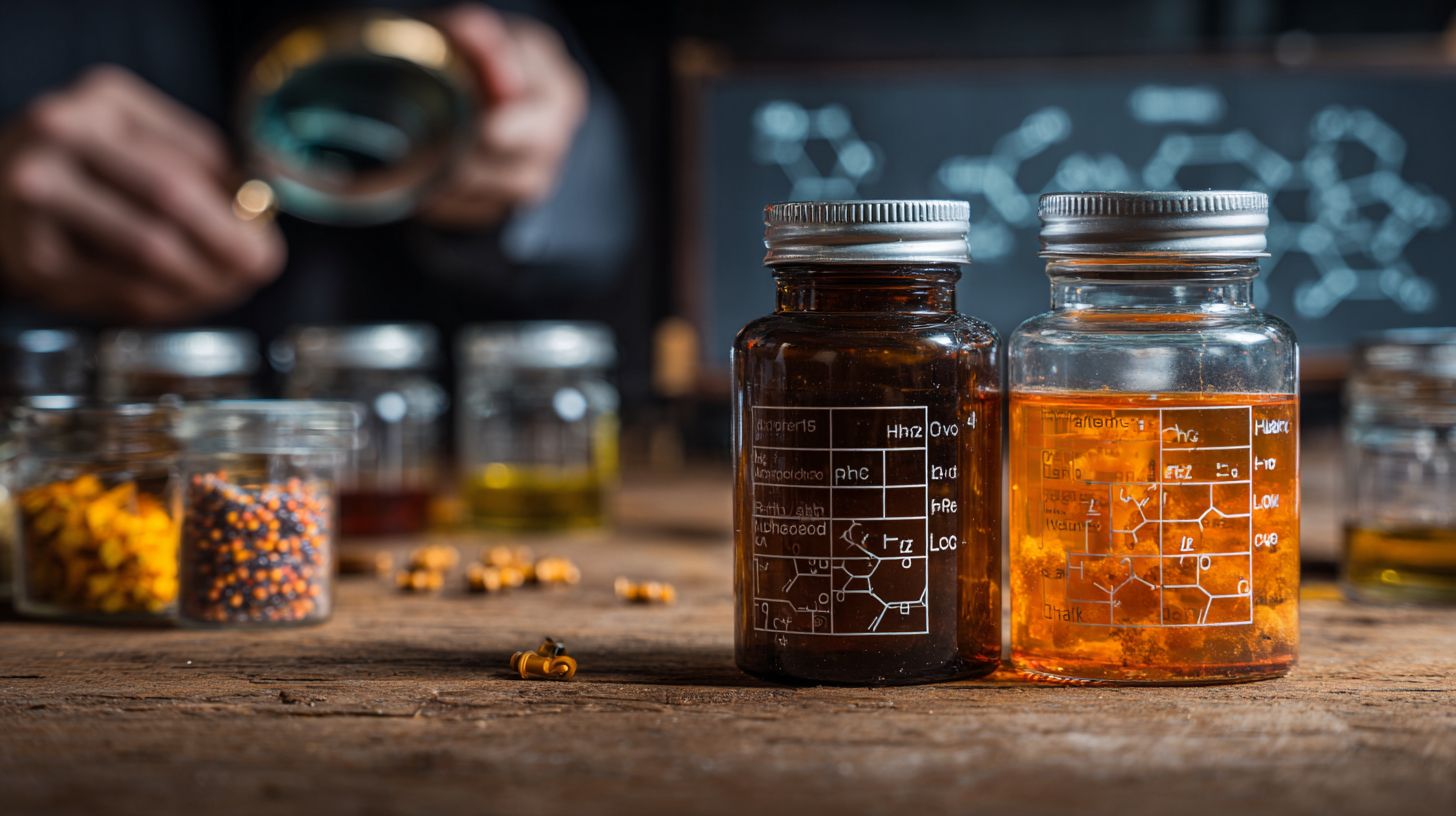
Cases of undeclared additives, like titanium dioxide in candies or parabens in ‘natural’ creams, highlight the gaps in current labeling. These issues spark outrage and regulatory scrutiny. They underscore why Ingredient Transparency 2.0 matters for informed choices.
Debates around carrageenan in dairy alternatives reveal health concerns from hidden uses. Lipstick recalls due to lead contamination, as noted in FDA alerts, exposed flawed testing. Such scandals erode trust in cosmetic claims.
Consumers face risks from additives like artificial colors in snacks or preservatives in lotions. These examples show how vague labels conceal potential irritants. Full breakdowns would prevent such surprises.
| Common Hidden Additive | Typical Function | Found In |
|---|---|---|
| Titanium dioxide | Whitening agent | Candies, chewing gum |
| Parabens | Preservative | Lotions, shampoos |
| Carrageenan | Thickener | Yogurts, plant milks |
| Artificial dyes | Coloring | Sodas, cereals |
To fight back, follow this step-by-step guide to filing complaints with regulators. First, document the product with photos of labels and batch numbers. Second, note symptoms or concerns clearly.
Third, submit via the FDA’s online portal for food or cosmetics. Include evidence like receipts. Finally, follow up for case updates to track resolutions.
Benefits of Full Formula Breakdowns
Revealing exact percentages and sources give the power tos buyers and strengthens brand relationships. Consumers gain clarity on product quality, while businesses build lasting trust through Ingredient Transparency 2.0. This dual advantage reduces confusion and highlights genuine value.
For shoppers, full breakdowns mean spotting high-potency actives or unnecessary fillers easily. Brands benefit from fewer returns and positive word-of-mouth. Both sides win when transparency becomes standard.
Businesses adopting this practice often see engaged communities form around their products. Consumers reward honesty with loyalty, creating a cycle of mutual gain. Full formula details bridge the gap between promise and proof.
In essence, these breakdowns turn shopping into a confident choice. They elevate consumer give the power toment and brand credibility alike. Ingredient Transparency 2.0 delivers benefits that last beyond the first purchase.
Informed Purchasing Decisions
Full breakdowns let shoppers compare true value, avoiding greenwashing traps. Buyers see beyond vague labels to exact compositions. This clarity sharpens choices in crowded markets.
Consider a comparison table for cereals. A generic brand lists only broad terms like sugar and grains, while a transparent one details 45% oats, 10% nuts, 5% dried fruit.
| Feature | Generic Cereal | Transparent Brand |
|---|---|---|
| Ingredient List | Broad categories | Exact percentages |
| Source Info | None | Farm origins |
| Potency Details | Vague claims | Verified levels |
| Price per Serving | Hard to gauge | Easy calculation |
Shoppers use breakdowns for cost-per-clean-ingredient math. First, note total cost and serving size. Then divide by clean ingredient grams to find value.
- Check product price and weight.
- Sum grams of desired ingredients from breakdown.
- Calculate cost per gram of those ingredients.
For skincare, pick based on active ingredient potency. A cream with 5% vitamin C from a trusted source beats one hiding behind natural extracts. This method ensures real results.
Building Brand Loyalty
Brands that disclose formulas foster trust, turning one-time buyers into advocates. Emotional authenticity shines when customers feel informed. Loyalty grows from shared values.
Picture a parent switching to transparent baby food. They spot organic carrots at 30% versus vague purees. This switch builds lifelong preference.
Brands track success through repeat purchase rates after transparency pushes. Customers return when they verify claims. Engagement metrics rise with open formulas.
Best practices include QR codes on packaging. These link to interactive pages showing breakdowns. Add videos of sourcing for deeper connection.
- Update QR content seasonally.
- Respond to formula questions publicly.
- Highlight changes based on feedback.
Transparency campaigns spark stories of switched loyalties. A fitness enthusiast sticks with a protein powder listing exact amino profiles. Brands thrive as advocates share their wins.
Industry Barriers to Transparency
Despite demand, companies face legitimate hurdles in sharing every detail. Trade secrets protect core formulas from competitors, while complex supply chains add logistical strain. These factors create real tension with calls for Ingredient Transparency 2.0.
Logistics often involve multiple suppliers, making full breakdowns time-consuming to compile. Companies must balance openness with business survival. Excuses for total opacity fall short, but understanding these barriers helps find practical paths forward.
Solutions like tiered disclosures address both sides. Public summaries reveal key ingredients, while sensitive ratios stay protected. This approach meets consumer wants for full formula breakdowns without risking viability.
Experts recommend starting small, testing transparency in one product line. Over time, build toward broader openness. Such steps honor industry realities while advancing trust.
Proprietary Formula Protection
Revealing precise ratios risks copycats, threatening competitive edges. Proprietary formulas form the heart of many brands, often patented or closely guarded. Full disclosure could erode market advantages overnight.
Tiered transparency offers a smart middle ground. Share public summaries of main ingredients, then protect patented cores behind legal walls. This satisfies demands for Ingredient Transparency 2.0 without full exposure.
Brands using blockchain for verified sourcing provide proof of quality and origin. They disclose supplier chains and testing data, yet keep exact recipes private. This builds trust through verifiable steps, not complete formulas.
- Use NDAs for suppliers to secure data sharing among partners.
- Patent key innovations to claim legal protection.
- Release high-level breakdowns like “essential oils blend: 5%” without specifics.
Legal tips include consulting IP attorneys early. Draft supplier agreements with clear confidentiality clauses. These actions enable safer transparency steps.
Cost and Complexity Challenges
Sourcing data for multi-supplier formulas demands significant investment. Supply chain complexity grows with global sourcing, turning transparency into a major undertaking. Companies often overlook hidden costs in data aggregation.
Practical fixes start with step-by-step adoption. First, map your full ingredient tree, including sub-ingredients from flavor houses. Tools like IBM Food Trust or SAP traceability software simplify this, with free basic tiers for starters and enterprise options for scale.
- Inventory all suppliers and request their transparency reports.
- Implement digital tracking for real-time data.
- Test on a single product before full rollout.
Common pitfalls include ignoring sub-ingredients from flavor houses, which can hide allergens or sources. Double-check labels against actual specs. Start with low-cost tools to avoid overwhelm.
Over time, these investments pay off in consumer loyalty. Brands embracing such systems report stronger trust. Focus on phased implementation for manageable progress toward full formula breakdowns.
Real-World Case Studies
Leading brands demonstrate that transparency pays off when executed well. Success stories from companies embracing Ingredient Transparency 2.0 highlight customer growth and stronger loyalty. These cases show how full formula breakdowns build trust and drive repeat business.
Burt’s Bees and Impossible Foods lead by example. They share detailed supply chain info and ingredient origins. Outcomes include expanded customer bases and positive media coverage.
Brands that disclose full formulas often see shoppers switch from competitors. This approach aligns with demands for full formula breakdowns. Practical steps like public reports make transparency accessible.
These examples prove consumers reward openness. Companies gain an edge in crowded markets. Adopting similar strategies can foster long-term growth.
Brands Thriving with Transparency
Companies like Clean Label Project certified brands and Everlane’s ‘clean ingredients’ line show skyrocketing loyalty. They provide clear breakdowns of every component in their products. This builds consumer confidence and encourages purchases.
Burt’s Bees discloses supplier farms for key ingredients like beeswax. They publish maps and farm practices online. Customers respond by sharing stories and recommending the brand.
Impossible Foods open-sourced their heme protein formula. This move invited scrutiny and innovation from peers. It positioned them as leaders in plant-based foods.
| Brand | Transparency Method | Results |
|---|---|---|
| Burt’s Bees | Supplier farm disclosures and origin maps | Increased customer advocacy and media praise |
| Impossible Foods | Open-sourced heme protein formula | Boosted industry credibility and partnerships |
| Everlane | Clean ingredients line with full breakdowns | Grew loyal following through honest labeling |
| Clean Label Project brands | Third-party verified formula reports | Attracted health-focused shoppers |
These cases offer actionable lessons for Ingredient Transparency 2.0. Start by mapping your supply chain. Then share verifiable details to engage consumers.
Path Forward: Implementing Transparency 2.0
Brands can overcome barriers by adopting scalable transparency strategies now. Ingredient Transparency 2.0 means sharing full formula breakdowns in clear, accessible ways. This builds trust and meets consumer demands for honesty.
Start with a structured roadmap to make the shift smooth. Companies of all sizes can follow these steps without major overhauls. The process focuses on practical tools and quick wins.
- Audit current formulas over 1-2 weeks. Review ingredients, suppliers, and percentages to identify what to disclose first.
- Choose disclosure tech that fits your scale, such as free Google Sheets for startups or apps like Label Insight for larger brands.
- Test with pilot products. Pick 2-3 items, publish their full breakdowns, and gather feedback from customers.
- Expand based on results. Roll out to more products while refining the format for clarity.
This roadmap turns Transparency 2.0 into reality. Brands see loyalty grow as consumers reward openness. Next, consumers can push for change too.
Ingredient Transparency 2.0: Why Consumers Want Full Formula Breakdowns
Consumers hold the power to drive Ingredient Transparency 2.0: Why Consumers Want Full Formula Breakdowns. Use this checklist to spot brands committed to full disclosures. It helps you make informed choices every day.
- Check product labels or websites for complete ingredient lists with percentages and sources.
- Ask brands directly via social media or email for formula details on your favorites.
- Support companies that share breakdowns, like those posting Google Sheets links or QR codes to full info.
- Share your experiences in reviews to encourage others and pressure laggards.
- Join or start petitions for laws requiring full formula transparency in your region.
This checklist gives you the power to advocate effectively for Ingredient Transparency 2.0: Why Consumers Want Full Formula Breakdowns. When consumers demand more, brands respond. Your voice shapes the future of honest labeling.
Take Action: Advocate for Transparency Today
Readers can fuel the Transparency 2.0 movement through simple steps. Contact your favorite brands and request full formula breakdowns. Share why it matters to you.
Amplify your impact by posting about transparent products online. Tag companies and use examples like clean beauty lines that already disclose everything. This creates widespread pressure.
Experts recommend uniting with like-minded shoppers. Form groups or follow transparency advocates to stay informed. Together, you push the industry toward full openness.
Frequently Asked Questions
What is Ingredient Transparency 2.0: Why Consumers Want Full Formula Breakdowns?
Ingredient Transparency 2.0 refers to the next evolution in product openness, where brands provide complete, detailed breakdowns of every ingredient in their formulas, including percentages, sources, and functions. Consumers want full formula breakdowns under this movement to make truly informed choices about health, safety, and ethics.
Why do consumers demand Ingredient Transparency 2.0: Why Consumers Want Full Formula Breakdowns?
Consumers are pushing for Ingredient Transparency 2.0: Why Consumers Want Full Formula Breakdowns because past scandals, allergies, and wellness trends have heightened awareness. Full formula breakdowns empower them to avoid hidden allergens, synthetic additives, or questionable sourcing, fostering trust and accountability.
How does Ingredient Transparency 2.0 differ from basic ingredient lists in full formula breakdowns?
Unlike basic lists that just name ingredients, Ingredient Transparency 2.0: Why Consumers Want Full Formula Breakdowns requires disclosing exact quantities, processing methods, and purity levels. This level of detail addresses why consumers want full formula breakdowns-to verify claims like “natural” or “clean” without ambiguity.
What benefits do brands gain from adopting Ingredient Transparency 2.0: Why Consumers Want Full Formula Breakdowns?
Brands embracing Ingredient Transparency 2.0: Why Consumers Want Full Formula Breakdowns build loyalty, differentiate in crowded markets, and reduce legal risks from mislabeling. Consumers reward this openness with higher sales and advocacy, as full formula breakdowns prove authenticity.
Which industries are most affected by Ingredient Transparency 2.0: Why Consumers Want Full Formula Breakdowns?
Beauty, skincare, food, supplements, and cleaning products lead the charge for Ingredient Transparency 2.0: Why Consumers Want Full Formula Breakdowns. In these sectors, full formula breakdowns are crucial due to direct consumer health impacts and rising regulatory scrutiny.
How can consumers advocate for Ingredient Transparency 2.0: Why Consumers Want Full Formula Breakdowns?
Consumers can push for Ingredient Transparency 2.0: Why Consumers Want Full Formula Breakdowns by supporting transparent brands, signing petitions, using social media to demand full formula breakdowns, and choosing products with verifiable third-party certifications for ultimate transparency.