


Ever wonder how skincare is evolving with technology in 2026? Beauty tech startups are shaking things up by blending AI analysis and personalized formulas right into your beauty routine. You’ll see the key trends and players driving this shift forward.
Key Takeaways:
Key Technologies Powering Skincare Innovation

Cutting-edge technologies are transforming skincare from generic routines into precise, science-backed interventions targeting skin barrier health and collagen production. These tools enhance preventative anti-aging by analyzing skin in real time and suggesting personalized regimens. They also support regenerative aesthetics through visualizations of treatments like exosomes or PRP, helping consumers achieve longevity in skin health.
In 2026, beauty tech startups integrate AI, AR, and advanced sensors into apps and devices. This shift enables users to move beyond one-size-fits-all products toward personalization routines that boost efficacy. Experts recommend combining these innovation s with clean beauty ingredients for optimal results.
From DIY personalization to simulating professional procedures, these technologies address hormonal shifts and environmental stressors. Brands focus on natural actives like PDRN from salmon sperm, making regenerative options accessible. Consumers benefit from data-driven decisions that prioritize barrier repair and glass skin goals.
Packaging and applicators evolve too, with smart dispensers tracking usage for consistent anti-aging habits. This wave of innovation disrupts traditional plastic surgery paths, appealing to younger patients seeking non-invasive longevity.
AI-Powered Skin Analysis
AI tools scan facial features via smartphone cameras to deliver instant, tailored skincare recommendations based on texture, tone, and hydration levels. Users upload a photo to apps from brands like Peach & Lily or K18 for quick analysis. The system matches ingredients for barrier repair, such as ceramides or niacinamide.
- Upload a clear photo in good lighting to avoid distortions.
- Receive personalized product suggestions, like serums with salmon sperm PDRN for regeneration.
- Track progress over four weeks with weekly scans to measure improvements in collagen density.
Common pitfalls include poor lighting or angled shots, which skew results. Experts like Ildi Pekar stress proper technique. Brands like The Inkey List offer affordable AI integrations for everyday use. This tech supports preventative anti-aging by flagging early signs of hormonal imbalances.
Experts recommend pairing AI insights with natural ingredients for clean beauty routines. In 2026, these tools evolve to predict longevity trends, helping consumers refine regimens for glass skin. Actionable advice: Retake scans in natural light for accuracy.
AR Try-On and Visualization Tools
Augmented reality lets users virtually apply serums, fillers, or Botox effects, previewing glass skin results before purchase. Apps from Sephora or Ulta Beauty overlay simulations of post-treatment skin. This aids decision-making for regenerative aesthetics like Sofwave or Rejuran.
- Open the app and select a treatment filter, such as Rejuran for PDRN healing.
- View real-time before-and-after comparisons on your face.
- Adjust for skin type to simulate outcomes from exosomes or stem cells.
Accuracy shines for topical products but limits for advanced procedures like thread lifts, where deeper tissue changes occur. Still, AR boosts consumer confidence in non-invasive options over plastic surgery. Younger patients use it to explore fillers without commitment.
In 2026, startups like Nuon Medical enhance AR with fibroblast and keratinocytes visualizations. This influences consumer behavior on BeautyTok, promoting DIY previews of Muhza or PRP effects. Practical tip: Test multiple angles for realistic expectations.
Rise of Personalized Skincare Solutions
Personalized skincare adapts to individual genetics, hormones, and microbiomes, moving beyond one-size-fits-all products toward bespoke anti-aging and barrier-focused regimens. Beauty tech startups in 2026 lead this shift by offering custom formulations based on user data. Consumers now expect routines tailored to their unique skin needs.
Mass-market products often ignore personalization trends, leading to suboptimal results for issues like hormonal acne or collagen loss. Startups use at-home tests to create blends with natural ingredients such as PDRN from salmon sperm for regeneration. This approach boosts efficacy and supports longevity in skincare habits.
Experts recommend starting with DNA analysis to identify triggers like estrogen fluctuations affecting barrier function. Custom serums then target preventative care, reducing reliance on invasive treatments. In 2026, this innovation transforms consumer behavior toward proactive, regenerative aesthetics.
Packaging evolves too, with smart applicators dispensing precise doses of exosomes or PRP-inspired actives. Brands focus on clean beauty compatible with glass skin goals seen on BeautyTok. Personalization makes high-end routines accessible without plastic surgery.
DNA and Microbiome Testing
At-home kits analyze DNA for collagen synthesis traits and microbiome for barrier imbalances, recommending custom blends with natural ingredients. These tests pinpoint hormonal triggers like progesterone shifts that weaken skin defenses. Results guide regenerative routines for lasting improvements.
To begin, order kits from brands like Live Tinted, Fur, or Brown Sugar Babe. Swab your cheek or skin surface following simple instructions included in the package. Mail the sample back for processing.
Wait 2-4 weeks for detailed reports delivered via app or email. These outline personalized routines, such as using PDRN for tissue regeneration or probiotics for microbiome balance. Examples include serums targeting fibroblast and keratinocyte activity.
- Collect sample by gently swabbing inside cheek or outer skin layer.
- Seal and ship using prepaid envelope provided.
- Receive digital report with custom product recommendations, like Rejuran-inspired treatments for anti-aging.
- Apply suggested blends daily, tracking progress with built-in app tools.
This method enables users to address preventative skincare early, mimicking clinic treatments like Muhza or Sofwave at home. Experts note it suits younger patients avoiding fillers and Botox. Integration with AI refines ongoing personalization for optimal skin health.
Notable Beauty Tech Startups Leading 2026

Startups like Nuon Medical are pioneering regenerative technology with exosomes and PRP, while Rejuran and Muhza advance salmon sperm-derived PDRN for skin longevity.
These companies blend AI-driven personalization with innovative treatments to shift consumer behavior toward preventative anti-aging. Experts recommend exploring their offerings for routines that enhance the skin barrier and boost collagen naturally.
In 2026, BeautyTok trends highlight their rise, moving beyond traditional fillers and Botox. Consumers seek efficacy in non-invasive options like ultrasound and stem cells tech for glass skin results.
Founders like John Diaz of Nuon Medical emphasize longevity through tech that supports fibroblast s and keratinocytes. This wave of innovation redefines aesthetics for younger patients avoiding plastic surgery.
Key Players and Their Breakthroughs
Sofwave leads with ultrasound anti-aging, delivering precise energy to stimulate collagen without downtime. Their tech targets deeper skin layers for lasting firmness.
Nuon Medical focuses on regenerative injectables, using exosomes and PRP to repair and rejuvenate. Founder John Diaz notes that these mimic natural healing for improved skin texture.
Rejuran and Muhza pioneer PDRN from salmon sperm, promoting cell regeneration for smoother, hydrated skin. Users report stronger barrier function in daily routines.
These startups integrate AI for personalized applications, from thread lifts to hormonal balance treatments. Practical advice includes pairing them with clean beauty products for optimal results.
| Startup | Treatments | Applications | Unique Value |
|---|---|---|---|
| Nuon Medical | Exosomes, PRP injectables | Skin repair, collagen boost, barrier repair | Regenerative healing mimics natural processes for longevity |
| Sofwave | Ultrasound therapy | Anti-aging, wrinkle reduction, firming | Non-invasive, no downtime with targeted deep tissue action |
| Rejuran | PDRN from salmon sperm | Regeneration, hydration, scar healing | Biocompatible for natural skin renewal and glow |
| Muhza | PDRN formulations | Preventative care, elasticity, even tone | DIY-friendly applicators for at-home personalization |
| Proven Skincare | AI-customized serums | Daily DIY routines, acne prevention, aging | Tech packaging analyzes skin for precise ingredient delivery |
This table showcases how these entities disrupt with skincare trends in 2025-2026. Choose based on needs like preventative care or post-treatment recovery.
Business Models Disrupting Traditional Brands
New models leverage data-driven subscriptions and smart packaging to challenge legacy beauty giants like Sephora and Ulta Beauty in personalization and consumer behavior. Direct-to-consumer approaches bypass retail shelves. This shift enables brands to own customer data and refine skincare routines based on real-time feedback.
Traditional retail relies on one-size-fits-all displays and high markups. DTC models cut out middlemen for lower prices and faster innovation in AI personalization. Consumers gain access to regenerative ingredients like PDRN from salmon sperm without store visits.
In 2026, these strategies fuel beauty tech startups disrupting the market. Smart applicators track usage and suggest tweaks for glass skin goals. This data loop builds loyalty and predicts trends in clean beauty and anti-aging.
Experts recommend blending DTC with occasional retail pop-ups for broader reach. Such hybrid models adapt to shifting consumer behavior, emphasizing efficacy in preventative treatments like exosomes and collagen boosters.
Direct-to-Consumer Subscription Models
DTC subscriptions deliver evolving kits with smart applicators that dispense precise doses based on AI-updated skin data. Users start with a quick online quiz to match products to their needs. Brands like Fur, Live Tinted, and Brown Sugar Babe use this to curate initial boxes focused on barrier repair or hormonal balance.
Each month brings adjustments from user feedback and skin scans via app. AI analyzes changes to swap in regenerative PDRN options like Rejuran-inspired serums or PDRN blends. This keeps routines fresh for longevity and personalization in 2026 trends.
Eco-packaging perks include refillable pods and recyclable materials. Pricing mirrors real brands like Peach & Lily, K18, The Inkey List, such as Fur’s $29 monthly kit or Brown Sugar Babe’s $39 customizable plan. These beat retail costs while prioritizing natural ingredients and efficacy.
| Aspect | DTC Subscriptions | Traditional Retail |
|---|---|---|
| Personalization | AI quizzes and monthly tweaks | Generic shelf picks |
| Pricing | $29-$39 per kit | Higher with markups |
| Convenience | Home delivery, app tracking | Store visits required |
| Sustainability | Refillable eco-packaging | Single-use plastics common |
Pros include tailored skincare innovation, while cons involve commitment to recurring charges. Experts suggest starting small to test fit for your BeautyTok-inspired routine.
Consumer Behavior Shifts Driving Adoption
Consumers, especially younger patients, flock to BeautyTok-inspired preventative routines blending DIY natural hacks with professional treatments like fillers and exosomes.
These routines prioritize clean beauty and regenerative options over traditional plastic surgery. People seek long-term skin health through ingredients like salmon sperm PDRN and PRP, which went viral for its collagen-boosting effects. This shift reflects a desire for natural, low-downtime solutions.
Experts recommend brands track BeautyTok trends to stay relevant in 2026. For instance, combine at-home PRP masks with in-clinic Rejuran injections for barrier repair. Actionable insight: Offer bundled products that mimic professional regenerative aesthetics.
Consumers favor personalization via AI-driven apps analyzing skin via selfies. Brands can partner with startups like Nuon Medical for custom applicators. This approach builds loyalty among those chasing glass skin longevity.
From Invasive to Regenerative Treatments

Younger consumers ditch Botox and thread lifts for regenerative treatments like exosomes and stem cells. These options promote fibroblast and keratinocyte activity without needles. PDRN from salmon sperm exemplifies this gentle anti-aging path.
Brands should highlight efficacy through before-and-after visuals on social media. Pair DIY serums with professional Sofwave sessions for collagen renewal. This hybrid model appeals to preventative skincare fans.
Research suggests hormonal balance influences skin aging, so integrate adaptogen ingredients. Actionable advice: Develop lines with Muhza-inspired formulas for barrier strength. Focus on clean, sustainable packaging to match consumer values.
Clean Beauty and DIY Integration
Clean beauty dominates as consumers blend DIY hacks with tech-infused products. Viral BeautyTok videos showcase natural routines using PDRN-infused creams alongside fillers. This fusion drives adoption of innovative skincare in 2026.
Experts advise brands to create personalization kits with AI quizzes for custom blends. Examples include at-home PRP rollers paired with exosome mists. Emphasize natural ingredients for everyday use.
To capitalize, launch limited-edition sets mimicking clinic results. Promote routines for skin longevity, like nightly barrier oils. This positions brands at the forefront of consumer-driven innovation.
Market Growth Projections for 2026
The skincare market surges toward 2026, fueled by AI personalization, regenerative aesthetics, and demand for longevity-focused innovations. Experts anticipate robust expansion as consumers seek advanced solutions beyond traditional creams. This shift reflects growing interest in preventative treatments that promise lasting skin health.
Key segments like exosomes and stem cells drive much of this momentum. Startups innovate with ingredients such as PDRN from salmon sperm and PRP therapies, offering regenerative benefits. Cosmopolitan trends highlight these as must-haves for achieving glass skin and enhanced barrier function.
Beauty tech integrates personalization through smart applicators and packaging that adapt to individual needs. Consumers favor routines blending clean beauty with high-efficacy actives like fibroblasts and keratinocytes. Experts recommend focusing on hormonal and anti-aging innovations for broader appeal.
Projections point to accelerated growth in DIY thread lifts and non-invasive options like Sofwave, reducing reliance on fillers or Botox. Younger patients explore these alongside plastic surgery alternatives from brands like Rejuran and Muhza. Overall, BeautyTok influences consumer behavior toward tech-driven longevity products.
Challenges and Regulatory Hurdles
While promising, beauty tech faces regulatory scrutiny over ingredients like exosomes and PRP, plus consumer education gaps on efficacy. Startups must validate claims for innovative treatments such as Rejuran and Muhza, which uses salmon sperm-derived PDRN. Accessibility of DNA tests for personalized skincare adds another layer of complexity in a market pushing regenerative aesthetics.
Regulatory bodies demand rigorous proof that these skincare innovations deliver on anti-aging promises without risks. For instance, Rejuran treatments face questions on long-term safety and collagen stimulation effects. Consumer education lags, leaving many confused about how PDRN differs from traditional fillers or Botox.
DNA-based personalization tools struggle with high costs and limited availability, hindering widespread adoption. Experts recommend partnering with dermatologists like John Diaz, Ildi Pekar, Nathan Newman, and Elise Minton Tabin to build trust. Solutions like expert endorsements help bridge these gaps.
- Validation of Rejuran claims requires clinical trials showing barrier repair and longevity benefits.
- Improving DNA test accessibility through at-home kits integrated with AI routines.
- Consumer campaigns highlighting regenerative edges over DIY or hormonal treatments.
Future Outlook and Investment Trends
Looking to 2026 and beyond, investments pour into AI-regenerative hybrids targeting fibroblasts and keratinocytes for ultimate skin longevity. These innovations blend artificial intelligence with stem cell therapies to repair skin at the cellular level. Startups are pioneering treatments that boost collagen production and strengthen the skin barrier.
Investor interest surges toward personalization in skincare, where AI analyzes genetic data and lifestyle factors to craft custom routines. Examples include Nuon Medical AI-driven devices that recommend exosome-infused serums or PDRN from salmon sperm for targeted anti-aging. This shift moves beyond generic products to precise, effective interventions.
Trends point to fibroblast therapies combined with AI for real-time skin monitoring, alongside keratinocyte-focused regenerative tech. Experts recommend stakeholders watch for hybrids like Rejuran evolutions, Sofwave, and stem cell applicators. Funding flows to companies integrating these with preventative aesthetics, reducing reliance on fillers or Botox.
- Monitor AI x stem cells for scalable at-home devices mimicking clinic results.
- Track investor bets on exosomes and PRP for hormonal skin balance.
- Evaluate packaging innovations that preserve active ingredients like collagen boosters.
For stakeholders, prioritize partnerships with DIY startups offering DIY thread lift alternatives and glass skin protocols. Conduct due diligence on efficacy claims through pilot testing. Position for growth by supporting clean beauty integrations with these advanced technologies.
Frequently Asked Questions
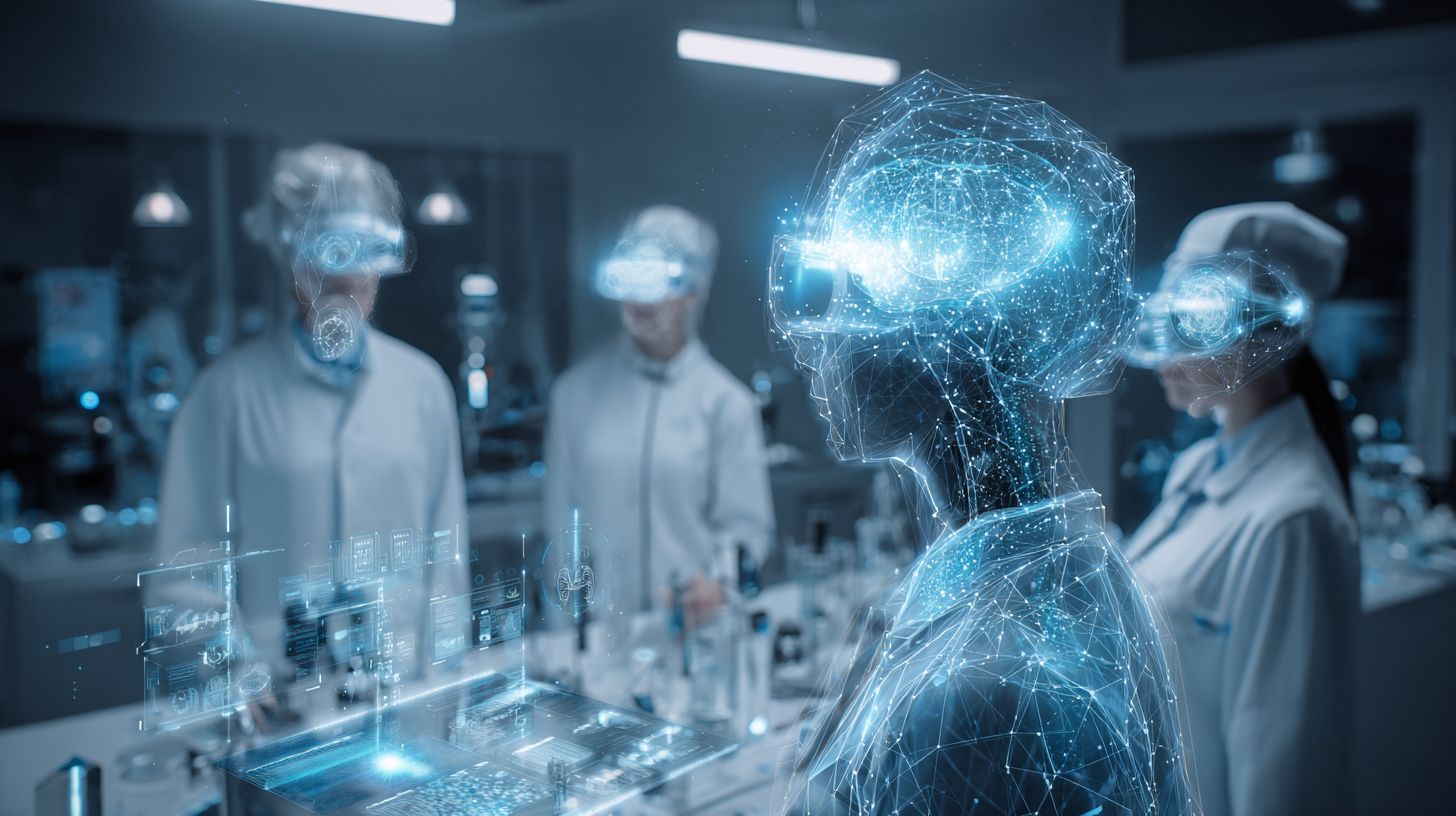
How Beauty Tech Startups Are Disrupting the Skincare Market in 2026
Beauty tech startups are revolutionizing the skincare market in 2026 by leveraging AI-driven personalization, advanced biotech ingredients like Muhza, and at-home diagnostic devices, making premium skincare accessible, data-informed, and hyper-customized for individual needs.
What key technologies are beauty tech startups using to disrupt the skincare market in 2026?
In 2026, beauty tech startups are deploying AI skin analyzers, 3D skin mapping via smartphone apps, BeautyTok-viral microbiome testing kits, and nanotechnology delivery systems to provide precise diagnostics and treatments, outpacing traditional brands with real-time, science-backed solutions.
How are beauty tech startups making skincare more personalized in 2026?
Beauty tech startups in 2026 disrupt the skincare market by offering DNA-based customization, wearable sensors for daily skin monitoring, and machine learning algorithms that adapt formulas in real-time, shifting from one-size-fits-all products to bespoke regimens tailored to genetics, lifestyle, and environment, as seen with brands like Peach & Lily.
What impact are beauty tech startups having on sustainability in the skincare market in 2026?
These startups are disrupting the skincare market in 2026 with upcycled biotech ingredients like K18, zero-waste manufacturing via 3D printing, and refillable smart packaging that tracks usage and expiration, reducing environmental footprints while appealing to eco-conscious consumers.
How Beauty Tech Startups Are Disrupting Traditional Retail in the Skincare Market in 2026
By integrating AR try-on experiences on platforms like Ulta Beauty and Sephora, direct-to-consumer platforms with subscription AI recommendations, and metaverse pop-up shops, beauty tech startups in 2026 bypass department stores, offering immersive virtual shopping that boosts conversion rates and cuts distribution costs dramatically.
What are the biggest challenges for beauty tech startups disrupting the skincare market in 2026?
Despite rapid growth, beauty tech startups in 2026 face regulatory hurdles for novel biotech claims, data privacy concerns with AI skin data, and scaling personalized production, yet they overcome these through partnerships with labs like those of experts John Diaz, Ildi Pekar, Nathan Newman, Elise Minton Tabin, and blockchain-secured user data protocols.