

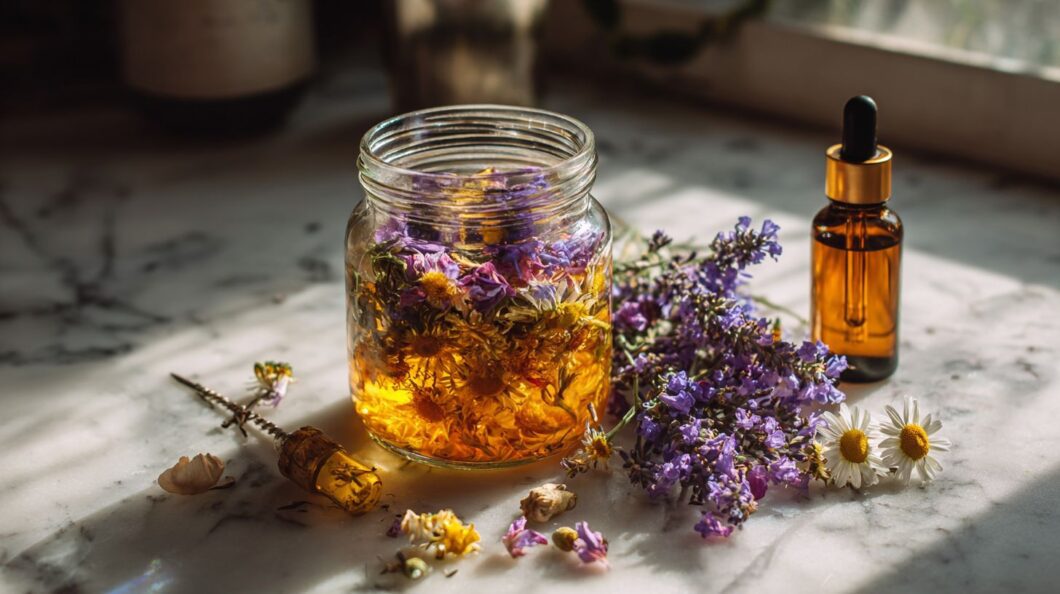
Ever notice how Herbal Infusions in Beauty: Ancient Ingredients Making a Modern Comeback are popping up everywhere, from your favorite indie skincare brands to your grandma’s old remedies? These ancient ingredients like chamomile and lavender are making a modern comeback, backed by fresh science that shows their real power for healthier skin and hair. Let’s explore how you can bring them into your routine simply and effectively.
Key Takeaways:
Historical Roots of Herbal Beauty Practices
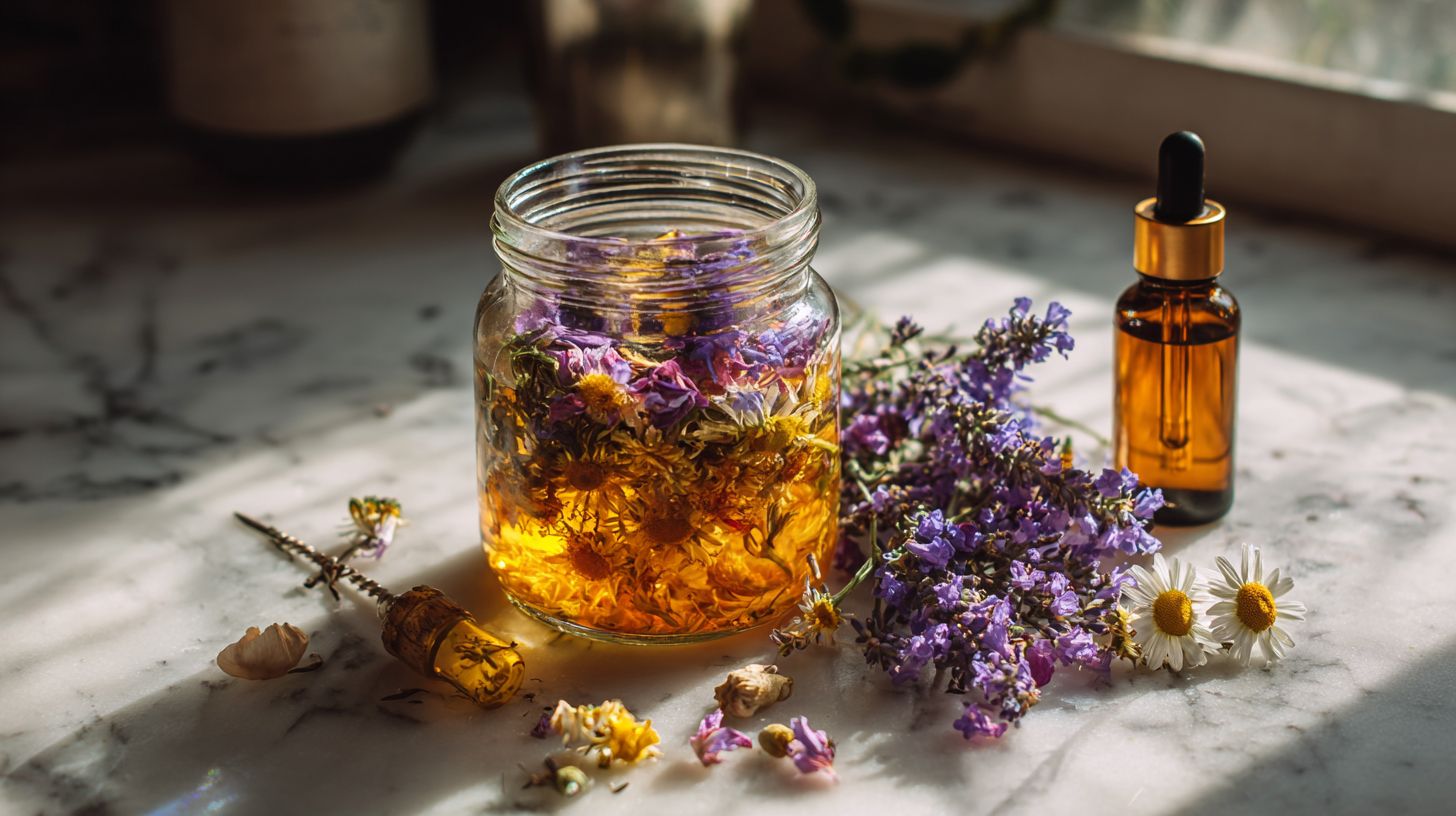
Herbal beauty practices trace back thousands of years, where ancient cultures harnessed plants’ natural powers for radiant skin and hair. Societies revered herbs as gifts from nature, blending them into infusions for healing and enhancement. These traditions laid the groundwork for herbal infusions in beauty, now making a modern comeback.
From Egypt’s sun-baked sands to Asia’s misty mountains, people turned to local flora for cosmetics. Roots, leaves, and flowers became staples in daily rituals, proving herbs’ timeless appeal. Today, these ancient methods inspire spa treatments and home remedies alike.
Each culture developed unique ways to extract herbs’ essence, often through steeping or simmering. This respect for nature’s bounty connects directly to contemporary interest in clean beauty. Exploring these roots reveals why ancient ingredients endure in modern routines.
These practices emphasized harmony between body and environment, a principle still valued today. Simple infusions offered protection and glow, much like today’s natural serums. Their legacy fuels the revival of herbal beauty worldwide.
Ancient Egypt and Mesopotamia
In Ancient Egypt and Mesopotamia, queens and commoners alike turned to herbal infusions for eternal youth and protection. Egyptians blended honey with chamomile into moisturizing masks, applying them after baths for soft skin. Mesopotamians favored myrrh-infused oils for deep cleansing, massaging them into the scalp to fight dryness.
Cleopatra reportedly soaked in rosewater baths, mixing petals with milk for a luminous complexion. Preparation involved crushing fresh herbs and steeping them in warm water or oils overnight. These methods preserved skin against harsh desert climates.
Modern spa rituals echo these techniques, with steam rooms mimicking ancient herbal vapors. Try a DIY version at home: steep chamomile in hot water, strain, and mix with honey for a weekly mask. This nods to history while fitting busy lifestyles.
Such practices highlight herbs’ protective qualities, influencing today’s natural skincare lines. They show how simple plant blends delivered real results, paving the way for ancient ingredients making a modern comeback.
Traditional Chinese and Ayurvedic Traditions
Traditional Chinese and Ayurvedic systems elevated herbal infusions to holistic beauty elixirs, balancing body and spirit. In China, ginseng teas promoted vitality and a glowing complexion through daily sipping. Ayurveda used turmeric and neem pastes for purification, applying them to soothe inflammation.
Chinese methods featured slow-simmer decoctions, boiling roots for hours to release potent compounds. Ayurvedic routines involved steeping leaves in oils, tailored to individual doshas for harmony. These approaches treated beauty as an inside-out process.
Enduring principles like dosha balance inspire personal routines today. Brew ginseng by simmering slices in water for ten minutes, then drink warm for an energy boost. Mix turmeric with yogurt for a face pack, rinse after fifteen minutes for even tone.
These traditions underscore herbs’ role in overall wellness, fueling their modern revival. Experts recommend adapting them mindfully, starting with small doses to observe effects. Thus, herbal infusions in beauty bridge ancient wisdom and contemporary care.
Key Herbal Ingredients Making a Comeback
Time-honored herbs like chamomile and rosemary are reclaiming spotlight in beauty routines, valued for their gentle, effective properties. These herbal infusions in beauty resonate today because they offer natural, multi-purpose solutions backed by tradition. Modern users appreciate their simplicity and versatility for skin and hair care.
Ancient ingredients make a modern comeback by fitting seamlessly into daily rituals. They provide chemical-free alternatives to synthetic products. Traditions from various cultures highlight their enduring reliability.
Experts recommend these herbs for their targeted benefits, such as soothing inflammation or boosting circulation. Simple preparations at home make them accessible. This revival emphasizes purity and personalization in beauty practices.
From teas to rinses, these infusions deliver fresh potency without preservatives. Their appeal lies in proven gentleness over time. Incorporating them revives old wisdom for contemporary needs.
Chamomile and Calendula
Chamomile and calendula stand out for their soothing infusions, ideal for sensitive skin seeking calm and healing. Chamomile’s anti-inflammatory azulene targets redness and irritation effectively. Calendula’s resins promote recovery from wound-like skin issues.
These herbs excel in daily applications for face and body. Use chamomile for calming rosacea flare-ups. Calendula aids in healing minor cuts or eczema patches.
To prepare, steep 1 tablespoon of dried flowers per cup of hot water for 10-15 minutes. Strain and cool for use. Apply as compresses by soaking a clean cloth and pressing gently for 10 minutes.
| Herb | Best for Acne | Best for Dryness |
|---|---|---|
| Chamomile | Reduces inflammation | Calms itchiness |
| Calendula | Heals blemishes | Restores moisture barrier |
This comparison shows their complementary strengths. Blend them for broader relief. Always patch test for sensitivity.
Rosemary and Lavender
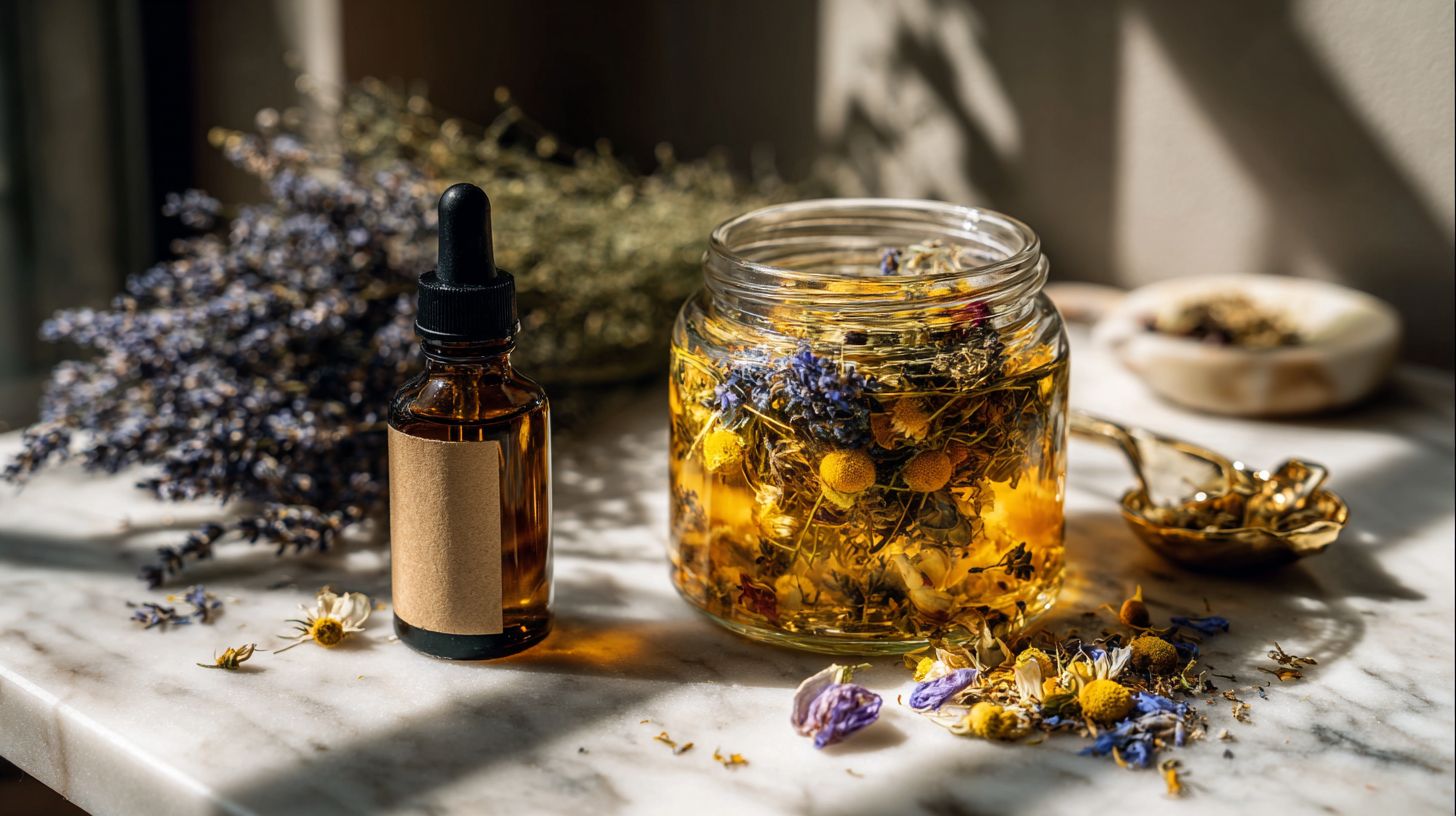
Rosemary and lavender infusions invigorate and relax, bridging scalp health with aromatic stress relief in beauty. Rosemary’s ursolic acid enhances circulation and supports hair growth. Lavender’s linalool fights acne while aiding sleep-enhanced skin repair.
Unlike purely soothing options, these offer stimulating effects. Rosemary revives dull hair follicles. Lavender balances oil production overnight.
For a rinse, simmer 2 sprigs of rosemary in water for 20 minutes, then cool. Add a few lavender buds, strain, and pour over scalp after shampooing. Massage in and rinse after 5 minutes.
- Blend scents by mixing equal parts for a custom aroma.
- Use rosemary solo for oily scalps needing vigor.
- Pair lavender with carrier oils for bedtime face mists.
These tips highlight their versatile modern uses. Stimulating rosemary contrasts lavender’s calm. Experiment to match your routine.
Modern Scientific Validation
Contemporary research illuminates why ancient herbal infusions deliver real results in skincare and beyond. Lab studies on extraction methods reveal how active compounds like antioxidants from rosemary combat free radicals effectively. These findings bridge traditional use with modern science in beauty routines.
Bioavailability sets infusions apart from concentrated extracts. Infusions release compounds gently through steeping, making them easier for skin to absorb compared to harsh extracts. This approach mimics nature’s way, enhancing benefits in daily applications.
Research suggests chamomile’s bisabolol offers soothing effects similar to mild hydrocortisone for reducing inflammation. Users apply cooled chamomile infusions as toners to calm irritated skin after sun exposure. Rosemary rinses, meanwhile, support scalp health by fighting oxidative stress.
Experts recommend testing small patches first to ensure compatibility. These validated insights fuel the comeback of herbal infusions in beauty, blending ancient wisdom with proven efficacy. Simple home preparations now carry scientific backing for tangible results.
DIY Herbal Infusion Recipes for Skincare
Crafting DIY herbal infusions at home unlocks fresh, potent skincare tailored to your needs. Unlike store-bought options, homemade versions offer purity without preservatives or synthetic additives. You control ingredients for customization, and they cost far less using kitchen staples.
These infusions draw from ancient ingredients making a modern comeback in beauty routines. Adjust strengths for your skin type, like drier blends for sensitive faces. Prep times stay short, often under 15 minutes.
Store in the fridge for up to one week in glass jars to keep potency high. Common mistakes include over-steeping, which leads to bitterness, so follow time guidelines closely. Always do a patch test on your inner arm first.
With practice, these recipes build confidence in herbal infusions for beauty. They soothe, hydrate, and balance skin naturally. Start simple to see results in days.
Facial Toners and Cleansers
Simple herbal toners and cleansers refresh and balance skin using kitchen staples. In Herbal Infusions in Beauty: Ancient Ingredients Making a Modern Comeback, these DIY options fit into daily routines for a clean, dewy glow after use. They suit all skin types with minor tweaks.
Lavender-Chamomile Toner calms irritation and tightens pores. Prep takes 5 minutes, steeping adds 10 more. Use morning and night for best results.
- Boil 1 cup water and remove from heat.
- Add 1 tsp dried lavender and 1 tsp chamomile, steep 10 minutes covered.
- Strain into a clean bottle, cool, then add 2 tbsp witch hazel optional for extra astringency.
- Apply with a cotton pad, sweeping gently over face.
Expect a soft, soothed feel post-application, less redness over time. Patch test first to avoid surprises. Refrigerate up to one week.
Calendula Cleanser gently removes makeup while healing minor blemishes. Infuse an oil base for nourishment. Prep in 10 minutes total.
- Combine 1/4 cup carrier oil like jojoba with 2 tbsp dried calendula petals in a jar.
- Infuse in a warm spot for 1 week, shaking daily, or gently heat 30 minutes.
- Strain oil, mix 1 tbsp infused oil with 1 tbsp honey and a splash of water.
- Massage onto damp face, rinse with warm water.
Skin feels supple and clean, not stripped. Use evenings, patch test advised. Avoid over-steeping oil to prevent rancidity.
Hair Care with Herbal Infusions
Herbal infusions transform hair care, strengthening strands and soothing scalps naturally. These ancient ingredients, now making a modern comeback in beauty routines, offer gentle alternatives to chemical products. Users often notice softer, more vibrant hair after consistent use.
Scalp health improves with regular herbal rinses, reducing issues like dandruff through anti-inflammatory properties. For example, massaging infusions into the scalp promotes circulation and balances oil production. This approach draws from traditional practices revived today.
Prepare infusions by steeping fresh or dried herbs in hot water, then cool before application. Always avoid eye contact to prevent irritation, and test on a small skin patch first. These steps ensure safe, effective hair care with herbal infusions.
Below are three simple recipes tailored for different hair needs. Each takes under an hour and uses kitchen staples. Incorporate them weekly for best results in your beauty regimen.
- Rosemary rinse for growth: Steep 3 fresh rosemary sprigs in 2 cups boiling water for 20 minutes. After shampooing, massage the cooled rinse into your scalp, leave for 5 minutes, then rinse. This stimulates follicles, promoting thicker hair over time; avoid eyes during massage.
- Nettle infusion for shine: Brew a strong nettle tea with 2 tablespoons dried leaves in 2 cups hot water, steep 15 minutes, strain. Soak clean, damp hair for 30 minutes, then rinse with cool water. It adds luster by sealing cuticles; keep away from eyes to avoid sting.
- Hibiscus for color boost: Boil 1/4 cup dried hibiscus flowers in 2 cups water for 10 minutes, cool and strain. Pour over hair post-shampoo, leave 20 minutes, rinse. Enhances natural red tones and strengthens strands; steer clear of eye area.
These herbal infusions in beauty revive ancient wisdom for modern hair challenges. Pair with gentle shampoos for enhanced effects, like reduced flakiness on oily scalps. Experiment to find your favorite.
Commercial Products and Brands
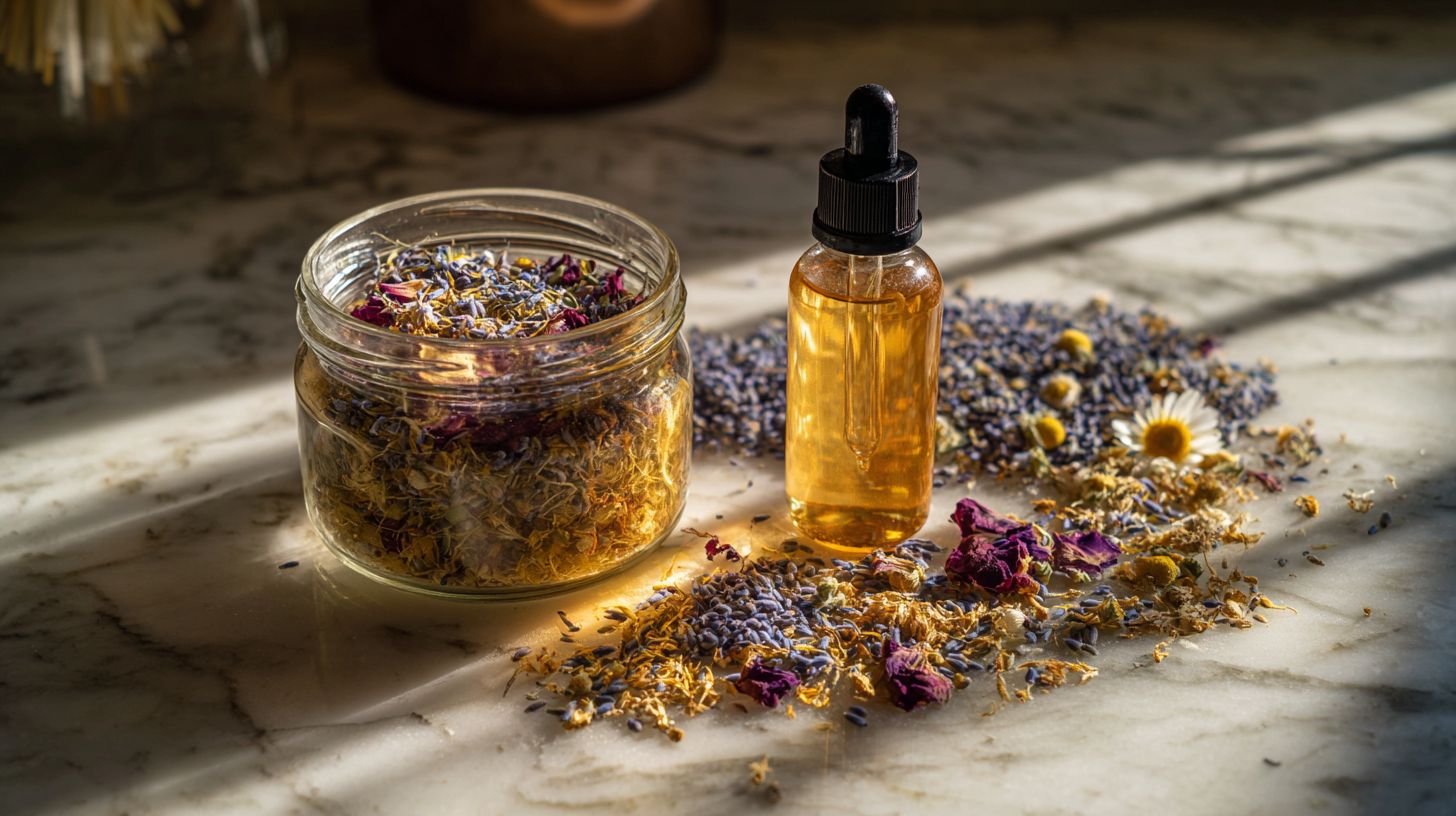
Leading brands now bottle the power of herbal infusions, blending tradition with innovative formulations. These products draw from ancient ingredients like chamomile and lavender, making them popular in modern beauty routines. Consumers appreciate the natural scents and soothing effects.
The Body Shop offers chamomile-based sprays for calming skin. Burt’s Bees features lavender lip balms and creams that hydrate effectively. Weleda stands out with its calendula line for sensitive skin repair.
Evaluate options based on ingredient purity and user feedback on scent and efficacy. Always check labels to confirm true herbal infusions over synthetic mimics. This ensures you get authentic benefits from these ancient ingredients making a modern comeback.
| Brand | Key Herb | Product Type | Price Range | Best For |
|---|---|---|---|---|
| The Body Shop | Chamomile | Facial spray | $10-30 | Calming irritation |
| Burt’s Bees | Lavender | Lip balm, cream | $10-30 | Hydration, relaxation |
| Weleda | Calendula | Body lotion, ointment | $10-30 | Sensitive skin repair |
Brands like these prioritize natural extracts, but purity varies. User reviews often praise gentle scents and real results from herbal infusions in beauty. Opt for products listing herbs high in the ingredients for best outcomes.
Safety Considerations and Best Practices
While herbal infusions offer gentle beauty benefits, mindful use ensures safe, effective results. In the context of Herbal Infusions in Beauty: Ancient Ingredients Making a Modern Comeback, prioritizing safety prevents common pitfalls. Always start with basic precautions to enjoy these ancient ingredients without issues.
Best practices begin with patch testing. Apply a small amount of the diluted infusion to your inner arm and wait 24 hours to check for reactions. Source organic herbs from reputable suppliers to avoid pesticides or contaminants.
Dilution is key for safe application. Mix herbal infusions with carrier oils or water at ratios like 1 part infusion to 10 parts base for skin use. This reduces irritation risks while maintaining potency.
Challenges include allergies and sensitivities. Chamomile may trigger reactions in those allergic to the ragweed family, so test carefully. Citrus herbs like lemon balm can cause light sensitivity, making skin more prone to sunburn.
Step-by-Step Safety Routine
- Research the herb’s profile, noting any known allergens or cautions, especially during pregnancy.
- Prepare a diluted test batch using proper ratios.
- Perform a patch test on your inner arm and monitor for 24 hours.
- Apply to a small facial area if no reaction occurs, then expand use gradually.
- Store infusions in dark, cool places to preserve safety and efficacy.
This routine builds confidence in using herbal infusions. It minimizes risks from individual sensitivities. Track your skin’s response in a journal for future reference.
Pregnancy requires extra caution with herbs like sage or rosemary, which experts recommend avoiding. Consult a healthcare provider first. Light sensitivity from citrus persists, so apply at night and use sunscreen daily.
Pro Tip for Long-Term Use
Consult a dermatologist if you have skin conditions like eczema or rosacea. They can tailor advice to your needs with herbal infusions. This ensures these modern comebacks from ancient ingredients enhance your routine safely.
Frequently Asked Questions
What are herbal infusions in beauty?
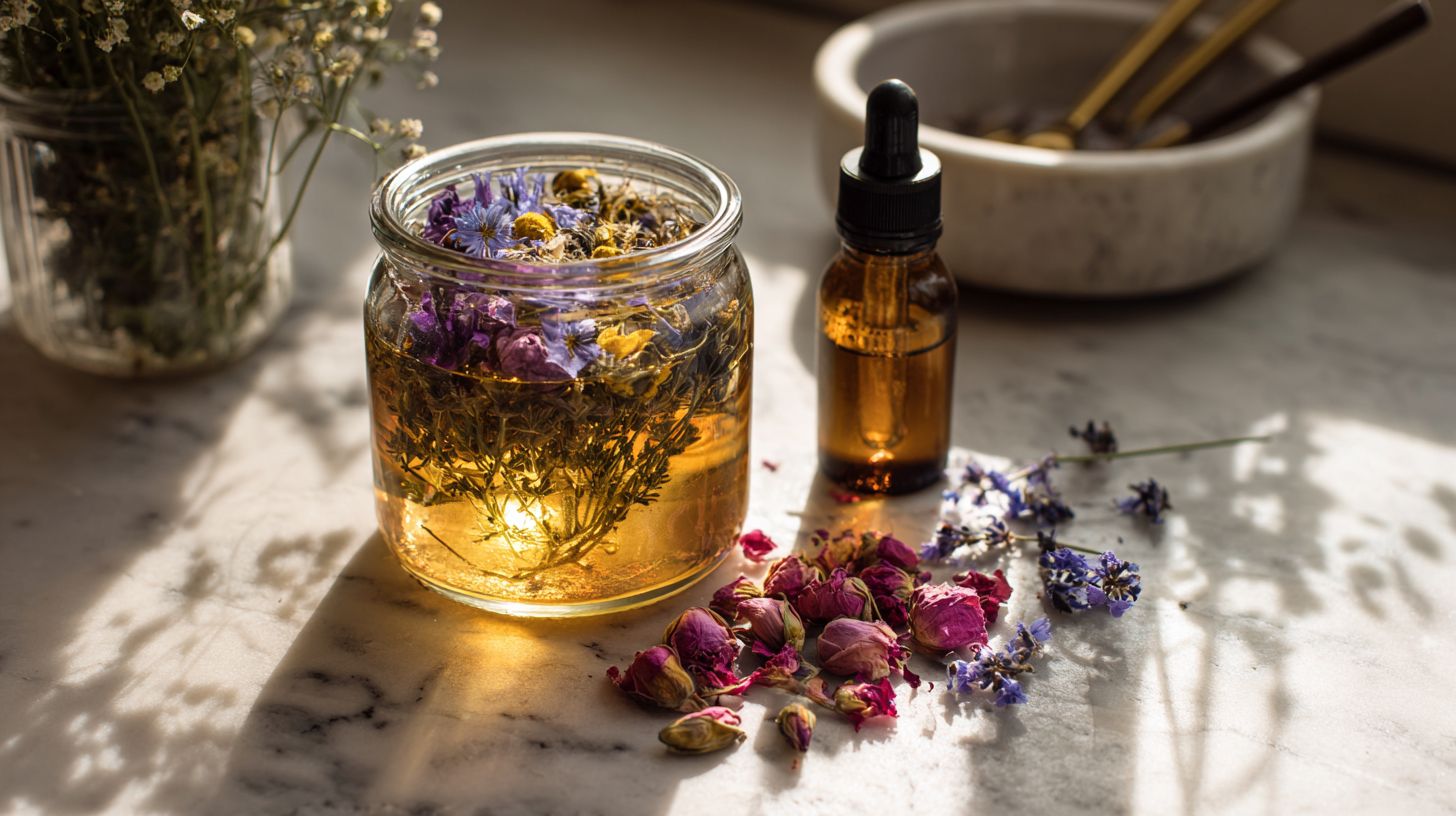
Herbal infusions in beauty involve steeping herbs in water, oil, or other bases to extract their beneficial properties for skincare and haircare. Herbal Infusions in Beauty: Ancient Ingredients Making a Modern Comeback highlights how these time-tested methods are regaining popularity in contemporary routines for their natural efficacy.
Which ancient ingredients are making a comeback in herbal beauty infusions?
Classic ingredients like chamomile, lavender, rose, calendula, and rosemary-used for centuries in traditional remedies-are resurfacing. Herbal Infusions in Beauty: Ancient Ingredients Making a Modern Comeback showcases their revival in modern products for soothing, anti-aging, and hydrating effects.
How do herbal infusions benefit the skin?
Herbal infusions deliver antioxidants, anti-inflammatory compounds, and vitamins directly to the skin, promoting healing, reducing redness, and enhancing glow. In the context of Herbal Infusions in Beauty: Ancient Ingredients Making a Modern Comeback, they offer a gentle, chemical-free alternative to synthetic cosmetics.
Can I make herbal infusions for beauty at home?
Yes! Brew simple infusions by steeping fresh or dried herbs in hot water or carrier oils, then strain and apply as toners, masks, or hair rinses. Herbal Infusions in Beauty: Ancient Ingredients Making a Modern Comeback encourages DIY approaches rooted in ancient wisdom for personalized beauty care.
Are herbal infusions safe for all skin types?
Generally safe, but patch-test first, especially if you have allergies. Sensitive skin benefits from gentle herbs like aloe or green tea. Herbal Infusions in Beauty: Ancient Ingredients Making a Modern Comeback emphasizes mindful use of these potent ancients to avoid irritation.
Why are herbal infusions trending in modern beauty?
With a shift toward clean, sustainable beauty, consumers seek natural alternatives to harsh chemicals. Herbal Infusions in Beauty: Ancient Ingredients Making a Modern Comeback reflects this movement, blending historical efficacy with today’s demand for eco-friendly, effective skincare.