

Ever catch yourself reaching for that skincare jar and wondering what’s really in it? From Garden to Vanity: Botanical Trends Blooming in Organic Beauty explores how plants are taking center stage in our routines, pulling straight from nature’s playbook. You’ll see familiar ingredients in a fresh light, making clean beauty feel both timeless and right now.
Key Takeaways:
The Rise of Organic Cosmetics
Organic cosmetics have surged in popularity as consumers seek clean, plant-powered alternatives to synthetic formulas, prioritizing skin health and environmental harmony. These products draw directly from nature, featuring ingredients like aloe vera and chamomile that soothe and nourish. This shift reflects a broader movement in From Garden to Vanity: Botanical Trends Blooming in Organic Beauty.
To embrace this trend, start by reading ingredient labels for plant-derived actives. Look for terms like Calendula officinalis extract or Rosa damascena oil, which signal genuine botanical sources. Avoid products loaded with parabens or artificial fragrances that can disrupt skin balance.
Organic cosmetics offer clear benefits for everyday use. They often reduce irritation for sensitive skin, promote a natural glow through gentle hydration, minimize allergic reactions with pure formulations, support long-term skin repair using antioxidants from plants, and align with eco-friendly values by using sustainable sourcing.
- Check for USDA Organic or similar certifications on packaging.
- Scan the first five ingredients for recognizable plants like lavender or green tea.
- Verify no hidden synthetics by researching unfamiliar terms online.
- Opt for minimalistic labels with fewer than 10 ingredients total.
- Test a patch on your inner arm before full application.
Transition your routine by swapping one synthetic product weekly for an organic match, such as a chamomile-infused cleanser. Build a botanical-focused regimen with a morning toner of rose water and evening moisturizer from shea butter. This gradual approach ensures smooth adaptation while enhancing your skin’s vitality.
Historical Roots of Plant-Based Beauty
Plant-based beauty draws from millennia-old practices, where healers and queens alike turned to gardens for remedies that remain relevant today. Across cultures, people harvested herbs, flowers, and fruits to soothe skin and enhance glow. These traditions highlight the timeless appeal of nature’s bounty in personal care.
Global healers crafted potions from local plants to treat ailments and beautify. Queens in distant lands infused oils with petals for radiant complexions. This deep connection between gardens and vanity laid the foundation for botanical trends blooming in organic beauty.
Today, these ancient wisdoms inspire modern routines. Simple garden ingredients offer gentle, effective care without harsh additives. The shift revives time-honored methods in fresh ways.
From ancient rituals to current shelves, plant power endures. This legacy bridges past and present, fueling the rise of from garden to vanity practices. Explore how these roots influence today’s organic beauty movement.
Ancient Traditions to Modern Revival
From Cleopatra’s milk and honey baths to today’s green beauty aisles, plant extracts have evolved into sophisticated staples. Egyptian women used rosewater toners to refresh and balance skin. Ayurvedic traditions relied on turmeric masks for their anti-inflammatory glow.
Indigenous communities revered shea butter from African trees for deep moisturizing. These practices spanned continents, proving plants’ universal efficacy. Each culture adapted local flora to meet beauty needs.
Modern revival stems from growing awareness of chemical sensitivities. Many seek gentler alternatives to synthetic products. A desire for sustainability also drives this shift, as plants offer renewable resources.
Experts recommend reconnecting with these traditions through DIY recipes. Try this honey-rose face mask for a quick glow boost.
- Ingredients: 1 tablespoon raw honey, 1 tablespoon rosewater, 1 teaspoon plain yogurt.
- Step 1: Mix ingredients in a bowl until smooth, about 2 minutes.
- Step 2: Apply to clean face, avoiding eyes, and relax for 10 minutes.
- Step 3: Rinse with warm water and pat dry for soft skin.
This 10-minute prep embodies from garden to vanity simplicity. It nourishes with natural humectants and antioxidants. Embrace these roots for timeless, effective care.
Key Botanical Ingredients in Demand
Today’s organic beauty spotlights potent botanicals that deliver targeted skincare benefits straight from nature’s pharmacy. These ingredients thrive in clean beauty due to their accessibility from gardens and farms. Consumers value their natural purity and minimal processing.
Versatility makes them ideal for daily use in serums, creams, and mists. Easy sourcing supports sustainable practices in From Garden to Vanity: Botanical Trends Blooming in Organic Beauty. They fit seamlessly into routines without synthetic additives.
Brands favor these for their ability to address multiple concerns like hydration and calming. Garden-fresh options ensure potency in every application. This shift highlights nature’s role in effective, everyday skincare.
Superfood Extracts and Adaptogens
Superfood extracts like matcha and acai, paired with adaptogens such as ashwagandha, fortify skin against daily stressors. Matcha offers antioxidants that brighten dull complexions. Acai supports overall vitality with its nutrient-rich profile.
Ashwagandha excels in calming serums to reduce redness from environmental irritants. Use rhodiola in morning mists for resilience during busy days. Turmeric provides anti-inflammatory effects in masks for even tone.
Integrate these into routines by pairing a matcha serum with ashwagandha cream at night. Start mornings with an adaptogen mist followed by acai-infused moisturizer. This layering builds protection throughout the day.
| Ingredient | Skin Concern | Application Method | Scent Profile |
|---|---|---|---|
| Matcha | Dullness | Serum | Fresh, grassy |
| Acai | Fatigue | Moisturizer | Berry, subtle |
| Ashwagandha | Redness | Cream | Earthy, mild |
| Rhodiola | Stress | Mist | Herbal, light |
| Turmeric | Inflammation | Mask | Warm, spicy |
Sustainable Sourcing Practices
Sustainable sourcing ensures botanical beauty honors the earth, preserving the gardens that supply its star ingredients. This practice links ethics directly to efficacy in organic formulations. When ingredients come from responsibly managed sources, they retain potency without environmental harm.
Ethical choices mean plants grow in healthy ecosystems. This results in richer extracts for skincare and haircare. Brands committed to sustainability deliver products that work well over time.
Consumers benefit from fresher, more vibrant botanicals. Practices like crop rotation keep soil fertile for consistent quality. In From Garden to Vanity: Botanical Trends Blooming in Organic Beauty, this balance drives innovation.
Transparency builds trust between brands and users. Knowing sources are sustainable enhances product appeal. It ensures beauty routines support planetary health alongside personal glow.
Ethical Harvesting and Biodiversity
Ethical harvesting protects wild plants and supports regenerative farming, maintaining biodiversity for future beauty innovations. Wildcrafting limits prevent overcollection of rare species like arnica or elderflower. This approach safeguards ecosystems that produce potent actives.
Organic certification, such as USDA Organic seals, verifies pesticide-free growth. Farmer partnerships foster long-term soil health through methods like cover cropping. These steps yield resilient plants for reliable formulations.
Consumers can take action by asking brands key questions. Use this list to probe sourcing details:
- How do you trace your lavender from seed to shelf?
- What wildcrafting limits do you set for foraged ingredients?
- Are your farmers certified organic, and how do you verify?
- What regenerative practices support your supply chain?
- Can you share biodiversity impact assessments?
Watch for red flags like vague “natural” claims or greenwashing tactics. Terms without proof often hide poor practices. Demand specifics to align purchases with true sustainability in botanical beauty.
Trending Formulations and Products
Botanical trends shine in innovative formulations that blend efficacy with sensory delight, from dewy serums to buildable makeup. Current market favorites align with the From Garden to Vanity: Botanical Trends Blooming in Organic Beauty garden-to-vanity ethos by drawing directly from nature’s bounty. Think lightweight oils from jojoba seeds and powders from rice starch that nourish skin without heaviness.
Consumers favor products like adaptogen-infused creams from ashwagandha roots for stress relief and calming effects. These picks emphasize clean ingredients grown sustainably. They offer a fresh alternative to synthetic options in organic beauty.
Layering becomes simple with these botanical blends. Start with a serum, add a tinted moisturizer, and finish with a gloss from berry extracts. This routine keeps skin radiant while honoring the From Garden to Vanity journey.
Experts recommend patch-testing new arrivals to ensure compatibility. Such trends highlight how organic beauty evolves with plant-powered innovation. Favorites continue to bloom across skincare and makeup lines.
From Serums to Clean Makeup
Serums infused with hyaluronic acid from fermented baobab lead the charge, while clean makeup offers tint from beetroot and shimmer from mica. These formulations bring garden freshness to daily routines. They hydrate deeply and provide natural glow without irritation.
Build full-face looks by layering strategically. Apply serum first, then a lightweight foundation, and top with blush. This method ensures even coverage and lasting wear throughout the day.
Swatch products on your jawline for true color matching. Blend with fingers or a damp sponge for a dewy finish. Such tips make botanical makeup accessible for all skin types.
| Product Type | Key Botanicals | Benefits | Price Range |
|---|---|---|---|
| Niacinamide-green tea serum | Green tea extract, niacinamide | Calms redness, balances oil; apply 2 drops AM/PM | $20-50 |
| Baobab hyaluronic serum | Fermented baobab, aloe vera | Hydrates deeply, plumps fine lines; use before moisturizer | $25-60 |
| Beetroot tinted moisturizer | Beetroot powder, shea butter | Even tone, light coverage; layer for buildable effect | $30-55 |
| Mica shimmer highlighter | Natural mica, jojoba oil | Adds glow, non-greasy; dust on cheekbones | $15-40 |
| Rosehip oil cleanser | Rosehip seed oil, chamomile | Gently removes makeup, soothes; massage in evenings | $20-45 |
| Ashwagandha calming cream | Ashwagandha root, calendula | Reduces stress marks, repairs barrier; apply at night | $35-70 |
Innovations in Botanical Technology
Cutting-edge tech amplifies nature’s power, making botanical ingredients more bioavailable and stable in everyday products. These advancements bridge tradition and science by extracting and enhancing plant compounds without synthetic additives. From garden to vanity, they deliver organic beauty results that last.
Scientists now use precise methods to stabilize fragile botanicals like rosehip oil or green tea extract. This ensures enhanced efficacy in serums and creams. Users see smoother skin and better hydration from these stable formulas.
Key innovations include encapsulation and fermentation processes. They protect active ingredients from degradation. Everyday products become more potent, aligning with botanical trends blooming in organic beauty.
Experts recommend looking for labels with these technologies. They offer practical ways to upgrade routines. Traditional herbs meet modern stability for real results.
Nano-Emulsions and Bio-Fermentation
Nano-emulsions shrink botanical particles for deeper penetration, while bio-fermentation boosts potency of ingredients like squalane from olives. Nano tech creates lightweight formulas that absorb quickly into skin. This makes vitamin C from kakadu plum more effective in brightening serums.
Bio-fermentation involves yeast cultures transforming plant materials. It produces gentle probiotics and supercharged actives. The process mimics natural fermentation, enhancing benefits like soothing inflammation.
- Facial oils with nano-emulsified argan for fast absorption
- Moisturizers using bio-fermented rice water for hydration
- Serums with fermented green tea for antioxidant protection
- Cleansers featuring nano-kalonji seed oil for gentle purification
- Masks with bio-fermented aloe for calming effects
Common myths include the idea that “nano is unnatural”. In truth, these emulsions often start with natural botanical origins refined for stability. Another myth claims fermentation weakens ingredients, but it actually amplifies their power gently.
For at-home dupes, blend olive oil with lecithin using a high-speed blender to mimic nano-emulsions. Ferment kombucha scraps with honey for a probiotic toner. These simple steps bring innovations in botanical technology to your vanity.
Frequently Asked Questions
What is “From Garden to Vanity: Botanical Trends Blooming in Organic Beauty”?
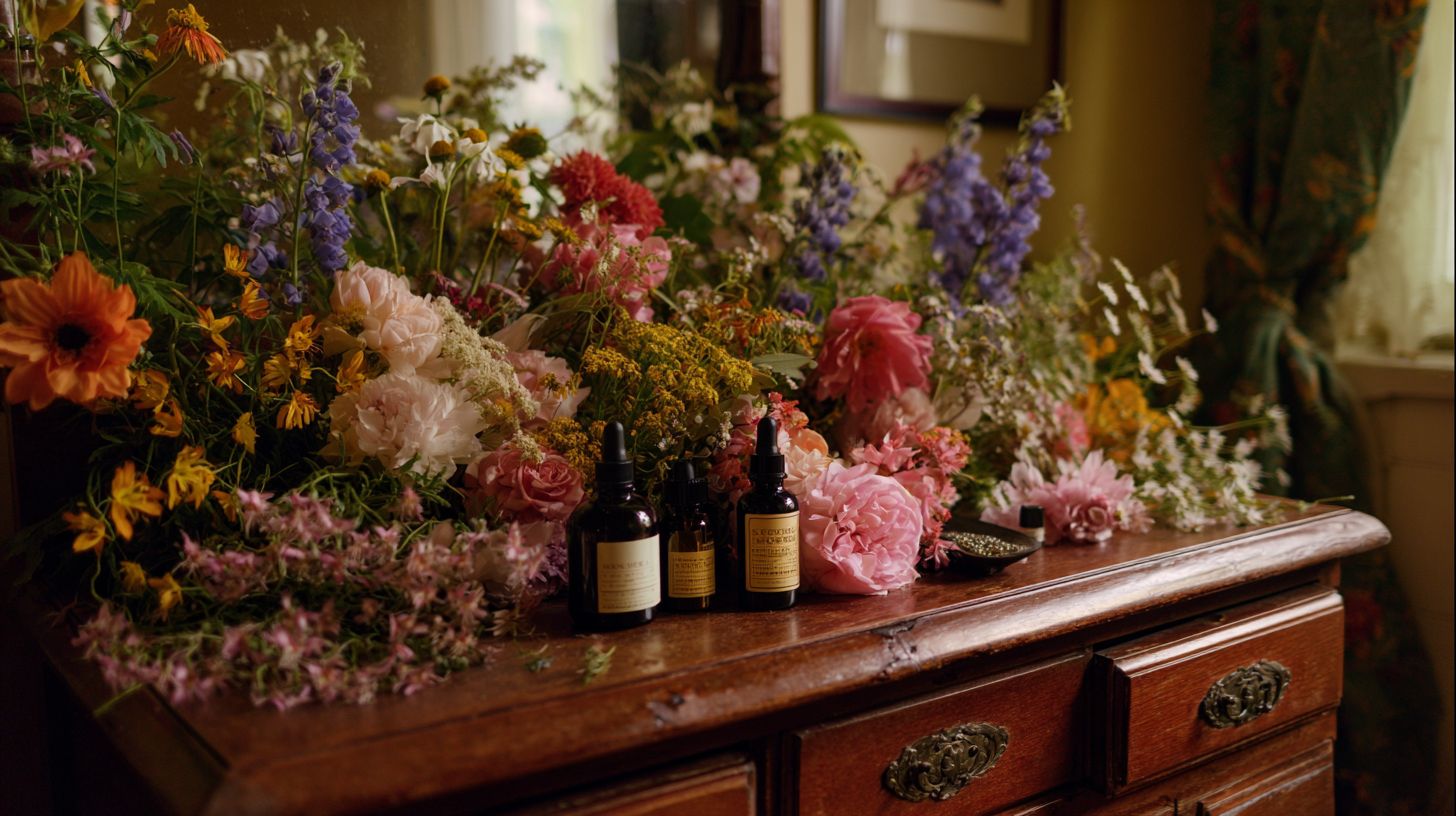
“From Garden to Vanity: Botanical Trends Blooming in Organic Beauty” refers to the growing movement in the beauty industry where natural, plant-based ingredients from gardens and nature are transforming into organic skincare and cosmetic products, emphasizing sustainability, purity, and efficacy for modern vanities.
Why are botanical trends blooming in organic beauty under “From Garden to Vanity”?
Botanical trends are blooming in organic beauty as consumers seek cleaner alternatives to synthetic chemicals. “From Garden to Vanity: Botanical Trends Blooming in Organic Beauty” highlights how ingredients like aloe vera, chamomile, and rosehip oil are harvested sustainably and infused into products for gentle, effective results that nurture both skin and the environment.
What are some key examples of botanical ingredients in “From Garden to Vanity: Botanical Trends Blooming in Organic Beauty”?
Key examples in “From Garden to Vanity: Botanical Trends Blooming in Organic Beauty” include lavender for calming serums, green tea for antioxidant protection, and calendula for soothing balms, all sourced organically to create luxurious, garden-fresh beauty routines that deliver real benefits without harsh additives.
How does “From Garden to Vanity: Botanical Trends Blooming in Organic Beauty” promote sustainability?
“From Garden to Vanity: Botanical Trends Blooming in Organic Beauty” promotes sustainability by prioritizing ethically farmed botanicals, zero-waste packaging, and biodegradable formulas, ensuring that the journey from garden cultivation to vanity application supports biodiversity and reduces the beauty industry’s ecological footprint.
What benefits do users get from products in “From Garden to Vanity: Botanical Trends Blooming in Organic Beauty”?
Users of “From Garden to Vanity: Botanical Trends Blooming in Organic Beauty” enjoy benefits like improved skin hydration, reduced inflammation, and a natural glow, thanks to potent phytonutrients in organic botanicals that work in harmony with the skin’s microbiome for long-term health and radiance.
How can I incorporate “From Garden to Vanity: Botanical Trends Blooming in Organic Beauty” into my routine?
To incorporate “From Garden to Vanity: Botanical Trends Blooming in Organic Beauty” into your routine, start with a botanical cleanser, follow with a garden-infused toner, and finish with a night cream featuring organic extracts-building a simple, effective regimen that brings the garden’s vitality straight to your vanity.