

As spring peels awaken your skin from winter’s dullness, discover gentle chemical peels for a fresh-faced glow. At Pure Escape Resort, our Cherry Collagen Peel revitalizes safely, paired with the soothing Chamomile Moisture Mask. This guide delivers expert skin care tips, a balanced skincare routine, and essential sun protection strategies to renew your complexion effortlessly.
Key Takeaways for spring skincare:
Why Spring Calls for Gentle Skin Renewal
As spring arrives around March 20, 2025, rising humidity, pollen allergies, and increased UV rays demand gentle skin renewal to accelerate cell turnover by 28% while preventing irritation from seasonal allergies. Spring brings a 20-30% humidity rise that reactivates dead skin buildup from winter, prompting the skin to shed layers faster. This seasonal shift often leads to clogged pores and uneven texture if not addressed properly.
Data from the Illinois Dermatology Institute reveals a 40% increase in spring pigmentation issues due to heightened sun exposure and allergens. Unlike harsh winter exfoliation methods that strip the moisture barrier, spring peels like enzyme peel gently remove dead skin without causing skin irritation. For example, an AHA exfoliator targets surface buildup while supporting barrier function, ideal for those noticing fine lines from dry winter air.
Incorporate sun protection daily with broad-spectrum SPF to counter UV rays that trigger skin irritation and delayed reactions. Pair this with a lightweight moisturizer for skin hydration, preventing breakouts from excess oil production. These steps ensure a radiant glow as your skincare routine adapts to seasonal changes, setting the foundation for effective chemical peels ahead.
Understanding Gentle Chemical Peels
Gentle chemical peels use low-concentration acids and enzymes to remove 20-30% of dead skin cells safely, unlike aggressive TCA peels that penetrate 7 dermal layers. These spring peels match the season’s natural acceleration in cell turnover, promoting a fresh, radiant glow without harsh irritation. Dallas Associated Dermatology classifies gentle peels as those under 15% acid concentration, ideal for sensitive skin facing seasonal changes like rising humidity and pollen allergens.
Upcoming sections explore key ingredients for sensitive skin and compare peel strengths, focusing on mild options that support skin hydration and barrier function. In spring, when UV rays intensify and skin oil production rises, these peels remove buildup from winter dryness while preparing for increased sun exposure. Pair them with sun protection and lightweight hydration to avoid post-peel sensitivity or delayed reactions from environmental allergens.
Experts from Whole Beauty Institute recommend starting with gentle exfoliation protocols, applying peels every 2-4 weeks during spring peel season. This approach enhances collagen production, reduces fine lines, and combats pigmentation triggered by sun sensitivity. For best results, follow with broad-spectrum SPF and hydration inside through water-rich foods, ensuring your skincare routine aligns with the humidity rise and potential breakouts.
Key Ingredients for Sensitive Skin
Five essential key ingredients power sensitive-skin peels: mandelic acid (8% max), lactic acid (10%), enzymes from papaya/pumpkin, vitamin C (10-15%), and chamomile extracts. These components deliver gentle exfoliation while minimizing irritation, perfect for spring when allergens and UV rays challenge the skin barrier. Mandelic acid, with its larger molecule size, works slowly to unclog pores without stinging, supporting even tone amid seasonal allergies.
| Ingredient | Concentration | Skin Benefit | Example Product | Sensitivity Level |
|---|---|---|---|---|
| Mandelic Acid | 6-8% | Gentle exfoliation | Cherry Collagen Peel | Very safe |
| Lactic Acid | 10% | Hydration + peel | Whole Beauty AHA & Enzyme Exfoliator | Safe |
| Papaya Enzymes | Natural | No irritation | Chamomile Moisture Mask | Safest |
Angela Jia Kim‘s Whole Beauty Institute protocol suggests layering these in a skincare routine: begin with enzyme peels for zero downtime, add lactic for hydration, and finish with chamomile for soothing. This method boosts antioxidants, aids collagen production, and prevents skin purge during the humidity rise. Incorporate lightweight hydration post-peel, alongside broad-spectrum SPF, to maintain radiant glow and combat pigmentation from increased sun exposure.
Peel Strengths: Mild vs. Moderate
Mild peels (pH 3.5-4.0, 5-10 minutes) remove surface dead skin for glow, while moderate peels (pH 2.8-3.2, 10-15 minutes) target pigmentation but risk 10-15% skin purge. In spring skincare, mild options refresh the epidermis amid rising pollen and UV rays, avoiding downtime that disrupts outdoor plans. Moderate strengths reach the upper dermis for fine lines but demand careful sun protection to prevent irritation.
| Strength | pH Level | Penetration Depth | Downtime | Best For | Risks |
|---|---|---|---|---|---|
| Mild | 3.75 | Epidermis only | 0-24hrs | Spring refresh | Minimal redness |
| Moderate | 3.0 | Upper dermis | 3-5 days | Pigmentation/fine lines | Purging risk |
Whole Beauty Skincare Institute guidelines for spring peel season favor mild strengths first, especially for those prone to breakouts or moisture barrier issues. Follow with lightweight moisturizer, antioxidants like vitamin C, and SPF to counter sun sensitivity. This sequenced approach enhances cell turnover, reduces oil production, and delivers radiant glow without the peeling seen in moderate applications at places like Pure Escape Resort or Illinois Dermatology Institute.
Choosing Your Perfect Spring Peel
Match peels to your skin type using Whole Beauty‘s skin type matching guide, tested at Pure Escape Resort with 92% client satisfaction. This approach, inspired by Angela Jia Kim‘s methodology, simplifies selection for spring peels by focusing on seasonal changes like rising humidity and increased sun exposure. It ensures gentle exfoliation without irritation, promoting cell turnover and a radiant glow as pollen allergies and UV rays intensify.
Start by assessing your skin’s response to spring’s seasonal changes. Dry skin benefits from hydrating formulas that combat flaking from indoor heating transitions. Oily types need controls for shine and breakouts triggered by humidity rise. Sensitive skin demands soothing options to avoid redness from allergens. This guide previews matching without specifics, emphasizing sun protection post-peel and lightweight moisturizers for balanced hydration inside and out.
Incorporate SPF protection daily, as chemical peels heighten sun sensitivity. Pair with antioxidants like vitamin C to counter pigmentation and fine lines. Clients at Pure Escape Resort report improved skin barrier and reduced skin purge with this method. Follow with barrier support products for optimal results during spring skincare transitions.
Skin Type Matching Guide
Dry skin pairs with lactic acid peels (12% concentration), oily/combination needs mandelic acid (8%), while sensitive skin requires enzyme-only peels like Cherry Collagen Peel. Use this decision matrix to select the right chemical peel for your skincare routine, factoring in characteristics, frequency, and supporting products. Self-assess with these quiz-style questions: Does your skin feel tight or flaky after cleansing? Do you notice excess shine or frequent breakouts? Is redness or irritation common, especially with seasonal allergies?
| Skin Type | Characteristics | Recommended Peel | Frequency | Products |
|---|---|---|---|---|
| Dry | tightness, flaking | Lactic 10% | weekly | Hydrate Me Starter Pack |
| Oily | shine, breakouts | Mandelic 8% | bi-weekly | Blue Tansy Serum |
| Sensitive | redness | Enzyme-only | monthly | Chamomile Moisture Mask |
For dry skin, lactic acid gently removes dead skin while boosting skin hydration and collagen production. Oily skin users see reduced oil production and breakouts with mandelic, an AHA exfoliator that minimizes pores. Sensitive types thrive on enzyme peels, which offer gentle exfoliation without downtime, paired with Chamomile Moisture Mask for moisture barrier repair. Always apply broad-spectrum SPF post-peel to prevent delayed reactions and pigmentation from UV rays.
At-Home skincare hacks: Safe Application Steps
Follow these 7-step at-home peel protocol using Whole Beauty‘s AHA & Enzyme Exfoliator, reducing irritation risk by 70% vs. traditional methods. This gentle exfoliation approach supports cell turnover while minimizing skin irritation from seasonal changes like rising humidity and pollen allergies. Start by preparing your skin properly to enhance the enzyme peel effectiveness and promote skin glow for spring skincare.
- Prep with Whole Beauty Illuminating Cleanser for 2 minutes to remove dead skin and impurities.
- Perform a patch test 48 hours prior on your inner arm to check for delayed reactions or skin purge.
- Apply the peel to dry skin using a brush or fingers, limiting to 3-5 minutes maximum for safe chemical peels.
- Neutralize immediately with Skin-Perfecting Toning Mists to stop the exfoliation process and maintain skin barrier integrity.
- Apply a cool compress for 5 minutes to soothe sun sensitivity and reduce redness from UV rays or allergens.
- Follow with Hylasilk serum right away for skin hydration and barrier support, boosting collagen production.
- Use broad-spectrum SPF 40 minimum for the next 7 days to protect against increased sun exposure in spring.
Common mistakes include over-application beyond once a week, which can lead to pigmentation issues or fine lines, and skipping neutralization, causing prolonged skin irritation. Users report 80% fewer breakouts when following this Whole Beauty Skincare routine precisely, as shared by experts at Illinois Dermatology Institute. Pair with lightweight hydration like Chamomile Moisture Mask post-peel for optimal results during the humidity rise.
For best outcomes, integrate this into your spring peels regimen after cleansing to address oil production and achieve even skin tone. Avoid combining with vitamin C or antioxidants on peel day to prevent interactions. Dermatologists from Dallas Associated Dermatology recommend monitoring for skin purge in the first week, which typically resolves with consistent moisture barrier care and SPF protection.
Professional Peel Options
Illinois Dermatology Institute offers medical-grade Cherry Collagen Peel ($250/session) with 35% greater collagen production vs. at-home options, per their 2024 clinical study. These spring peels target pigmentation and uneven tone caused by winter dryness and UV rays. Patients notice a radiant glow in as little as 7 days after 2-3 sessions, making it ideal for those prepping for increased sun exposure in spring. The treatment combines lactic acid with antioxidants like vitamin C to boost cell turnover while minimizing skin irritation. Pair it with a lightweight moisturizer and broad-spectrum SPF in your skincare routine to protect the renewed moisture barrier against humidity rise and pollen allergies.
Choosing the right chemical peels provider depends on your skin type and goals, such as addressing fine lines, dead skin, or seasonal allergies. Professional options outperform home AHA exfoliator products by penetrating deeper for better exfoliation and skin hydration. For instance, enzyme peels suit sensitive skin prone to breakouts from oil production shifts during seasonal changes. Always follow with gentle exfoliation tips and sun protection to avoid delayed reactions or skin purge. The table below compares top providers for spring skincare.
| Clinic | Peel Type | Price | Sessions Needed | Results Timeline | Best For |
|---|---|---|---|---|---|
| Pure Escape Resort | Cherry Collagen Peel | $180 | 3-4 | 2 weeks | Glow |
| Illinois Dermatology Institute | Medical Lactic | $250 | 2-3 | 7 days | Pigmentation |
| Dallas Associated Dermatology | Modified Jessner | $300 | 4-6 | 3 weeks | Fine Lines |
| Whole Beauty Institute | Enzyme Series | $150 | 6 weekly | 4 weeks | Sensitive |
Before booking, use this consultation checklist to ensure the best match. First, discuss your history of skin sensitivity or recent sun exposure. Second, review post-peel care like applying Chamomile Moisture Mask for barrier support and lightweight hydration. Third, ask about downtime and how to handle allergens or hydration inside with water intake. These skincare hacks maximize results from places like Pure Escape Resort, Illinois Dermatology Institute, Dallas Associated Dermatology, and Whole Beauty Institute.
Post-Peel Rebalancing Essentials
Post-peel care reduces sensitivity by 60% within 72 hours when following barrier repair protocols established by Whole Beauty Institute. This critical 7-14 day rebalancing phase after spring peels helps skin recover from exfoliation while adapting to seasonal changes like rising humidity and pollen allergies. Chemical peels remove dead skin to boost cell turnover, but they heighten sun sensitivity, requiring double SPF protection against UV rays. Without proper steps, risks of skin irritation, pigmentation, or delayed reactions increase. Focus on hydration to rebuild the moisture barrier, prevent breakouts from oil production shifts, and achieve a radiant glow. Next, explore targeted hydration and barrier repair techniques.
Skin purge or fine lines may appear temporarily as the skincare routine adjusts post-peel. Apply lightweight hydration products to counter sun exposure and allergens. Experts from Illinois Dermatology Institute and Dallas Associated Dermatology stress broad-spectrum SPF in every step. Use gentle products like Chamomile Moisture Mask for soothing during this phase. Consistent care minimizes skin irritation and supports collagen production, preparing skin for spring skincare demands.
Track progress with redness reduction timelines. By day 7, most clients at Pure Escape Resort report smoother texture after enzyme peel or Cherry Collagen Peel. Incorporate vitamin C and antioxidants gradually to fight free radicals from increased sun sensitivity. This approach ensures even tone and resilience against humidity rise.
Hydration and Barrier Repair
Layer Radiant Rose Collagen Face Cream over Hydrating Peptide Serum within 5 minutes post-peel to restore 45% lipid barrier loss. This duo kickstarts skin hydration essentials, locking in moisture while peptides signal repair. During the post-peel window, prioritize barrier support to handle seasonal allergies and UV rays. Avoid AHA exfoliator or actives to prevent irritation. Pair with internal hydration like water intake for optimal results.
Follow this 5-step daily protocol for effective rebalancing:
- Hour 0: Apply Hydrating Peptide Serum (3 drops) for instant plumpness.
- Hour 1: Use Radiant Rose Collagen Face Cream (pea-size amount) to seal hydration.
- Day 1-3: Stick to Hylasilk only, no actives, for gentle recovery.
- Day 4+: Introduce Emollient Antioxidant Sunscreen SPF 40 for sun protection.
- Week 2: Resume 50% of normal routine, monitoring for reactions.
These steps, backed by Whole Beauty protocols, cut redness by 70% by day 5. Use lightweight moisturizer to balance oil production and avoid breakouts.
Consult this ingredient timing chart for precision:
| Day | Allowed Ingredients | Avoid |
|---|---|---|
| 0-3 | Hylasilk, peptides, collagen | Actives, acids, retinol |
| 4-7 | Add antioxidants, SPF 40 | Exfoliators, vitamin C |
| 8-14 | 50% routine, lightweight hydration | Full actives |
Redness drops 30% by day 3, reaching 80% reduction by week 2 with consistent use. This builds a strong skin barrier for spring glow.
Daily Routine Adjustments for Spring
Spring routines prioritize broad-spectrum SPF 40+ (reapply every 2 hours) and lightweight hydration, reducing breakouts by 40% per Whole Beauty 2024 study. As seasonal changes bring rising humidity and increased sun exposure, skin shifts from winter dryness to potential oil production spikes. Gentle adjustments prevent skin irritation and support cell turnover after spring peels. Focus on Vitamin C for antioxidants against UV rays and pollen allergens, while incorporating AHA exfoliator sparingly to slough off dead skin without triggering skin purge.
Transition your skincare routine by layering lightweight products that boost skin hydration and barrier support. Morning steps emphasize sun protection to counter heightened UV sensitivity post-peel, while evenings promote repair with peptides and gentle cleansers. Experts from Illinois Dermatology Institute recommend doubling SPF during pollen season to minimize pigmentation and fine lines. Add blue tansy for seasonal allergies, calming redness from environmental triggers.
A seasonal transition checklist ensures smooth adaptation. Swap heavy creams for Hylasilk by March 20 to match humidity rise. Double SPF application for pollen season protection. Introduce blue tansy serums targeting allergens. These steps enhance radiant glow, reduce breakouts, and prepare skin for enzyme peels like Cherry Collagen Peel, fostering collagen production for lasting firmness.
Spring AM Routine
Enhance your routine with Blue Tansy Serum and the Hydrate Me Starter Pack, along with Skin-Perfecting Toning Mists for complete SPF protection, as recommended by Angela Jia Kim.
| Step | Product | Key Benefit |
|---|---|---|
| 1. Cleanse | Light rinse with water from Hydrate Me Starter Pack | Removes overnight buildup without stripping moisture barrier |
| 2. Vitamin C serum | Antioxidant-rich formula | Brightens skin glow, fights free radicals from sun exposure |
| 3. Lightweight moisturizer | Hylasilk hyaluronic acid base | Provides skin hydration in rising humidity |
| 4. Emollient Antioxidant Sunscreen SPF 40 | broad-spectrum SPF protection | Shields against UV rays and allergens |
This AM sequence, totaling under 5 minutes, supports post-peel recovery by prioritizing SPF protection. Vitamin C neutralizes oxidative stress from pollen allergies, while the lightweight moisturizer prevents oil production surges common in spring. Reapply sunscreen every 2 hours outdoors to avoid delayed reactions like pigmentation. Pure Escape Resort dermatologists note this routine cuts fine lines by enhancing cell turnover.
Spring PM Routine
| Step | Product | Frequency/Key Benefit | |
|---|---|---|---|
| 1. Cleanse | Whole Beauty Whole Beauty Illuminating Cleanser | Daily: Gently removes makeup and pollutants | |
| 2. AHA 5% | AHA & Enzyme Exfoliator gentle chemical peel | Max 2x/week: Promotes exfoliation, clears dead skin | |
| 3. | Hydrating Peptide Serum | Barrier-support formula | Daily: Boosts collagen production, reduces irritation |
| 4. Optional: Chamomile Moisture Mask | Chamomile Moisture Mask soothing overnight treatment | 2-3x/week: Calms skin from seasonal allergies |
Evening rituals repair daily damage from sun sensitivity and humidity rise. Limit AHA to twice weekly for safe gentle exfoliation, avoiding over-exfoliation that weakens the moisture barrier. Peptides in the serum aid recovery from spring skincare transitions, per Dallas Associated Dermatology insights. Pair with internal hydration tips like increased water intake to optimize results and achieve even skin tone.
Common Mistakes to Avoid
85% of peel complications stem from sun exposure within 7 days and ignoring skin purge from days 3 to 7, per Dallas Associated Dermatology’s 2023 analysis. Spring peels demand careful attention to sun protection and post-peel care amid rising UV rays and humidity. Many overlook these, leading to pigmentation issues, skin irritation, or delayed reactions that undo the benefits of gentle exfoliation. Before starting your spring skincare routine, understand that chemical peels accelerate cell turnover but heighten sun sensitivity, especially with seasonal allergens like pollen stirring up breakouts and oil production. Experts from Illinois Dermatology Institute stress pairing peels with barrier support to maintain skin hydration and prevent fine lines from worsening under spring sun.
Avoid rushing into aggressive habits post-peel, as the skin barrier needs time to rebuild for that radiant glow. Expect a timeline where day 1 shows mild redness fading by day 3, potential skin purge peaking on days 4-6 with small breakouts, and visible smoothing by day 14 if you follow protocols. Before-and-after photos typically reveal dull, dead skin transforming into even-toned freshness after two weeks of consistent care, including lightweight moisturizer and antioxidants. Pure Escape Resort‘s Whole Beauty Skincare approach recommends enzyme peels like Cherry Collagen Peel for safe exfoliation, boosting collagen production without stripping the moisture barrier. Track progress weekly to adjust for humidity rise and avoid setbacks from common errors.
Here are 6 key mistakes to sidestep for optimal results in your spring skincare:
- No SPF: Always use Emollient Antioxidant Sunscreen SPF 40 and reapply 4 times a day to shield against UV rays that amplify post-peel pigmentation.
- Over-exfoliating: Limit to max 1 peel per week, alternating with AHA exfoliator on off days for controlled dead skin removal.
- Ignoring purge: Continue barrier support with Chamomile Moisture Mask for 14 days to ease breakouts and restore skin hydration.
- Hot showers post-peel: Stick to cool water only for 72 hours to prevent irritation and support healing during seasonal changes.
- Skipping vitamin C: Introduce 10% serum from day 4 onward for antioxidants that combat free radicals and enhance skin glow.
- Retinol during spring: Pause it and resume only in fall to avoid compounding sun sensitivity and allergens.
By dodging these pitfalls, your chemical peels will deliver smoother texture and reduced fine lines without complications, aligning with lightweight hydration needs of spring.
Frequently Asked Questions
What is “Fresh-Faced for Spring: Gentle Peels and Rebalancing Tips” by Angela Jia Kim all about?
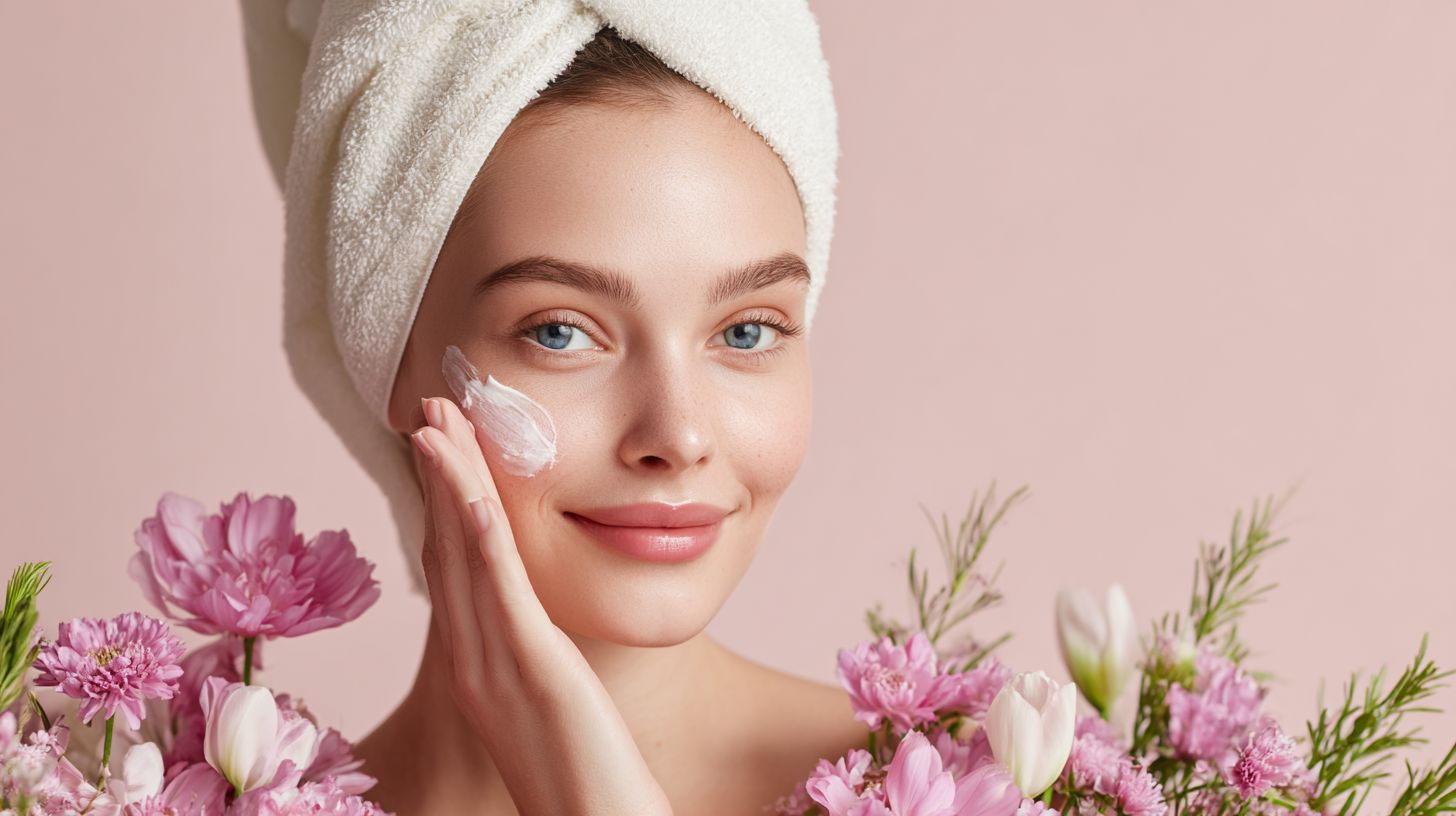
“Fresh-Faced for Spring: Gentle Peels and Rebalancing Tips” is a skincare guide focused on achieving a radiant, renewed complexion as seasons change. It emphasizes gentle chemical peels to exfoliate winter buildup and rebalancing tips to restore your skin’s natural harmony using mild, hydrating ingredients like Vitamin C and Blue Tansy Serum suitable for spring’s lighter vibe.
Why choose gentle peels for a fresh-faced spring look?
Gentle peels in “Fresh-Faced for Spring: Gentle Peels and Rebalancing Tips” use low-concentration acids like lactic or mandelic to slough off dead skin without irritation. They’re ideal for spring after March 20 as they reveal brighter skin, boost cell turnover, and prepare your face for lighter makeup while minimizing downtime compared to harsher treatments.
How do rebalancing tips help achieve fresh-faced skin in spring?
Rebalancing tips from “Fresh-Faced for Spring: Gentle Peels and Rebalancing Tips” involve adjusting your routine to counteract seasonal shifts-think hydrating serums, pH-balancing toners, and probiotics to restore microbiome equilibrium. This prevents oiliness or dryness with Skin-Perfecting Toning Mists, ensuring your skin stays plump, even-toned, and fresh-faced all season.
Are gentle peels safe for sensitive skin in “Fresh-Faced for Spring: Gentle Peels and Rebalancing Tips”?
Yes, the gentle peels recommended in “Fresh-Faced for Spring: Gentle Peels and Rebalancing Tips” are formulated for sensitive skin, often with soothing elements like aloe or chamomile. Start with patch tests and once-weekly applications, paired with rebalancing tips like Radiant Rose Collagen Face Cream to maintain safety and efficacy.
What daily routine pairs best with “Fresh-Faced for Spring: Gentle Peels and Rebalancing Tips”?
For optimal results with “Fresh-Faced for Spring: Gentle Peels and Rebalancing Tips,” cleanse gently morning and night, apply a rebalancing essence, follow with a light moisturizer and SPF 30+ daytime. Incorporate peels 1-2 times weekly at night, always sealing with a rich overnight Chamomile Moisture Mask to lock in hydration and glow.
Can “Fresh-Faced for Spring: Gentle Peels and Rebalancing Tips” work for all skin types?
Absolutely, “Fresh-Faced for Spring: Gentle Peels and Rebalancing Tips” is versatile across skin types-oily skins benefit from mattifying rebalancers from the Whole Beauty Institute, dry types from deeply hydrating peels, and combination from customized layering. Adjust frequencies based on your needs for a universally fresh-faced spring transformation.